

 EN
Walk onto the floor of any heavy manufacturing plant, steel mill, or large-scale automotive assembly line, and the hum of productivity is deafening. Behind every conveyor belt, robotic arm, and Variable Frequency Drive (VFD) lies a massive demand for stable, uninterrupted electricity.
However, the local utility grid does not deliver power in a format your machinery can immediately use. The grid transmits power at medium voltage (typically 11,000 volts) to reduce transmission losses, but your factory floor motors operate at 400 volts. The critical bridge between the utility grid and your production line is the 11 kV 400 V substation.
As a manufacturer of heavy-duty electrical equipment, we frequently consult with EPCs who view an 11 kV 400 V substation as just a single box on a blueprint. In reality, it is a complex, three-part ecosystem. If the internal components are not perfectly matched to your specific industrial load, you face catastrophic downtime.
Here is a deep dive into the anatomy of an industrial 11 kV 400 V substation and how to configure its layout for maximum safety and efficiency.
Before power can be stepped down, it must be safely received and controlled. The first stage of any 11 kV 400 V substation is the medium voltage (MV) switchgear.
In industrial layouts, this is usually achieved using an 11kv rmu (Ring Main Unit). The RMU acts as the gateway. It allows operators to isolate the substation from the main grid for maintenance and provides crucial short-circuit protection. If a massive fault occurs upstream on the grid, the protective relays inside the 11 kV RMU will trip, shielding the rest of your 11 kV / 400 V substation from a devastating electrical fire.
Pro Tip for Industrial Buyers: For harsh industrial environments filled with dust, chemical vapors, or high humidity, avoid air-insulated switchgear. Insist on a Gas Insulated Switchgear (GIS) RMU where the switching contacts are sealed inside a stainless-steel tank filled with SF6 (or eco-friendly alternatives). This ensures your 11 kV / 400 V substation remains unaffected by external atmospheric contaminants.
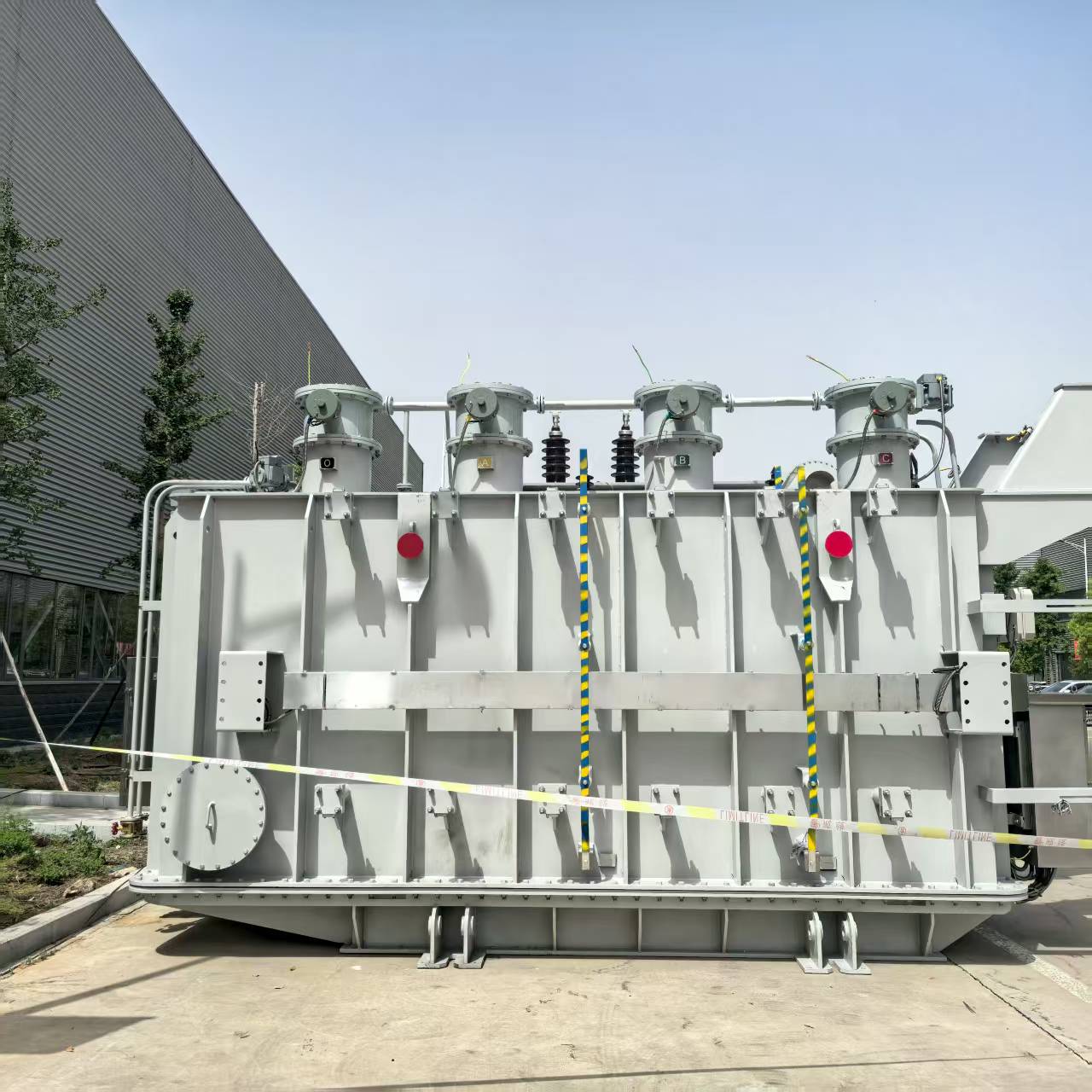
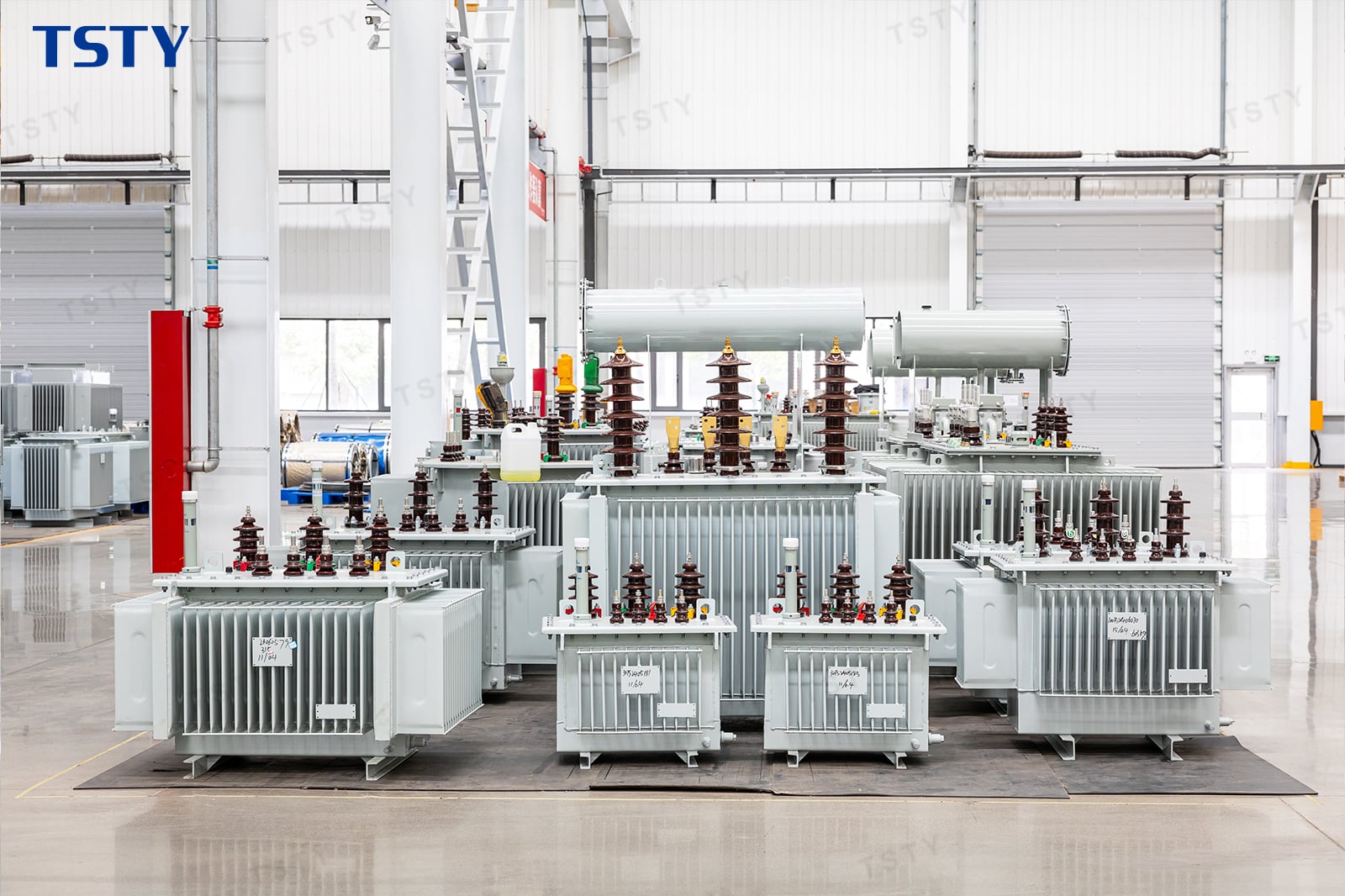
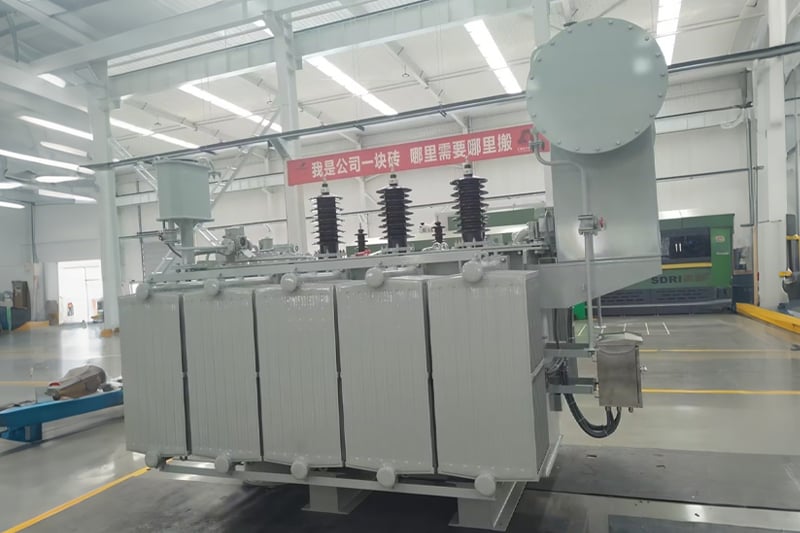
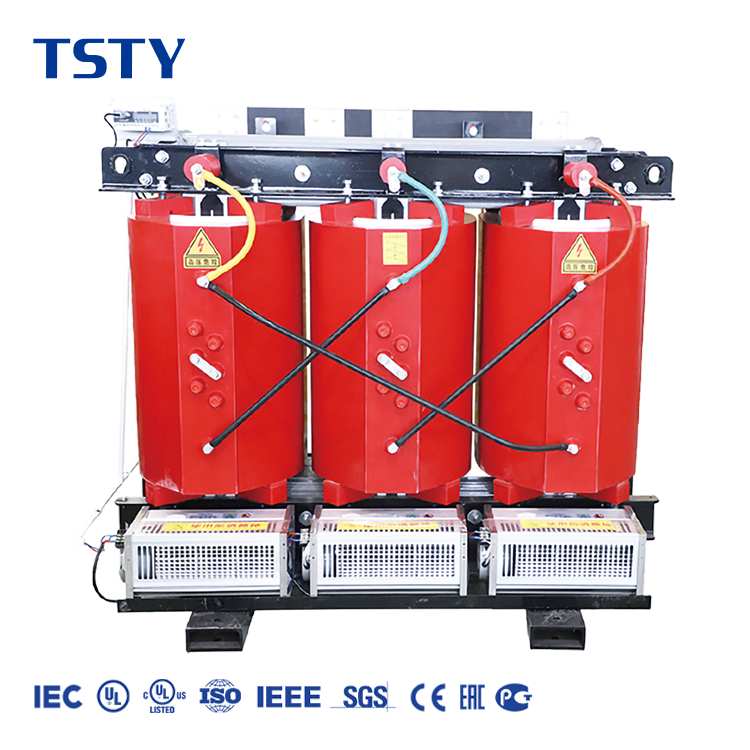
Postquam vis electrica RMU transierit, in centrum substationis transformatoriae electricae intrat—scilicet in transformatoriam descendentem. Hic 11 000 volt magnetice ad 400 volt (trifasica) utenda a tua fabrica reducuntur.
Cum transformatorium pro industriali substatione 11 kV / 400 V specificatur, ‘potentiam impuram’ considerare oportet. Fabricae industriales valde dependunt a variabilibus frequentiis (VFD), magnis compressoribus et arcu sudentibus. Haec machinamenta gravissimas harmonicas electricas generant, quae in transformatoribus communibus calorem nimium creant.
Ideo transformatorium in tua substatione 11 kV / 400 V solide construendum est, cum notis K-factor, ut distortionem harmonicam sustineat sine supercalefactione.
Praeterea medium refrigerans idoneum secundum dispositionem tui aedificii eligere oportet:
|
Genus Transformatoris |
Optima applicatio pro dispositione industriali |
Custodia et Salus |
|
In Oleo Immersum |
Areae exteriores, opera graviora in metallis effodiendis, planta petrochemica. |
Exigit examen olei et dike contra effusionem. Maxime durabile. |
|
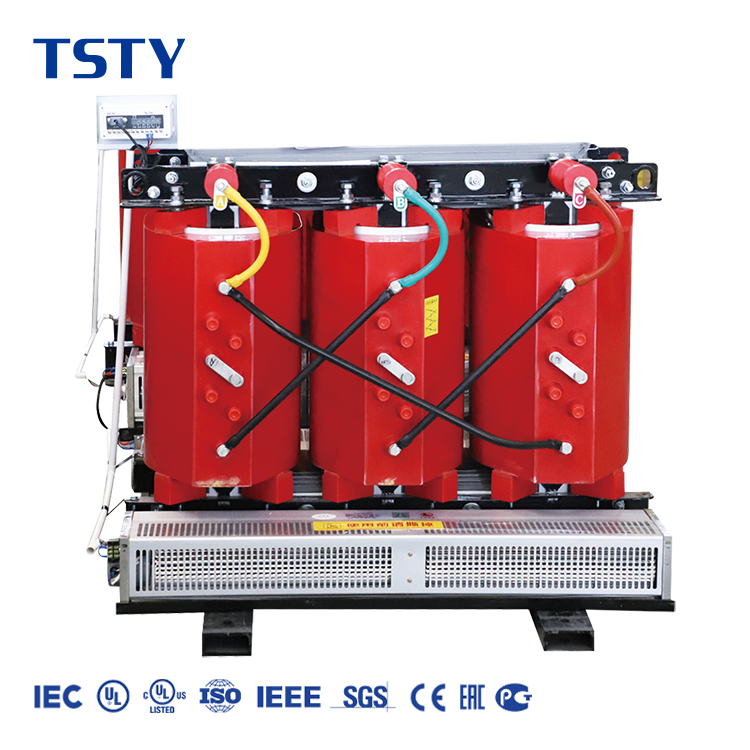
Resina Fusibilis Sicca |
Interior aedificiorum fabrilium, subsolana, loca pura (clean-room). |
Zero fire risk, no oil leaks, minimal maintenance. |
If your 11 kV / 400 V substation must be located directly on the factory floor right next to the assembly line, a arida genus Transformer is non-negotiable to comply with indoor fire safety codes.
The final stage of the 11 kV / 400 V substation is the Low Voltage (LV) distribution board. Once the power exits the transformer at 400 V, it must be divided into separate circuits to feed different zones of your factory.
This stage effectively operates as a low voltage distribution transformer panel. It is populated with Air Circuit Breakers (ACBs) for the massive main incoming feeds, and Molded Case Circuit Breakers (MCCBs) for the outgoing feeder cables.
A poorly designed LV panel will bottleneck your entire facility. In a premium 11 kV / 400 V substation, the copper busbars connecting the transformer to the LV panel are heavily tin-plated and precisely spaced to withstand massive electro-dynamic forces during a short circuit. If an operator accidentally overloads a CNC machine, the specific MCCB in the LV panel trips, isolating the fault while the rest of the 11 kV / 400 V substation continues to power the rest of the plant.
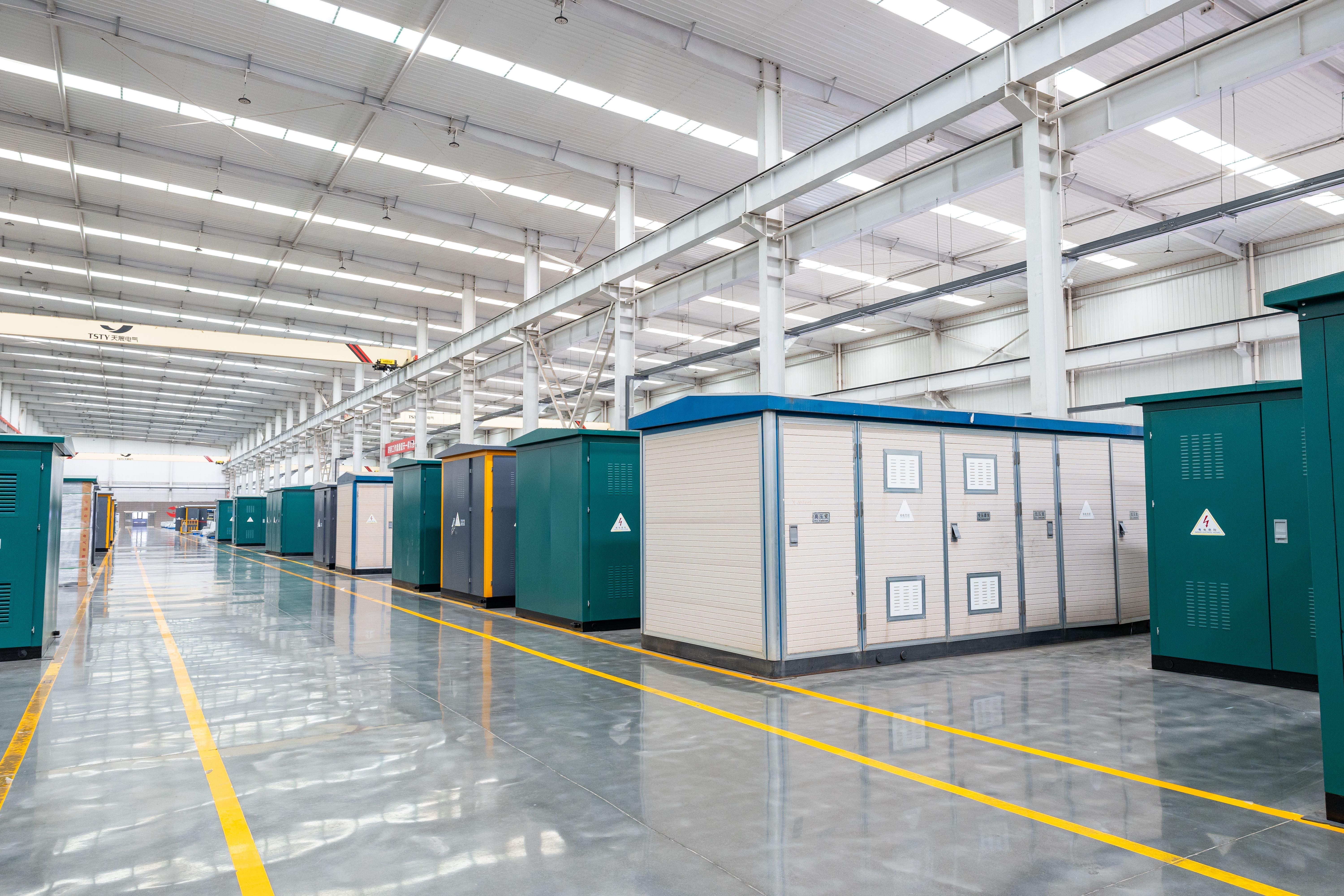
Historically, industrial plants built massive, brick-and-mortar electrical rooms to house these three separate components. Today, that approach is financially and spatially inefficient.
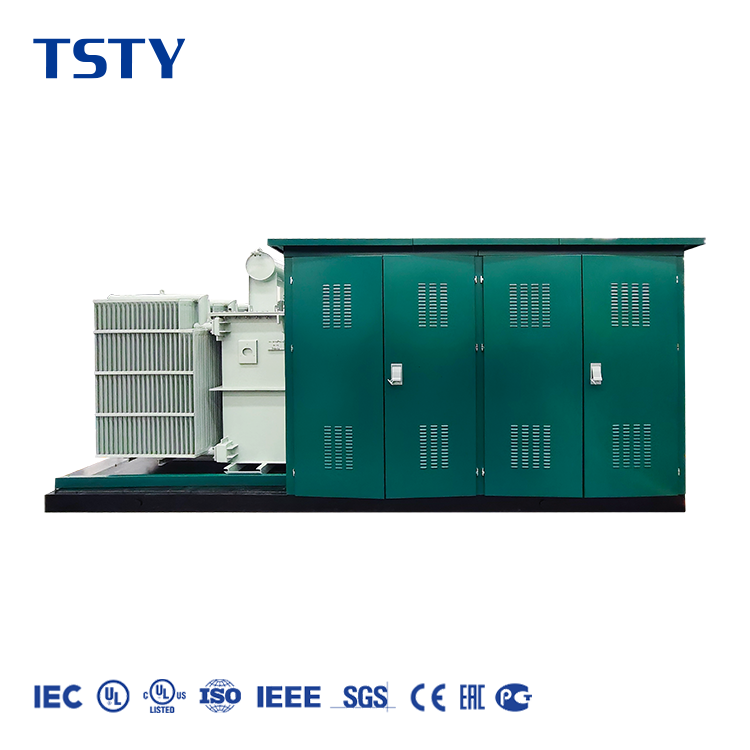
Running thousands of meters of thick, low-voltage copper cables from a centralized brick room to machinery on the other side of the plant results in severe voltage drops. Instead, modern industrial architects rely on the 11 kV compact substation .
Per impacchettare l'RMU, il trasformatore e il pannello a bassa tensione in un'unica scatola d'acciaio pre-collegata e a tenuta climatica, la sottostazione compatta a 11 kV può essere posizionata esattamente dove richiesto il carico.
Recentemente abbiamo fornito apparecchiature per un enorme produttore di parti automobilistiche. Invece di un unico trasformatore gigante da 3000 kVA in un cortile centrale, abbiamo installato tre unità separate da 1000 kVA ciascuna.
Posizionando una sottostazione 11 kV / 400 V vicino ai robot per saldatura, una vicino alle presse per imbutitura e una vicino ai gruppi frigoriferi HVAC, abbiamo eliminato la necessità di grandi canaline per cavi a bassa tensione. Lo stabilimento ha fatto arrivare direttamente a ciascuna sottostazione 11 kV / 400 V cavi a media tensione da 11 kV (molto più sottili ed economici). Questa configurazione decentralizzata ha permesso al contraente EPC di risparmiare oltre il 25% sui costi dei cavi e ha garantito una ridondanza operativa senza pari.
Progettare le infrastrutture elettriche industriali non significa acquistare i componenti più economici; significa garantire la continuità operativa.
Statio subterranea industrialis 11 kV 400 V est investitio magna quae onera gravia, distortionem harmonicam et condiciones ambientales durissimas sustinere debet. Cum RMU, transformator, et tabulae LV ab diversis venditoribus emuntur, periculum defectuum integrationis et incohaerentiae catenarum electricarum in loco praesens est.
Per consortium cum fabricante perito qui stationem subterraneam 11 kV 400 V plene integratam et in officina probatam suppeditat, haec pericula tolluntur. Sic componentes interni exacte computantur ut machinas tuas protegant, ordinem tuum simplificent, et lineas productionis tuas in securitate decennia durare faciant.