

 EN
Walk onto the floor of any heavy manufacturing plant, steel mill, or large-scale automotive assembly line, and the hum of productivity is deafening. Behind every conveyor belt, robotic arm, and Variable Frequency Drive (VFD) lies a massive demand for stable, uninterrupted electricity.
However, the local utility grid does not deliver power in a format your machinery can immediately use. The grid transmits power at medium voltage (typically 11,000 volts) to reduce transmission losses, but your factory floor motors operate at 400 volts. The critical bridge between the utility grid and your production line is the 11kv 400v substation.
As a manufacturer of heavy-duty electrical equipment, we frequently consult with EPCs who view an 11kv 400v substation as just a single box on a blueprint. In reality, it is a complex, three-part ecosystem. If the internal components are not perfectly matched to your specific industrial load, you face catastrophic downtime.
Here is a deep dive into the anatomy of an industrial 11kv 400v substation and how to configure its layout for maximum safety and efficiency.
Before power can be stepped down, it must be safely received and controlled. The first stage of any 11kv 400v substation is the medium voltage (MV) switchgear.
In industrial layouts, this is usually achieved using an 11kv RMU (Ring Main Unit). The RMU acts as the gateway. It allows operators to isolate the substation from the main grid for maintenance and provides crucial short-circuit protection. If a massive fault occurs upstream on the grid, the protective relays inside the 11kv RMU will trip, shielding the rest of your 11kv 400v substation from a devastating electrical fire.
Pro Tip for Industrial Buyers: For harsh industrial environments filled with dust, chemical vapors, or high humidity, avoid air-insulated switchgear. Insist on a Gas Insulated Switchgear (GIS) RMU where the switching contacts are sealed inside a stainless-steel tank filled with SF6 (or eco-friendly alternatives). This ensures your 11kv 400v substation remains unaffected by external atmospheric contaminants.
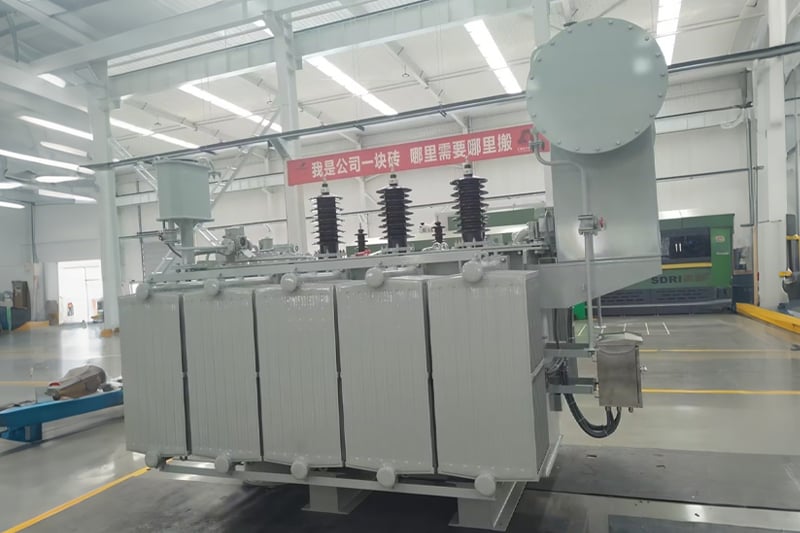
Once the power clears the RMU, it enters the core of the electrical transformer substation—the step-down transformer. This is where the 11,000 volts are magnetically converted down to the usable 400 volts (three-phase) required by your plant.
When specifying the transformer for an industrial 11kv 400v substation, you must account for "dirty power." Industrial plants rely heavily on VFDs, large compressors, and arc welders. These machines generate severe electrical harmonics that create excessive heat inside standard transformers.
Therefore, the transformer inside your 11kv 400v substation must be robustly engineered with K-factor ratings to handle harmonic distortion without overheating.
Furthermore, you must choose the correct cooling medium based on your facility's layout:
|
Transformer Type |
Best Industrial Layout Application |
Maintenance & Safety |
|
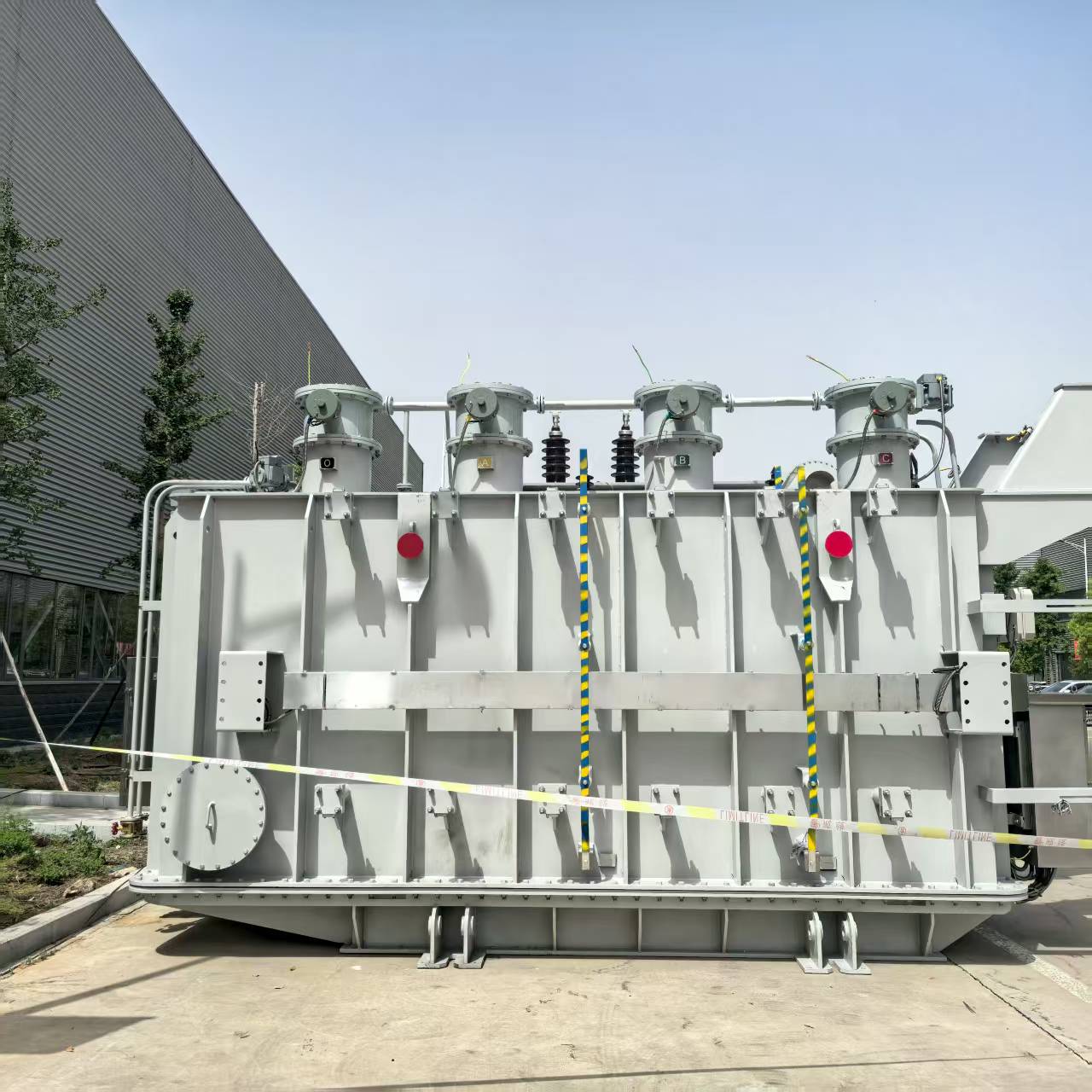
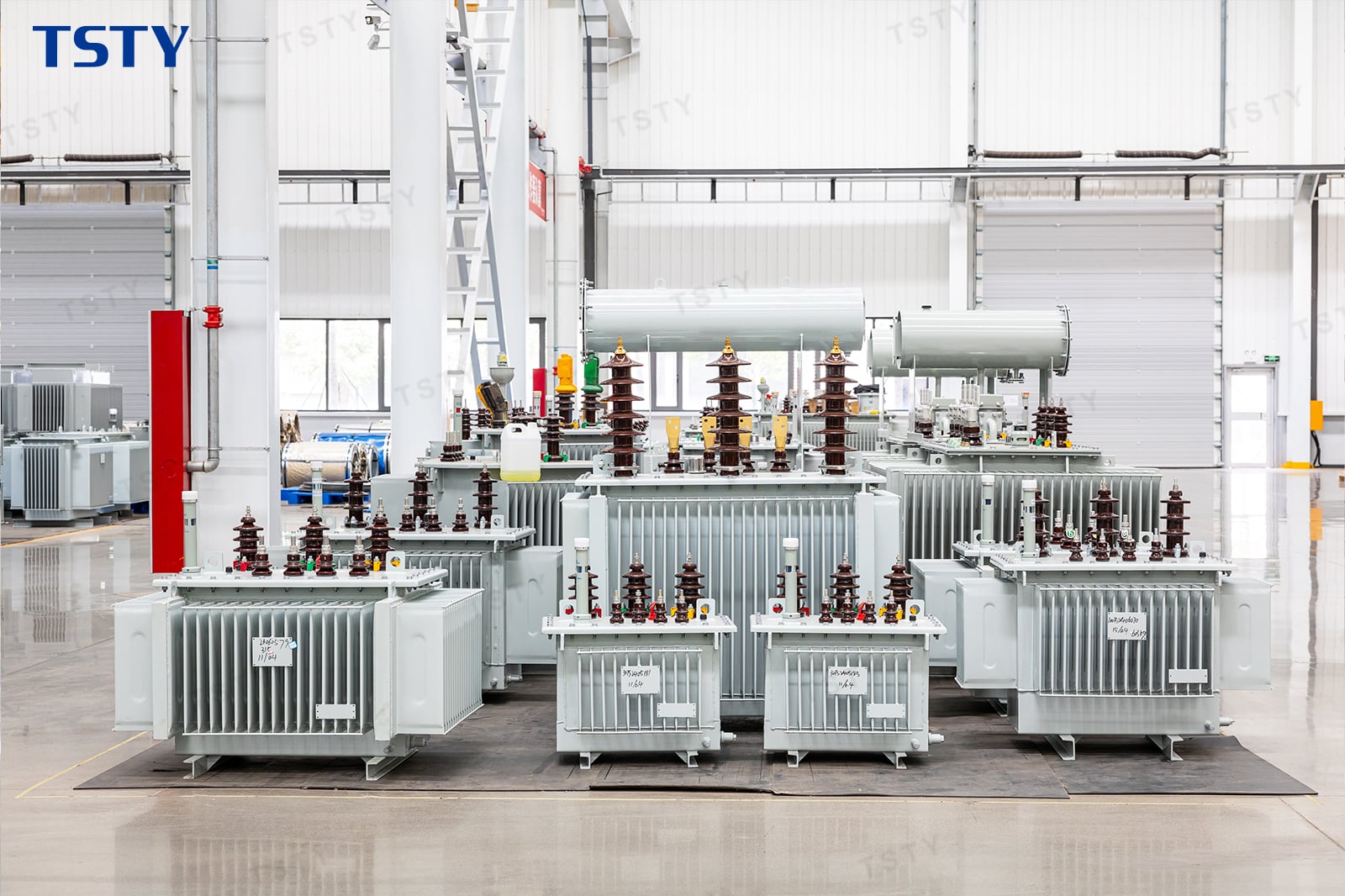
Oil-Immersed |
Outdoor yards, heavy-duty mining, petrochemical plants. |
Requires oil sampling and spill bunds. Highly durable. |
|
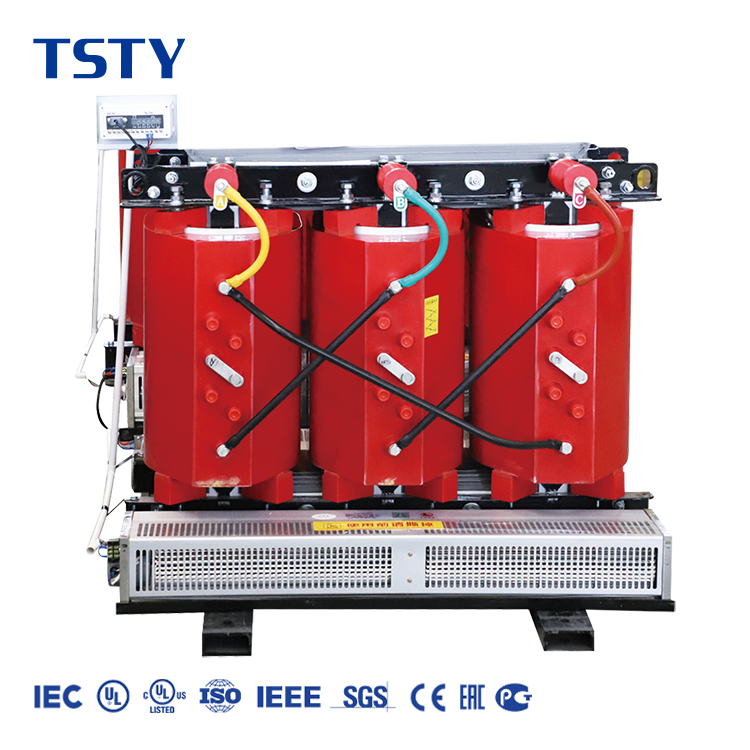
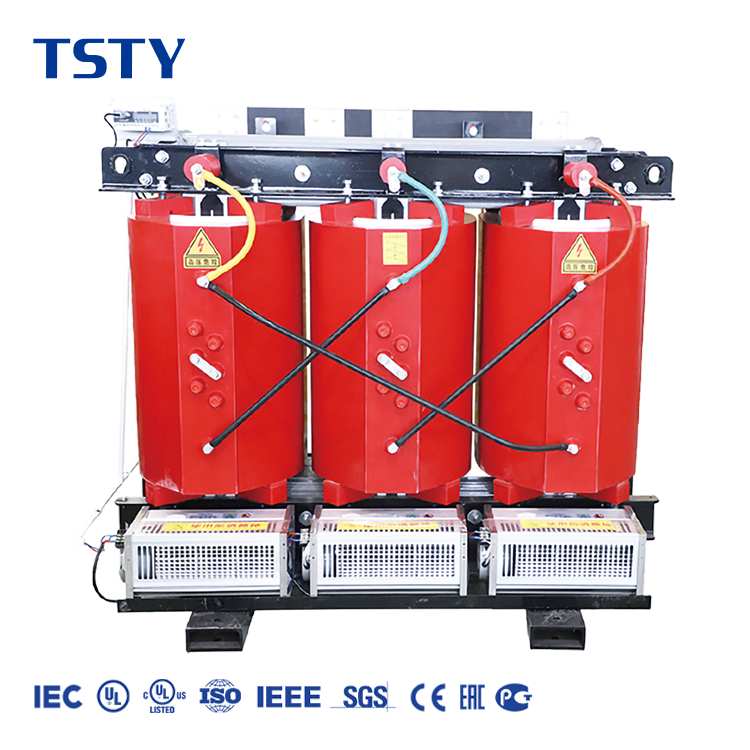
Cast Resin Dry-Type |
Indoor factory floors, basements, clean-room facilities. |
Zero fire risk, no oil leaks, minimal maintenance. |
If your 11kv 400v substation must be located directly on the factory floor right next to the assembly line, a dry-type transformer is non-negotiable to comply with indoor fire safety codes.
The final stage of the 11kv 400v substation is the Low Voltage (LV) distribution board. Once the power exits the transformer at 400V, it must be divided into separate circuits to feed different zones of your factory.
This stage effectively operates as a low voltage distribution transformer panel. It is populated with Air Circuit Breakers (ACBs) for the massive main incoming feeds, and Molded Case Circuit Breakers (MCCBs) for the outgoing feeder cables.
A poorly designed LV panel will bottleneck your entire facility. In a premium 11kv 400v substation, the copper busbars connecting the transformer to the LV panel are heavily tin-plated and precisely spaced to withstand massive electro-dynamic forces during a short circuit. If an operator accidentally overloads a CNC machine, the specific MCCB in the LV panel trips, isolating the fault while the rest of the 11kv 400v substation continues to power the rest of the plant.
Historically, industrial plants built massive, brick-and-mortar electrical rooms to house these three separate components. Today, that approach is financially and spatially inefficient.
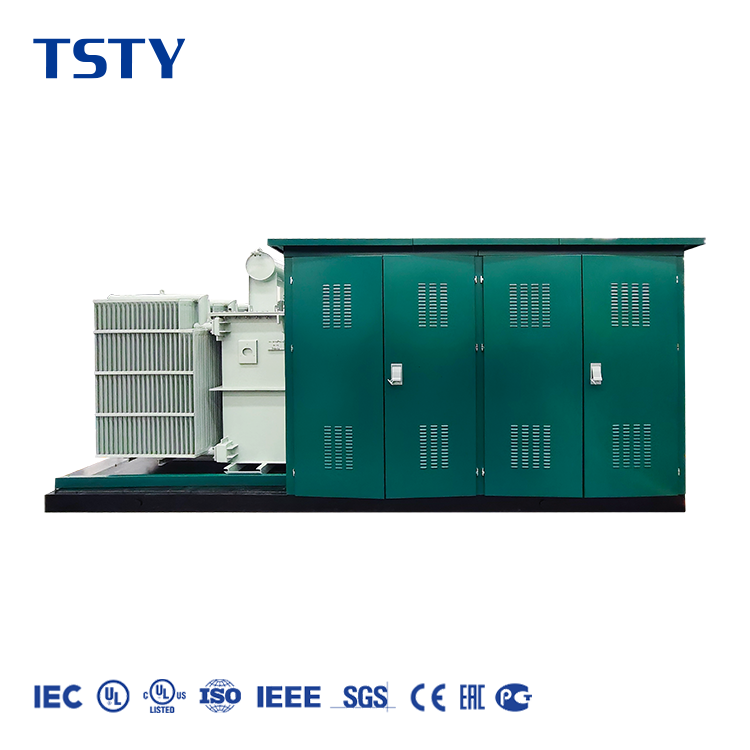
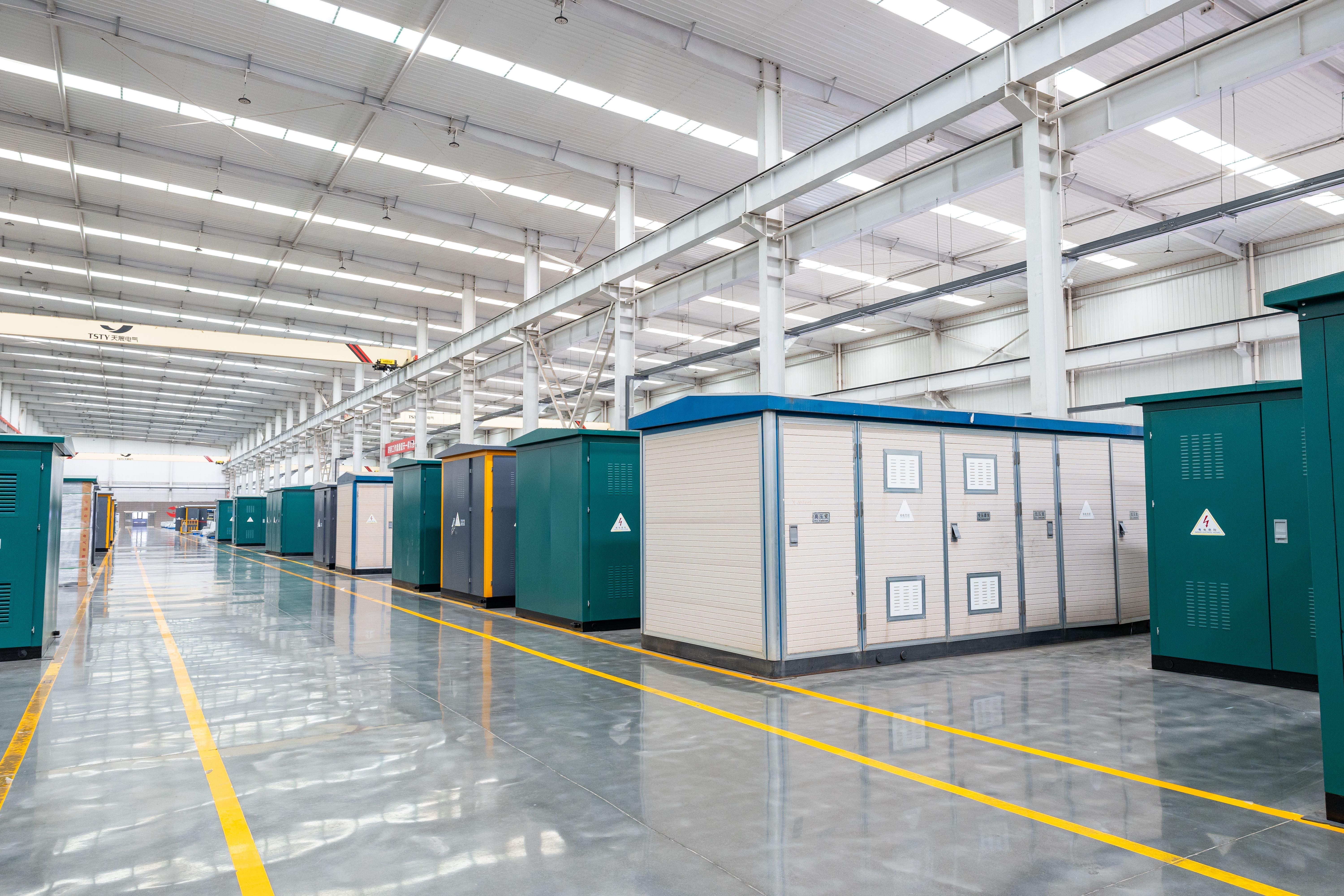
Running thousands of meters of thick, low-voltage copper cables from a centralized brick room to machinery on the other side of the plant results in severe voltage drops. Instead, modern industrial architects rely on the 11kv compact substation.
By packaging the RMU, the transformer, and the LV panel into a single, pre-wired, weather-proof steel enclosure, the 11kv compact substation can be placed exactly where the load is needed.
We recently supplied equipment for a massive automotive parts manufacturer. Instead of one giant 3000kVA transformer in a central yard, we deployed three separate 1000kVA units.
By placing one 11kv 400v substation near the welding robots, one near the stamping presses, and one near the HVAC chillers, we eliminated the need for massive low-voltage cable trenches. The plant ran medium-voltage 11kV cables (which are much thinner and cheaper) directly to each 11kv 400v substation. This decentralized layout saved the EPC contractor over 25% in cabling costs and provided unmatched operational redundancy.
Designing industrial power infrastructure is not about buying the cheapest components; it is about guaranteeing uptime.
An industrial 11kv 400v substation is a massive investment that must withstand aggressive loads, harmonic distortion, and unforgiving environmental conditions. When you purchase the RMU, transformer, and LV panels from different vendors, you risk integration failures and busbar mismatches on site.
By partnering with an experienced manufacturer to deliver a fully integrated, factory-tested 11kv 400v substation, you eliminate those risks. You ensure that the internal components are mathematically matched to protect your machinery, streamline your layout, and keep your production lines running safely for decades to come.