

 EN
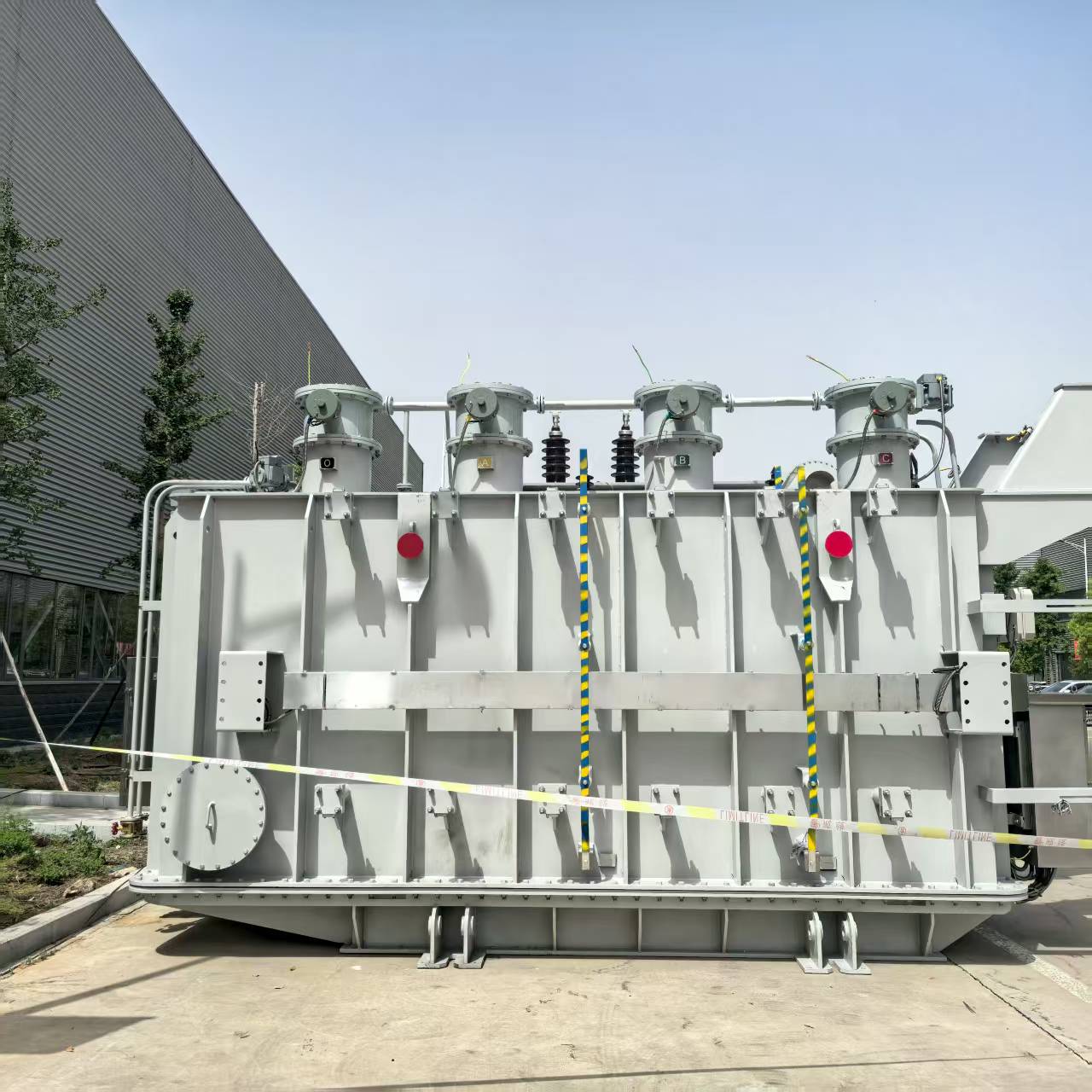
In the high-stakes arena of global energy generation, producing raw electricity is only the first phase of the operation. Whether a facility is spinning massive steam turbines in a combined-cycle gas plant or harnessing kinetic energy in a hydroelectric dam, that low-voltage generator output must be aggressively amplified to travel across the national transmission grid. The singular piece of equipment responsible for this critical handover is the power plant step up transformer.
For EPC (Engineering, Procurement, and Construction) contractors, facility owners, and grid operators, the power plant step up transformer is the most vital financial asset on the site. If it fails, the generator is effectively stranded, paralyzing the entire facility and costing millions in lost revenue.
Drawing on decades of engineering expertise as one of the world's leading large power transformer manufacturers, this guide explores the deep technical criteria required to properly select and specify a power plant step up transformer for flawless generator output and grid connection.
Generators are highly efficient at producing electricity, but physical and insulation limitations mean they typically output power at lower voltages, generally between 11kV and 25kV. If you attempt to transmit this raw power across hundreds of miles, the high current would result in catastrophic thermal I2RI2R (Joule heating) losses.
To solve this, a dedicated power plant step up transformer is positioned directly adjacent to the generator. These specialized units, often referred to within the industry as generator transformers, take the high-current/low-voltage output and step it up to massive transmission voltages—such as 132kV, 220kV, or 400kV. By exponentially increasing the voltage, the power plant step up transformer proportionally reduces the current, allowing the energy to travel vast distances with virtually zero thermal loss.
Because it operates as the main power transformer for the entire facility, a power plant step up transformer is subjected to unique operational stresses that standard grid distribution transformers never face. When writing procurement specifications, engineers must prioritize the following three technical pillars:
Unlike localized distribution equipment that experiences daily peaks and troughs in demand, a power plant step up transformer is designed to operate at 100% of its maximum nameplate capacity continuously for months at a time. This generates immense internal heat.
Selecting the right cooling architecture for a power plant step up transformer is non-negotiable. For heavy baseload generation, engineers must specify forced cooling systems. An ODAF (Oil Directed, Air Forced) configuration utilizes powerful mechanical pumps to force cool dielectric fluid directly through the core and copper windings, while high-velocity exterior fans rapidly dissipate the heat. This ensures the power plant step up transformer does not suffer from premature cellulose insulation degradation due to thermal runaway.
Generators are dynamic machines. If a sudden disconnection from the grid occurs (a phenomenon known as load rejection), the generator's voltage can spike instantly before the automated controls can reduce the turbine speed.
Because the power plant step up transformer is directly tied to the generator terminals, it absorbs this massive voltage spike, leading to severe magnetic over-excitation (over-fluxing). A premium-engineered power plant step up transformer must be constructed with high-grade, laser-treated Cold-Rolled Grain-Oriented (CRGO) silicon steel. Furthermore, the core must be slightly oversized—operating at a lower normal flux density—so it has the magnetic headroom to absorb these spikes without overheating the core steel and destroying the adjacent winding insulation.
When a fault occurs out on the high-voltage transmission lines, a violent electro-dynamic shockwave travels backward through the high voltage step up transformer and into the generator.
The copper windings inside a power plant step up transformer must be built like a fortress to withstand these crushing mechanical forces. Elite manufacturers utilize Continuously Transposed Conductors (CTC) bonded with specialized epoxy resins. Once cured, the active part of the power plant step up transformer becomes a rigid, immovable block, guaranteeing that the windings will not warp, buckle, or short-circuit during a severe grid fault.
Procurement teams must recognize that a power plant step up transformer is an entirely different class of equipment compared to standard network transformers. Using standard specifications for generator-tied equipment is a recipe for disaster.
Here is a matrix highlighting the critical differences you should look for when auditing vendor proposals:
|
Technical Specification |
Standard Grid Transformer |
Purpose-Built Power Plant Step Up Transformer |
|
Duty Cycle |
Variable (Cyclic loading) |
100% Continuous Base Load |
|
Tap Changer |
On-Load Tap Changer (OLTC) |
Off-Circuit Tap Changer (OCTC) typically sufficient |
|
Core Flux Density |
Standard design parameters |
Lower flux density to handle generator load rejection |
|
Winding Connections |
Delta-Star (Typical) |
Delta (Low Voltage side) to Star (High Voltage side) |
|
Moisture Extraction |
Standard vacuum drying |
Vapor Phase Drying (VPD) strictly required |
You cannot visually inspect the internal reliability of a power plant step up transformer. The only guarantee of longevity comes from the rigorous manufacturing processes and Factory Acceptance Testing (FAT) performed by the supplier.
Before awarding a contract, demand proof that the manufacturer utilizes Vapor Phase Drying (VPD). If a power plant step up transformer retains even a fraction of a percent of moisture inside its heavy paper insulation, it will suffer from partial discharge and early failure under continuous full-load conditions. Furthermore, ensure the factory has an in-house high-voltage laboratory capable of executing lightning impulse tests and extended heat-run tests directly on your specific power plant step up transformer before it ships.
The financial viability of any large-scale generation facility rests squarely on its ability to export electricity without interruption. The power plant step up transformer dictates that success. By demanding robust short-circuit rigidity, advanced ODAF cooling, and over-excitation headroom, facility owners can secure a heavily fortified connection to the national grid.
Are you specifying equipment for a new thermal, hydro, or utility-scale power plant? Do not leave your generator’s output to chance. Contact our expert engineering team today. We specialize in designing and manufacturing custom-engineered power plant step up transformer solutions that guarantee decades of maximum-efficiency power export, safeguarding your infrastructure investment for the long haul.