

 EN
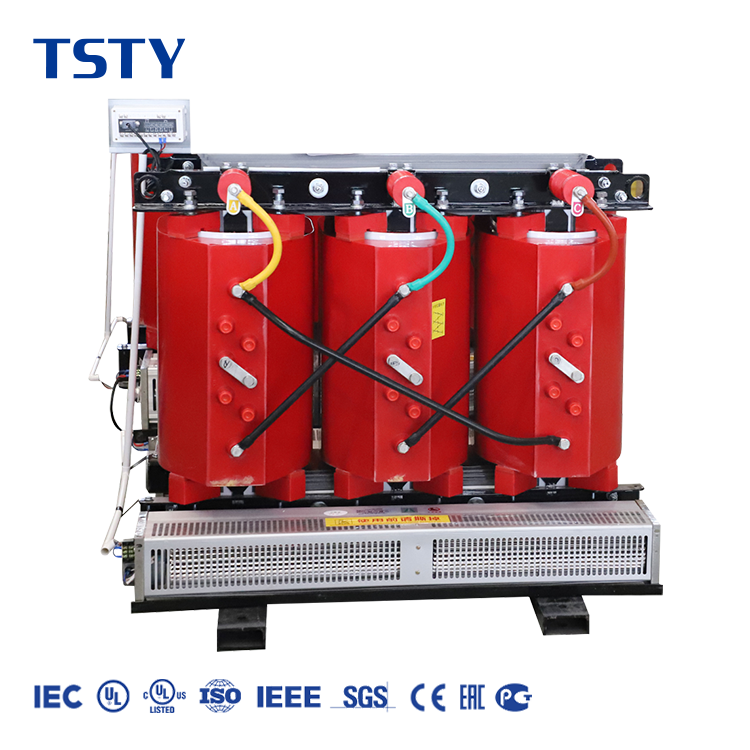
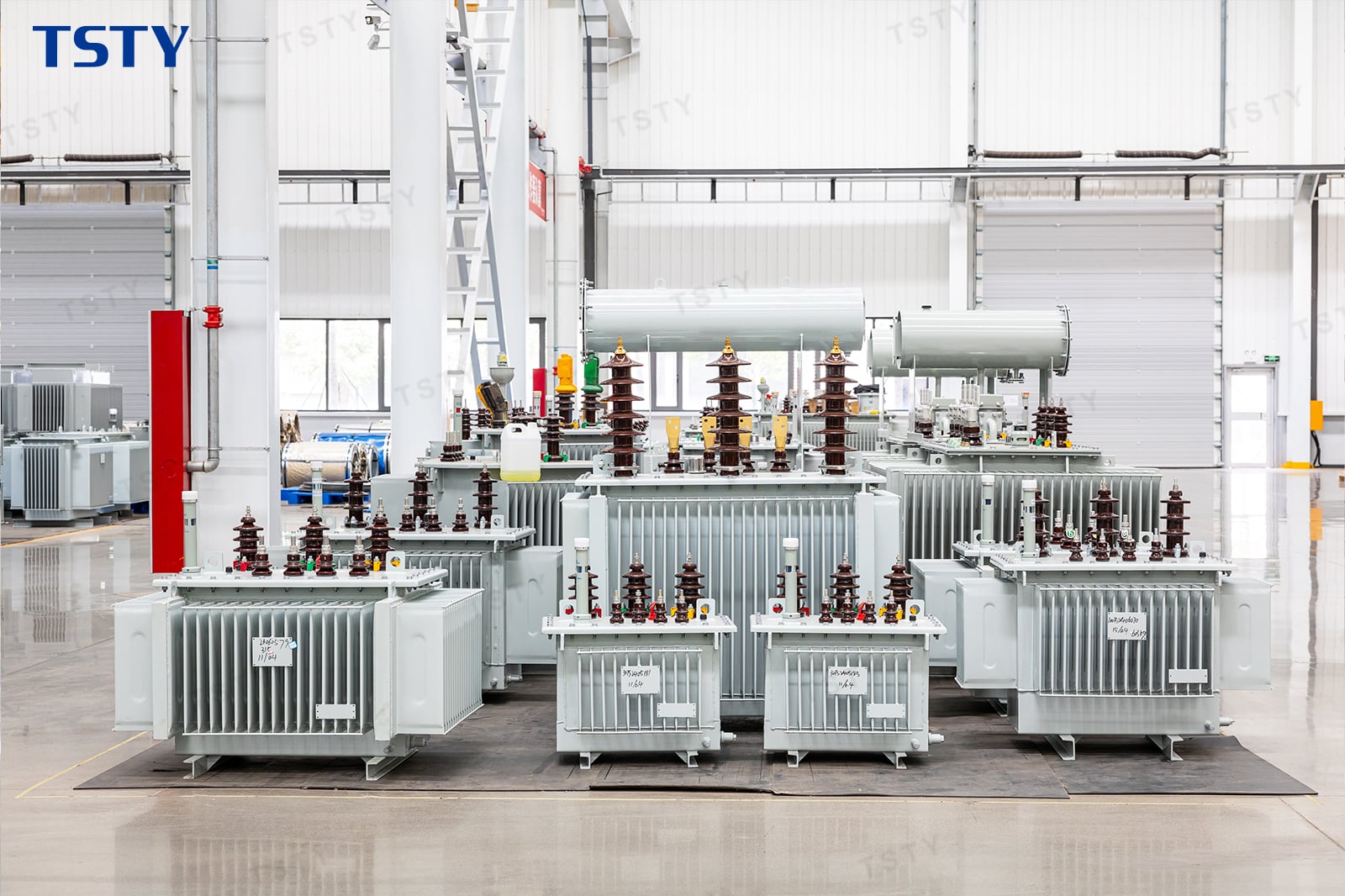
The global electrical infrastructure is undergoing a historic transformation. Driven by the rapid electrification of transport, the explosive growth of hyperscale data centers, and the global mandate for green energy, modern power networks are being pushed to their absolute physical limits. At the very center of this storm sits the grid transformer.
For utility operators, grid planners, and EPC (Engineering, Procurement, and Construction) contractors, the criteria for procuring a grid transformer have drastically changed. You can no longer rely on legacy specifications. Today, a grid transformer must be a highly dynamic, resilient, and intelligent asset capable of handling bi-directional power flows and extreme thermal cycling.
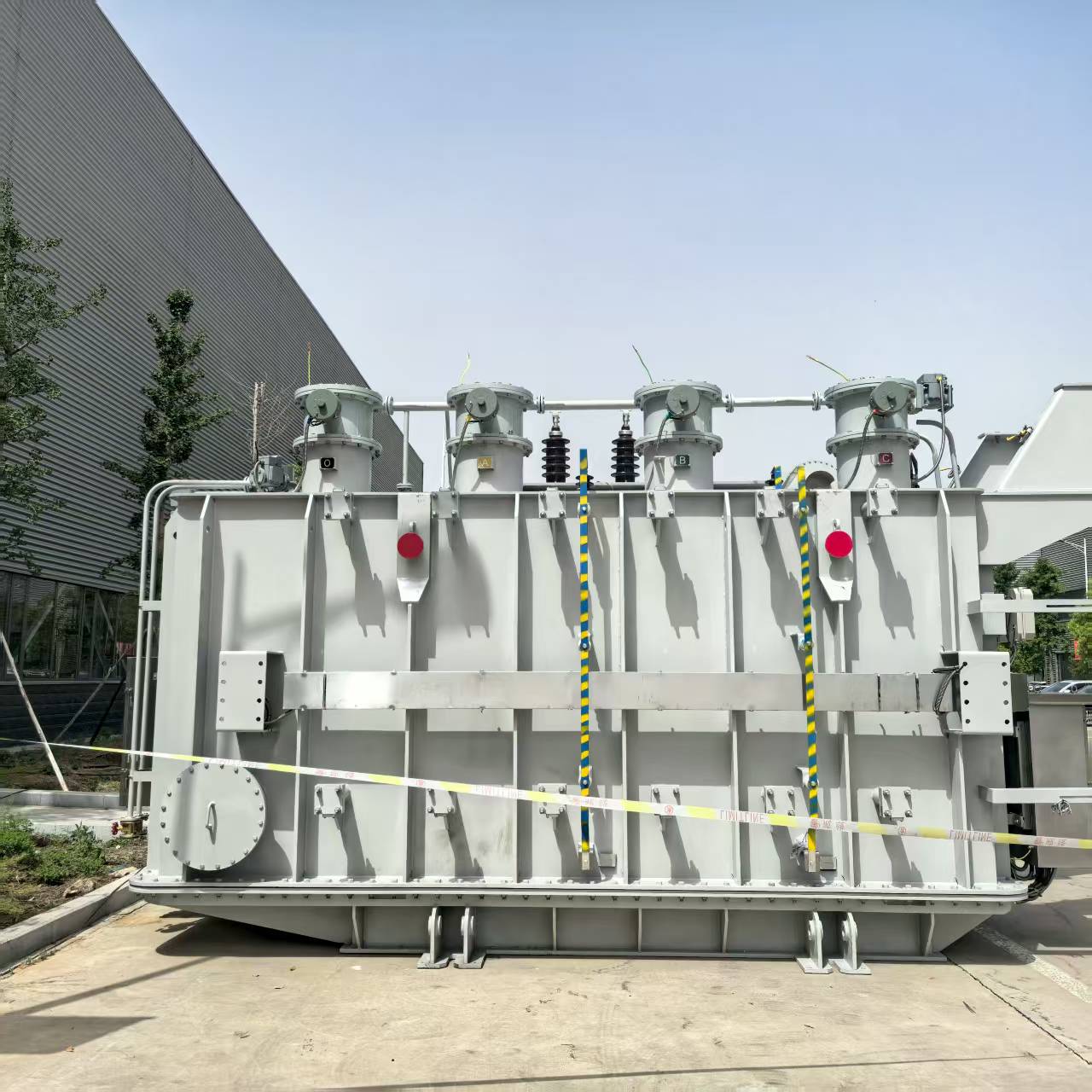
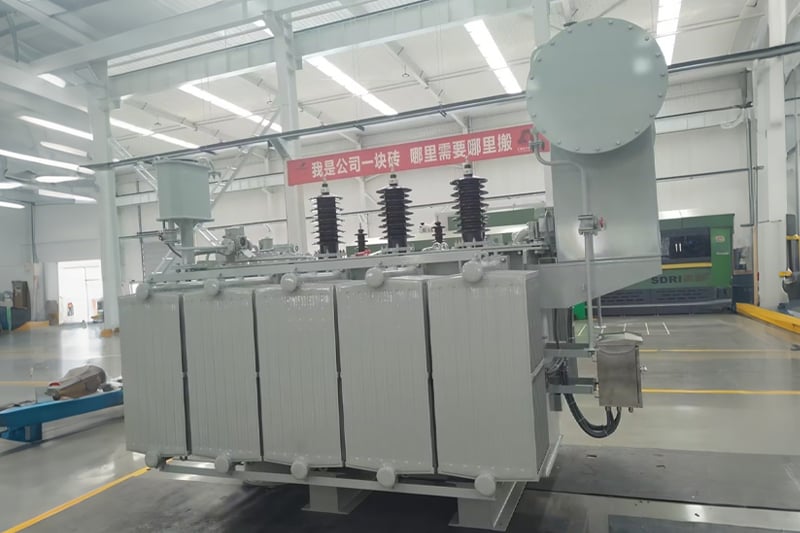
As a tier-one manufacturer of high voltage power transformers, we routinely partner with global utilities to solve complex infrastructure bottlenecks. From managing exponential load growth to stabilizing volatile solar integrations, here is a deep dive into the engineering solutions that define a modern, future-proof grid transformer.
Historically, municipal power demand followed a predictable, slow-growth curve. Today, the sudden integration of EV (Electric Vehicle) mega-charging hubs and AI-driven data centers can double a neighborhood's power demand overnight.
When a legacy grid transformer is subjected to these sudden, massive loads, the internal copper windings generate excessive heat. If this heat is not rapidly dissipated, the cellulose paper insulation degrades, drastically shortening the lifespan of the equipment and increasing the risk of catastrophic failure.
To combat this, a modern high-capacity grid transformer is engineered with advanced thermodynamic management. We design our units utilizing:
Integrating wind and solar farms into the national transmission network introduces a completely new set of engineering challenges. Renewable energy is inherently intermittent, and the massive inverters used to convert DC to AC power inject severe harmonic distortion into the network.
Standard electric grid transformers were designed for steady, one-way power flow from a coal or hydro plant. When subjected to the volatile, bi-directional flow of a solar farm, a standard core will suffer from over-excitation, and the harmonic frequencies will cause localized overheating (hotspots).
To ensure seamless renewable integration, a purpose-built grid transformer requires specialized internal architecture. This includes the installation of copper electrostatic shields between the primary and secondary windings to filter out damaging inverter harmonics. Additionally, the core of the grid transformer is constructed from premium, laser-scribed Cold-Rolled Grain-Oriented (CRGO) steel, which provides the magnetic headroom necessary to handle sudden voltage fluctuations without saturating.
Industry Insight: According to recent global energy reports, grids with high renewable penetration experience 30% more voltage volatility. Upgrading to a specialized grid transformer equipped with a high-speed On-Load Tap Changer (OLTC) is critical for actively smoothing out these voltage spikes before they reach the consumer.
In the modern era, a blackout is not just an inconvenience; it represents millions of dollars in economic loss and severe reputational damage. Therefore, the reliability of a power transmission transformer cannot be left to scheduled manual inspections.
The defining feature of a next-generation grid transformer is digital integration. By transforming a passive piece of heavy metal into an active, IoT-enabled smart node, grid operators can predict failures before they happen.
Modern procurement specifications for a grid transformer should always include:
To assist B2B procurement teams, we utilize the following matrix to demonstrate the operational leap between legacy and modern designs:
|
Capability Metric |
Legacy Distribution Transformer |
Smart Grid Transformer |
|
Load Flexibility |
Static, vulnerable to EV/Data Center peaks |
High overload capacity with TUK paper and forced cooling |
|
Renewable Readiness |
Poor (vulnerable to harmonics) |
High (Electrostatic shielding, optimized CRGO core) |
|
Voltage Regulation |
Off-Circuit Tap Changer (requires shutdown) |
Vacuum-type On-Load Tap Changer (OLTC) for dynamic regulation |
|
Maintenance Strategy |
Reactive (Time-based visual inspections) |
Predictive (Real-time IoT DGA and fiber-optic thermal monitoring) |
Consider a critical infrastructure upgrade: a municipality needs to modernize an aging 132 33kv substation to accommodate a new industrial park.
The immediate challenge is physical space. Urban substations are often landlocked by city development. Purchasing a new, higher-capacity grid transformer traditionally meant buying a physically larger unit that would not fit the existing concrete foundation.
As an advanced manufacturer, we solve this through 3D electro-magnetic modeling. By optimizing the dielectric clearances and utilizing high-density insulating fluids (such as synthetic esters), we can engineer a grid transformer that delivers 30% more power while maintaining the exact same physical footprint as the 40-year-old unit it is replacing. This allows EPC contractors to execute seamless plug-and-play upgrades without spending millions on civil engineering modifications.
The transition to a high-demand, renewable-powered future rests entirely on the shoulders of your electrical infrastructure. A modern grid transformer is no longer just a voltage conversion device; it is a thermal management powerhouse, a harmonic filter, and a digitized grid stabilizer.
For utility developers and EPCs, partnering with the right manufacturer is the most critical decision in the project lifecycle.
Are you planning a substation upgrade or a large-scale grid expansion? Do not compromise on your network's most vital asset. Contact our engineering and technical sales team today. We will review your load profiles, analyze your renewable integration requirements, and custom-manufacture a grid transformer designed to deliver absolute reliability for the next half-century.