

 EN
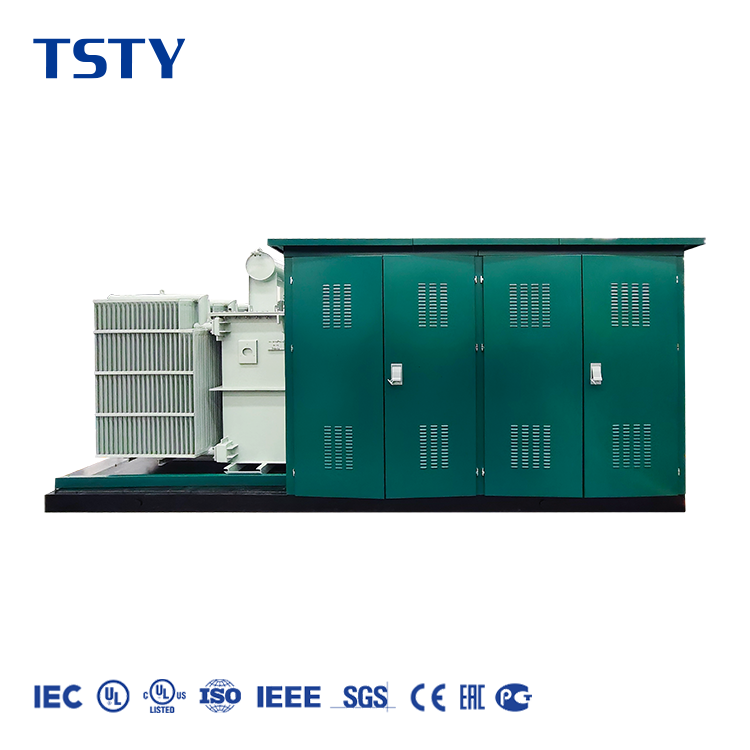
The electrical grid is undergoing the most radical transformation in its history. Historically, power flowed strictly in one direction: from a massive centralized power plant, down the transmission lines, and into a local facility. Today, grid planners, EPC contractors, and project developers know that designing a distribution transformer substation is no longer a one-size-fits-all endeavor.
Depending on the environment, a modern distribution transformer substation is no longer just a passive step-down box. It is a dynamic, highly engineered node that must handle bi-directional power flow, aggressive harmonic distortion, or automated smart-grid switching.
Emere un substatie transformatorie de distributie pre-fabricata, fara a analiza profilul specific al sarcinii la nivel macro, va conduce inevitabil la instabilitatea retelei, la declansari frecvente sau la defecte catastrofale. Sa exploram cerintele distincte de inginerie si operare la planificarea unei substatii transformatorii de distributie pentru trei sectoare profund diferite: Utilitati Municipale, Parcuri Industriale si Energie Renovabila.
Cand o companie municipală de energie electrică modernizează infrastructura sa, obiectivele principale sunt disponibilitatea neîntreruptă pentru consumatorii rezidențiali, echilibrarea sarcinii și izolarea rapidă a defectelor.
Într-o rețea inelară municipală tradițională, substatia transformatorie de distributie funcționează ca legătura critică între rețeaua de medie tensiune de 33 kV/11 kV și consumatorii rezidențiali de 400 V/230 V. Totuși, planificarea modernă a utilităților cere ca aceste noduri să fie „inteligente.”
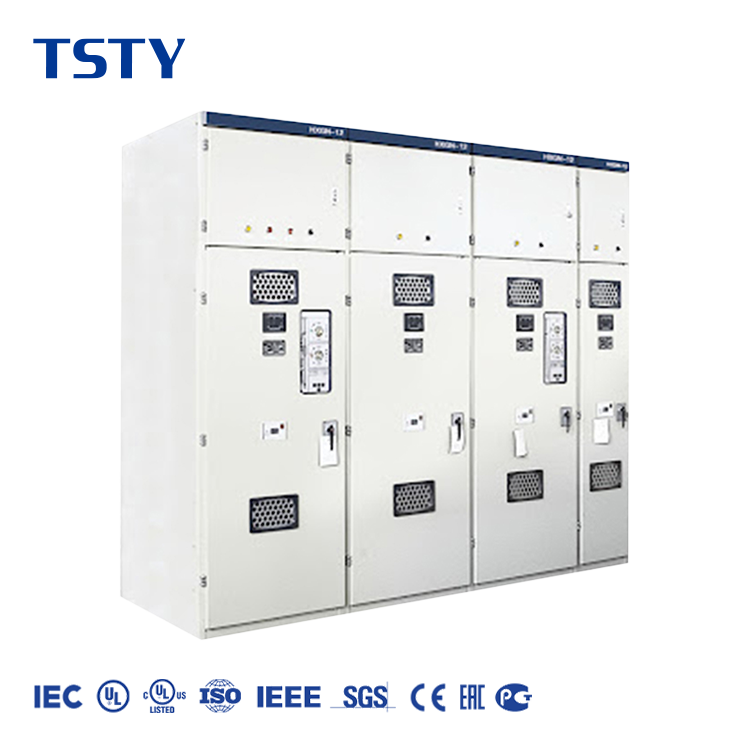
Upgrading a municipal distribution transformer substation requires the integration of motorized Ring Main Units (RMUs) equipped with SCADA (Supervisory Control and Data Acquisition) systems. If a fallen tree severs an underground cable in a neighborhood, the smart switchgear inside the distribution transformer substation allows utilities to remotely isolate the fault and reroute power from an adjacent grid loop in milliseconds, preventing a widespread blackout.
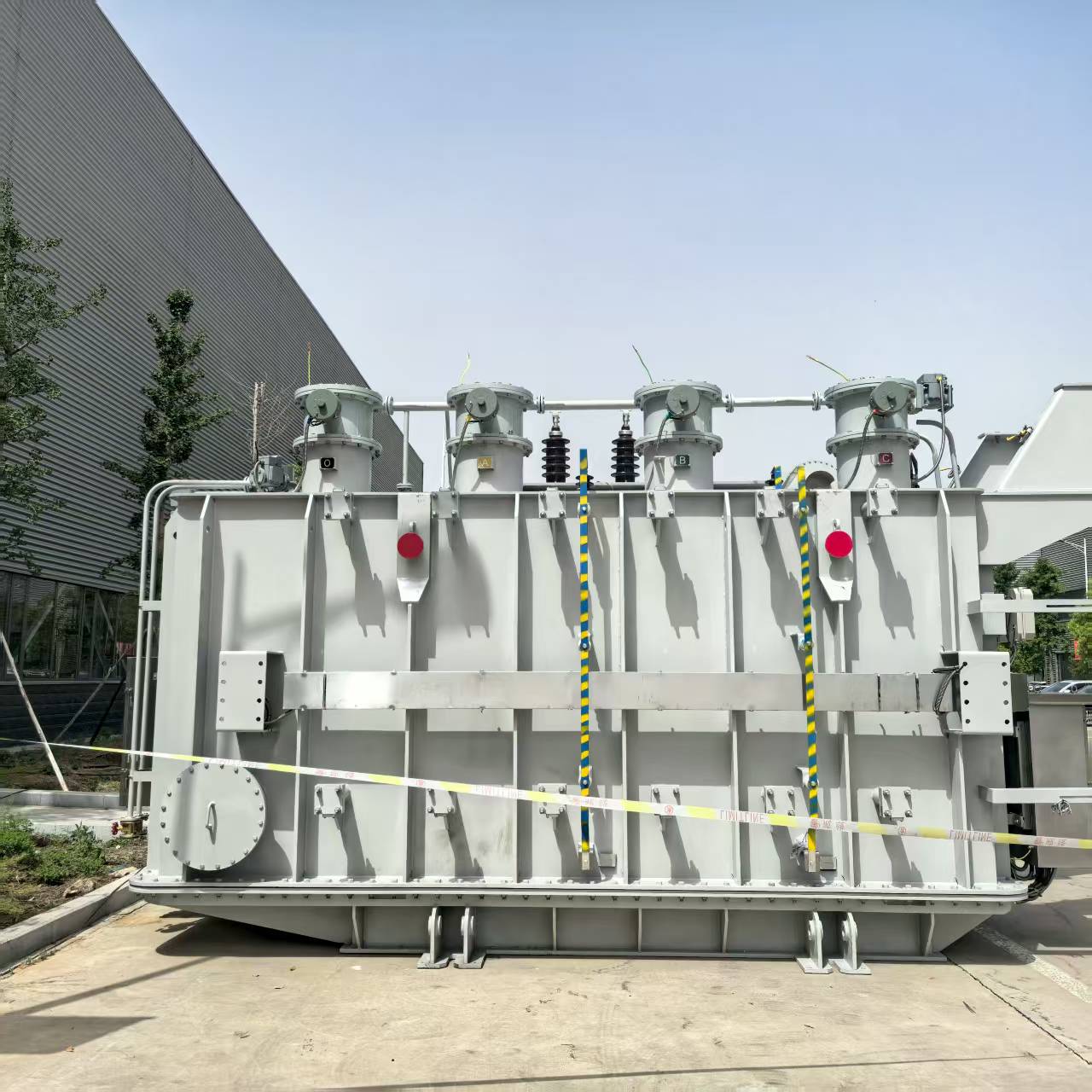
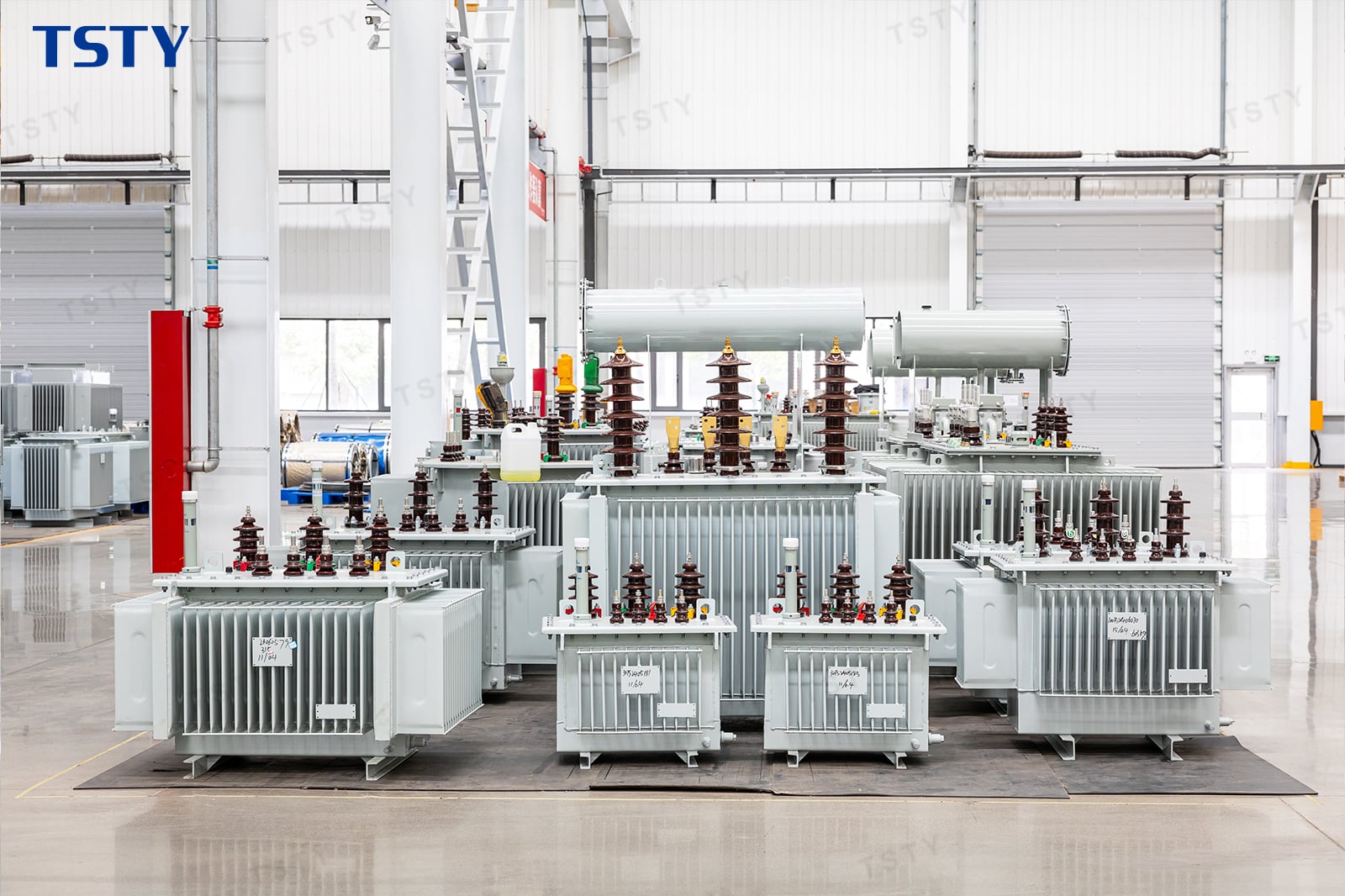
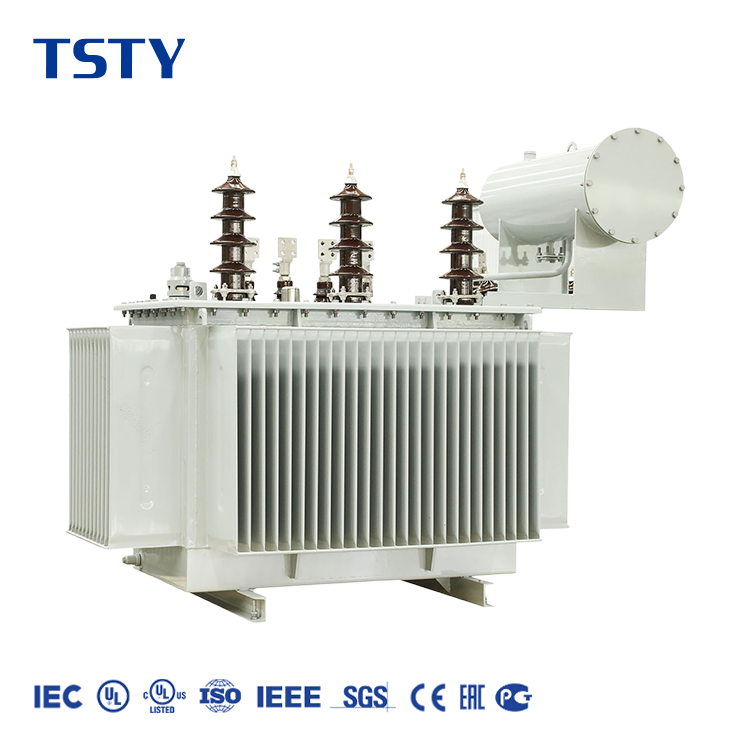
For these municipal applications, the internal electrical distribution transformer is usually oil-immersed to withstand harsh outdoor weather over a 30-year lifespan. Utilities prioritize low "no-load" (core) losses, ensuring that the transformer remains highly energy-efficient even during the middle of the night when residential power demand drops to a minimum.
Planning of industrial infrastructure differs entirely from municipal planning. When configuring a distribution transformer substation for a massive manufacturing park, mining operation, or petrochemical plant, the primary adversaries are heat, voltage drops, and harmonic distortion.
Heavy industries depend on massive induction motors, heavy-duty compressors, and automated welding lines. Consequently, the centralized distribution transformer substation must withstand aggressive inrush currents that would instantly trip a standard utility-grade unit. The transformers must feature reinforced coil windings and specific K-factor ratings to neutralize the severe electrical noise (harmonics) generated by Variable Frequency Drives (VFDs).
Furthermore, modern industrial architects are moving away from single, massive centralized power stations. Instead of dragging kilometers of thick, expensive low-voltage copper across a facility, engineers utilize the transformator compactus substationis topology.
Per strategice collocare un minusculus, plene integratus substatio transformatoris distributionis directe iuxta zonas altius exigentias (p. ex., unum substatium extra aedificium machinarum CNC et alterum iuxta lineam impachetandi), fabricae valde minuunt cadus tensionis. Alimentare substationem distributionis localis per cables mediis tensionis est multo minus pretiosa et praebet meliorem redundantiam operationalem si una zona maintenanceem requirit.
Ascensus venti et solis omnino regulas rescripsit. Substatia traditionis transformatoris distributionis ad tensionem demittendam erat designata. In agris energiae renovabilis, substatia tensionem augere debet.
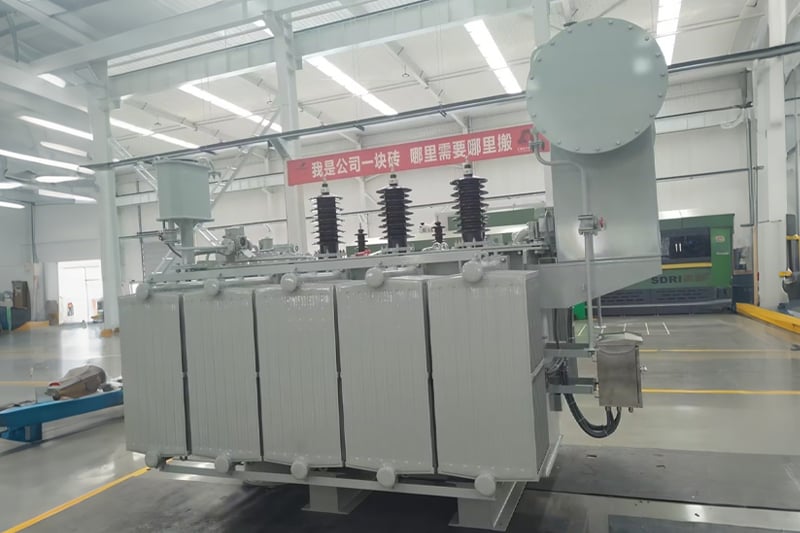
Cum distribuitor substatio transformatoris in agrum solaris ponitur, potestatem electricam alternam ad voltatum infimum a convertoribus solaribus generatam (saepissime 690V aut 800V) colligit et ad 11kV aut 33kV elevat, ut in rete nationale reici possit. Hoc specialem transformatoris solarem postulat, qui ad onera valde fluctuantia tractanda specialiter est designatus. Cum nubes super agrum solarem transit, generatio potentiae statim decrescit; cum sol emerget, subito crescit. Dynamica thermica transformatoris has rapidas, continuasque cycli thermicos sustinere debet, sine deterioramento papirae isolantis.
Praeterea, mandata de stabilitate rete obligant auctores ut deposita energiae includant. Substatia distributiva moderna transformatoris perfecte cum systema stoccaggio energie bess (Systema Immagazinandae Energiae per Accumulatores).
During peak sunlight, excess power is routed into the BESS. When grid demand peaks in the evening, the BESS discharges. The distribution transformer substation must therefore be engineered with specialized switchgear and multi-winding transformers to safely manage this constant bi-directional flow of energy between the solar array, the battery banks, and the utility grid.
To summarize the engineering priorities, here is a quick-reference matrix detailing how a distribution transformer substation adapts to its deployed sector:
|
Planning Parameter |
Utilitates Municipales |
Heavy Industrial Parks |
Renewable Energy (Solar/Wind) |
|
Prima munus |
Step-Down (e.g., 11 kV to 400 V) |
Step-Down (e.g., 33 kV to 400 V) |
Step-Up (e.g., 800 V to 33 kV) |
|
Profilum Onerosis |
Predictable, cyclical daily peaks. |
Aggressive inrush currents, high harmonics. |
Highly volatile, dependent on weather. |
|
Key Equipment Needs |
SCADA-enabled smart RMUs. |
K-factor rated transformers, compact footprints. |
Bi-directional switchgear, solar power transformer. |
|
Focus integrationis |
Remote fault isolation. |
Minimizing LV cable voltage drops. |
Connecting to the BESS energy storage system. |
Procuring a distribution transformer substation is never a simple copy-and-paste exercise. The equipment that guarantees uptime for a residential neighborhood will fail prematurely if deployed to run an automotive stamping plant or a commercial solar farm.
Utens fabricator veteranus infrastructurae electricae B2B, rogamus EPCs et directores procurandi ut afferant suas datas oneris specificas sectori in colloquium technicum quam primum. Sive expandatis reticulum urbis sapientis, sive decentralizetis fabricam, sive connectatis magnum opus energiae viridis, societas cum fabricatore perito certificat vos distribuere substationem transformatoris distributionis perfecte calibratam ad suum unicum officium in moderno aequore energiae.