

 EN
The electrical grid is undergoing the most radical transformation in its history. Historically, power flowed strictly in one direction: from a massive centralized power plant, down the transmission lines, and into a local facility. Today, grid planners, EPC contractors, and project developers know that designing a distribution transformer substation is no longer a one-size-fits-all endeavor.
Depending on the environment, a modern distribution transformer substation is no longer just a passive step-down box. It is a dynamic, highly engineered node that must handle bi-directional power flow, aggressive harmonic distortion, or automated smart-grid switching.
Buying an off-the-shelf distribution transformer substation without analyzing the specific macro-level load profile will inevitably lead to grid instability, frequent tripping, or catastrophic failure. Let’s explore the distinct engineering and operational requirements when planning a distribution transformer substation for three vastly different sectors: Municipal Utilities, Industrial Parks, and Renewable Energy.
When a municipal power company upgrades its infrastructure, the primary goals are residential uptime, load balancing, and rapid fault isolation.
In a traditional municipal ring network, the distribution transformer substation operates as the critical link between the 33kV/11kV medium-voltage grid and the 400V/230V residential consumers. However, modern utility planning requires these nodes to be "smart."
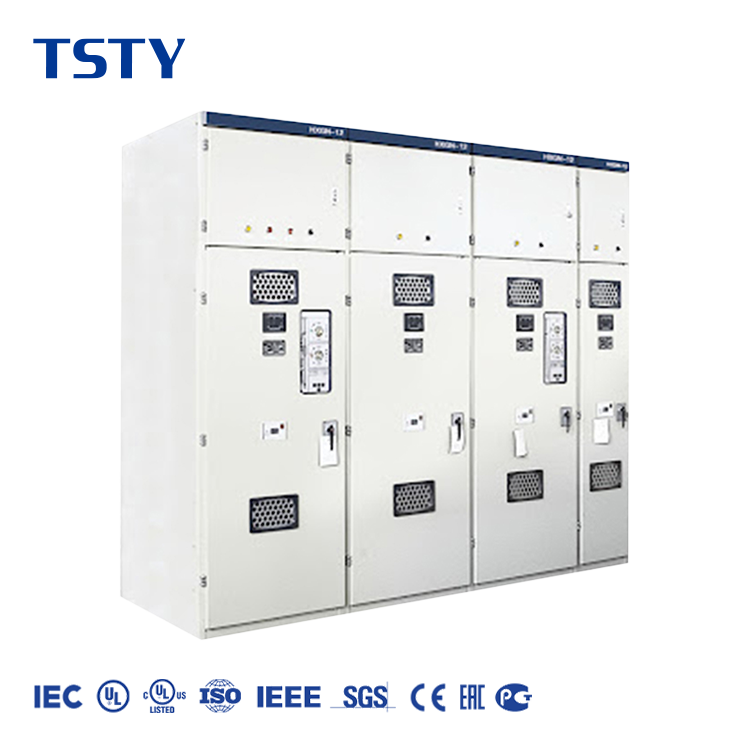
Upgrading a municipal distribution transformer substation requires the integration of motorized Ring Main Units (RMUs) equipped with SCADA (Supervisory Control and Data Acquisition) systems. If a fallen tree severs an underground cable in a neighborhood, the smart switchgear inside the distribution transformer substation allows utilities to remotely isolate the fault and reroute power from an adjacent grid loop in milliseconds, preventing a widespread blackout.
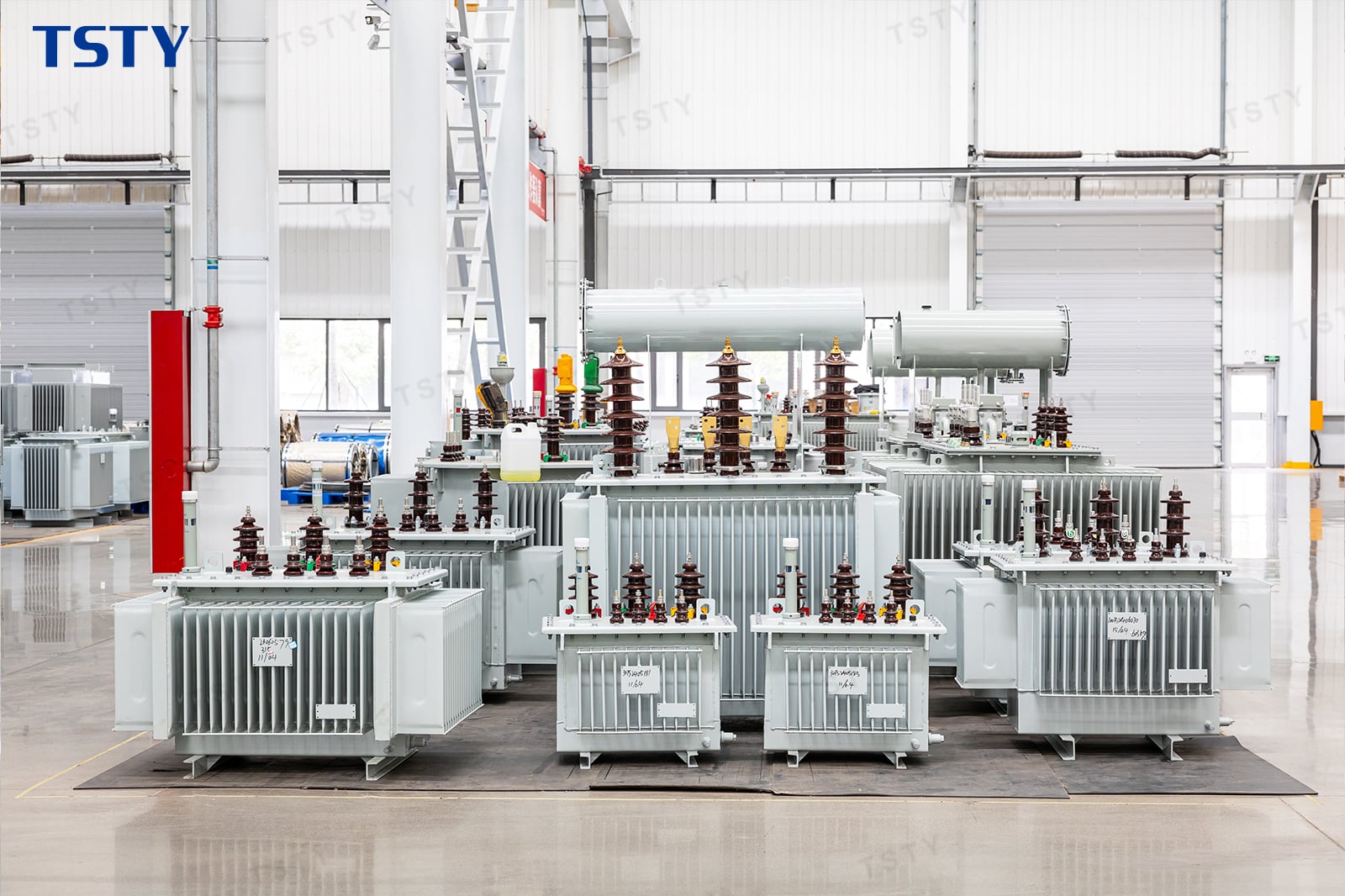
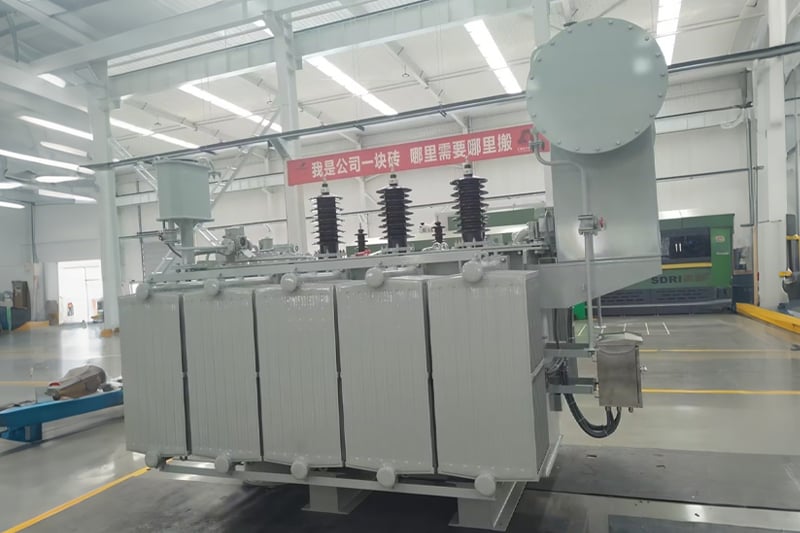
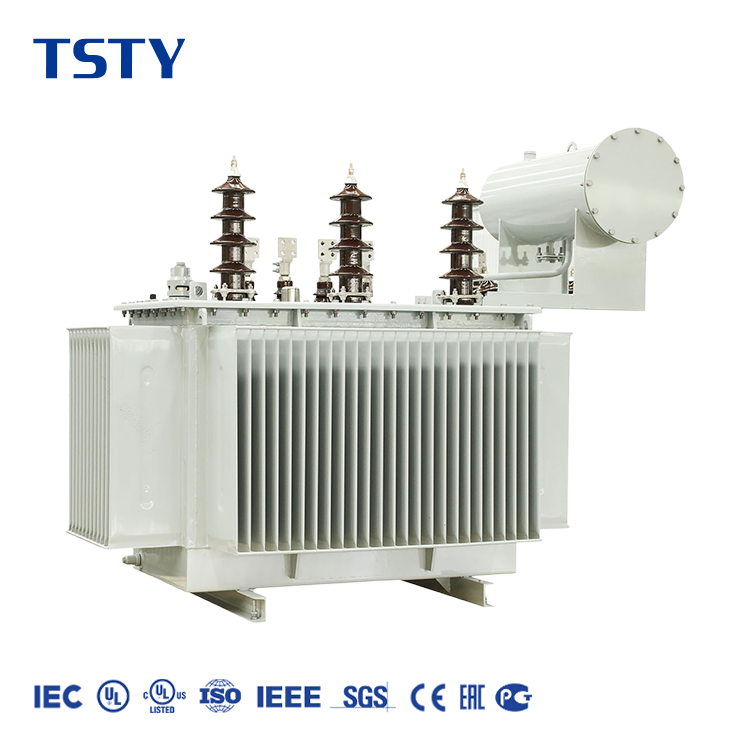
For these municipal applications, the internal electrical distribution transformer is usually oil-immersed to withstand harsh outdoor weather over a 30-year lifespan. Utilities prioritize low "no-load" (core) losses, ensuring that the transformer remains highly energy-efficient even during the middle of the night when residential power demand drops to a minimum.
Industrial infrastructure planning is entirely different from municipal planning. When configuring a distribution transformer substation for a massive manufacturing park, mining operation, or petrochemical plant, the primary enemies are heat, voltage drops, and harmonic distortion.
Heavy industries rely on massive induction motors, heavy-duty compressors, and automated welding lines. Consequently, the centralized distribution transformer substation must handle aggressive inrush currents that would instantly trip a standard utility-grade unit. The transformers must feature reinforced coil windings and specific K-factor ratings to neutralize the severe electrical noise (harmonics) generated by Variable Frequency Drives (VFDs).
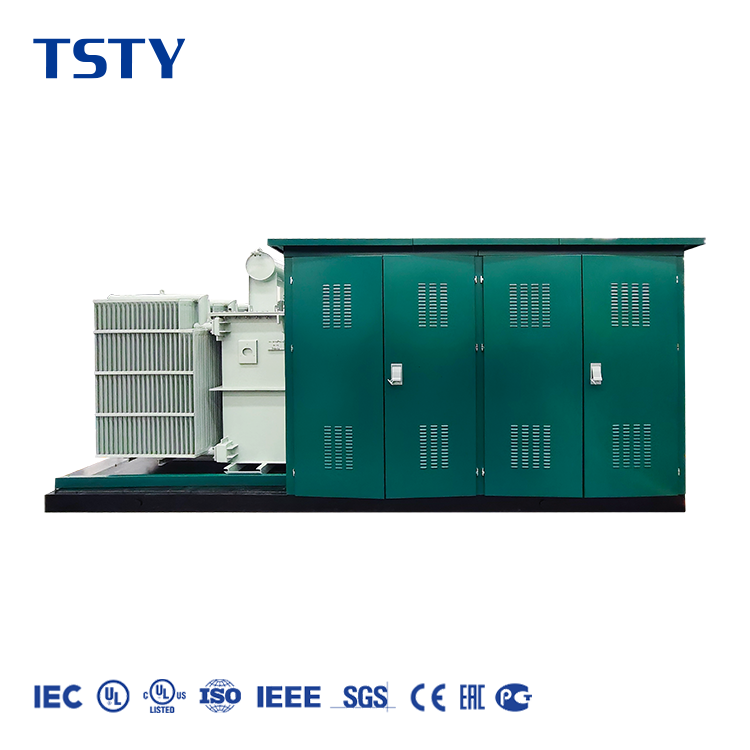
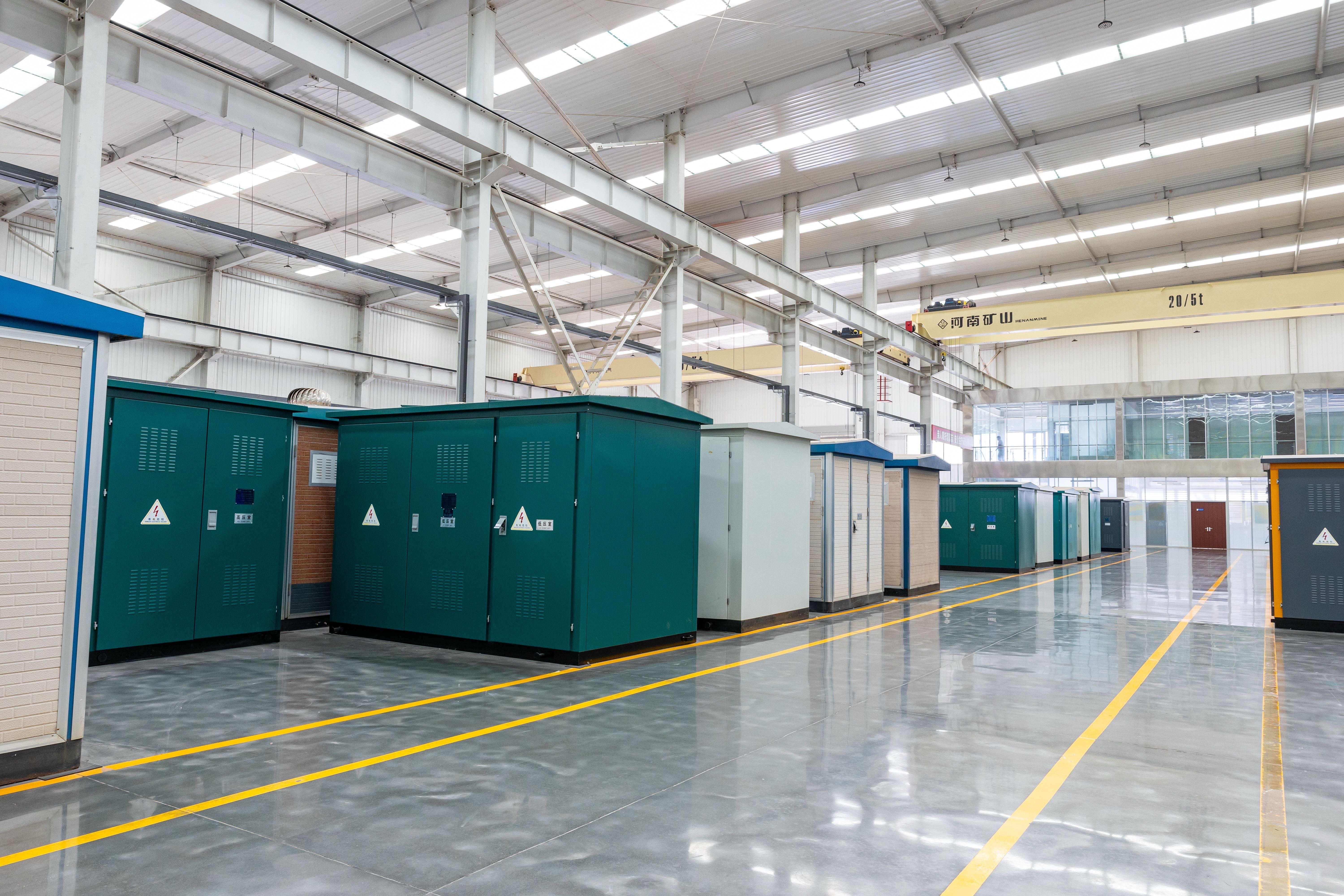
Furthermore, modern industrial architects are moving away from single, massive centralized power stations. Instead of dragging kilometers of thick, expensive low-voltage copper across a facility, engineers utilize the compact transformer substation topology.
By strategically placing a smaller, fully integrated distribution transformer substation directly next to high-demand zones (e.g., placing one right outside the CNC machining floor, and another next to the packaging line), facilities drastically reduce voltage drops. Feeding a localized distribution transformer substation with medium-voltage cables is vastly cheaper and provides superior operational redundancy if one zone requires maintenance.
The rise of wind and solar has completely rewritten the rulebook. The traditional distribution transformer substation was designed to step voltage down. In a renewable energy farm, the substation must step the voltage up.
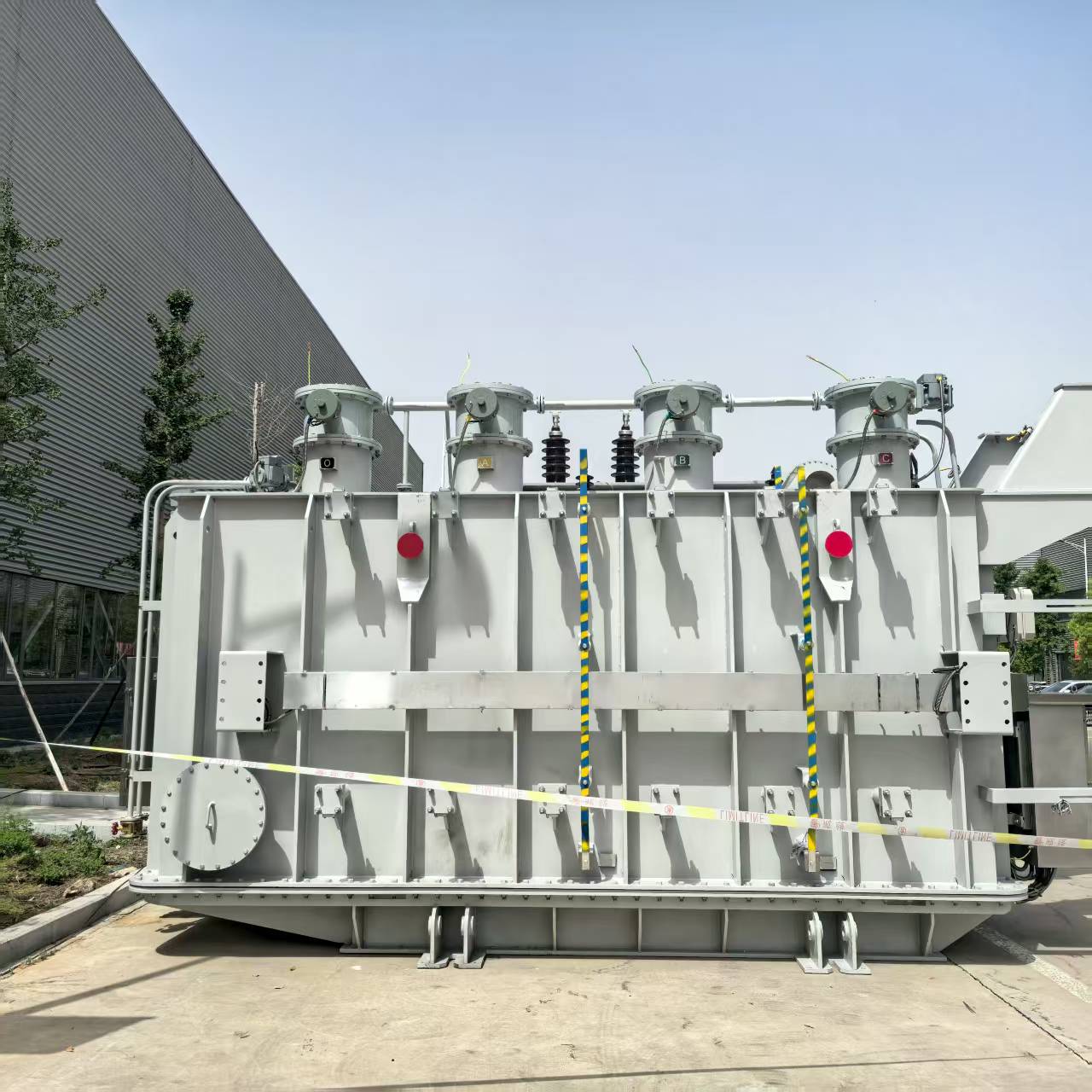
When deploying a distribution transformer substation in a solar farm, it collects the low-voltage AC power generated by the solar inverters (typically 690V or 800V) and steps it up to 11kV or 33kV so it can be pushed back into the national grid. This requires a specialized solar power transformer, designed specifically to handle highly fluctuating loads. When a cloud passes over a solar farm, the power generation drops instantly; when the sun emerges, it spikes. The thermal dynamics of the transformer must withstand these rapid, continuous thermal cycles without degrading the insulation paper.
Additionally, grid stability mandates are forcing developers to include energy storage. A modern distribution transformer substation pairs seamlessly with a bess energy storage system (Battery Energy Storage System).
During peak sunlight, excess power is routed into the BESS. When grid demand peaks in the evening, the BESS discharges. The distribution transformer substation must therefore be engineered with specialized switchgear and multi-winding transformers to safely manage this constant bi-directional flow of energy between the solar array, the battery banks, and the utility grid.
To summarize the engineering priorities, here is a quick-reference matrix detailing how a distribution transformer substation adapts to its deployed sector:
|
Planning Parameter |
Municipal Utilities |
Heavy Industrial Parks |
Renewable Energy (Solar/Wind) |
|
Primary Function |
Step-Down (e.g., 11kV to 400V) |
Step-Down (e.g., 33kV to 400V) |
Step-Up (e.g., 800V to 33kV) |
|
Load Profile |
Predictable, cyclical daily peaks. |
Aggressive inrush currents, high harmonics. |
Highly volatile, dependent on weather. |
|
Key Equipment Needs |
SCADA-enabled smart RMUs. |
K-factor rated transformers, compact footprints. |
Bi-directional switchgear, solar power transformer. |
|
Integration Focus |
Remote fault isolation. |
Minimizing LV cable voltage drops. |
Connecting to the bess energy storage system. |
Procuring a distribution transformer substation is never a simple copy-and-paste exercise. The equipment that guarantees uptime for a residential neighborhood will fail prematurely if deployed to run an automotive stamping plant or a commercial solar farm.
As a veteran manufacturer of B2B electrical infrastructure, we urge EPCs and procurement directors to bring their sector-specific load data into the engineering conversation as early as possible. Whether you are expanding a smart city grid, decentralizing a manufacturing plant, or connecting a green-energy mega-project, partnering with an experienced manufacturer ensures you are delivering a distribution transformer substation that is perfectly calibrated for its unique role in the modern power ecosystem.