

 EN
In the complex landscape of electrical engineering and global infrastructure development, stable power distribution is the lifeblood of any successful project. Whether you are powering a sprawling automotive manufacturing plant, a high-rise commercial building, or a utility-scale renewable energy park, the electrical architecture relies on a seamless handover of power. At the very heart of this handover is the coordination between the lv and mv switchgear.
Too often, procurement teams view these components as isolated line items on a bill of materials. However, treating them as separate entities is a recipe for operational bottlenecks and integration failures. As an experienced supplier and integrated electrical equipment manufacturer, we understand that the true reliability of a facility is defined by how well the lv and mv switchgear communicate and operate in tandem.
This comprehensive guide explores the technical synergy between lv and mv switchgear, demonstrating how their coordinated operation protects assets, guarantees personnel safety, and maximizes efficiency across various industrial and commercial sectors.
To understand the synergy, one must first trace the flow of electricity. Power enters a major facility from the utility grid at a medium voltage (typically ranging from 11kV to 33kV).
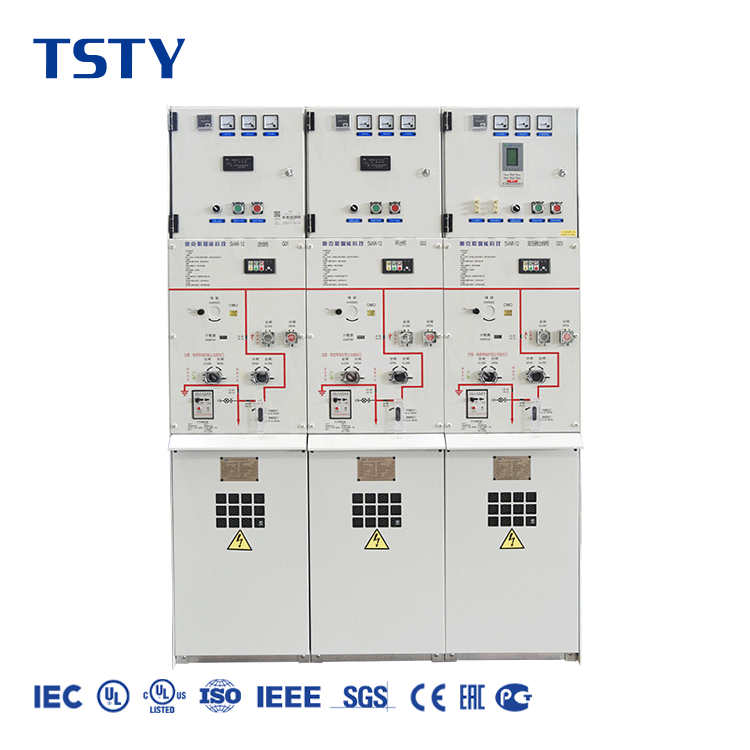
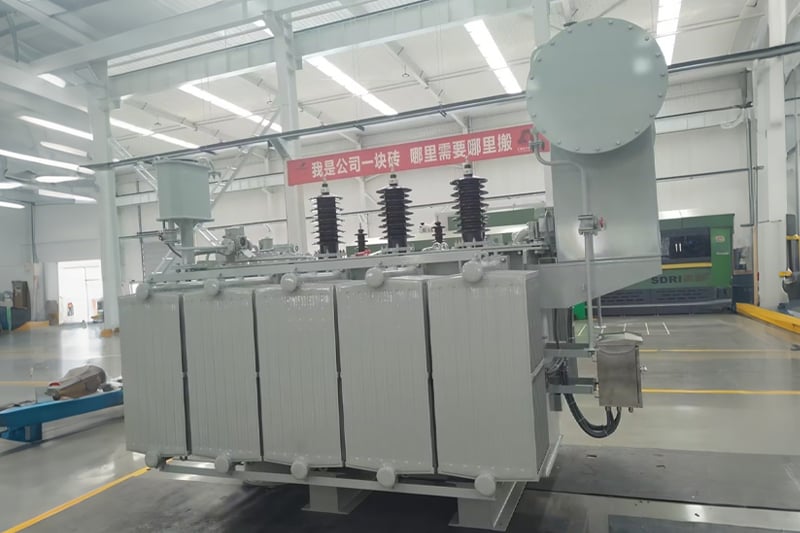
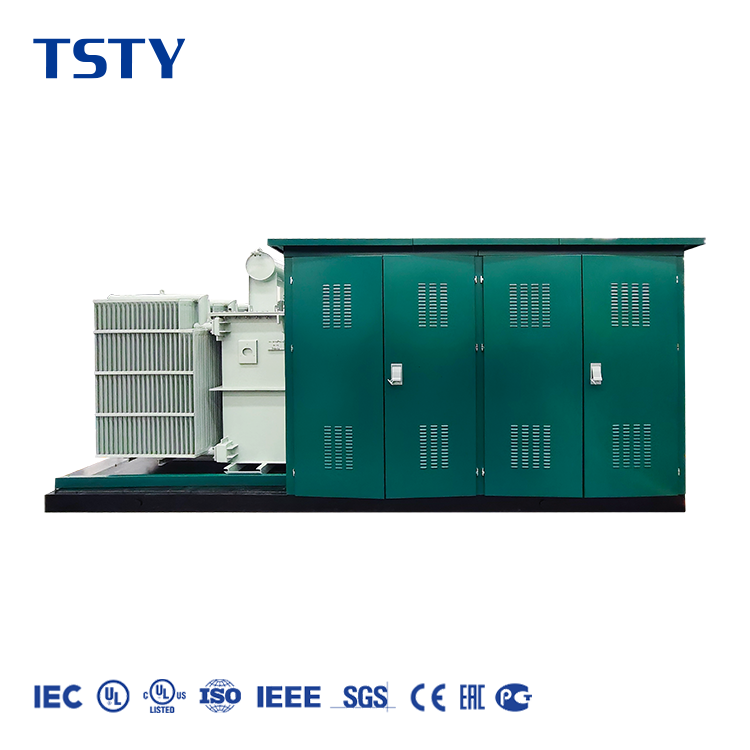
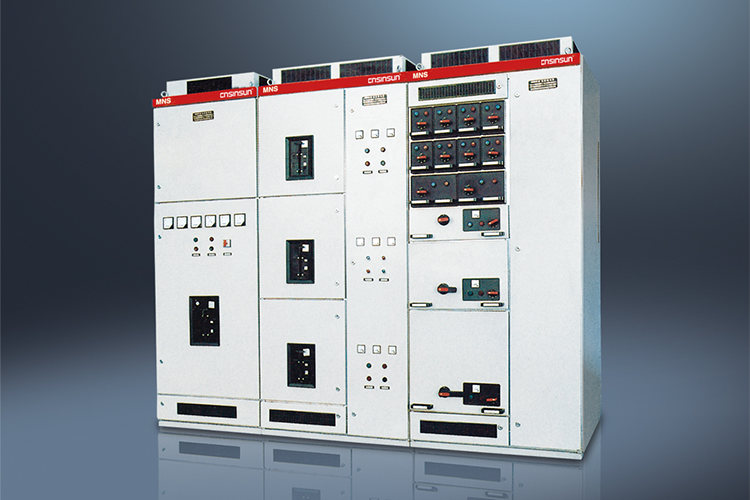
The Medium Voltage (MV) switchgear is the first line of defense. It receives this bulk power, provides primary circuit protection, and routes the electricity to the step-down transformers. From there, the power is reduced to a usable low voltage (typically 400V or 480V). Immediately after the transformer, the Low Voltage (LV) switchgear takes over, subdividing this current to safely feed hundreds of branch circuits, including lighting panels, HVAC systems, and industrial motors.
For example, in a standard 11kv 400v substation, the seamless mechanical and electrical alignment between the incoming MV panels and the outgoing LV distribution panels dictates the overall stability of the local grid. When the lv and mv switchgear are perfectly coordinated, they form an impenetrable shield against electrical faults.
In heavy industrial settings, such as steel mills or automotive assembly lines, electrical loads are massive and highly dynamic. Large motors starting and stopping create severe voltage dips and harmonic distortions.
In these environments, the coordination between lv and mv switchgear is governed by a principle called "selectivity" or "relay coordination." If a catastrophic short circuit occurs on a conveyor belt motor (on the LV side), the LV switchgear must detect and isolate that specific fault instantly. It must trip its breaker before the MV switchgear upstream detects the surge and shuts down the entire factory.
By utilizing integrated lv and mv switchgear systems with synchronized smart relays, facility engineers ensure that fault isolation is hyper-localized. The MV switchgear continues to supply power to the rest of the plant, preventing millions of dollars in lost production time.
In urban commercial skyscrapers and hyperscale data centers, spatial footprint and human safety are the dominating factors. In these facilities, equipment is often installed in confined indoor basements or rooftop enclosures.
A modern distribution transformer substation within a commercial building relies heavily on compact, arc-resistant lv and mv switchgear. Because these units are located near high-traffic human environments, their safety interlocks must work together.
For instance, an integrated lv and mv switchgear lineup can utilize a unified safety logic. If maintenance personnel need to access the LV busbars, a captive key interlocking system ensures that the upstream MV breaker is locked in the open and grounded position before the LV doors can be opened. This mechanical synergy completely eliminates the risk of human error and fatal arc flash incidents.
The green energy transition has fundamentally changed how lv and mv switchgear operate. Historically, power flowed in one direction: from the grid to the load. In modern solar farms, wind parks, and Battery Energy Storage Systems (BESS), power flows bidirectionally.
In a solar inverter station, DC power from the panels is converted to low-voltage AC. The LV switchgear consolidates this power and feeds it into the step-up transformer. The MV switchgear then takes this high-voltage power and synchronizes it for export to the utility grid.
In these critical renewable nodes, the digital communication between the lv and mv switchgear is paramount. Using protocols like IEC 61850, the lv mv switchgear relays constantly share real-time data regarding grid frequency, voltage stability, and thermal limits, ensuring that the renewable energy export is smooth, stable, and strictly compliant with national grid codes.
For EPC contractors and B2B procurement officers, sourcing switchgear can be a logistical nightmare when dealing with multiple vendors. Buying the MV lineup from one factory and the LV lineup from another almost guarantees integration headaches during on-site commissioning.
As one of the leading medium voltage switchgear manufacturers that also designs and fabricates premium LV distribution boards, we strongly advocate for a single-source procurement strategy. Here is why buying your lv and mv switchgear as a unified package is the smartest investment:
|
Integration Factor |
Multi-Vendor Procurement |
Single-Source LV and MV Switchgear |
|
Physical Alignment |
Busbars and cable entries rarely match, requiring custom field copper work. |
Perfectly aligned throat connections and standardized cable entry points. |
|
Relay Coordination |
Different software brands require complex, time-consuming programming. |
Pre-configured selectivity; relays natively communicate via the same protocols. |
|
Aesthetic & Footprint |
Mismatched cabinet heights, colors, and varying clearances. |
Unified, sleek design minimizing the total footprint of the electrical room. |
|
Factory Testing (FAT) |
Components tested in isolation; integration flaws discovered on-site. |
Full system string-tested together at the factory before shipping. |
|
Warranty & Support |
Finger-pointing between vendors when a system-wide failure occurs. |
A single point of accountability and one cohesive technical support team. |
When you specify a synchronized lv and mv switchgear package from a single manufacturer, you drastically reduce your project's installation time, lower the total capital expenditure (CAPEX), and eliminate the engineering friction that typically delays commissioning.
The reliability of modern infrastructure is only as strong as its electrical distribution network. Whether managing the heavy motor loads of an industrial plant, ensuring the uptime of a commercial data center, or stabilizing the bidirectional flow of a renewable energy park, the seamless coordination of lv and mv switchgear is the ultimate technical requirement.
For B2B buyers, EPCs, and facility developers, prioritizing this synergy at the procurement stage is critical. Do not let fragmented purchasing decisions compromise your project's safety or efficiency.
Are you engineering the electrical layout for an upcoming major development? Partner with a manufacturer that understands the complete power distribution ecosystem. Contact our technical sales and engineering department today to discuss your single-line diagrams, and let us custom-engineer a unified lv and mv switchgear solution that guarantees decades of flawless operation for your facility.