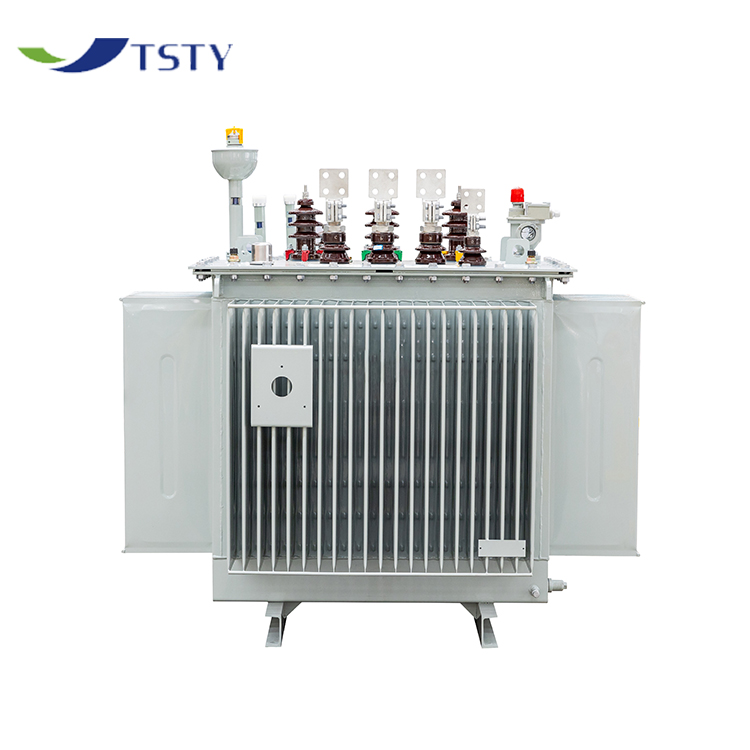
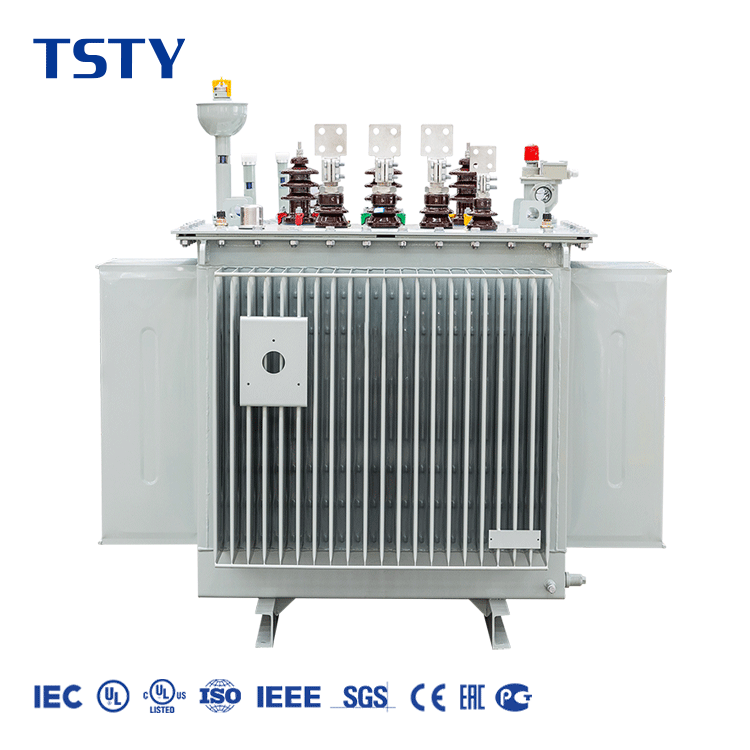
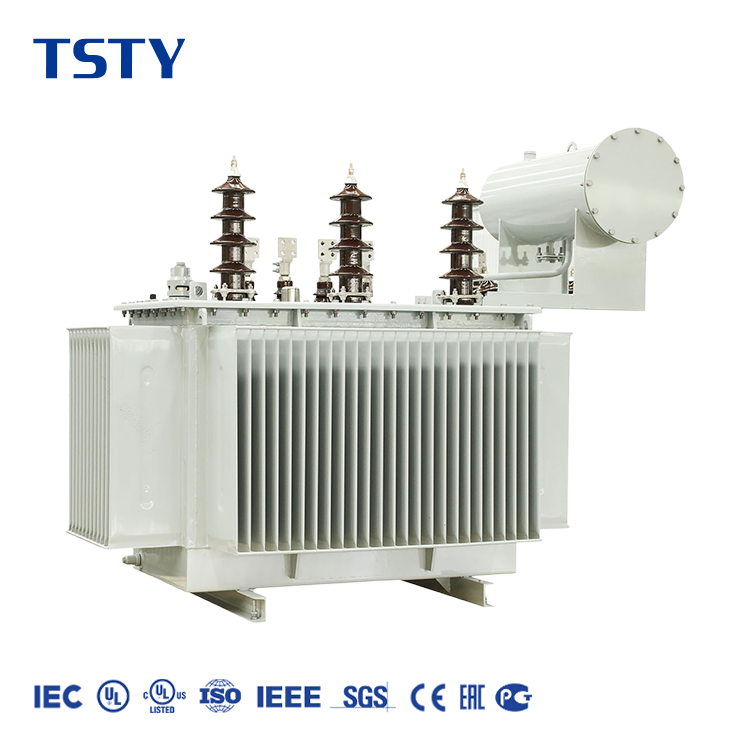
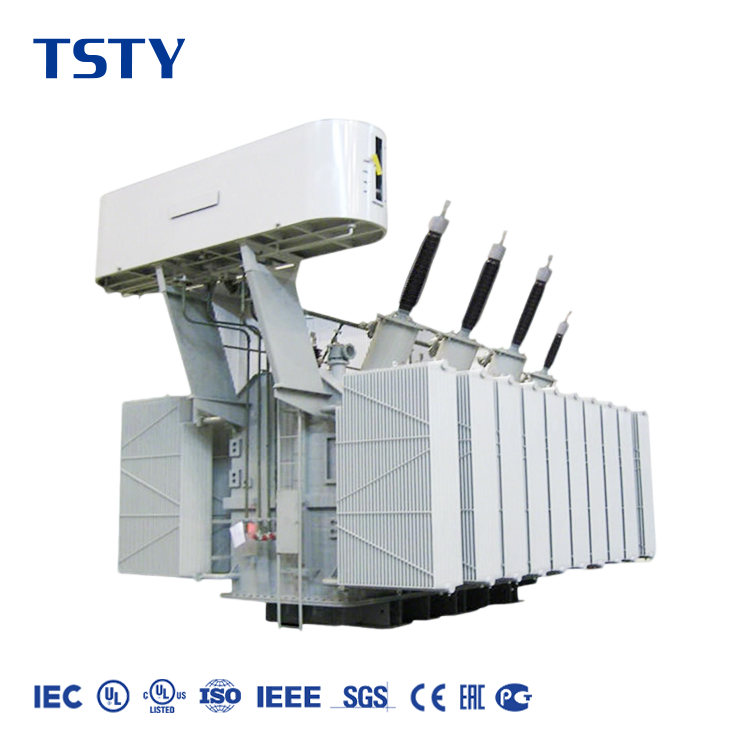
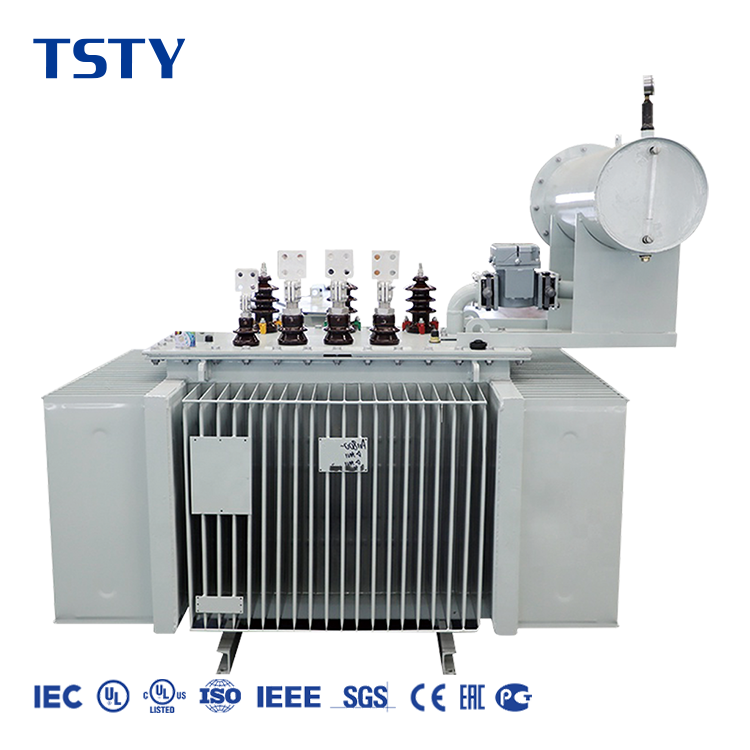
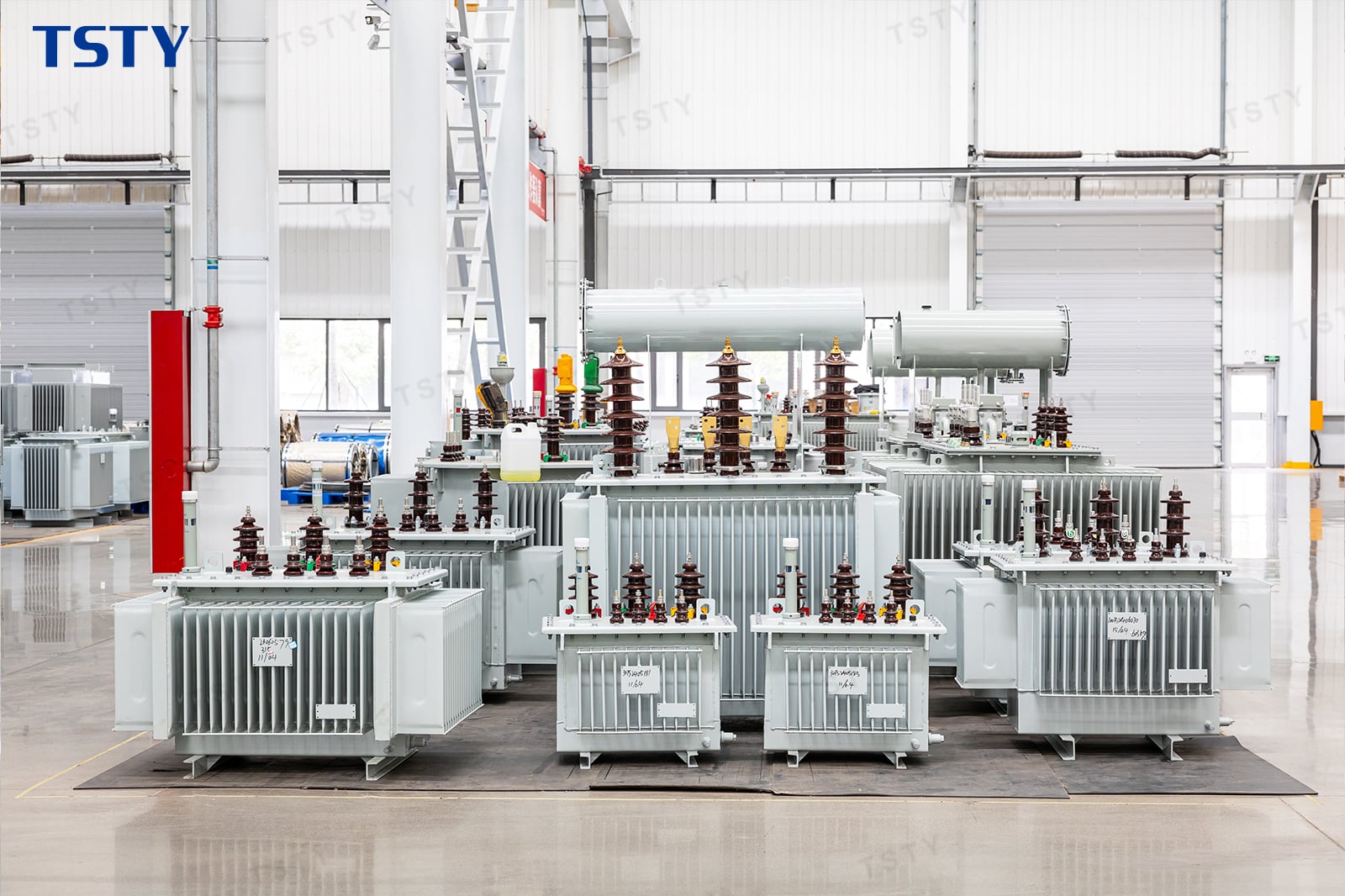
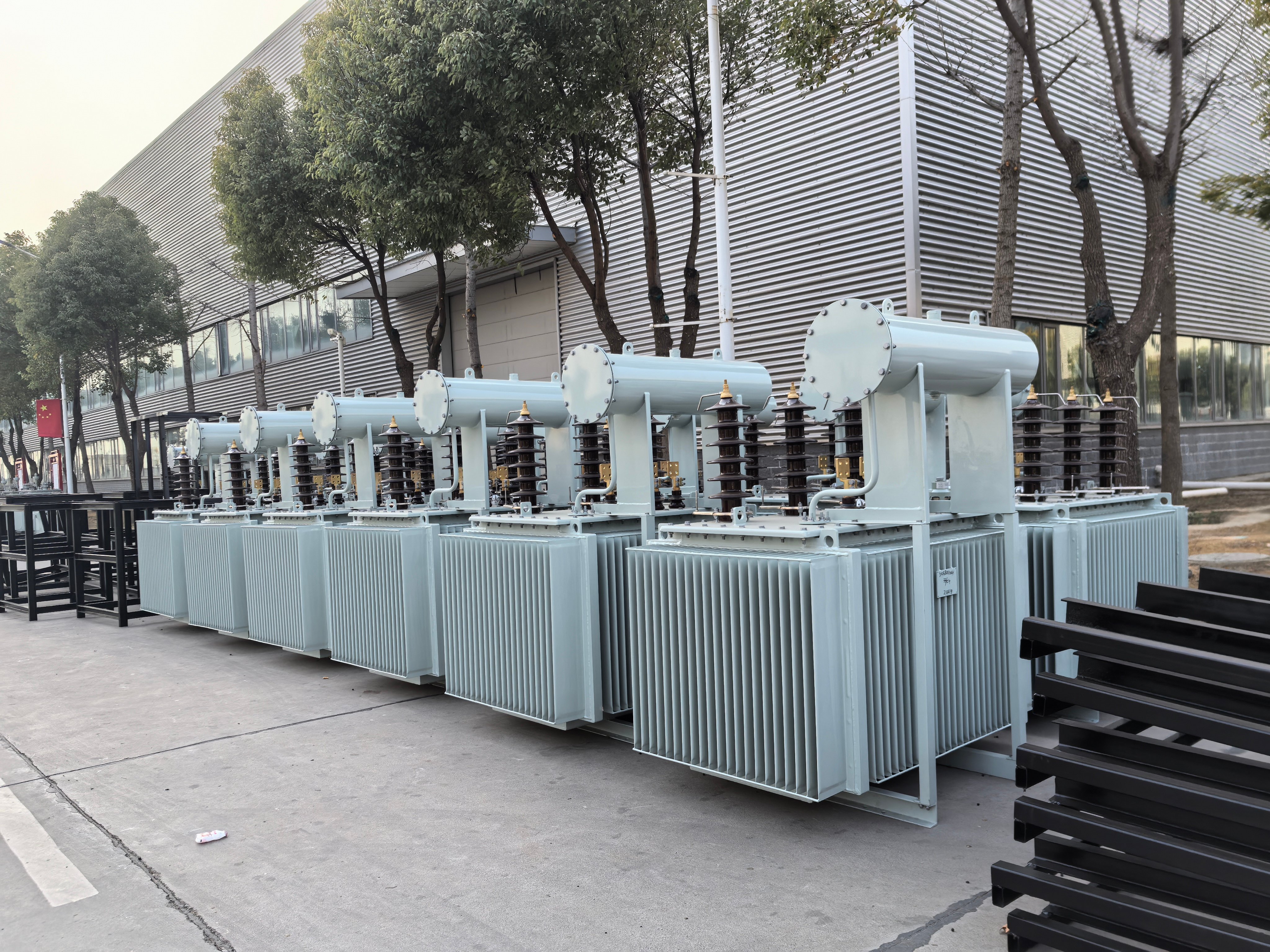
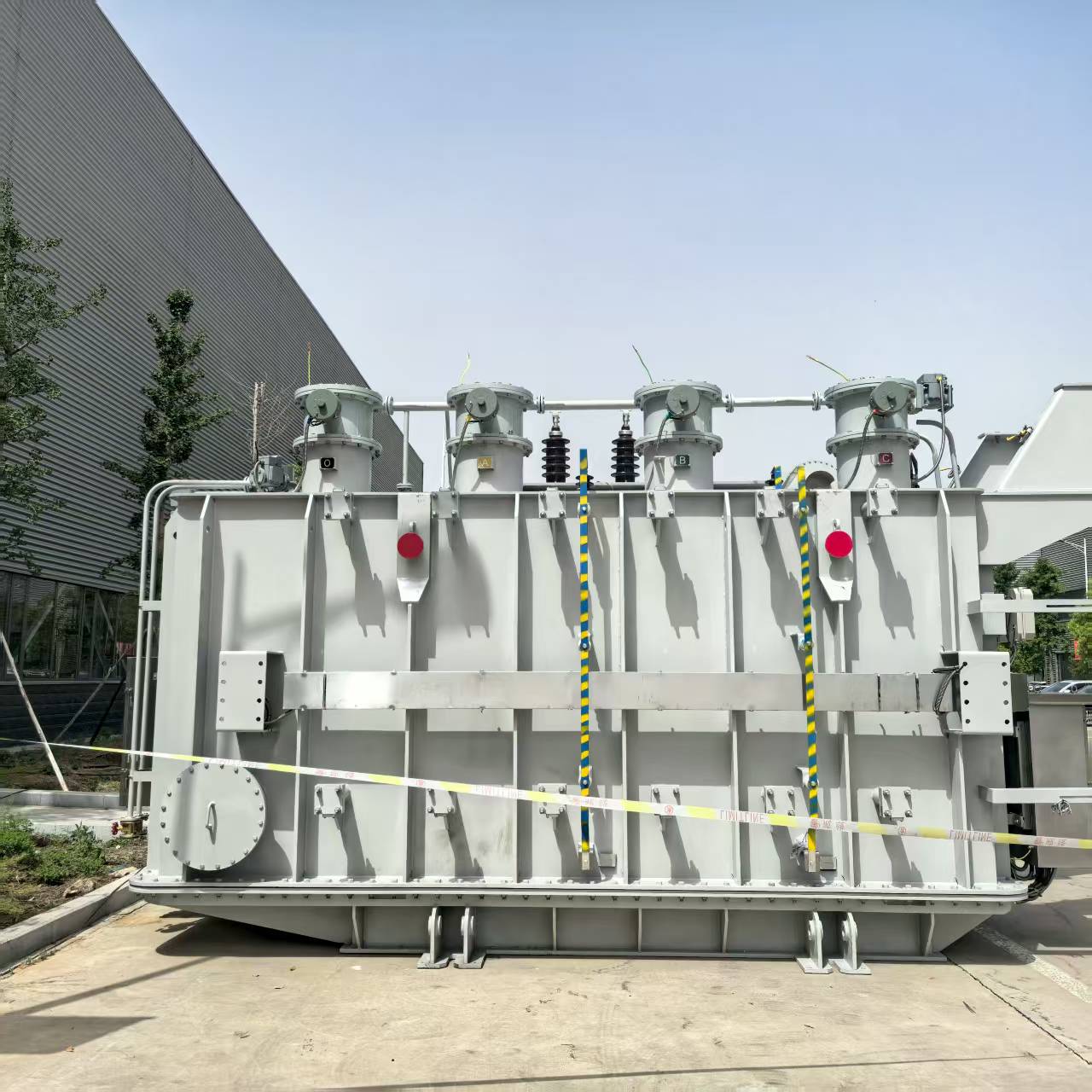
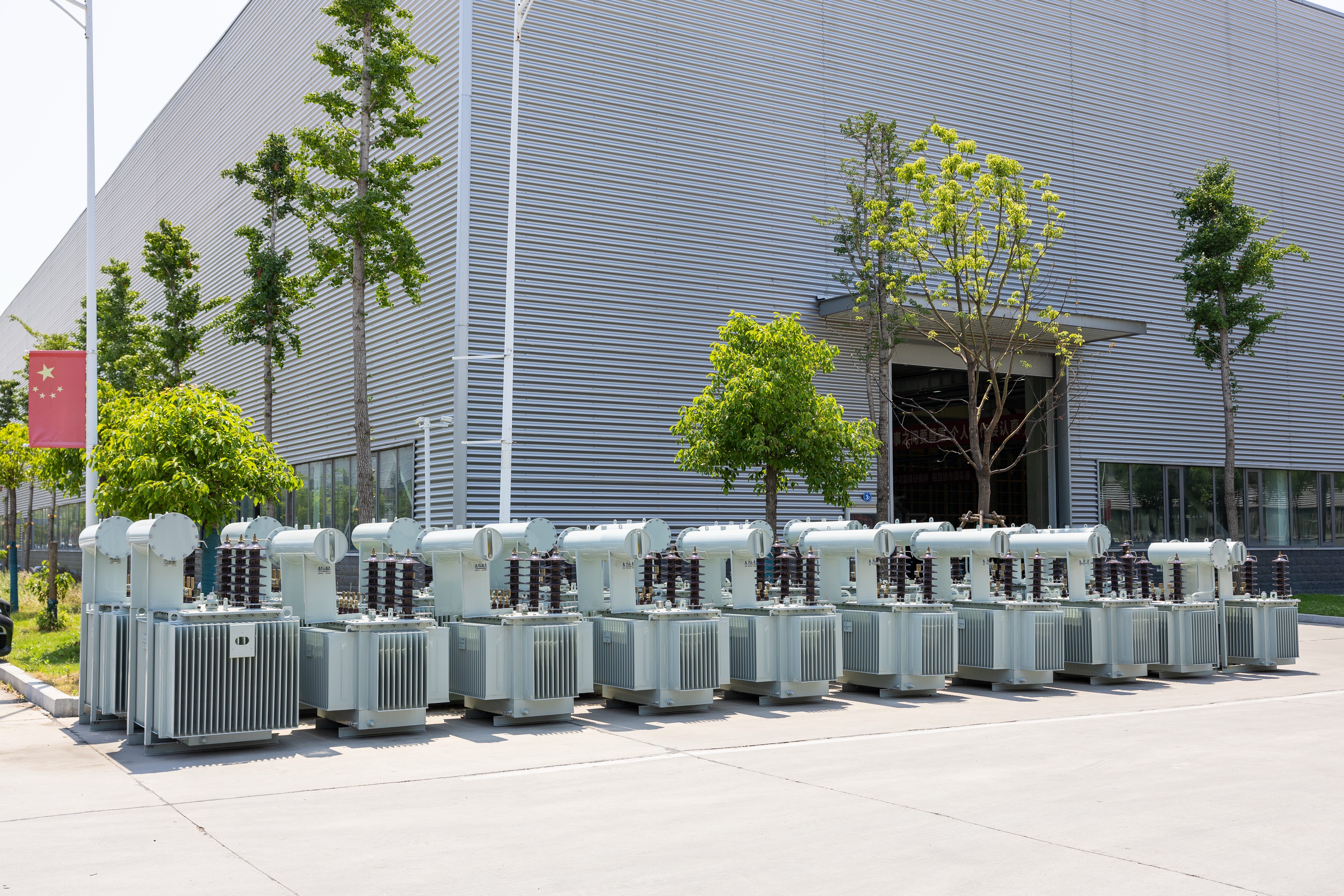
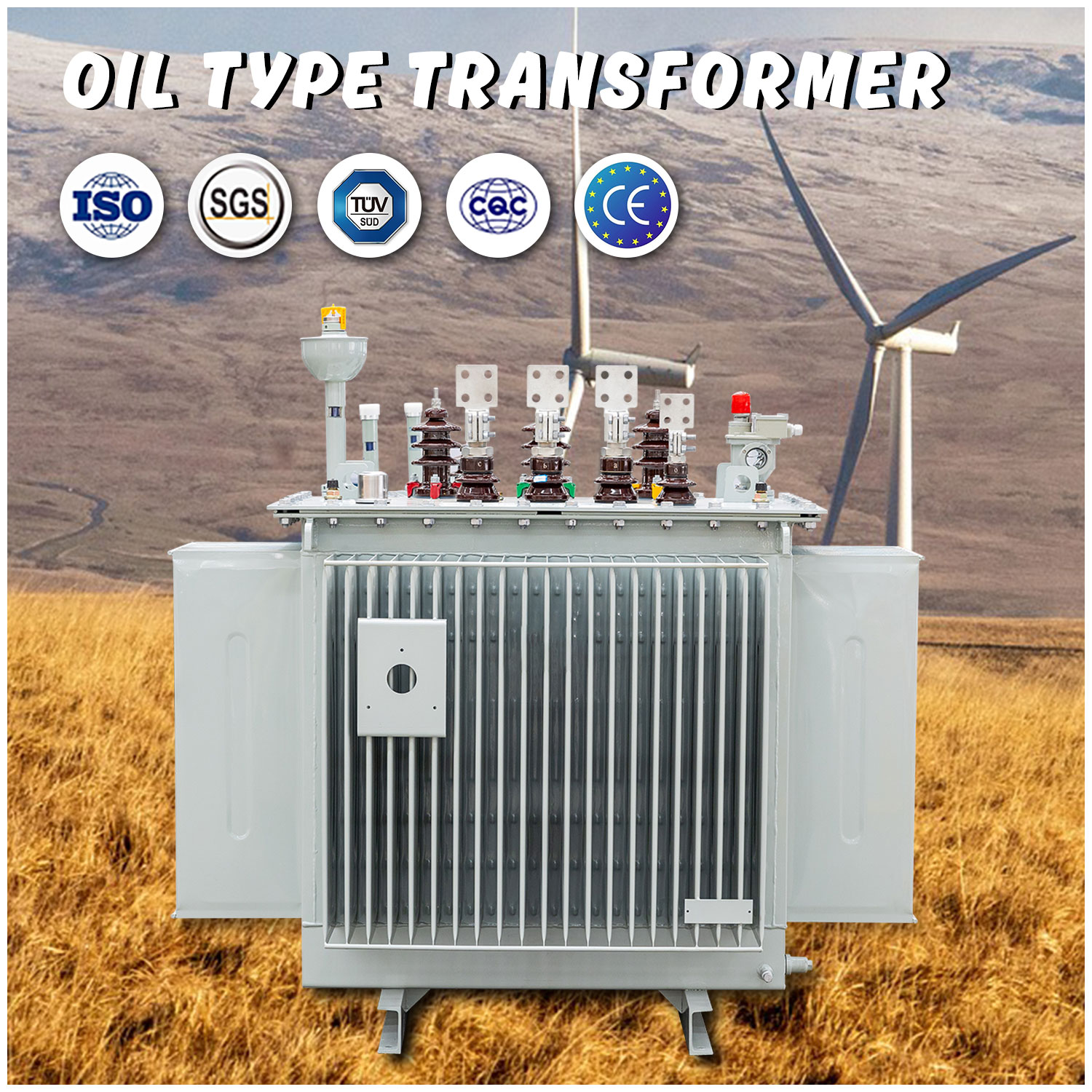
Engaging directly with a capable power transformer manufacturer is a strategic decision for developers managing large-scale infrastructure, utility networks, and heavy industrial plants. The primary distinction between a manufacturer and a distributor lies in the depth of technical control. A true power transformer manufacturer oversees the transformation of raw materials—such as raw silicon steel rolls, copper conductors, and unrefined mineral oil—into a highly complex, grid-ready electrical asset.
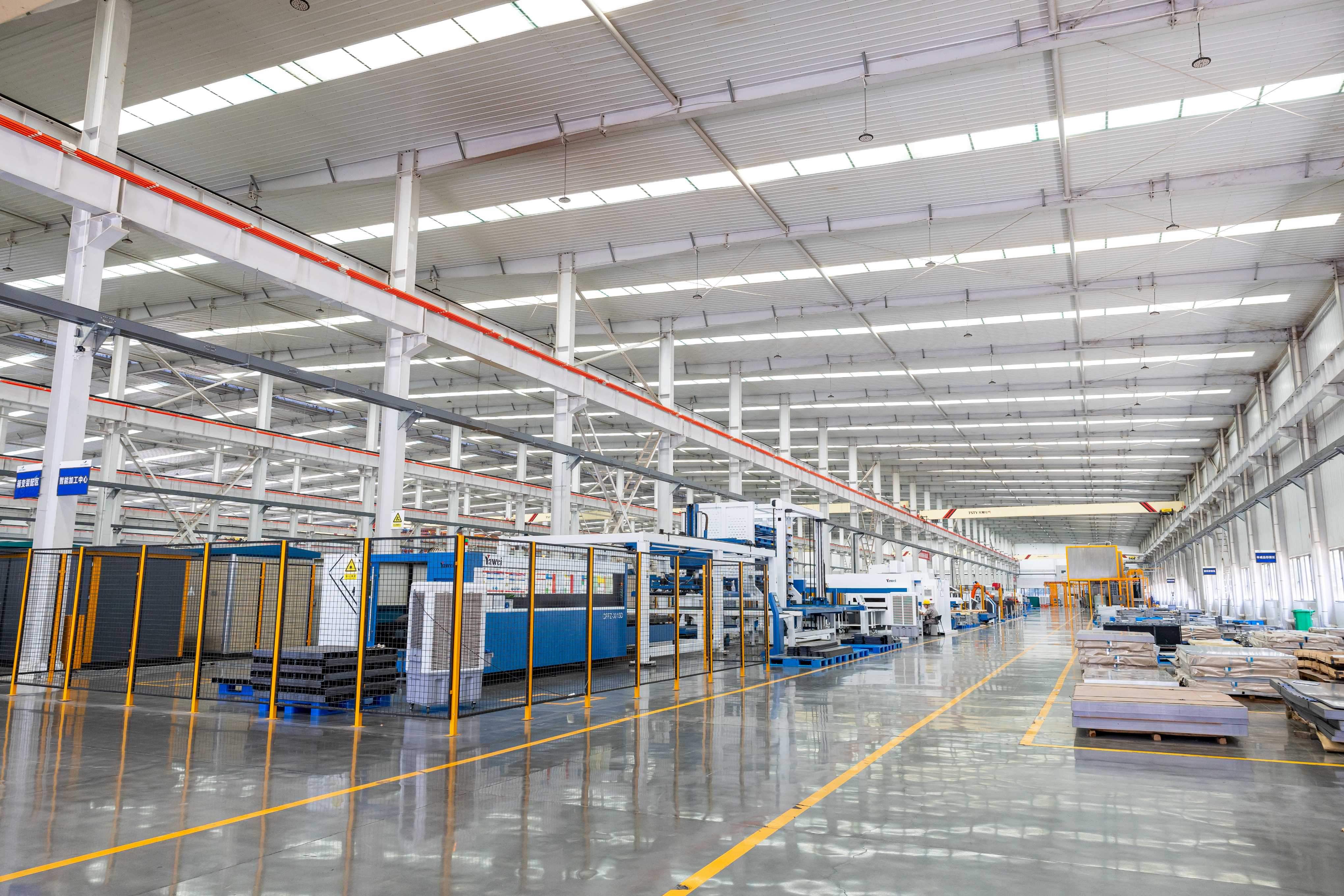
The manufacturing process begins with electrical and mechanical design. Utility requirements are strictly analyzed to determine the optimal core geometry and winding configuration. Modern factories employ automated CNC machines to cut and step-lap the silicon steel core laminations. This precision is vital for reducing the air gaps in the magnetic circuit, thereby minimizing the core's standby energy losses.

Winding the copper or aluminum coils is another critical phase. A professional power transformer manufacturer utilizes specialized vertical winding machines for high-voltage coils to maintain precise tension. This ensures the windings can withstand the massive radial and axial forces generated during a sudden short-circuit event on the transmission grid.
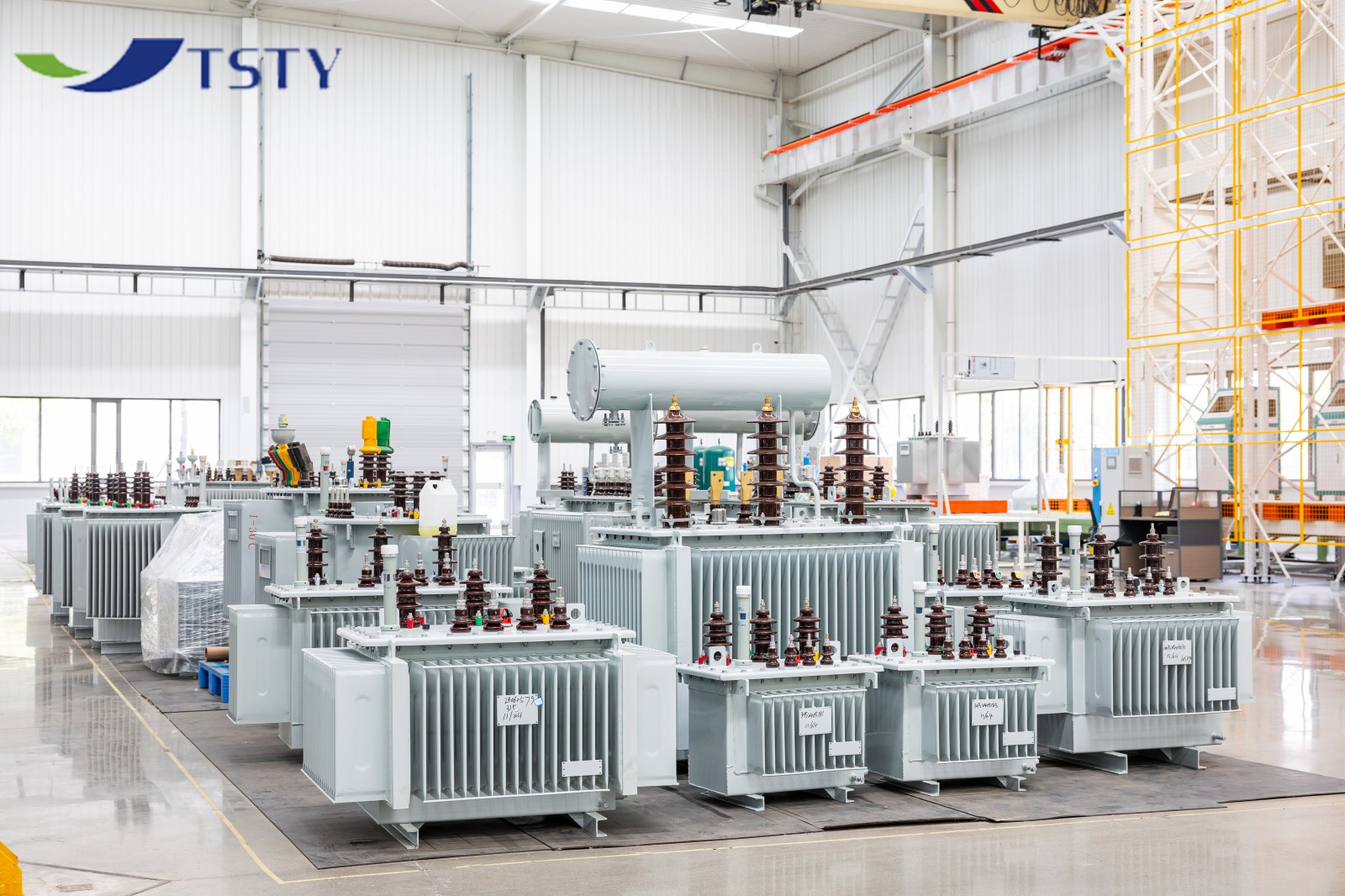
Quality control within the factory is continuous. Before the active part is placed into the carbon steel tank, it undergoes rigorous drying to extract moisture from the cellulose insulation. Once assembled and filled under vacuum with insulating oil, the unit moves to the factory's testing bay. Here, the power transformer manufacturer conducts mandatory routine tests, measuring insulation resistance, voltage ratios, and load losses.
By working directly with the factory floor, procurement teams can request specific design modifications, schedule independent third-party inspections, and receive immediate technical clarifications, ensuring the final equipment perfectly aligns with the substation's civil and electrical design parameters.