

 EN
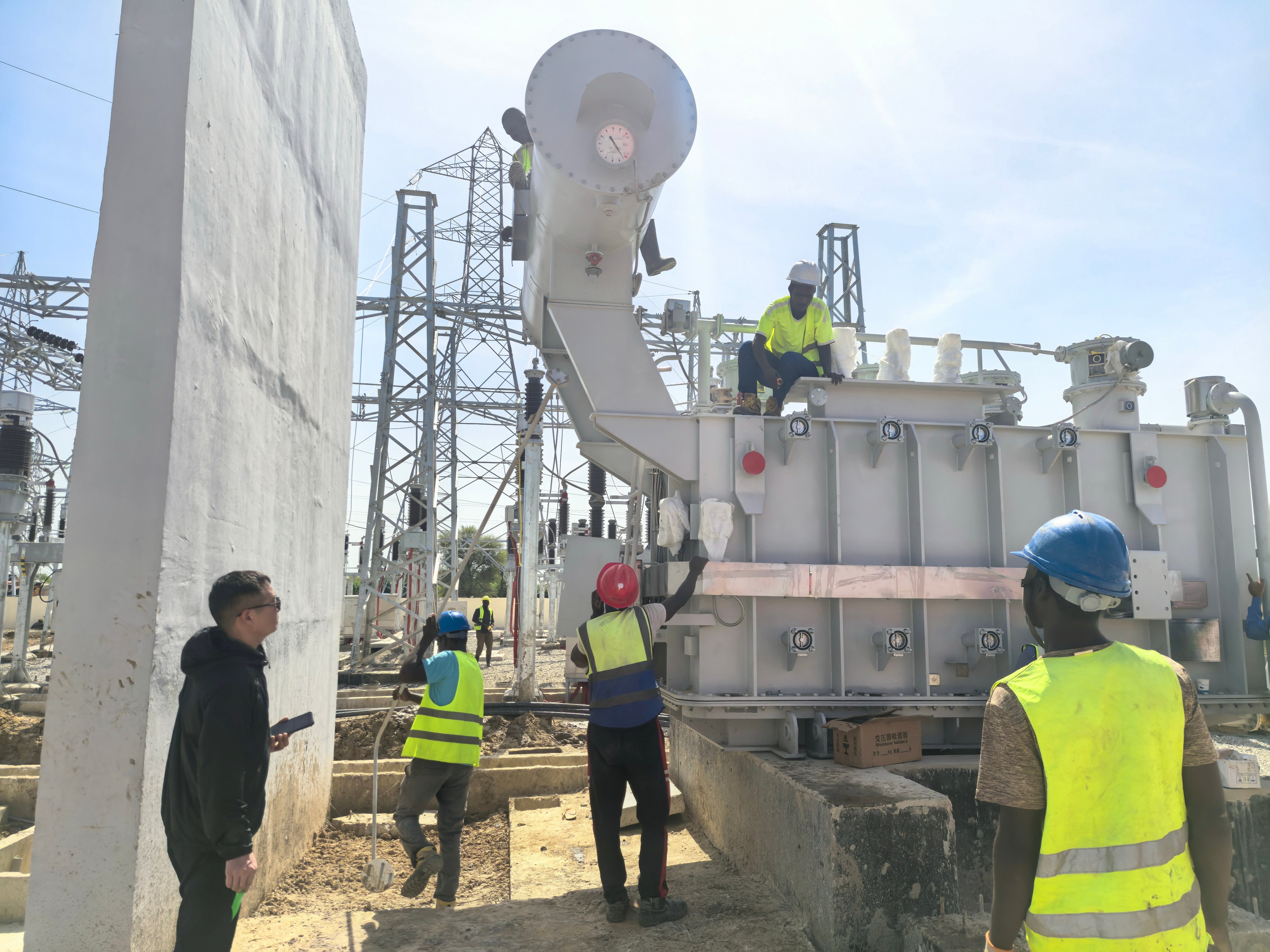
Generating multi-megawatt electrical power is an extraordinary engineering feat, but it is only half of the equation. Whether a facility utilizes a massive steam turbine or thousands of photovoltaic panels, that raw electricity is completely useless if it cannot be successfully exported to the national transmission grid. The absolute gatekeeper of this energy transfer is the high voltage step up transformer.
For EPC (Engineering, Procurement, and Construction) contractors and utility grid developers, the high voltage step up transformer represents the most critical bottleneck in the entire power generation lifecycle. If this singular asset fails, the entire power plant becomes stranded, resulting in catastrophic financial losses.
As one of the industry’s most trusted high voltage transformer manufacturers, we understand that standard distribution equipment cannot handle the extreme rigors of power export. This comprehensive guide details the precise role, engineering challenges, and procurement specifications of a high voltage step up transformer in both traditional power plants and modern renewable energy grids.
To understand the indispensability of a high voltage step up transformer, one must look at the basic physics of electrical transmission. Generators typically produce electricity at relatively low or medium voltages (ranging from 690V to 33kV). If engineers attempted to push this raw voltage across hundreds of miles of transmission lines, the electrical resistance of the cables would generate massive heat. According to Joule's Law (P=I2RP=I2R), the energy lost as heat is proportional to the square of the current.
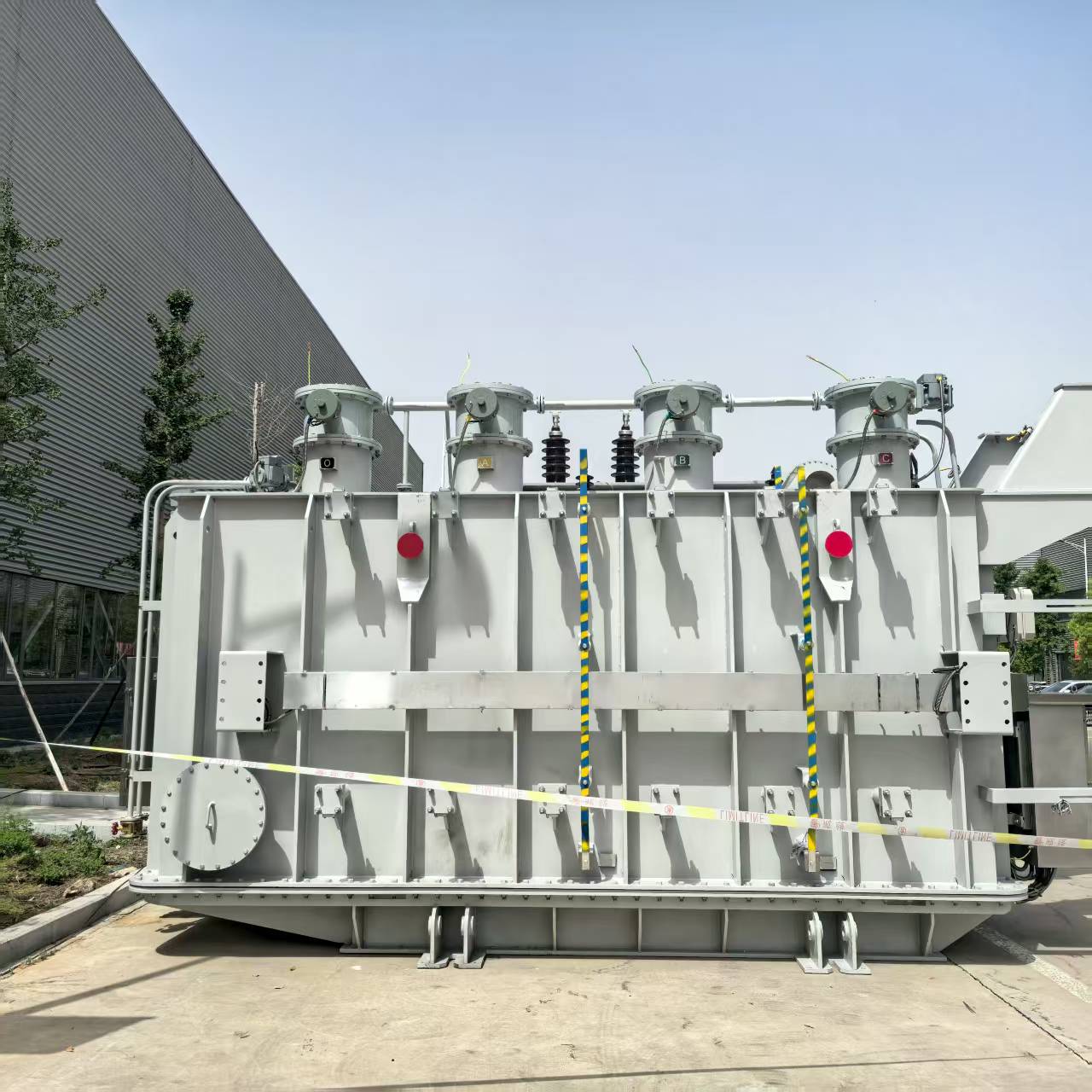
To eliminate these transmission losses, a high voltage step up transformer is deployed immediately adjacent to the generator. This specialized power plant step up transformer takes the generator's output and steps the voltage up to extreme transmission levels—such as 132kV, 220kV, or even 400kV. By dramatically increasing the voltage, the high voltage step up transformer proportionally decreases the current, allowing massive amounts of energy to travel vast distances with nearly zero thermal loss.
While the core physics remain the same, the operational environment for a high voltage step up transformer changes drastically depending on the power source.
In coal, natural gas, or nuclear facilities, power generation is remarkably stable. The turbines spin at a constant rate, providing a continuous, predictable base load. In these environments, the high voltage step up transformer operates in a steady thermal state. The primary engineering focus for this high voltage step up transformer is maximizing magnetic efficiency through premium Cold-Rolled Grain-Oriented (CRGO) steel to reduce no-load losses over a 40-year uninterrupted lifespan.
The global shift toward green energy has radically altered the operational demands placed on electric grid transformers. Solar parks and offshore wind farms do not produce steady power; their output is inherently volatile and dictated by the weather.
When a high voltage step up transformer is connected to a renewable grid, it faces severe thermal cycling. It may operate at a 15% load under cloud cover and suddenly spike to 100% capacity when direct sunlight hits the panels. This rapid expansion and contraction of internal copper windings can quickly destroy the insulation paper in a standard unit.
Furthermore, a step up transformer for solar power plant applications must deal with severe harmonic distortion. Solar panels generate Direct Current (DC), which massive inverters must convert to Alternating Current (AC). This conversion introduces high-frequency harmonics into the electrical feed. If a high voltage step up transformer is not specifically designed to filter these harmonics—often via an internal electrostatic shield—the core will overheat, leading to premature dielectric failure.
Because the operational stakes are so high, B2B procurement teams must demand uncompromising engineering standards. Here is how a premium high voltage step up transformer is built to survive the harshest grid conditions:
|
Technical Metric |
Standard Distribution Transformer |
Heavy-Duty High Voltage Step Up Transformer |
|
Load Profile |
Intermittent, predictable localized loads |
Continuous max-capacity or extreme cyclic loading |
|
Harmonic Tolerance |
Low |
Extremely High (Electrostatic shielding required) |
|
Cooling Architecture |
ONAN (Oil Natural, Air Natural) |
ONAF/ODAF (Forced Air and Directed Oil flow) |
|
Testing Standards |
Basic Routine FAT |
Severe Type Testing (Lightning Impulse, Heat Run) |
Evaluating high voltage transformer manufacturers requires looking far beyond the initial purchase price. A high voltage step up transformer is a multi-million-dollar CAPEX investment, but its failure can cost tens of millions in lost power generation revenue.
Before awarding a contract, EPCs must audit the supplier’s Factory Acceptance Testing (FAT) capabilities. Can the factory conduct simulated lightning strike tests in an in-house high-voltage laboratory? Do they utilize Dissolved Gas Analysis (DGA) after a temperature-rise test to prove there are no microscopic internal arcs? A reliable high voltage step up transformer is mathematically proven flawless before it ever leaves the factory floor.
The successful integration of massive power plants and volatile renewable energy parks into the national grid rests entirely on the shoulders of the high voltage step up transformer. By demanding uncompromising short-circuit rigidity, advanced harmonic shielding, and flawless dielectric vacuum drying, utility developers can eliminate grid connection bottlenecks.
Are you engineering a new power plant or utility-scale solar grid? Do not compromise on your most critical asset. Contact our expert engineering team today. We specialize in designing and manufacturing custom-built high voltage step up transformer solutions that guarantee decades of maximum-efficiency power export for your most demanding global projects.