

 EN
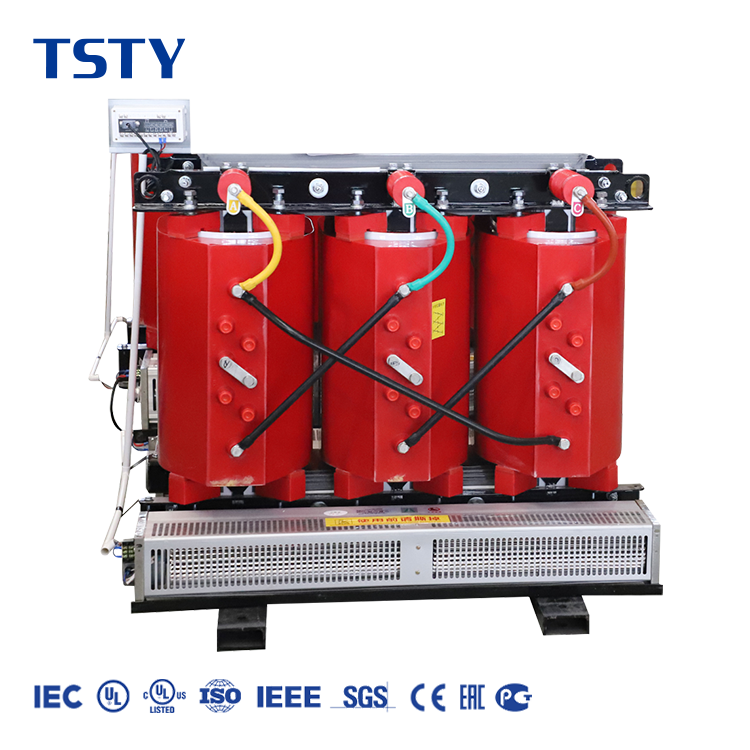
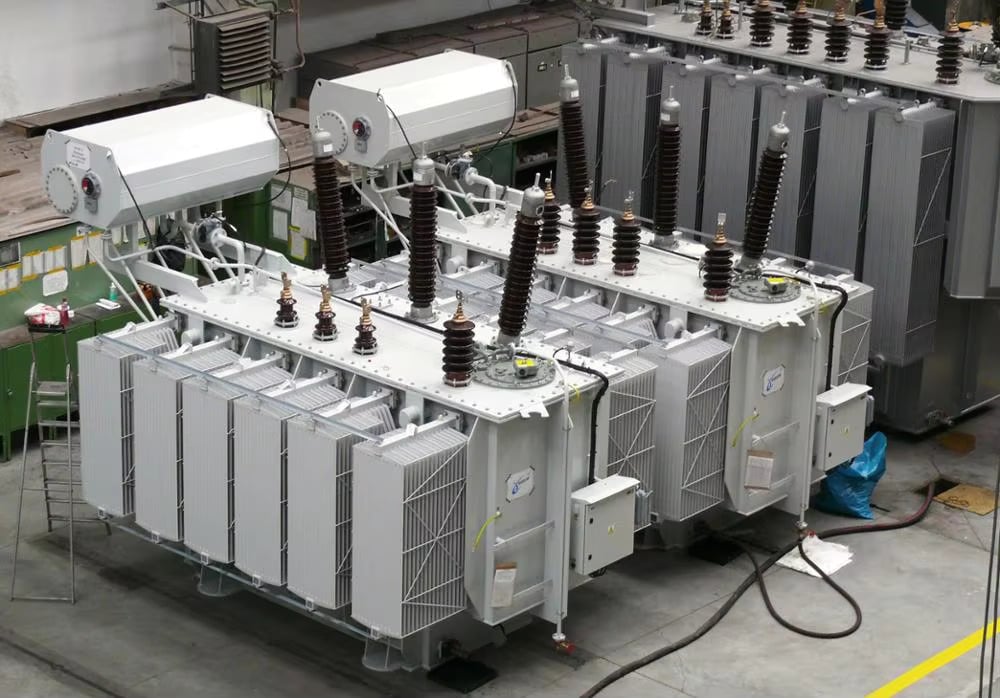
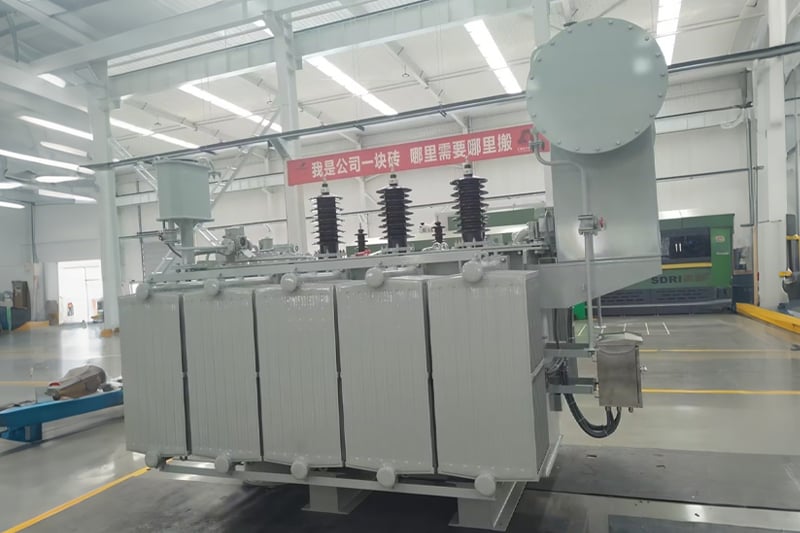
The exponential growth of renewable energy has fundamentally altered how Engineering, Procurement, and Construction (EPC) contractors approach electrical infrastructure. In traditional fossil-fuel generation, equipment operates under steady, predictable baseloads. Utility-scale photovoltaic (PV) plants, however, present an entirely different electrical ecosystem. At the heart of this ecosystem is a highly specialized piece of equipment: the step up transformer for solar power plant.
For EPCs and utility developers, procuring a step up transformer for solar power plant is not a standard catalog transaction. Standard grid transformers will quickly fail when exposed to the harsh harmonic distortion, severe thermal cycling, and erratic voltage fluctuations inherent to solar energy generation.
Drawing upon nearly 30 years of global manufacturing experience and a footprint in over 100 countries, TSTY provides an authoritative engineering breakdown. This guide explores exactly what B2B procurement teams must look for when specifying a step up transformer for solar power plant to ensure long-term grid stability and maximum Return on Investment (ROI).
Unlike traditional rotating turbines that produce smooth alternating current (AC), solar panels generate direct current (DC). This DC power is passed through massive solid-state inverters to convert it into AC before it reaches the grid.
This conversion process is electrically "noisy." It introduces severe non-linear loads and high-frequency harmonics into the system. If an EPC attempts to use a standard power plant step up transformer in this environment, the harmonic distortion will cause localized overheating in the transformer windings, leading to premature insulation failure and catastrophic short circuits.
To survive these conditions, a true step up transformer for solar power plant must be engineered as a dedicated solar inverter transformer.
One of the most destructive forces acting upon a step up transformer for solar power plant is thermal cycling. Solar generation follows the sun: it peaks at midday and drops to zero at night.
This means the internal temperature of a step up transformer for solar power plant fluctuates violently every 24 hours. In standard transformers, this rapid heating and cooling causes the copper windings and the core steel to expand and contract at different rates, eventually grinding away the insulating paper and causing mechanical failure.
When evaluating a step up transformer for solar power plant, EPCs must scrutinize the mechanical bracing and thermal design:
Modern solar parks rarely operate in isolation. To mitigate the intermittency of the sun, developers are increasingly coupling PV arrays with massive battery systems.
When a site integrates BESS solar storage (Battery Energy Storage Systems), the electrical dynamics change. The step up transformer for solar power plant must now manage bidirectional power flow—stepping up voltage to feed the grid during the day, and sometimes stepping down voltage to charge the batteries from the grid during off-peak hours.
A step up transformer for solar power plant designed for BESS integration requires an advanced On-Load Tap Changer (OLTC) to handle continuous voltage regulation in both directions, ensuring stable power delivery regardless of whether the energy is flowing from the PV array, the batteries, or the utility grid.
To help EPC buyers avoid costly procurement mistakes, below is a comparative matrix illustrating why standard units cannot substitute for a purpose-built step up transformer for solar power plant:
|
Engineering Variable |
Standard Distribution Transformer |
Specialized Step Up Transformer for Solar Power Plant |
|
Load Profile |
Steady, continuous baseload |
Highly variable, daily zero-to-peak cycling |
|
Harmonic Tolerance |
Low (Designed for pure sine waves) |
Extremely High (Engineered for inverter noise) |
|
Winding Shielding |
Usually absent |
Electrostatic (Faraday) shield standard |
|
Thermal Capacity |
Standard ambient limits |
Derated and reinforced for peak midday solar heat |
|
BESS Compatibility |
Unidirectional flow |
Bidirectional flow capable for hybrid storage |
The operational lifespan of a step up transformer for solar power plant is entirely dependent on the quality of its raw materials and the rigorousness of its factory testing. In a utility-scale solar project, a single transformer failure can bottleneck megawatts of generation, resulting in massive financial penalties for the operator.
At TSTY, we leave nothing to chance. The magnetic core of every step up transformer for solar power plant is constructed using premium, grain-oriented silicon steel sourced directly from Baosteel or WISCO. This guarantees ultra-low no-load losses, ensuring maximum energy yield from the solar array.
Furthermore, before a step up transformer for solar power plant is cleared for global export, it undergoes exhaustive Factory Acceptance Testing (FAT) in our in-house CNAS-accredited laboratory. We simulate extreme harmonic loads, heat runs, and lightning impulses to prove that your step up transformer for solar power plant meets and exceeds all CE, IEC, and UL safety standards.
Building a profitable, utility-scale solar farm requires electrical infrastructure that can endure the unique abuses of renewable generation. From managing destructive inverter harmonics to surviving decades of severe thermal cycling, the step up transformer for solar power plant is the most critical asset in your energy transmission chain.
By partnering with a digitally advanced manufacturer that understands the complexities of PV and BESS integration, EPCs can eliminate equipment bottlenecks and guarantee the long-term reliability of their renewable projects.
Are you specifying equipment for an upcoming utility-scale PV project? Contact TSTY’s global engineering team today for custom impedance calculations, thermal modeling, and B2B volume pricing for your next step up transformer for solar power plant.