

 EN
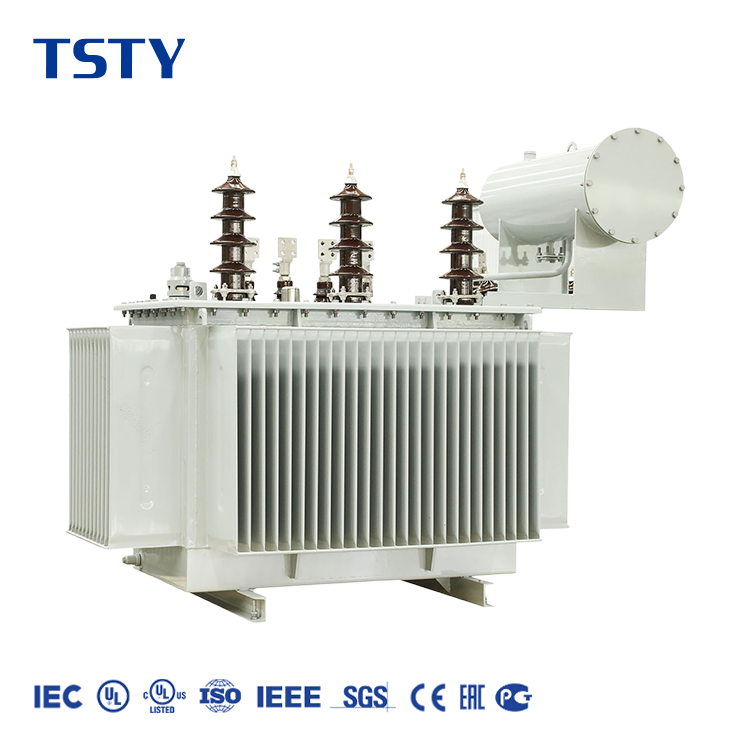
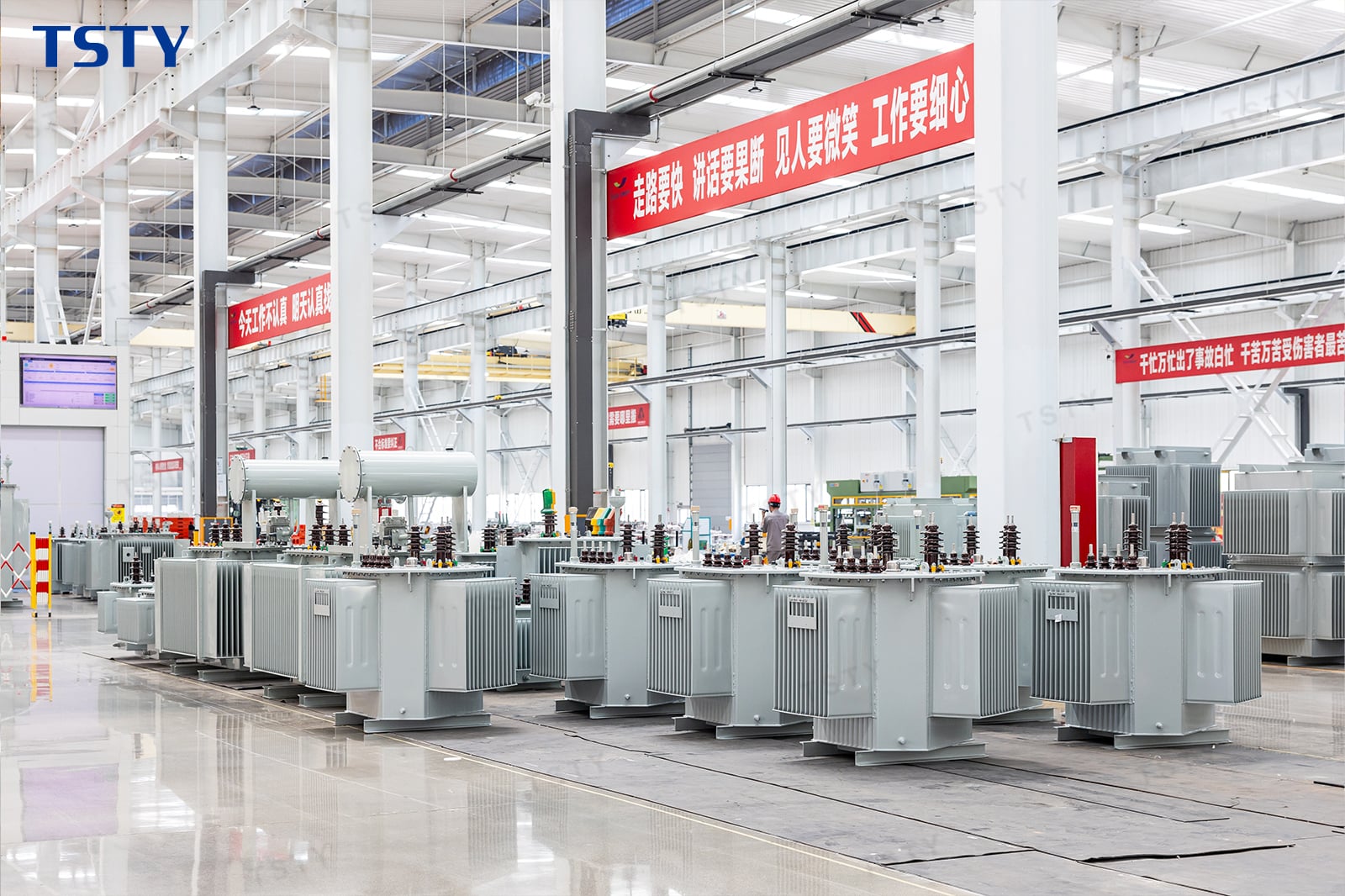
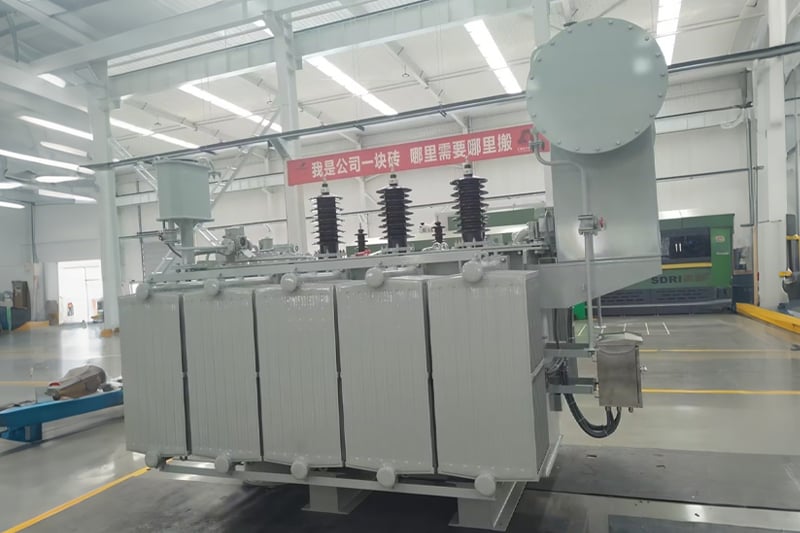
When planning a high-voltage substation or a massive industrial facility, EPC contractors and utility procurement officers face a critical decision: selecting the right core infrastructure. For large-scale grid applications, the oil immersed power transformer remains the absolute gold standard. While alternative technologies exist, nothing matches the heavy-duty resilience, superior thermodynamics, and extended lifespan of liquid-filled systems.
However, treating an oil immersed power transformer as a simple commodity is a costly mistake. The difference between a unit that operates flawlessly for 40 years and one that fails catastrophically in year five lies deep within its engineering. As one of the industry's leading power transformer manufacturers, we regularly guide B2B buyers through the complex technical specifications required for heavy distribution.
If you want to maximize your Return on Investment (ROI) and guarantee grid stability, you must evaluate an oil immersed power transformer across four foundational pillars: Cooling, Insulation, Losses, and Testing.
In any electrical distribution transformer, electrical resistance naturally generates intense heat. If this heat is not rapidly dissipated, it will degrade the internal components and eventually cause a total system failure. The primary advantage of an oil immersed power transformer is its exceptional thermodynamic efficiency.
The mineral oil (or synthetic ester) inside the tank acts as a high-capacity heat transfer medium. When evaluating an oil immersed power transformer, you must specify the correct cooling class based on your anticipated load profile:
Procurement Tip: If you are sourcing a three phase oil immersed transformer for a desert solar farm, specifying heavily oversized ONAN radiators is often safer than relying on mechanical ONAF fans, which can become clogged with abrasive sand.
The heartbeat of an oil immersed power transformer is its insulation system, which relies on a precise synergy between high-grade cellulose (Kraft paper) and dielectric oil. The paper separates the copper windings, while the oil permeates the paper to provide massive dielectric strength to prevent high-voltage arcing.
From a manufacturing standpoint, moisture is the ultimate destroyer of an oil immersed power transformer. Even a microscopic amount of water trapped in the paper will vaporize under heavy loads, causing partial electrical discharges that slowly eat away at the windings.
To prevent this, elite manufacturers subject the active core and coil assembly of the oil immersed power transformer to a rigorous Vapor Phase Drying (VPD) process. The assembly is placed in a deep vacuum chamber, removing 99.9% of all moisture before it is placed into the tank. The tank of the oil immersed power transformer is then filled with degassed, purified oil under a strict vacuum. When vetting a supplier, always audit their vacuum drying capabilities—it is the direct predictor of your equipment's lifespan.
For utility buyers, the initial purchase price (CAPEX) of an oil immersed power transformer is only a fraction of its Total Cost of Ownership (TCO). The true cost lies in electrical losses over a 30-year lifespan.
When you plug an oil immersed power transformer into the grid, you will experience two distinct types of energy loss:
By utilizing high-grade Cold-Rolled Grain-Oriented (CRGO) silicon steel and step-lap mitered core cutting techniques, we dramatically reduce no-load losses.
Here is how a standard build compares to a premium-engineered oil immersed power transformer:
|
Specification Area |
Standard Oil Immersed Power Transformer |
Premium Efficiency Oil Immersed Power Transformer |
|
Core Material |
Standard Silicon Steel |
Laser-treated CRGO / Amorphous Metal |
|
Winding Material |
Aluminum |
High-Purity Electrolytic Copper |
|
No-Load Loss Profile |
Average (Higher daily operating cost) |
Extremely Low (Saves massive utility costs over 30 years) |
|
Heat Generation |
Higher (Requires more cooling fins) |
Lower (Runs cooler, extending oil lifespan) |
|
Total ROI |
Cheap upfront, expensive to run |
Higher initial cost, massive long-term OPEX savings |
You cannot visually inspect the internal quality of an oil immersed power transformer. The only way to guarantee safety and compliance is through exhaustive Factory Acceptance Testing (FAT).
Reputable manufacturers will subject every single oil immersed power transformer to stringent Routine Tests, in accordance with IEC or IEEE standards. These include winding resistance measurements, voltage ratio checks, and applied overvoltage withstand tests.
Furthermore, when developing a new prototype or fulfilling a custom high-voltage order, Type Tests are mandatory. The most critical is the Lightning Impulse Test. We subject the oil immersed power transformer to massive, simulated lightning strikes (often exceeding hundreds of kilovolts) to prove the dielectric insulation can withstand violent grid surges without rupturing.
Lastly, prior to shipping, an advanced oil immersed power transformer will undergo Dissolved Gas Analysis (DGA). By sampling the oil after a heat-run test, we can detect trace gases (like ethylene or hydrogen) that would indicate hidden internal faults, ensuring the unit you receive is mathematically perfect.
Procuring an oil immersed power transformer is a monumental investment in your facility's operational stability. By deeply understanding the mechanics of ONAN/ONAF cooling, demanding flawless vacuum-dried insulation, calculating the TCO of electrical losses, and insisting on uncompromising factory testing, B2B buyers can eliminate procurement risks.
Don't leave your high-voltage infrastructure to chance. As an experienced manufacturing partner, we build every oil immersed power transformer to withstand the harshest industrial and utility environments on earth.
Are you preparing specifications for an upcoming substation or grid expansion? Contact our engineering team today to review your single-line diagrams, request customized efficiency data, and secure a world-class oil immersed power transformer designed specifically for your next major project.