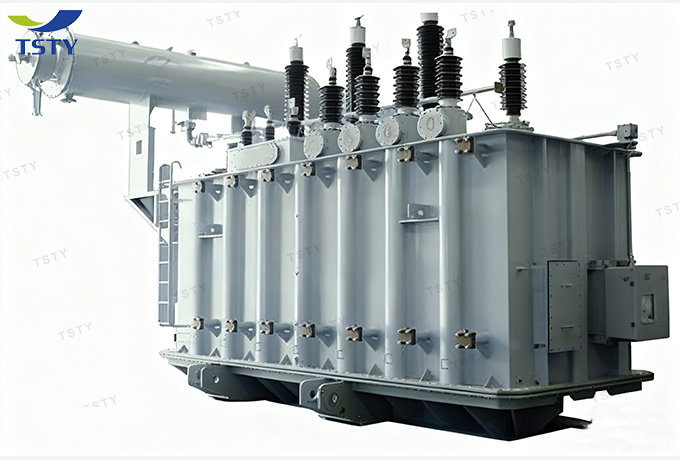
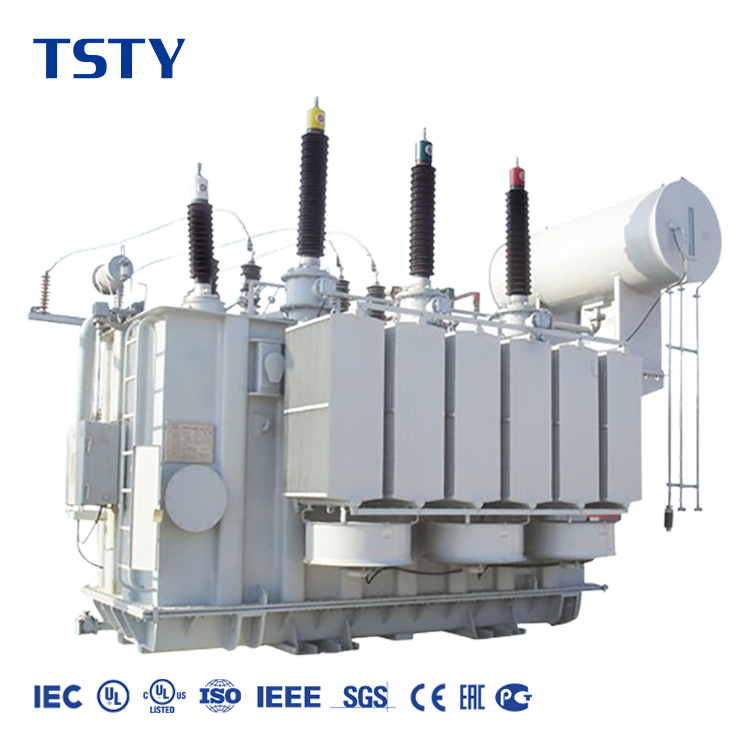
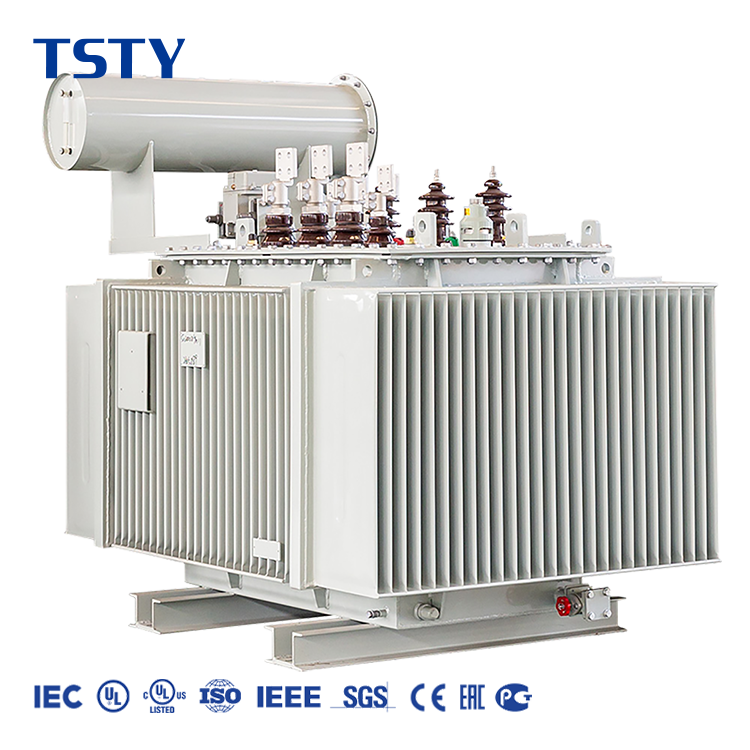
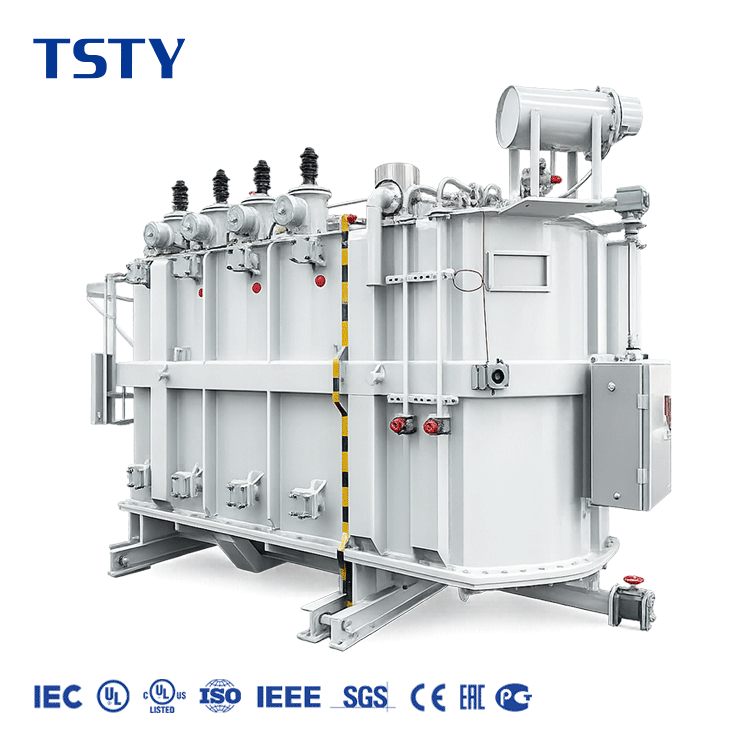
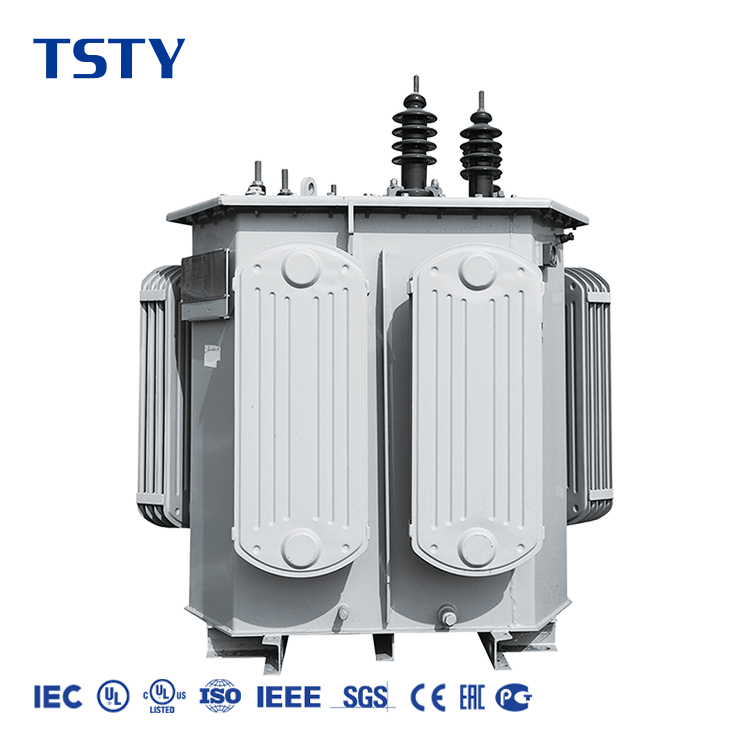
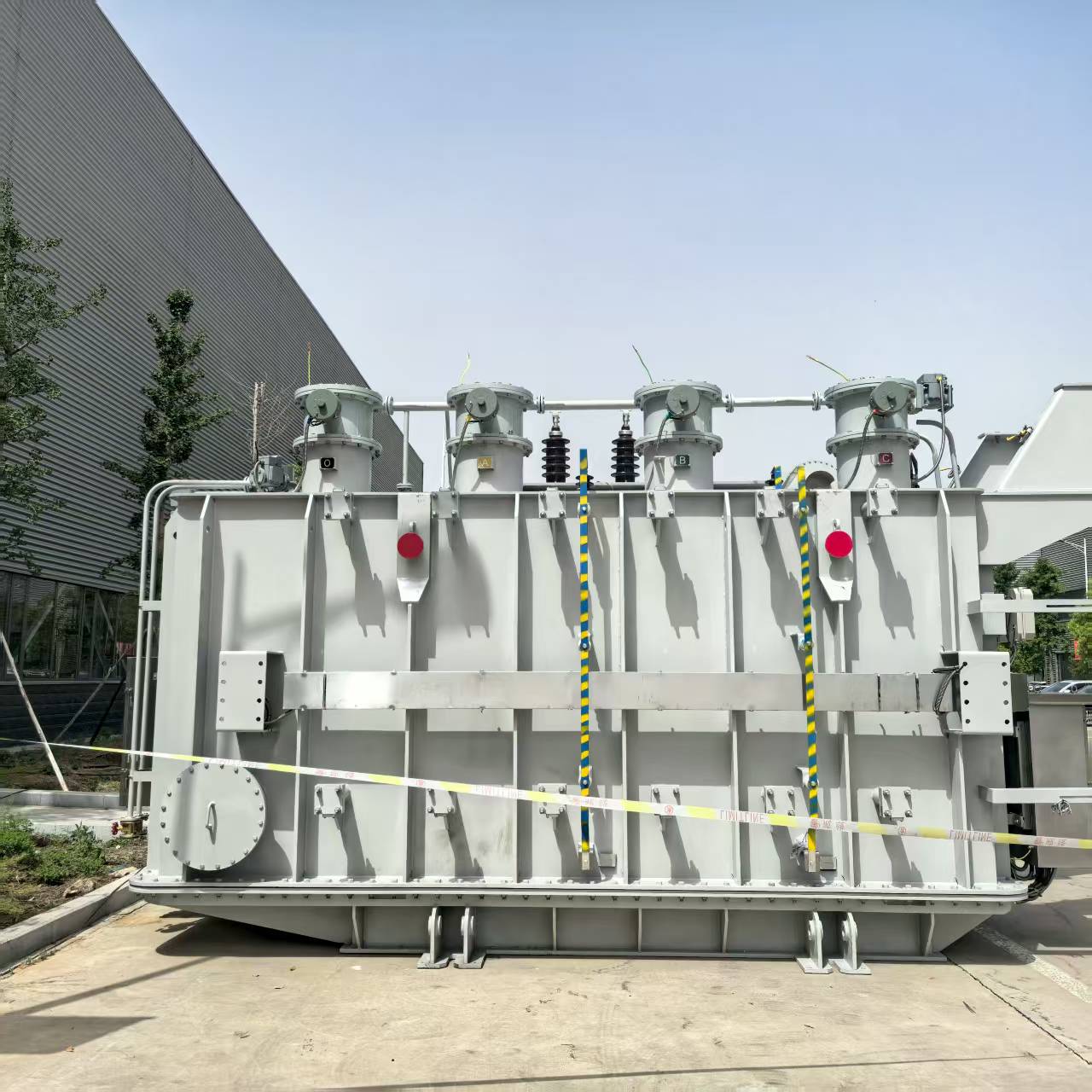
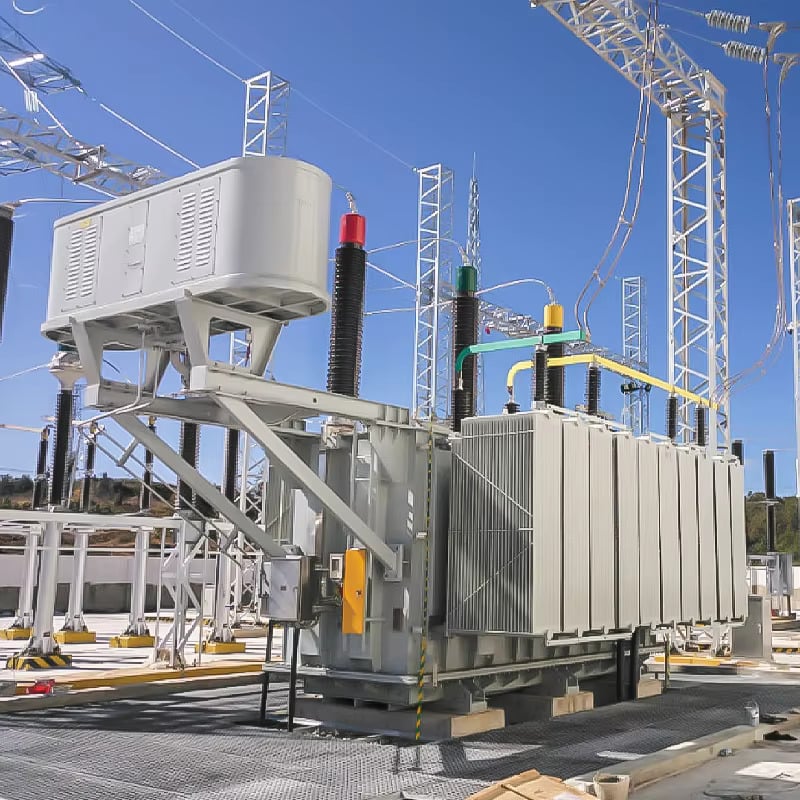
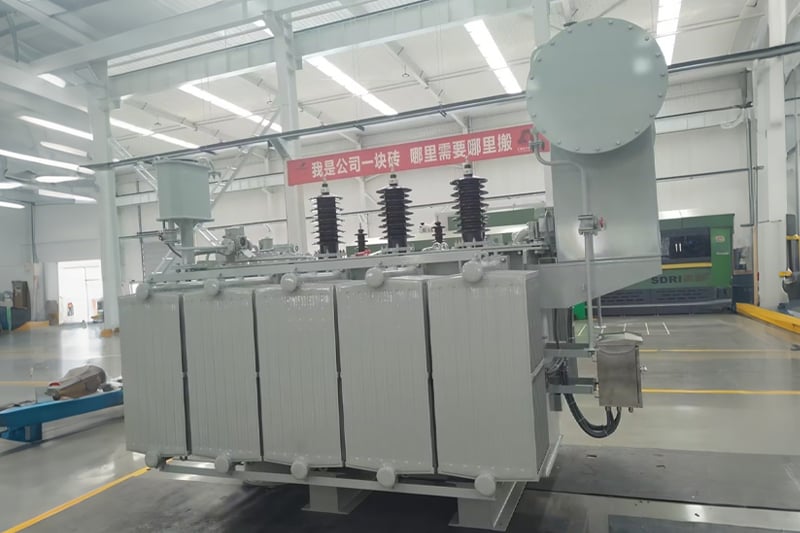
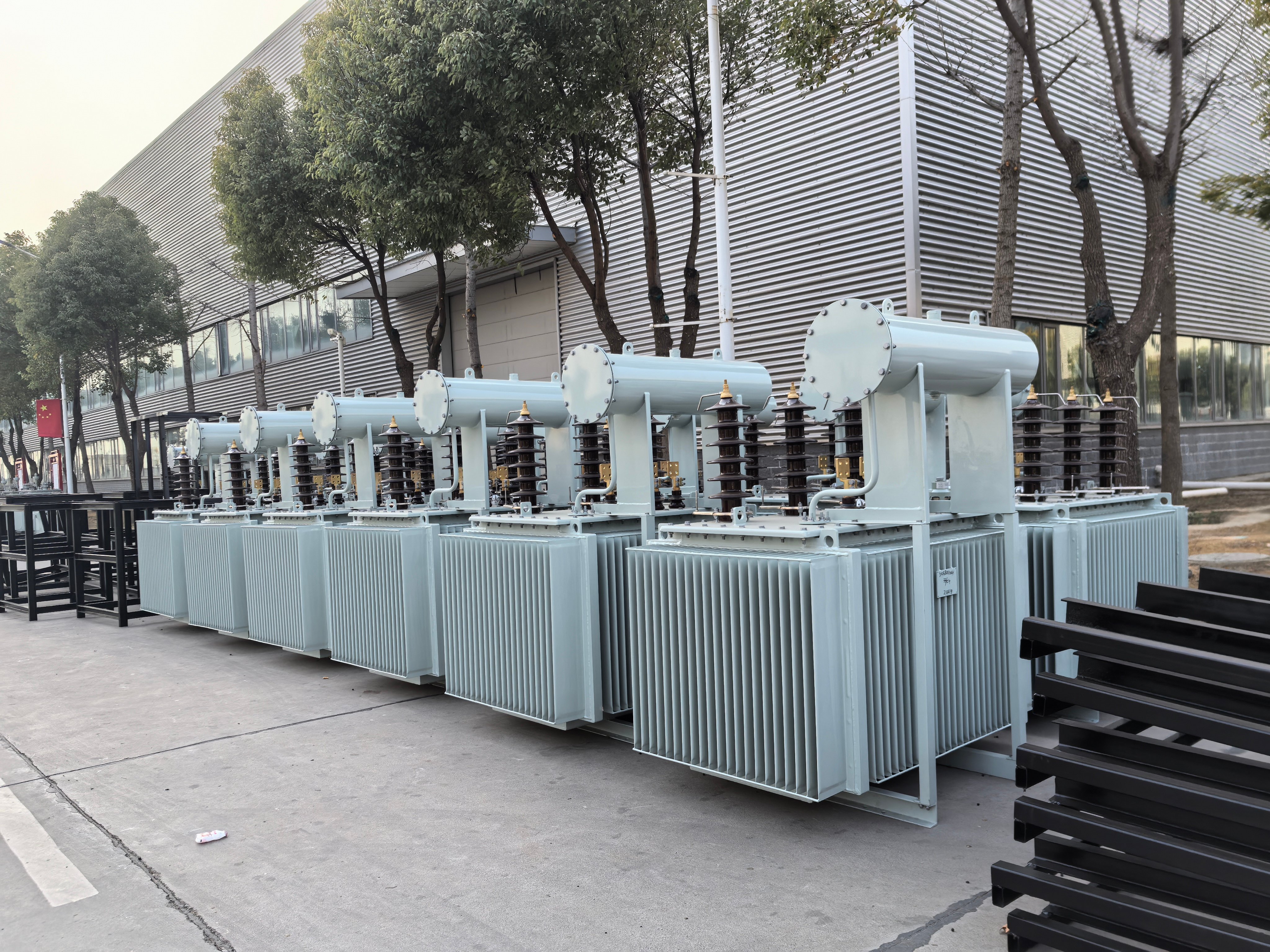
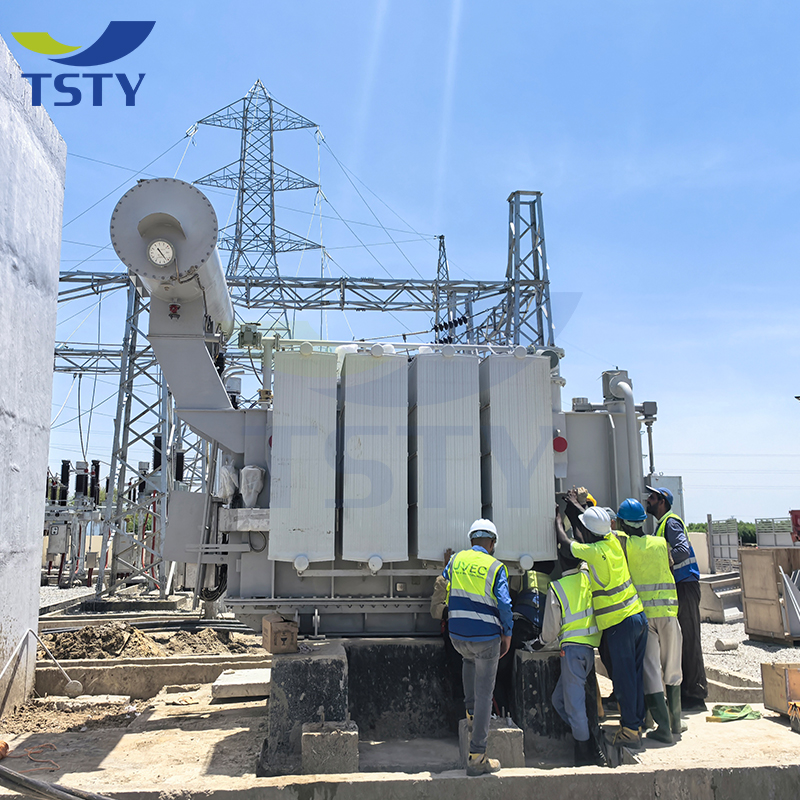
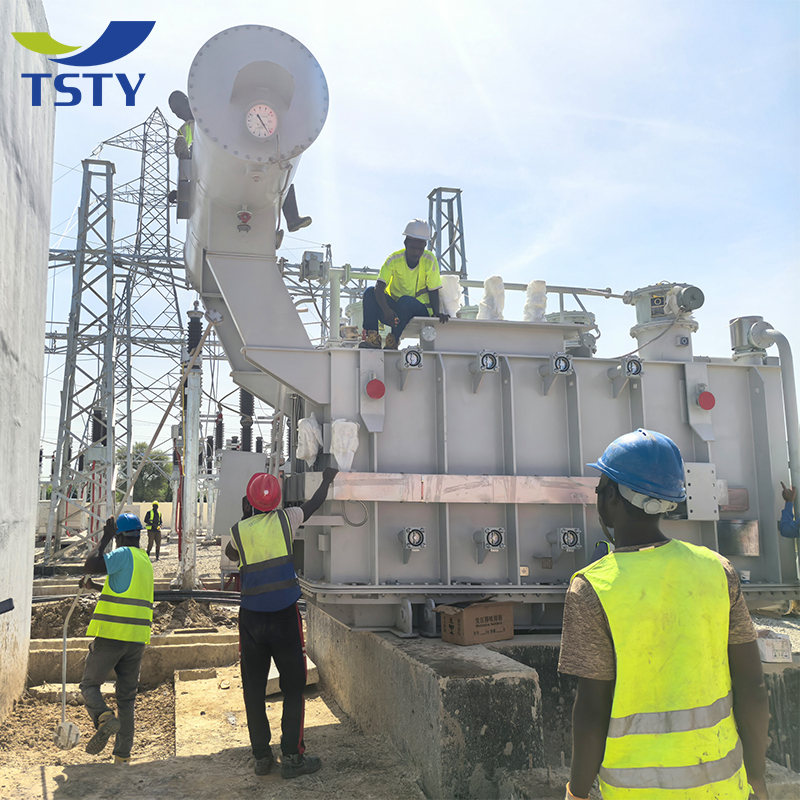
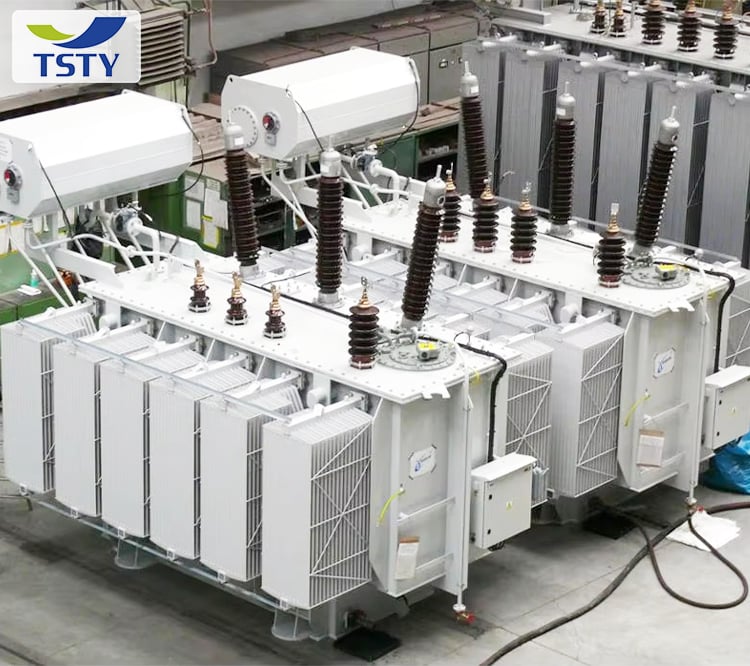
An electrical distribution transformer is used in local power distribution systems to reduce medium voltage electricity to a lower voltage suitable for end users. It is usually installed near the load side of the power network, such as in residential areas, commercial buildings, industrial plants, rural distribution points, renewable energy facilities, and compact substations.
The main function of an electrical distribution transformer is voltage conversion. Power may arrive from a medium voltage feeder, RMU, or switchgear panel, and the transformer steps it down to the required low voltage level for lighting, motors, HVAC systems, production equipment, chargers, pumps, and general electrical loads. Because it is close to users, transformer capacity and load characteristics should be reviewed carefully.
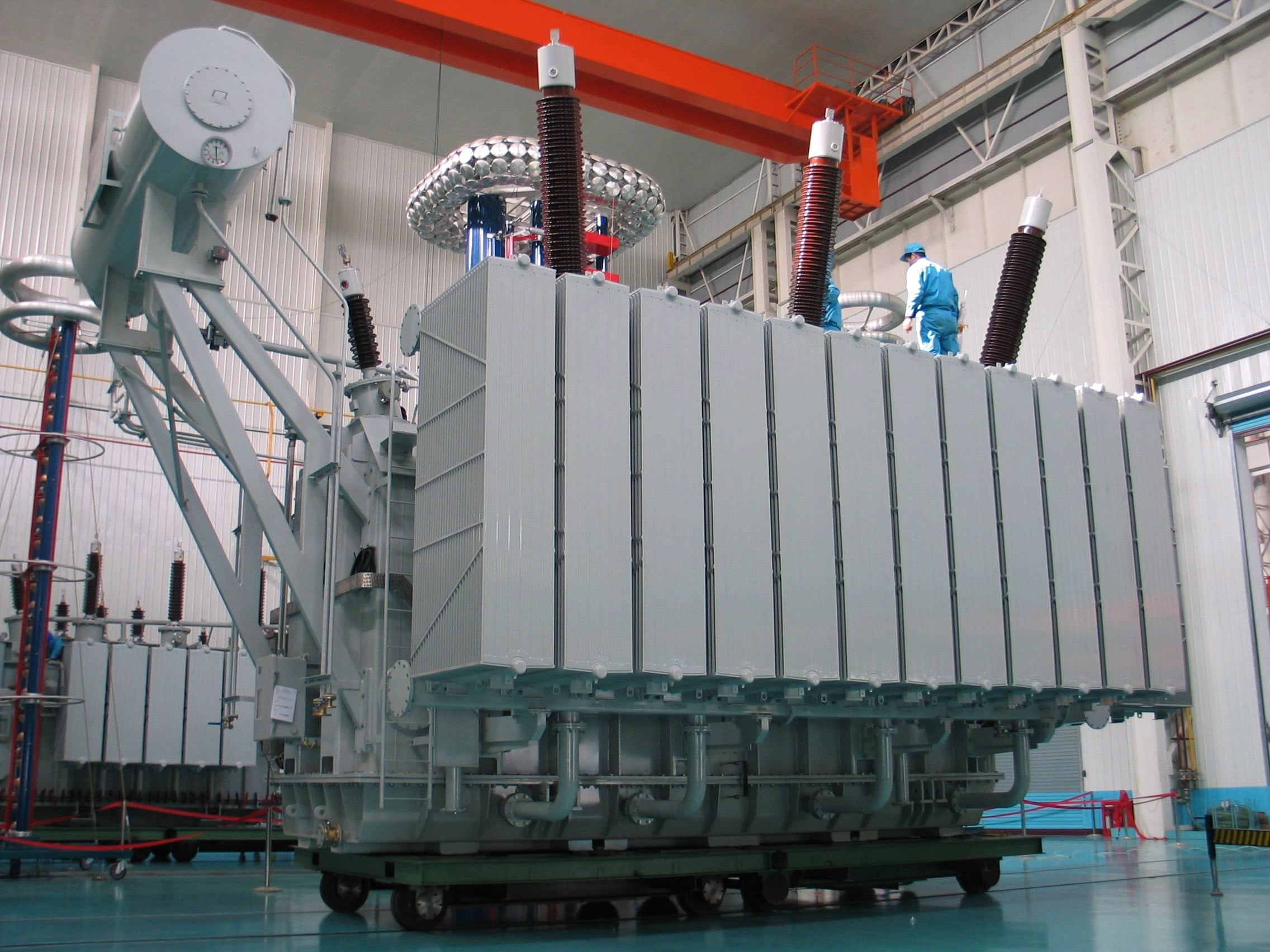
TSTY supplies different electrical distribution transformer types according to installation requirements. Oil-immersed distribution transformers are commonly used in outdoor substations, utility networks, industrial sites, and transformer yards. Dry-type distribution transformers are often selected for indoor buildings, commercial facilities, hospitals, data rooms, and locations where oil-free installation is preferred. Pad-mounted transformers and compact substation transformers can be used where the transformer, MV switchgear, and LV cabinet need to be arranged as a package.
The selection of an electrical distribution transformer should not depend only on capacity. Buyers should also confirm rated voltage, voltage ratio, frequency, phase number, vector group, impedance, tap range, cooling method, insulation level, enclosure protection, noise requirement, loss requirement, temperature rise, and applicable standards. Site information such as altitude, ambient temperature, humidity, ventilation, dust level, corrosion environment, and indoor or outdoor installation should also be provided.
For building and commercial projects, an electrical distribution transformer may need to match low-voltage switchgear, cable routes, fire safety rules, ventilation space, and maintenance corridors. For industrial users, load changes, motor starting current, equipment duty cycle, and short-circuit coordination should be considered. For utility networks, transformer loss level, overload practice, protection fuse selection, grounding method, and pole or pad installation design may be more important.
TSTY can provide electrical distribution transformer solutions together with other distribution equipment. For compact substations, the transformer can be coordinated with MV ring main unit and low-voltage distribution cabinet. For renewable energy systems, the transformer can work with inverter output, collection switchgear, and grid connection equipment. For rural or overhead line projects, pole-mounted distribution transformers can be reviewed with arresters, fuses, brackets, and grounding accessories.
Before requesting a quotation for an electrical distribution transformer, buyers should provide rated capacity, primary voltage, secondary voltage, frequency, phase number, vector group, tap changer requirement, cooling method, installation type, enclosure requirement, accessory list, test requirement, and applicable standards. If the transformer will be exported, packing method, transport limits, destination climate, and document requirements should also be confirmed.
TSTY can support project communication with datasheets, outline drawings, nameplate information, routine test reports, packing details, and accessory lists according to the agreed scope. A suitable electrical distribution transformer specification helps the project team connect medium voltage supply, transformer capacity, low-voltage distribution, and site installation conditions in one practical design.




 EN