
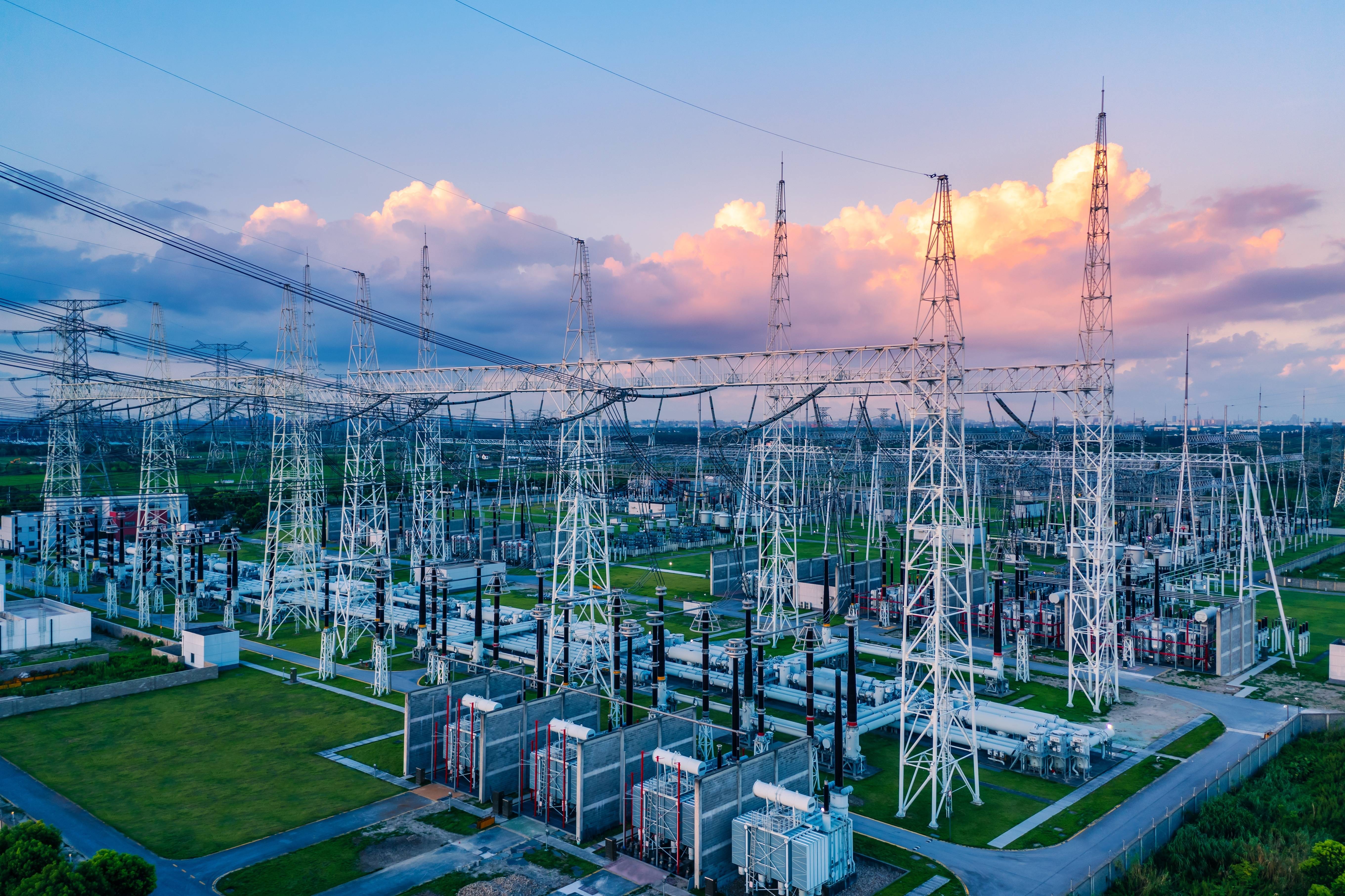
High-reliability, zero-leakage 110kV power transformer with advanced short-circuit withstand capability for utility and renewable energy applications.
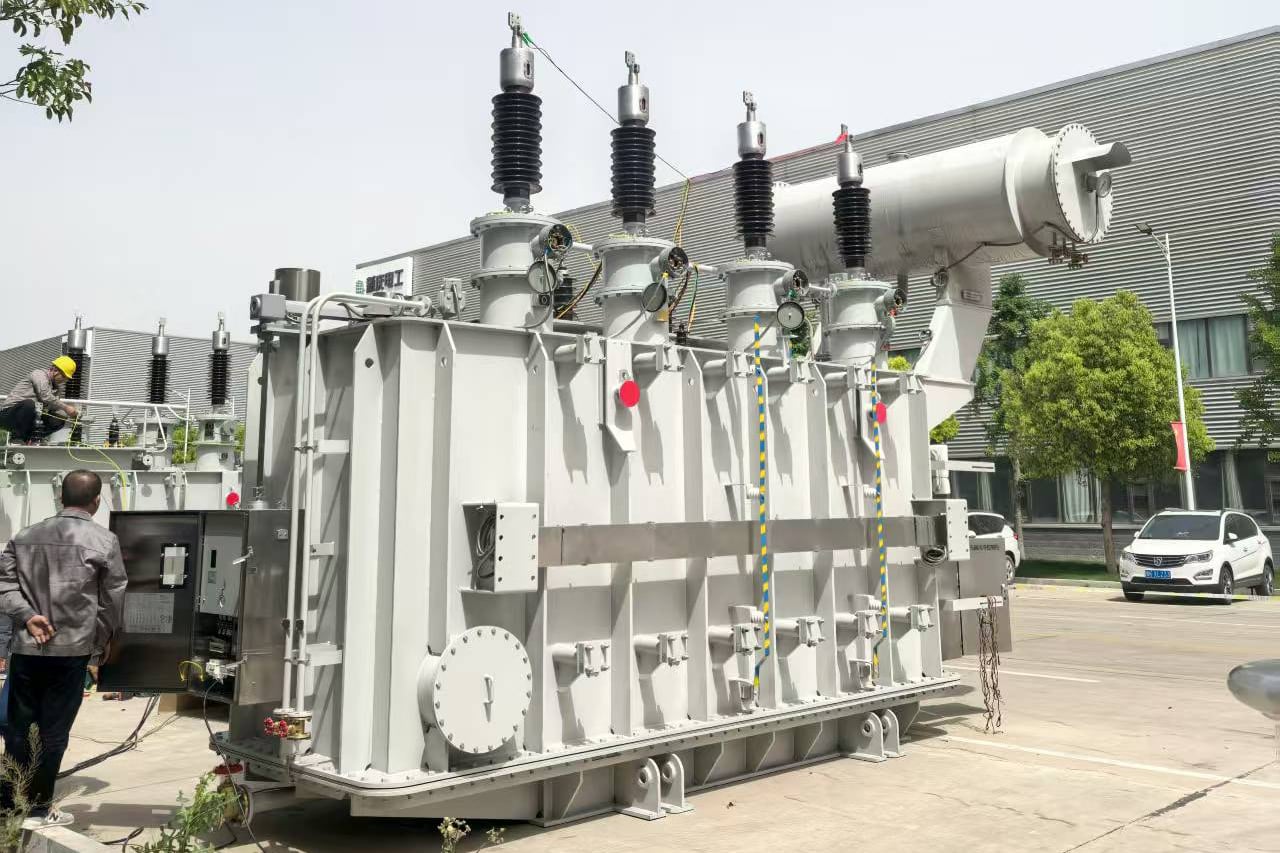
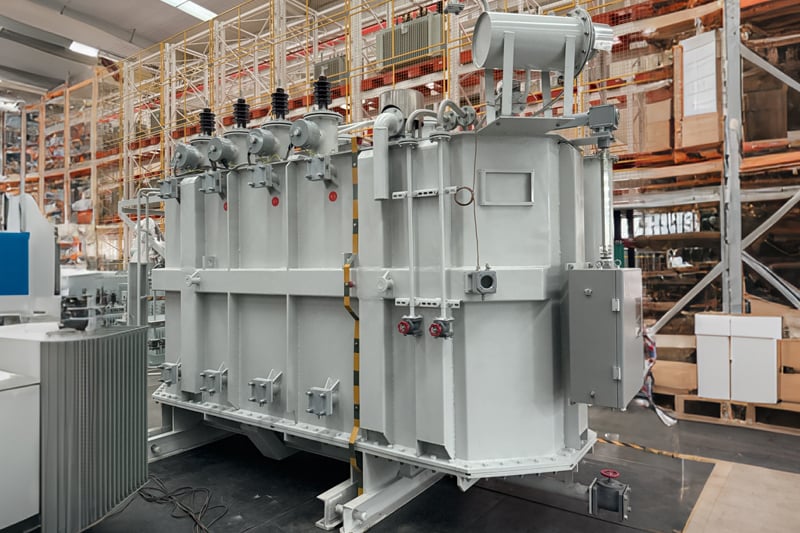
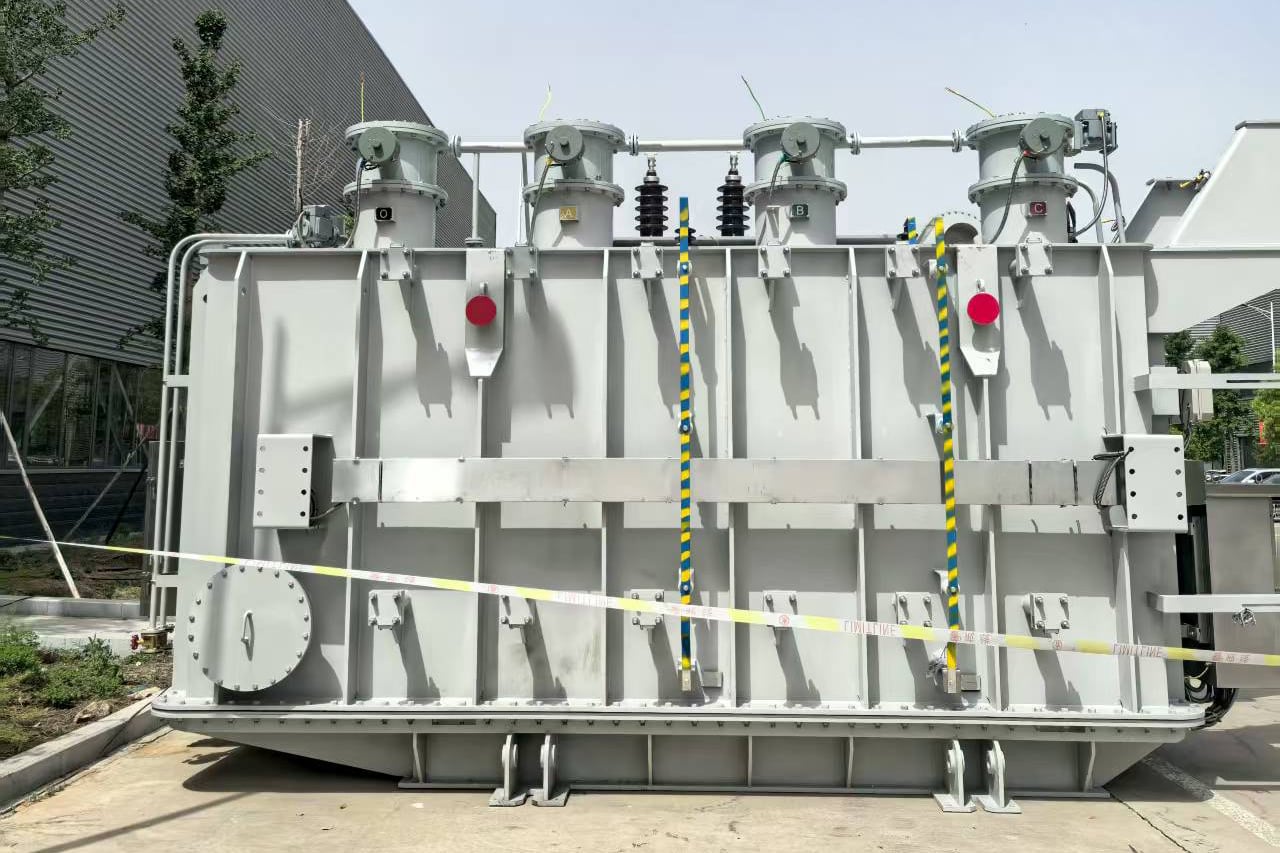
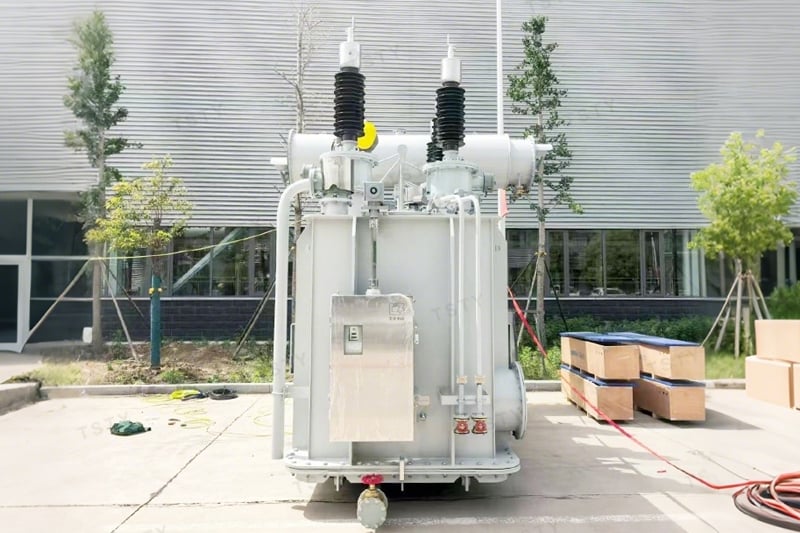
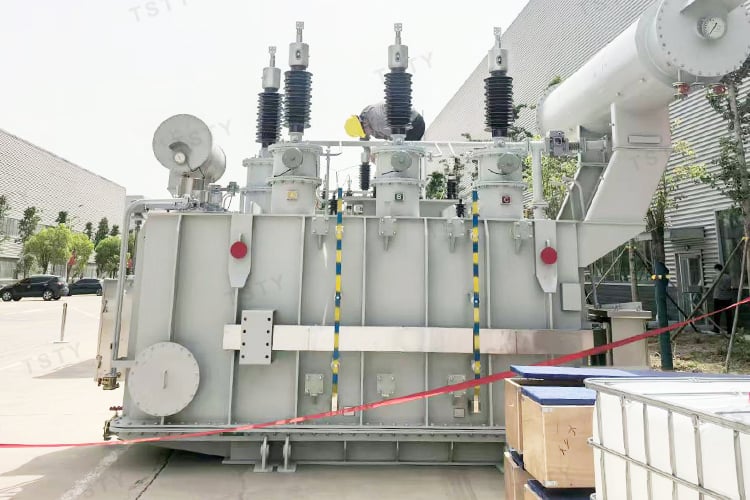
Passed the National Transformer Test Center’s sudden short-circuit test on first attempt, confirming mechanical strength against electromagnetic forces during grid faults without core displacement or winding deformation.
All sealing components use die-cast construction validated via fluorescence, positive-pressure, and negative-pressure testing methods, eliminating oil seepage risks even under thermal cycling and vibration.
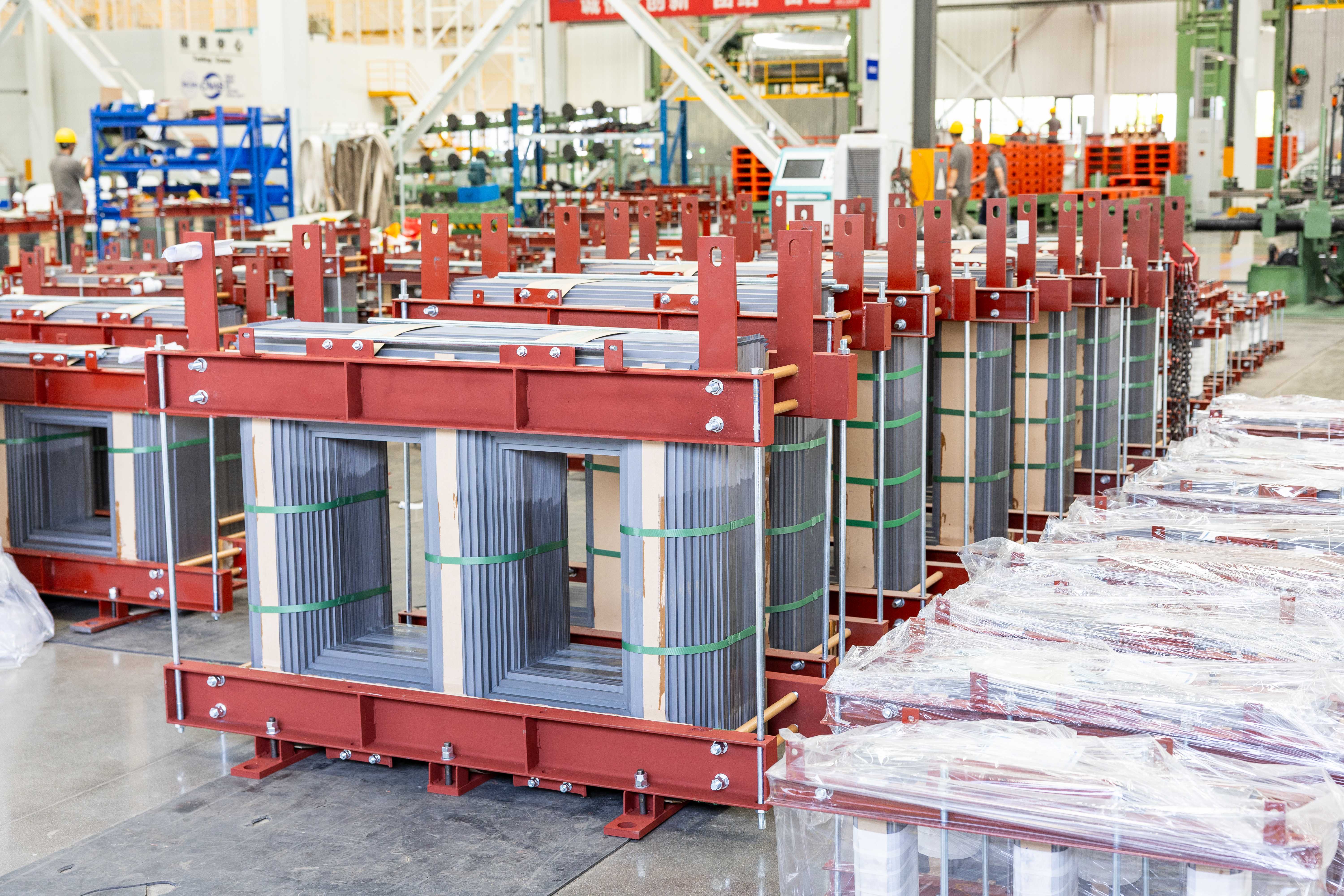
Eliminated traditional hanging-core design reduces mechanical stress points and maintenance requirements, enhancing long-term reliability while simplifying field inspection procedures.
Component-level acoustic engineering addresses noise generation at source, achieving sound levels below national limits through optimized core clamping, tank damping, and bushing isolation.
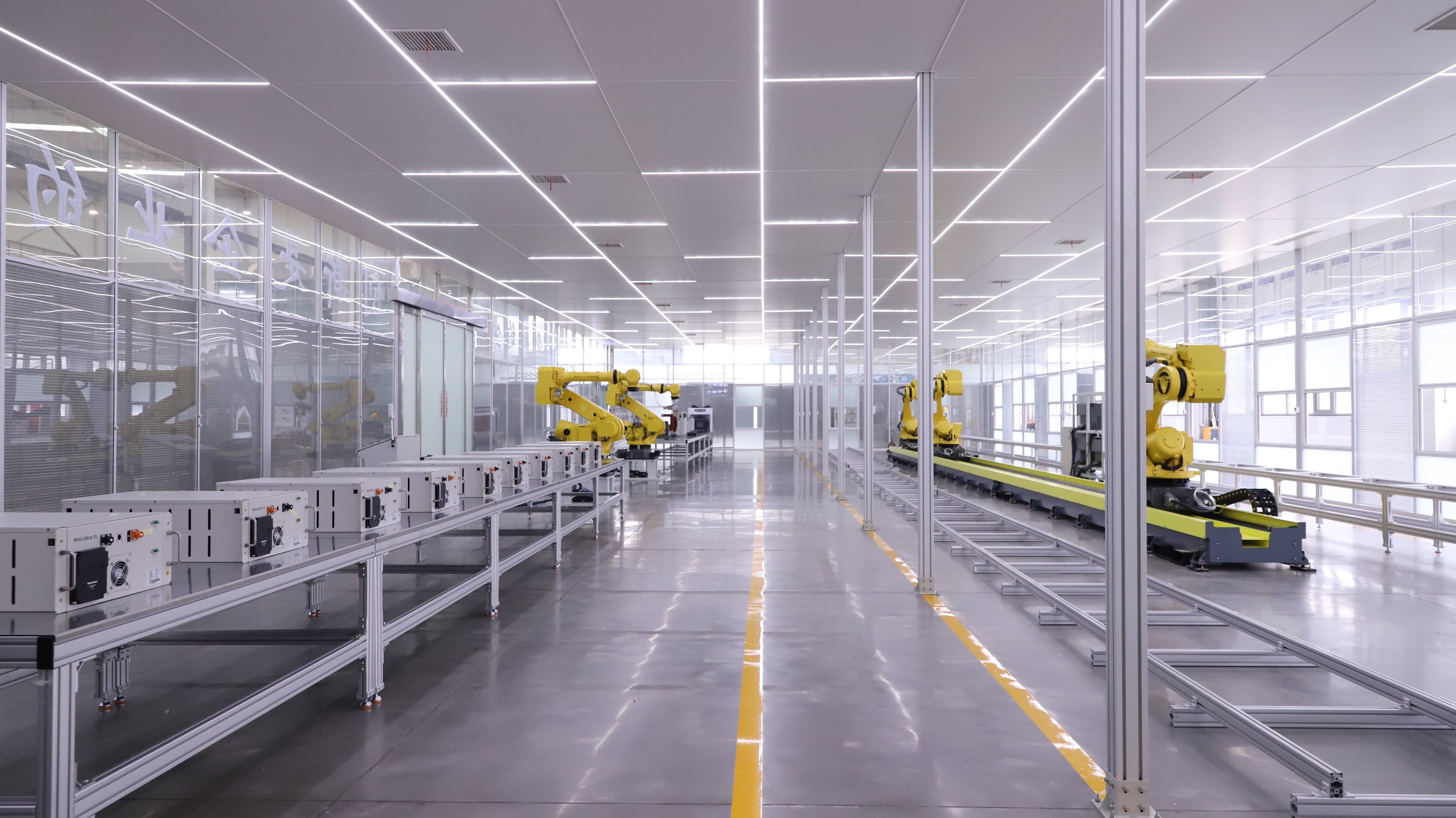
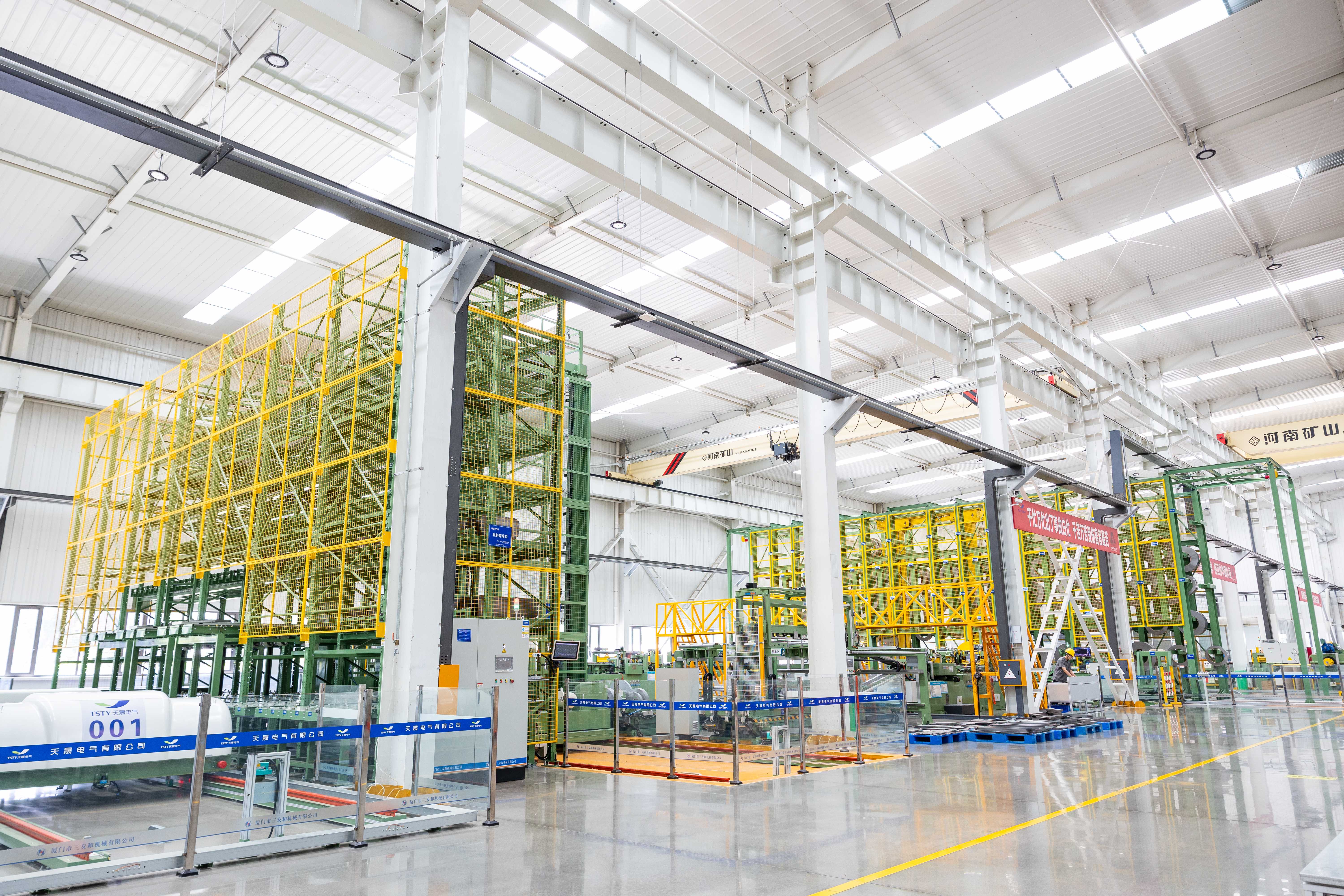
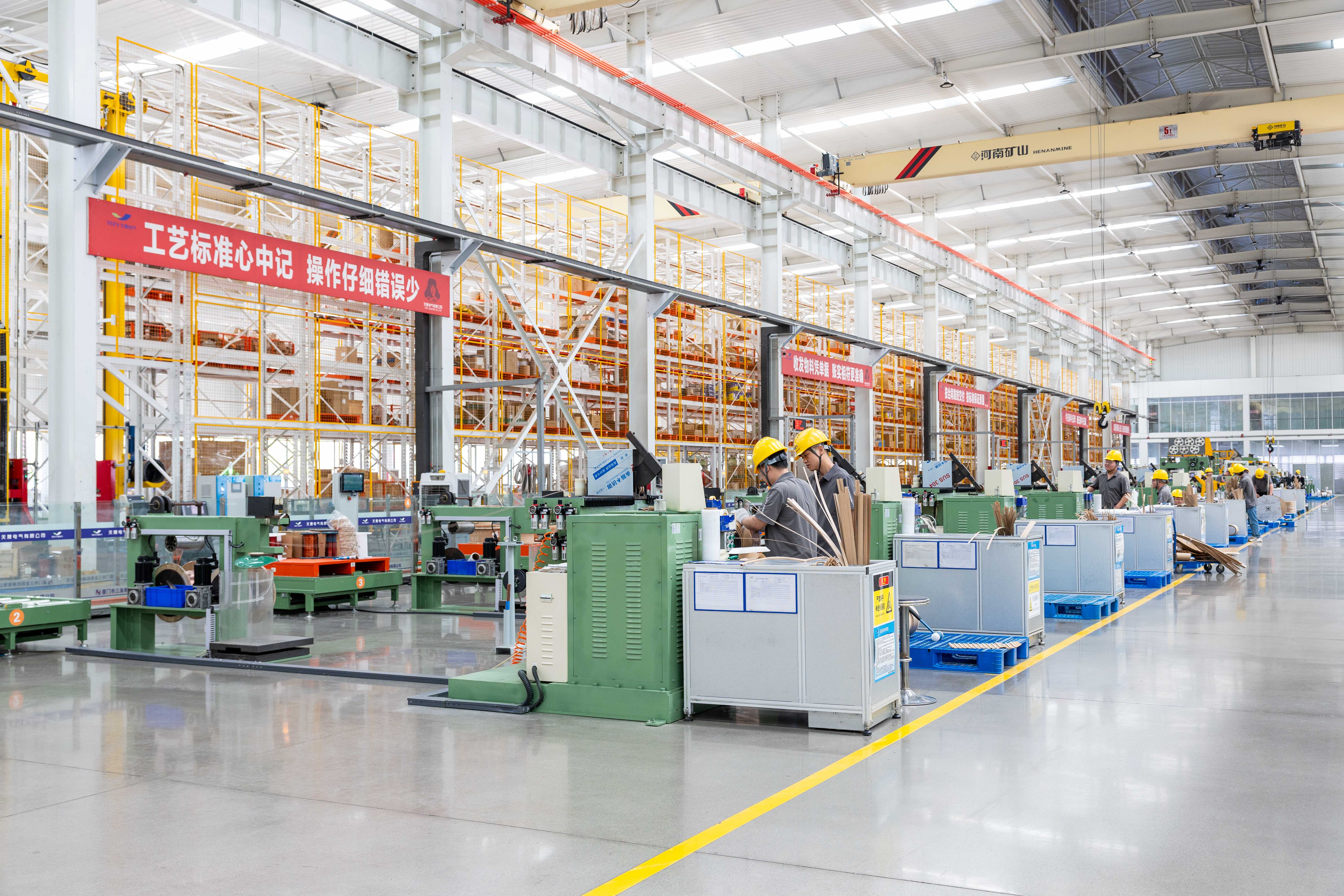
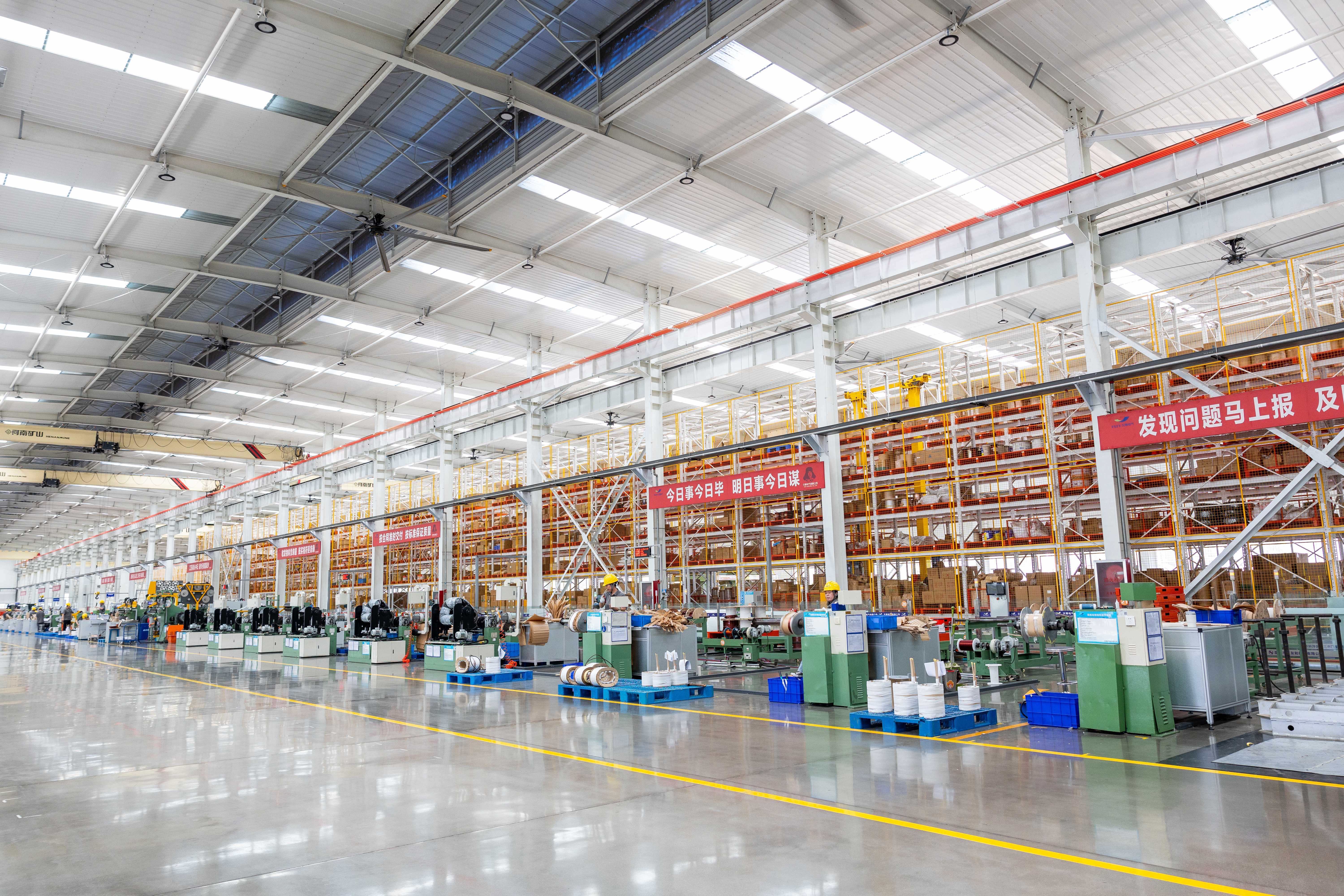
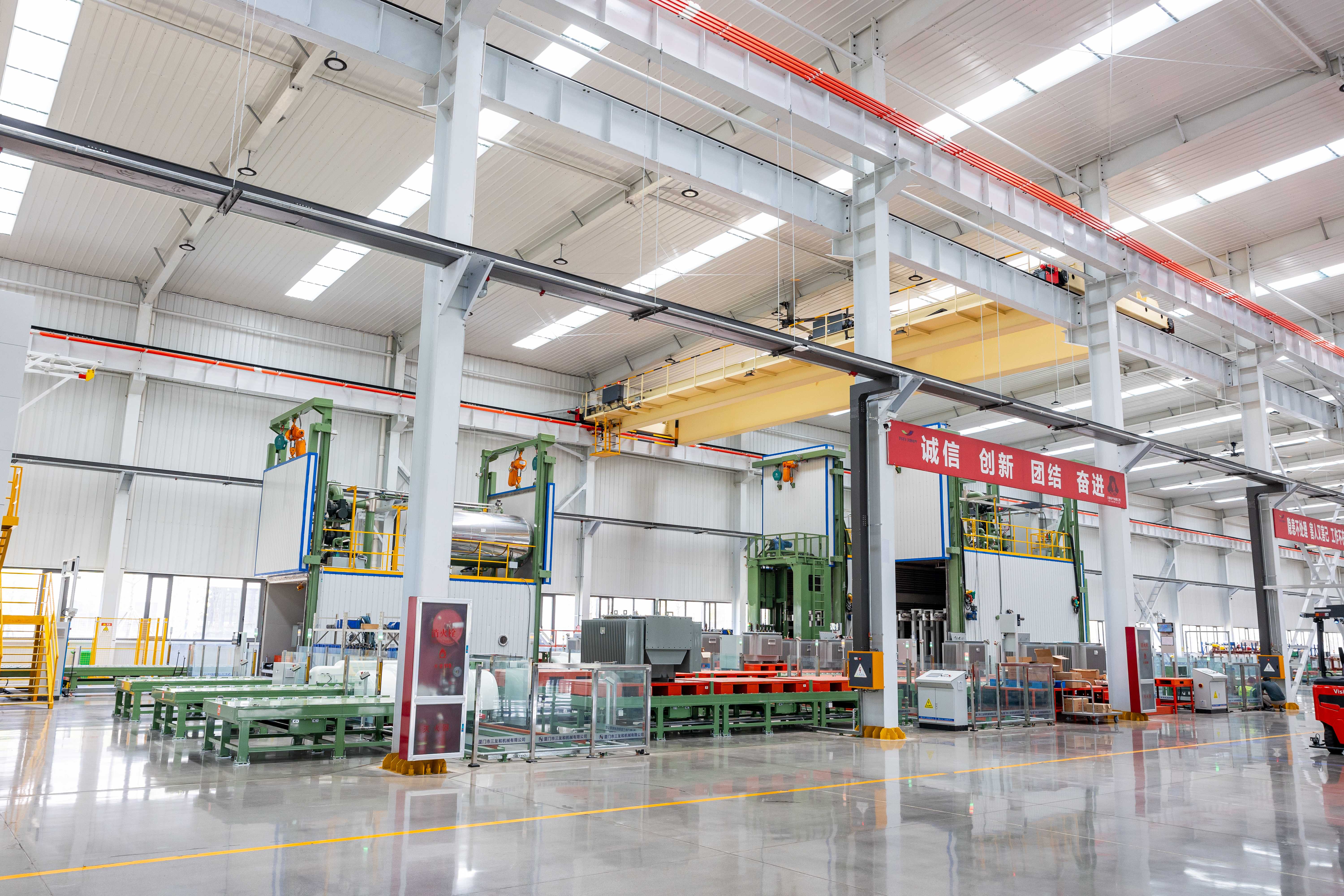
Fully enclosed production facility maintains constant temperature, humidity, and dust-free conditions, ensuring consistent insulation quality and preventing contamination during assembly.
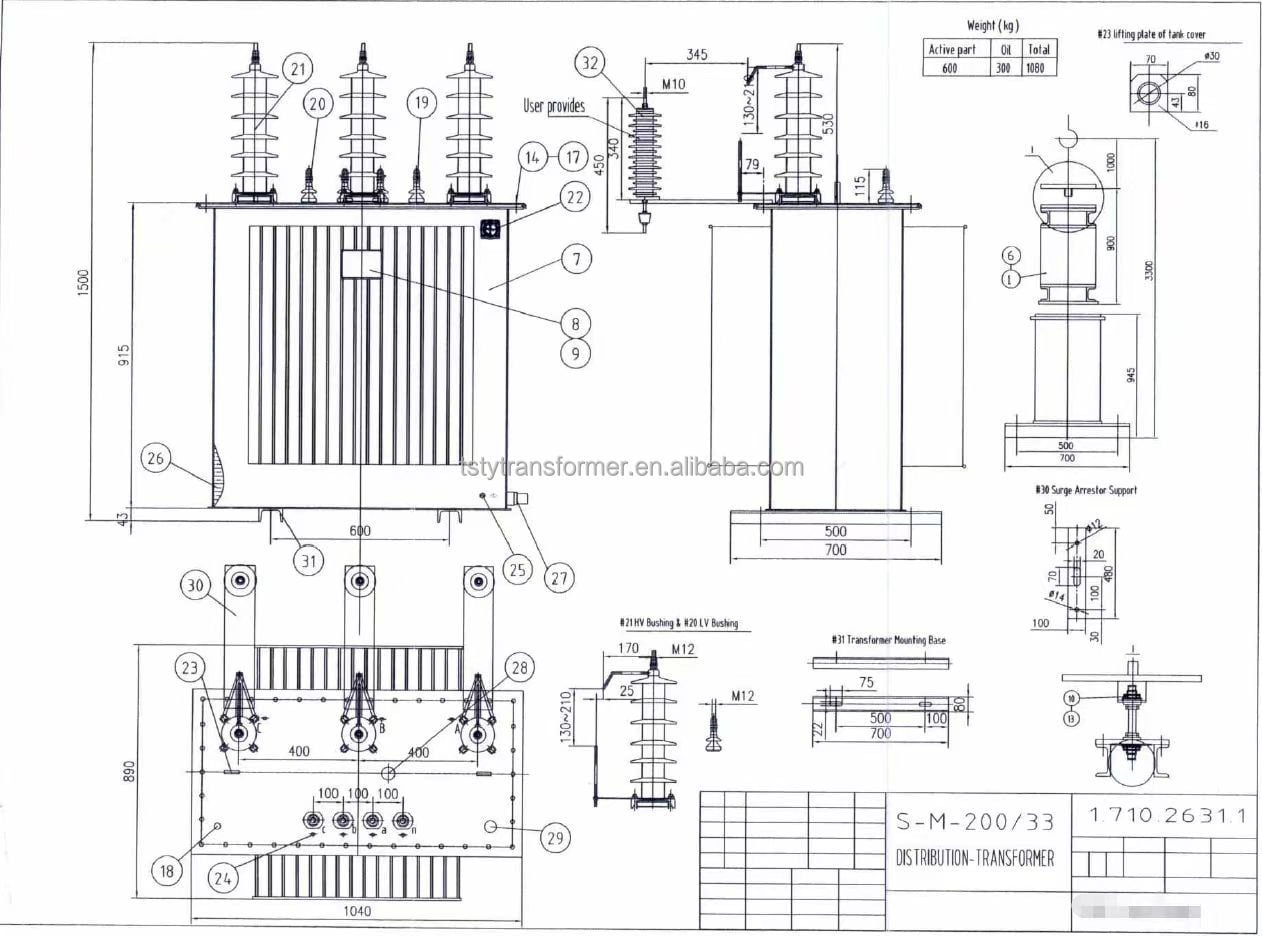
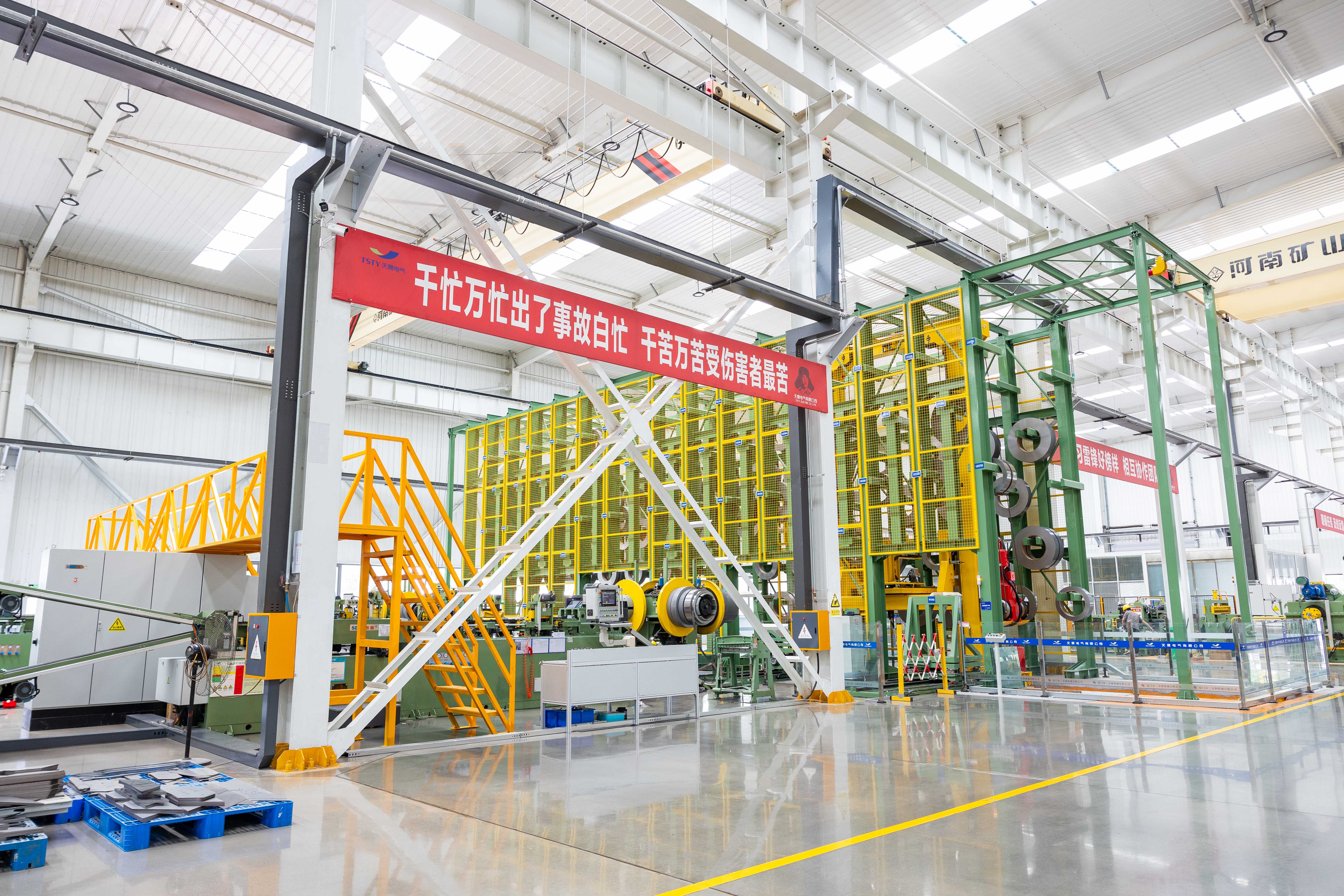
Electromagnetic finite-element analysis validates winding clamping pressure and core support structure before production, ensuring mechanical integrity matches verified test performance rather than relying solely on empirical design rules.
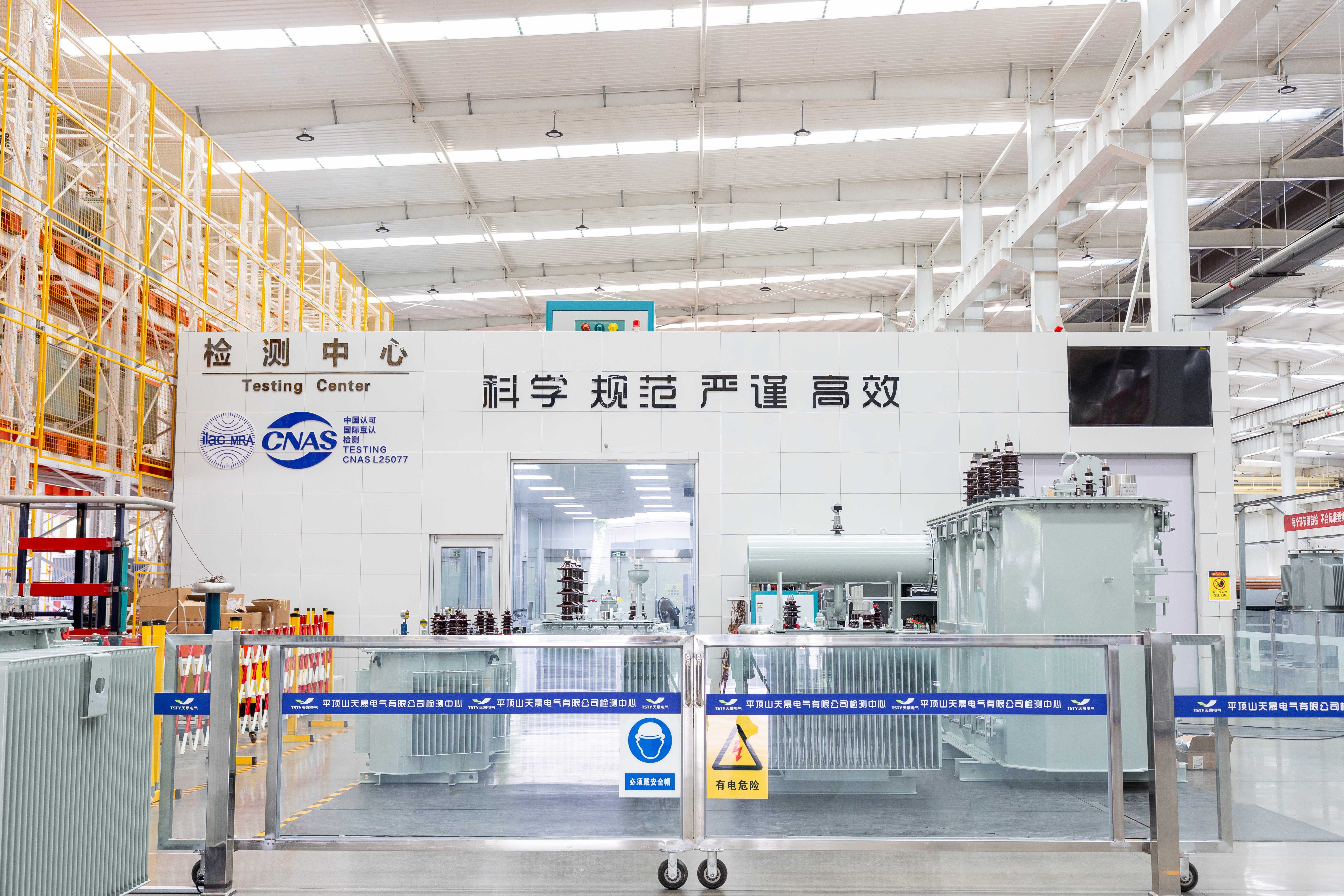
Every die-cast sealing component undergoes triple verification (fluorescence penetration, positive-pressure hold, negative-pressure decay) to guarantee zero-leakage performance across all operating temperatures and pressure cycles.
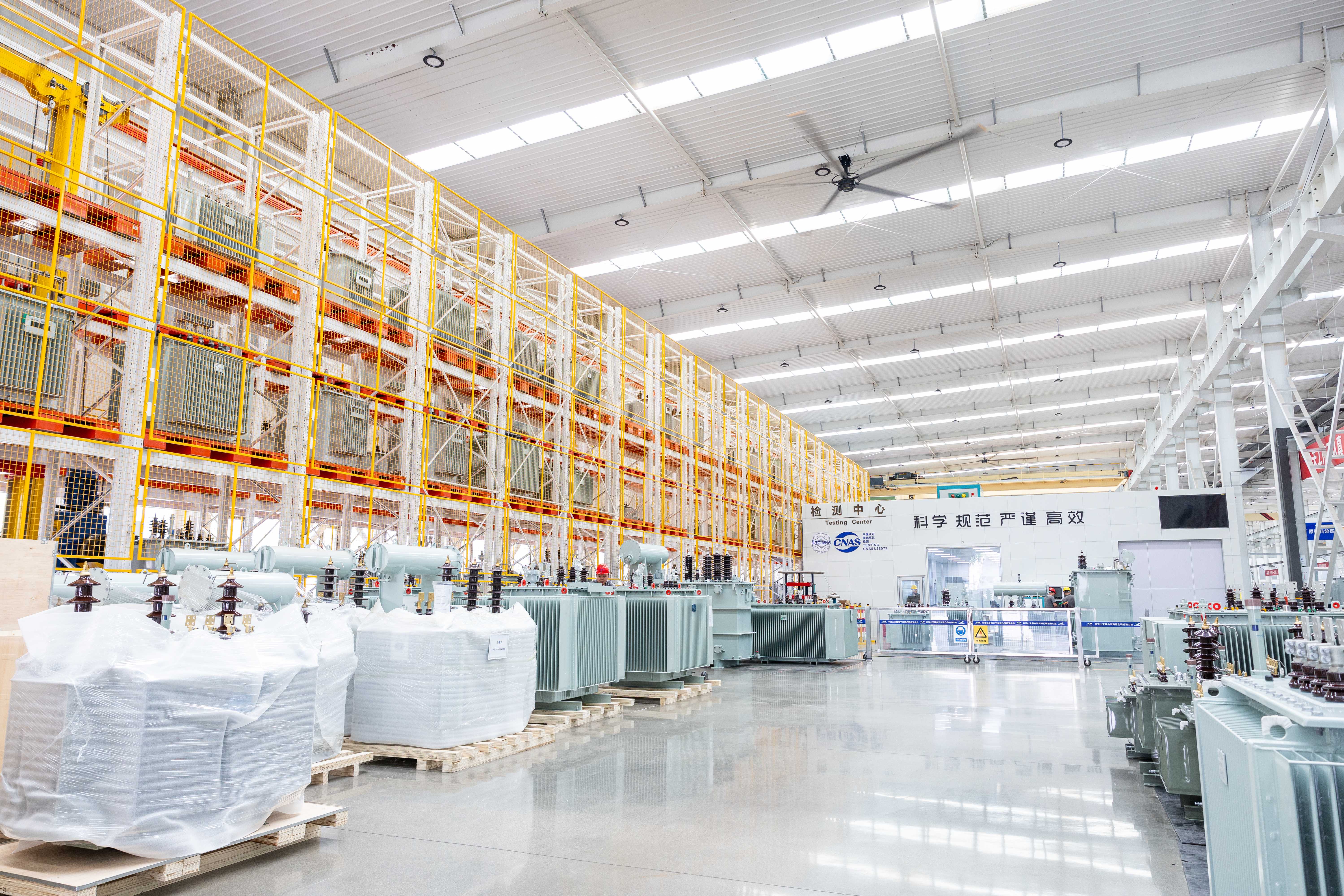
Constant-temperature, humidity-controlled, and dust-free production environment prevents particulate contamination during core stacking and winding insertion, directly supporting low partial discharge and long-term dielectric stability.
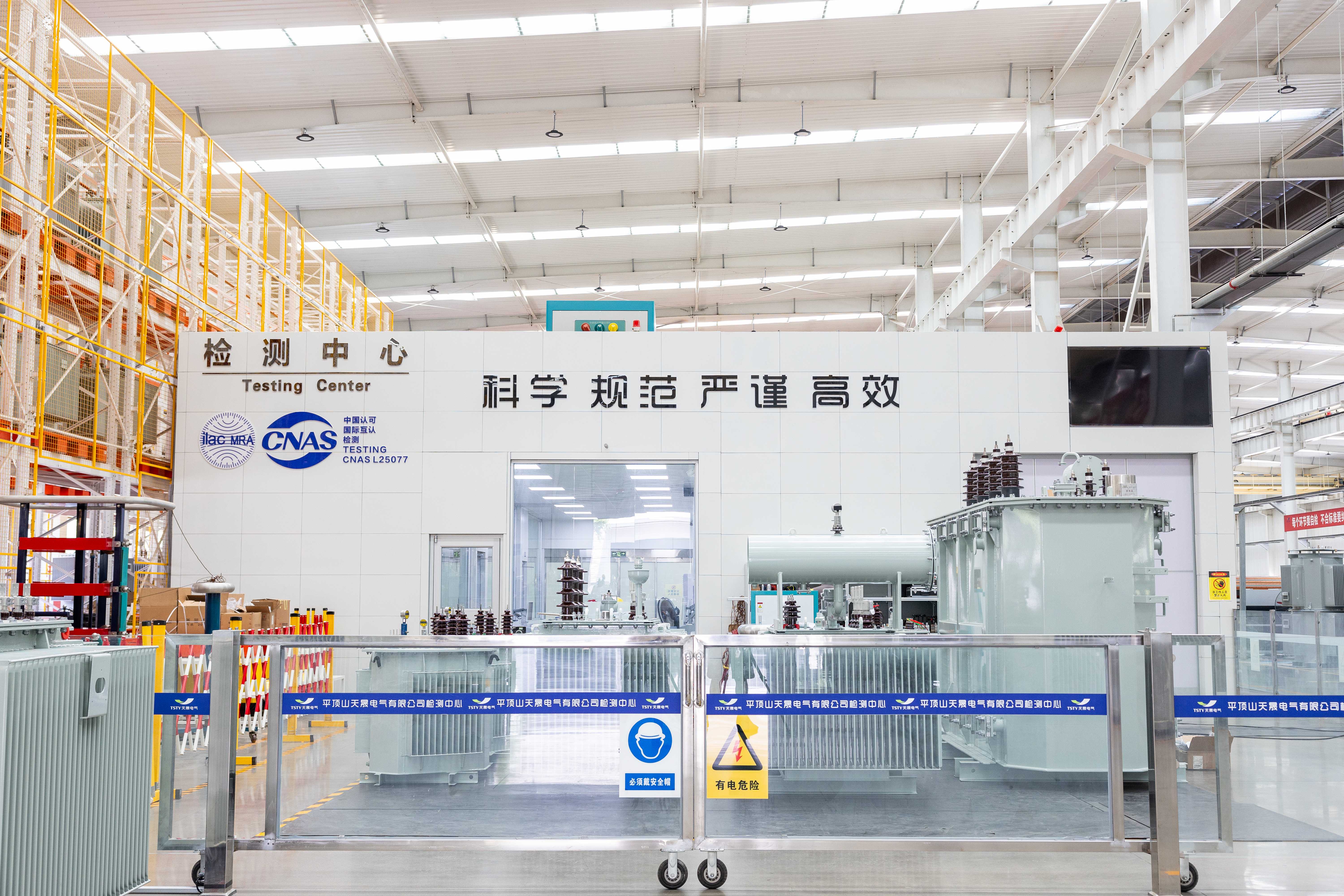
Routine and type tests align with GB/T 1094 and IEC 60076 requirements, including lightning impulse, switching impulse, and induced voltage withstand; all qualified units include test reports traceable to National Transformer Test Center protocols.
|
Rated Capacity(kVA) |
Voltage Combination |
Vector Group |
No-Load Loss (kW) |
Load Loss |
No-Load Current (%) |
Impedance (%) |
||
|
High Voltage (kV) |
Tapping Range |
Low Voltage (kV) |
||||||
|
6300 |
110 |
±2x2.5% |
6.3 |
YNd11 |
5.90 |
33 |
0.62 |
10.5 |
|
8000 |
7.10 |
40 |
0.62 |
|||||
|
10000 |
8.40 |
48 |
0.58 |
|||||
|
12500 |
9.90 |
56 |
0.58 |
|||||
|
16000 |
12.00 |
69 |
0.54 |
|||||
|
20000 |
14.10 |
84 |
0.54 |
|||||
|
25000 |
16.60 |
99 |
0.50 |
|||||
|
31500 |
19.70 |
117 |
0.48 |
|||||
|
40000 |
23.50 |
141 |
0.45 |
|||||
|
50000 |
28.20 |
166 |
0.42 |
|||||
|
63000 |
33.30 |
198 |
0.38 |
|||||
|
75000 |
13.8 |
37.80 |
224 |
0.33 |
12~14 |
|||
|
90000 |
43.50 |
258 |
0.30 |
|||||
|
120000 |
54.20 |
320 |
0.27 |
|||||
|
150000 |
64.10 |
379 |
0.24 |
|||||
|
180000 |
72.00 |
434 |
0.20 |
|||||
Carbon steel with hot-dip galvanizing for standard outdoor durability, or stainless steel for coastal/high-corrosion environments; custom RAL color matching available for site aesthetic integration.
Sealed-tank design for maintenance-free operation in stable climates, or conservator with nitrogen blanket for high-altitude sites requiring pressure equalization and moisture exclusion.
Off-circuit tap changer for fixed-ratio applications, or on-load tap changer (OLTC) with customized step voltages and position counts to support dynamic grid voltage control; tap ranges adjustable to match utility tolerance bands.
Low-profile tank design with reinforced lifting points for restricted-height transport routes; optional heavy-duty casters and jacking pads for indoor positioning where overhead cranes are unavailable.
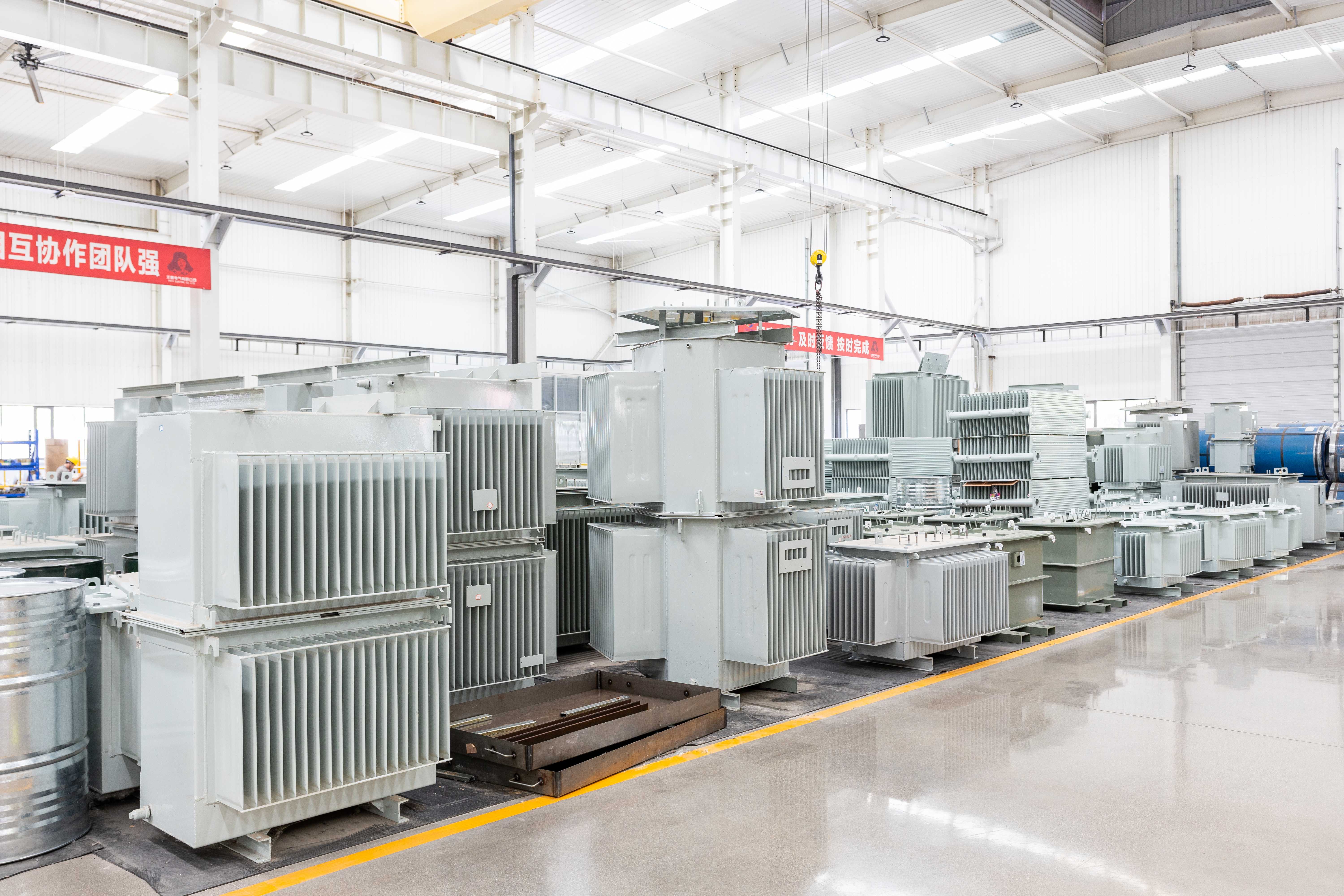
WTI/OTI sensors with analog/digital outputs and alarm/trip contacts for SCADA integration; optional dissolved gas analysis (DGA) monitors for early fault detection in critical high-voltage assets.
No-load and load losses tailored to project-specific tariff structures or regulatory efficiency tiers, balancing capital expenditure against lifecycle operating costs while maintaining low temperature rise.
Adjustable bushing clearances, mounting hole patterns, and cable entry positions to fit existing foundation footprints; nameplates available in bilingual formats or with QR codes linking to digital documentation.


Tell us your project requirements—voltage level, environment, grid code, or delivery timeline—and we’ll provide a compliant, optimized solution.





 EN