

 EN
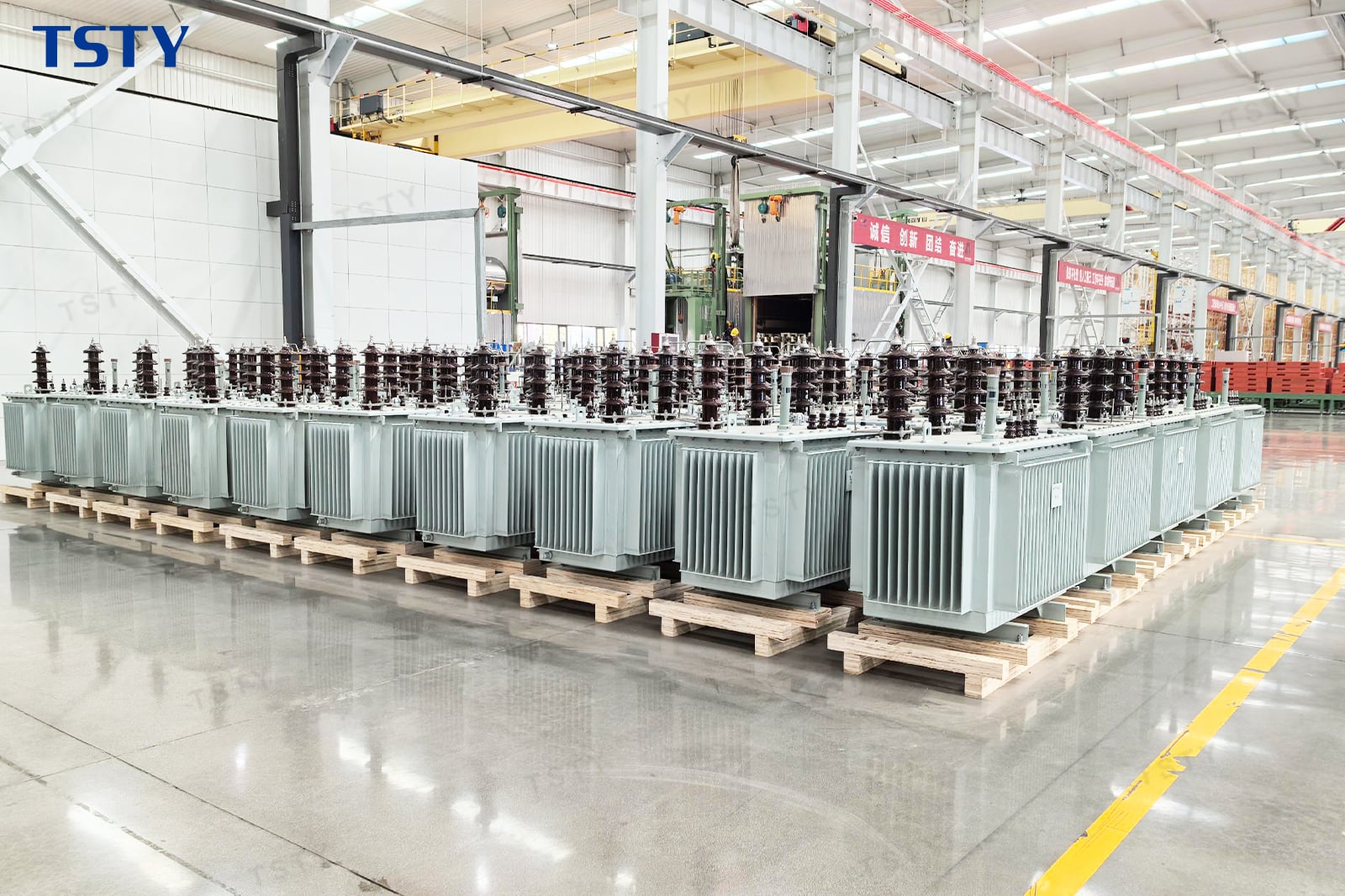
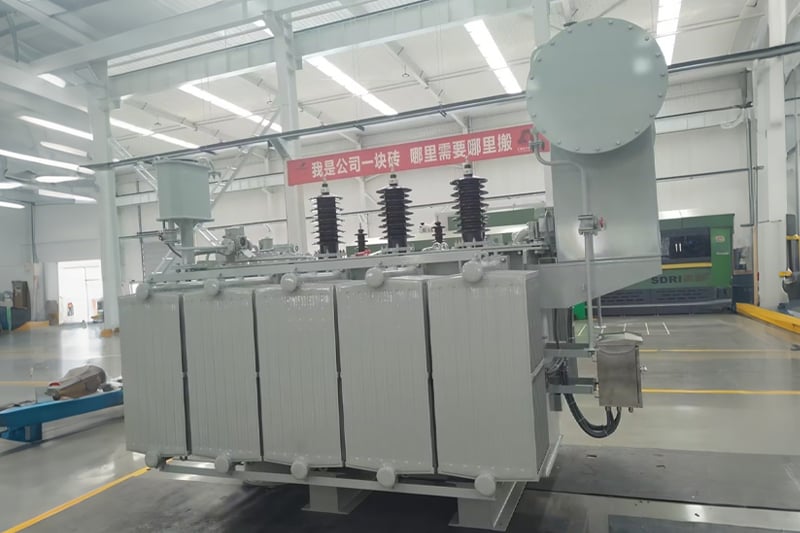
When a procurement manager is tasked with sourcing equipment for a primary grid node, the stakes are incredibly high. Unlike a small distribution box at the end of a line, a 33 11kv transformer acts as the beating heart of a regional utility grid or a massive industrial facility. If this specific asset fails, everything downstream goes dark.
Buying a 33 11kv transformer is not a simple transaction; it is a 30-year capital expenditure (CAPEX) investment. When you evaluate bids from different manufacturers, the initial purchase price is only a fraction of the story. You must look deep into the technical specifications to understand how the unit will perform under peak thermal stress and how much it will cost to operate over its lifespan.
As a veteran manufacturer of heavy-duty electrical infrastructure, we regularly guide EPC contractors through the complexities of specifying these massive assets. Whether you are designing a dedicated 33kv to 11kv substation for a municipality or stepping down power for a steel mill, here is your definitive buyer’s guide to specifying a 33 11kv transformer.
The first step in specifying any three phase power transformer is determining its capacity rating, usually measured in Megavolt-Amperes (MVA) for this voltage class (e.g., 5MVA, 10MVA, or 20MVA).
A common mistake is sizing the 33 11kv transformer based solely on the facility's current peak load. Industry best practices dictate that a primary 33 11kv transformer should operate at roughly 70% to 80% of its maximum capacity during normal peak hours. This leaves a 20% to 30% "headroom" buffer.
Why is this buffer critical? First, it accounts for future facility expansion without requiring an immediate, multi-million-dollar substation upgrade. Second, running a 33 11kv transformer below its absolute maximum rating drastically reduces thermal degradation of the internal insulation paper, directly extending the lifespan of the unit.
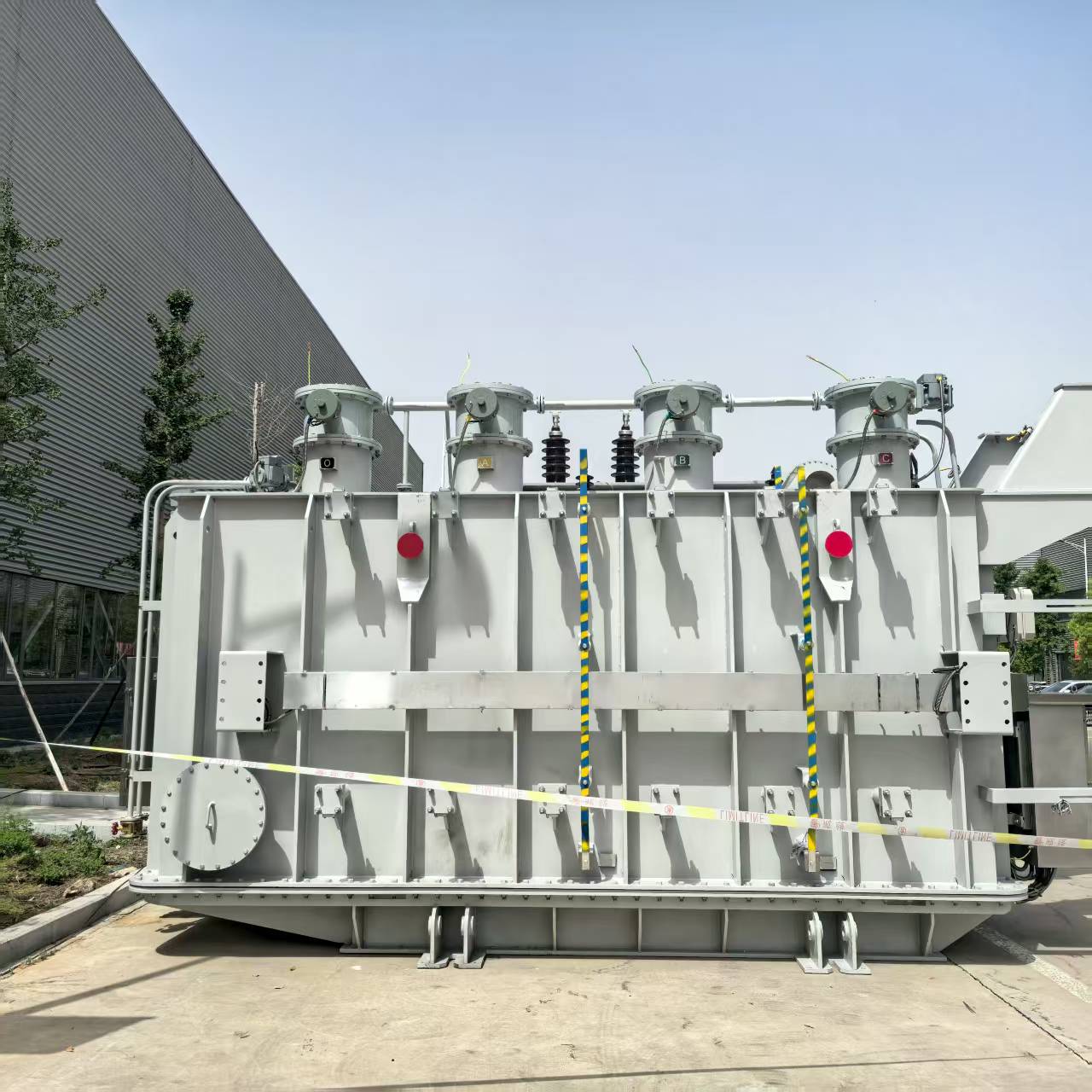
Heat is the ultimate enemy of electrical efficiency. Because a 33 11kv transformer handles massive amounts of energy, the core and copper windings generate intense heat that must be actively dissipated. For this voltage class, you will almost exclusively be looking at an oil immersed power transformer.
However, you must specify the exact cooling methodology. You will typically see two acronyms on a 33 11kv transformer data sheet: ONAN and ONAF.
Buyer's Tip: Always ask your manufacturer for a dual-rated 33 11kv transformer (e.g., 10/12.5 MVA ONAN/ONAF). This means the unit provides 10 MVA under natural cooling but can safely surge to 12.5 MVA when the forced-air fans activate. This gives your 33kv to 11kv substation incredible flexibility during temporary grid overloads.
If there is one section of the data sheet you must scrutinize, it is the guaranteed losses. A cheap 33 11kv transformer will bleed your operational budget (OPEX) dry through wasted electricity over its 30-year life.
There are two types of losses in a 33 11kv transformer:
To properly evaluate competing bids for a 33 11kv transformer, you must use the Total Ownership Cost (TOC) formula, which capitalizes the cost of these losses.
|
Feature Evaluated |
Low-Cost 33 11kv Transformer |
Premium Low-Loss 33 11kv Transformer |
|
Initial Purchase Price |
$85,000 |
$110,000 |
|
Core Material |
Standard Silicon Steel |
Highly Oriented CRGO Steel |
|
No-Load Losses (Continuous) |
High |
Ultra-Low |
|
20-Year Operational Energy Cost |
$140,000 (Wasted energy) |
$60,000 (Wasted energy) |
|
Total Cost of Ownership |
$225,000 |
$170,000 |
As the table illustrates, paying a premium upfront for a high-efficiency 33 11 kv power transformer built with superior CRGO (Cold Rolled Grain Oriented) steel will save you tens of thousands of dollars in the long run.
You cannot afford to let a 33 11kv transformer fail catastrophically. If an internal short circuit occurs, the resulting arc can vaporize the oil, causing a massive pressure spike. Therefore, your 33 11kv transformer must be specified with a comprehensive suite of mechanical and electrical protection accessories.
When reviewing the manufacturer's Bill of Materials (BOM), ensure your 33 11kv transformer includes the following non-negotiable safety devices:
Sourcing a primary step-down unit is a complex engineering decision. A 33 11kv transformer is too vital to your infrastructure to be purchased based purely on the lowest initial bid.
You must act as both an engineer and an economist. Demand dual ONAN/ONAF cooling ratings to future-proof your capacity. Scrutinize the core materials to minimize continuous iron losses. Finally, ensure the manufacturer includes a robust suite of mechanical protection relays to shield your investment.
By partnering with an elite electrical equipment manufacturer, you can confidently specify a 33 11kv transformer that delivers uncompromising reliability, exceptional energy efficiency, and decades of safe power to your facility.