
Flame-retardant design cuts no-load losses by 60–70% for data centers and sustainable infrastructure.
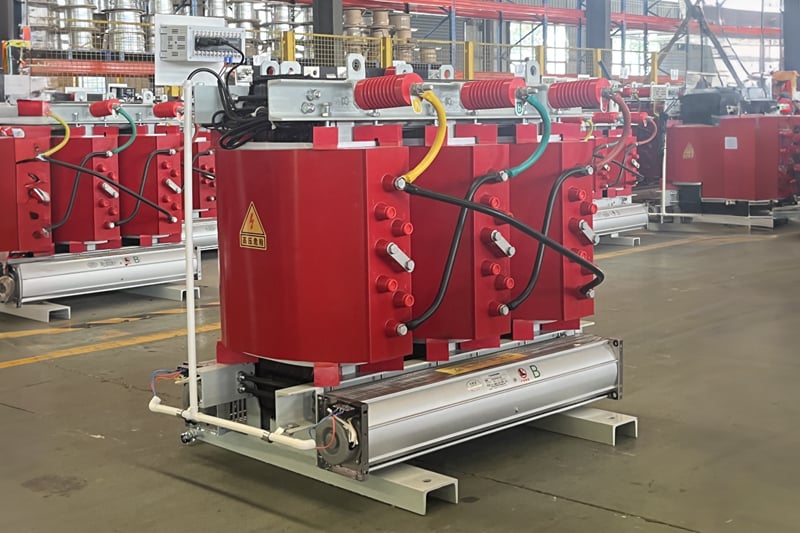
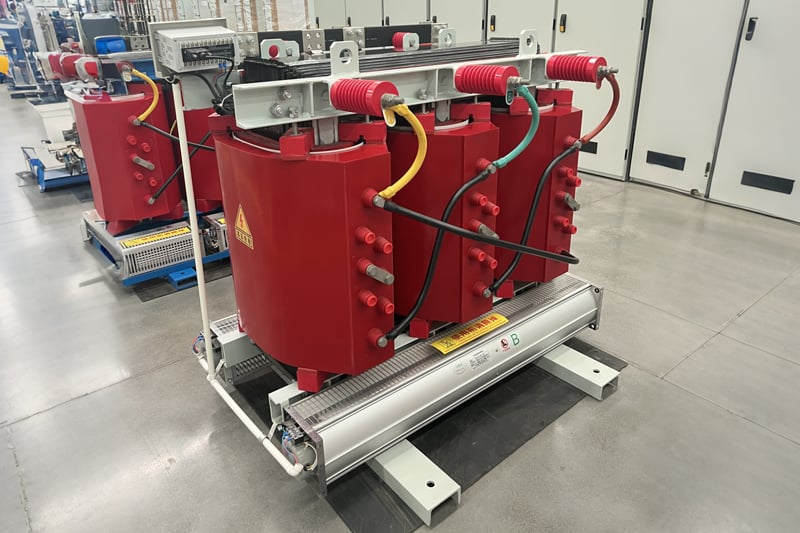
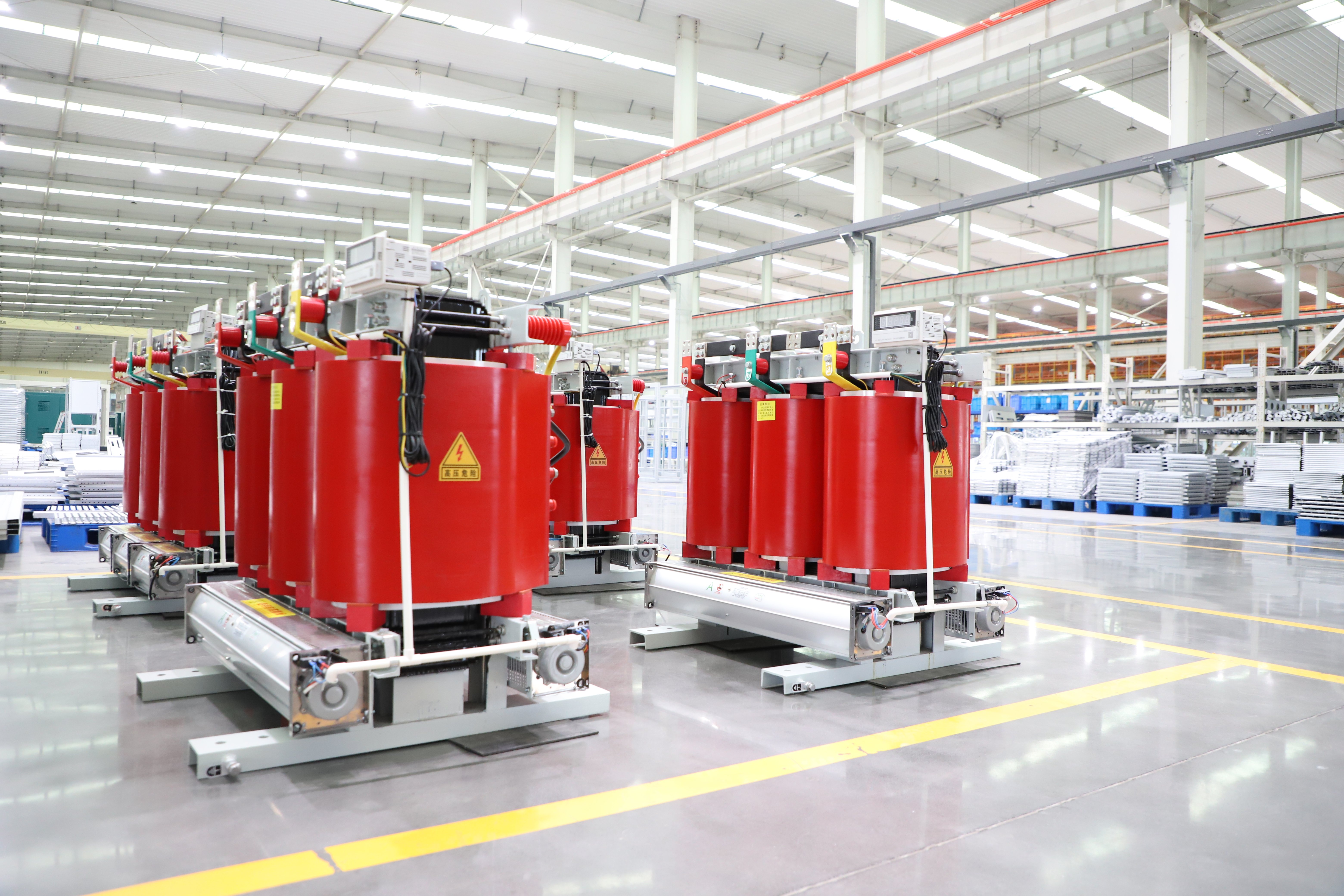
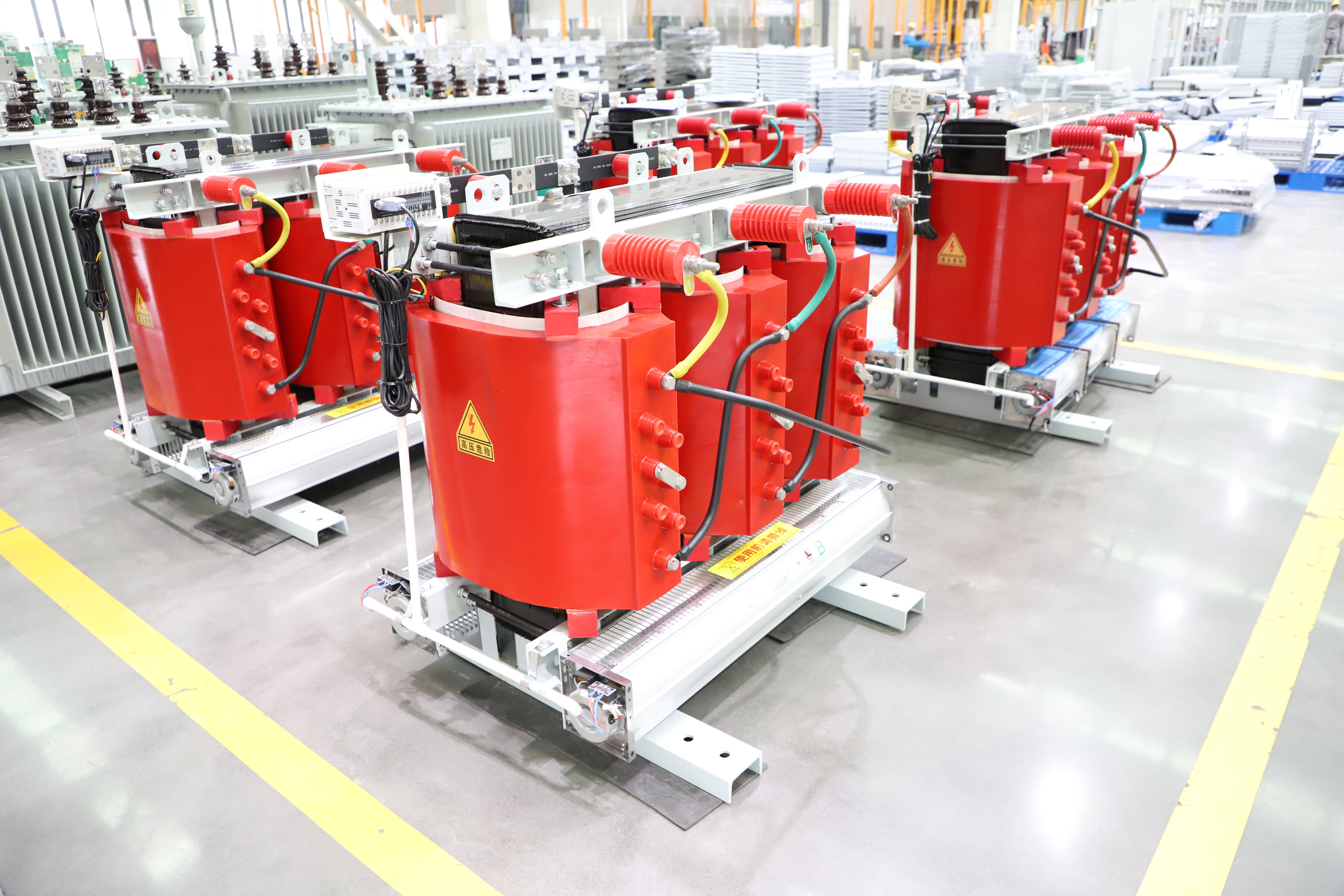
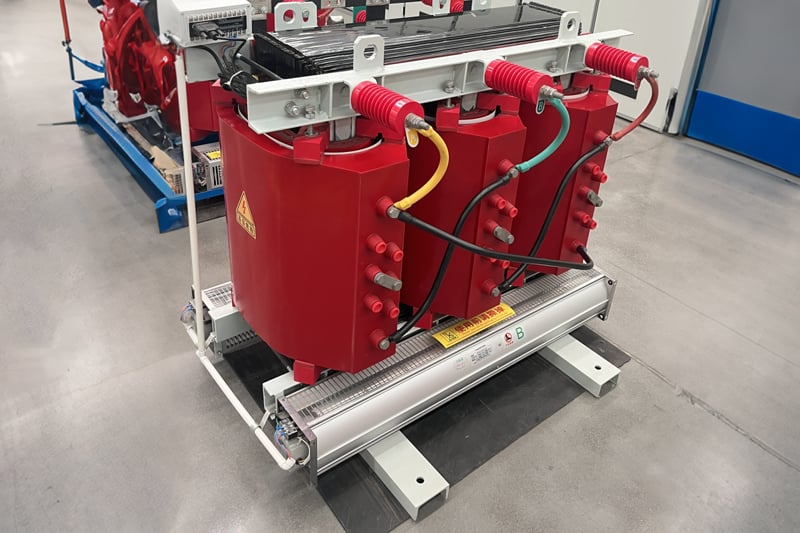
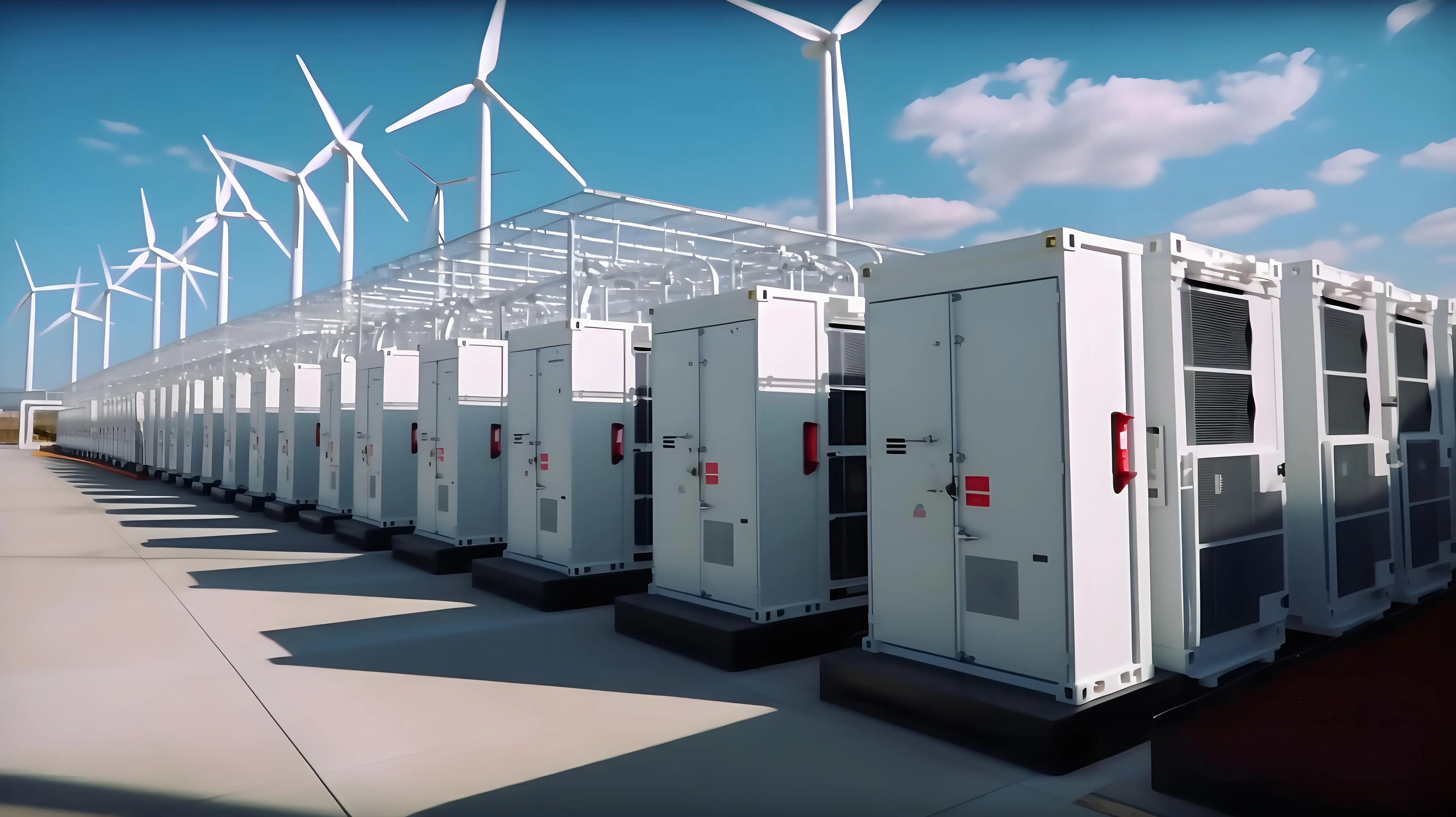

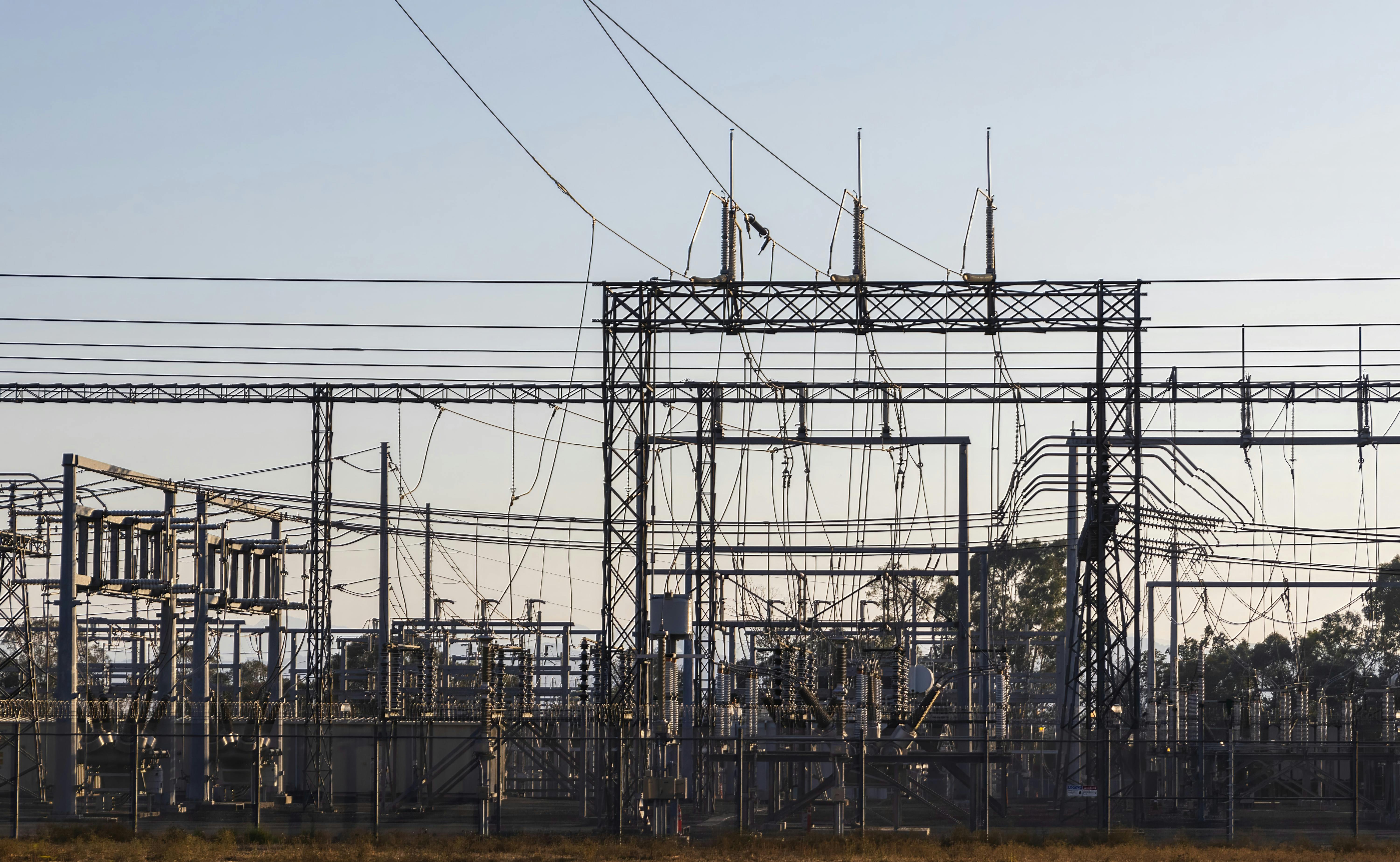
Amorphous metal core exhibits near-zero hysteresis loss versus grain-oriented silicon steel, delivering quantifiable annual energy savings especially valuable in always-on digital infrastructure with light average loading.
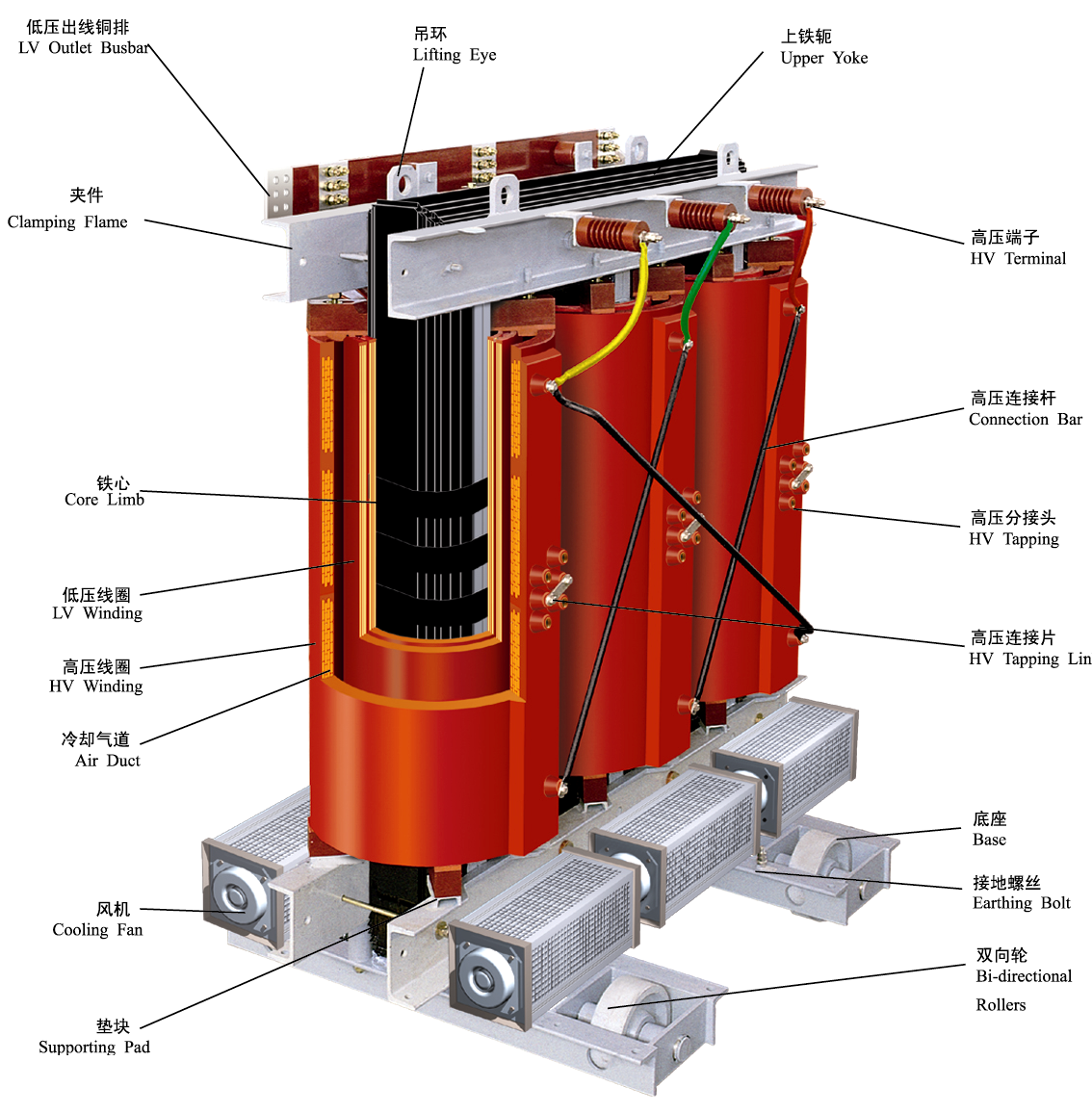
Cast-resin coil encapsulation eliminates flammable liquids and toxic emissions, meeting stringent indoor fire codes and sustainability certifications without compromising thermal performance or dielectric strength.
Monolithic coil structure resists electromagnetic forces during faults and prevents moisture ingress in humid climates, ensuring long-term reliability where conventional laminated cores degrade.
Sealed coil construction and passive/fan-assisted cooling require no oil testing, gasket replacement, or desiccant servicing, reducing OPEX and downtime in mission-critical facilities.
Optimized winding geometry and resin formulation achieve enhanced BIL ratings, protecting sensitive downstream electronics from grid transients common in renewable-integrated networks.
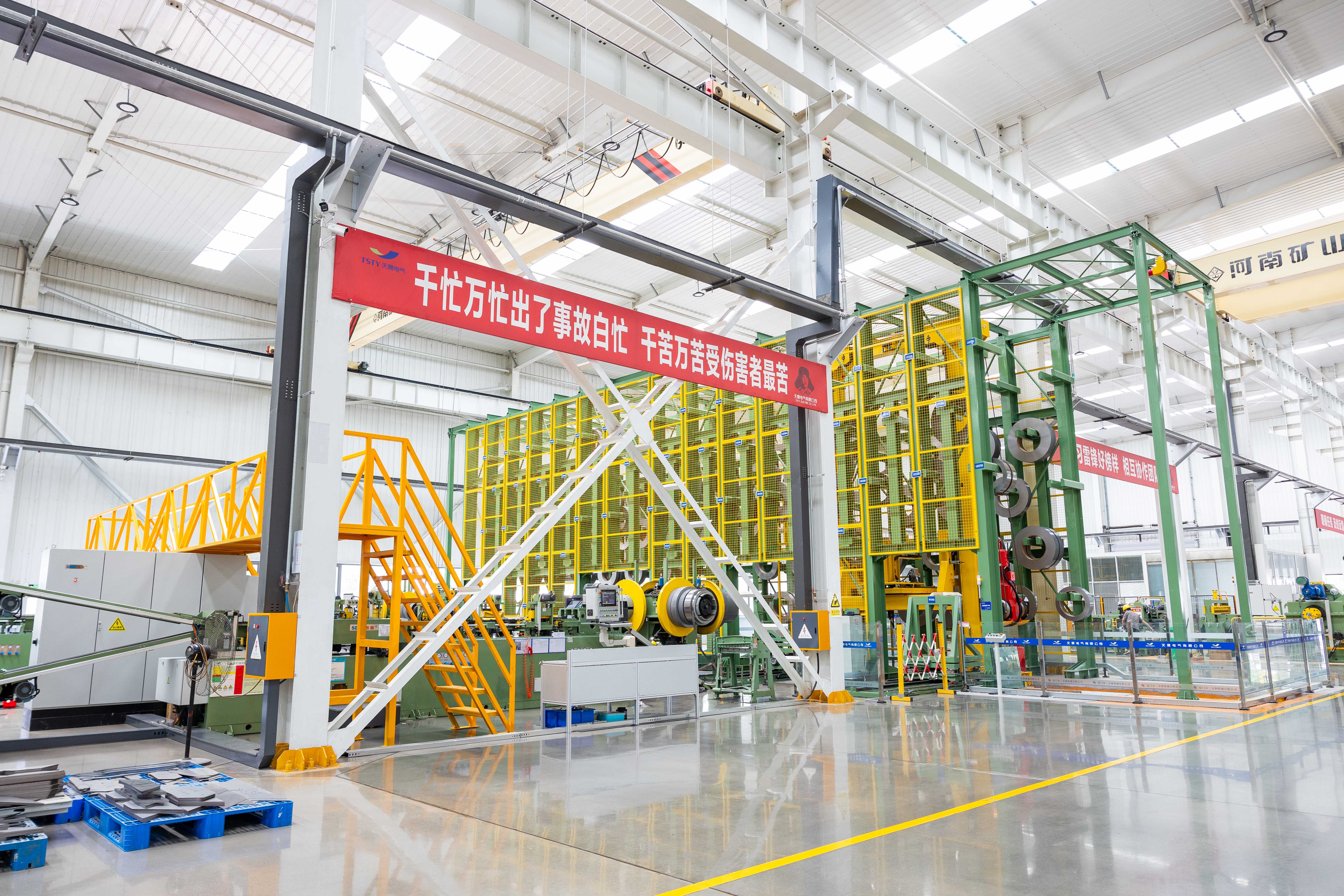
Core stacking performed under controlled tension to prevent mechanical degradation of magnetic properties; post-assembly no-load loss verification confirms 60–70% savings vs. silicon steel baseline.
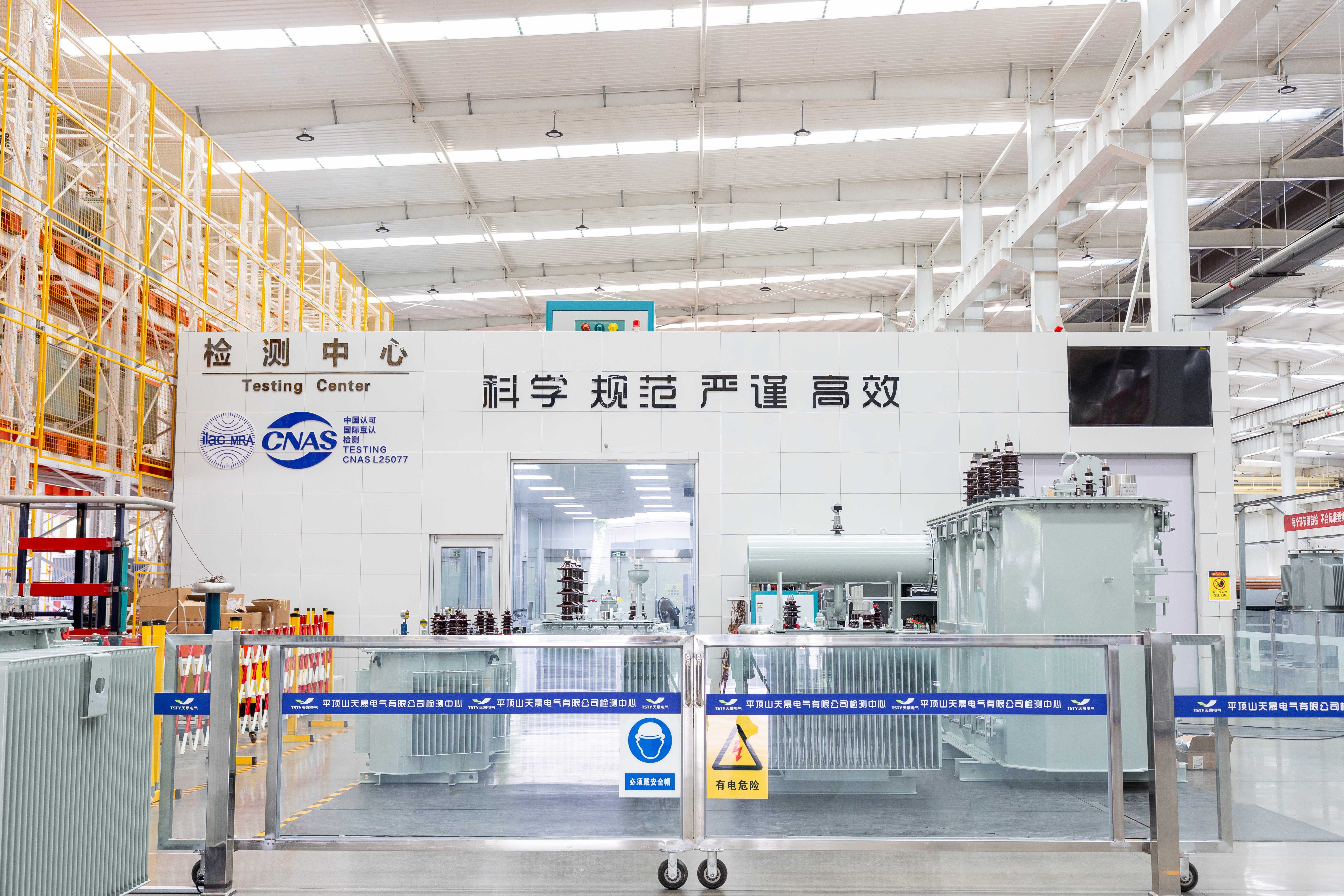
Each coil undergoes partial discharge measurement and induced voltage test per IEC 60076-11 to confirm void-free encapsulation and dielectric coordination for indoor surge environments.
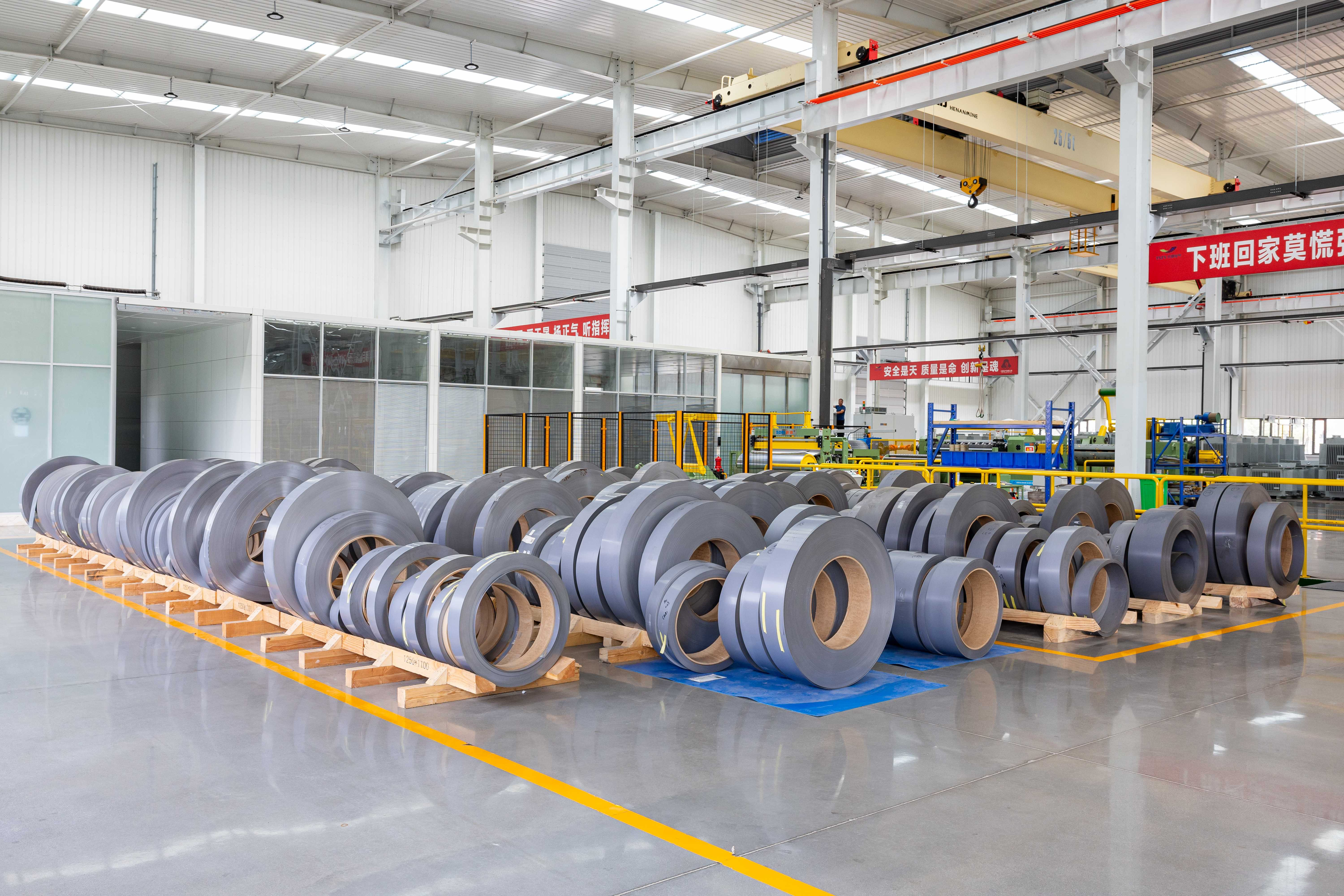
Temperature rise tested at rated load with and without fans to validate cooling system adequacy; hotspot margins documented for overload capability assessment.
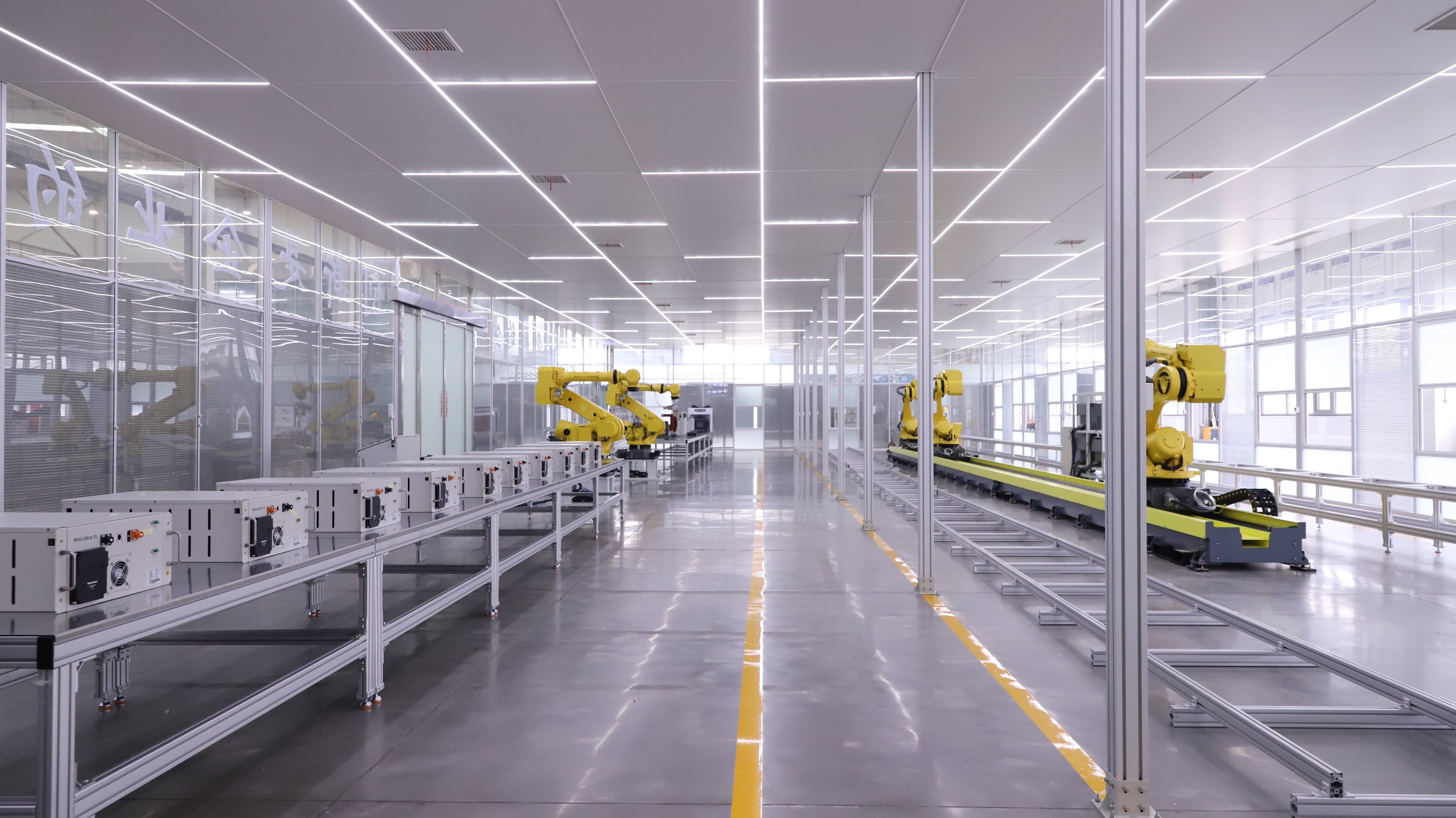
Materials certified to IEC 60076-11 Class F1/E2/C2, with smoke density and toxicity reports available for LEED/BREEAM sustainability documentation.
| Rated Power (kVA) | Vector group | Voltage Combination(kV) | No-Load Loss (W) | Load Loss(W) 120°C(F) | No-Load Current(%) | Short Circuit Impedance (%) | ||
| High Voltage | Tapping Range | Low Voltage | ||||||
| 30 | Dyn11 | 6 6.3 6.6 10 10.5 11 |
±5% ±2×2.5% |
0.4 | 70 | 710 | 0.6 | 4 |
| 50 | 90 | 1000 | 0.5 | |||||
| 80 | 120 | 1380 | 0.5 | |||||
| 100 | 130 | 1570 | 0.5 | |||||
| 125 | 150 | 1850 | 0.4 | |||||
| 160 | 170 | 2130 | 0.4 | |||||
| 200 | 200 | 2530 | 0.4 | |||||
| 250 | 230 | 2760 | 0.4 | |||||
| 315 | 280 | 3470 | 0.3 | |||||
| 400 | 310 | 3990 | 0.3 | |||||
| 500 | 360 | 4880 | 0.3 | |||||
| 630 | 420 | 5880 | 0.3 | |||||
| 630 | 410 | 5960 | 0.3 | 6 | ||||
| 800 | 480 | 6960 | 0.3 | |||||
| 1000 | 550 | 8130 | 0.2 | |||||
| 1250 | 650 | 9690 | 0.2 | |||||
| 1600 | 760 | 11700 | 0.2 | |||||
| 2000 | 1000 | 14400 | 0.2 | |||||
| 2500 | 1200 | 17100 | 0.2 | |||||
| 1600 | 760 | 12900 | 0.2 | 8 | ||||
| 2000 | 1000 | 15900 | 0.2 | |||||
| 2500 | 1200 | 18800 | 0.2 | |||||
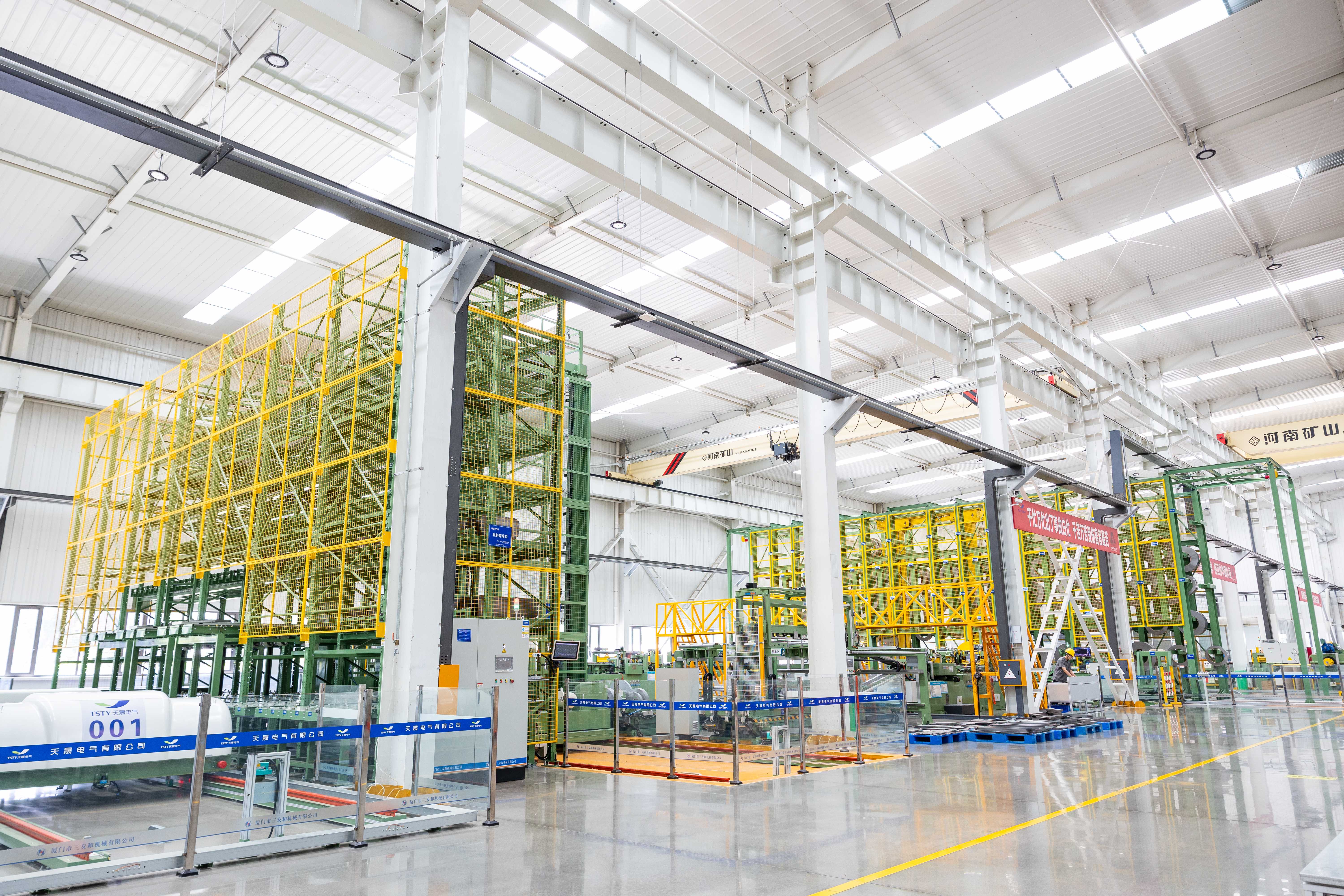
IP20 ventilated steel enclosure for indoor use, or IP23D stainless steel weatherproof housing for outdoor/harsh environments; removable panels for easy inspection and optional acoustic lining for noise-sensitive spaces.
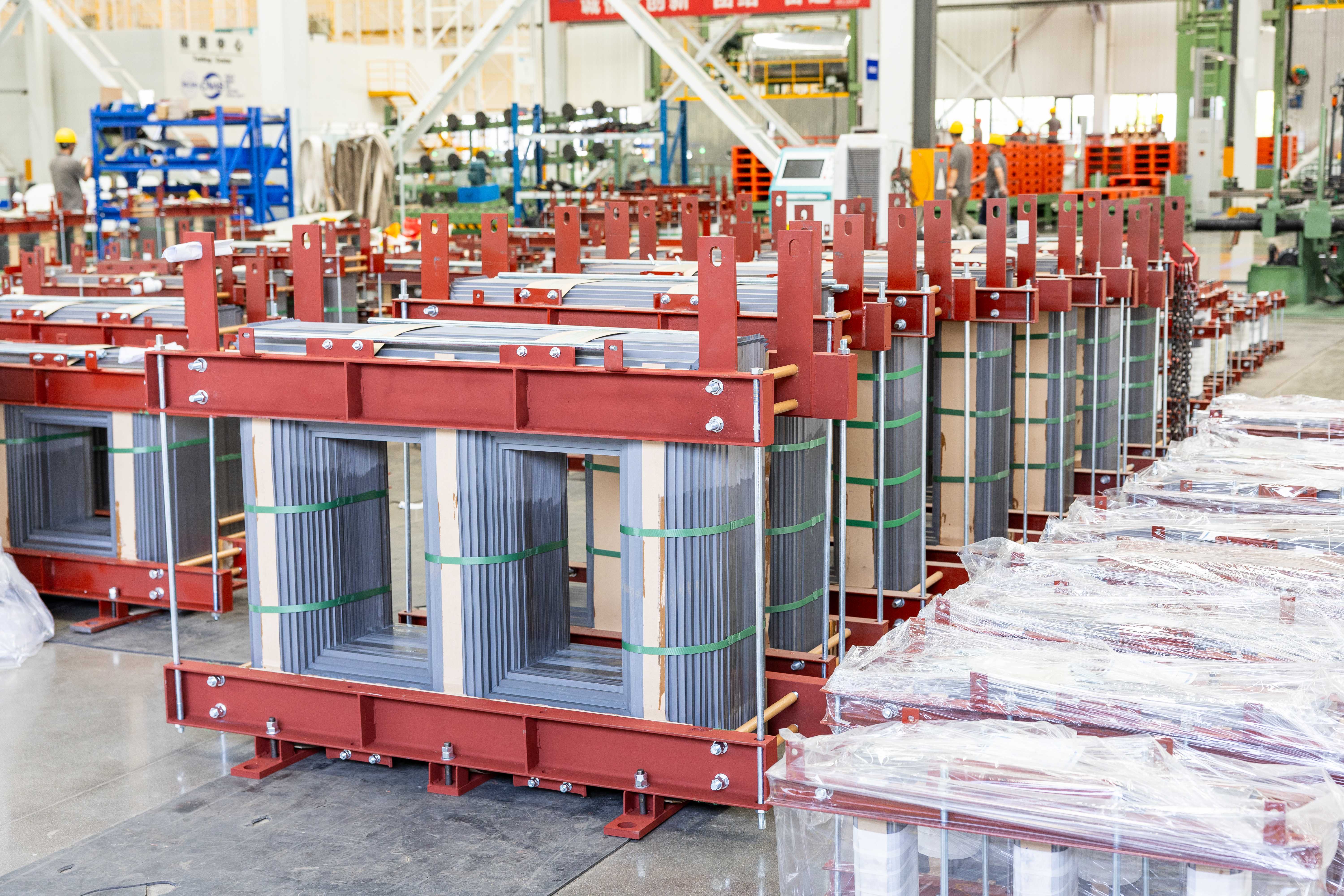
Natural air convection (AN) for units ≤200kVA or low-loss profiles; forced-air fans (AF) with thermostatic control for higher capacities or overload requirements; optional redundant fan sets for N+1 cooling redundancy in Tier IV data centers.
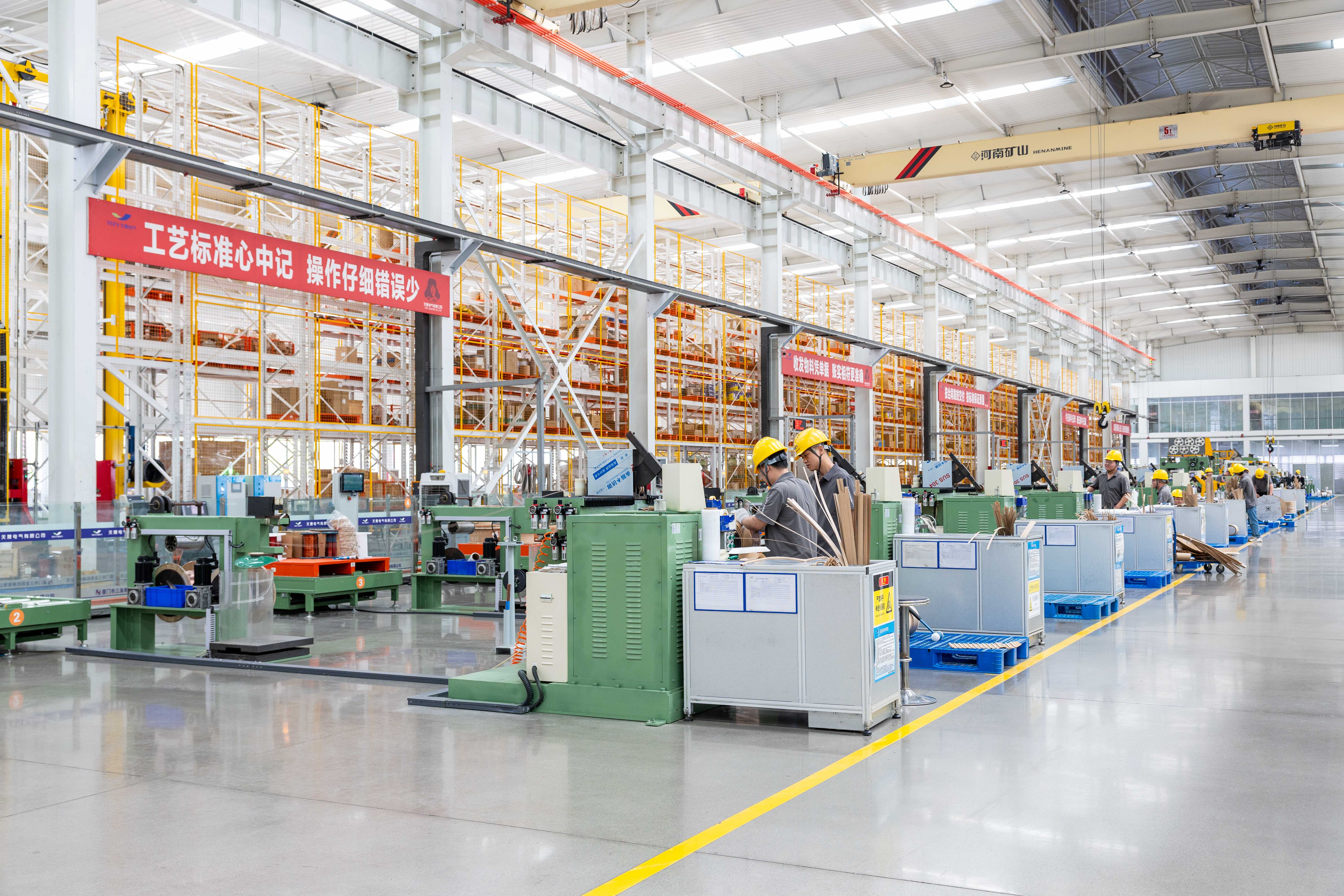
Off-circuit tap changer for fixed-ratio base-load applications, or on-load tap changer (OLTC) for sites with significant voltage fluctuation; tap ranges and step voltages customizable to match local utility tolerance bands.
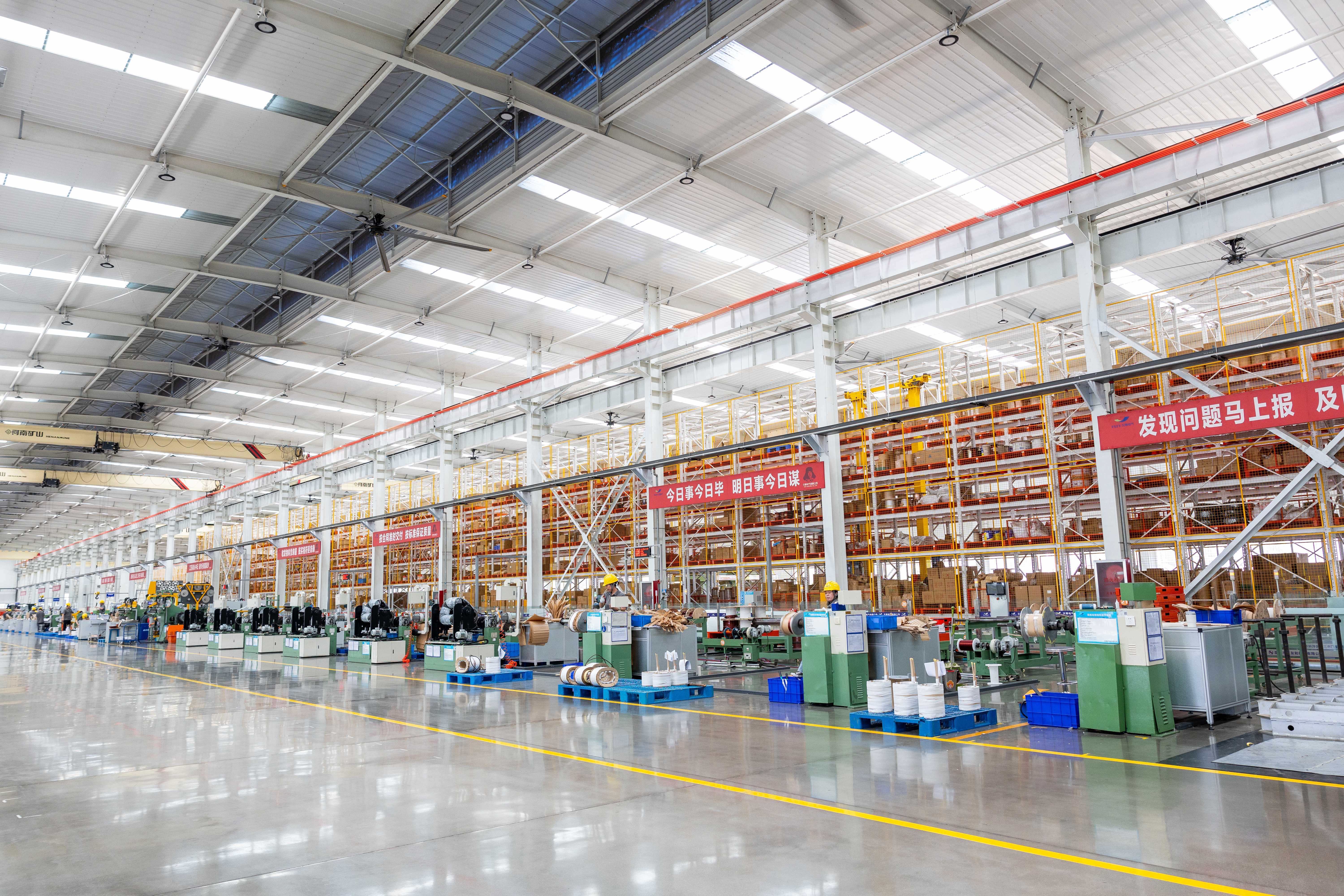
Copper for maximum efficiency and short-circuit strength, or aluminum for cost-sensitive projects with equivalent thermal performance; both options validated for amorphous core compatibility and cast-coil adhesion.
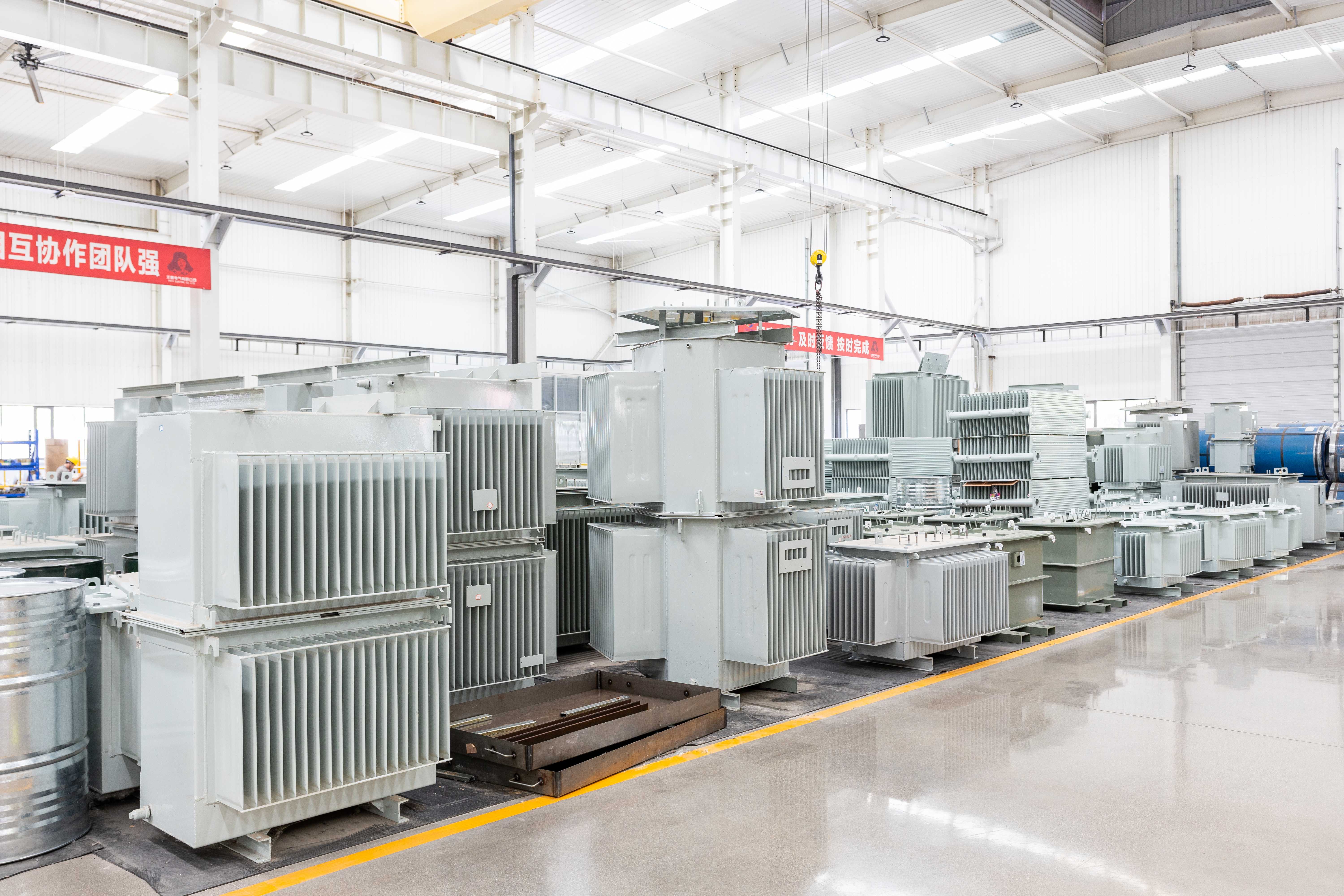
Indoor units with drip-proof top covers and anti-condensation heaters; outdoor units with sealed cable boxes, UV-resistant coatings, and integrated surge arresters for direct overhead line connection.
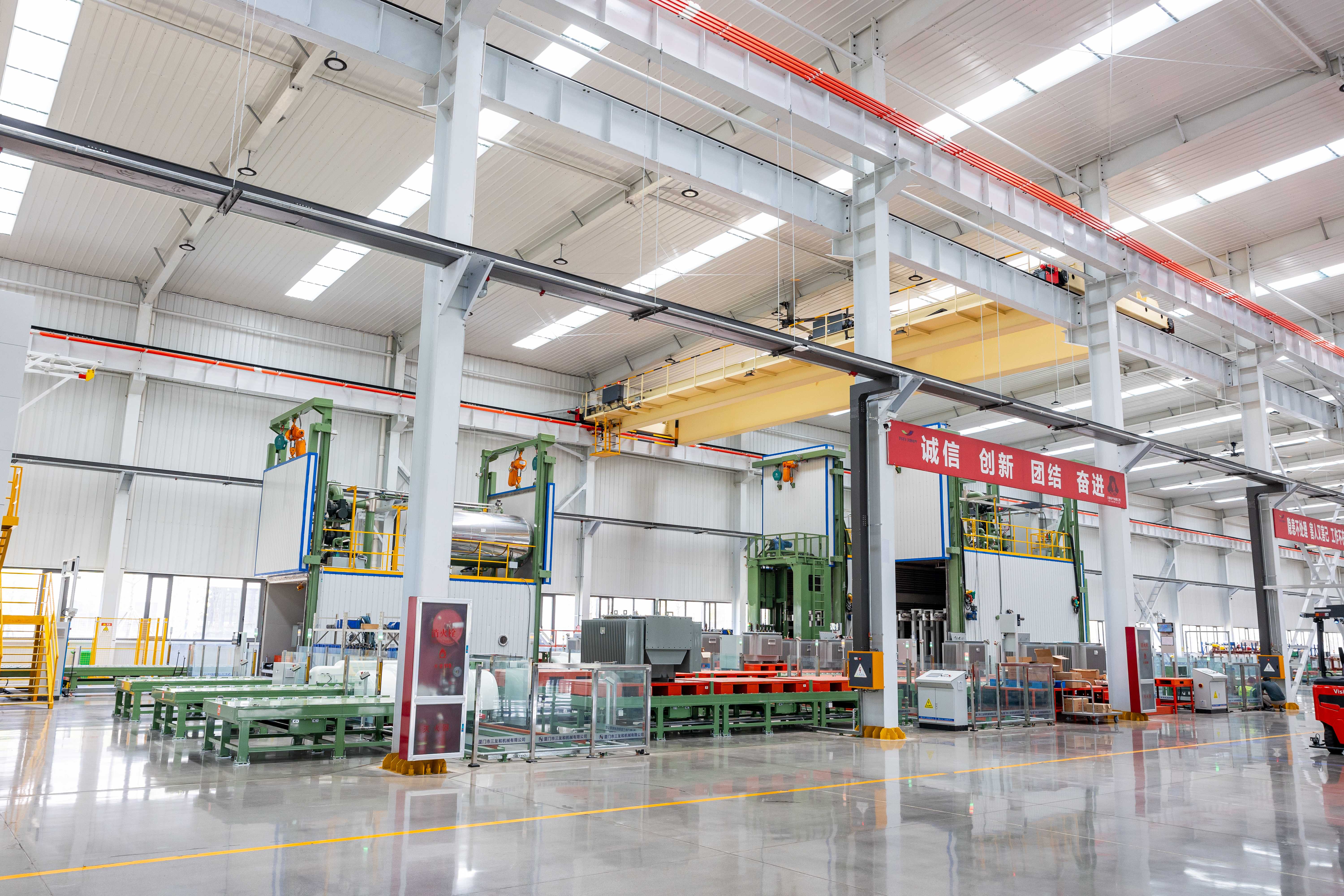
Embedded PT100 sensors in LV coils and core clamps with Modbus/IEC 61850 outputs for BMS/DCIM integration; optional fan runtime counters and insulation resistance monitors for predictive maintenance.
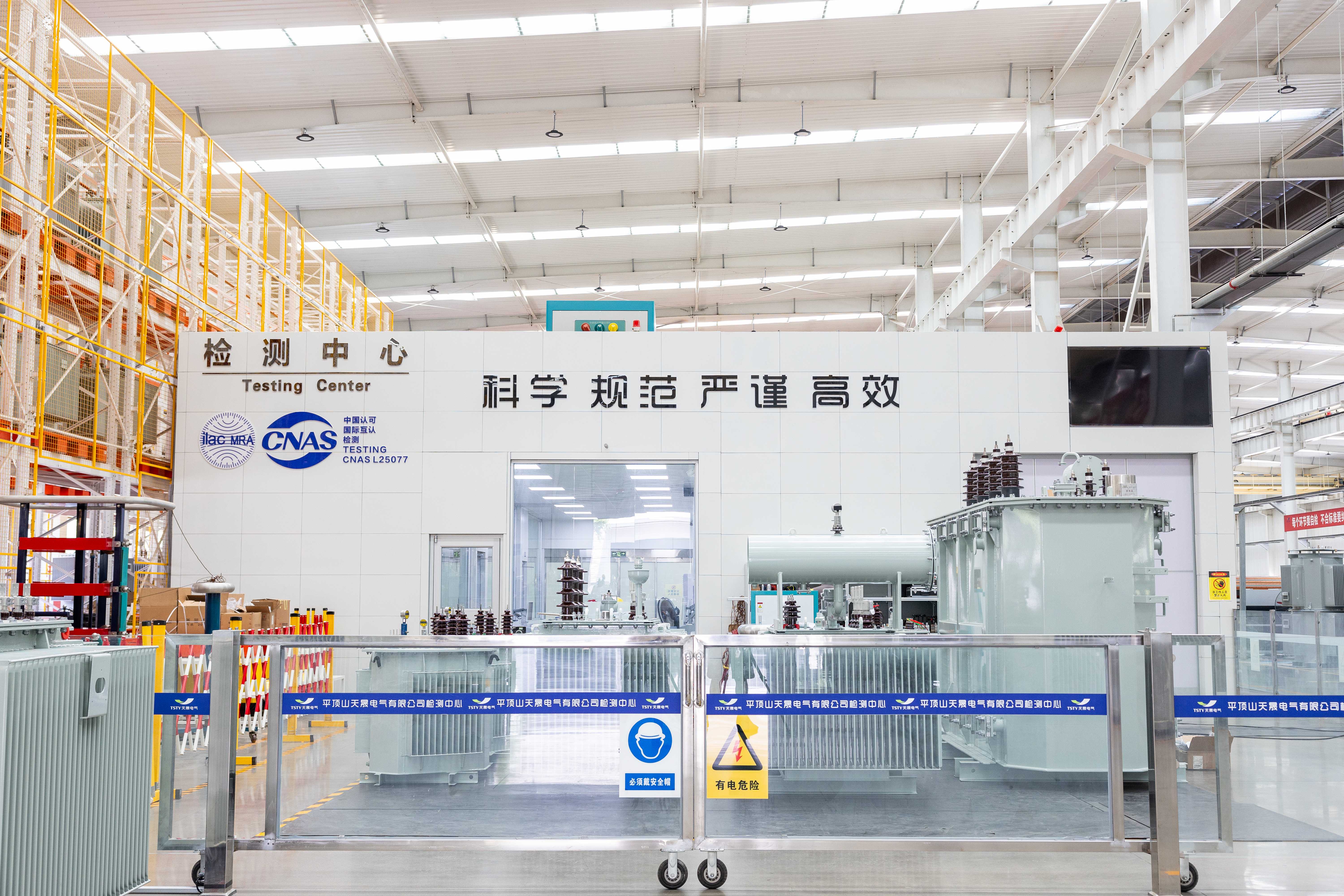
Custom nameplates with QR codes linking to EPD/LCA reports, carbon footprint calculations, and recycling instructions; optional third-party efficiency verification labels for green building compliance.


Tell us your project requirements—voltage level, environment, grid code, or delivery timeline—and we’ll provide a compliant, optimized solution.





 EN