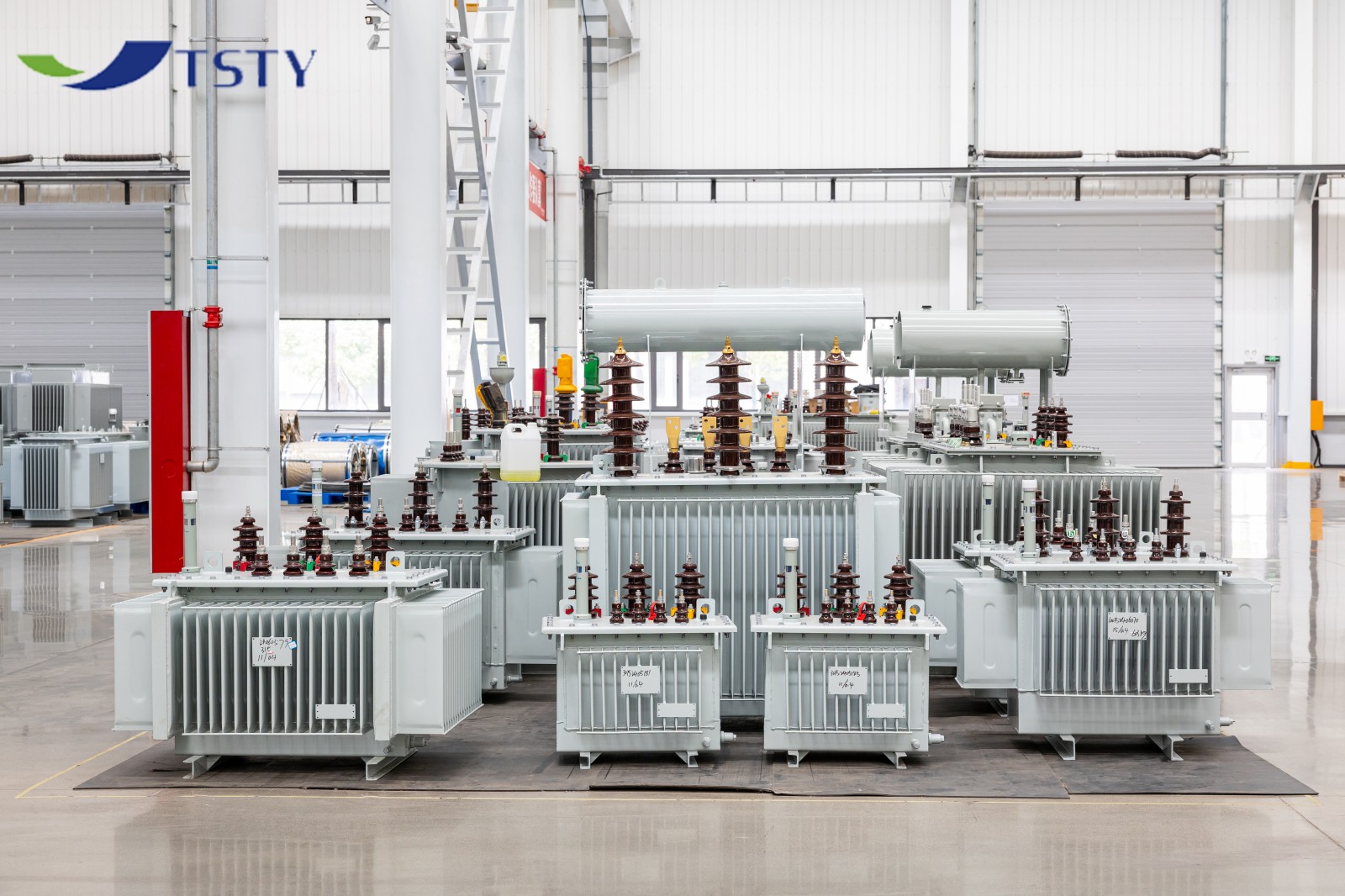
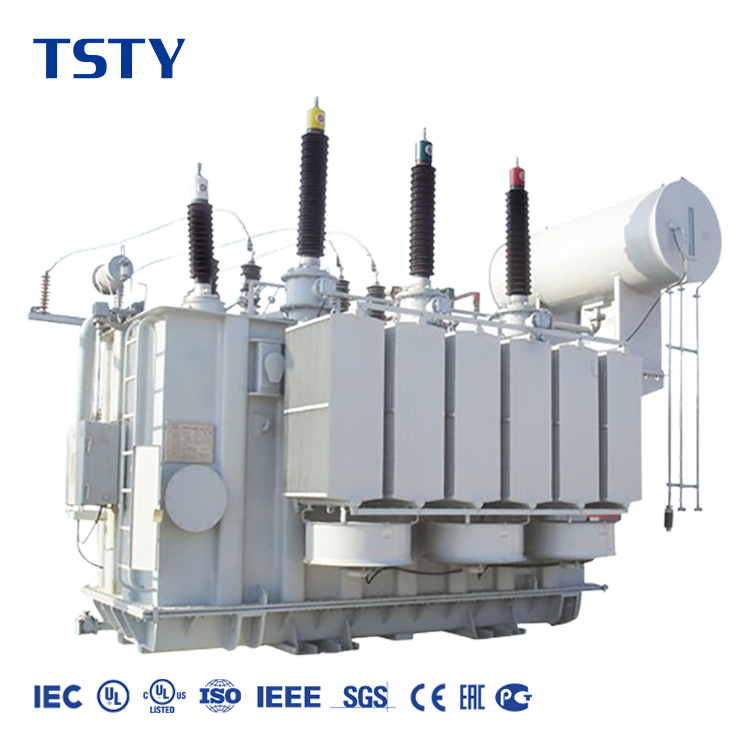
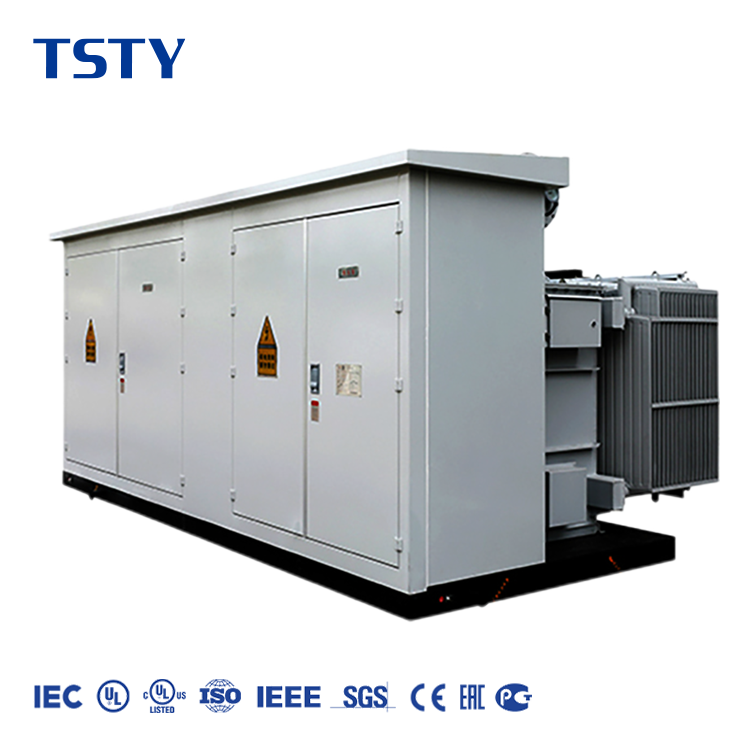
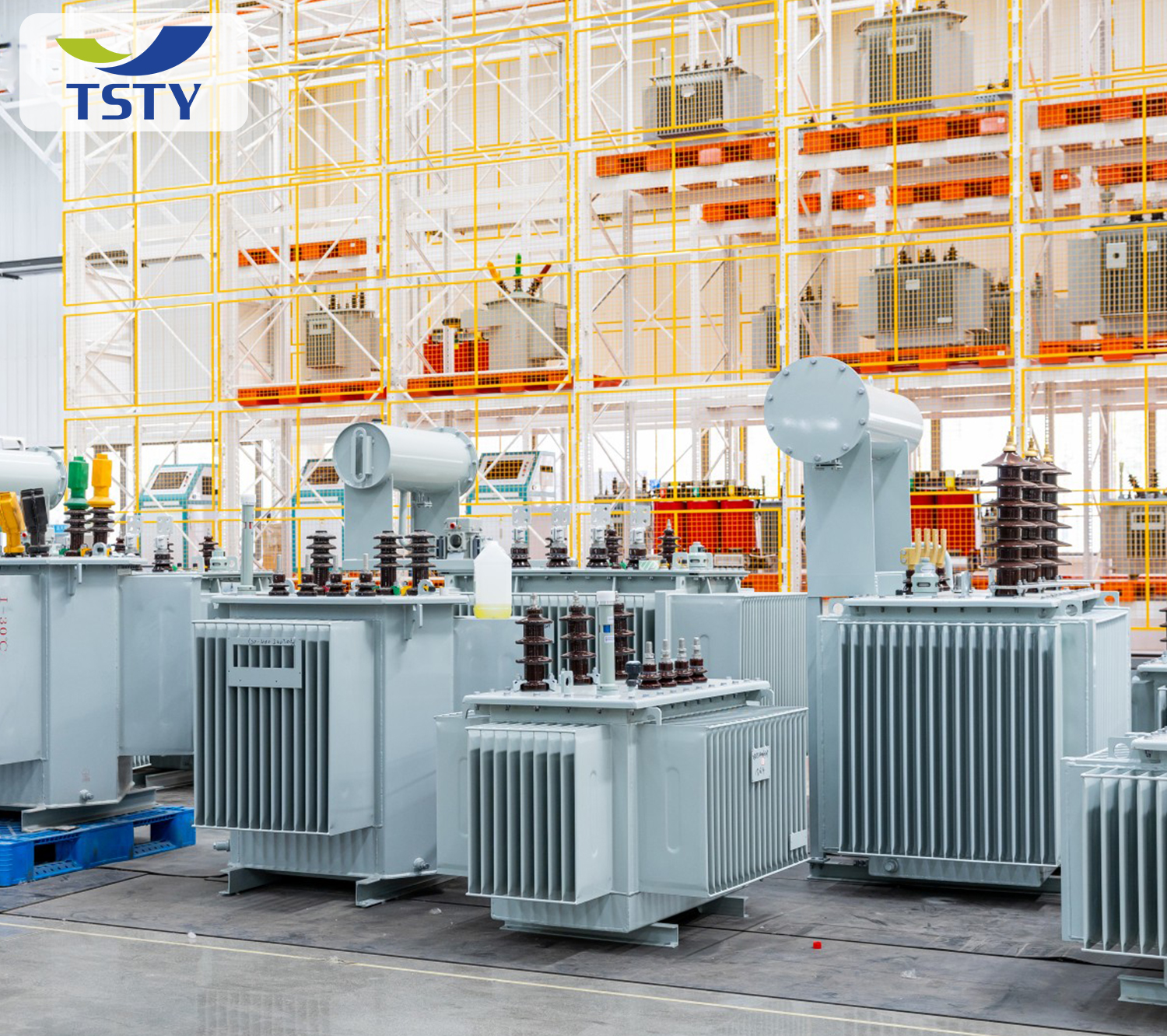
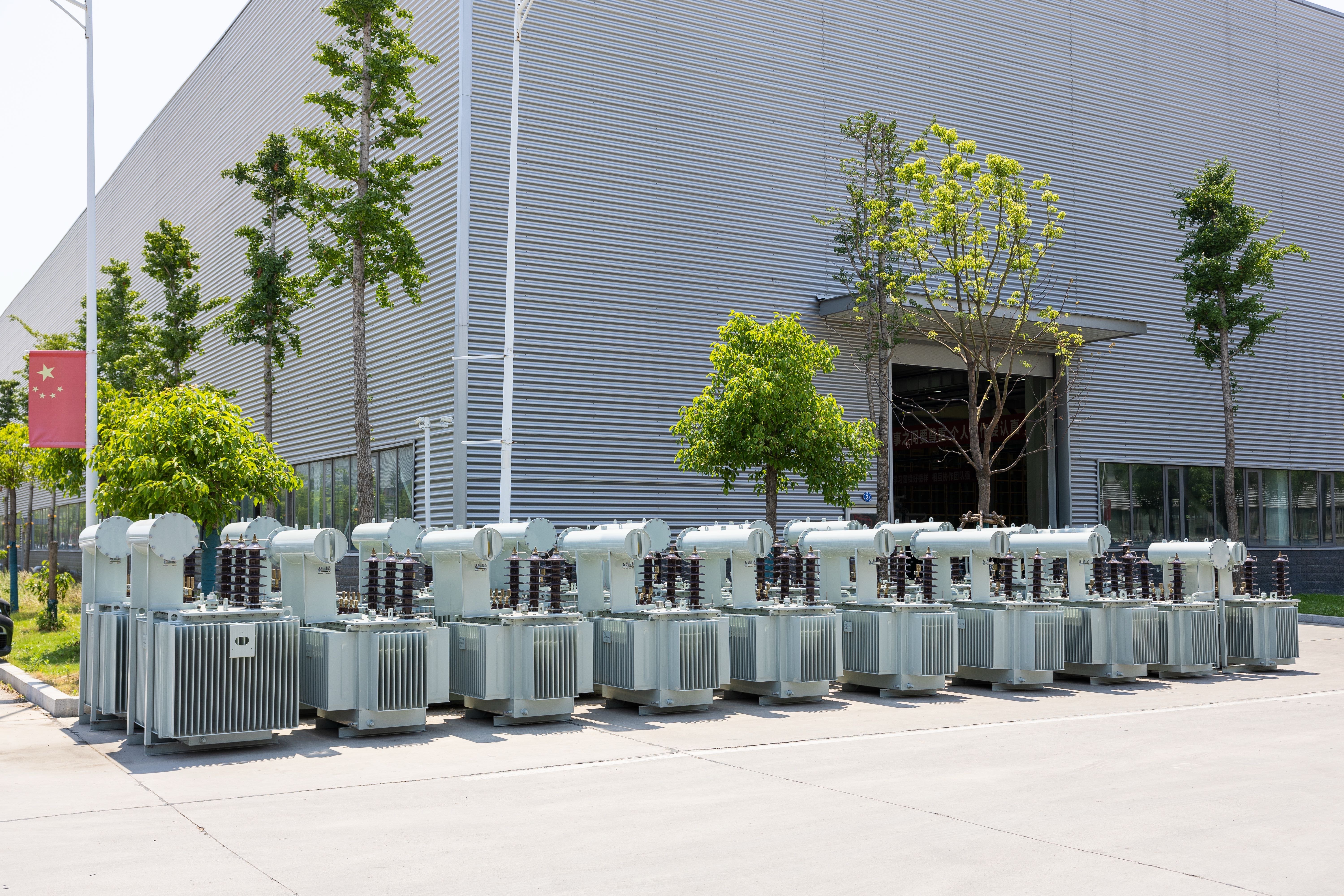
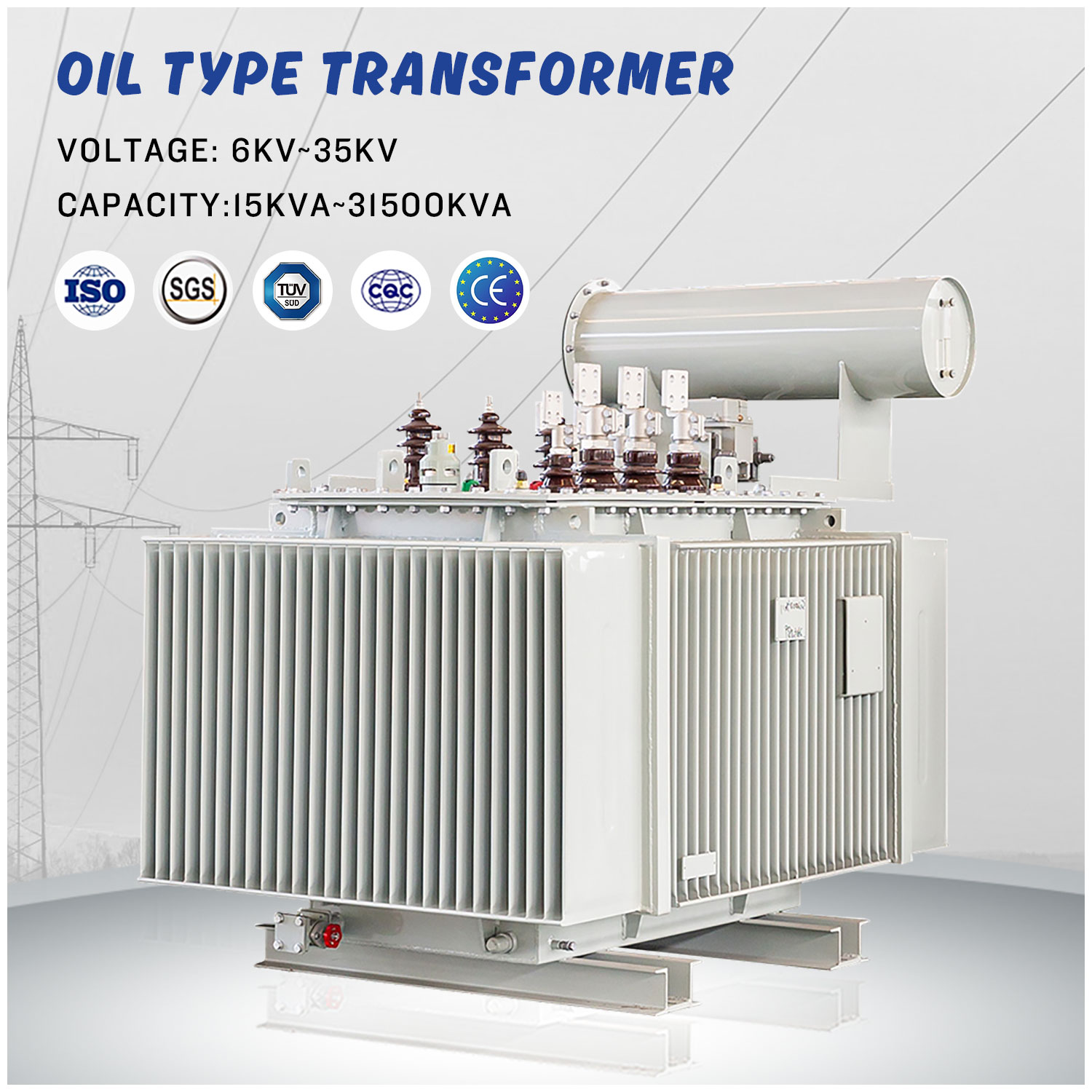
The role of transformer suppliers extends far beyond basic manufacturing. In complex electrical infrastructure projects, the supplier acts as a technical partner, ensuring that the voltage conversion equipment aligns perfectly with grid regulations, site constraints, and the overall electrical system design. Choosing the right partner mitigates risks related to equipment mismatch, shipping delays, and site installation errors.
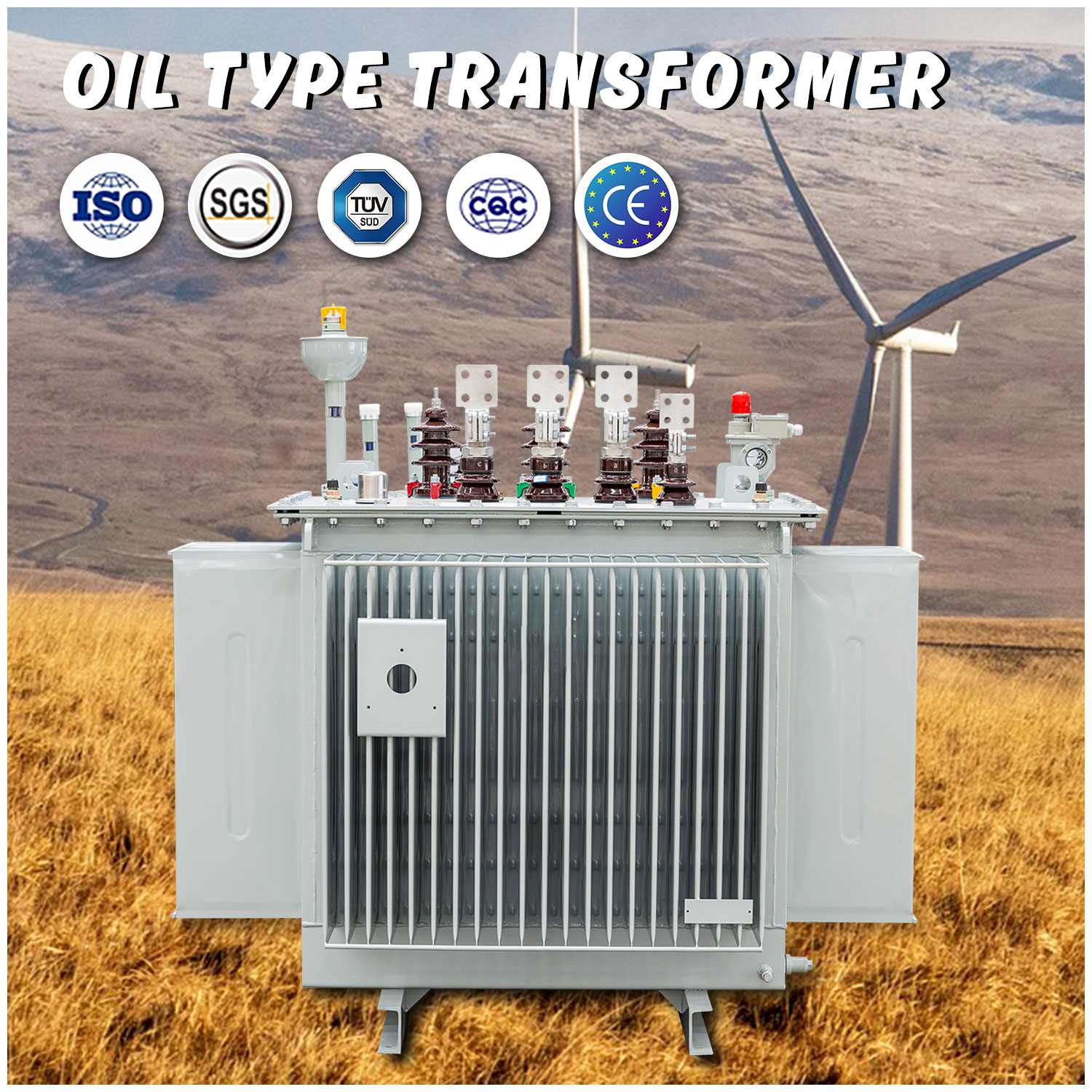
When evaluating transformer suppliers, procurement teams usually look at production capability, quality control standards, and engineering responsiveness. The procurement process begins with technical clarification. Buyers provide project data, including required MVA capacity, primary and secondary voltages, frequency, short-circuit impedance, and environmental factors like altitude and maximum ambient temperature. Experienced transformer suppliers review this data to recommend the appropriate core and winding materials, cooling arrangements, and insulation levels.

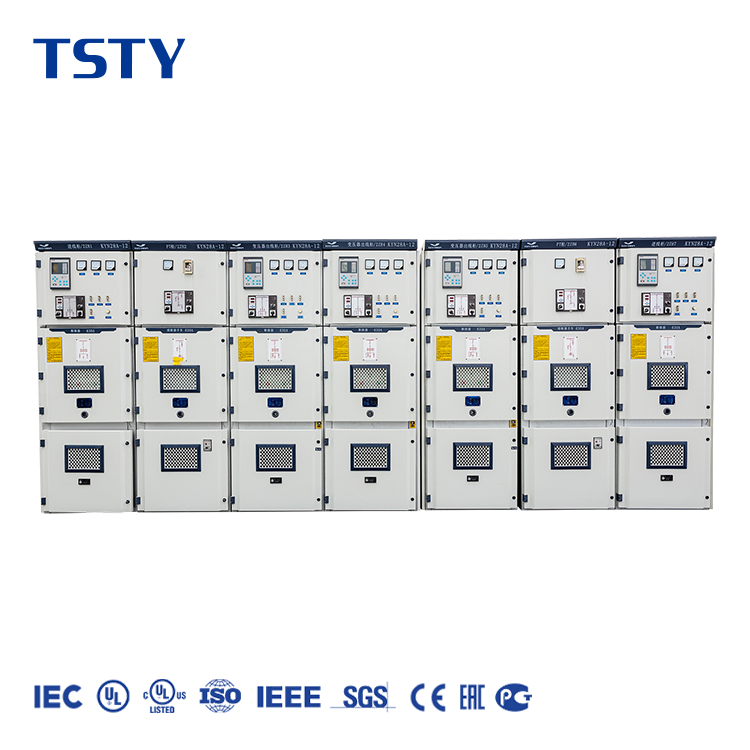
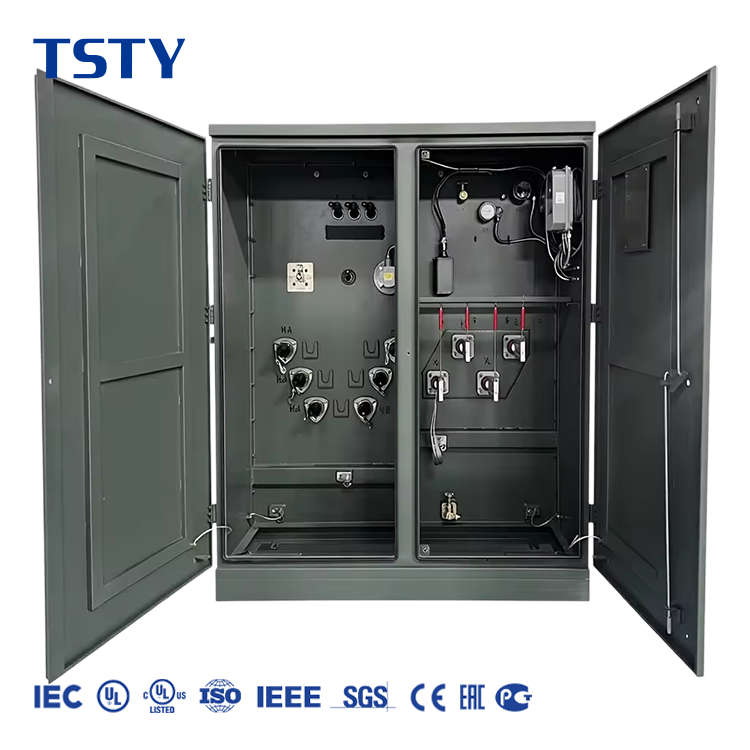
Interface coordination is another key area where direct transformer suppliers add value. Transformers rarely operate in isolation; they connect to upstream medium-voltage switchgear and downstream low-voltage distribution panels. By providing accurate general arrangement drawings and terminal layouts, the supplier helps the civil and electrical engineering teams design precise cable trenches, busduct routes, and fire separation walls. If a buyer sources both the switchgear and the transformer from the same facility, the physical integration becomes much more predictable.
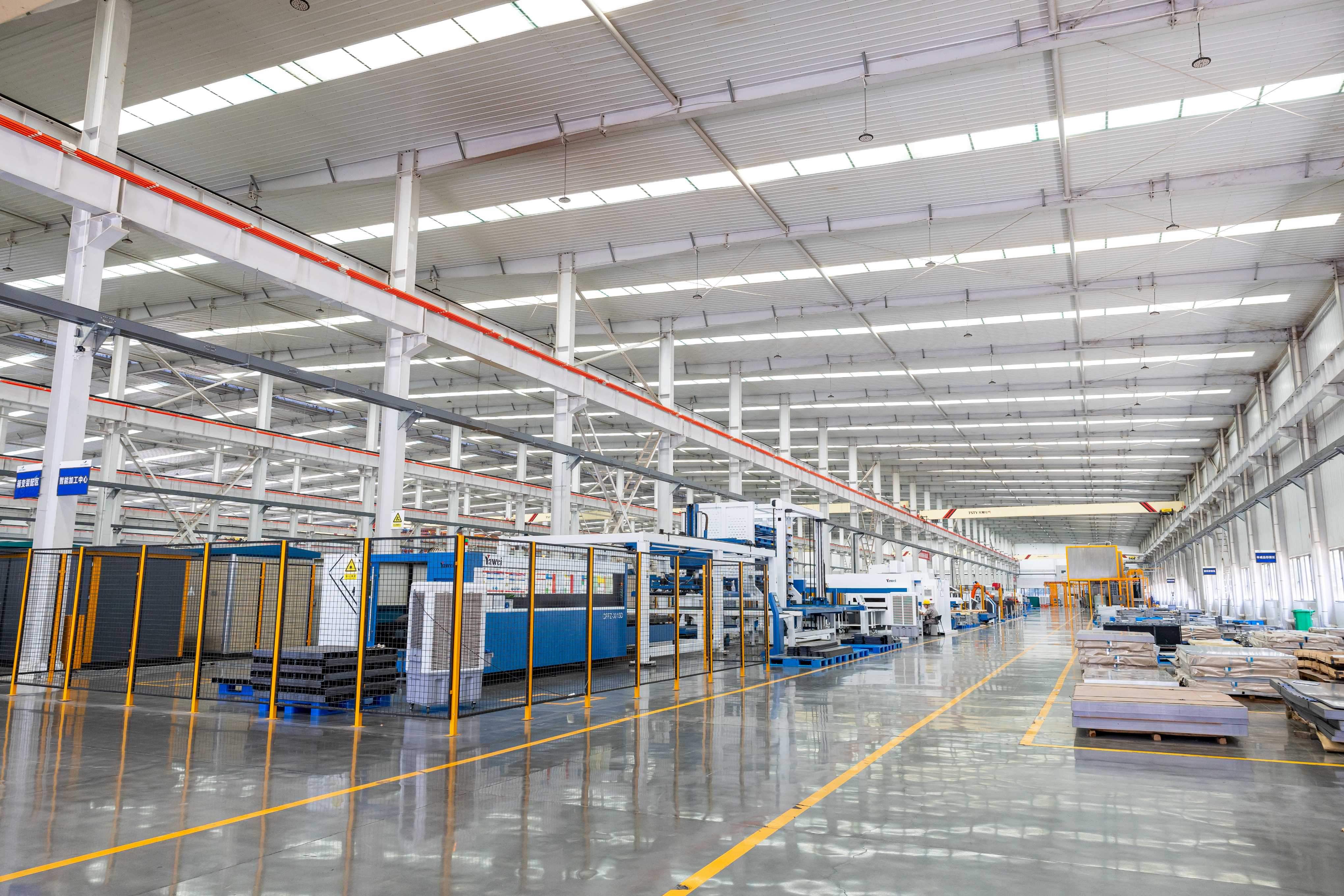
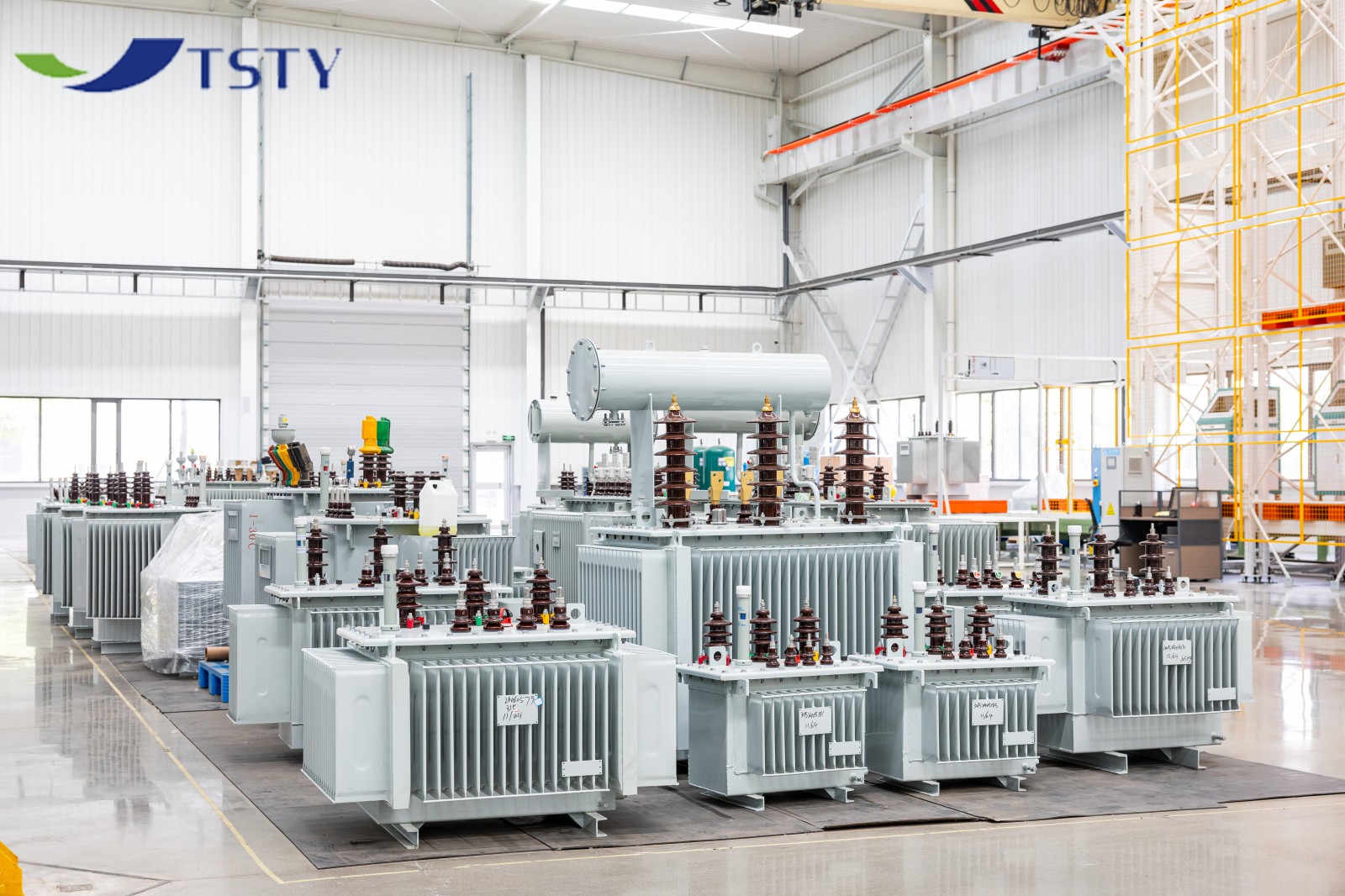
Factory testing is a mandatory phase managed by responsible transformer suppliers. Before dispatch, every unit must pass routine tests measuring winding resistance, voltage ratio, dielectric withstand, and load/no-load losses. Buyers often rely on these detailed test reports to secure project approvals from local utility authorities or independent inspectors.
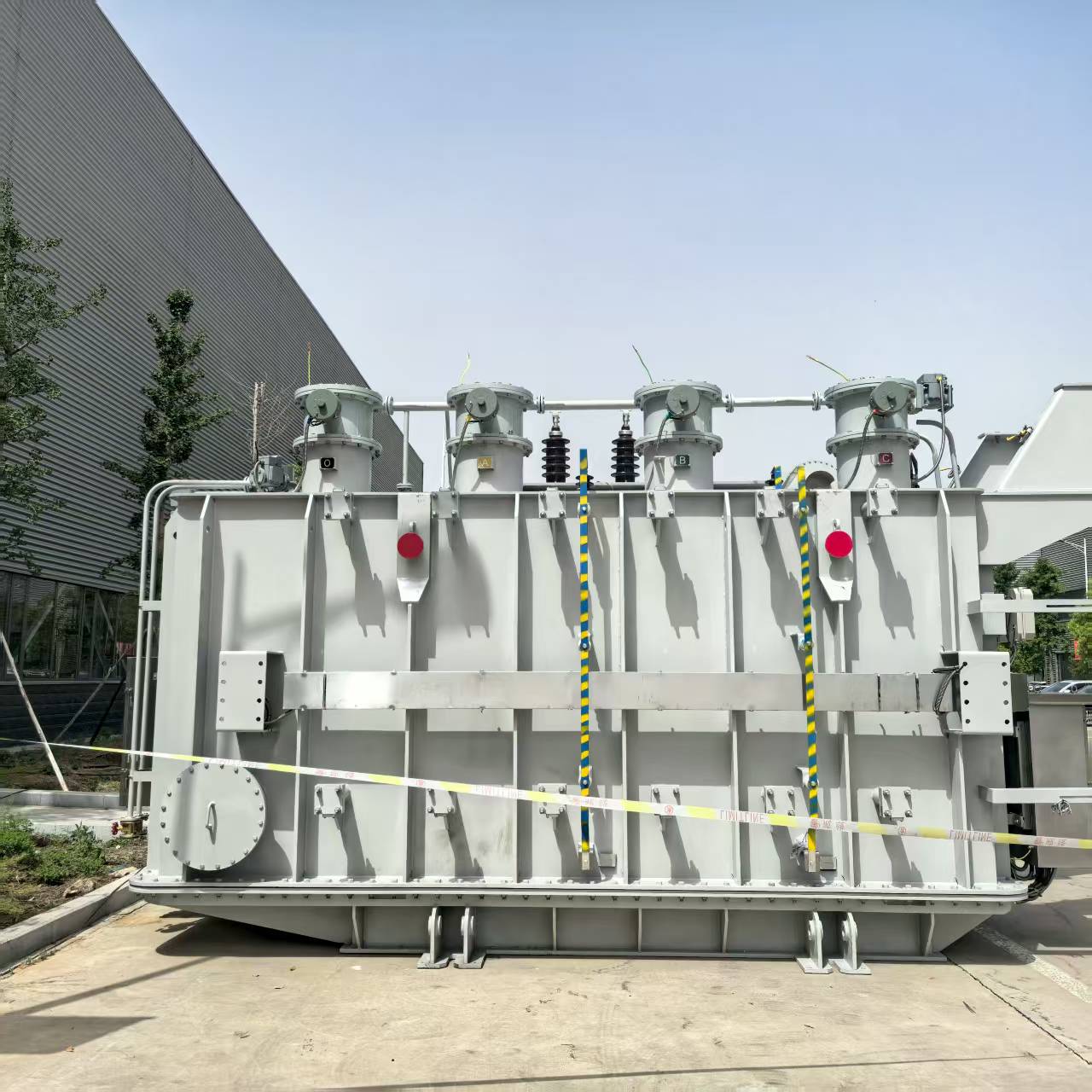
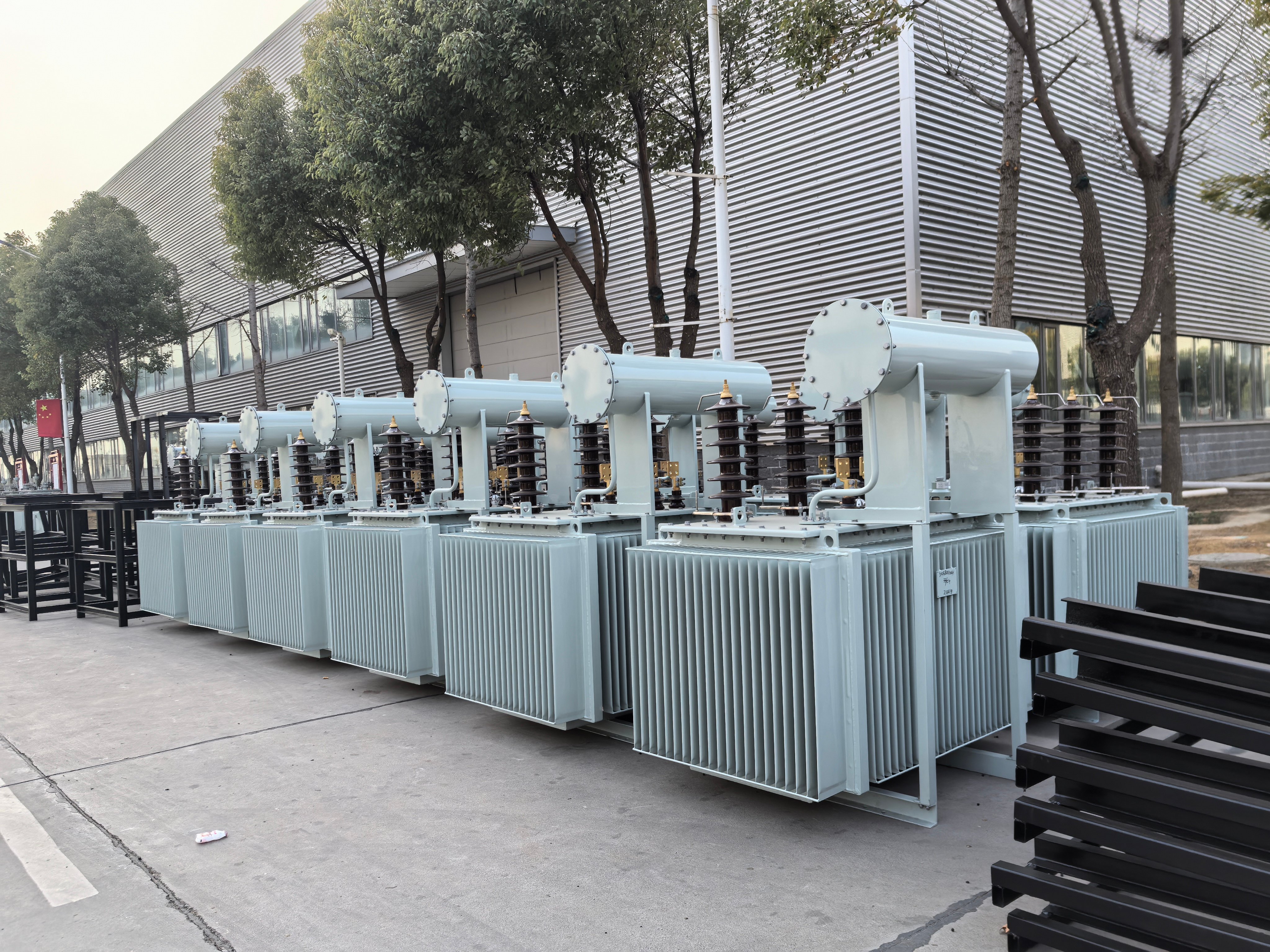
Logistics support separates standard vendors from comprehensive transformer suppliers. Heavy electrical equipment requires careful handling. The supplier must provide exact shipping weights and dimensions. For larger units, the main tank may be shipped filled with dry nitrogen to meet weight limits, while accessories like radiators and conservators are crated separately. Clear packing lists and assembly manuals provided by the supplier are essential for the site crew to rebuild and commission the equipment smoothly.