Reliable Transformer Suppliers for Power Projects

Get a Free Quote

Our representative will contact you soon.
Select your project goal
Email
Name
Company Name
Phone
Project Details
0/1000
Reliable Transformer Suppliers for Power and Infrastructure Projects

Reliable Transformer Suppliers for Power and Infrastructure Projects

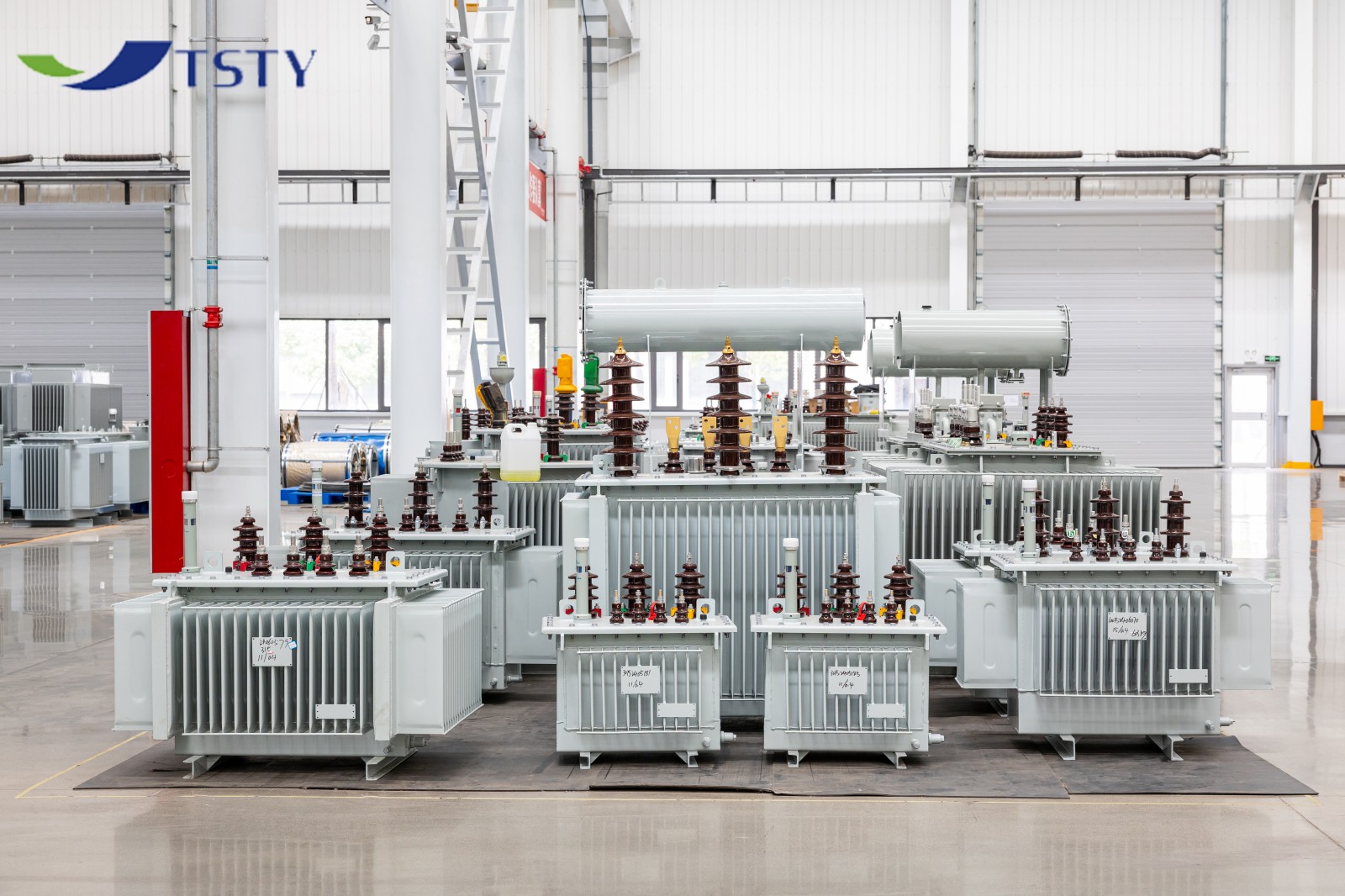
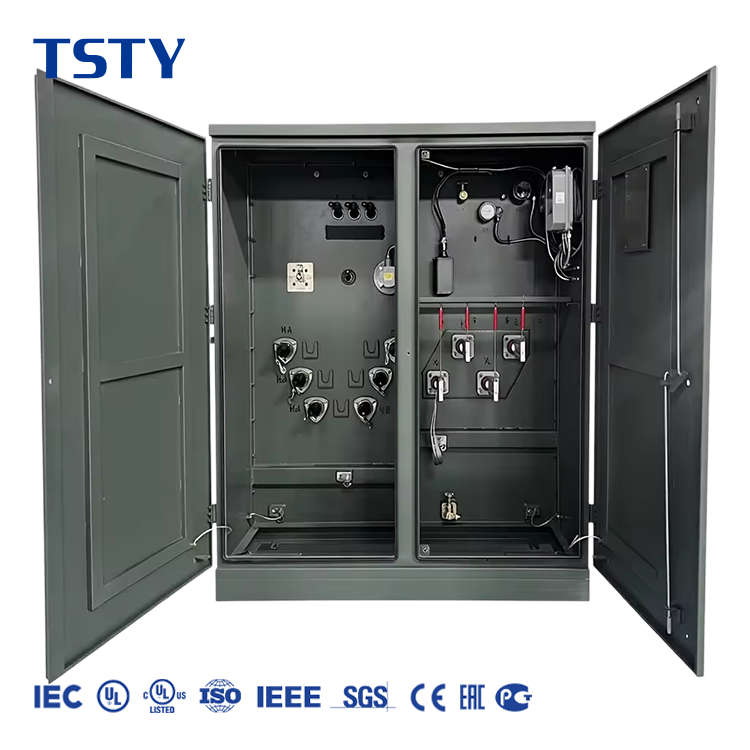
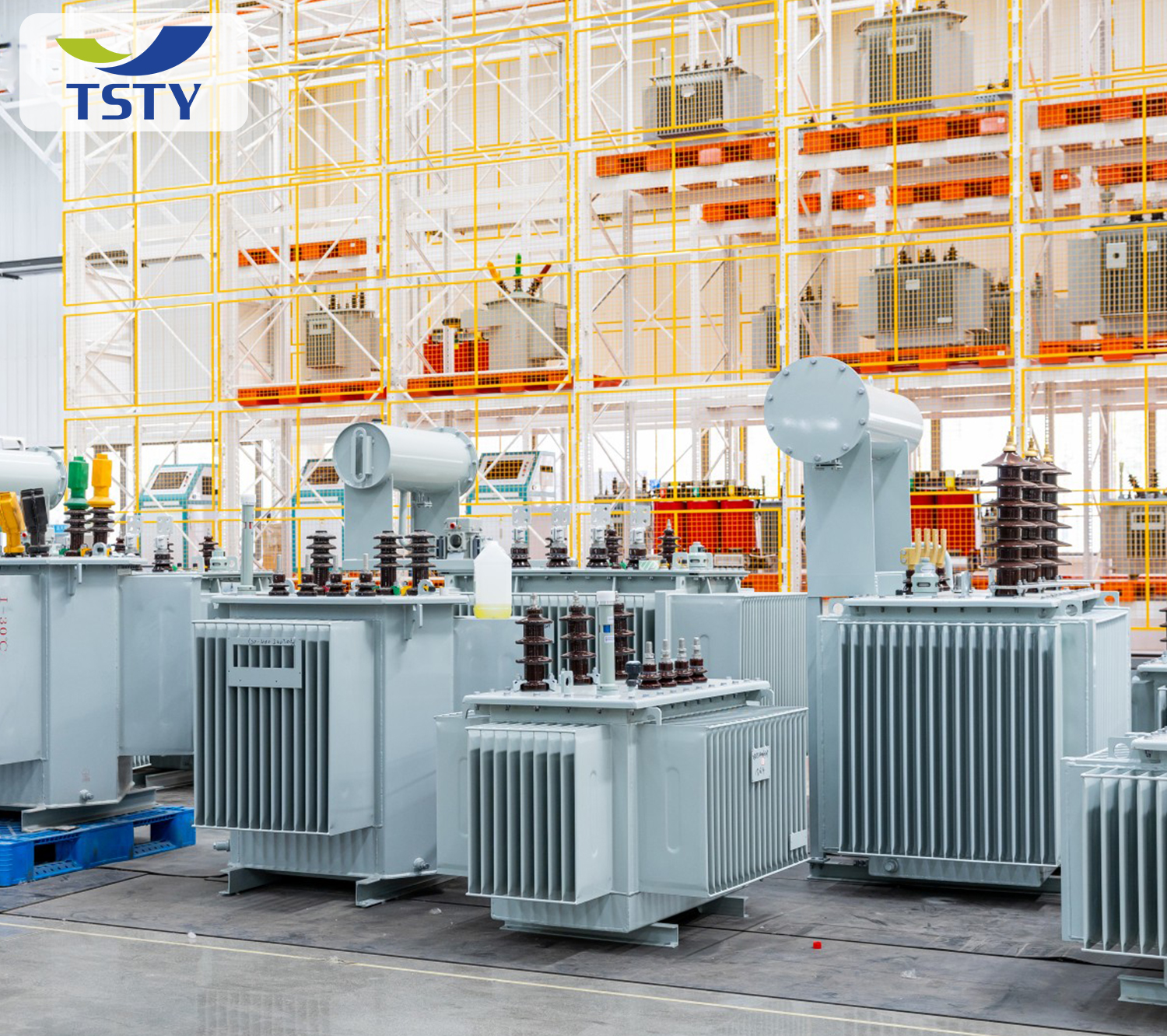
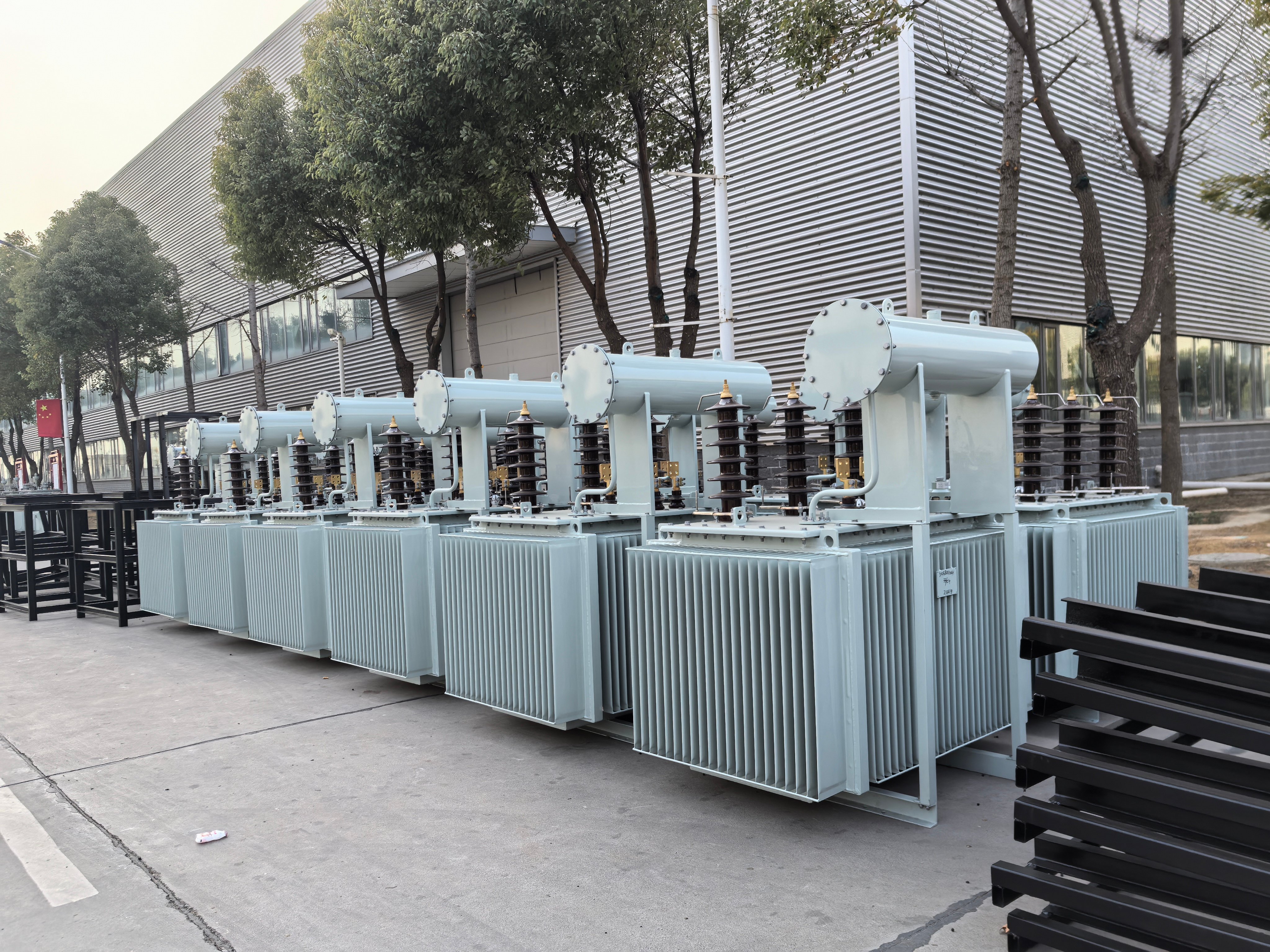
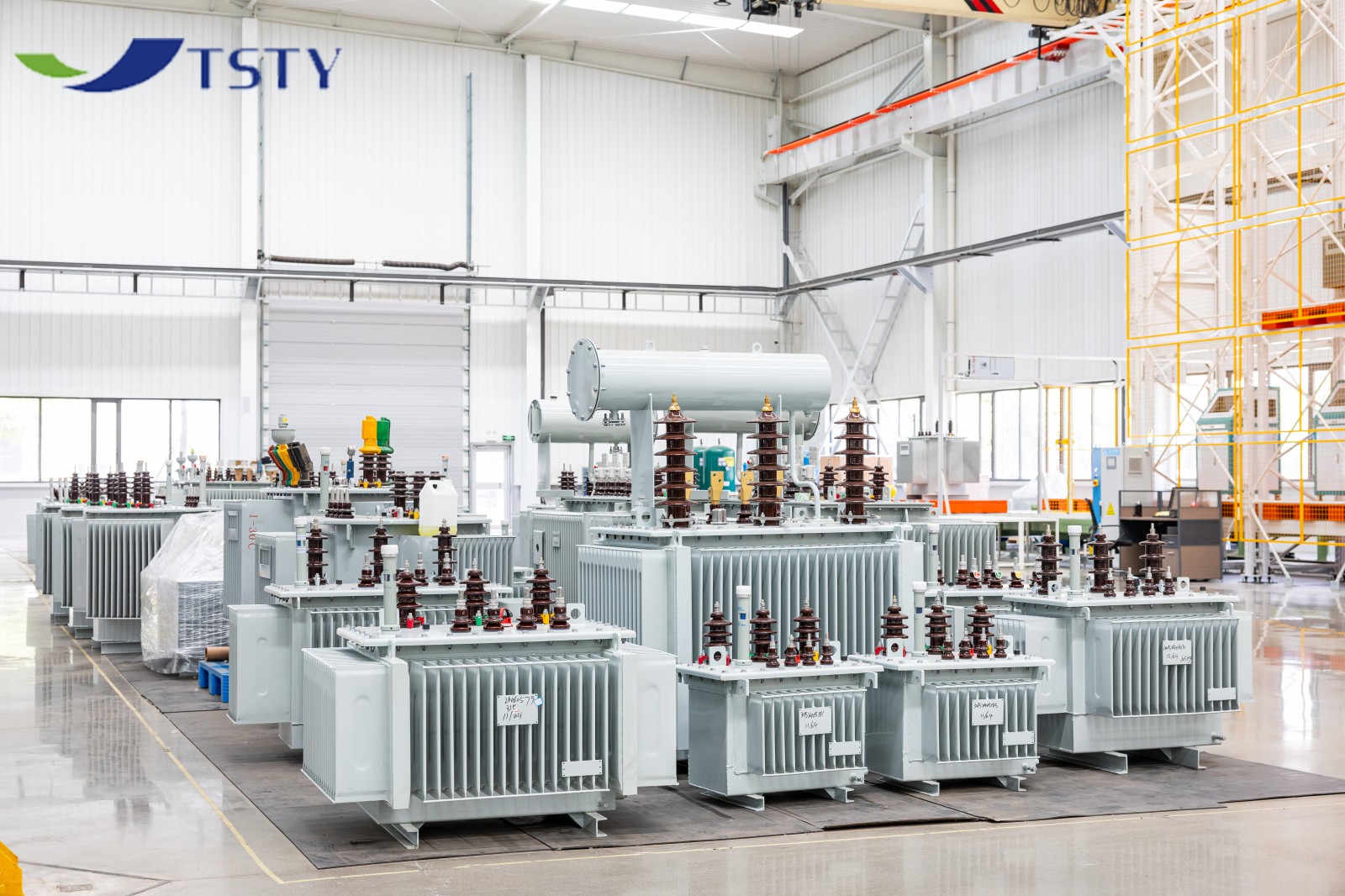
Finding professional transformer suppliers is a critical step in executing power generation, transmission, and distribution projects. As experienced transformer suppliers, TSTY provides a comprehensive range of voltage conversion equipment, including oil-immersed power transformers, cast-resin dry-type transformers, pad-mounted units, and compact substations. Working with direct transformer suppliers allows EPC contractors, utility companies, and industrial facility managers to streamline their procurement process. We support buyers through early technical clarification, drawing approval, rigorous factory testing, and systematic logistics planning. By aligning equipment specifications with actual site environments and grid codes, TSTY ensures that the delivered electrical solutions meet project safety, dimensional, and operational requirements accurately and efficiently.
Get A Quote


Advantages of Working with Direct Transformer Suppliers

Streamlining Procurement and Technical Coordination

Direct Engineering Support

Working with direct transformer suppliers allows for clear communication regarding single-line diagrams, voltage ratios, impedance values, and custom vector groups.

Comprehensive Product Portfolio

We supply distribution, power, and specialized renewable energy transformers, allowing buyers to source multiple equipment types from a single facility.

Transparent Quality Verification

Professional transformer suppliers provide detailed routine factory test reports and documentation to verify insulation, loss levels, and mechanical integrity before shipment.

Structured Logistics Planning

We provide accurate weights, dimensions, and center of gravity data to assist project teams in arranging heavy-lift cranes and specialized transport for large units.

Equipment Range from Professional Transformer Suppliers

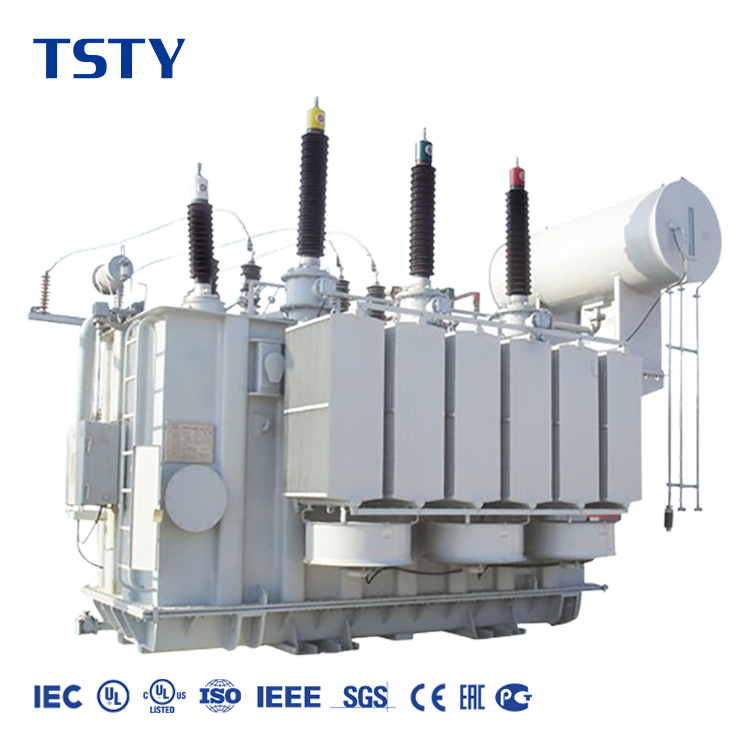
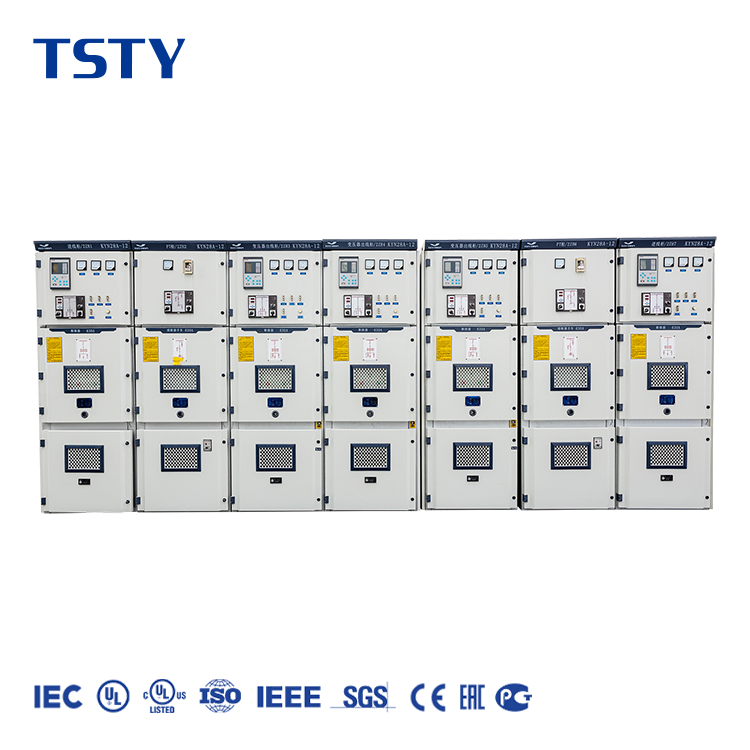
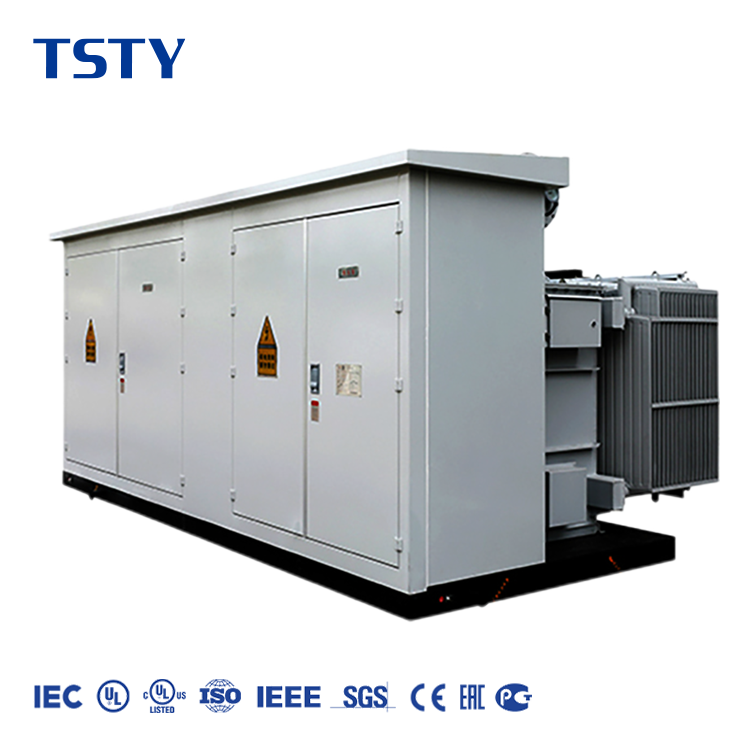
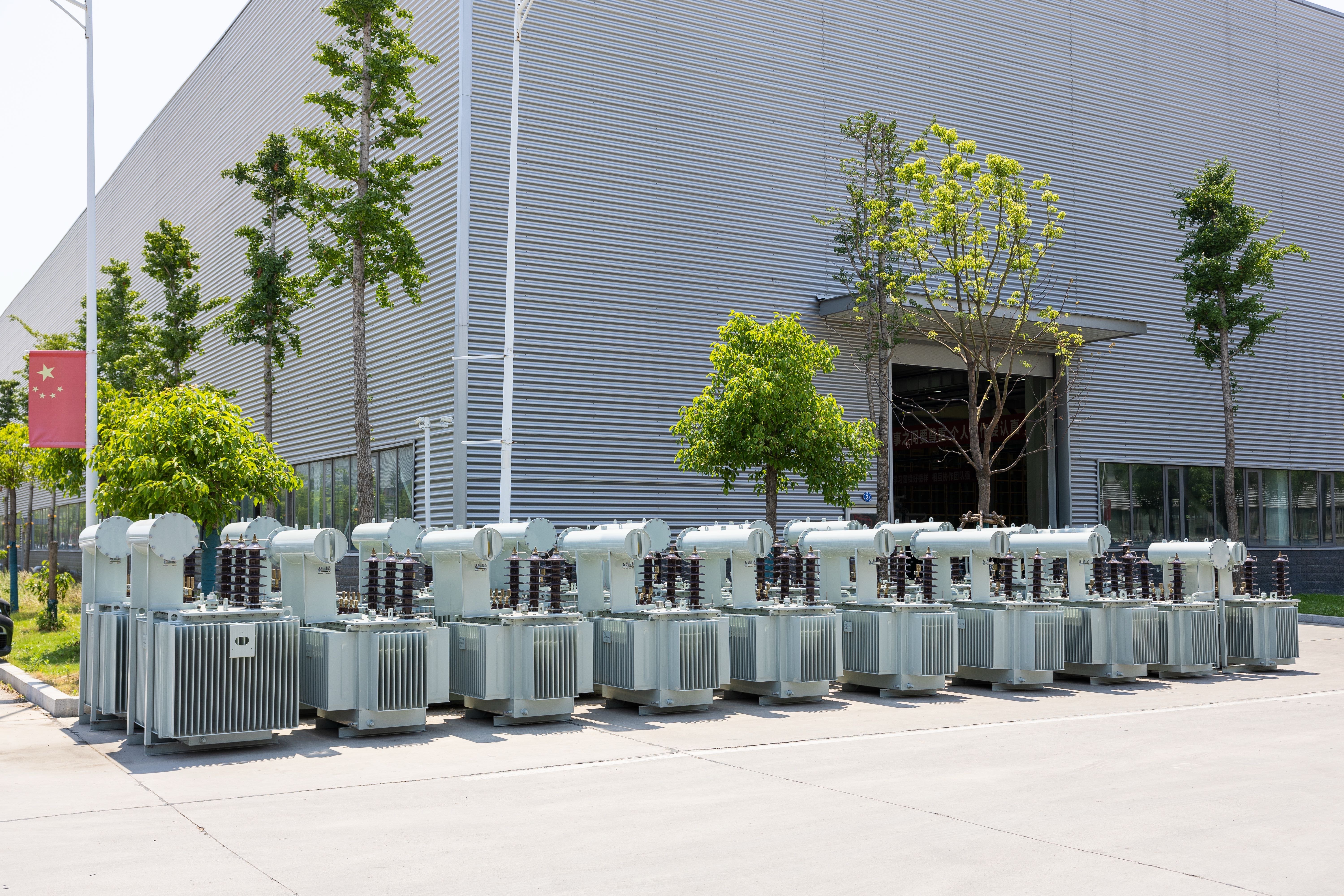
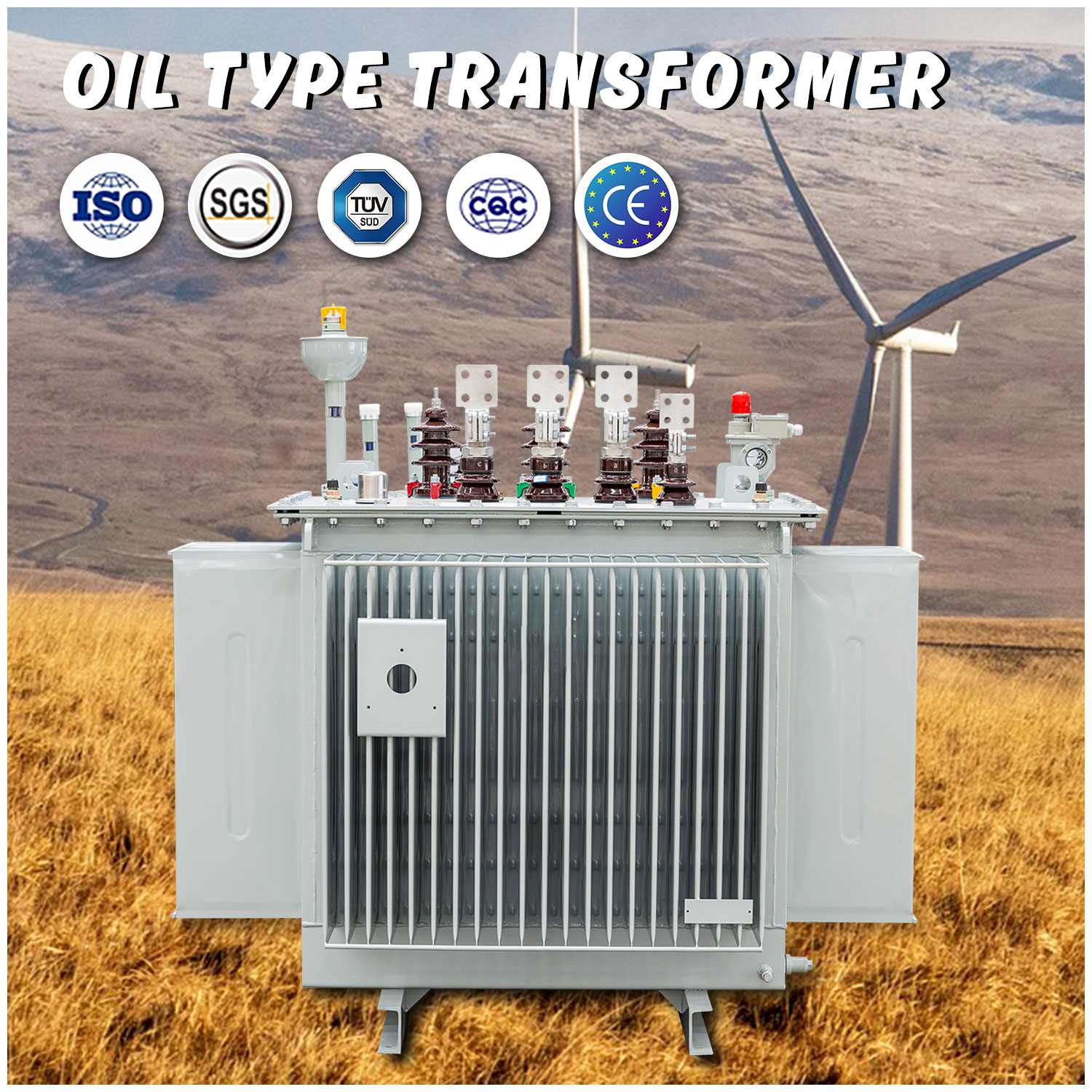
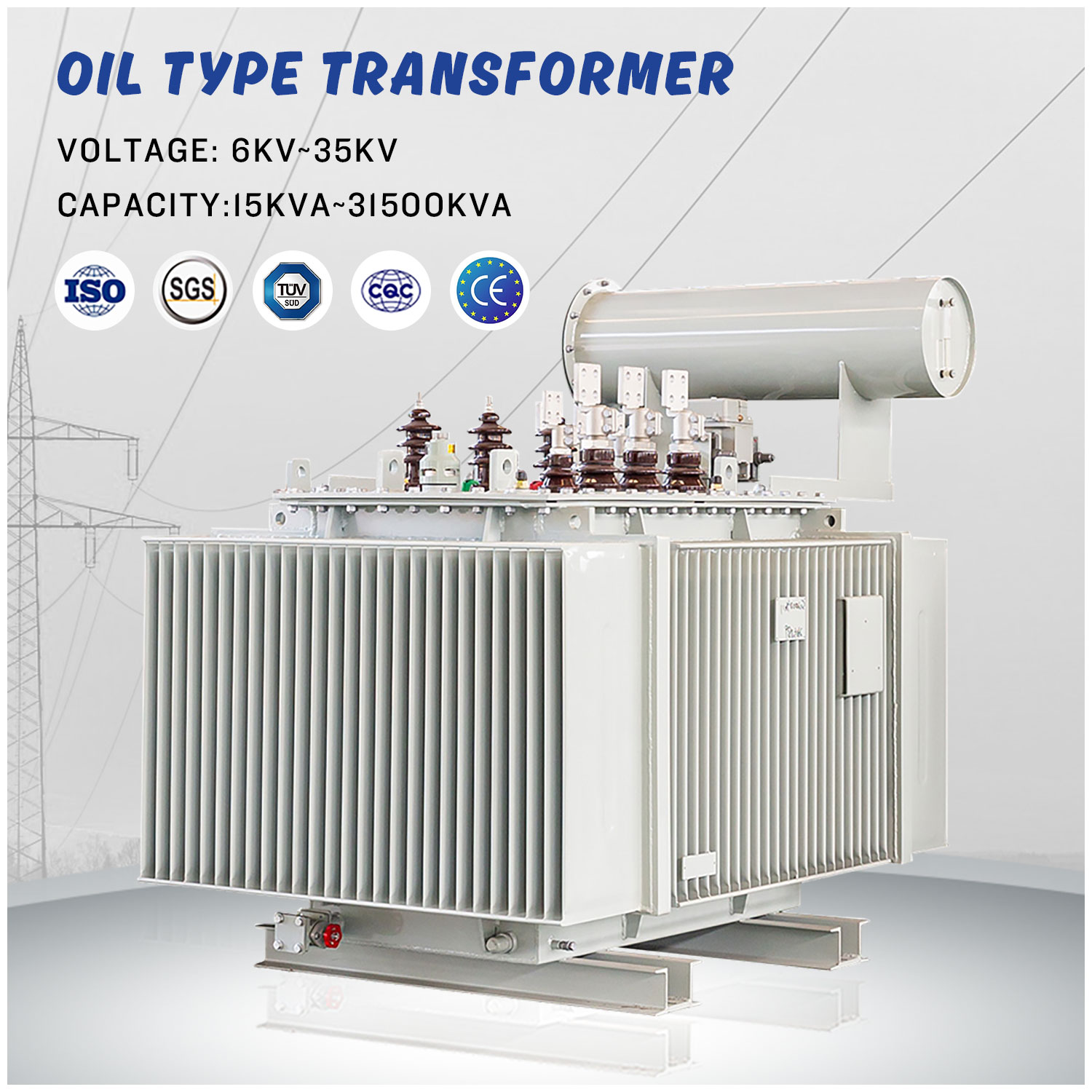
Leading transformer suppliers must offer versatile solutions to meet varying electrical network demands. TSTY manufactures an extensive portfolio that includes oil-immersed distribution transformers, high-voltage power transformers, cast-resin dry-type transformers, and pole-mounted units. We also act as transformer suppliers for specialized applications, such as generator step-up (GSU) transformers, solar and wind inverter step-up transformers, and amorphous alloy core transformers for low-loss distribution. Each unit is configured according to specified capacities, cooling methods (ONAN, ONAF, AF), and enclosure protection ratings. Furthermore, buyers can source complete medium-voltage switchgear, low-voltage distribution panels, and compact substation packages, consolidating the supply chain and ensuring physical and electrical compatibility across the entire installation.

The role of transformer suppliers extends far beyond basic manufacturing. In complex electrical infrastructure projects, the supplier acts as a technical partner, ensuring that the voltage conversion equipment aligns perfectly with grid regulations, site constraints, and the overall electrical system design. Choosing the right partner mitigates risks related to equipment mismatch, shipping delays, and site installation errors.
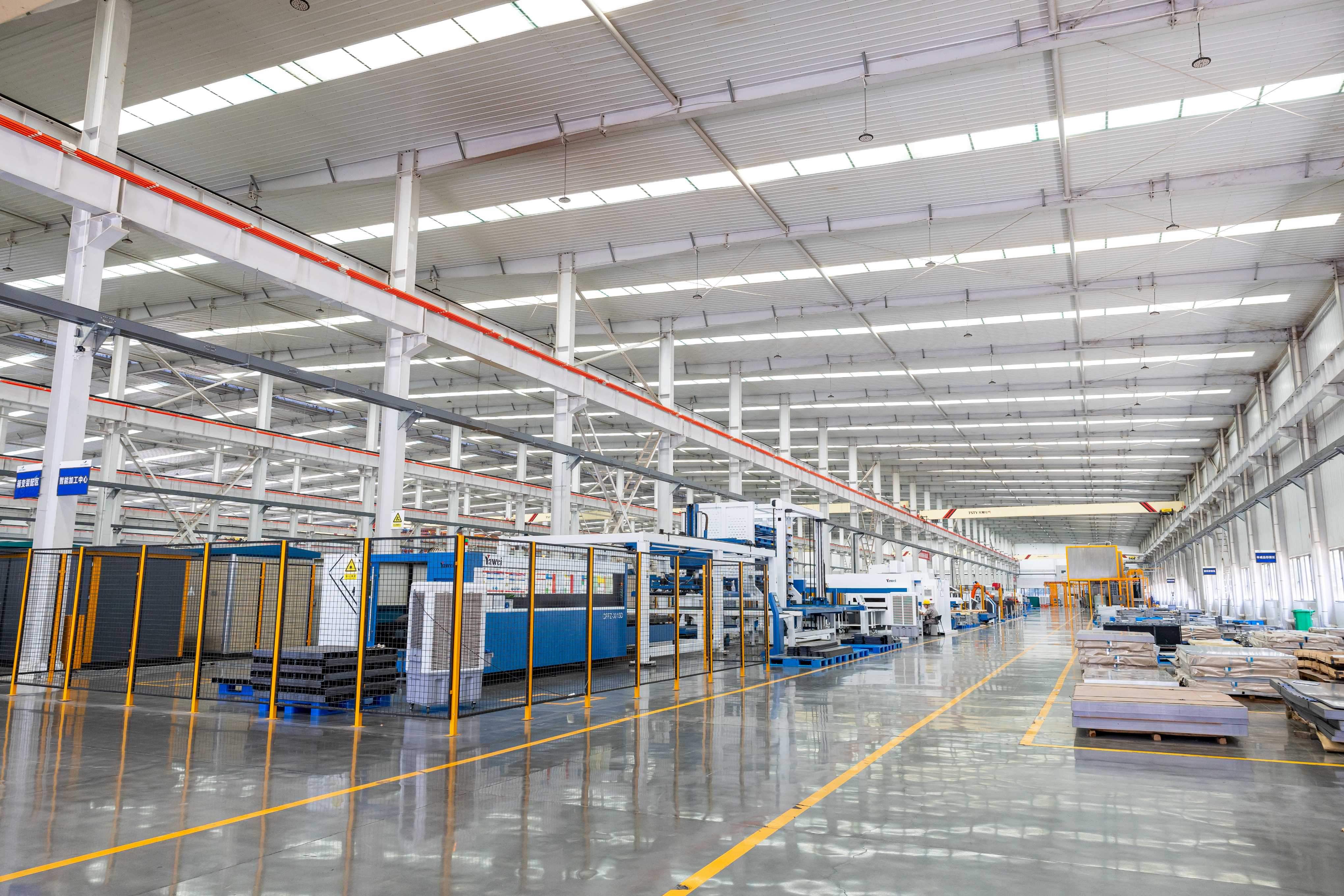
When evaluating transformer suppliers, procurement teams usually look at production capability, quality control standards, and engineering responsiveness. The procurement process begins with technical clarification. Buyers provide project data, including required MVA capacity, primary and secondary voltages, frequency, short-circuit impedance, and environmental factors like altitude and maximum ambient temperature. Experienced transformer suppliers review this data to recommend the appropriate core and winding materials, cooling arrangements, and insulation levels.

30.jpg
Interface coordination is another key area where direct transformer suppliers add value. Transformers rarely operate in isolation; they connect to upstream medium-voltage switchgear and downstream low-voltage distribution panels. By providing accurate general arrangement drawings and terminal layouts, the supplier helps the civil and electrical engineering teams design precise cable trenches, busduct routes, and fire separation walls. If a buyer sources both the switchgear and the transformer from the same facility, the physical integration becomes much more predictable.
Factory testing is a mandatory phase managed by responsible transformer suppliers. Before dispatch, every unit must pass routine tests measuring winding resistance, voltage ratio, dielectric withstand, and load/no-load losses. Buyers often rely on these detailed test reports to secure project approvals from local utility authorities or independent inspectors.
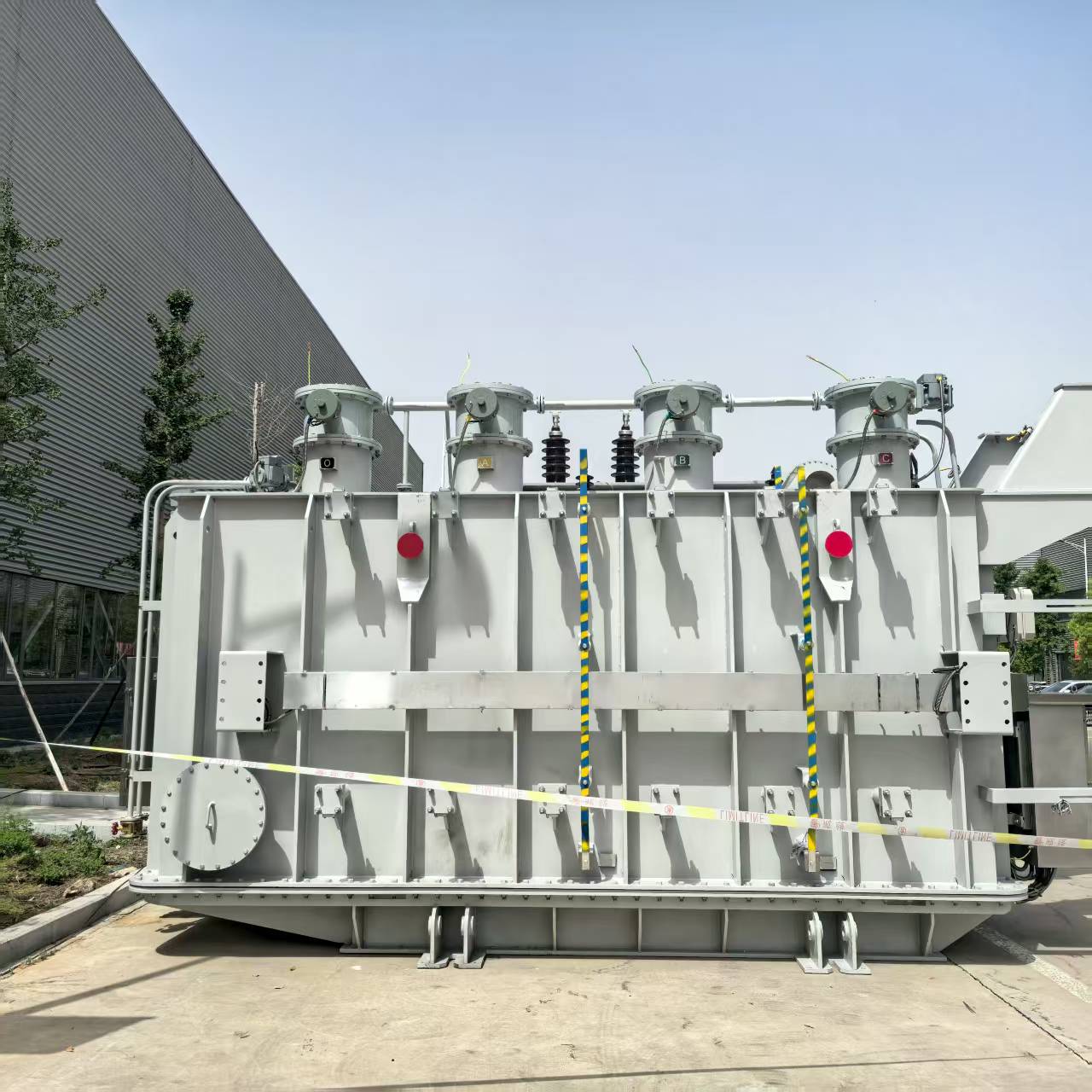
Logistics support separates standard vendors from comprehensive transformer suppliers. Heavy electrical equipment requires careful handling. The supplier must provide exact shipping weights and dimensions. For larger units, the main tank may be shipped filled with dry nitrogen to meet weight limits, while accessories like radiators and conservators are crated separately. Clear packing lists and assembly manuals provided by the supplier are essential for the site crew to rebuild and commission the equipment smoothly.

Frequently Asked Questions for Transformer Suppliers

Common inquiries raised during the vendor evaluation and procurement process.

What data should I provide to transformer suppliers for an accurate quote?

Please provide the rated capacity, primary and secondary voltages, vector group, impedance, cooling method, and any specific environmental conditions (like high altitude).
Yes, dimensions can often be adjusted within certain engineering limits to fit specific electrical room layouts or existing civil foundations.
Yes, we conduct comprehensive routine tests on every unit and provide the final factory test reports to the buyer for approval prior to shipping.
Large units are typically shipped without oil to reduce weight. The tank is pressurized with dry gas, and external components are packed in separate wooden crates.
Yes, many buyers prefer sourcing their medium-voltage ring main units and low-voltage cabinets alongside the transformer to ensure seamless interface coordination.

Related Articles

What are TSTY’s R&D capabilities in transformers and switchgear?

09

Sep

What are TSTY’s R&D capabilities in transformers and switchgear?

How TSTY’s 158 patents, IEC standard leadership, and desert/cold/coastal/altitude engineering solve global transformer challenges. See real-world deployments. Request technical specs.
View More
How to Evaluate Large Power Transformer Manufacturers for Grid and Industrial Projects

22

Sep

How to Evaluate Large Power Transformer Manufacturers for Grid and Industrial Projects

Learn how EPCs and utility buyers evaluate large power transformer manufacturers. Discover key criteria for compliance, extreme weather testing, and ROI.
View More
How to Evaluate Medium Voltage Transformer Manufacturers for Global Power Projects

28

Sep

How to Evaluate Medium Voltage Transformer Manufacturers for Global Power Projects

Learn how to evaluate medium voltage transformer manufacturers for global projects. Compare testing, custom engineering, and supply chain reliability.
View More
How to Evaluate RMU Manufacturers for Utility, Industrial, and EPC Distribution Projects

09

Oct

How to Evaluate RMU Manufacturers for Utility, Industrial, and EPC Distribution Projects

Discover how to audit RMU manufacturers for utility and EPC projects. Expert B2B insights on GIS tech, smart automation, and strict IEC compliance.
View More

Procurement Feedback and Supplier Reviews

Experiences from EPC contractors and project buyers managing equipment supply chains.
Michael Rostad
Procurement Manager for EPC Projects

"Working with responsive transformer suppliers keeps our schedule on track. The early provision of accurate outline drawings allowed our civil team to finalize the substation foundation on time."

Amina Hassan
Industrial Facility Electrical Lead

"We required a dry-type unit with specific enclosure dimensions. The technical team communicated clearly, and the delivered equipment matched our indoor layout perfectly."

Carlos Mendez
Substation Construction Supervisor

"Logistics data is critical for our heavy-lift planning. The center of gravity diagrams provided by the supplier ensured that offloading the main tank at the site was safe and efficient."

Get a Free Quote

Our representative will contact you soon.
Select your project goal
Email
Name
Company Name
Phone
Project Details
0/1000
Vendor Evaluation and Technical Clarification

Vendor Evaluation and Technical Clarification

Selecting professional transformer suppliers requires a thorough vendor evaluation process beyond simply comparing prices. For major electrical infrastructure projects, EPC contractors and utility procurement teams must verify the manufacturer's engineering capabilities and production capacity. During the initial technical clarification phase, buyers should share their single-line diagrams, load profiles, and site environmental conditions. Reliable transformer suppliers will respond by providing preliminary outline drawings, customized technical datasheets, and clear accessory lists. This early exchange of information ensures that all parameters, such as voltage ratio, vector group, short-circuit impedance, and cooling method, are strictly aligned with project demands. By confirming these details before production, both parties reduce the risk of structural mismatches and prevent costly delays during site installation.
Factory Acceptance Testing and Documentation

Factory Acceptance Testing and Documentation

One of the most critical responsibilities of direct transformer suppliers is executing rigorous factory testing and providing transparent documentation. Before any electrical equipment is approved for shipment, it must undergo standard routine tests to verify its insulation strength, voltage ratio, and operational losses. Professional transformer suppliers maintain standardized testing facilities to measure winding resistance, dielectric withstand, and core performance according to international electrical codes. For large-scale utility or industrial projects, buyers often request detailed factory test reports or arrange for on-site witness testing. Providing clear documentation, including final general arrangement drawings, installation manuals, and operation guides, allows site engineers to prepare foundations and cable routes properly, ensuring a seamless transition from the manufacturing plant to the project site.
Supply Chain and Heavy Equipment Logistics Planning

Supply Chain and Heavy Equipment Logistics Planning

Coordinating the transportation of heavy electrical equipment is a major logistical challenge that experienced transformer suppliers handle systematically. Large capacity units have substantial weight and dimensional constraints that frequently exceed standard highway limits. To address this, transformer suppliers calculate exact center of gravity data, total gross weights, and shipping dimensions early in the project timeline. For high-voltage units, the main tank is often drained of oil and filled with dry nitrogen for transit, while the cooling radiators, high-voltage bushings, and conservator tanks are securely packed into separate wooden crates. By providing precise packing lists and lifting instructions, the supplier helps the project logistics team arrange suitable cranes and specialized heavy-duty transport trailers, ensuring that the electrical assets arrive at the destination safely and ready for assembly.