

 EN
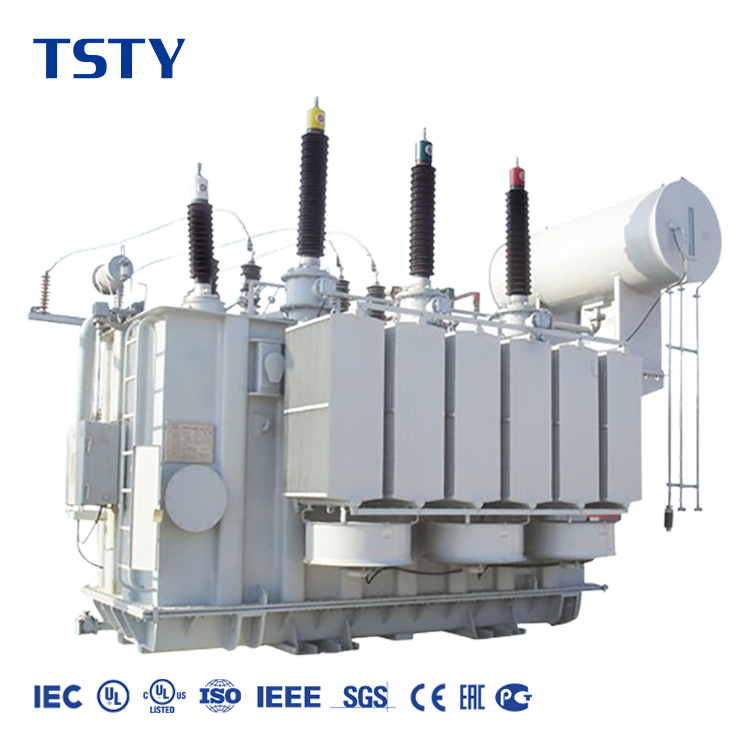
In the past, procuring electrical distribution equipment meant acting as a systems integrator. You had to buy the switchgear from one vendor, the transformer from another, and the low-voltage panels from a third. Then, you prayed they all communicated seamlessly when wired together on-site.
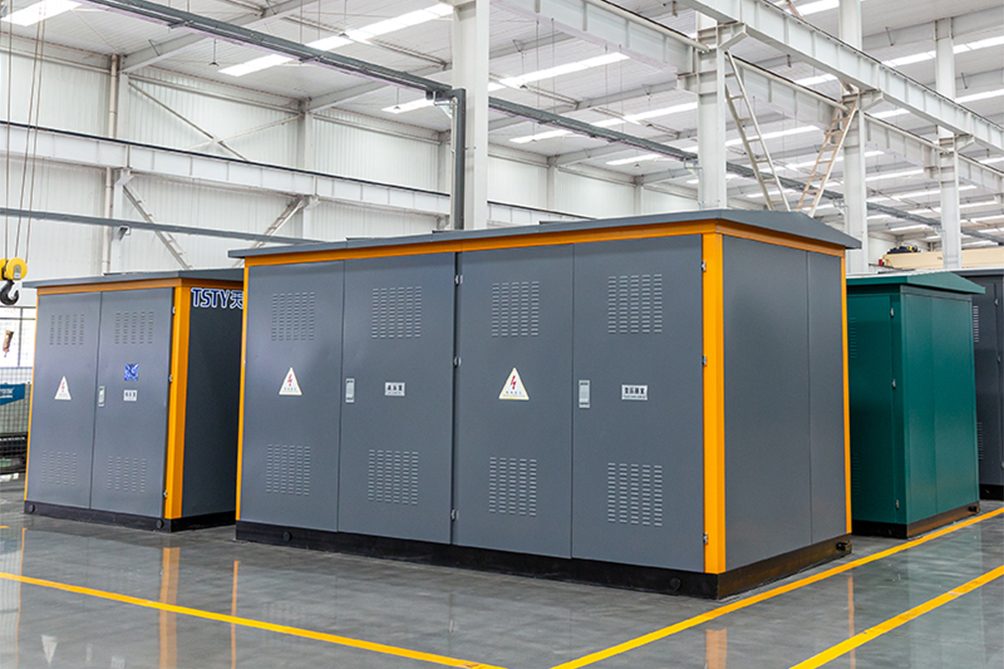
Today, modern EPC contractors rely on a vastly superior procurement strategy: the compact substation transformer.
By packaging the medium-voltage (MV) intake, the step-down (or step-up) core, and the low-voltage (LV) distribution into a single, factory-tested steel enclosure, project developers drastically reduce installation times and integration risks. However, treating every compact substation transformer as a universal, off-the-shelf product is a dangerous procurement mistake.
While the external metal box might look identical across different projects, the internal architecture must be radically customized based on the application. As a dedicated manufacturer of these systems, we engineer every compact substation transformer to match its operating environment. Let’s explore how the internal configuration shifts when deployed across urban grids, solar farms, and industrial manufacturing plants.
When deploying electrical infrastructure in densely populated cities, commercial high-rises, or residential neighborhoods, utility planners face strict regulatory limits.
The first constraint is the physical footprint. Real estate is simply too expensive to waste on sprawling electrical rooms. A meticulously engineered compact substation transformer utilizes space-saving components, such as a Gas Insulated Switchgear (GIS) Ring Main Unit (RMU), which shrinks the MV compartment by up to 30% compared to air-insulated alternatives.
The second, often overlooked constraint is acoustic emissions. Transformers hum due to magnetostriction in the steel core. If you place a standard compact substation transformer outside a residential apartment complex, the constant 100Hz vibration will trigger noise complaints and code violations.
For urban applications, we heavily modify the compact substation transformer.
Renewable energy entirely reverses the traditional power flow. Instead of stepping utility power down, a compact substation transformer in a solar park must collect low-voltage power generated by the panels and step it up (e.g., from 800V to 33kV) to feed the national transmission grid.
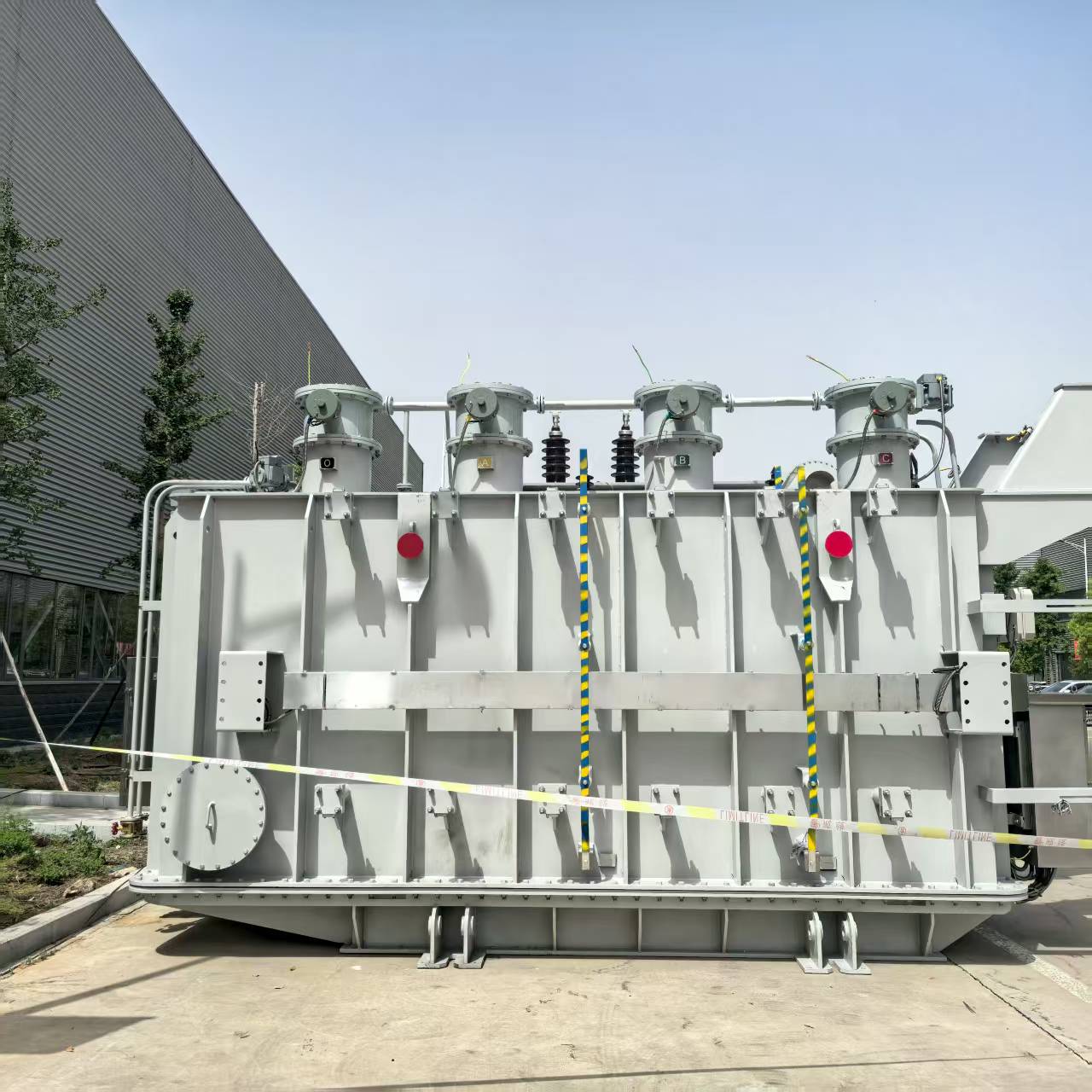
This requires a highly specialized internal setup. The heart of this system is a customized solar inverter transformer. Because solar inverters convert DC power to AC power, they introduce severe harmonic distortion (electrical noise) into the line. If a standard transformer is used, these harmonics will cause the core to overheat and the insulation to degrade rapidly.
Furthermore, solar loads are highly volatile. When a cloud covers the sun, the load drops; when it passes, the power spikes. To handle this aggressive thermal cycling, a renewable-focused compact substation transformer must feature reinforced winding insulation and advanced cooling fluids, such as ester-based synthetic oils, which have a much higher flash point than standard mineral oil.
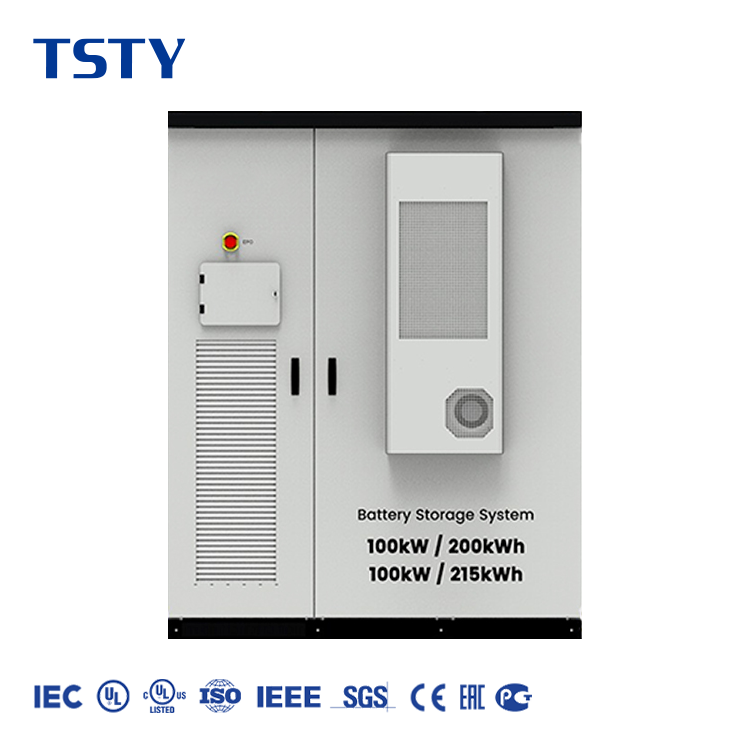
Finally, grid stability now heavily relies on storage. We increasingly engineer our compact substation transformer units with dual-winding configurations to seamlessly integrate with a bess energy storage system (Battery Energy Storage System), allowing the solar farm to store excess noon-time energy and discharge it safely during evening peak hours.
Move the compact substation transformer into a steel mill, a chemical processing plant, or a heavy mining operation, and the engineering priorities shift toward brute force protection.
Industrial machinery—such as massive conveyor belts, automated welding robots, and industrial chillers—pulls massive inrush currents when starting up. A standard utility transformer would experience severe voltage sags under these conditions. An industrial-grade compact substation transformer is built with heavy-duty copper busbars and reinforced mechanical bracing to withstand these violent electro-dynamic forces without warping.
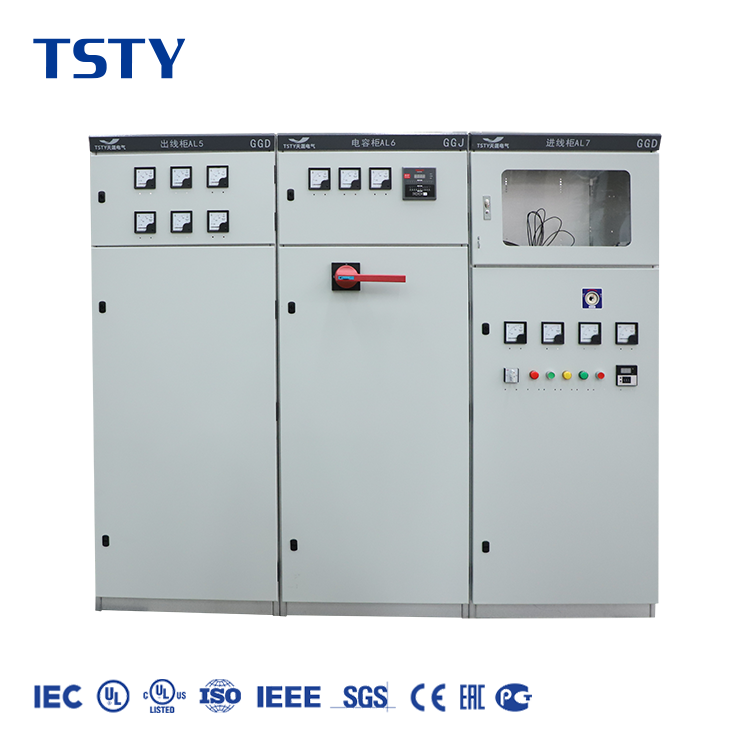
Additionally, the internal lv and mv switchgear must be coordinated flawlessly. We populate the low-voltage compartment with high-rupturing-capacity Air Circuit Breakers (ACBs). If a motor fails and causes a massive short circuit on the factory floor, the breaker inside the compact substation transformer trips in milliseconds, isolating the fault before it can travel upstream and shut down the entire manufacturing plant.
Finally, industrial environments are notoriously dirty. An industrial compact substation transformer is typically upgraded to an IP54 or IP55 ingress protection rating, featuring filtered ventilation louvers that prevent corrosive chemical dust and moisture from reaching the live internal components.
Why should a procurement manager buy a packaged compact substation transformer instead of sourcing the components separately? The answer comes down to supply chain reliability and Factory Acceptance Testing (FAT).
|
Procurement Strategy |
Integration Risk |
Labor Cost |
Testing Protocol |
|
Site-Built (Separate Parts) |
High (Busbar mismatches, communication errors). |
Very High (Weeks of on-site electrician labor). |
Field testing only, prone to weather delays. |
|
Factory-Built Compact Substation |
Zero (Engineered as a single holistic system). |
Low (Plug-and-play setup in days). |
Comprehensive FAT prior to shipping. |
When you order a compact substation transformer from a vertically integrated manufacturer, we don't just build the parts; we assemble and test them as a unified ecosystem. Before the compact substation transformer ever leaves our factory floor, it undergoes rigorous high-voltage dielectric tests, temperature rise simulations, and switchgear interlocking verifications.
The beauty of the compact substation transformer lies in its ultimate adaptability. While it provides a sleek, standardized footprint on the outside, its internal engineering can be tuned to conquer the unique challenges of any sector.
Whether you need whisper-quiet operation for a city grid, harmonic resistance for a massive solar array, or rugged durability for a heavy industrial plant, do not settle for generic equipment. Partner with an experienced B2B manufacturer to specify a customized compact substation transformer that guarantees absolute safety, rapid deployment, and decades of flawless power distribution.