Flexible Architectural and Structural Variations
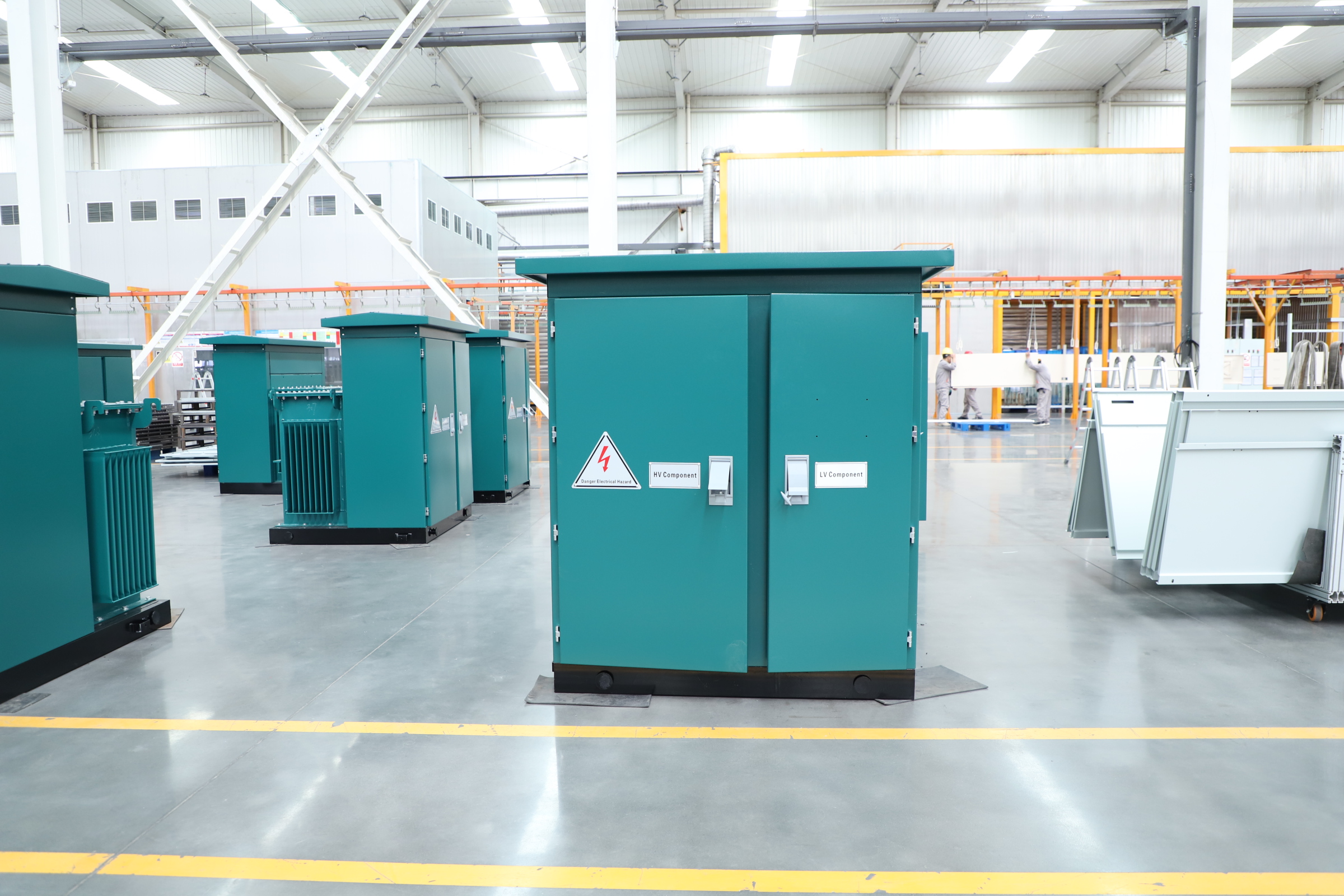
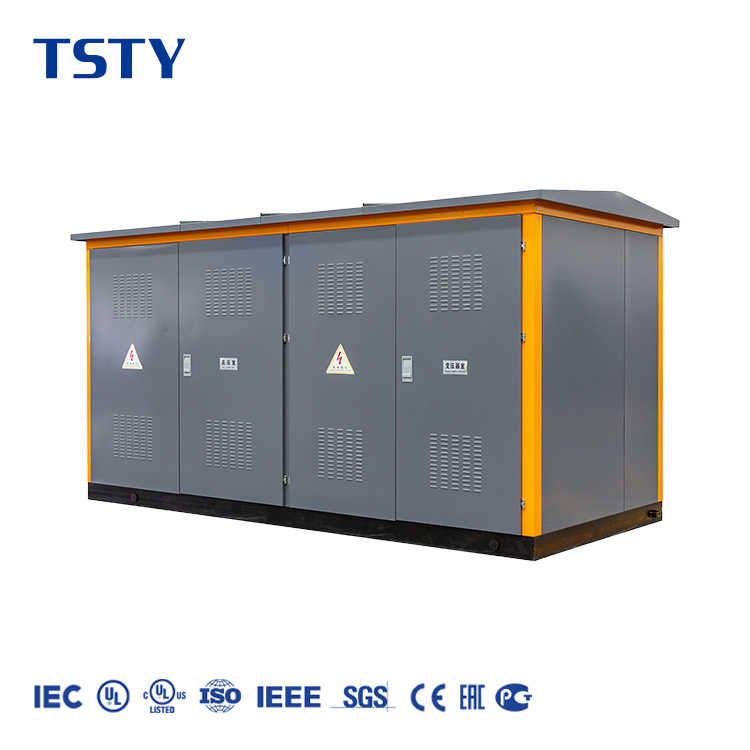
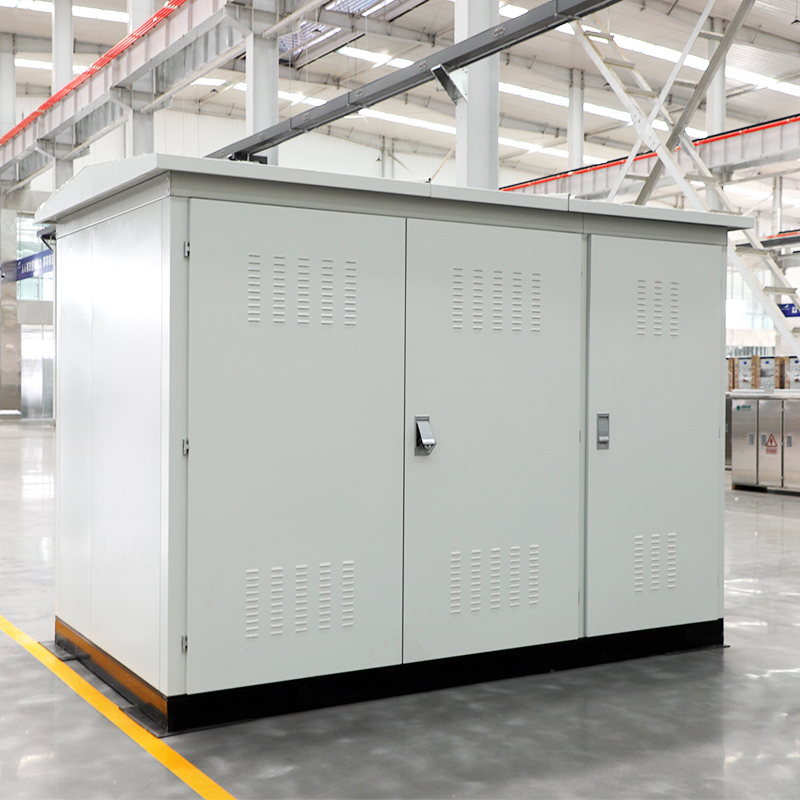
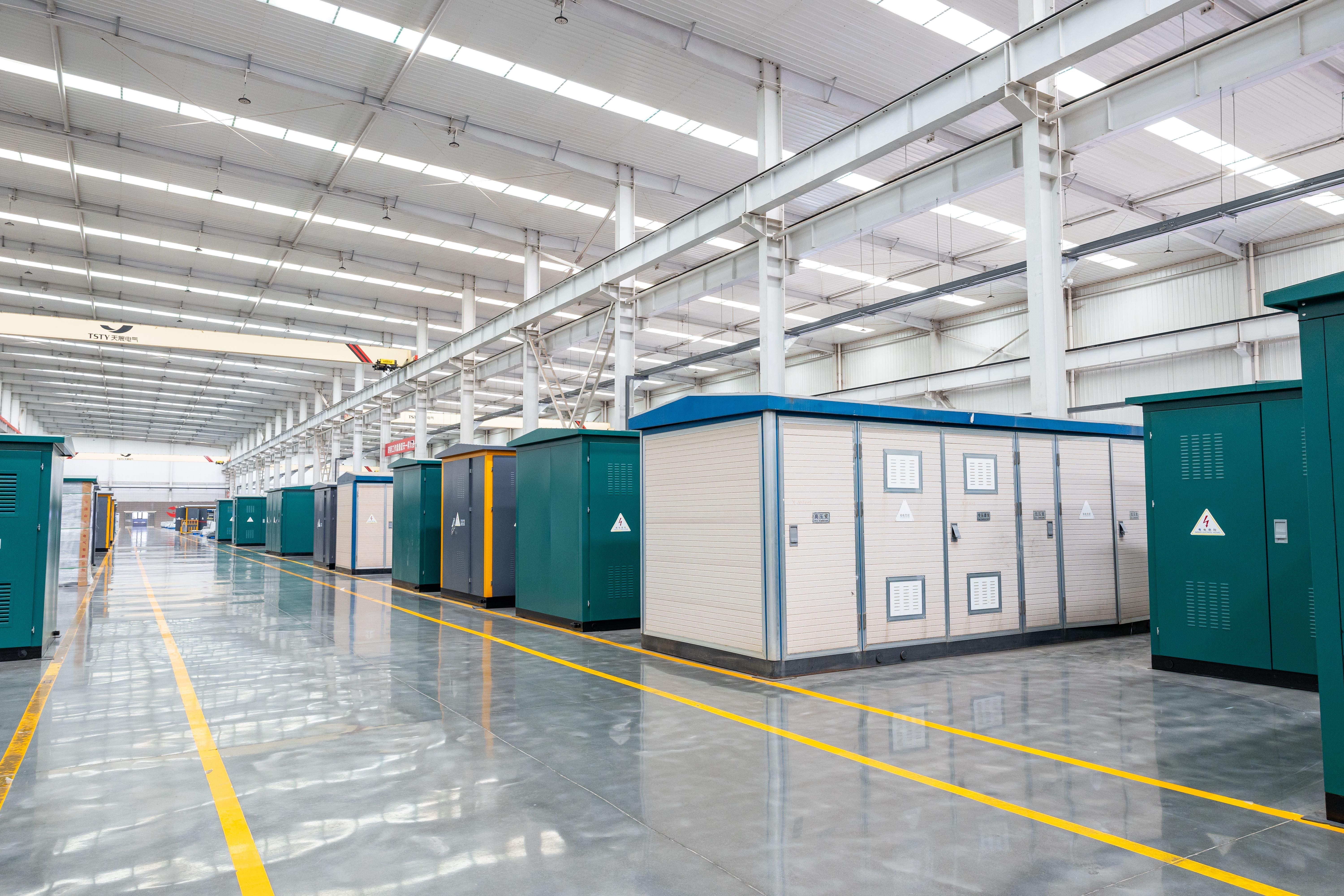
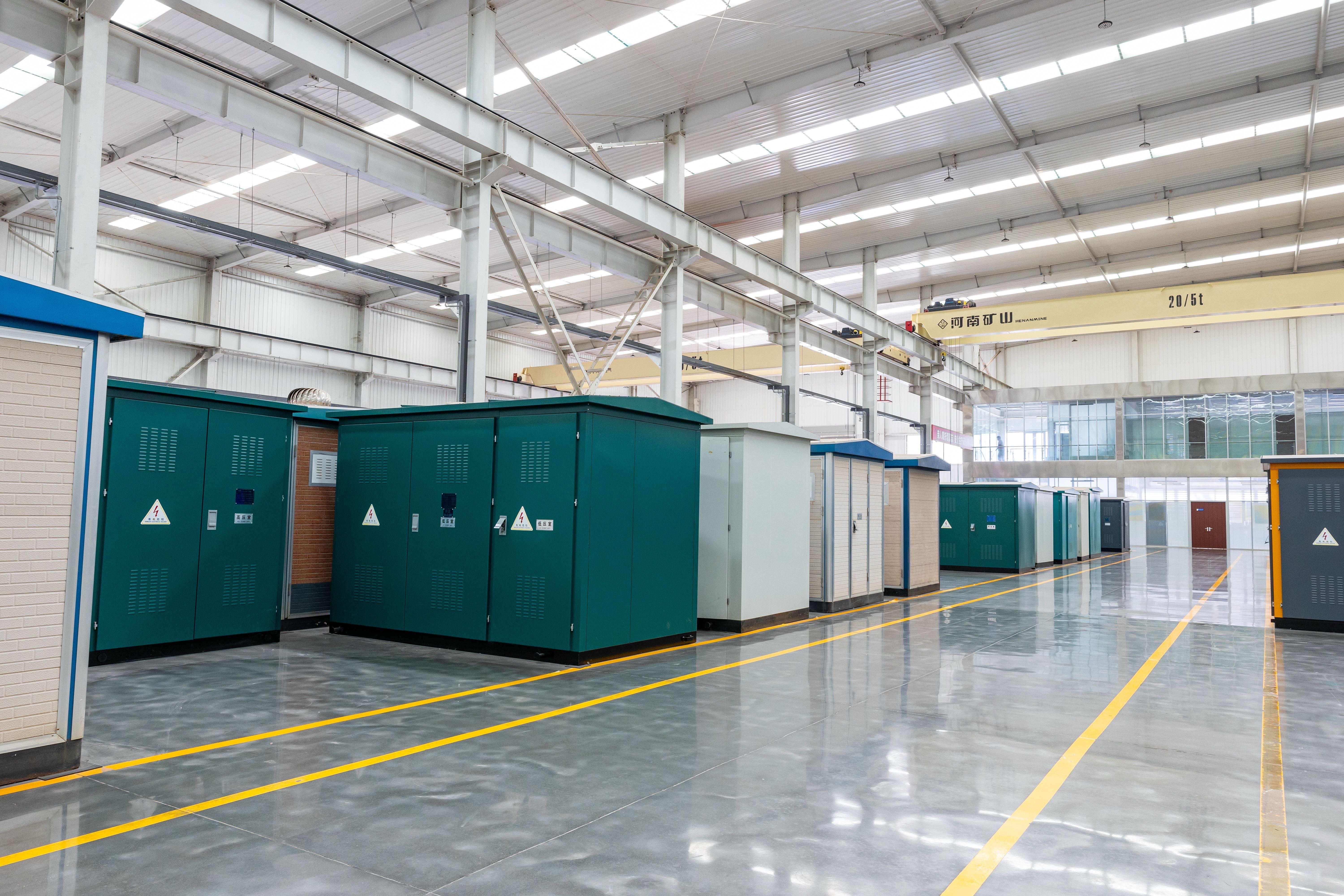
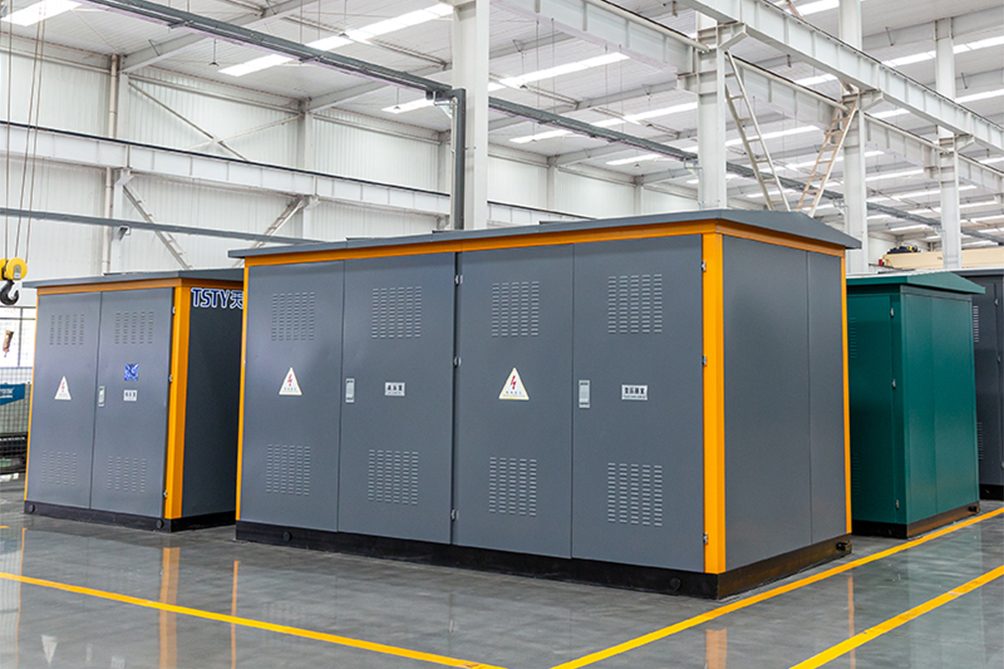
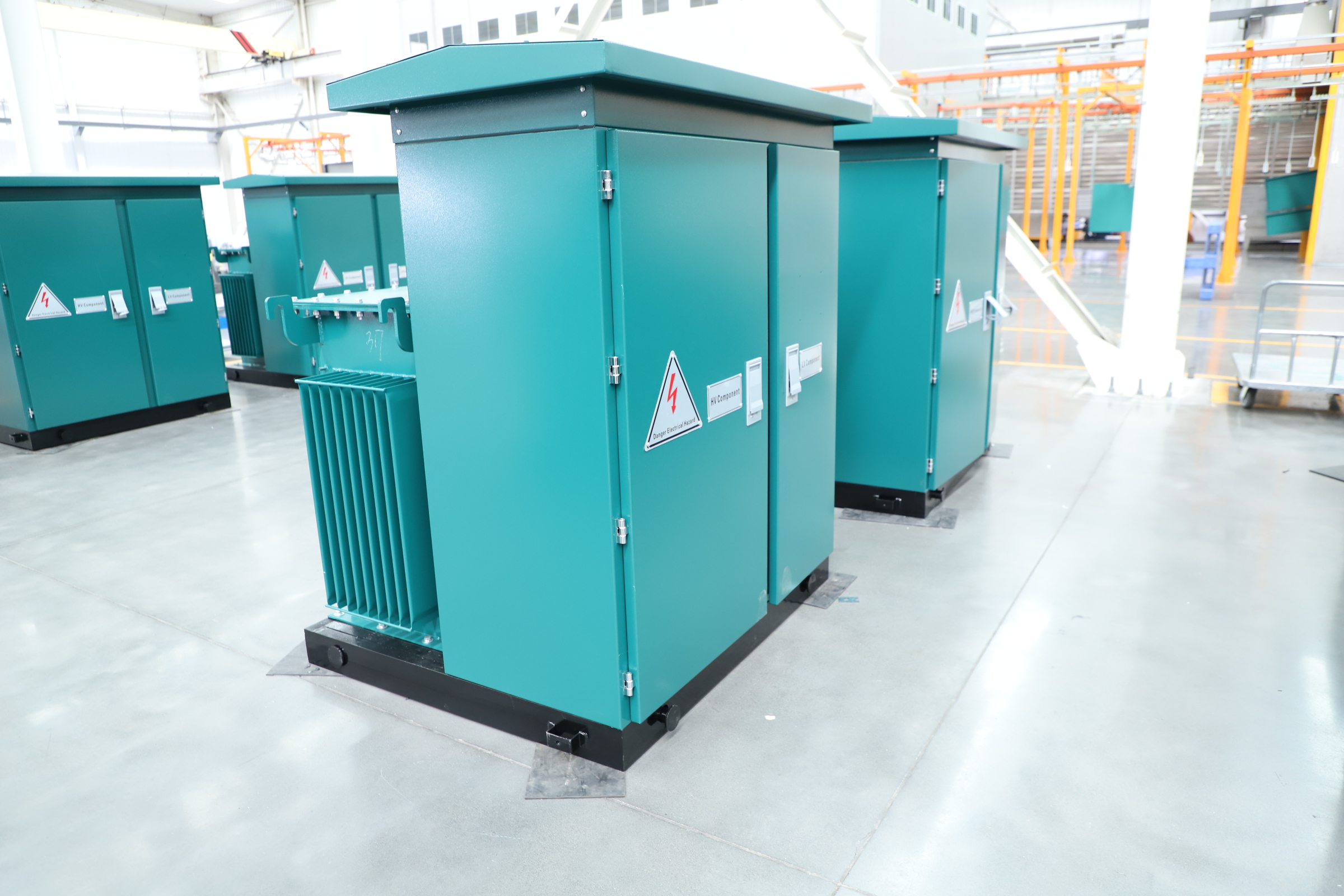
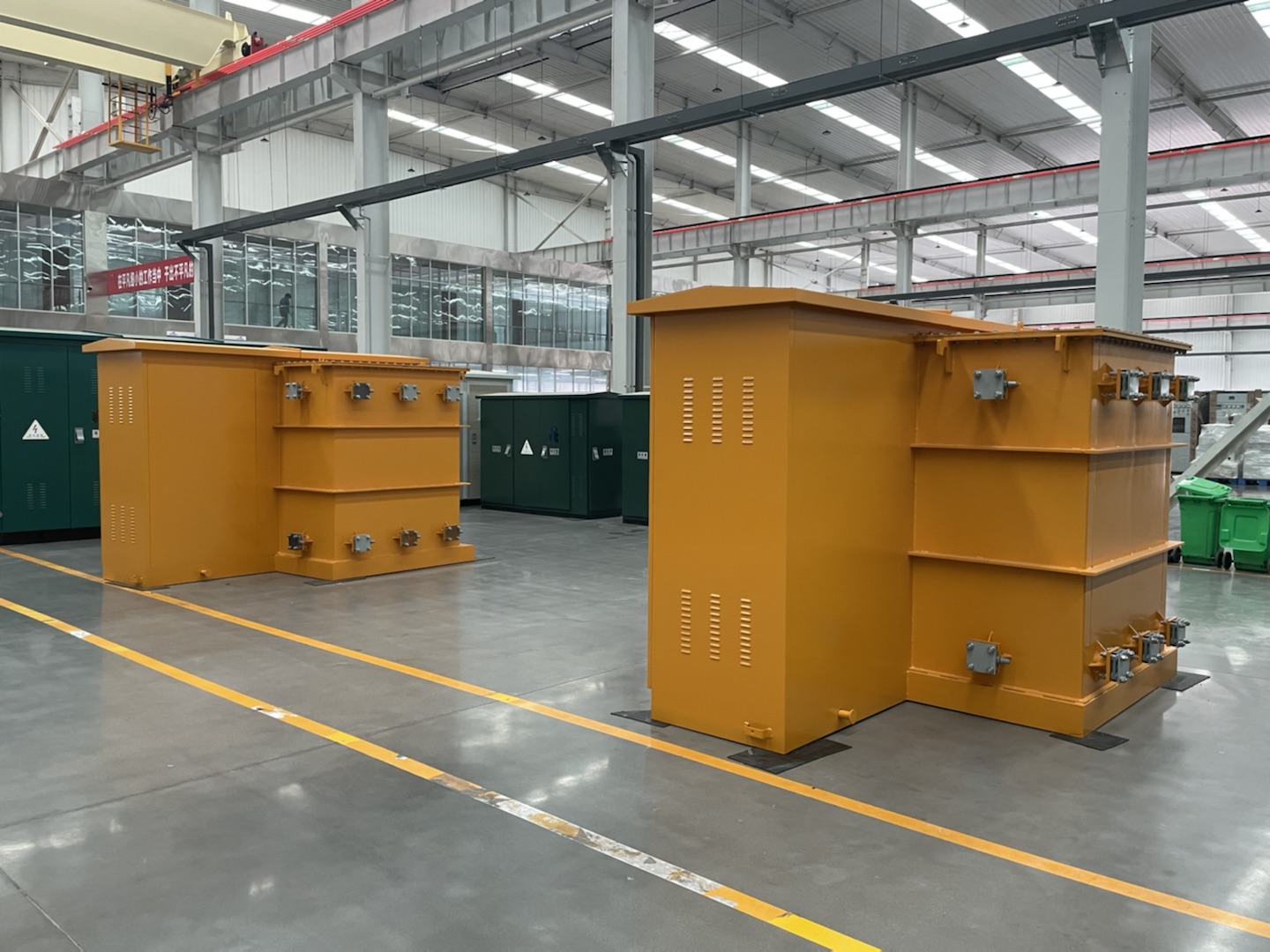
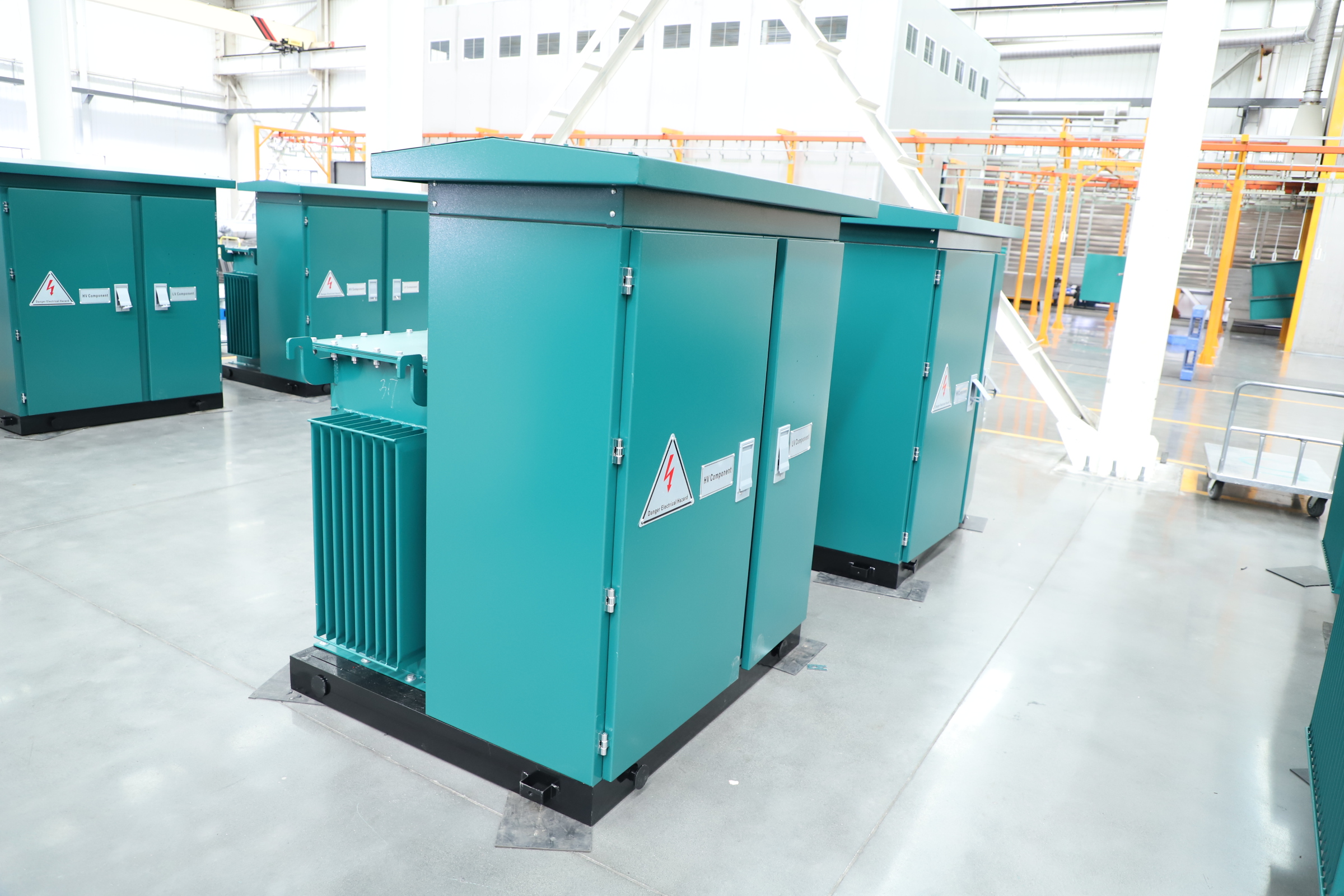
Because distribution networks vary globally, a compact transformer substation must offer structural adaptability to meet specific regional installation habits. We manufacture distinct architectural variations to satisfy these diverse requirements. For European markets and dense urban applications, we produce multi-compartment kiosks that physically separate the ring main unit, the step-down transformer, and the low-voltage panel into isolated, walk-in or non-walk-in sections. This ensures technicians only access the necessary compartment during routine maintenance. Conversely, for American utility standards, we design pad-mounted substations. In this configuration, the high-voltage fuses and low-voltage terminals are mounted directly onto the front of a sealed, tamper-proof transformer tank. This low-profile design is exceptionally discreet, making it the preferred choice for suburban neighborhoods and open commercial parks.




 EN