GIS RMU Switchgear for MV Distribution Projects

Get a Free Quote

Our representative will contact you soon.
Select your project goal
Email
Name
Company Name
Phone
Project Details
0/1000
GIS RMU for Compact Medium Voltage Distribution Systems

GIS RMU for Compact Medium Voltage Distribution Systems

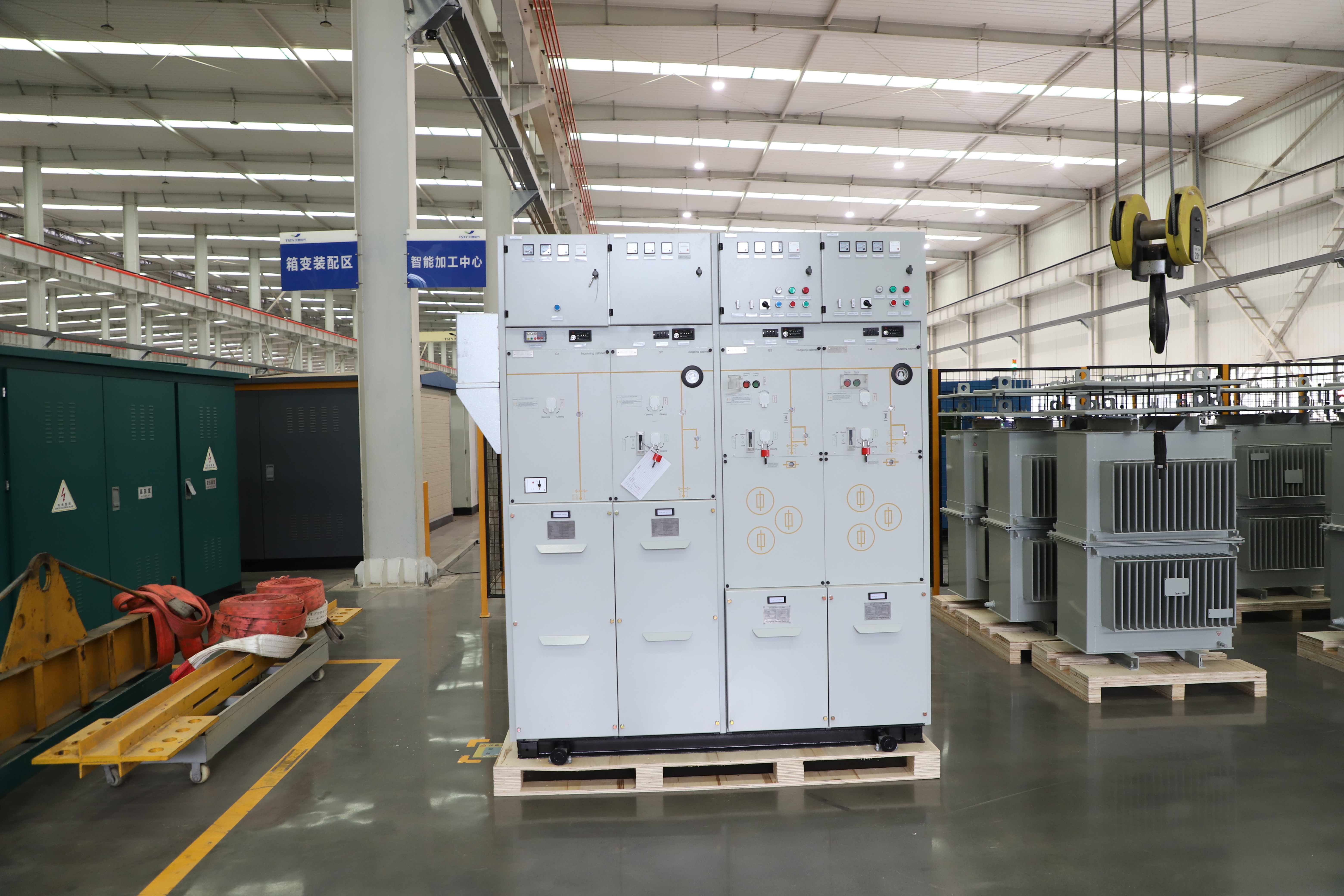
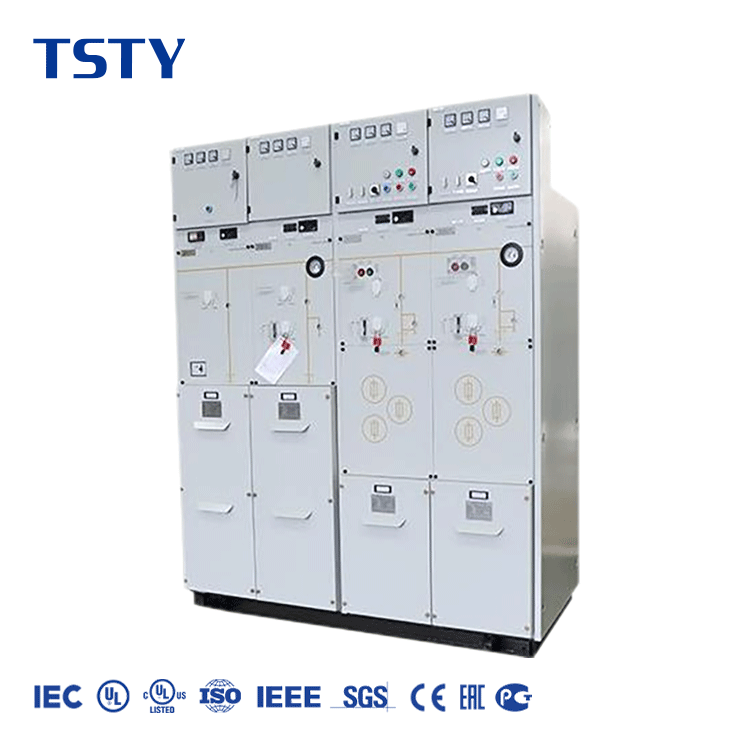
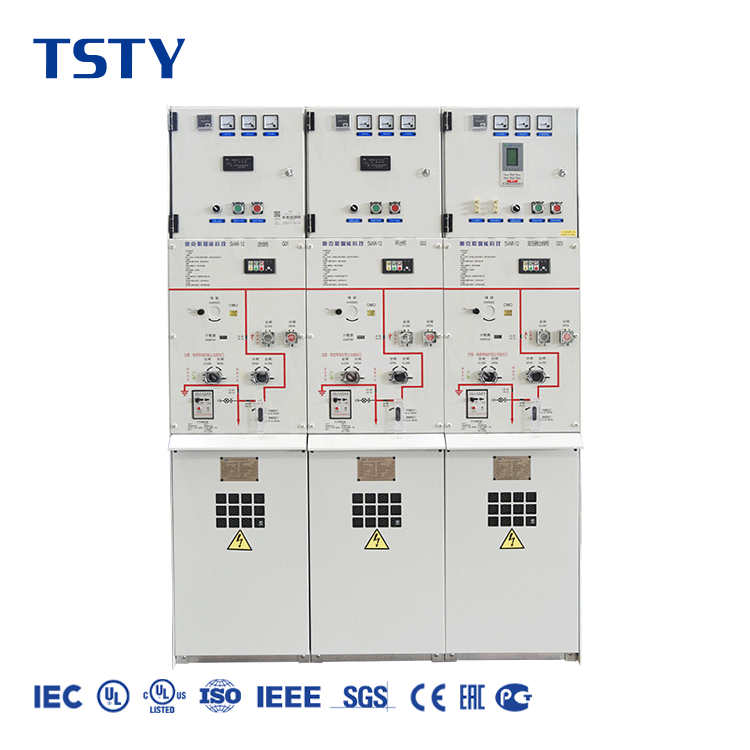
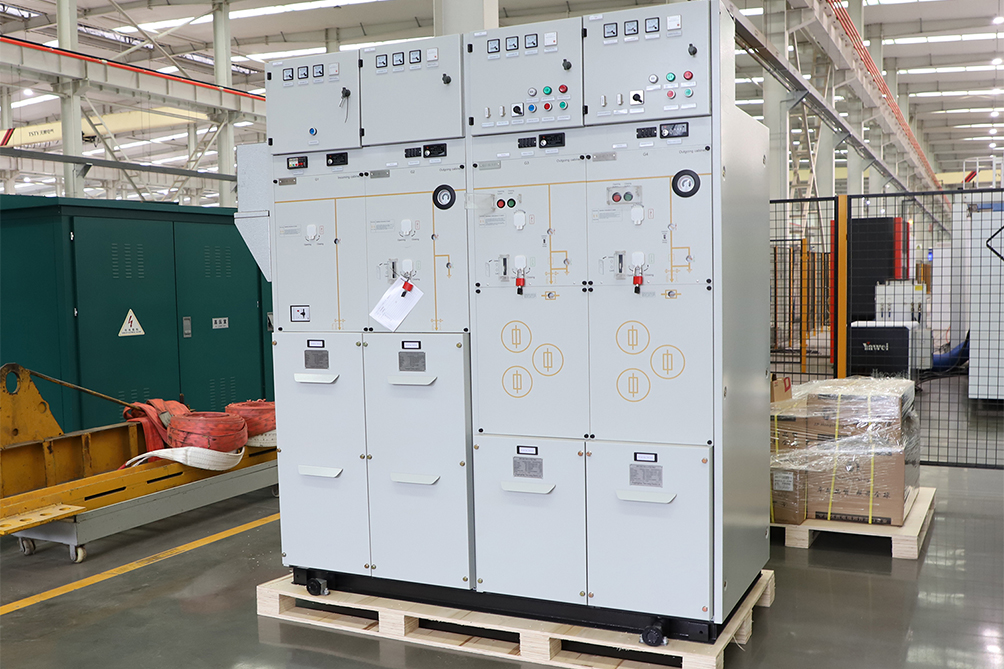
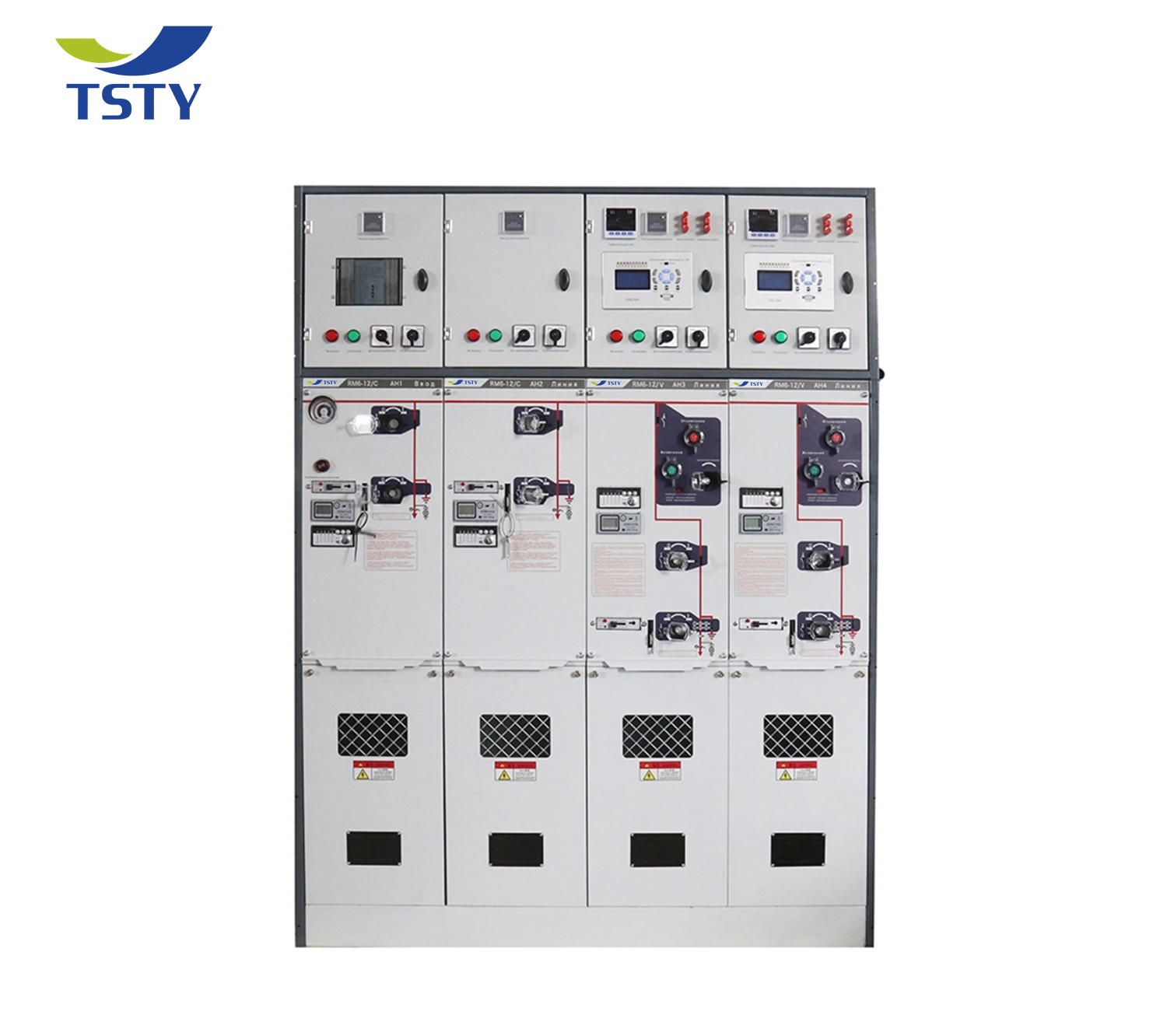
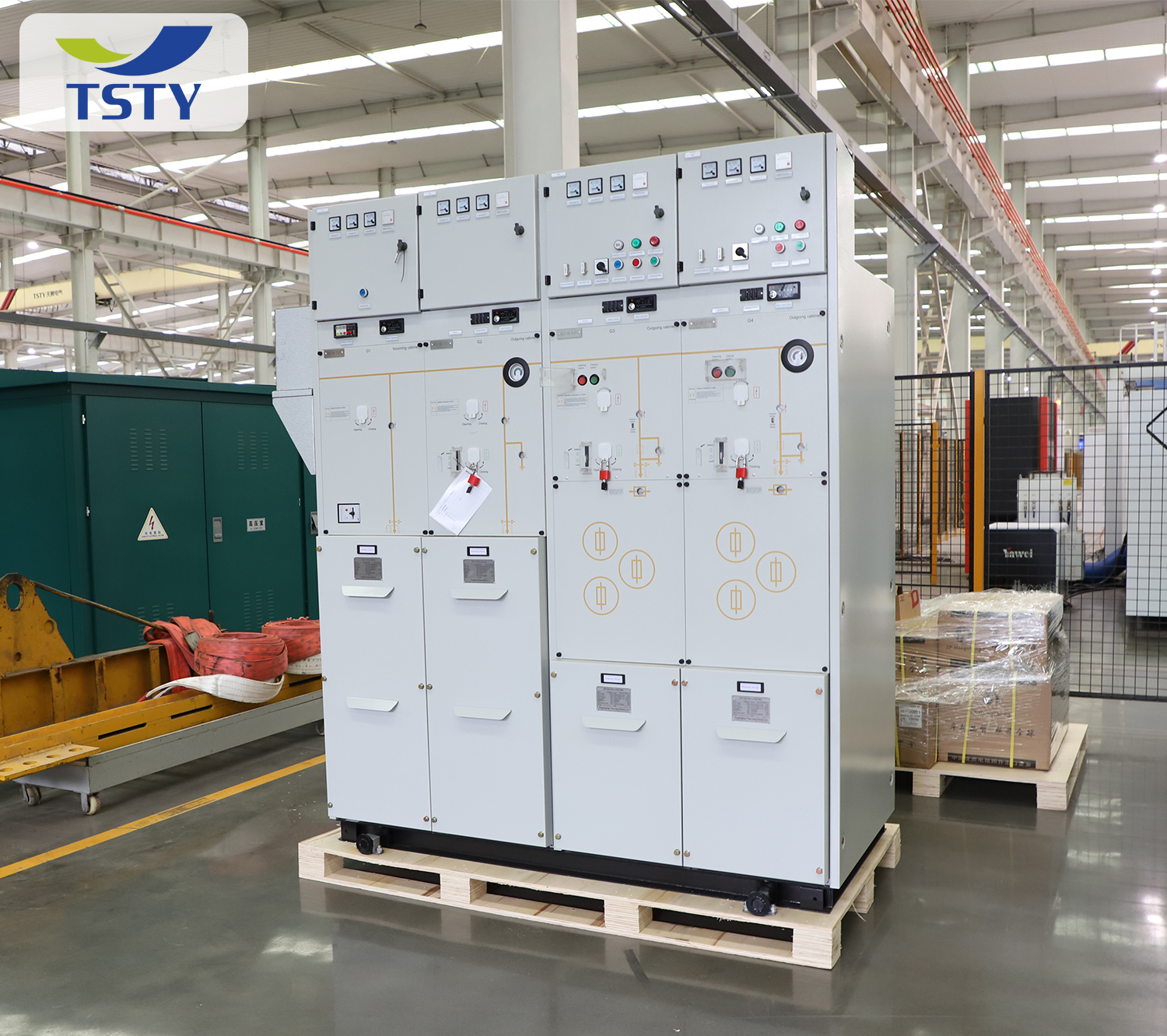
TSTY supplies gis rmu switchgear for medium voltage secondary distribution, compact substations, commercial power rooms, industrial facilities, utility networks, and renewable energy projects. A gis rmu combines gas insulated switchgear structure with ring main unit functions, supporting feeder switching, cable connection, transformer protection, load isolation, and network sectionalizing in a compact cabinet arrangement. TSTY can provide SF6 gas insulated RMU, environmentally friendly gas insulated RMU, solid insulated ring main unit alternatives, load break switch units, circuit breaker units, fuse protection units, metering units, and cable feeder panels. For buyers sourcing gis rmu equipment, TSTY supports project configuration review, technical drawings, routine test documents, packing information, and export documentation according to agreed requirements.
Get A Quote

Advantages of TSTY GIS RMU Switchgear

Gas Insulated Ring Main Unit Solutions for Practical MV Networks

Compact Gas Insulated Arrangement

TSTY gis rmu equipment uses an enclosed gas insulated structure to reduce cabinet size and support installation in substations, power rooms, industrial sites, and distribution networks with limited space.

Clear Functional Unit Combination

A gis rmu system can combine load break switch units, circuit breaker panels, fuse protection units, metering sections, cable incoming panels, and outgoing feeder units based on the single-line diagram.

Reduced Exposure of Live Components

The gas insulated design keeps key conductive parts inside an enclosed compartment, helping reduce the influence of dust, moisture, insects, and general site contamination on medium voltage operation.

Support for System-Level Matching

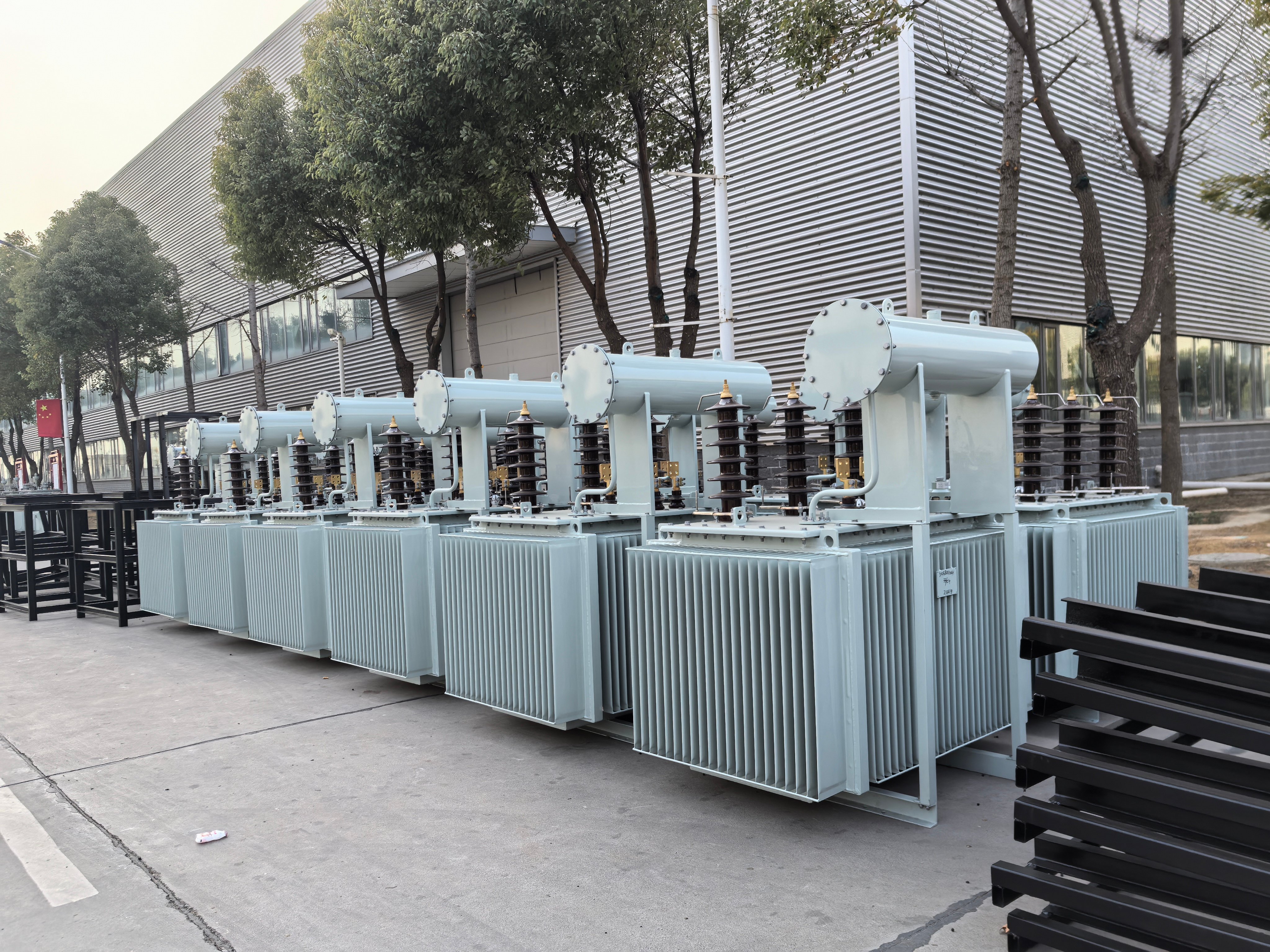
TSTY can coordinate gis rmu switchgear with transformers, compact substations, pad-mounted substations, low-voltage cabinets, and new energy box-type substations for complete distribution projects.

GIS RMU and Medium Voltage Switchgear Products

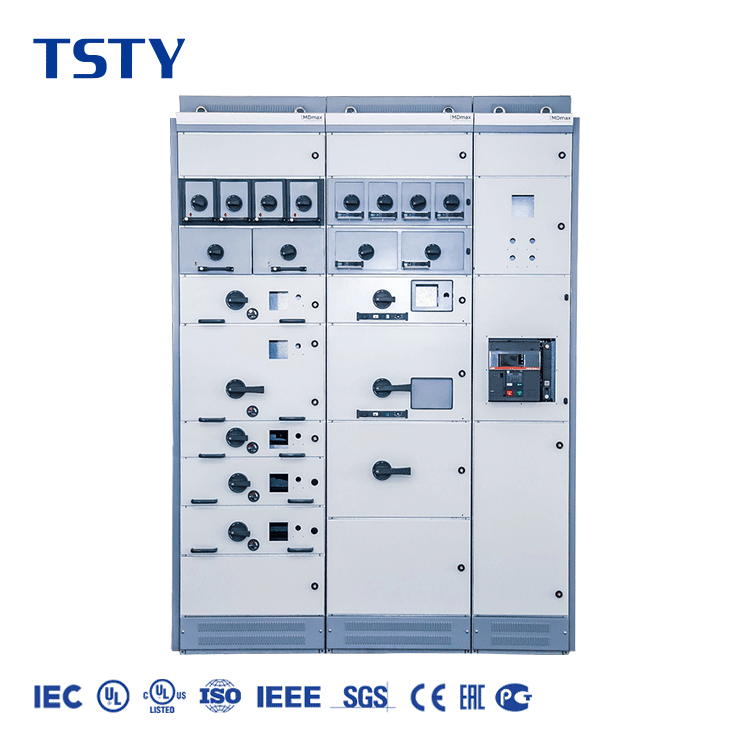
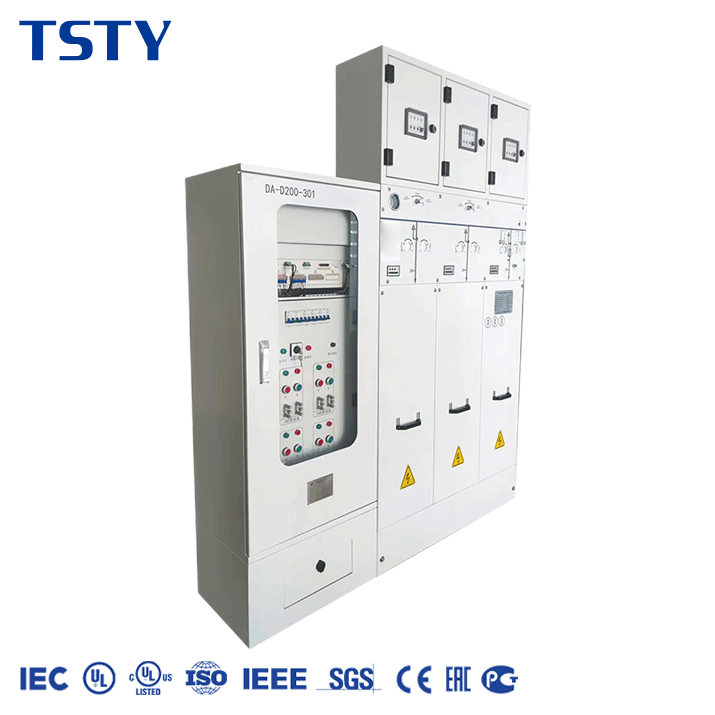
TSTY provides gis rmu products and related medium voltage distribution equipment for 11kV, 12kV, 24kV, 33kV, and project-based electrical systems. Available options include SF6 Gas Insulated RMU, Environmentally Friendly Gas Insulated RMU 12kV, Solid Insulated Ring Main Unit, HXGN-12 Ring Main Unit, and KYN28-12 MV Switchgear. A gis rmu can be configured with incoming feeders, outgoing feeders, transformer protection panels, circuit breaker units, load break switch units, metering sections, busbar arrangements, and cable compartments. It can also be supplied together with oil-immersed transformers, dry-type transformers, compact substations, pad-mounted transformers, low-voltage switchgear, and renewable energy step-up systems according to project requirements.

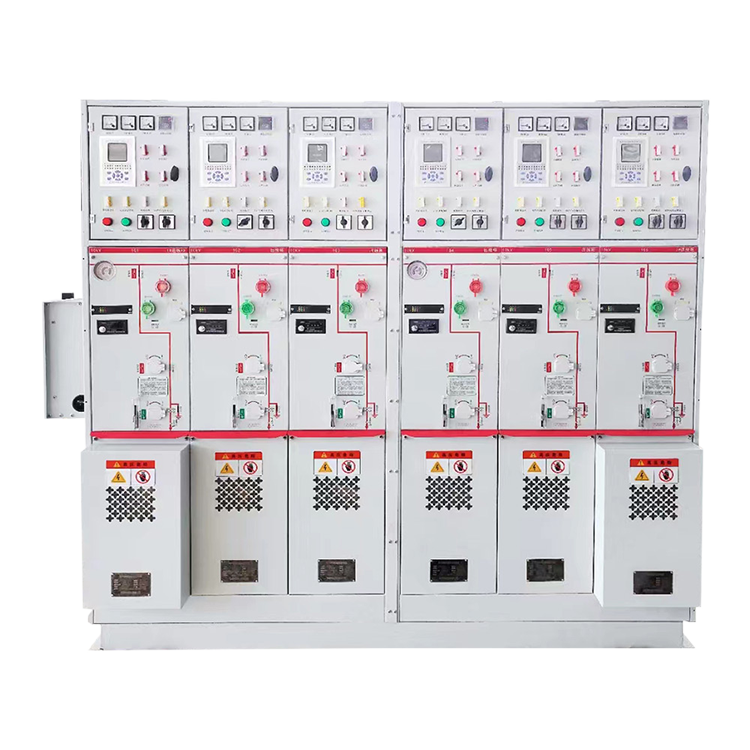
A gis rmu is a gas insulated ring main unit used in medium voltage power distribution systems. It combines the compact structure of gas insulated switchgear with the feeder connection and sectionalizing functions of a ring main unit. In practical projects, gis rmu equipment is used to control incoming cables, outgoing feeders, transformer circuits, and local distribution branches.
The main role of a gis rmu is to support stable medium voltage distribution in limited installation areas. It is commonly used in secondary distribution substations, compact substations, commercial buildings, residential power rooms, industrial plants, renewable energy stations, data center power systems, transport infrastructure, and municipal utility networks. Depending on the project design, a gis rmu may serve as an incoming unit, outgoing feeder unit, transformer protection unit, or cable sectionalizing unit.
SF6 气体柜 拷贝.png
Compared with conventional air insulated switchgear layouts, a gis rmu usually has a more compact structure because the insulation medium is contained in an enclosed gas compartment. This arrangement can be useful when the project requires reduced equipment footprint, enclosed live parts, and simplified cabinet layout. However, the final selection should still consider rated voltage, rated current, fault level, protection method, site environment, cable termination space, and maintenance access.
TSTY supports different gis rmu configurations according to the single-line diagram. Common functional units include load break switch panels, vacuum circuit breaker panels, fuse combination units, metering panels, cable incoming panels, cable outgoing panels, and earthing switch units. For transformer feeder protection, buyers can choose fuse protection or circuit breaker protection depending on transformer capacity, protection coordination, and grid requirements.
A gis rmu can be selected for 11kV, 12kV, 24kV, 33kV, or other medium voltage applications depending on local standards and project parameters. For projects using SF6 gas insulation, buyers should consider gas sealing, gas density indication, operation procedures, and local environmental management requirements. For projects with specific environmental preferences, TSTY can discuss environmentally friendly gas insulated RMU or solid insulated ring main unit alternatives.
When requesting a quotation for gis rmu switchgear, buyers should provide a single-line diagram, rated voltage, rated current, short-circuit withstand level, feeder quantity, cable entry direction, transformer capacity, protection relay requirements, metering function, installation altitude, ambient temperature, humidity level, enclosure requirement, and applicable standards. If the installation site is coastal, high-dust, high-humidity, or high-altitude, these conditions should be stated during inquiry.
TSTY can also provide technical support for export procurement. Common documents include product datasheets, general arrangement drawings, single-line diagram references, routine test reports, packing lists, nameplate information, and other agreed technical files. For EPC contractors, distributors, and utility buyers, early confirmation of gis rmu configuration helps reduce drawing revisions, cable interface issues, and project communication gaps.


Frequently Asked Questions About GIS RMU Switchgear

The following questions help buyers understand gis rmu application, configuration, selection, and technical preparation before procurement.

What is a GIS RMU?

A gis rmu is a gas insulated ring main unit used in medium voltage distribution systems. It provides feeder switching, cable connection, transformer protection, circuit isolation, and network sectionalizing functions.
A gis rmu is commonly used in secondary substations, compact substations, urban distribution networks, commercial buildings, industrial plants, renewable energy stations, and infrastructure power systems.
Common gis rmu units include load break switch panels, circuit breaker units, fuse protection units, metering sections, cable incoming panels, outgoing feeder panels, and earthing switch units.
Buyers should provide rated voltage, rated current, short-circuit level, single-line diagram, feeder quantity, protection method, cable direction, transformer capacity, installation environment, and applicable standards.
Yes. A gis rmu can be used with oil-immersed transformers, dry-type transformers, compact substations, pad-mounted transformers, and renewable energy step-up transformer systems.
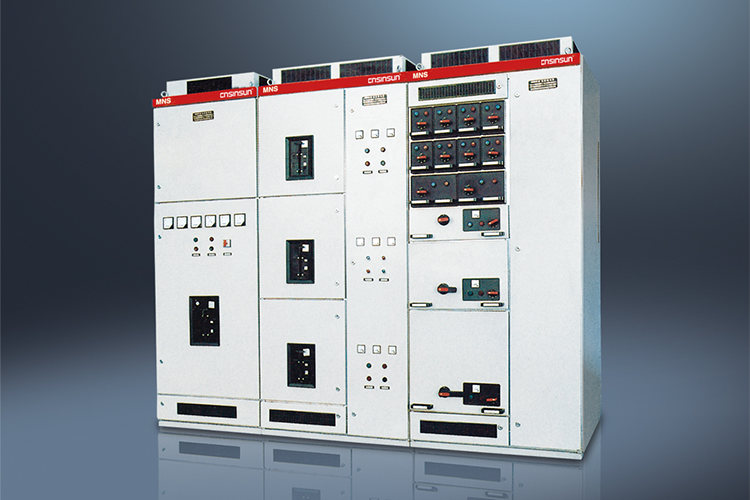
Depending on the project, buyers may consider solid insulated ring main unit, environmentally friendly gas insulated RMU, HXGN-12 RMU, KYN28 MV switchgear, or other medium voltage switchgear solutions.

Related Articles

How to Evaluate Medium Voltage Transformer Manufacturers for Global Power Projects

28

Sep

How to Evaluate Medium Voltage Transformer Manufacturers for Global Power Projects

Learn how to evaluate medium voltage transformer manufacturers for global projects. Compare testing, custom engineering, and supply chain reliability.
View More
Why GIS Medium Voltage Switchgear Is Used in Urban Substations and Industrial Facilities

28

Sep

Why GIS Medium Voltage Switchgear Is Used in Urban Substations and Industrial Facilities

Discover why gas insulated medium voltage switchgear is the top choice for urban substations and industry. Compare footprint, safety, and ROI for B2B procurement.
View More
Outdoor MV Switchgear Buying Guide: Weather Protection, Safety, and Maintenance Access

28

Sep

Outdoor MV Switchgear Buying Guide: Weather Protection, Safety, and Maintenance Access

Sourcing outdoor MV switchgear? This expert B2B guide covers essential weather protection, safety interlocks, and maintenance access for reliable power.
View More
How LV and MV Switchgear Work Together in Factories, Buildings, and Energy Projects

28

Sep

How LV and MV Switchgear Work Together in Factories, Buildings, and Energy Projects

Discover how integrated lv and mv switchgear ensures reliable power in factories and energy projects. Expert B2B procurement strategies for seamless integration.
View More

Sample Buyer Feedback Scenarios

The following sample-style comments reflect common procurement concerns when evaluating GIS RMU switchgear for medium voltage distribution projects.
Leonard Fischer
Distribution Network Planner

“The gis rmu layout helped us arrange incoming and outgoing feeders in a compact substation. Clear drawings made the technical review more direct.”

Noura Haddad
EPC Procurement Engineer

“Our project required RMU switchgear with transformer protection and metering. The configuration discussion helped us prepare a more complete inquiry package.”

Miguel Santos
Industrial Facility Electrical Manager

“We needed medium voltage switchgear for a plant power room with limited space. The gis rmu option made the feeder arrangement easier to review.”

Get a Free Quote

Our representative will contact you soon.
Select your project goal
Email
Name
Company Name
Phone
Project Details
0/1000
Gas Insulated Structure for Compact MV Layouts

Gas Insulated Structure for Compact MV Layouts

A gis rmu is often selected when a medium voltage distribution project needs a compact cabinet layout without separating every function into larger switchgear panels. TSTY supports gas insulated ring main unit configurations for secondary substations, building power rooms, utility distribution points, industrial workshops, and renewable energy collection systems. The enclosed gas compartment helps keep main conductive parts separated from common site influences such as dust, moisture, and small debris, while the cabinet can still provide feeder switching, transformer protection, cable connection, and earthing functions. Buyers can configure the gis rmu according to incoming cable quantity, outgoing feeder demand, transformer capacity, and metering requirements. Before production, TSTY can review rated voltage, rated current, fault level, cable entry direction, panel sequence, operating mechanism, and protection method, helping the supplied equipment match the actual installation layout
Configuration Review Based on Switching and Protection Needs

Configuration Review Based on Switching and Protection Needs

The correct gis rmu configuration should match the actual distribution network operation, not only the voltage rating. Some projects need two incoming feeders and one transformer feeder, while others require several outgoing cable circuits, metering sections, or circuit breaker protection. TSTY can support the selection of load break switch units, vacuum circuit breaker units, fuse combination units, earthing switches, cable compartments, busbar arrangements, and auxiliary control components according to the single-line diagram. For transformer feeders, fuse protection may suit some capacities, while circuit breaker protection is often used when relay-based protection is required. If future expansion is planned, the gis rmu layout can also be reviewed in advance. Confirming switching logic, protection coordination, cable routing, and operation access during inquiry helps reduce specification changes and installation conflicts.
Project Documentation and System Integration Support

Project Documentation and System Integration Support

For export and EPC projects, gis rmu procurement usually involves technical approval, document review, packing confirmation, shipment planning, and site acceptance preparation. TSTY can provide product datasheets, general arrangement drawings, single-line diagram references, routine test reports, packing information, and nameplate details according to the agreed supply scope. When the gis rmu is used with transformers, compact substations, pad-mounted substations, or renewable energy step-up systems, key interface details should be confirmed early, including transformer capacity, protection method, cable termination space, enclosure size, grounding position, ventilation design, and maintenance clearance. This is useful when RMU, transformer, low-voltage cabinet, and substation enclosure need to be installed as one distribution package. Clear documentation and interface review help buyers prepare procurement, installation, and commissioning work more efficiently.