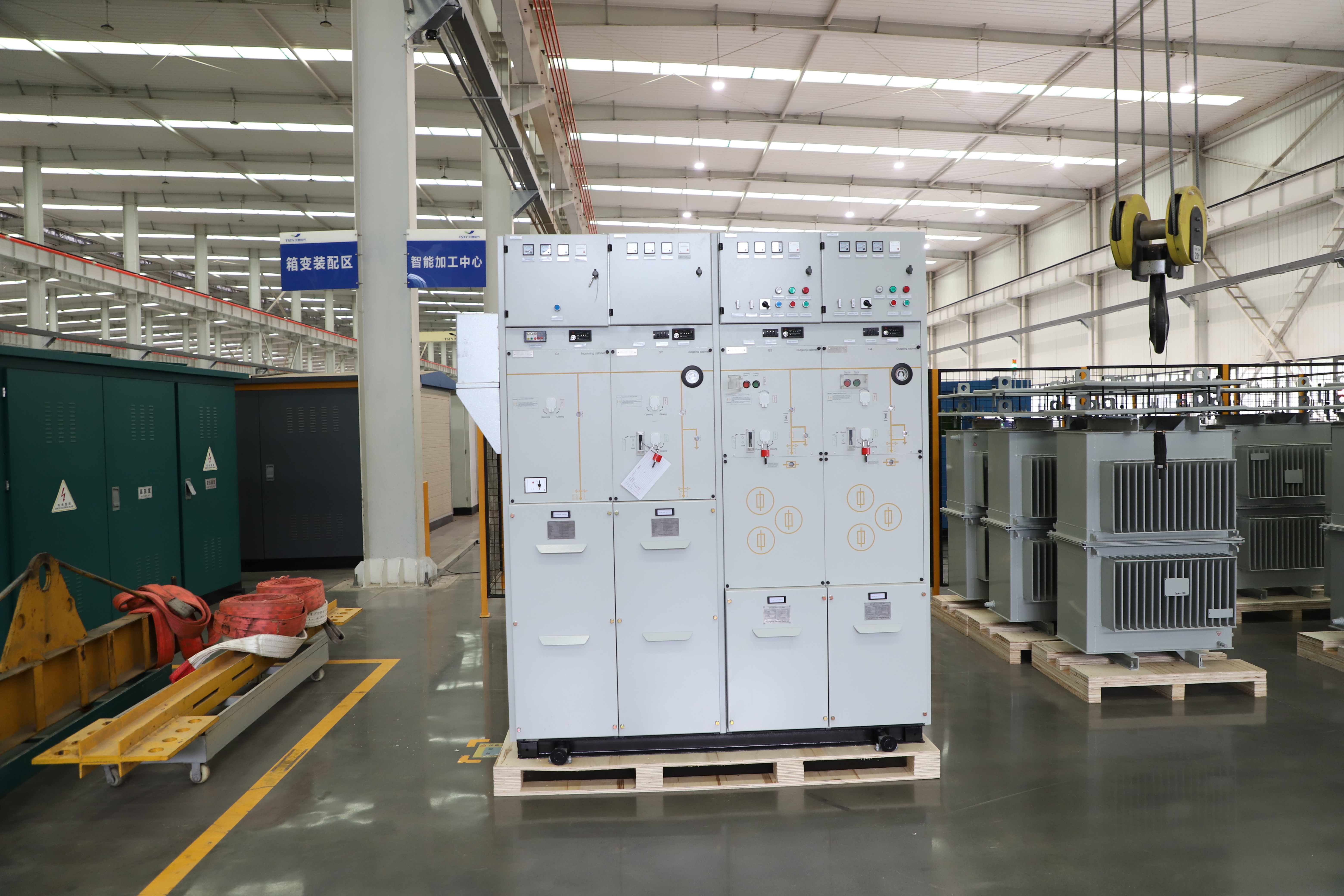
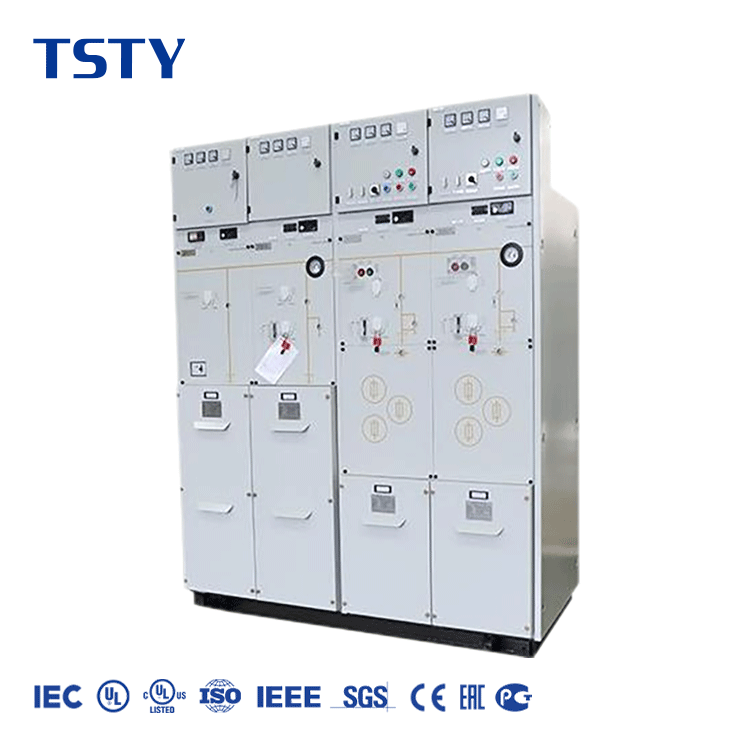
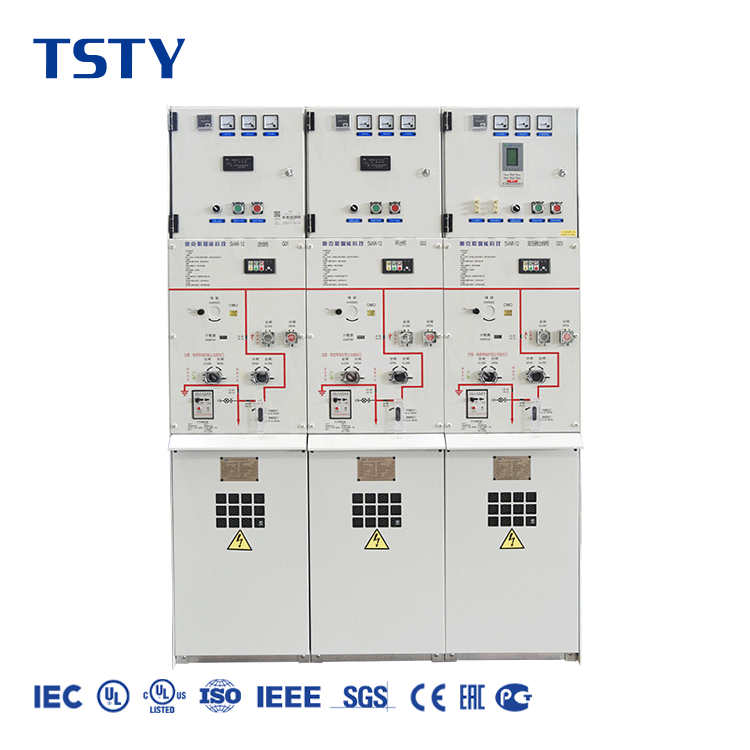
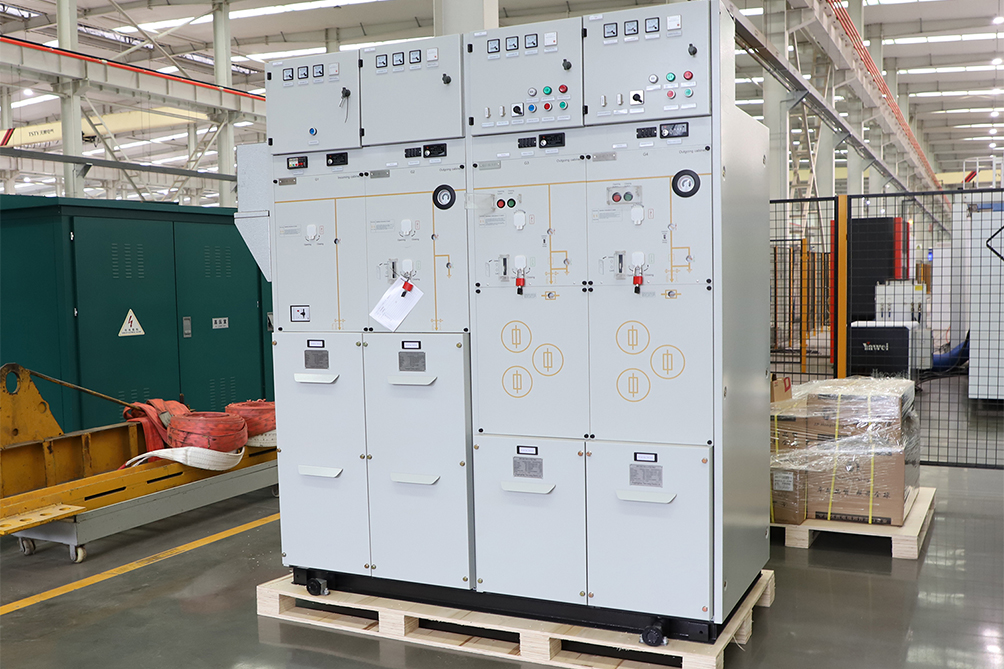
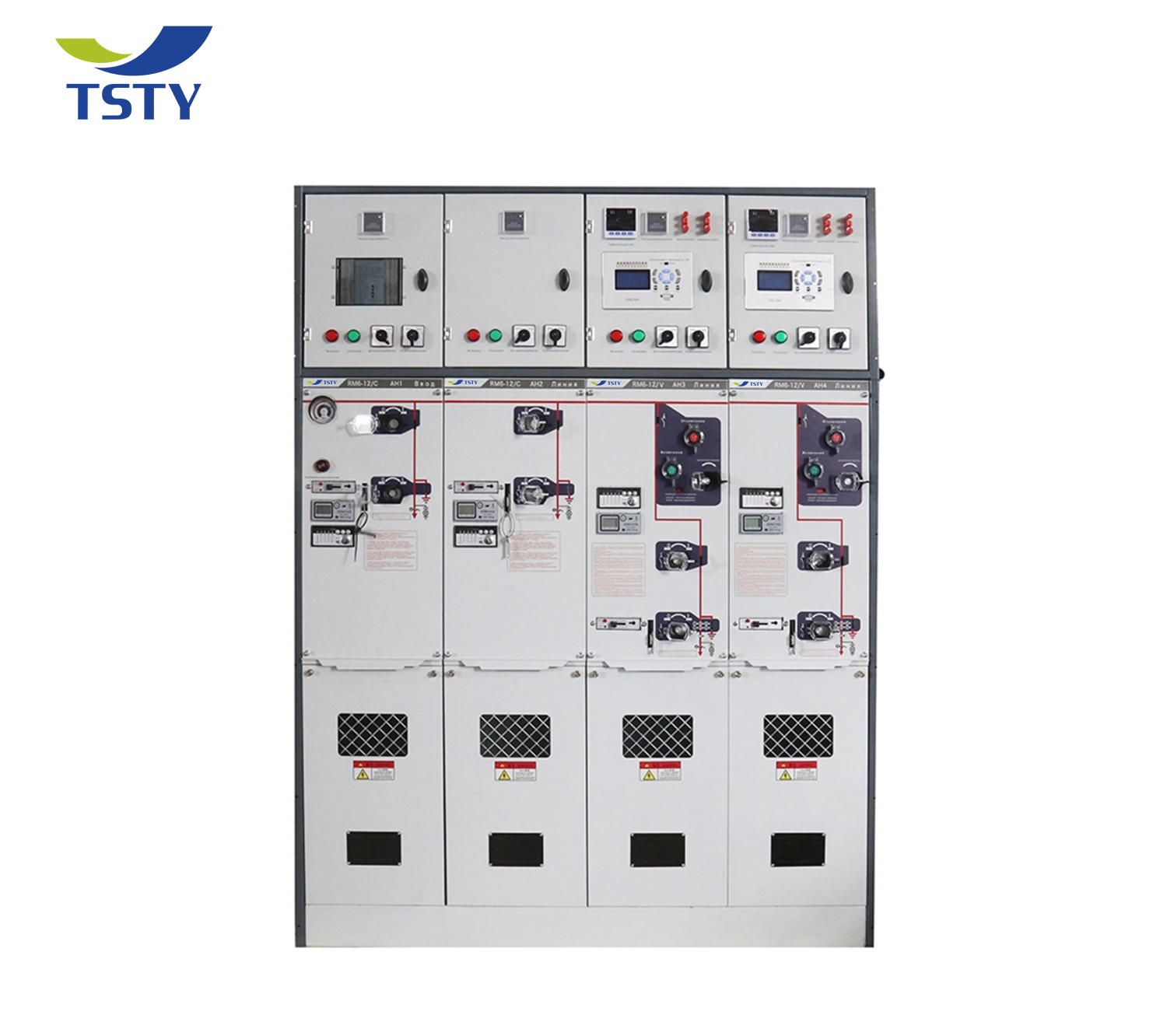
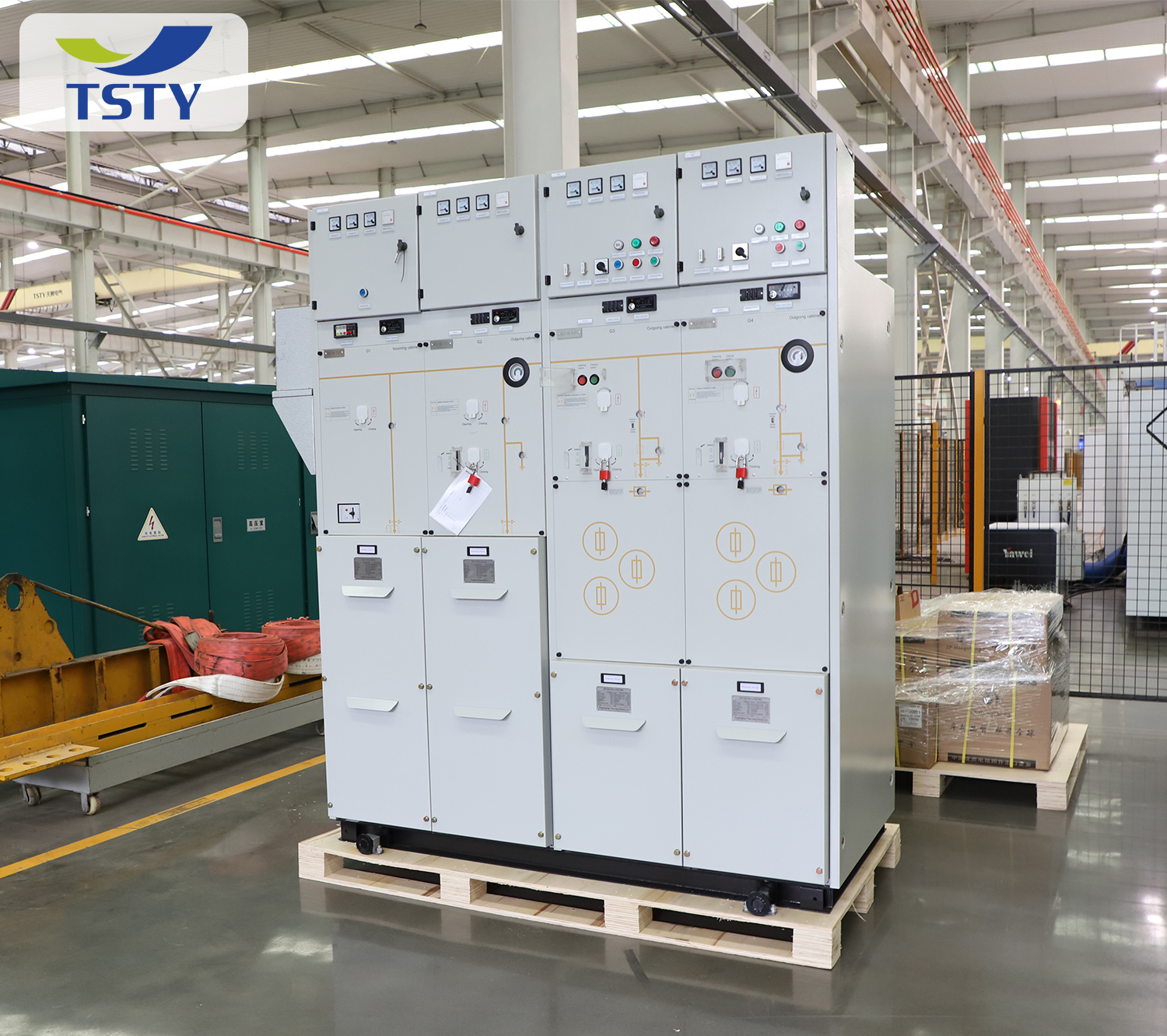
A gis rmu is a gas insulated ring main unit used in medium voltage power distribution systems. It combines the compact structure of gas insulated switchgear with the feeder connection and sectionalizing functions of a ring main unit. In practical projects, gis rmu equipment is used to control incoming cables, outgoing feeders, transformer circuits, and local distribution branches.
The main role of a gis rmu is to support stable medium voltage distribution in limited installation areas. It is commonly used in secondary distribution substations, compact substations, commercial buildings, residential power rooms, industrial plants, renewable energy stations, data center power systems, transport infrastructure, and municipal utility networks. Depending on the project design, a gis rmu may serve as an incoming unit, outgoing feeder unit, transformer protection unit, or cable sectionalizing unit.
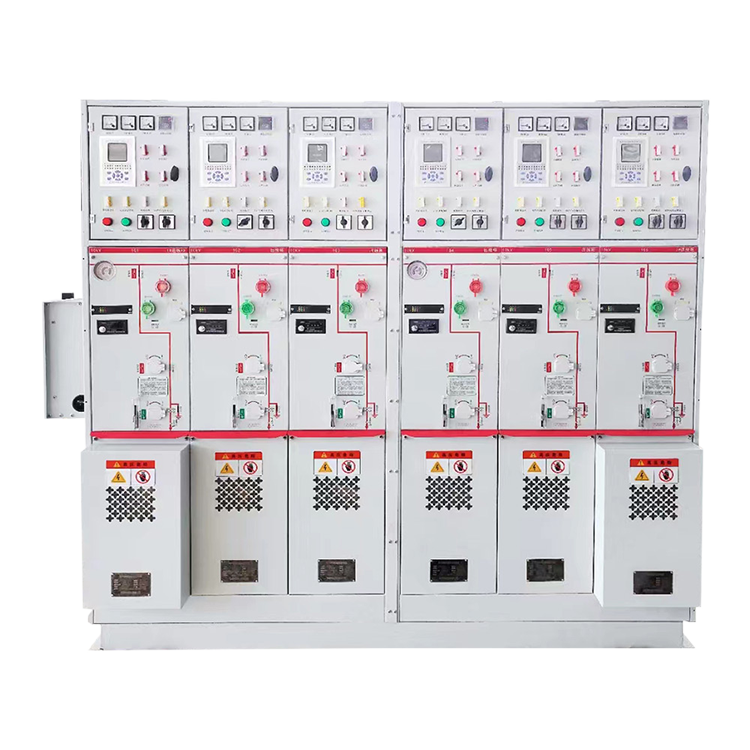
Compared with conventional air insulated switchgear layouts, a gis rmu usually has a more compact structure because the insulation medium is contained in an enclosed gas compartment. This arrangement can be useful when the project requires reduced equipment footprint, enclosed live parts, and simplified cabinet layout. However, the final selection should still consider rated voltage, rated current, fault level, protection method, site environment, cable termination space, and maintenance access.
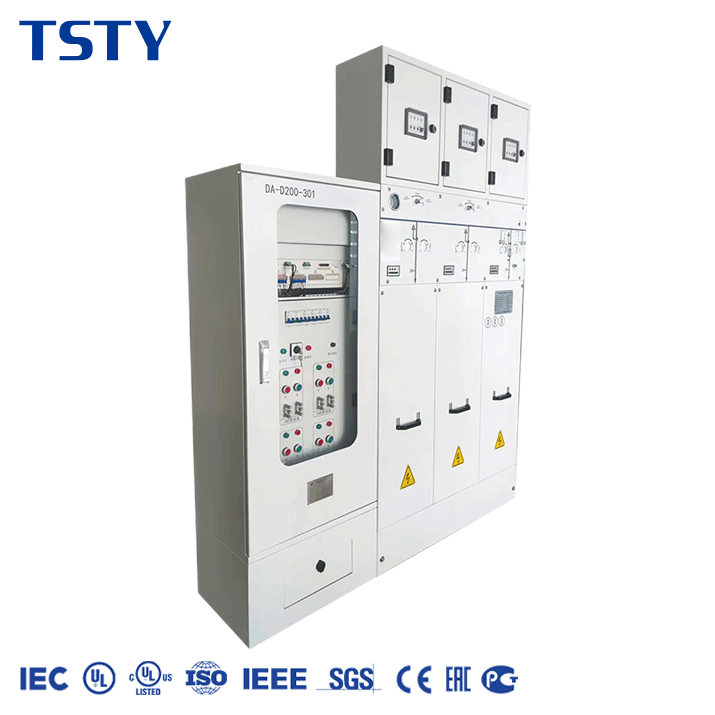
TSTY supports different gis rmu configurations according to the single-line diagram. Common functional units include load break switch panels, vacuum circuit breaker panels, fuse combination units, metering panels, cable incoming panels, cable outgoing panels, and earthing switch units. For transformer feeder protection, buyers can choose fuse protection or circuit breaker protection depending on transformer capacity, protection coordination, and grid requirements.
A gis rmu can be selected for 11kV, 12kV, 24kV, 33kV, or other medium voltage applications depending on local standards and project parameters. For projects using SF6 gas insulation, buyers should consider gas sealing, gas density indication, operation procedures, and local environmental management requirements. For projects with specific environmental preferences, TSTY can discuss environmentally friendly gas insulated RMU or solid insulated ring main unit alternatives.
When requesting a quotation for gis rmu switchgear, buyers should provide a single-line diagram, rated voltage, rated current, short-circuit withstand level, feeder quantity, cable entry direction, transformer capacity, protection relay requirements, metering function, installation altitude, ambient temperature, humidity level, enclosure requirement, and applicable standards. If the installation site is coastal, high-dust, high-humidity, or high-altitude, these conditions should be stated during inquiry.
TSTY can also provide technical support for export procurement. Common documents include product datasheets, general arrangement drawings, single-line diagram references, routine test reports, packing lists, nameplate information, and other agreed technical files. For EPC contractors, distributors, and utility buyers, early confirmation of gis rmu configuration helps reduce drawing revisions, cable interface issues, and project communication gaps.




 EN