

 EN
As global urbanization accelerates and industrial automation reaches new heights, the demand for stable, high-capacity electrical distribution has never been more critical. However, facility directors and EPC (Engineering, Procurement, and Construction) contractors are facing a dual challenge: land in urban centers is prohibitively expensive, and modern industrial environments are incredibly harsh. Traditional air-insulated equipment simply cannot overcome these hurdles.
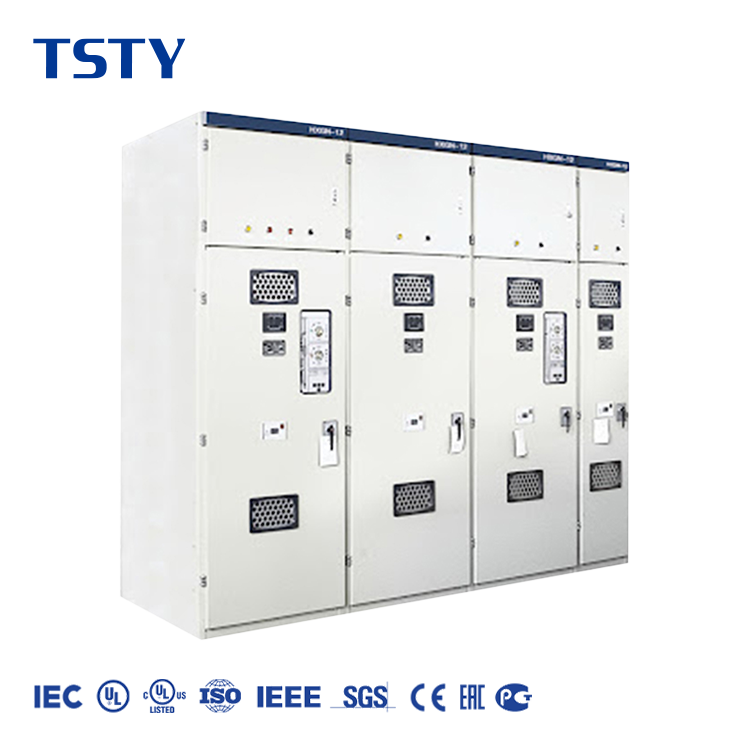
This is exactly why the gas insulated medium voltage switchgear (GIS) has become the undisputed standard for modern infrastructure.
As one of the industry's leading medium voltage switchgear manufacturers, we constantly consult with B2B buyers looking to optimize their electrical layouts. Moving from traditional air-insulated switchgear (AIS) to a sealed gas insulated medium voltage switchgear represents a fundamental upgrade in safety, footprint reduction, and operational reliability. Here is a deep dive into why this technology is taking over urban substations and heavy industrial facilities.
To understand the dominance of the gas insulated medium voltage switchgear, you must look at the science of electrical insulation. In a traditional AIS system, ambient air is used as the dielectric medium to separate high-voltage components and quench electrical arcs. Because air is a relatively poor insulator, the copper busbars must be spaced far apart, resulting in massive, bulky metal cabinets.
A gas insulated medium voltage switchgear replaces ambient air with a pressurized dielectric gas—historically sulfur hexafluoride (RMU sf6), though modern eco-gases are increasingly prevalent. SF6 possesses a dielectric strength approximately three times higher than air and exceptional arc-quenching capabilities.
By submerging the active vacuum circuit breakers and busbars inside a sealed tank of pressurized gas, engineers can place live components mere millimeters apart without the risk of an electrical short. This scientific advantage unlocks the primary benefit of the gas insulated medium voltage switchgear: massive spatial efficiency.
In dense metropolitan areas, constructing a traditional open-air or large indoor substation is often financially impossible. Land acquisition costs can destroy a project's budget before ground is even broken. Furthermore, city planners demand that electrical infrastructure be hidden within high-rise basements or compact underground vaults.
For urban substations, the gas insulated medium voltage switchgear is the ultimate problem solver.
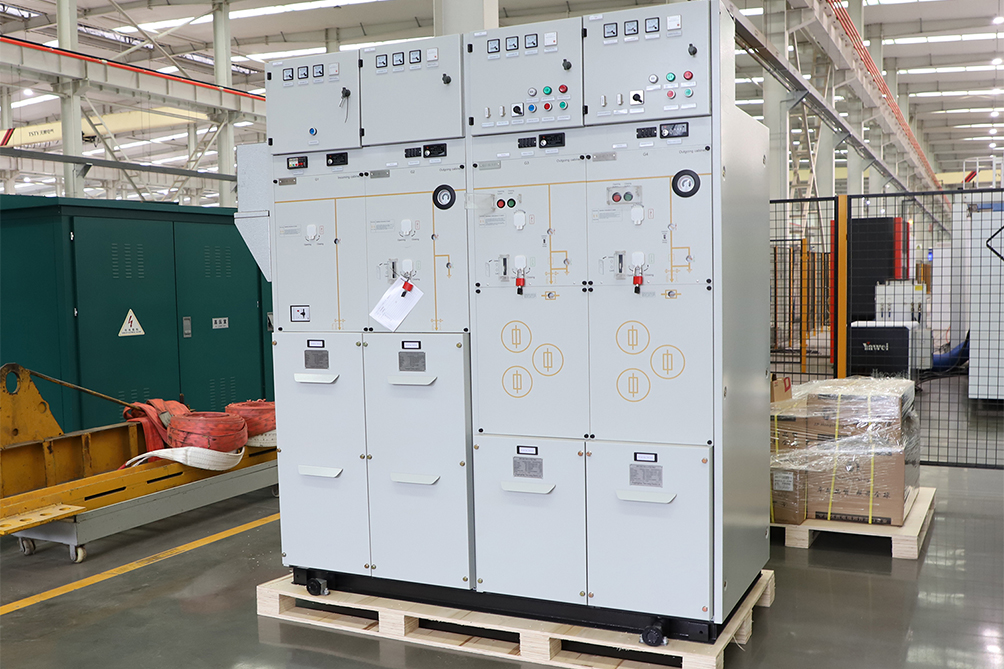
Often, for secondary urban distribution networks (like tying a commercial skyscraper into the city grid), procurement teams will specify a GIS RMU (Ring Main Unit). This highly compact, gas-insulated configuration allows utility operators to safely route and switch power in extremely confined urban vaults where a standard switchgear lineup would never fit.
While urban areas battle space constraints, industrial facilities battle the environment. In mining operations, petrochemical plants, steel mills, and coastal water treatment facilities, the air is thick with conductive dust, corrosive salt, and aggressive chemicals.
If you install air-insulated equipment in these environments, airborne contaminants will eventually settle on the busbars, causing partial discharges, rapid insulation degradation, and catastrophic arc flashes.
A gas insulated medium voltage switchgear is entirely immune to these external threats. The primary high-voltage components are hermetically sealed inside a laser-welded stainless-steel tank. Whether the facility is experiencing 100% humidity, severe sandstorms, or chemical off-gassing, the internal environment of the gas insulated medium voltage switchgear remains perfectly pristine. This "fit and forget" architecture drastically reduces maintenance intervals, virtually eliminating the need for routine internal cleaning and part replacement.
When evaluating medium voltage switchgear manufacturers, B2B procurement officers sometimes hesitate at the initial capital expenditure (CAPEX) of GIS technology. It is true that a gas insulated medium voltage switchgear carries a higher upfront price tag than traditional AIS. However, analyzing the Total Cost of Ownership (TCO) paints a vastly different picture.
To assist our B2B partners in their ROI calculations, we utilize this standardized facility assessment matrix:
|
Evaluation Metric |
Air Insulated Switchgear (AIS) |
Gas Insulated Medium Voltage Switchgear (GIS) |
|
Space Requirement |
High (Requires large, dedicated switchgear rooms) |
Minimal (Reduces real estate footprint by up to 80%) |
|
Environmental Vulnerability |
High (Prone to dust, moisture, and pest ingress) |
Zero (Hermetically sealed stainless-steel gas tank) |
|
Maintenance Frequency |
High (Requires regular cleaning, visual inspections) |
Extremely Low (Sealed for life, virtually maintenance-free) |
|
Personnel Safety |
Standard safety interlocks, higher arc flash risk |
Maximum safety, enclosed arcs, touch-proof design |
|
Long-Term TCO |
Lower CAPEX, High OPEX (Labor, repairs, land) |
Higher CAPEX, Extremely Low OPEX (Rapid ROI) |
When you factor in the saved real estate costs, the elimination of costly maintenance shutdowns, and the vastly increased lifespan of the equipment, a gas insulated medium voltage switchgear typically pays for its premium within the first five years of operation.
Furthermore, the technology scales beautifully. Once a facility's engineers are trained on the operational philosophy of a medium-voltage GIS, upgrading the main incoming grid tie to a high voltage gas insulated switchgear becomes a seamless transition.
In heavy industry and dense urban zones, an arc flash is a worst-case scenario. It can cause lethal injuries and millions of dollars in equipment damage. Because the live parts of a gas insulated medium voltage switchgear are isolated within a grounded metal enclosure filled with highly effective arc-quenching gas, the risk of an internal arc fault is mathematically driven down to near zero.
Even in the highly unlikely event of a fault, the robust tank design of the gas insulated medium voltage switchgear contains the explosive energy and safely vents it away from human operators.
The modernization of power grids and the expansion of heavy industry require electrical infrastructure that refuses to compromise. By shrinking the facility footprint, completely neutralizing environmental hazards, and guaranteeing operator safety, the gas insulated medium voltage switchgear has proven itself as the premier choice for demanding projects.
As B2B buyers navigate the complexities of global infrastructure development, partnering with experienced medium voltage switchgear manufacturers is the most critical step. You need a supplier capable of executing precise laser-welding, stringent gas-leakage testing, and seamless integration with your wider substation architecture.
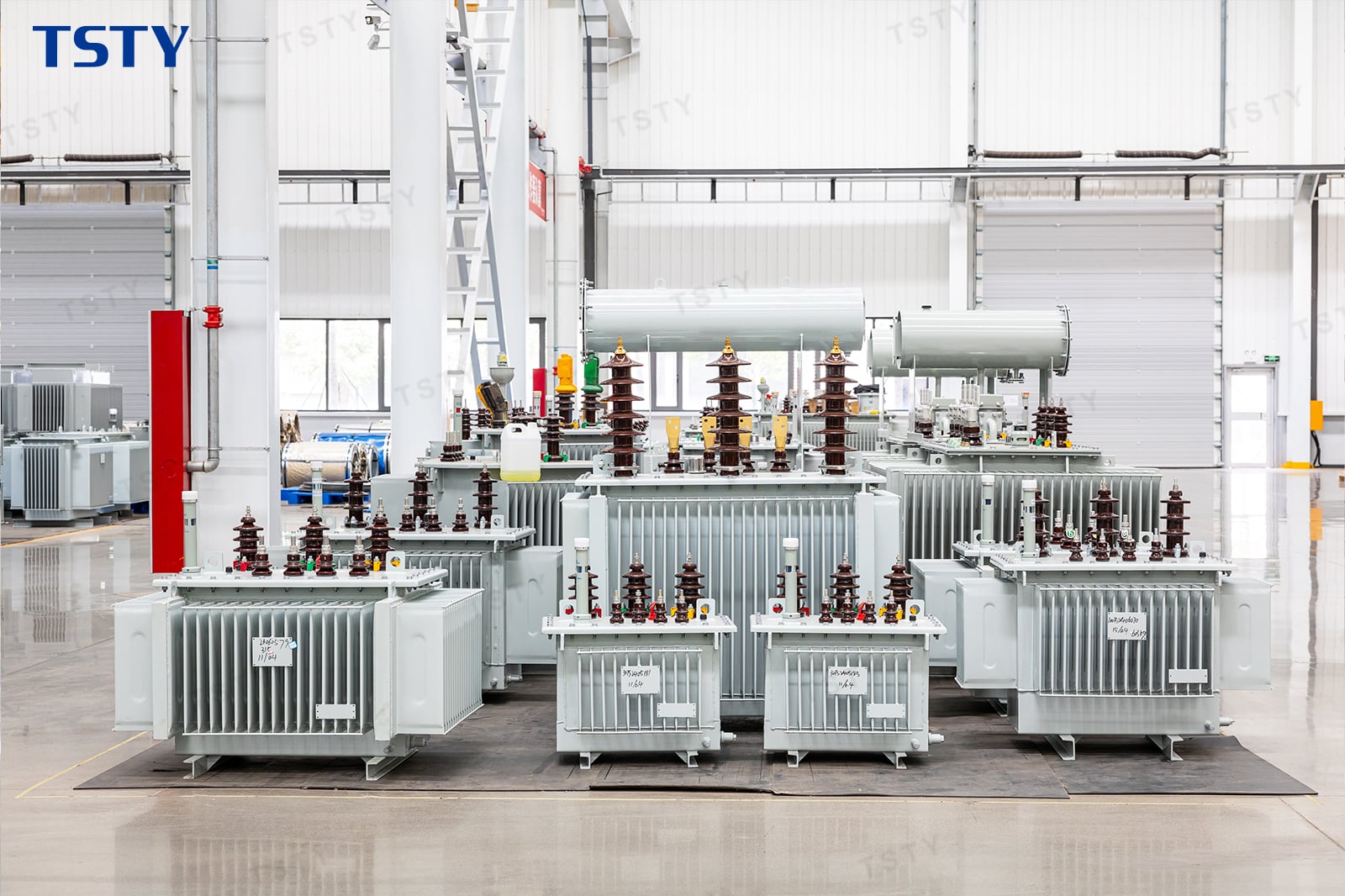
Are you ready to optimize your next urban or industrial power project? Connect with our engineering and technical sales teams today. We offer highly customized gas insulated medium voltage switchgear solutions—alongside a complete portfolio of transformers and compact substations—designed specifically to maximize your spatial efficiency and operational reliability.