Outdoor Ring Main Unit for MV Distribution Sites

Get a Free Quote

Our representative will contact you soon.
Select your project goal
Email
Name
Company Name
Phone
Project Details
0/1000
Outdoor Ring Main Unit for MV Power Distribution Sites

Outdoor Ring Main Unit for MV Power Distribution Sites

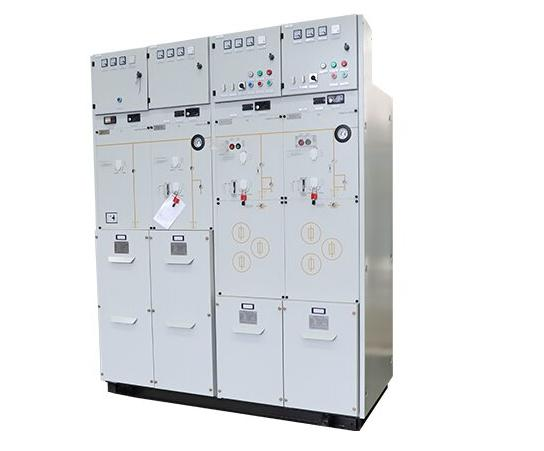
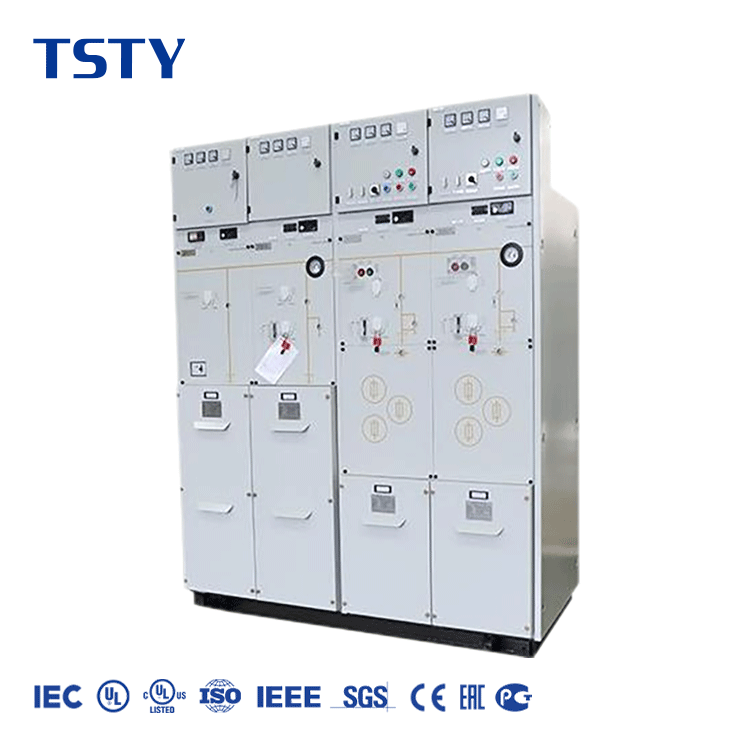
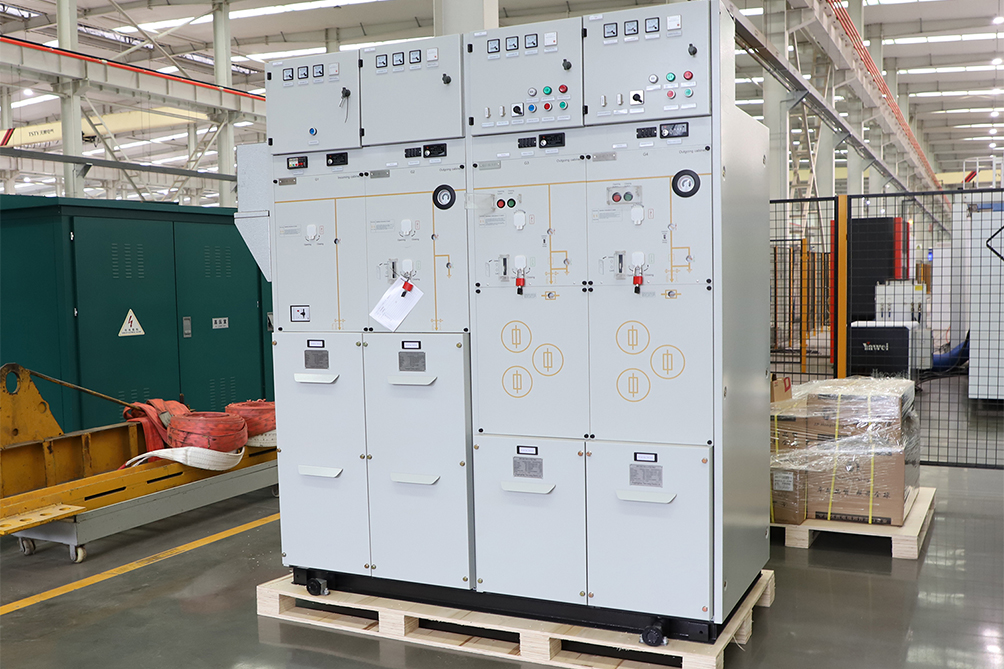
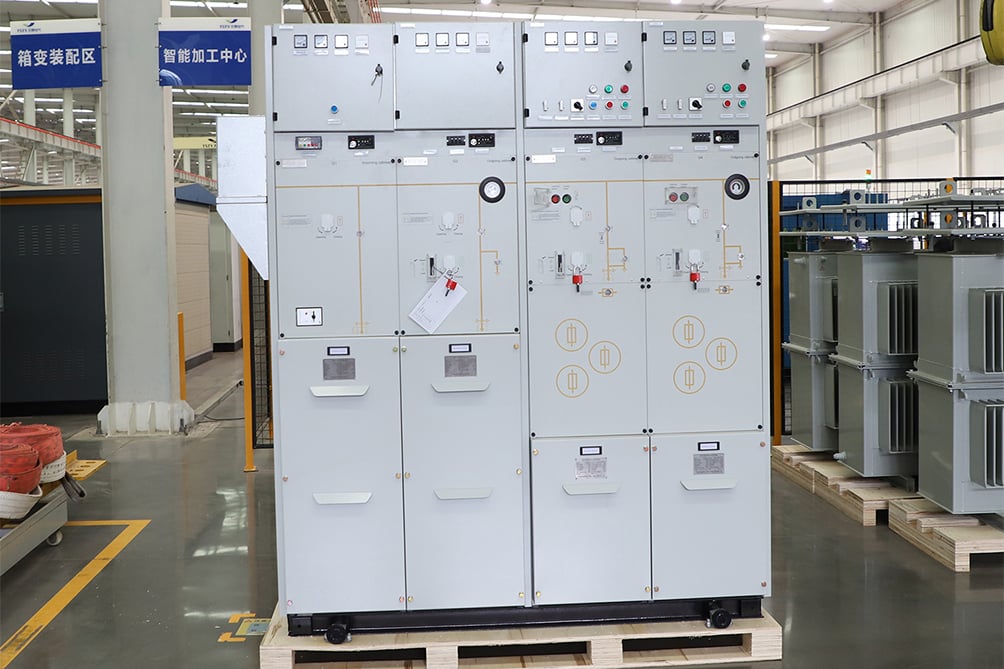
TSTY supplies outdoor ring main unit solutions for medium voltage distribution projects where RMU switchgear must be installed in outdoor substations, compact power stations, industrial yards, renewable energy sites, utility feeders, and infrastructure power supply points. An outdoor ring main unit is used for cable switching, feeder sectionalizing, transformer protection, load control, and local isolation in 11kV, 12kV, 24kV, 33kV, and project-based distribution systems. Compared with indoor RMU installation, outdoor applications require attention to enclosure protection, cable entry, foundation design, drainage, anti-corrosion treatment, operating access, and site safety clearance. TSTY can provide SF6 gas insulated RMU, environmentally friendly gas insulated RMU, solid insulated RMU, and related MV switchgear configurations according to the single-line diagram and installation conditions.
Get A Quote

Advantages of TSTY Outdoor Ring Main Unit Solutions

Medium Voltage RMU Switchgear for Outdoor Substation and Feeder Applications

Designed for Outdoor Installation Planning

TSTY outdoor ring main unit solutions can be matched with outdoor enclosures, cable trenches, concrete foundations, transformer areas, and compact substation layouts according to project site drawings.

Practical Feeder and Transformer Control

An outdoor ring main unit supports incoming cable connection, outgoing feeder switching, transformer protection, earthing operation, and distribution network sectionalizing in medium voltage systems.

Adaptable Enclosure and Cable Entry Options

TSTY can discuss bottom cable entry, side cable entry, front operation, rear maintenance, rain protection, ventilation, anti-condensation measures, and corrosion-resistant enclosure treatment based on site conditions.

Suitable for Distributed Power Sites

The outdoor ring main unit can be used in solar plants, wind power stations, industrial parks, rural distribution networks, mining facilities, pump stations, road infrastructure, and utility power points.

Outdoor Ring Main Unit and MV Distribution Equipment

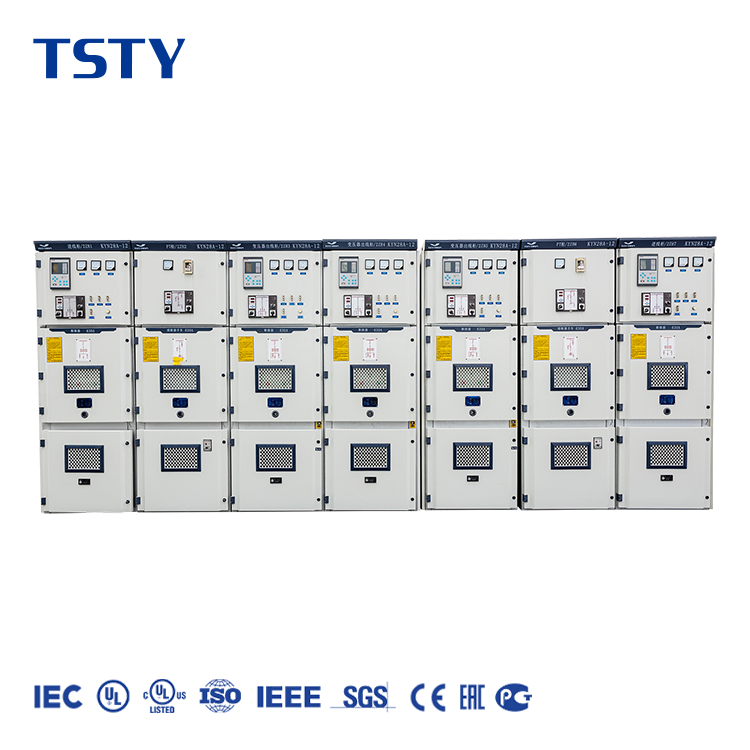
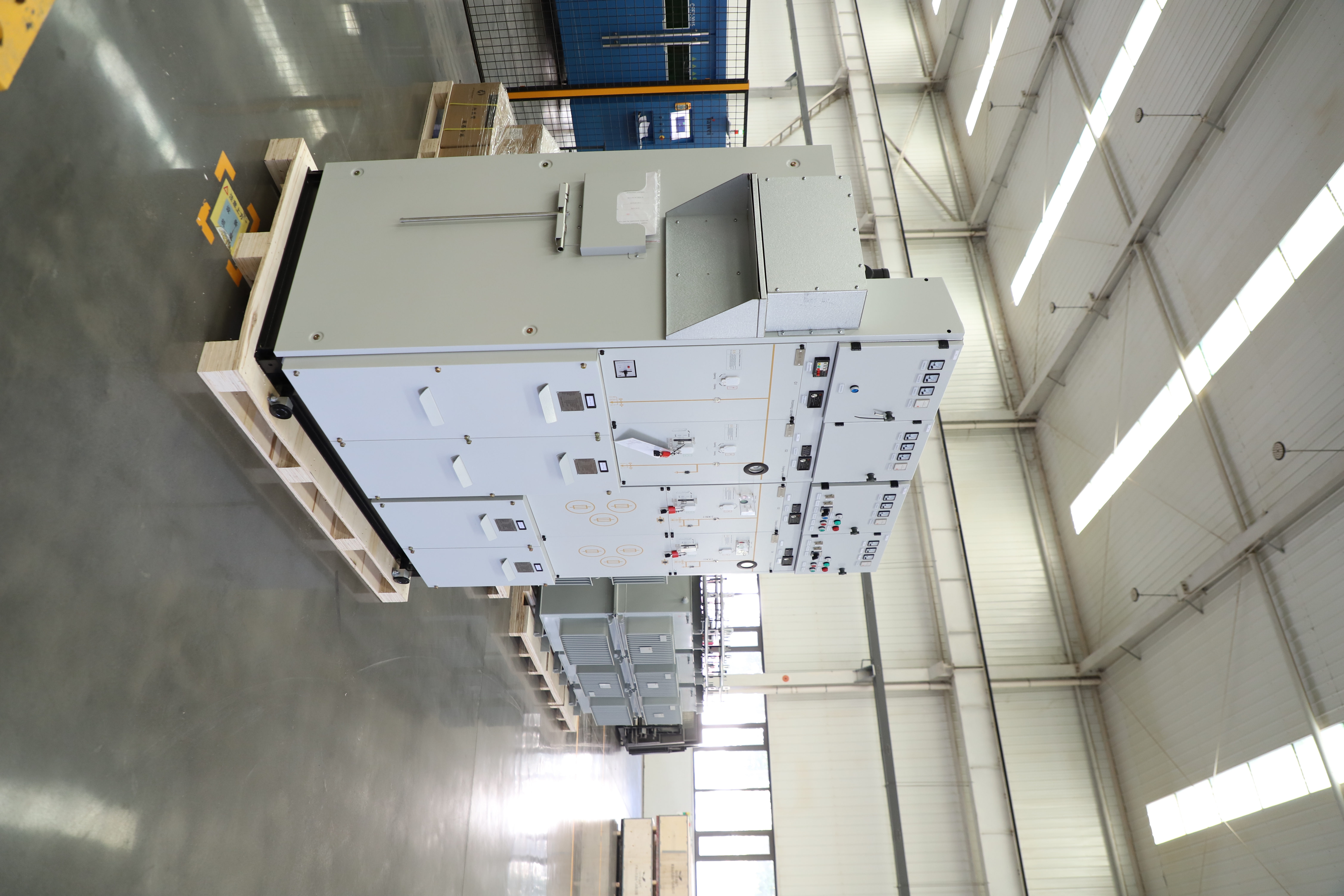
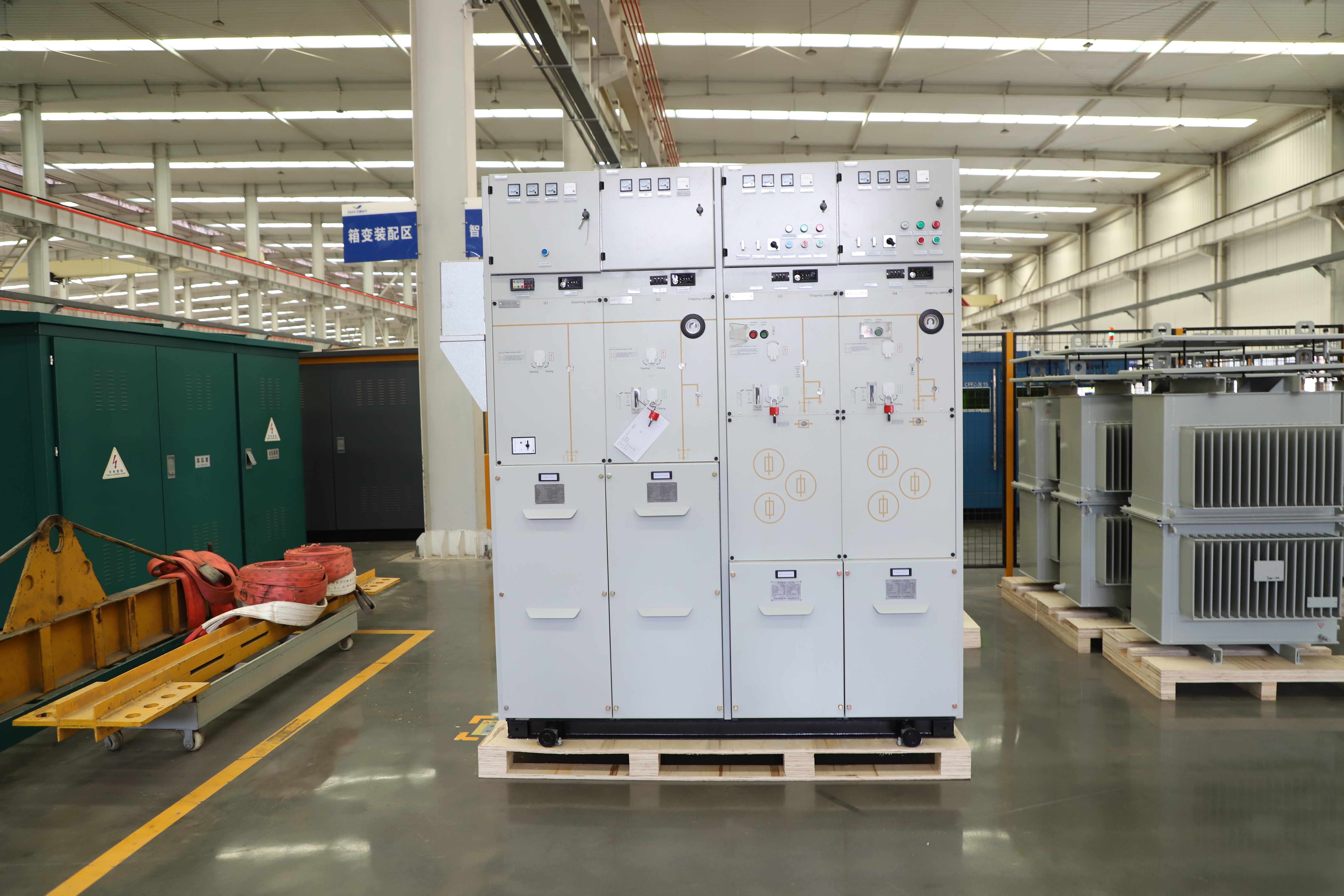
TSTY provides outdoor ring main unit configurations and related medium voltage distribution products for utility, industrial, renewable energy, and infrastructure projects. Available options include SF6 gas insulated RMU, environmentally friendly gas insulated RMU, solid insulated ring main unit, HXGN-12 ring main unit, KYN28 MV switchgear, and customized outdoor enclosure solutions. An outdoor ring main unit can be configured with load break switch units, vacuum circuit breaker units, fuse protection units, cable incoming units, outgoing feeder panels, metering sections, earthing switches, fault indicators, and protection relays. It can also be coordinated with oil-immersed transformers, dry-type transformers, pad-mounted transformers, compact substations, prefabricated substations, and renewable energy step-up systems.

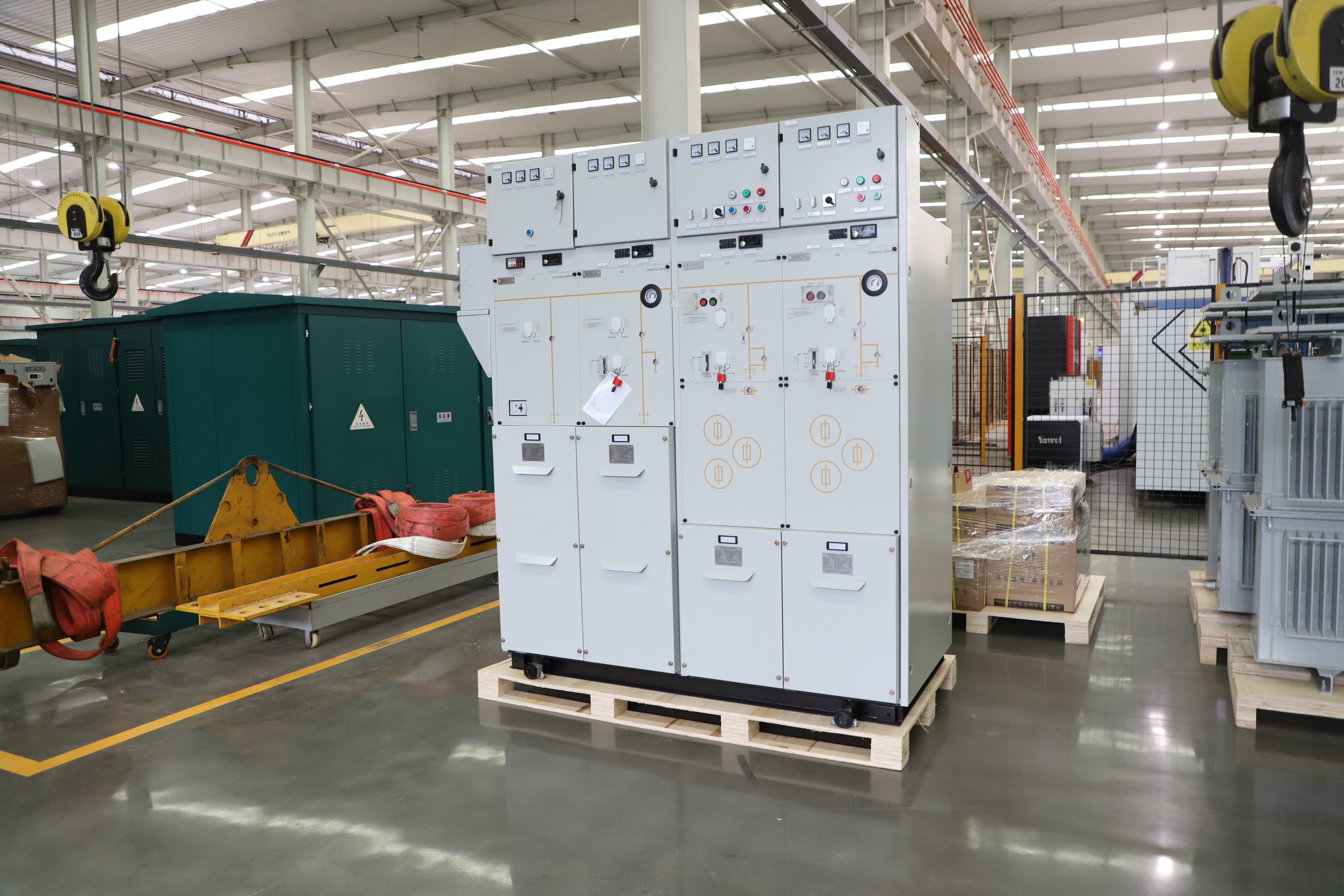
An outdoor ring main unit is a medium voltage switchgear solution used when feeder switching and transformer protection equipment needs to be installed outside a traditional indoor switchgear room. It is commonly applied in outdoor substations, compact transformer stations, renewable energy collection areas, industrial distribution yards, utility feeder points, and infrastructure power supply systems.
The main function of an outdoor ring main unit is to connect medium voltage cables, control incoming and outgoing feeders, protect transformer circuits, provide earthing operation, and isolate circuit sections for maintenance. In ring network or radial distribution systems, the RMU helps organize feeder control in a compact arrangement while keeping the operating interface clear for site personnel
IMG_3825.JPG
Outdoor installation requires more mechanical and environmental review than indoor RMU installation. For an outdoor ring main unit, buyers should consider enclosure protection level, rain shielding, dust prevention, corrosion environment, foundation height, cable trench position, grounding connection, drainage, ventilation, anti-condensation design, lifting method, and maintenance space. These details influence site installation as much as the electrical parameters.
TSTY supports different technical routes for outdoor ring main unit projects. SF6 gas insulated RMU can be selected where compact design and sealed insulation are required. Environmentally friendly gas insulated RMU can be discussed for projects with specific environmental preferences. Solid insulated ring main unit may be considered when the buyer prefers solid insulation technology. HXGN-12 or other MV switchgear options can be reviewed for conventional distribution layouts.
The configuration of an outdoor ring main unit should follow the single-line diagram. Common arrangements include one incoming and one outgoing feeder with transformer protection, two incoming feeders with one transformer feeder, multiple outgoing feeder circuits, metering sections, and circuit breaker protection units. For transformer feeder protection, fuse combination units or vacuum circuit breaker units may be selected according to transformer capacity and protection requirements.
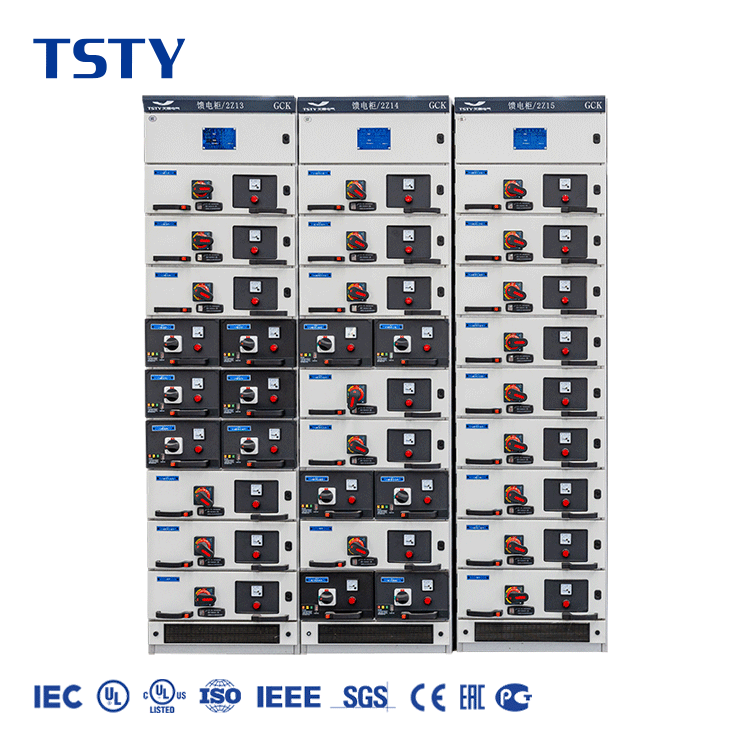
An outdoor ring main unit is often supplied as part of a complete distribution system. It may be installed beside an oil-immersed transformer, inside a compact substation, near a pad-mounted transformer, or within a renewable energy step-up station. When the RMU is used with transformers and low-voltage cabinets, interface details such as cable termination space, busbar arrangement, enclosure layout, transformer capacity, and protection coordination should be confirmed before production.
Before requesting a quotation, buyers should provide rated voltage, rated current, short-circuit withstand level, feeder quantity, cable direction, single-line diagram, protection relay requirements, metering needs, enclosure requirement, installation altitude, ambient temperature, humidity, pollution level, coastal exposure if applicable, and local standard requirements. For export projects, TSTY can provide datasheets, general arrangement drawings, routine test reports, packing details, nameplate information, and other agreed technical documents.


Frequently Asked Questions About Outdoor Ring Main Unit Selection

The following questions help buyers prepare technical information for outdoor ring main unit procurement, installation planning, and medium voltage distribution design.

What is an outdoor ring main unit used for?

An outdoor ring main unit is used for medium voltage cable connection, feeder switching, transformer protection, earthing operation, and network sectionalizing in outdoor distribution systems.
It can be installed in compact substations, outdoor transformer stations, renewable energy plants, industrial yards, rural feeder points, utility distribution sites, mining areas, and infrastructure power systems.
Buyers should review enclosure protection, foundation design, cable entry direction, drainage, grounding, corrosion resistance, ventilation, condensation control, operating access, and maintenance clearance.
Yes. An outdoor ring main unit can be coordinated with oil-immersed transformers, dry-type transformers, pad-mounted transformers, compact substations, and renewable energy step-up transformer systems.
Please provide rated voltage, rated current, short-circuit level, feeder quantity, single-line diagram, cable size and direction, protection method, metering requirement, installation environment, and applicable standards.
TSTY can support SF6 gas insulated RMU, environmentally friendly gas insulated RMU, solid insulated ring main unit, and related medium voltage switchgear options according to the project requirements.

Related Articles

What are TSTY’s R&D capabilities in transformers and switchgear?

09

Sep

What are TSTY’s R&D capabilities in transformers and switchgear?

How TSTY’s 158 patents, IEC standard leadership, and desert/cold/coastal/altitude engineering solve global transformer challenges. See real-world deployments. Request technical specs.
View More
Why GIS Medium Voltage Switchgear Is Used in Urban Substations and Industrial Facilities

28

Sep

Why GIS Medium Voltage Switchgear Is Used in Urban Substations and Industrial Facilities

Discover why gas insulated medium voltage switchgear is the top choice for urban substations and industry. Compare footprint, safety, and ROI for B2B procurement.
View More
Outdoor MV Switchgear Buying Guide: Weather Protection, Safety, and Maintenance Access

28

Sep

Outdoor MV Switchgear Buying Guide: Weather Protection, Safety, and Maintenance Access

Sourcing outdoor MV switchgear? This expert B2B guide covers essential weather protection, safety interlocks, and maintenance access for reliable power.
View More
GIS vs AIS: Choosing High Voltage Gas Insulated Switchgear for Modern Power Networks

28

Sep

GIS vs AIS: Choosing High Voltage Gas Insulated Switchgear for Modern Power Networks

Compare GIS and AIS for your next project. Learn why high voltage gas insulated switchgear offers a smaller footprint, lower TCO, and superior reliability.
View More

Sample Buyer Feedback Scenarios

The following sample-style comments describe typical project concerns when selecting outdoor ring main unit equipment for medium voltage distribution sites.
Ethan Wallace
Utility Construction Coordinator

“Our project needed RMU equipment near an outdoor transformer area. The layout review helped us confirm cable trench position, operating side, and foundation size.”

Farah Mansour
Renewable Energy Procurement Specialist

“The outdoor ring main unit configuration was reviewed together with the step-up transformer and collection feeders, which made our technical submission more complete.”

Victor Almeida
Industrial Site Electrical Lead

“We focused on enclosure access, grounding position, and outgoing cable routing. Clear drawings made it easier for our civil and electrical teams to coordinate.”

Get a Free Quote

Our representative will contact you soon.
Select your project goal
Email
Name
Company Name
Phone
Project Details
0/1000
Outdoor Installation Review Before RMU Production

Outdoor Installation Review Before RMU Production

For an outdoor ring main unit project, site installation details should be reviewed before the cabinet arrangement is finalized. The RMU may be placed near a transformer, inside a compact substation, beside a renewable energy step-up unit, or at a utility feeder point, so the layout must match both the electrical design and civil works. TSTY can help buyers confirm foundation size, cable trench location, cable entry direction, lifting space, grounding points, operation side, and maintenance clearance according to the site drawing. Outdoor conditions may also require attention to rain shielding, dust protection, ventilation, anti-condensation design, and corrosion-resistant surface treatment. These factors are different from a simple indoor RMU selection. Early review helps the outdoor ring main unit match cable routing, transformer position, enclosure access, and future operation requirements, reducing changes during installation.
Feeder Arrangement for Distributed Power Networks

Feeder Arrangement for Distributed Power Networks

An outdoor ring main unit is often used where medium voltage feeders are distributed across separated load points rather than concentrated in one indoor switchgear room. Typical applications include solar power plants, wind power collection lines, rural distribution feeders, industrial parks, mining sites, pumping stations, port facilities, and transport infrastructure power systems. In these projects, the RMU may need to handle incoming cable connection, outgoing feeder control, transformer protection, metering, and local isolation in a compact outdoor position. TSTY can configure load break switch units, vacuum circuit breaker units, fuse protection units, metering panels, cable connection units, and earthing switches according to the single-line diagram. When selecting an outdoor ring main unit, buyers should confirm rated voltage, current level, fault level, feeder quantity, protection logic, cable size, operating mechanism, and environmental conditions to make the equipment suitab
Coordination with Transformer and Enclosure Systems

Coordination with Transformer and Enclosure Systems

Many outdoor ring main unit orders are part of a larger distribution package that includes transformers, low-voltage cabinets, compact substation shells, or renewable energy booster equipment. In this situation, the RMU should not be selected separately from the rest of the system. TSTY can coordinate the outdoor RMU with oil-immersed transformers, dry-type transformers, pad-mounted transformers, prefabricated substations, and new energy box-type substations. Important interface points include transformer capacity, protection method, cable termination space, enclosure dimensions, ventilation path, grounding arrangement, auxiliary power supply, and maintenance route. For EPC contractors and project owners, this coordination helps align switchgear drawings, transformer layout, cable trench design, and installation sequence. A properly planned outdoor ring main unit can make site assembly, inspection, and later maintenance more organized without adding unnecessary cabinet functions.