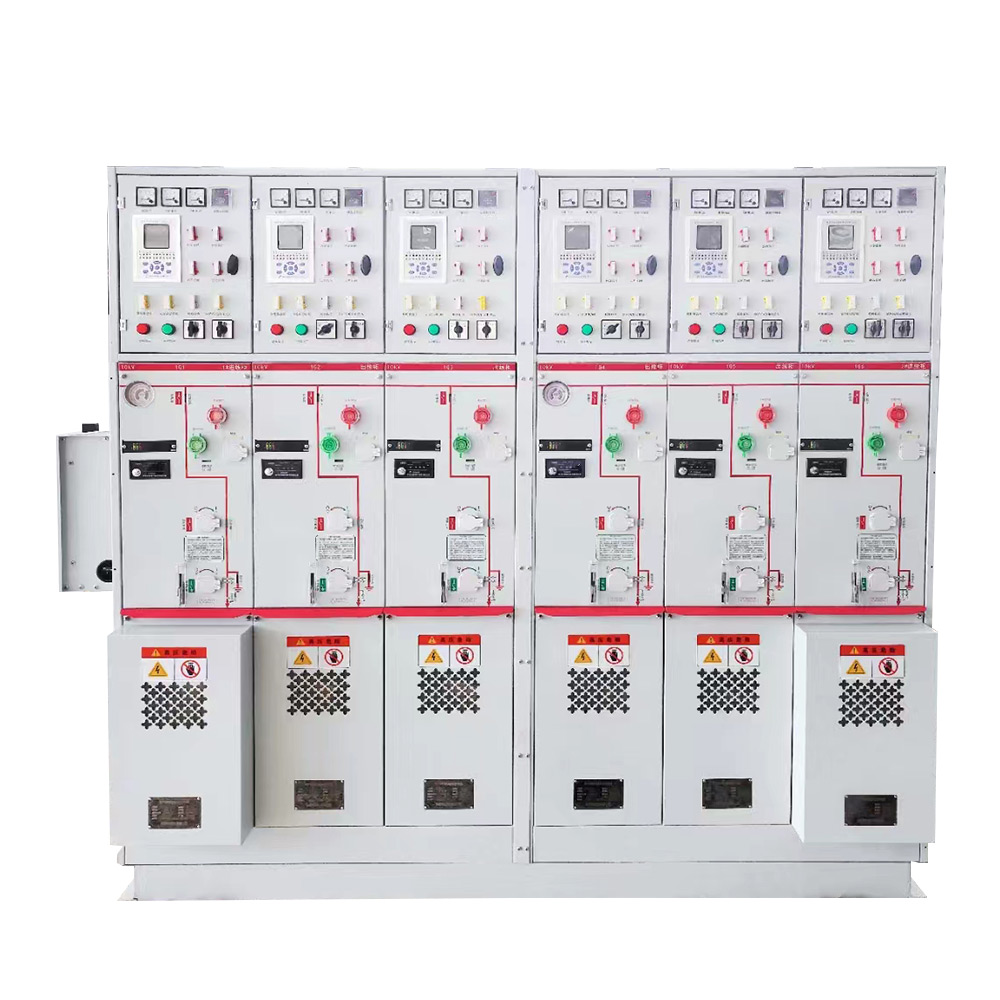
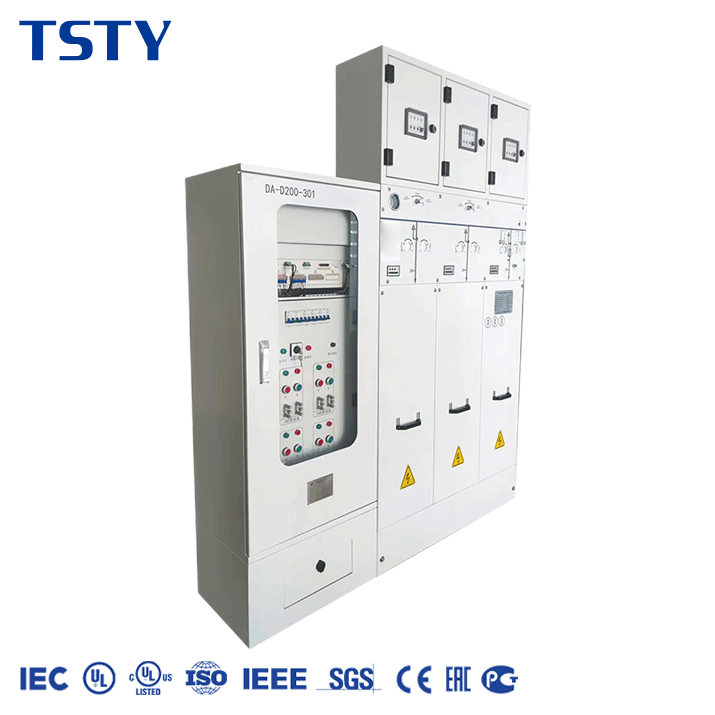
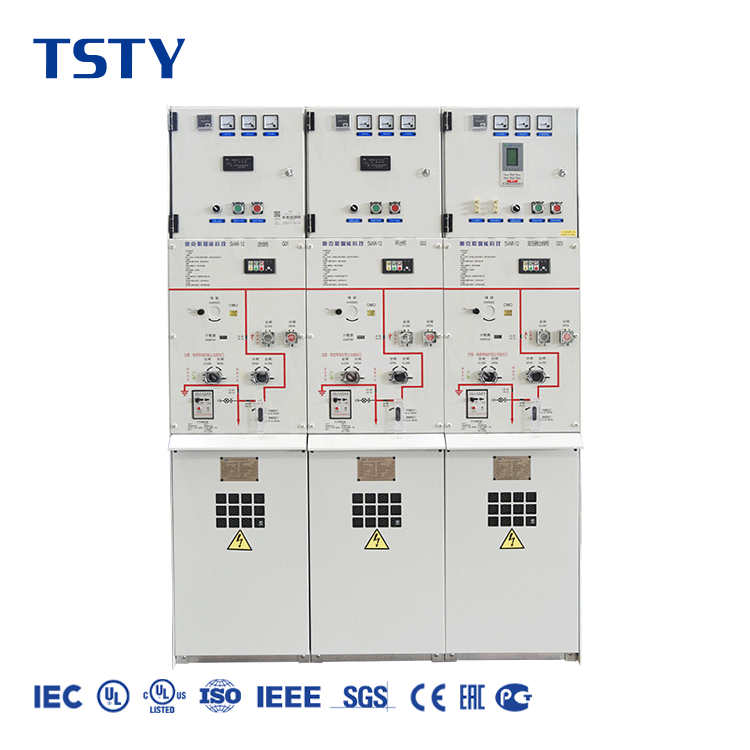
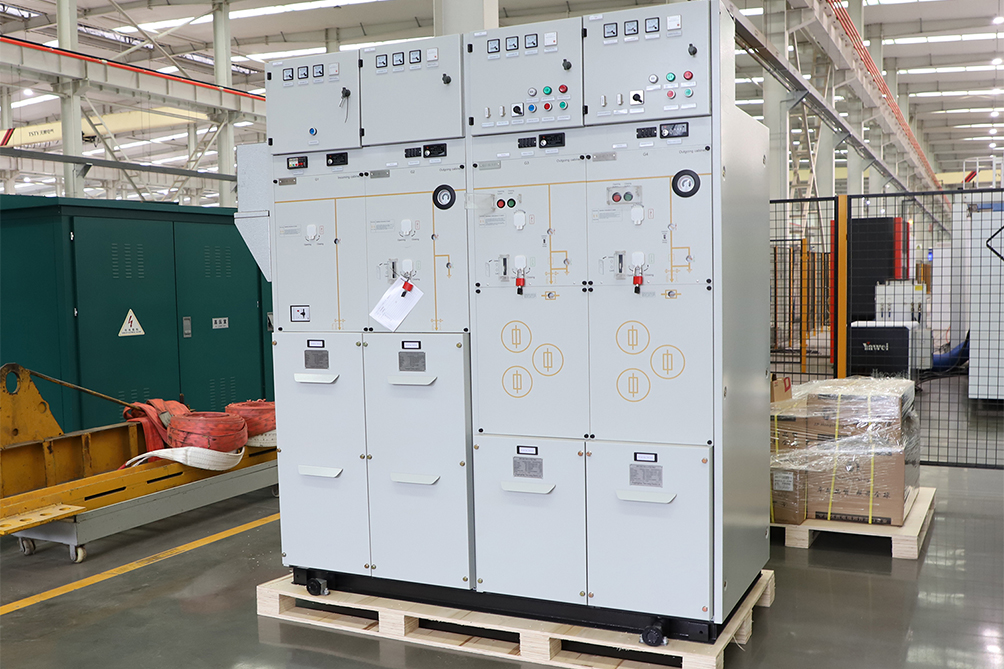
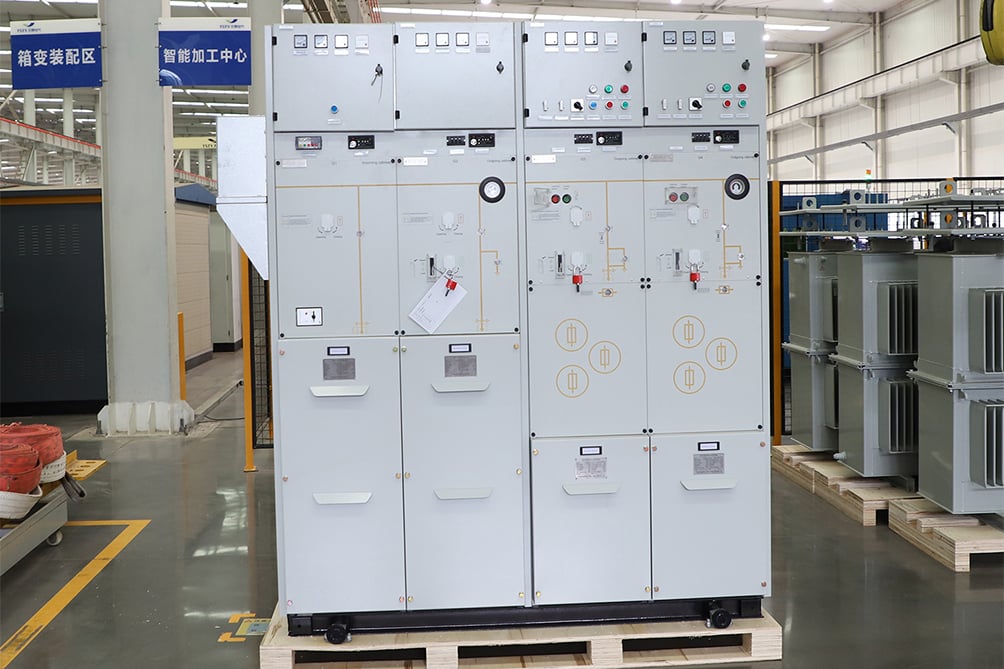
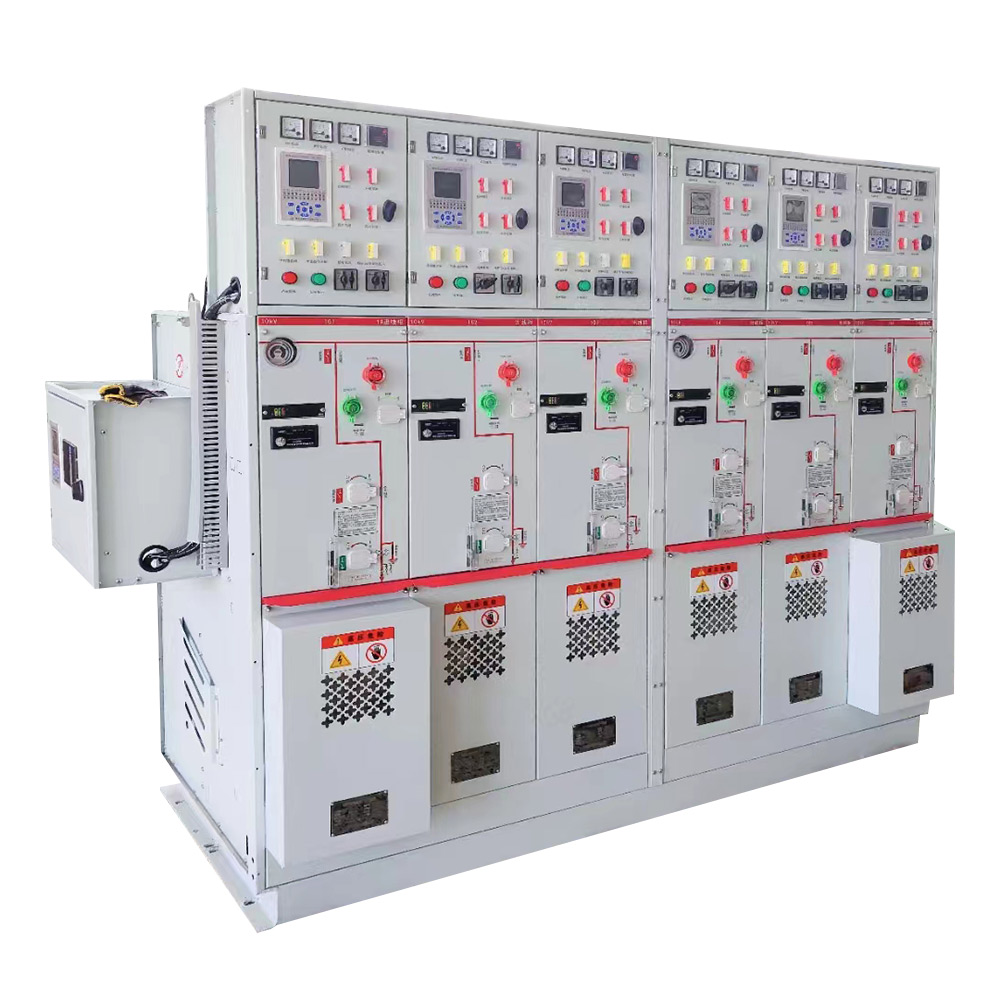
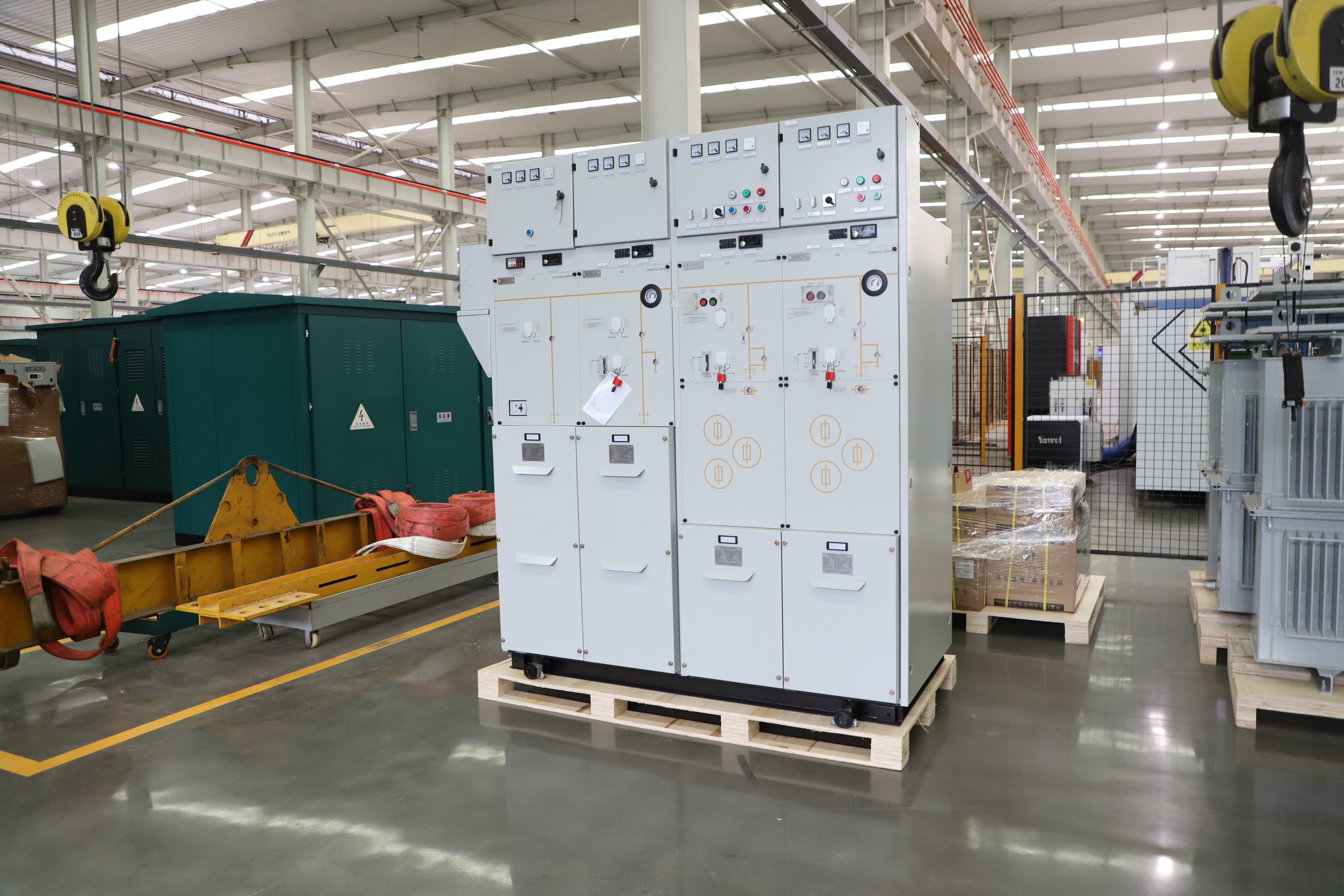
A smart rmu is an intelligent ring main unit used in medium voltage distribution systems. It keeps the basic functions of a conventional RMU, such as feeder switching, cable connection, transformer protection, load isolation, and earthing, while adding monitoring, communication, and automation functions according to project needs.
In distribution networks, a smart rmu is often used where operators need more information from field equipment. Instead of relying only on manual inspection, the system can collect switch position, current, voltage, fault indication, temperature, and operation status information when suitable devices are configured. These signals can be sent to a local controller, feeder terminal unit, RTU, or SCADA system depending on the communication design.
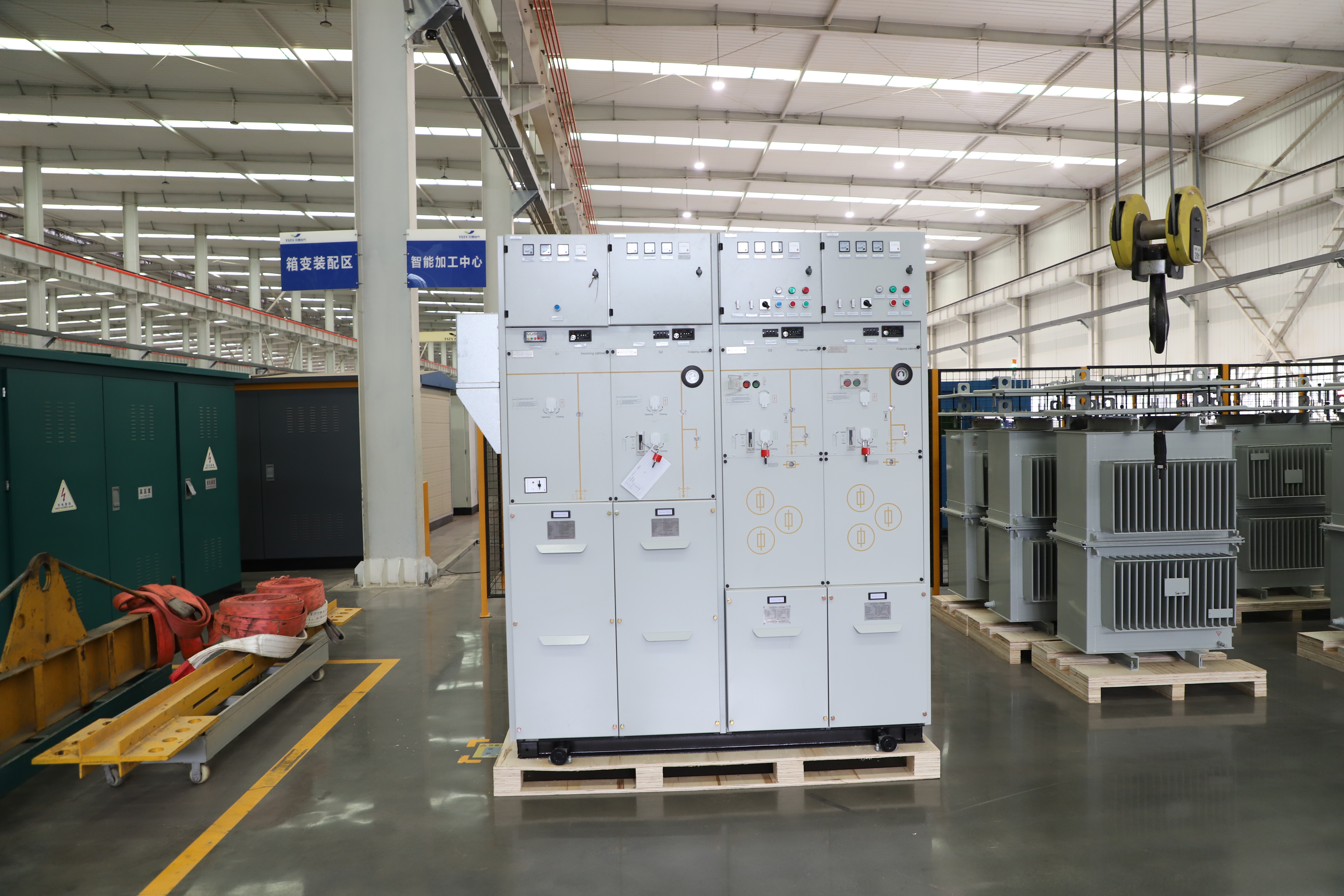
TSTY supplies smart rmu solutions for utility distribution networks, industrial facilities, commercial buildings, residential power rooms, renewable energy stations, transport infrastructure, and compact substations. In urban networks, a smart rmu can support distribution automation and feeder sectionalizing. In industrial projects, it can help plant teams monitor medium voltage feeders and transformer circuits. In solar or wind projects, it can support feeder collection and remote status checking.
The configuration of a smart rmu should be based on the single-line diagram and automation requirements. Common options include motorized load break switch units, vacuum circuit breaker units, protection relays, fault passage indicators, current sensors, voltage sensors, cable temperature monitoring, energy metering, auxiliary power supply, battery backup, communication modules, and local control panels. The final design should match the protection scheme, communication protocol, installation environment, and operation mode.
Communication is an important part of a smart rmu project. Depending on the site system, the RMU may need RS485, Ethernet, fiber optic communication, wireless communication, IEC protocol support, Modbus communication, or other project-specified interfaces. The availability of remote control also depends on motorized mechanisms, power supply, control logic, interlocking design, and the approval of the local operation standard.
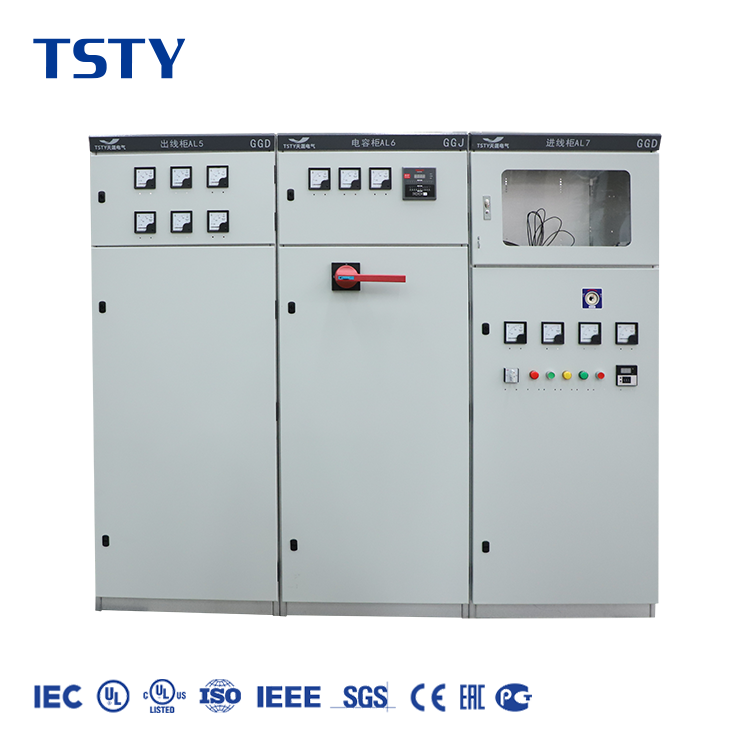
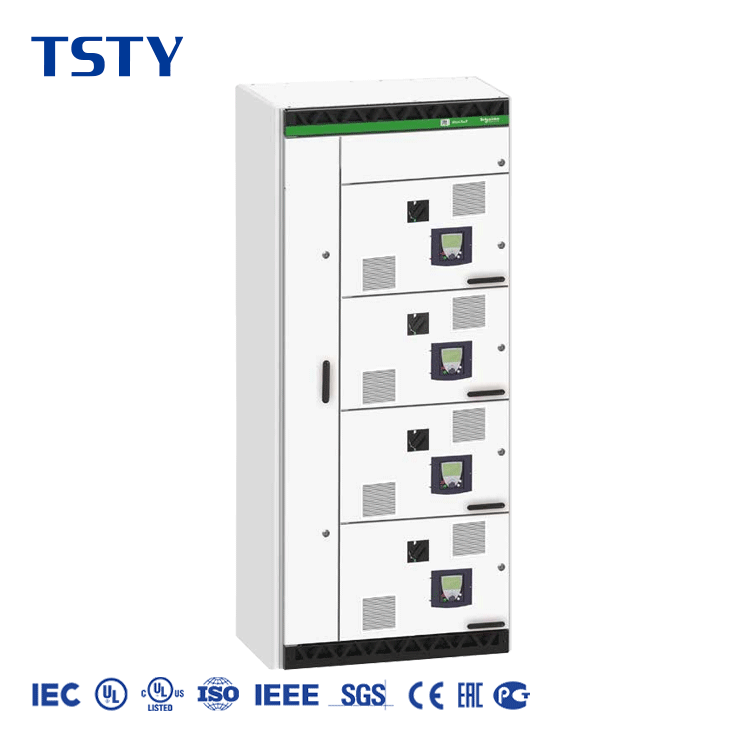
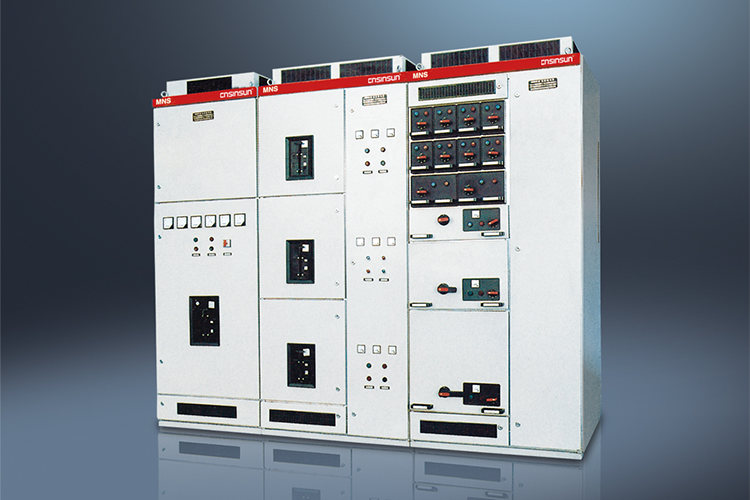
A smart rmu can be used together with transformers and substation equipment. For example, in a compact substation, the smart RMU can monitor the medium voltage side, while the transformer and low-voltage cabinet complete power transformation and distribution. In renewable energy step-up systems, it can support feeder status monitoring and switching control near inverter stations or transformer areas.
Before requesting a quotation for smart rmu equipment, buyers should provide rated voltage, rated current, short-circuit level, feeder quantity, single-line diagram, required monitoring points, protection relay requirements, communication protocol, SCADA interface needs, power supply method, cable entry direction, installation environment, and applicable standards. If remote operation is required, the control permission, interlocking logic, and auxiliary power reliability should also be confirmed.
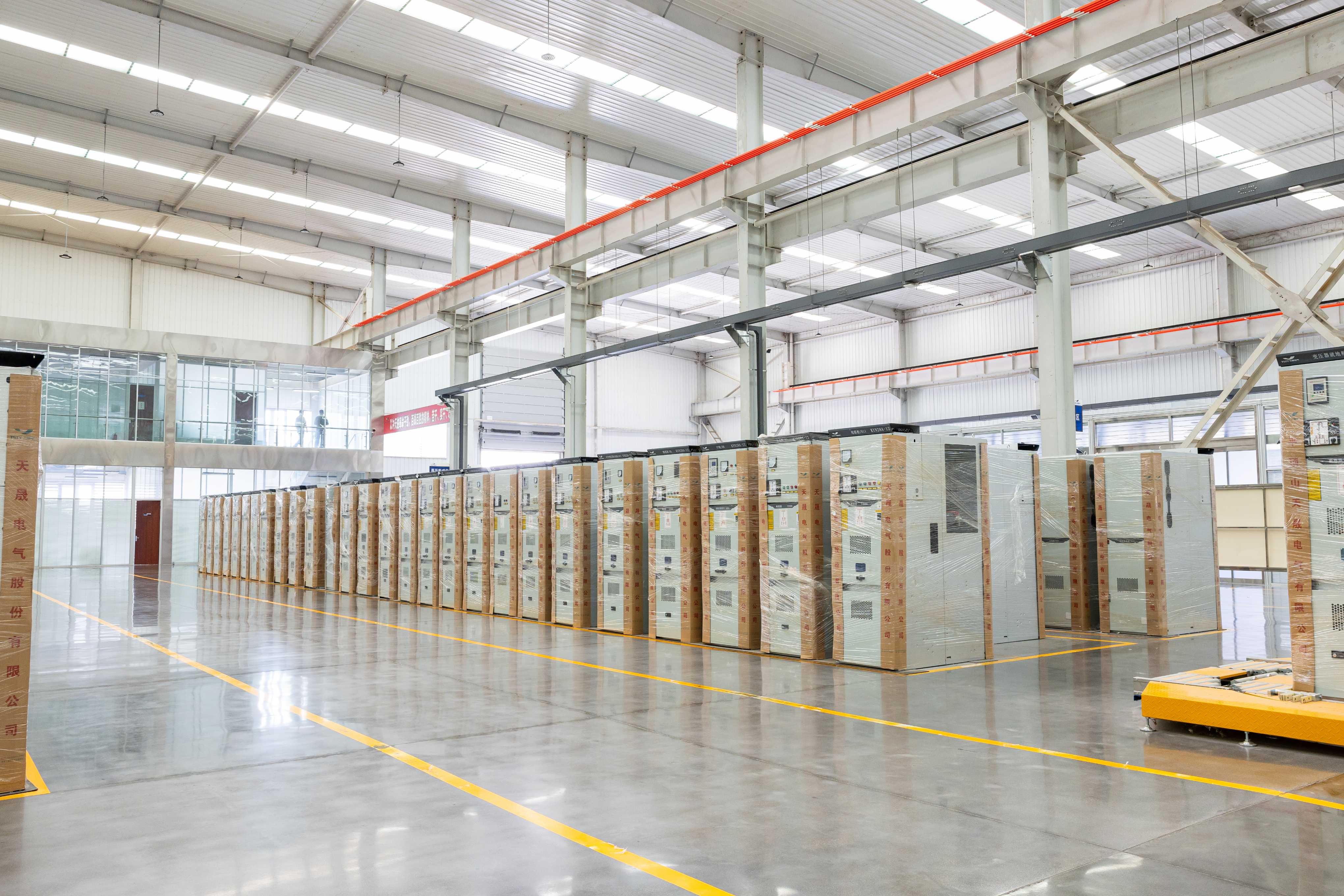
TSTY can provide technical datasheets, general arrangement drawings, secondary schematic references, terminal diagrams when applicable, routine test reports, packing details, and nameplate information according to the agreed project scope. For buyers planning a smart rmu project, early technical communication helps align switchgear functions, automation hardware, communication design, and site installation conditions.




 EN