

 EN
For EPC contractors, utility developers, and municipal grid planners, designing an efficient electrical distribution network is a complex balancing act. You must optimize initial capital expenditure (CAPEX) while ensuring long-term grid stability and low operational costs (OPEX). At the very heart of this planning phase lies a fundamental engineering decision: determining the optimal balance between a single phase and three phase transformer infrastructure.
While high-voltage substations rely on massive power units, the final leg of the distribution network requires highly strategic placement of smaller transformers. Understanding the nuanced differences in a single phase and three phase transformer deployment strategy dictates how efficiently power reaches residential, commercial, and industrial end-users.
Drawing on nearly 30 years of global manufacturing expertise, TSTY provides an authoritative single phase and three phase transformer comparison to guide procurement teams through optimal grid planning.
Before detailing deployment strategies, it is essential to establish the structural distinction in any single phase and three phase transformer comparison.
A single-phase unit contains one set of primary and secondary windings wrapped around a magnetic core. It is designed to supply power to purely residential or light commercial loads (typically lighting and basic appliances). Conversely, a three-phase unit houses three sets of windings. It delivers three alternating currents that are out of phase by 120 degrees, providing a constant, smooth power transfer capable of driving heavy industrial machinery.
When evaluating a single phase and three phase transformer for a new grid, engineers are essentially choosing between the simplicity and low cost of single-phase distribution versus the high-capacity, heavy-duty performance of three-phase power.
When electrifying remote or low-density rural areas, the geographic span of the network is massive, but the actual power consumption is relatively low.
In this scenario, a single phase and three phase transformer analysis heavily favors the single-phase architecture. Running three high-voltage lines across dozens of miles of rugged terrain is prohibitively expensive. Instead, utilities run a single high-voltage phase line and a neutral wire.
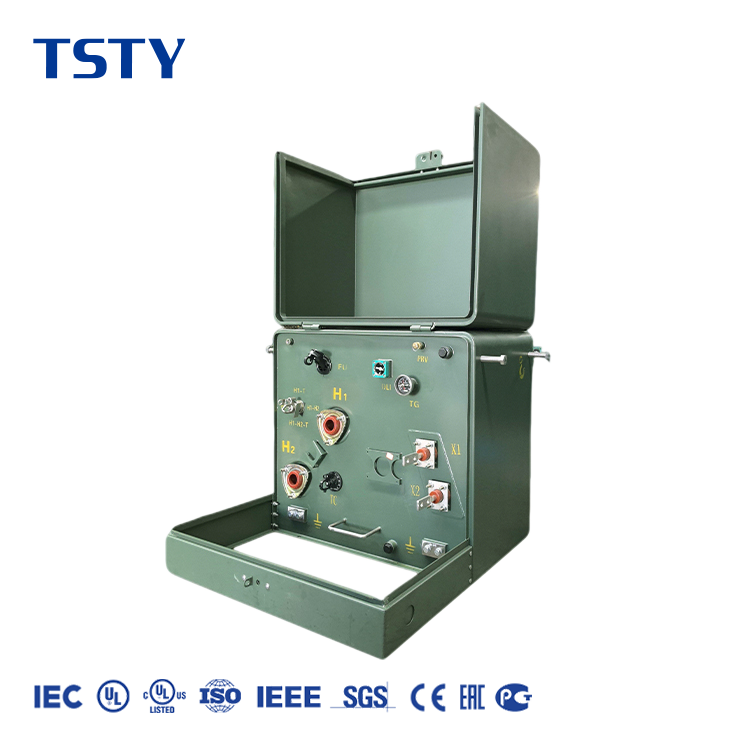
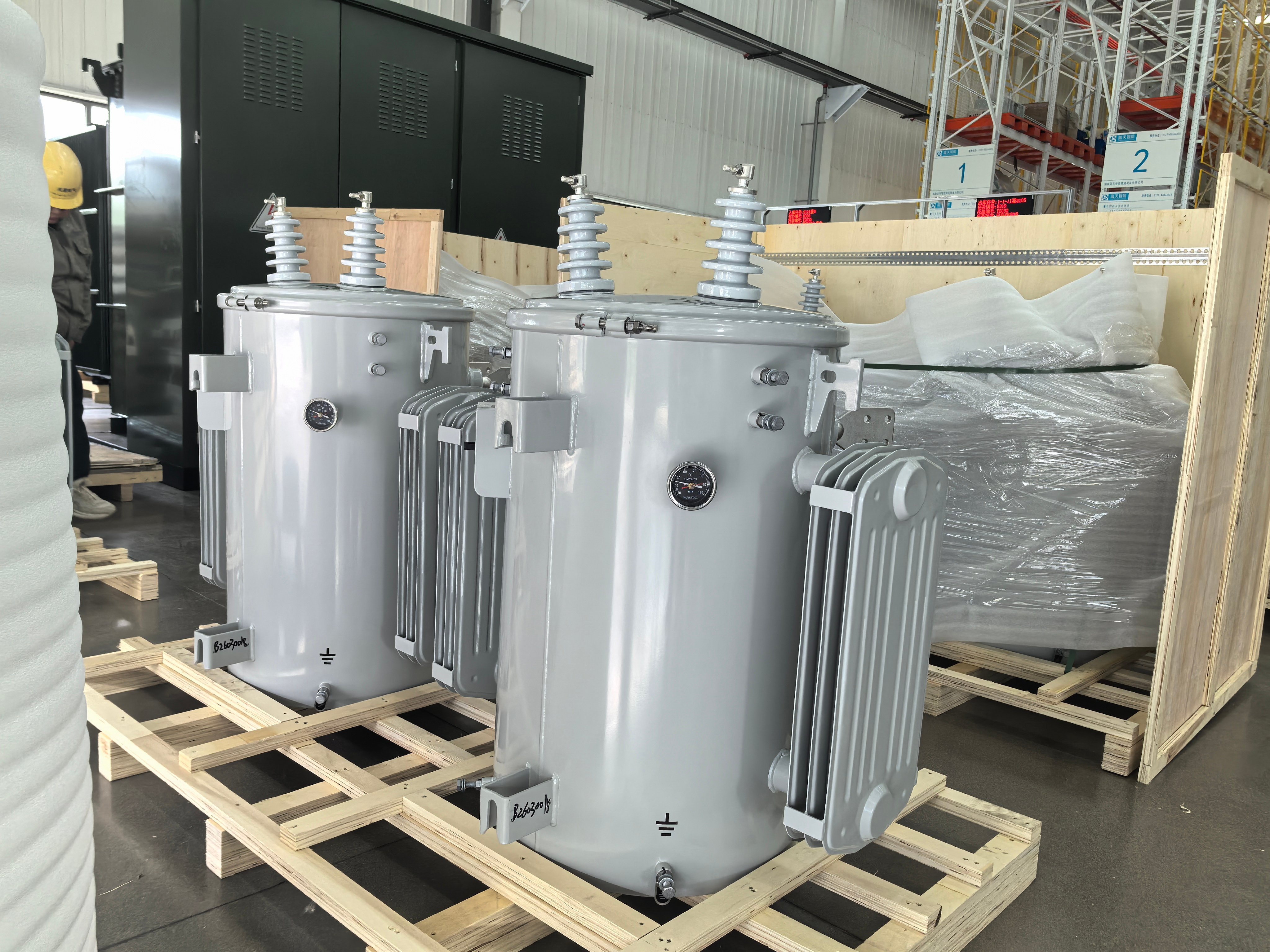
At the point of consumption, deploying a single phase pole mounted transformer is highly cost-effective. These units are lightweight, inexpensive to manufacture, and easy to transport to remote locations without requiring heavy-lift cranes. If a rural grid utilizes a single phase and three phase transformer mix, the single-phase units will almost exclusively handle the expansive residential outskirts.
As grid planning shifts toward dense urban environments and industrial parks, the single phase and three phase transformer dynamic completely flips.
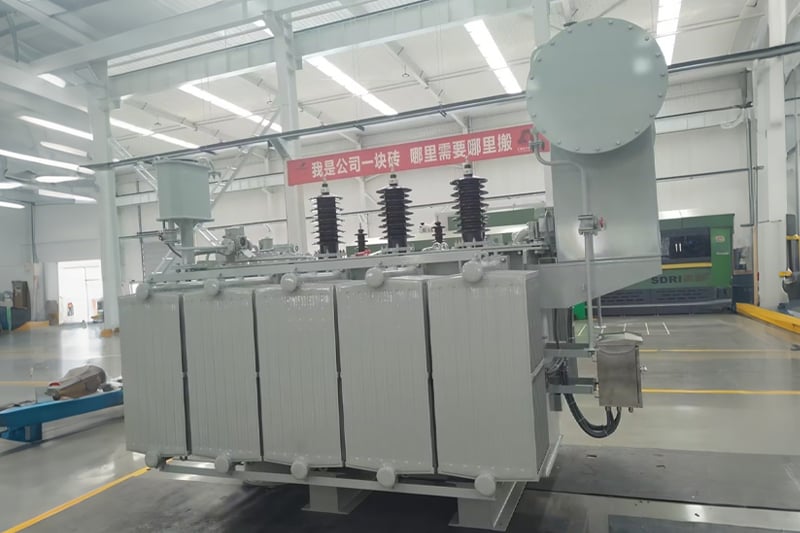
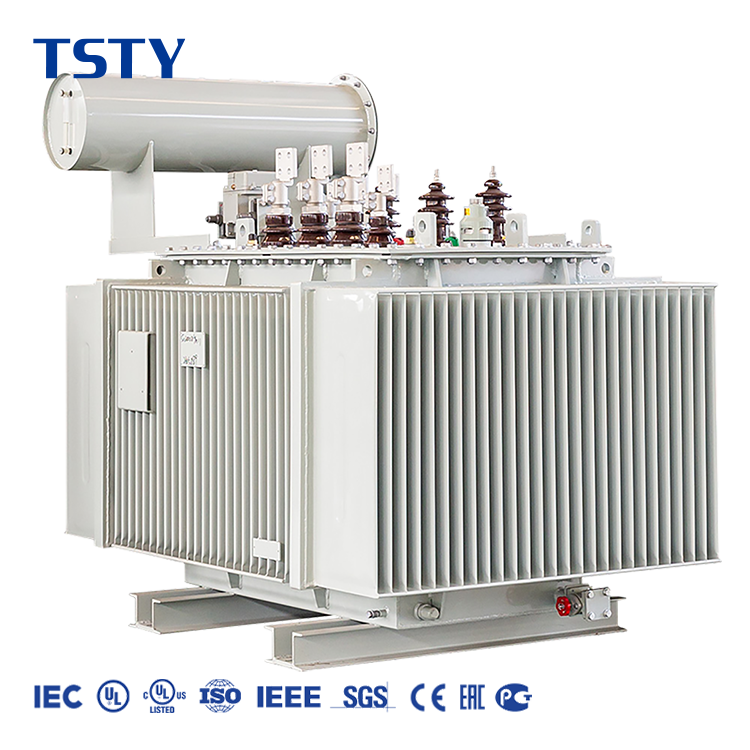
Urban centers feature high-rise buildings, commercial HVAC systems, and manufacturing plants with massive motor loads. These applications demand continuous, stable power. A three phase distribution transformer is mandatory here. Three-phase power is significantly more efficient for transmitting high loads over short distances, reducing conductor size and minimizing I²R (copper) losses.
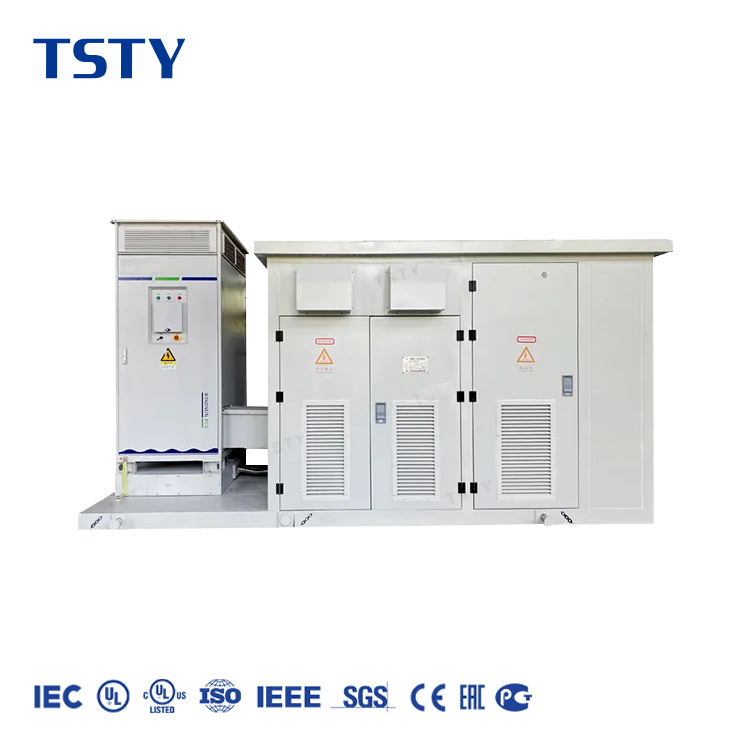
For example, an 11kv distribution transformer configured for three-phase output is the backbone of modern city grids. It provides the heavy base-load capacity required by commercial infrastructure. While a single phase and three phase transformer hybrid approach might be used in residential suburbs, the core of the city relies strictly on robust three-phase engineering.
One of the most debated topics in single phase and three phase transformer engineering is the concept of "banking."
In some industrial applications, instead of purchasing one massive three-phase unit, engineers will bank three individual single-phase transformers together to create a three-phase system. This single phase and three phase transformer strategy offers unique redundancy:
For modern utilities, consulting with top-tier distribution transformer manufacturers helps determine if a banked single phase and three phase transformer setup is justified by local redundancy requirements, or if a dedicated three-phase unit is more economical.
To assist EPC and procurement managers, below is a direct single phase and three phase transformer procurement comparison:
|
Procurement Factor |
Single Phase Transformer |
Three Phase Transformer |
|
Primary Application |
Rural electrification, residential loads |
Industrial parks, dense urban grids, motor loads |
|
Initial CAPEX (Unit) |
Lower |
Higher |
|
Installation Logistics |
Easy; lightweight for pole mounting |
Complex; requires concrete pads or heavy poles |
|
Efficiency (Heavy Load) |
Lower efficiency for high loads |
High efficiency; less conductor material needed |
|
Maintenance & Replacement |
Fast, inexpensive replacement |
Requires heavy machinery, longer downtime if failed |
Regardless of whether your grid architecture favors a single phase and three phase transformer setup, the inherent reliability of the equipment depends entirely on the manufacturer.
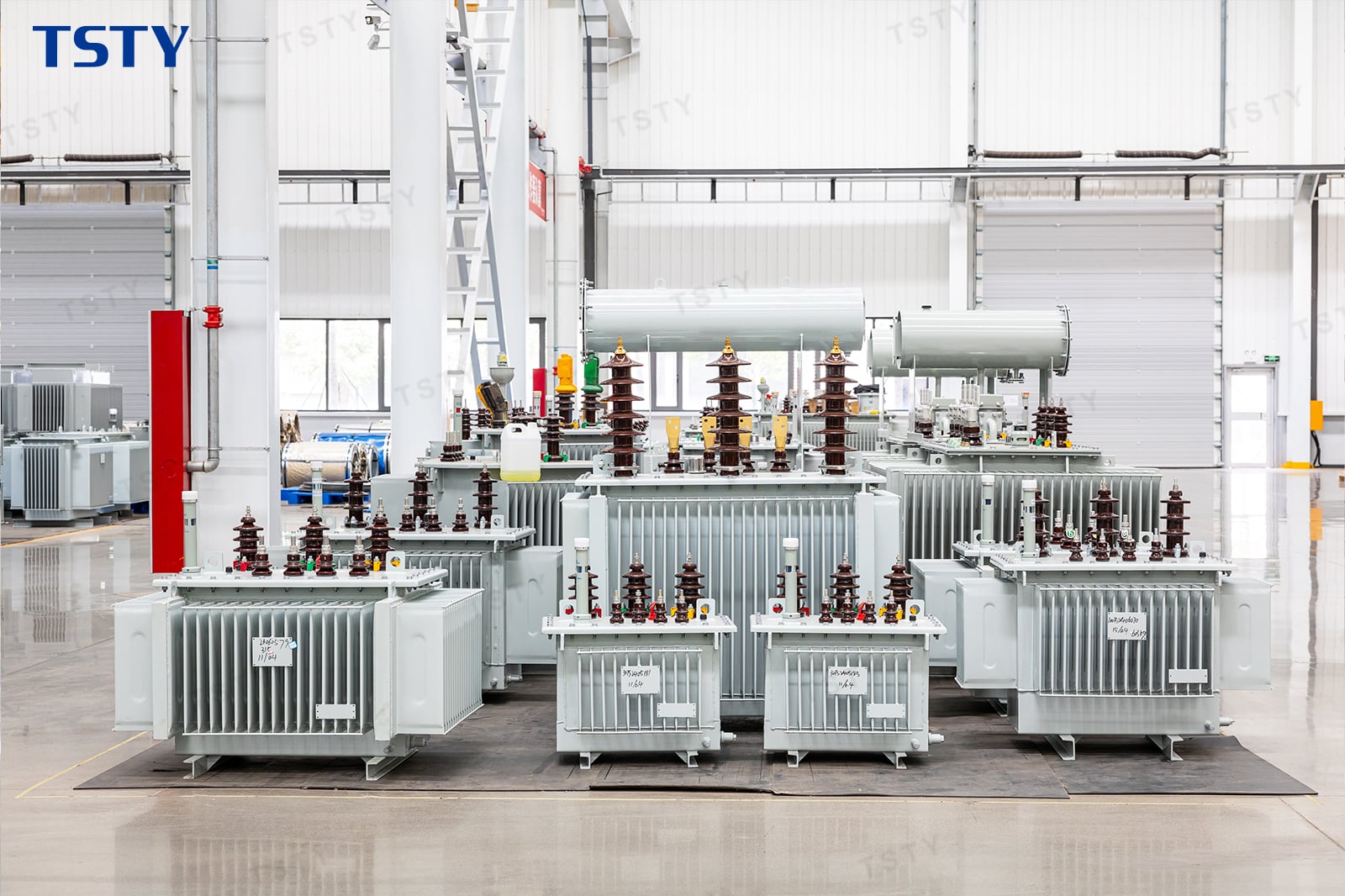
At TSTY, our 250,000㎡ 5G-enabled smart factory is designed to produce both configurations with zero compromises on quality.
Effective distribution network planning is not about choosing one technology over the other; it is about deploying the right equipment in the right location. By thoroughly analyzing the single phase and three phase transformer requirements of your specific load zones, you can optimize your grid’s upfront costs, reduce transmission losses, and ensure long-term reliability.
Whether you need a massive fleet of lightweight pole-mounted units for a rural rollout or high-capacity step-down units for a new industrial zone, TSTY is equipped to deliver.
Are you currently optimizing a distribution network? Contact TSTY’s global engineering team today for a comprehensive single phase and three phase transformer cost analysis, customized design specifications, and industry-leading delivery times.