

 EN
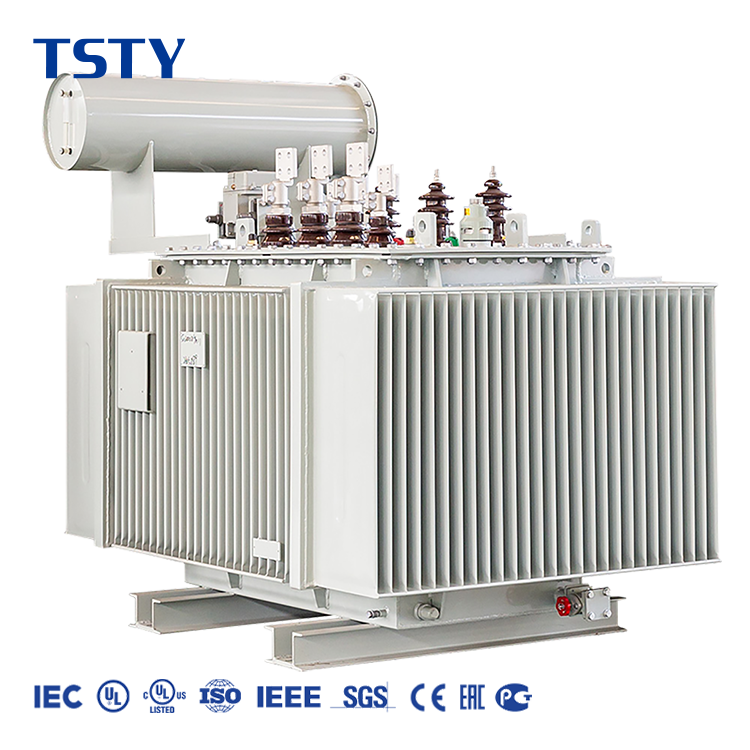
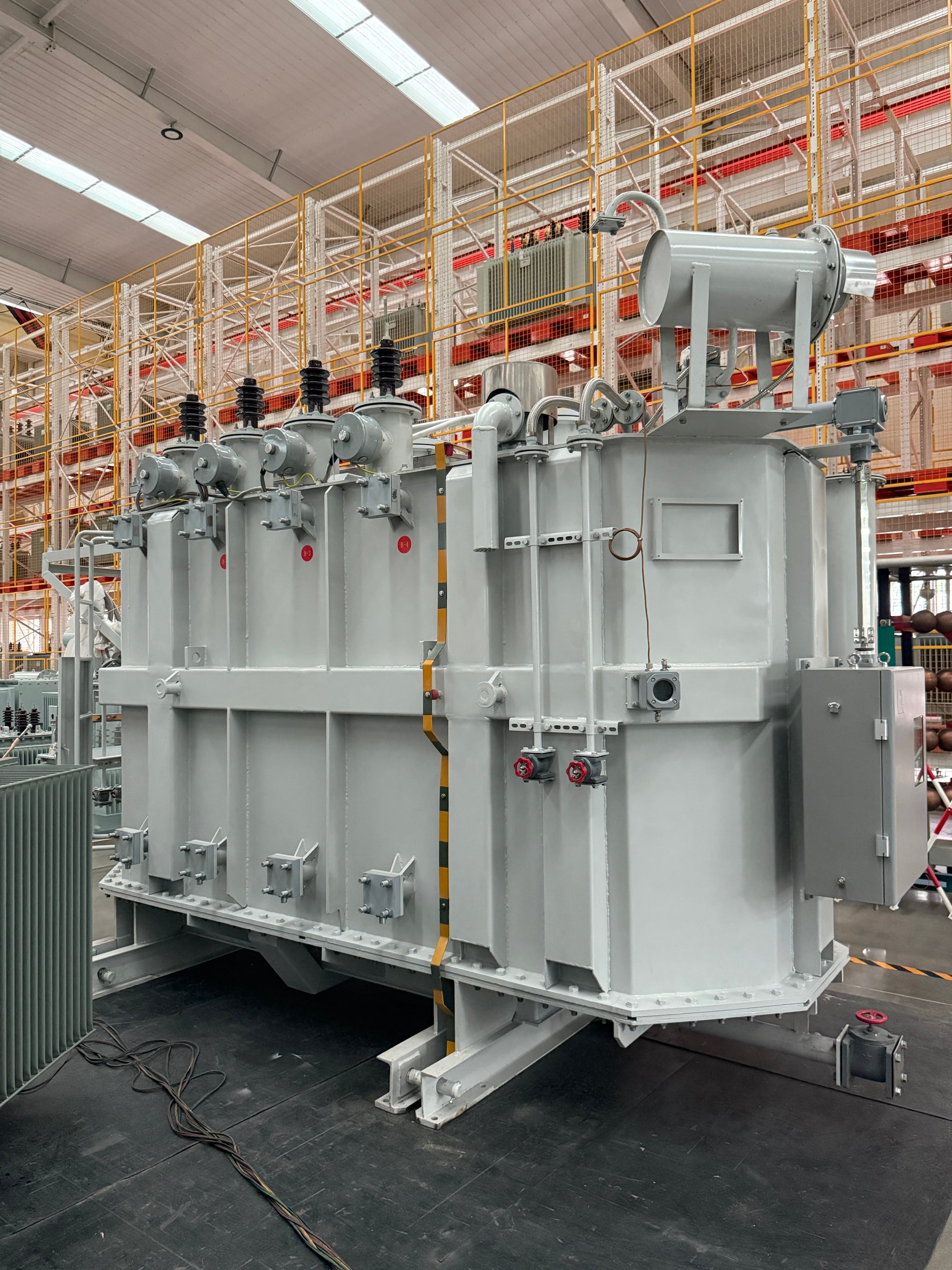
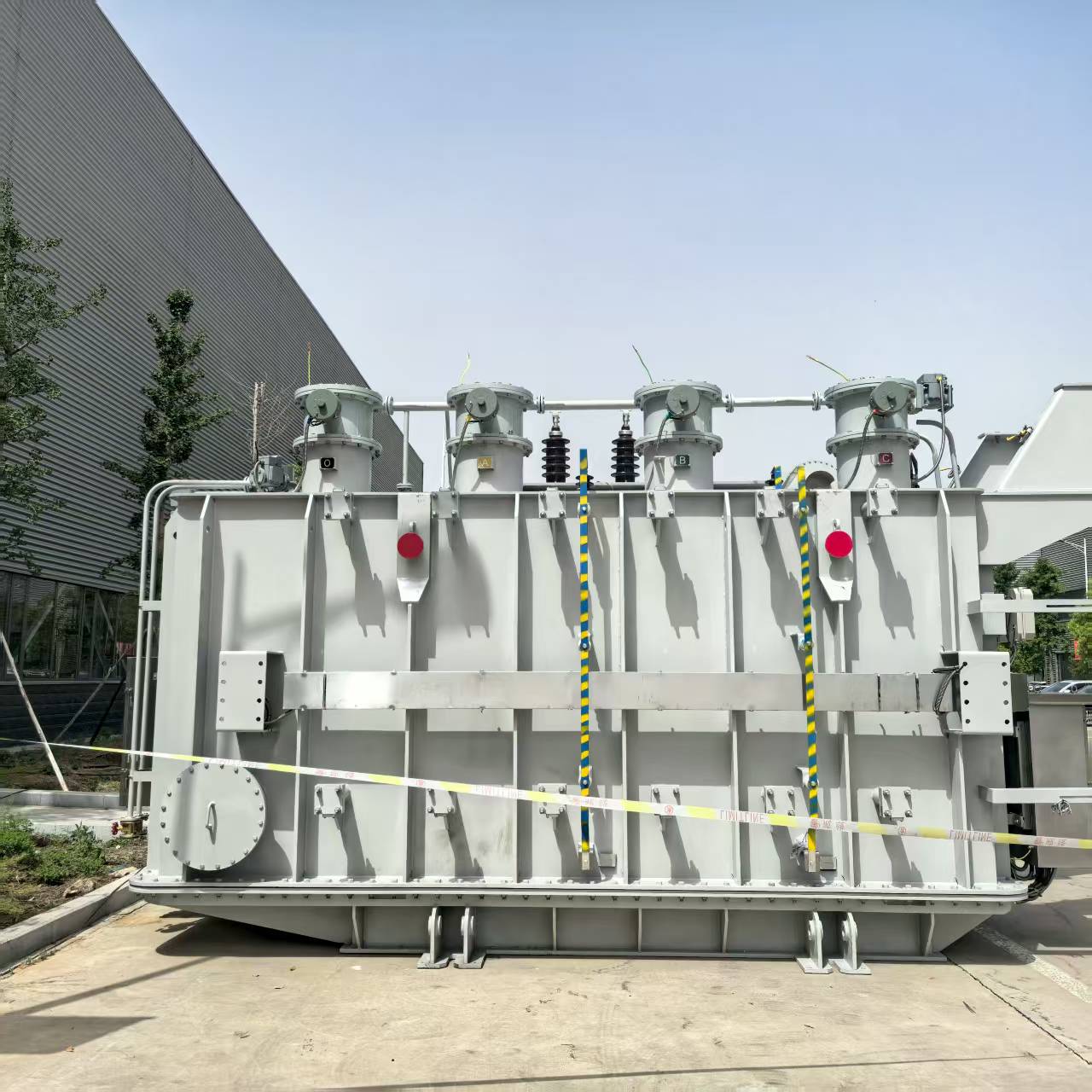
In the architecture of global high-voltage power transmission, the 132 kV voltage class represents a critical junction. It is the exact point where long-distance regional transmission lines step down to feed local municipalities, or where massive power generation facilities step up their output to join the national grid. At the absolute center of this energy transfer is the 132 kv transformer.
For EPC (Engineering, Procurement, and Construction) contractors and utility developers, procuring a 132 kv transformer is a multi-million-dollar decision that dictates the operational stability of the entire network for the next 40 years. Treating these massive assets as standard commodities is a critical error.
Drawing from our extensive field experience as one of the world's leading large power transformer manufacturers, we will break down the specific engineering demands of a 132 kv transformer across three primary applications: grid substations, renewable energy plants, and heavy industrial networks.
The most common application for this equipment is within a centralized utility substation. Typically configured as a 132 33kv substation, this facility receives high-voltage power from regional transmission towers and steps it down to 33 kV for localized urban or rural distribution.
In this scenario, a 132 kv transformer must act as the ultimate stabilizing force for the grid. Municipal loads are rarely static; they peak aggressively in the morning and early evening, and drop overnight. To manage these fluctuations, a utility-grade 132 kv transformer must be equipped with a heavy-duty On-Load Tap Changer (OLTC). The OLTC allows the transformer to dynamically adjust its voltage ratio without interrupting the power supply, compensating for voltage drops on the grid and ensuring homes and businesses receive a perfectly stable current.
Furthermore, because a 132 33kv substation is often located near populated areas, the 132 kv transformer must be engineered with advanced acoustic dampening technologies. We utilize step-lap mitered core joints and specialized anti-vibration tank bracing to significantly reduce the magnetic hum, ensuring strict compliance with urban noise pollution regulations.
The green energy transition has fundamentally altered how electric grid transformers are designed. Historically, a coal or nuclear plant provided a steady, predictable base load. Today, massive offshore wind farms and utility-scale solar parks generate power that is inherently volatile, dictated by changing weather conditions.
When a 132 kv transformer is deployed as a power plant step up transformer at a renewable energy facility, it faces extreme thermal and electrical stress.
To survive these conditions, a renewable-spec 132 kv transformer must feature an electrostatic shield to manage harmonics and an upgraded cooling system (such as ONAF - Oil Natural Air Forced) with oversized radiators to rapidly dissipate sudden thermal spikes. By utilizing high-purity electrolytic copper and upgraded dielectric fluids, we ensure our renewable energy transformers offer a flawless 30-plus year lifespan.
Beyond utilities and solar farms, heavy industrial complexes—such as steel mills, aluminum smelters, and deep-shaft mining operations—require their own dedicated high-voltage supply. These facilities consume more power than small cities and routinely connect directly to the transmission grid via a privately owned 132 kv transformer.
In an industrial setting, a 132 kv transformer is subjected to brutal mechanical forces. For example, when an electric arc furnace in a steel mill strikes, it creates a massive, instantaneous short-circuit current. This places immense electro-dynamic stress on the transformer's internal copper windings. If the windings are not properly braced, they will warp and short out.
As an experienced manufacturer, we engineer our industrial-grade 132 kv transformer units with heavy-duty core clamping structures and epoxy-bonded transposed cables. This ruggedized internal architecture ensures the active part of the 132 kv transformer remains completely rigid, even when slammed with the most violent industrial loads.
When B2B procurement teams are comparing bids from various large power transformer manufacturers, it is crucial to evaluate the Total Cost of Ownership (TCO) rather than just the initial capital expenditure (CAPEX).
Below is an evaluation matrix to help buyers differentiate between a standard build and a premium-engineered 132 kv transformer:
|
Engineering Component |
Standard 132 kV Transformer |
Premium Engineered 132 kV Transformer |
|
Core Steel Material |
Standard Silicon Steel |
Laser-treated CRGO (Extremely low no-load losses) |
|
Moisture Extraction |
Conventional oven baking |
Vapor Phase Drying (VPD) under deep vacuum |
|
Winding Material |
Standard Aluminum or basic Copper |
Continuously Transposed Copper Conductors (CTC) |
|
Dielectric Fluid |
Standard Mineral Oil |
High-flashpoint, biodegradable synthetic ester options |
|
Testing Standards |
Basic Routine FAT |
Comprehensive Type Tests (Lightning Impulse, Heat Run) |
Procurement Tip: Always demand proof of Vapor Phase Drying (VPD). If a manufacturer simply bakes the active part of a 132 kv transformer in a hot air oven, trapped moisture will remain deep within the cellulose insulation, leading to partial discharge and a drastically shortened equipment lifespan.
Procuring a 132 kv transformer is a monumental investment in your infrastructure's future. Whether it is acting as the heart of a municipal substation, a volatile power plant step up transformer, or the driving force behind a massive steel mill, this equipment cannot afford to fail.
Success requires moving beyond standard catalog purchasing and partnering with elite large power transformer manufacturers who understand the deep metallurgical and thermodynamic realities of high-voltage transmission.
Are you engineering a new 132 kV substation or grid connection? Do not leave your critical infrastructure to chance. Contact our technical engineering team today. We will review your single-line diagrams, calculate your harmonic load profiles, and custom-manufacture a 132 kv transformer designed to deliver decades of absolute, uncompromising reliability.