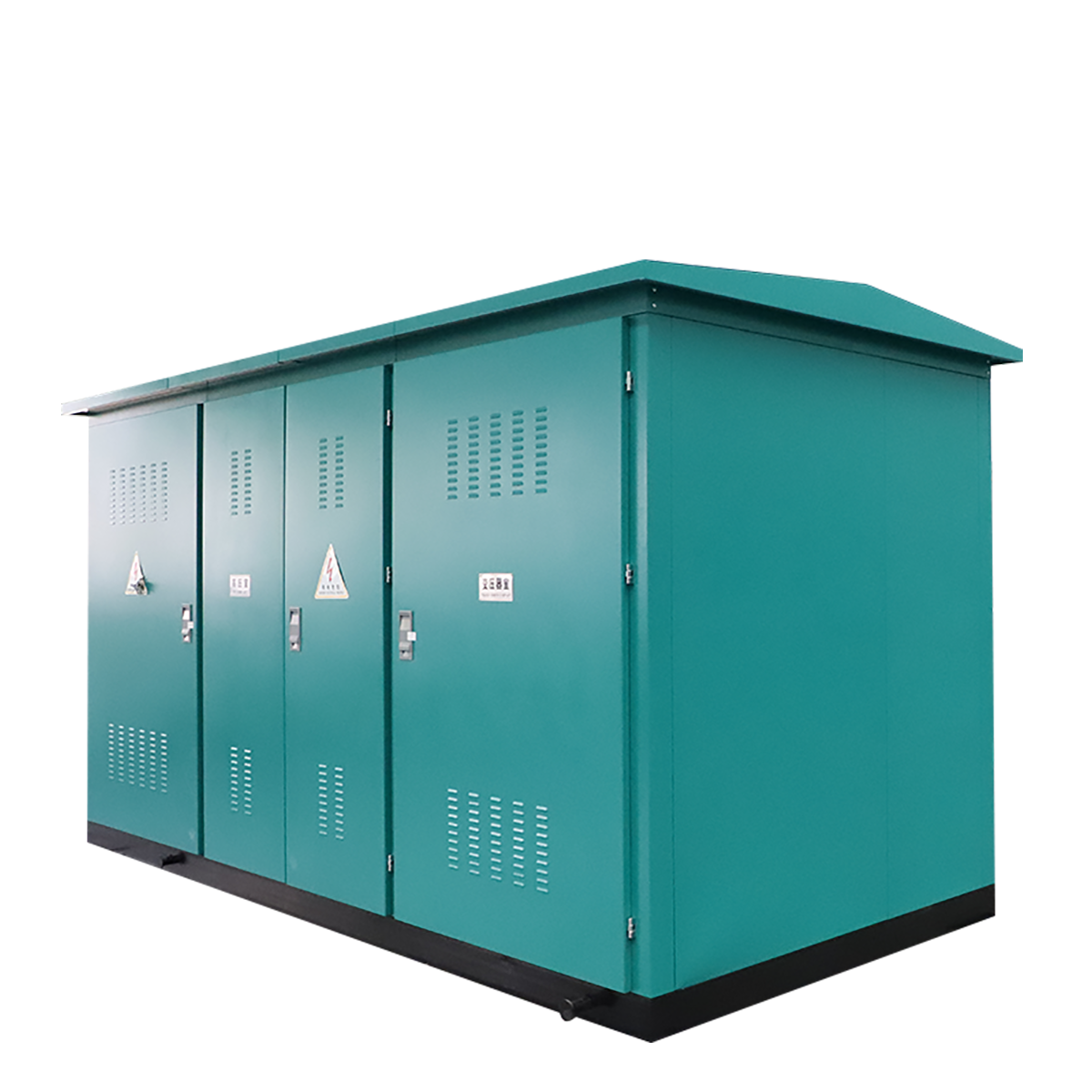
Prefabricated Compact Substation Unit for Grid Distribution
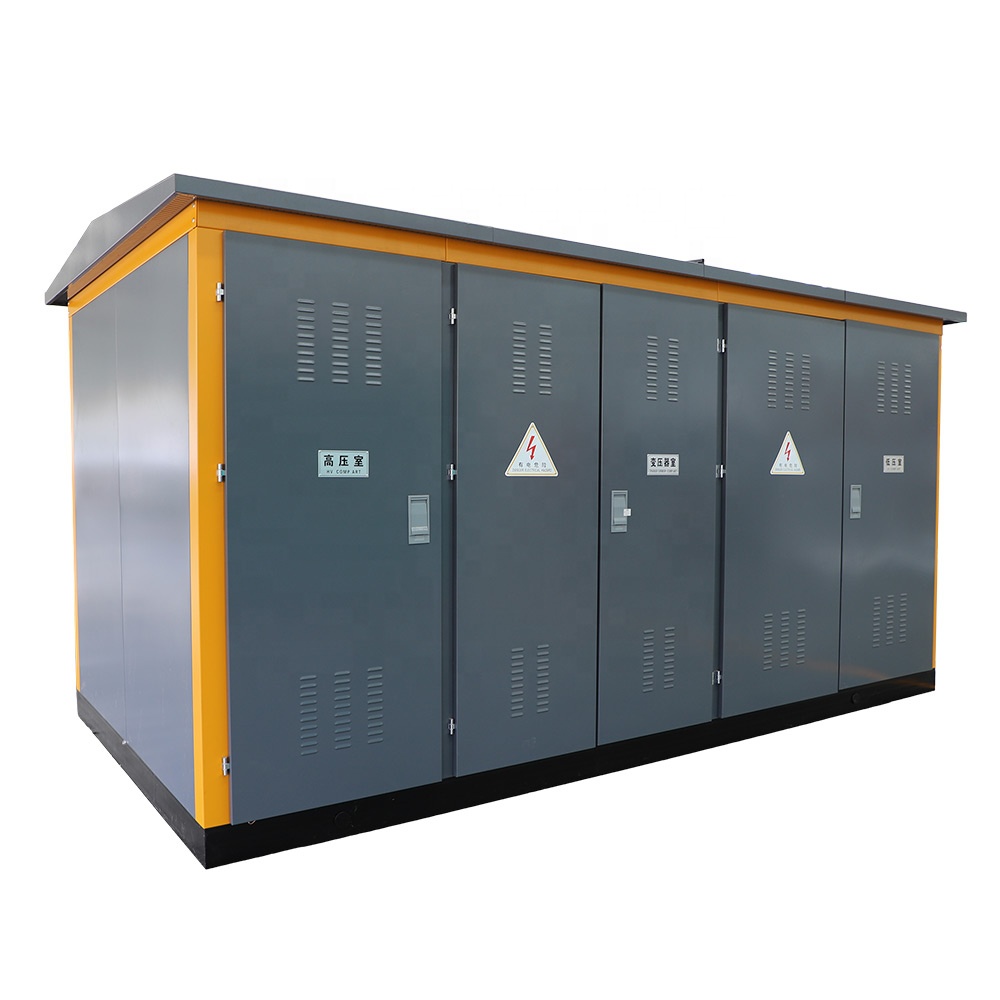
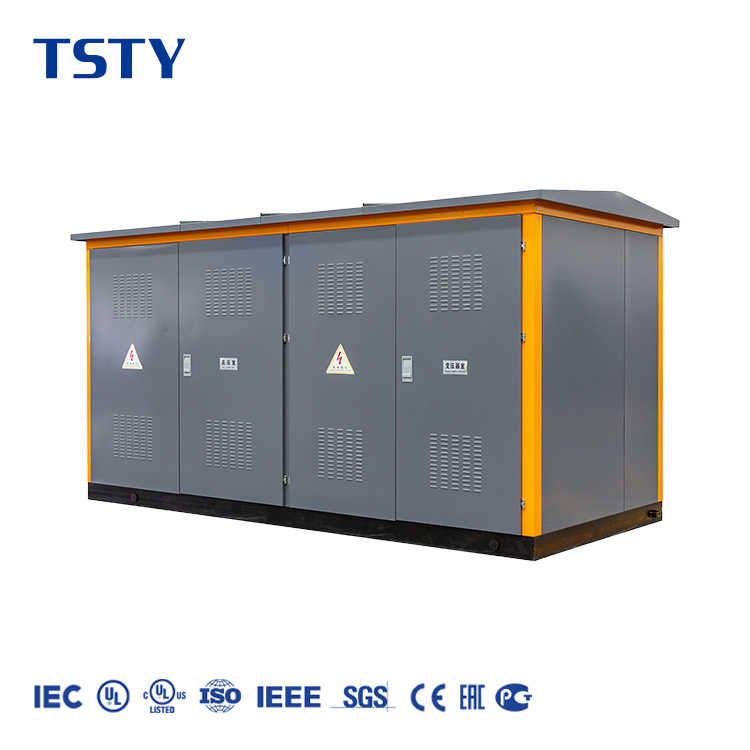
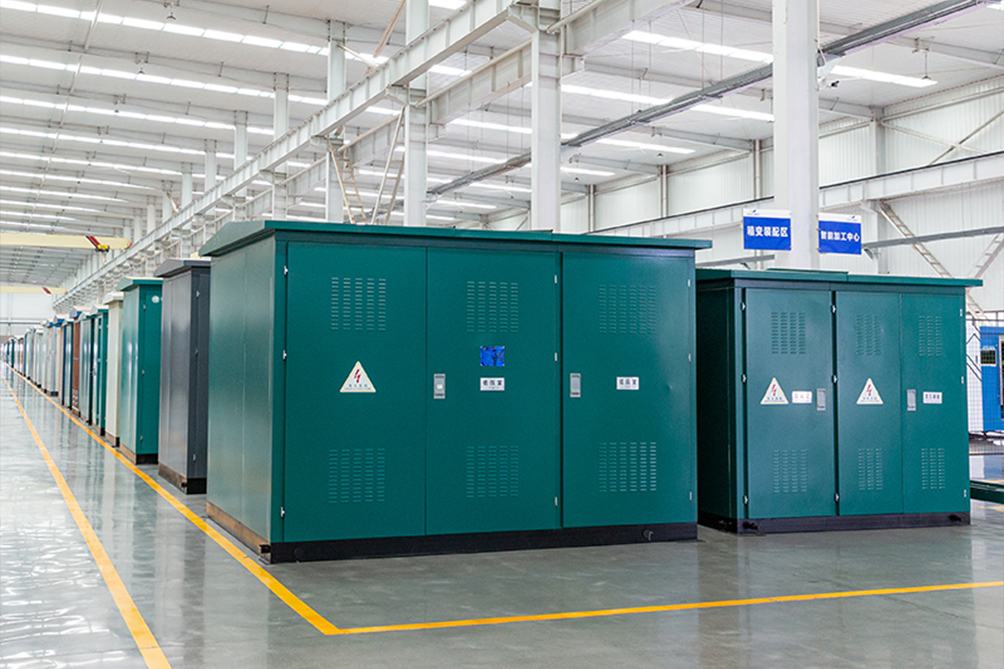
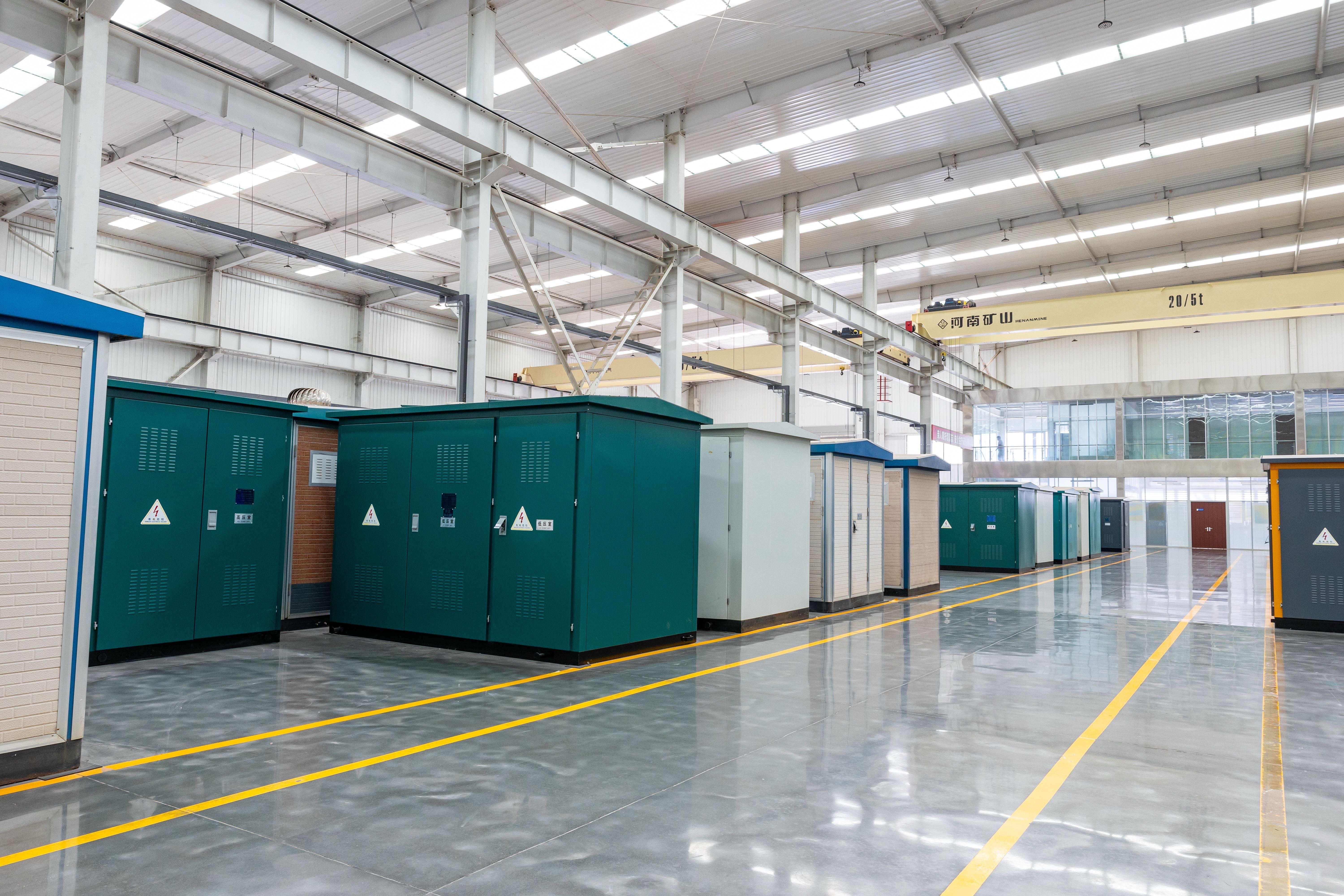
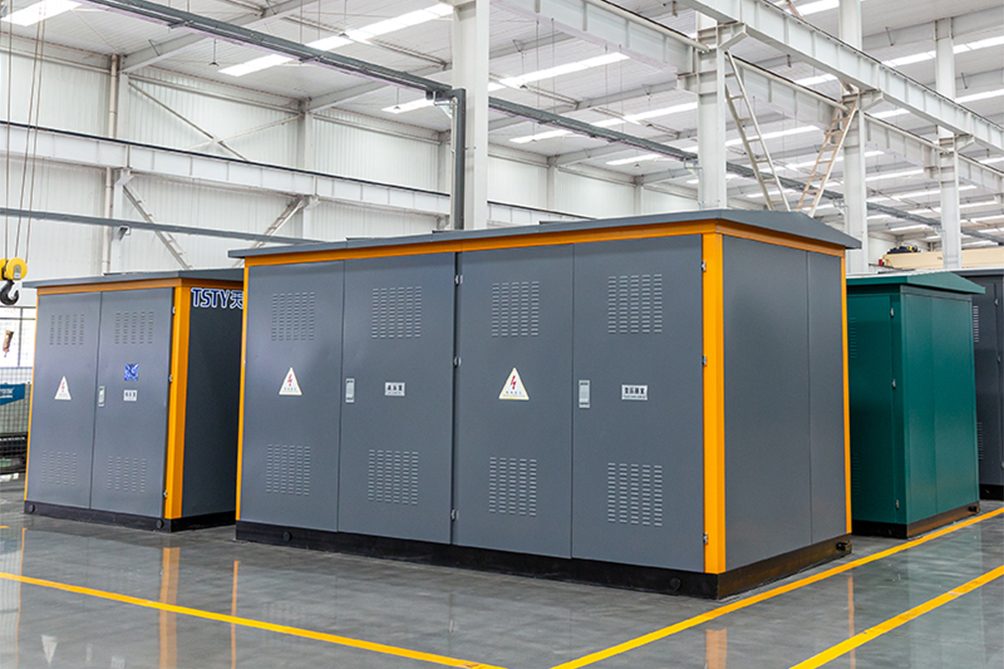
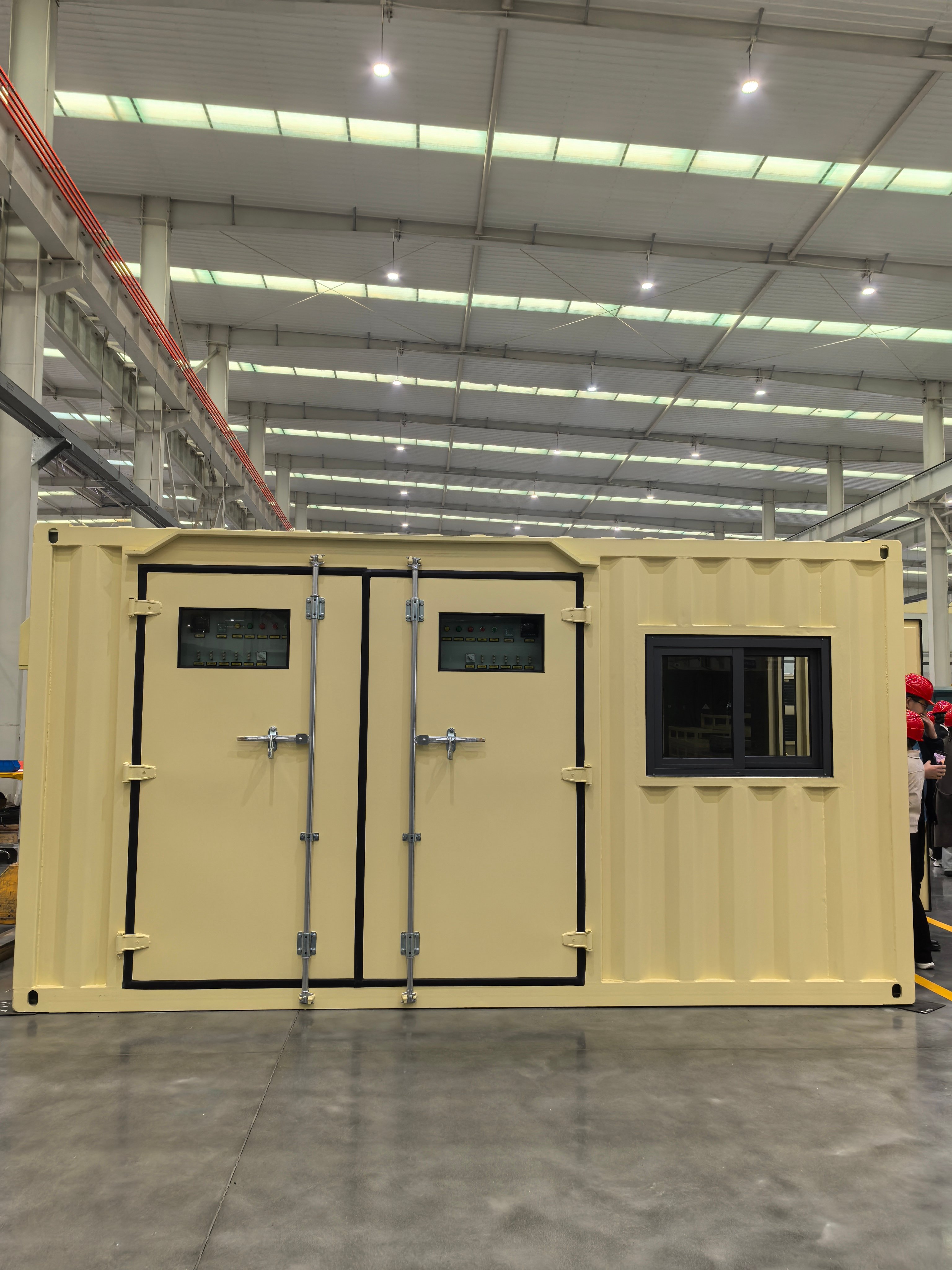
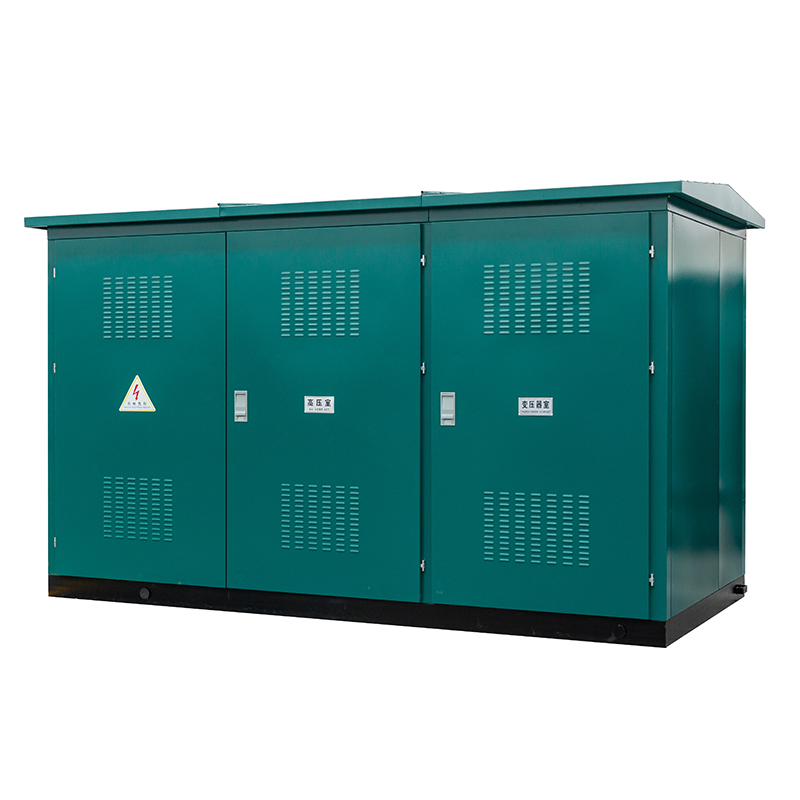
A compact substation unit is a fully integrated, prefabricated electrical distribution solution that houses medium-voltage switchgear, a step-down or step-up transformer, and low-voltage distribution panels within a single weather-proof enclosure. Designed to minimize site installation time and reduce the physical footprint, the compact substation unit is highly favored in space-constrained urban developments, industrial parks, and renewable energy sites. By completing all internal wiring, relay coordination, and dielectric testing at the factory, we deliver a plug-and-play solution that significantly lowers civil construction costs. This enclosed system protects vital components from harsh environmental conditions while ensuring high operational safety for maintenance personnel, making it an efficient alternative to traditional open-air electrical substations.
Get A Quote




 EN