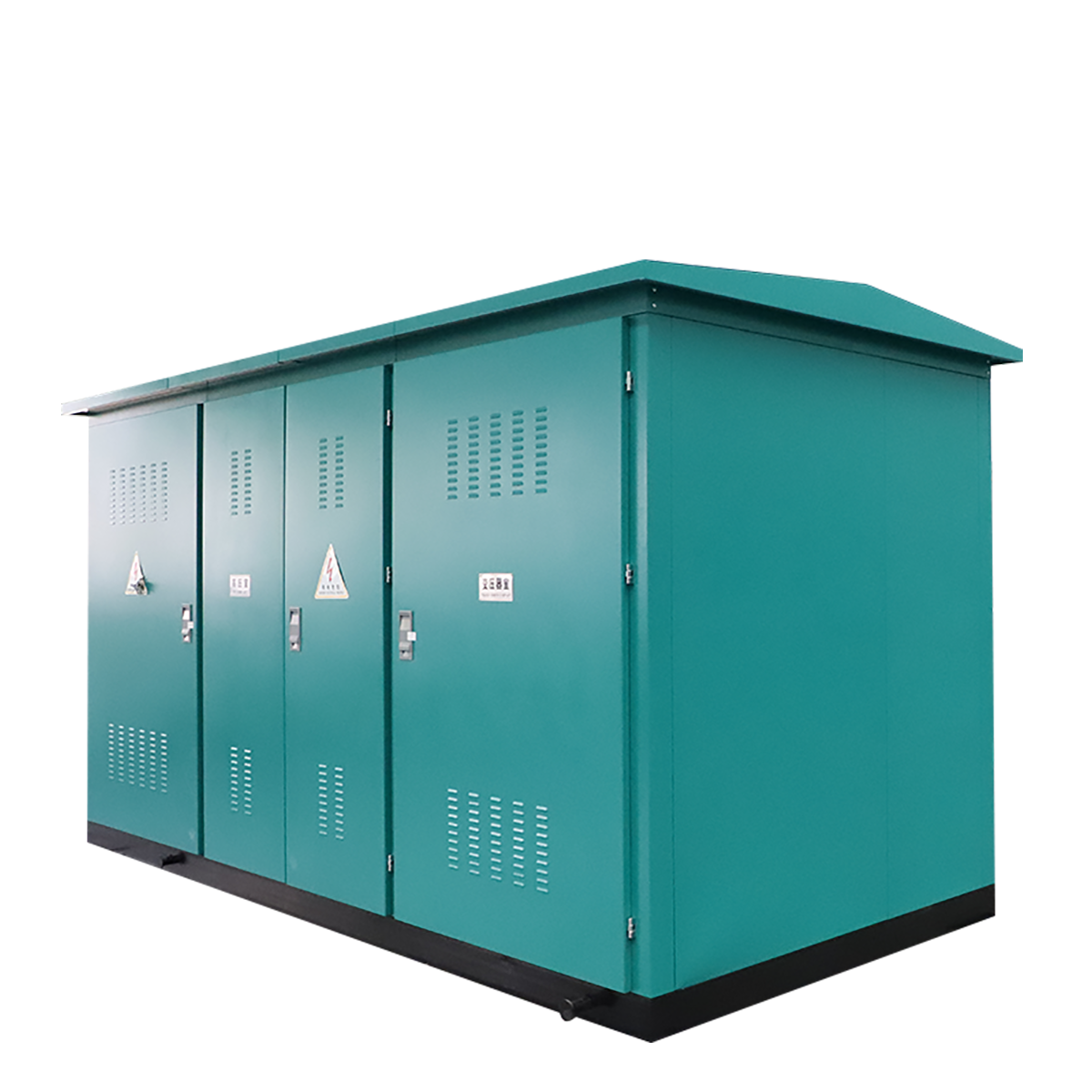
Compact Substation Unit for Urban & Industrial Grids

Get a Free Quote

Our representative will contact you soon.
Select your project goal
Email
Name
Company Name
Phone
Project Details
0/1000
Prefabricated Compact Substation Unit for Grid Distribution

Prefabricated Compact Substation Unit for Grid Distribution

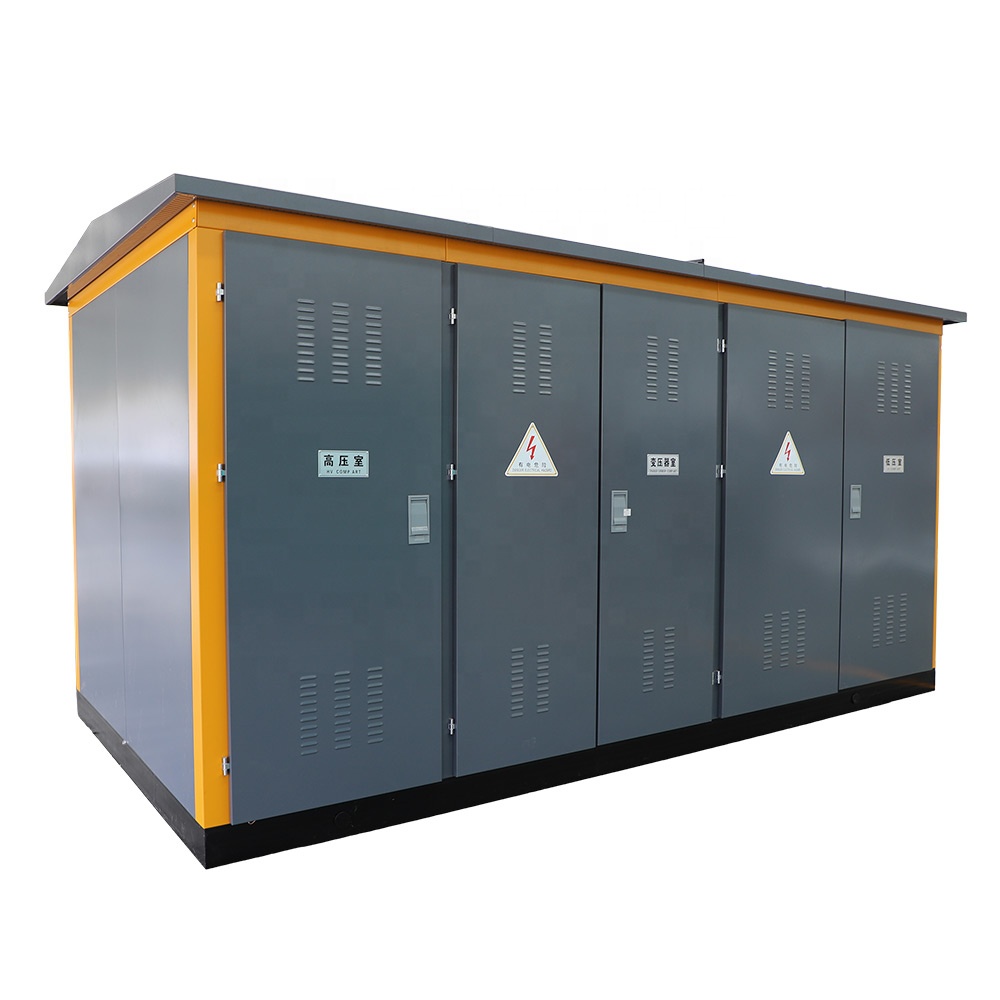
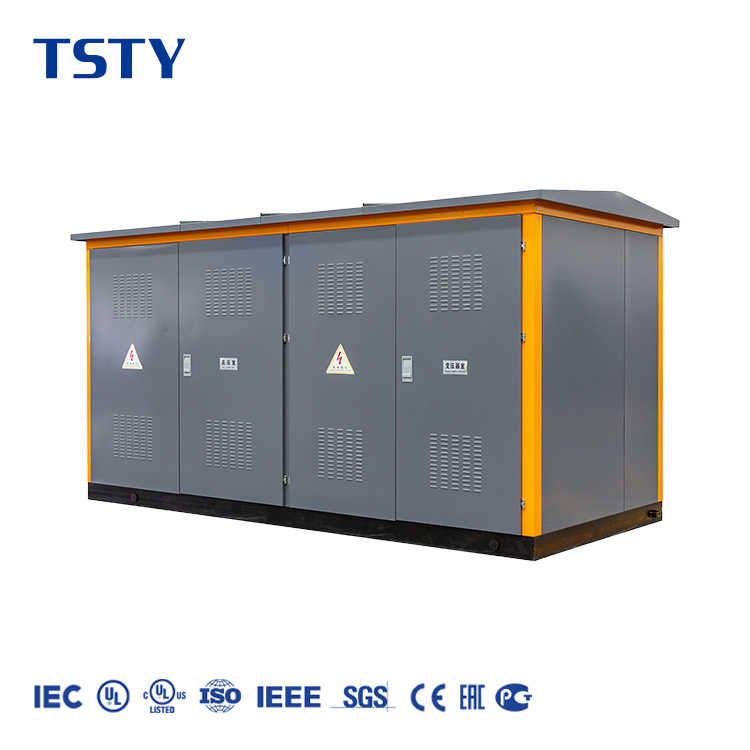
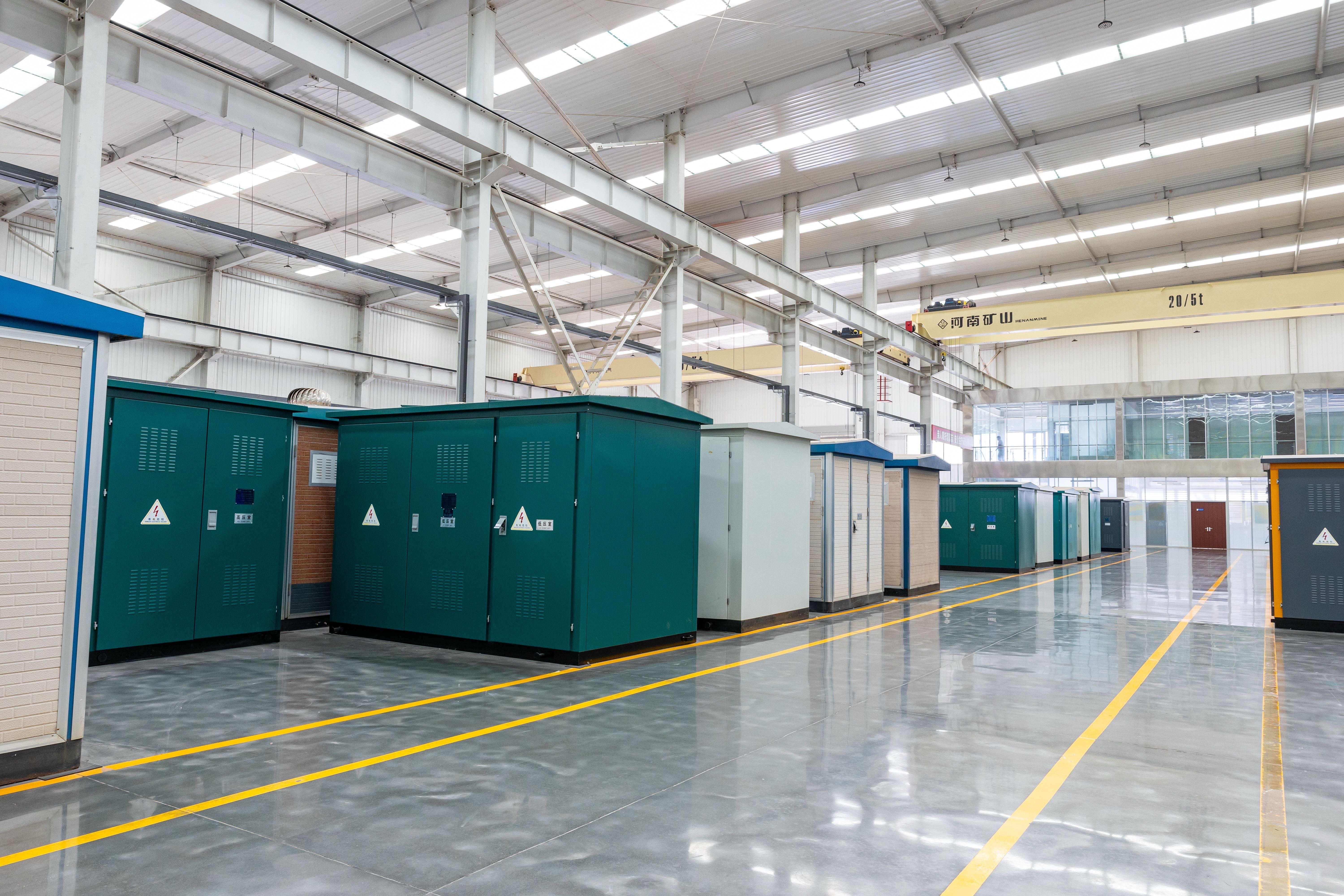
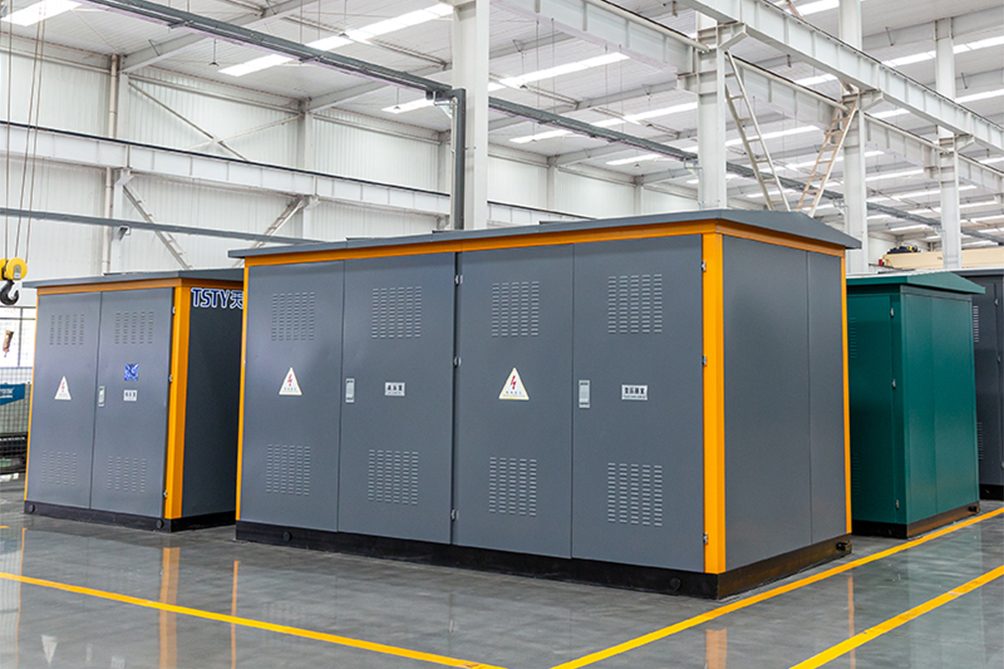
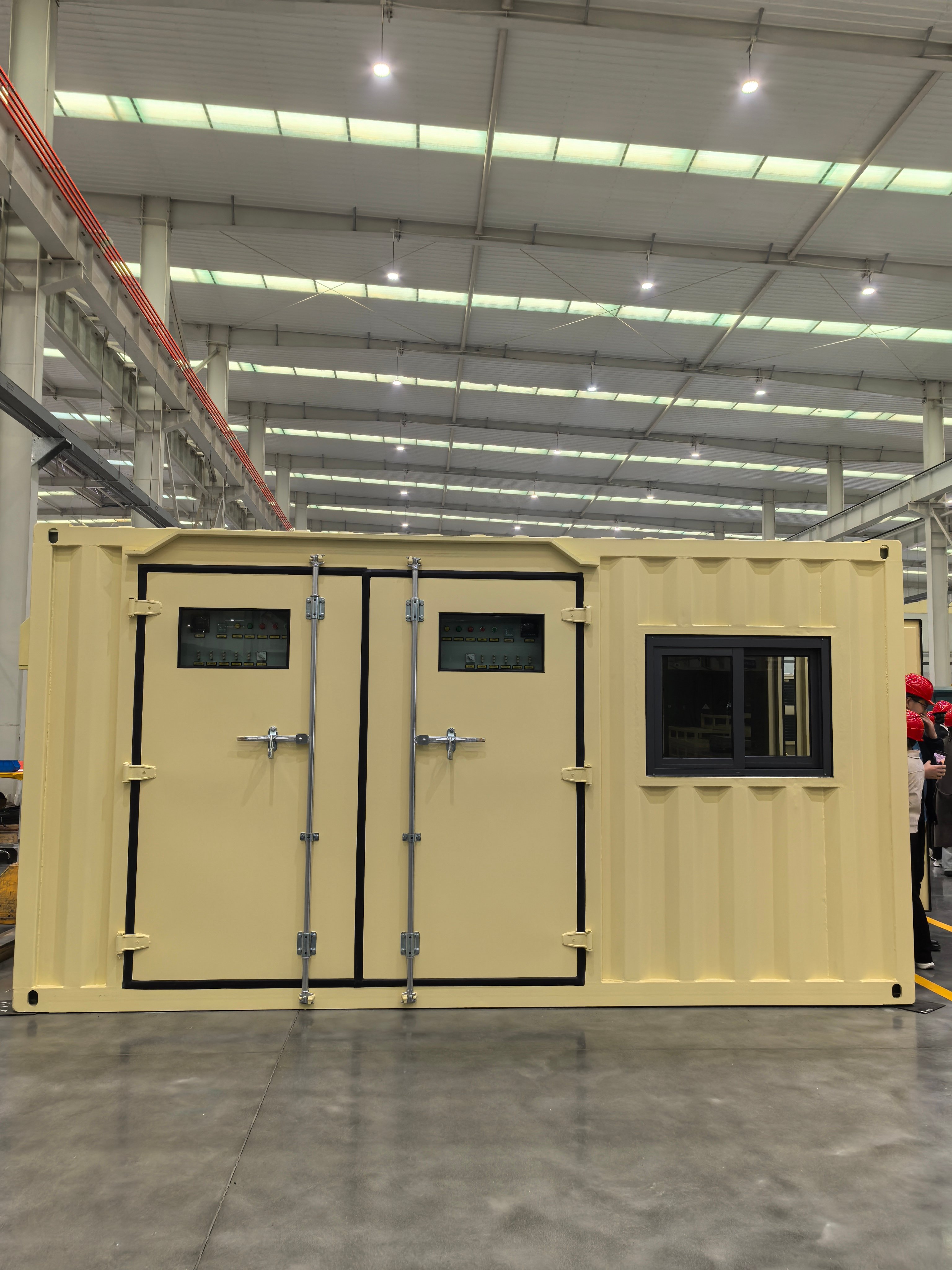
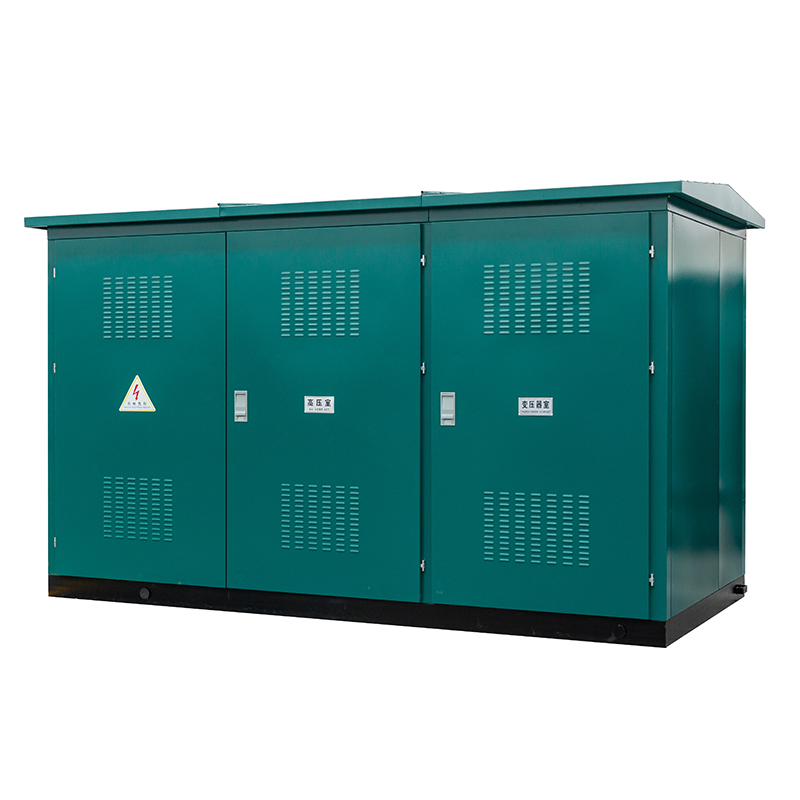
A compact substation unit is a fully integrated, prefabricated electrical distribution solution that houses medium-voltage switchgear, a step-down or step-up transformer, and low-voltage distribution panels within a single weather-proof enclosure. Designed to minimize site installation time and reduce the physical footprint, the compact substation unit is highly favored in space-constrained urban developments, industrial parks, and renewable energy sites. By completing all internal wiring, relay coordination, and dielectric testing at the factory, we deliver a plug-and-play solution that significantly lowers civil construction costs. This enclosed system protects vital components from harsh environmental conditions while ensuring high operational safety for maintenance personnel, making it an efficient alternative to traditional open-air electrical substations.
Get A Quote


Advantages of Deploying a Compact Substation Unit

Streamlining grid expansion with integrated, factory-tested electrical infrastructure.

Reduced Physical Footprint

Integrating the MV switchgear, transformer, and LV panels into one enclosure drastically cuts land requirements compared to building conventional open-air substations.

Rapid On-Site Installation

Because a compact substation unit arrives pre-wired and factory-tested, contractors only need to construct a basic concrete pad and connect the incoming and outgoing cables.

Enhanced Operational Safety

The grounded metal or non-metallic enclosure restricts unauthorized access to live electrical components, minimizing shock hazards in public residential or commercial areas.

nvironmental Protection

The robust housing shields internal electrical assets from moisture, dust, and UV radiation, extending the equipment's lifespan in harsh industrial or coastal environments.

Compact Substation Unit Configurations and Packages

Our diverse range of compact substation unit configurations caters to varied distribution needs, from standard urban residential grids to rugged mining applications. Buyers can select specific enclosure materials, including galvanized steel, aluminum, or glass-fiber reinforced polyester (GRP), depending on the site's environmental conditions. The internal layout of the compact substation unit is customizable, offering options for ring main units (RMU) on the high-voltage side, dry-type or oil-immersed transformers in the center, and molded case circuit breakers (MCCB) or air circuit breakers (ACB) on the low-voltage side. We also integrate smart grid automation features, such as remote terminal units (RTU) and digital fault indicators, enabling operators to monitor energy flow and isolate faults swiftly without dispatching field technicians.

The transition from sprawling open-air electrical yards to the streamlined compact substation unit represents a significant shift in modern power distribution planning. Also known as secondary substations or package substations, these units resolve the primary challenge facing urban planners and industrial facility managers: space constraint.
A standard compact substation unit is divided into three distinct compartments. The medium-voltage (MV) compartment typically houses a gas-insulated or solid-insulated ring main unit. This section connects the unit to the main utility grid. The transformer compartment sits in the middle, accommodating either a liquid-filled or dry-type transformer to step down the grid voltage to usable consumer levels. Finally, the low-voltage (LV) compartment contains distribution breakers, metering equipment, and power factor correction capacitors.

photobank_(9).jpg
The logistical benefits of this integrated approach are substantial. In a traditional build, contractors must coordinate the delivery of switchgear, transformers, and LV panels from different suppliers, followed by complex on-site cabling and testing. A compact substation unit bypasses this entirely. The manufacturer handles all internal busbar connections, grounding systems, and protection relay configurations at the factory.
Thermal management within the enclosure is a critical design factor. Transformers generate heat, and placing them inside a closed box requires engineered ventilation. Manufacturers utilize calculated louver designs and labyrinth ventilation paths to keep rain out while ensuring the internal ambient temperature remains within the operational limits of the electrical components, even during peak summer loads.

Common Inquiries About the Compact Substation Unit

Technical and installation details for prefabricated distribution systems.

What components are inside a compact substation unit?

It generally includes three main sections: a medium-voltage switchgear compartment, a transformer compartment, and a low-voltage distribution panel compartment.
Unlike traditional substations that require large buildings and extensive cable trenches, this unit only requires a simple, flat concrete foundation for installation.
Yes. The enclosures are securely locked, properly grounded, and internally compartmentalized to prevent accidental contact with live electrical parts by the public.
The enclosure is designed with specific natural ventilation louvers, and if required, thermostat-controlled exhaust fans to dissipate the heat generated by the transformer.
Absolutely. Its skid-mounted, all-in-one design makes it relatively easy to disconnect, lift, and relocate, which is highly beneficial for temporary construction sites or mining camps.
Options include galvanized carbon steel for standard use, marine-grade aluminum, or non-metallic composite materials for highly corrosive environments.

Related Articles

11kV/400V Substations for Industrial Facilities: Layout, Transformer, and Switchgear Basics

21

Sep

11kV/400V Substations for Industrial Facilities: Layout, Transformer, and Switchgear Basics

Master your industrial power layout. A B2B guide to configuring the 11kV/400V substation, MV switchgear, and step-down transformers for heavy-duty loads.
View More
Distribution Transformer Substation Planning for Utilities, Industrial Parks, and Renewable Projects

21

Sep

Distribution Transformer Substation Planning for Utilities, Industrial Parks, and Renewable Projects

Master sector-specific planning for a distribution transformer substation. A B2B guide for utility grids, industrial parks, solar, and BESS integration.
View More
Compact Substation Transformers for Urban Grids, Solar Farms, and Industrial Loads

20

Oct

Compact Substation Transformers for Urban Grids, Solar Farms, and Industrial Loads

Discover how a compact substation transformer adapts to urban grids, solar farms, and heavy industry. A B2B guide to modular LV/MV switchgear integration.
View More
2500 kVA Pad Mounted Transformer for Large Commercial Loads and Renewable Energy Projects

28

Sep

2500 kVA Pad Mounted Transformer for Large Commercial Loads and Renewable Energy Projects

Learn how a 2500 kVA pad mounted transformer supports heavy commercial loads and renewable energy. Compare specs, ROI, and procurement tips for B2B buyers.
View More

Client Feedback on Package Substations

Experiences from urban developers and industrial facility managers.
Samuel Thorne
Urban Infrastructure Planner

"Deploying a compact substation unit for our new residential block saved us weeks of construction time. The small footprint fit perfectly into the designated utility zone."

Clara Higgins
Mining Operations Director

"The rugged enclosure of the compact substation unit has held up exceptionally well against the heavy dust and vibrations at our site. Relocating it is very straightforward."

Mateo Vargas
Solar Park EPC Contractor

"Having the MV switchgear and transformer pre-wired at the factory eliminated our on-site integration errors. The plug-and-play nature of this equipment kept our project on schedule."

Get a Free Quote

Our representative will contact you soon.
Select your project goal
Email
Name
Company Name
Phone
Project Details
0/1000
Factory Integration and Internal Cabling Precision

Factory Integration and Internal Cabling Precision

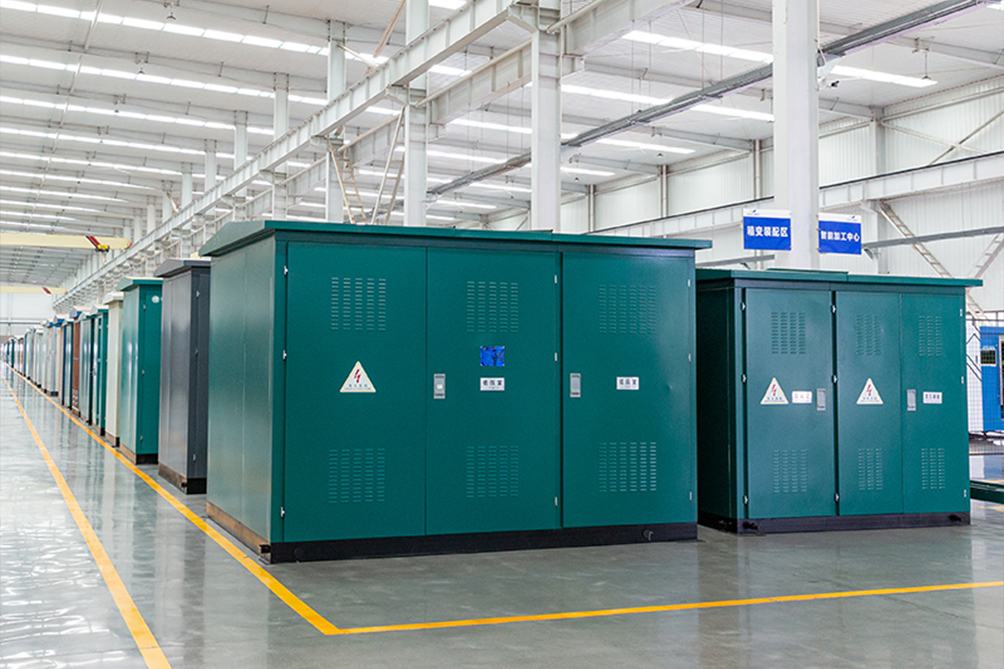
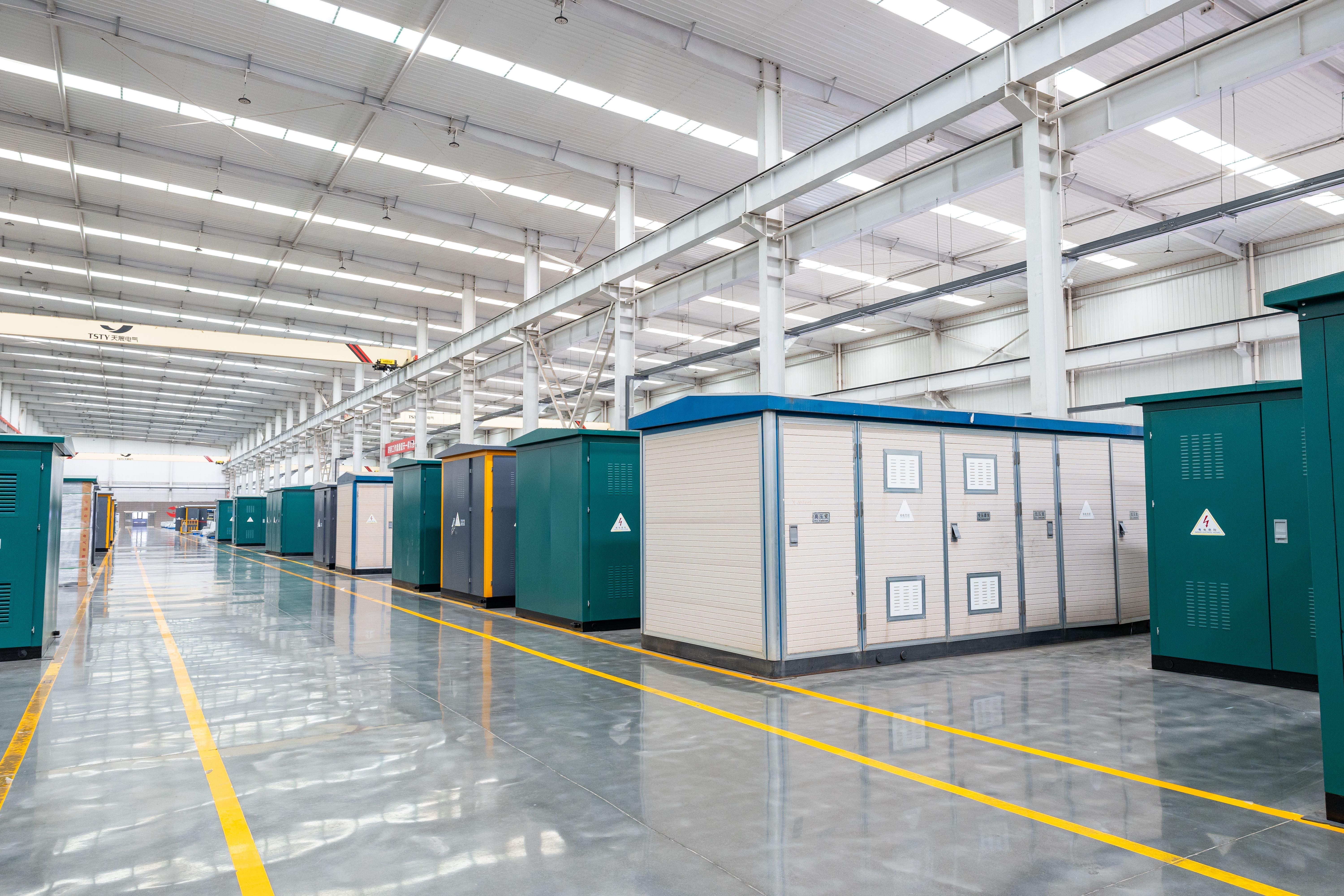
One of the most significant engineering benefits of selecting a compact substation unit is the complete elimination of complex on-site electrical integration. In a traditional open-air setup, technicians must manually route, terminate, and test the connecting cables between the medium-voltage switchgear, the step-down transformer, and the low-voltage distribution panels in the field. This process is highly susceptible to weather delays and human error. By shifting this process to a controlled factory environment, we ensure that all internal copper busbar links and communication wiring are executed with absolute precision. Our technicians assemble the compact substation unit on a level production floor, torquing every bolt to exact specifications and verifying all protective relay connections. This pre-fabrication method guarantees that the internal electrical interfaces operate flawlessly, reducing the project commissioning phase from several weeks to just a few days upon site arrival.
Advanced Enclosure Ventilation and Thermal Design

Advanced Enclosure Ventilation and Thermal Design

Managing the internal temperature of a compact substation unit is a critical engineering challenge, as the enclosed transformer generates a substantial amount of continuous heat during normal operation. If this thermal energy is not dissipated efficiently, it can degrade the insulation of the low-voltage breakers and reduce the overall lifespan of the system. To address this, our enclosure designs utilize advanced thermodynamic modeling to establish optimal natural ventilation paths. We strategically position weather-proof louvers on the metallic or composite doors to draw in cool ambient air from the bottom and expel hot air from the upper vents without allowing rain or heavy dust to penetrate the interior compartments. For units deployed in extreme climates with high solar radiation, we integrate thermostat-controlled forced cooling fans and double-layered roof panels to minimize heat absorption, ensuring the electrical assets inside the compact substation unit function safely.
High Safety Standards for Public Environments

High Safety Standards for Public Environments

Because a compact substation unit is frequently installed in densely populated urban areas, residential neighborhoods, and accessible commercial parks, ensuring public safety is the foremost design priority. Traditional electrical yards require high perimeter fencing and expansive clearance zones to keep untrained individuals away from exposed high-voltage terminals. In contrast, this packaged equipment encapsulates all live electrical components within a highly robust, securely locked, and grounded metal or composite enclosure. The internal architecture is strictly compartmentalized; the medium-voltage, transformer, and low-voltage sections are separated by grounded metal barriers. This means operators can perform routine checks on the low-voltage panel without ever being exposed to the high-voltage side. Additionally, the compact substation unit is designed to withstand internal arcing faults, directing any pressure or hazardous gases safely upward and away from passing pedestrians.