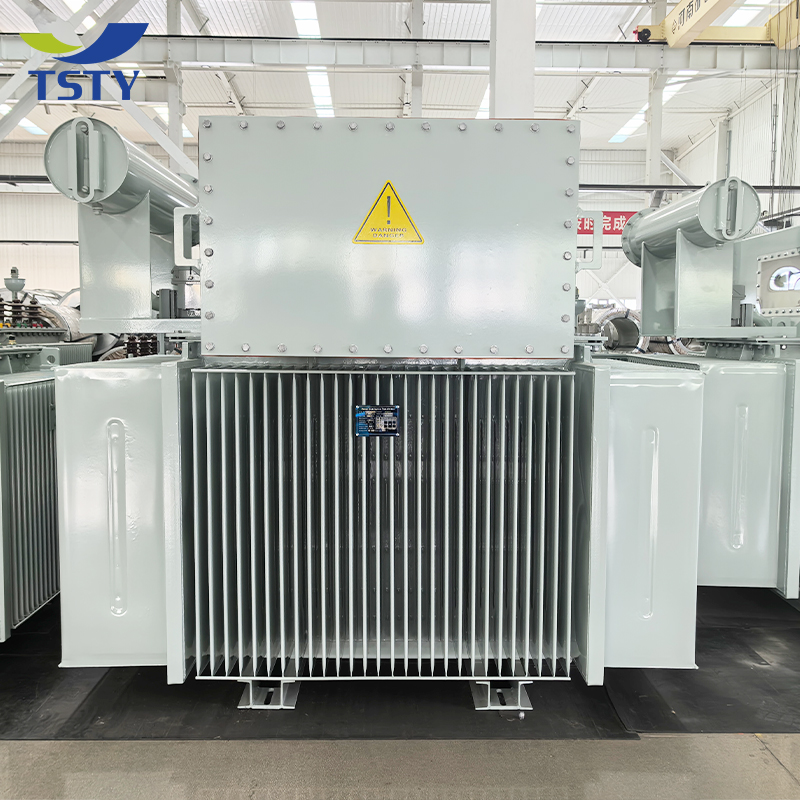
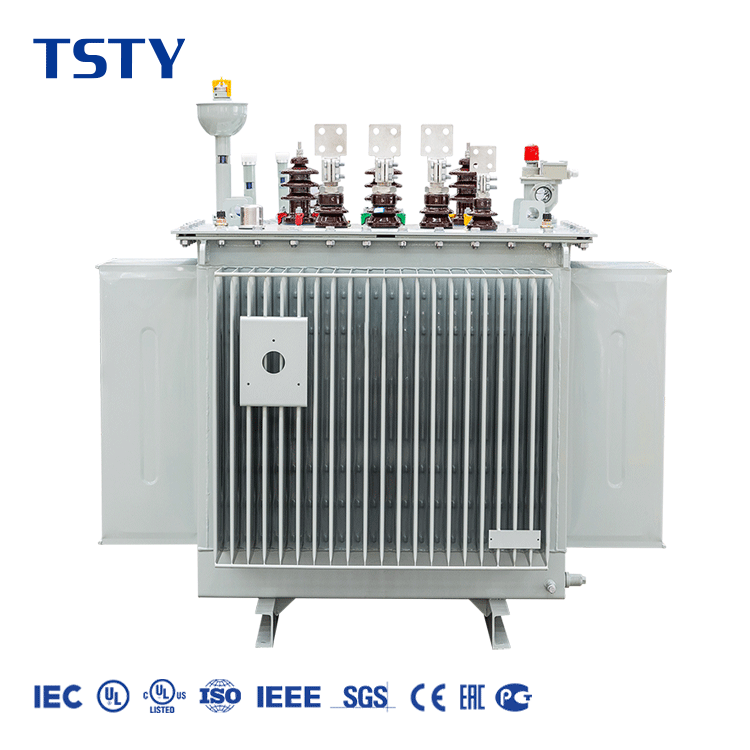
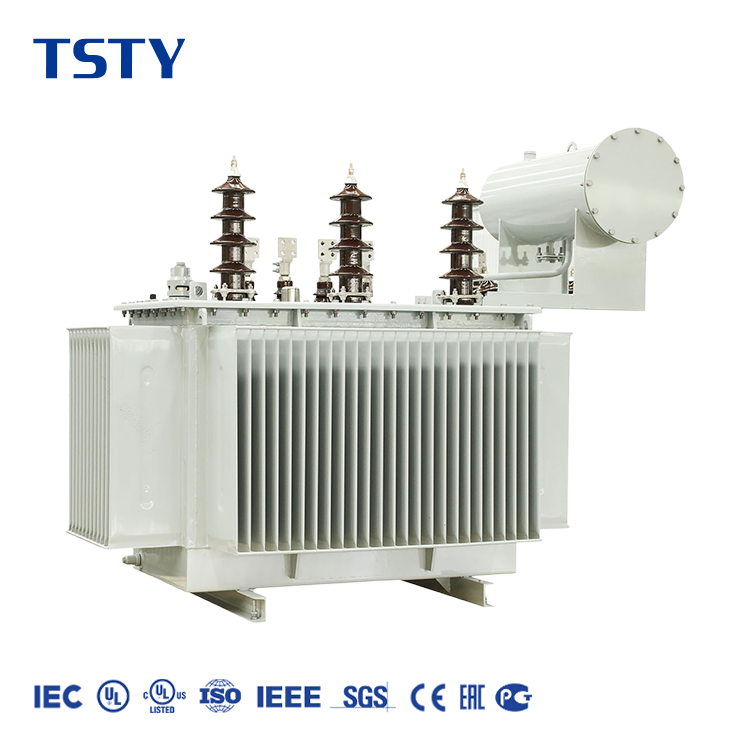
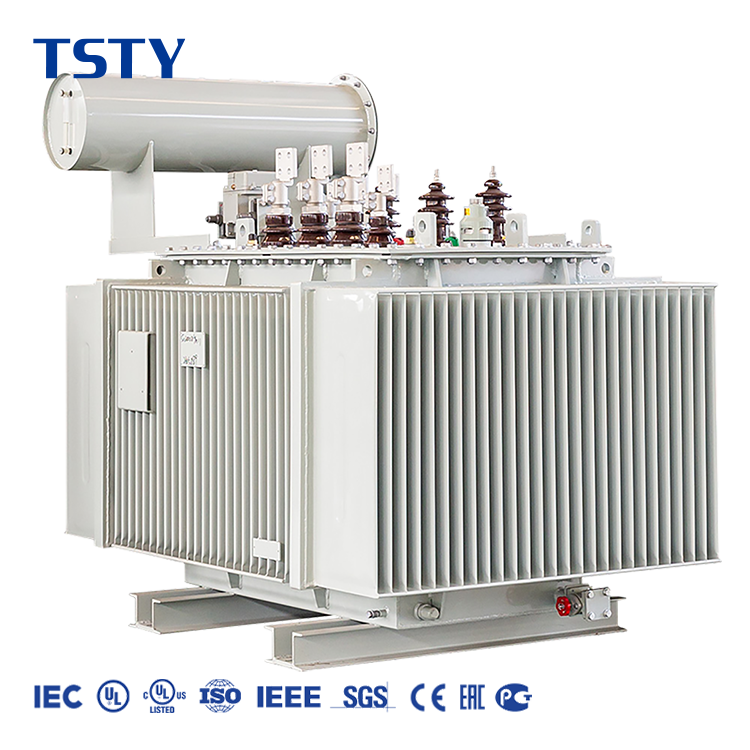
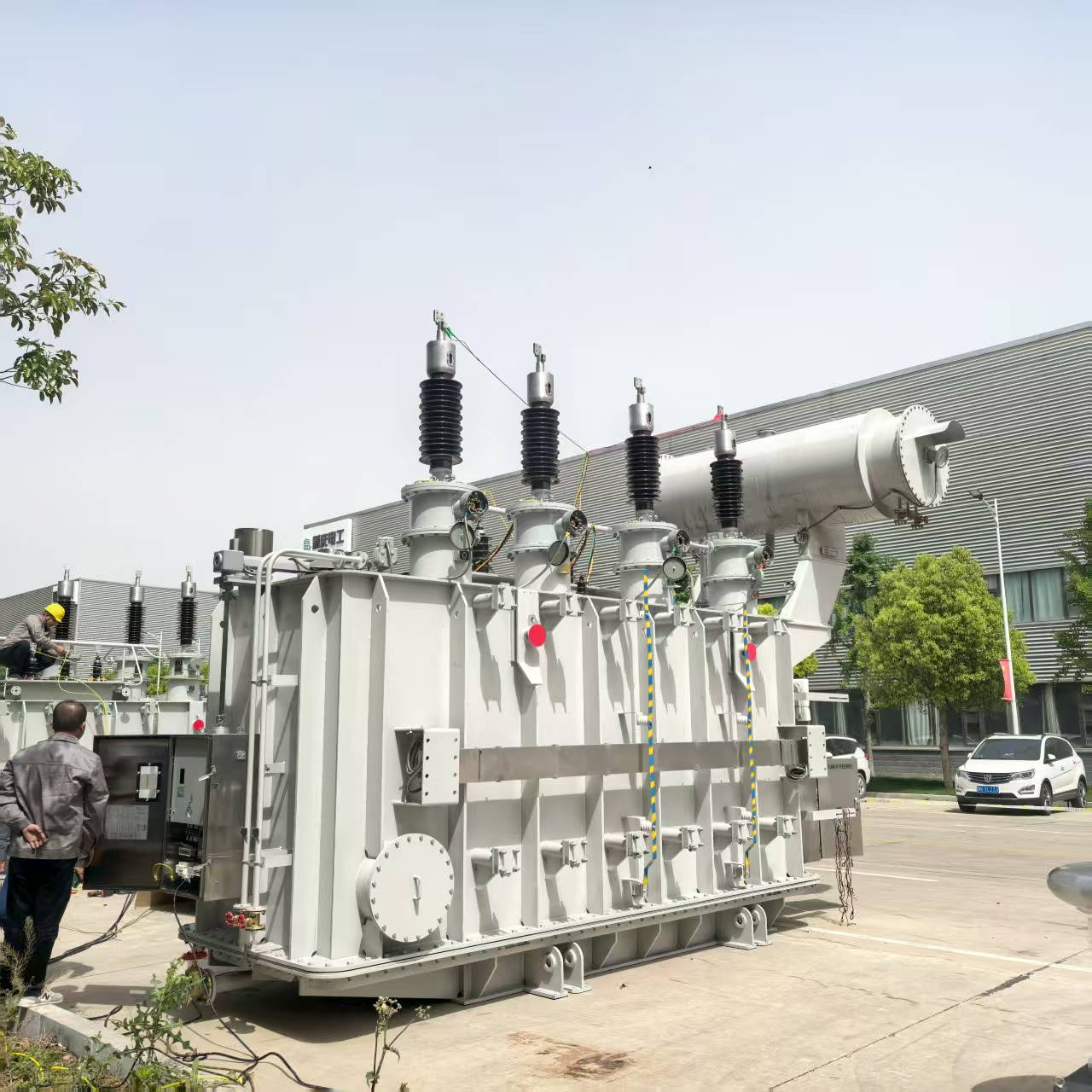
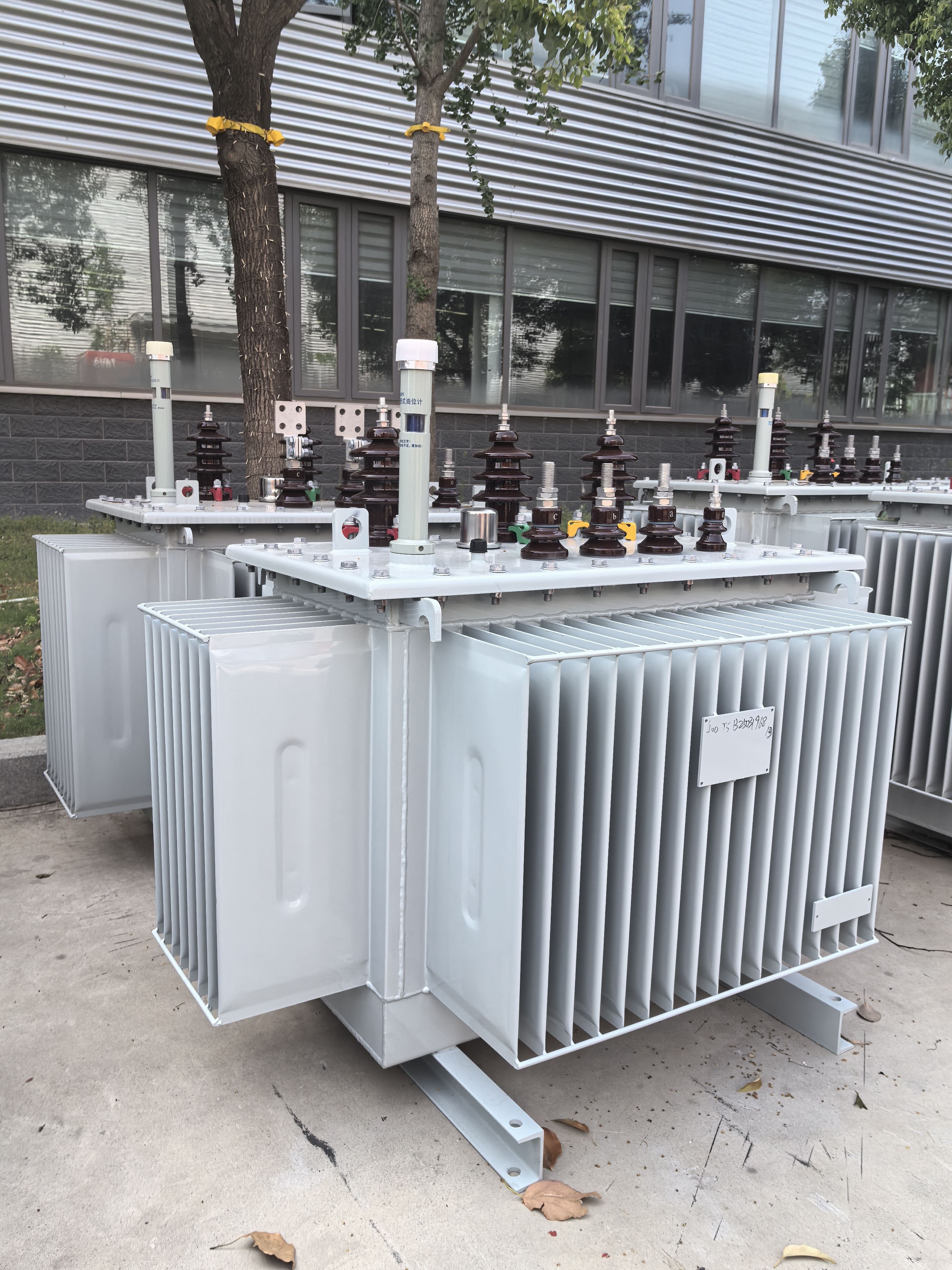
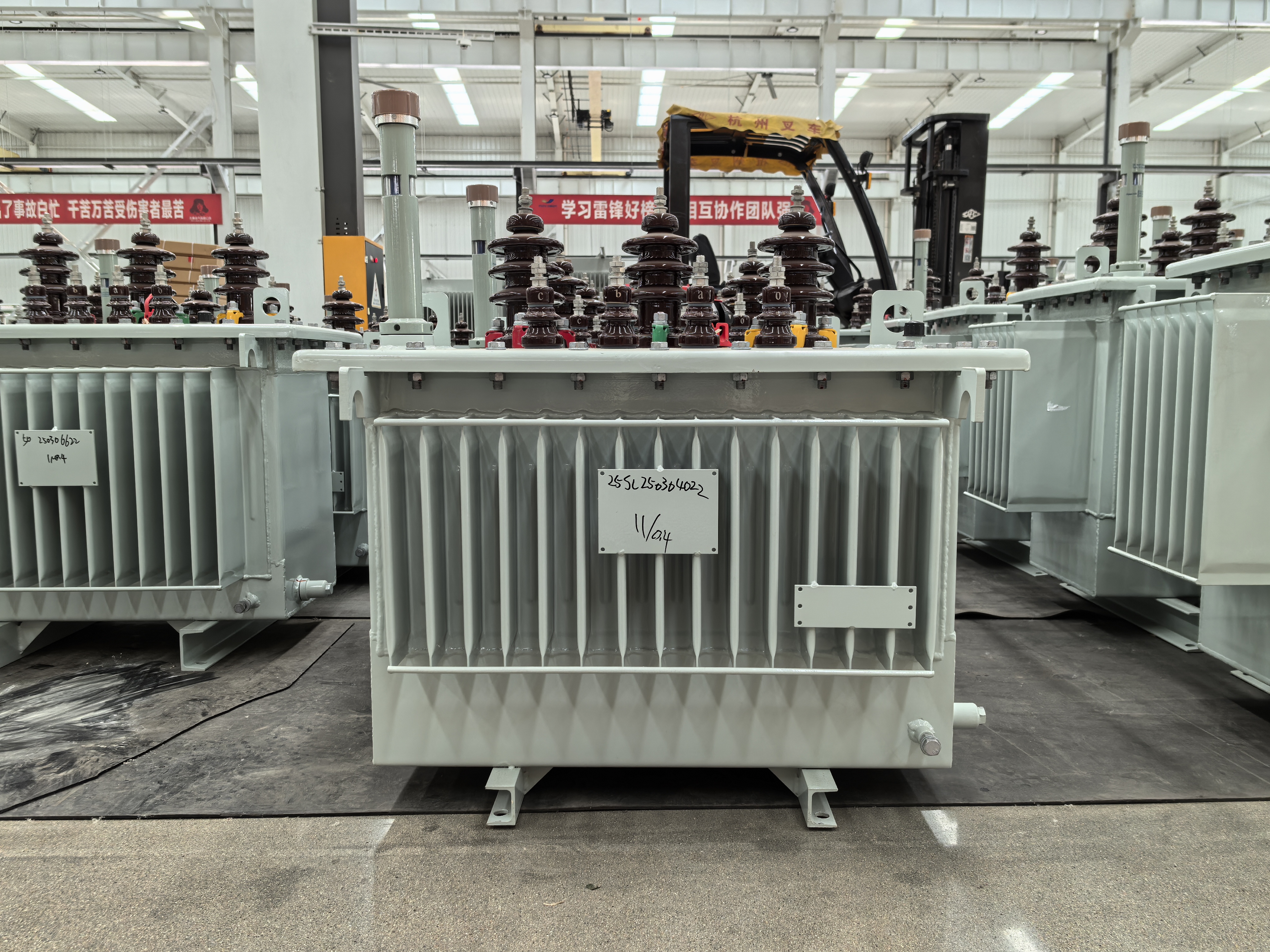
A grid transformer is a major electrical asset used within transmission and distribution networks to link circuits of different voltages. It allows power generated at lower voltages to be stepped up for efficient long-distance transmission, and then stepped down at receiving substations for industrial, commercial, or residential use.
The reliability of a grid transformer directly impacts the stability of the regional power supply. Therefore, utility companies and EPC contractors must strictly review technical parameters before manufacturing. Key specifications include rated power, primary and secondary voltages, number of phases, frequency, vector group, and impedance voltage. The tap changer—whether off-circuit (OCTC) or on-load (OLTC)—is also a critical component for regulating network voltage under varying load conditions without disrupting supply.
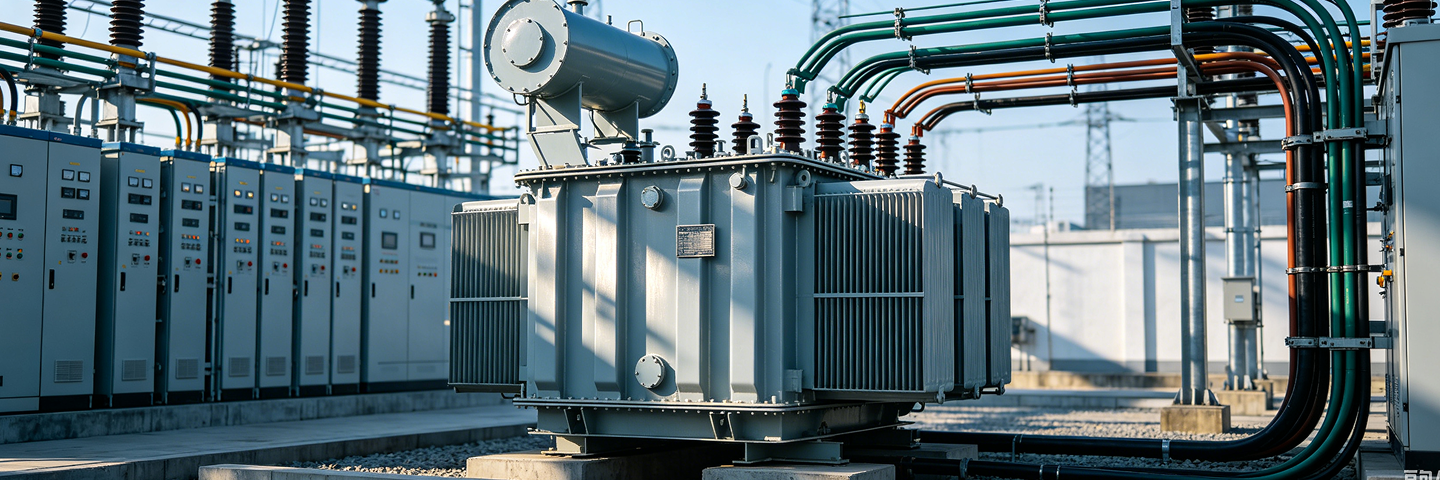
Because a grid transformer is typically installed in outdoor substations, environmental factors play a large role in its mechanical and insulation design. Buyers should specify site altitude, maximum and minimum ambient temperatures, humidity, and pollution levels. These details determine the required creepage distance for external bushings, anti-corrosion treatments for the tank, and the sizing of cooling radiators.
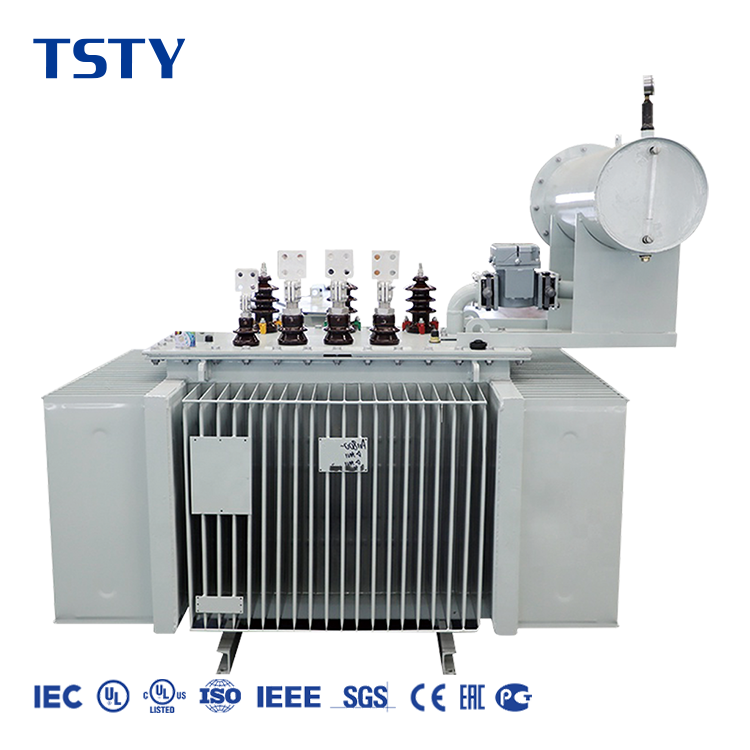
TSTY equips each grid transformer with necessary protection and monitoring accessories. Standard configurations often include a conservator tank with a silica gel breather, Buchholz relay for internal fault detection, oil and winding temperature indicators, pressure relief valves, and oil level gauges. These devices interface with the substation's control room to trigger alarms or trip breakers, preventing severe damage during abnormal conditions.
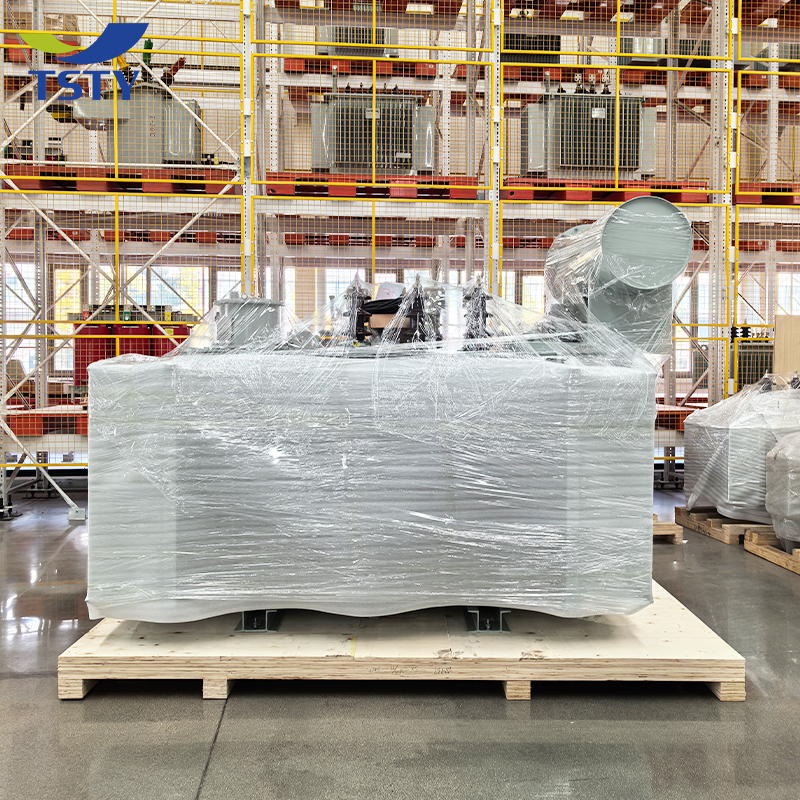
Transportation and site assembly present significant challenges for a large grid transformer. Due to weight and dimensional limits on highways, large capacity units are often shipped without oil, with the main tank filled with dry air or nitrogen. Radiators, bushings, and conservators are packed separately. TSTY provides detailed center of gravity diagrams, lifting instructions, and clear packing lists to support safe logistics, unloading, and site erection.
Before requesting a quotation, buyers should prepare a clear specification or single-line diagram. Important details include rated capacity, required voltage levels, cooling preference, tap range, installation environment, and any specific utility standards that must be met. Clear communication helps ensure the proposed equipment matches the power network's demands.