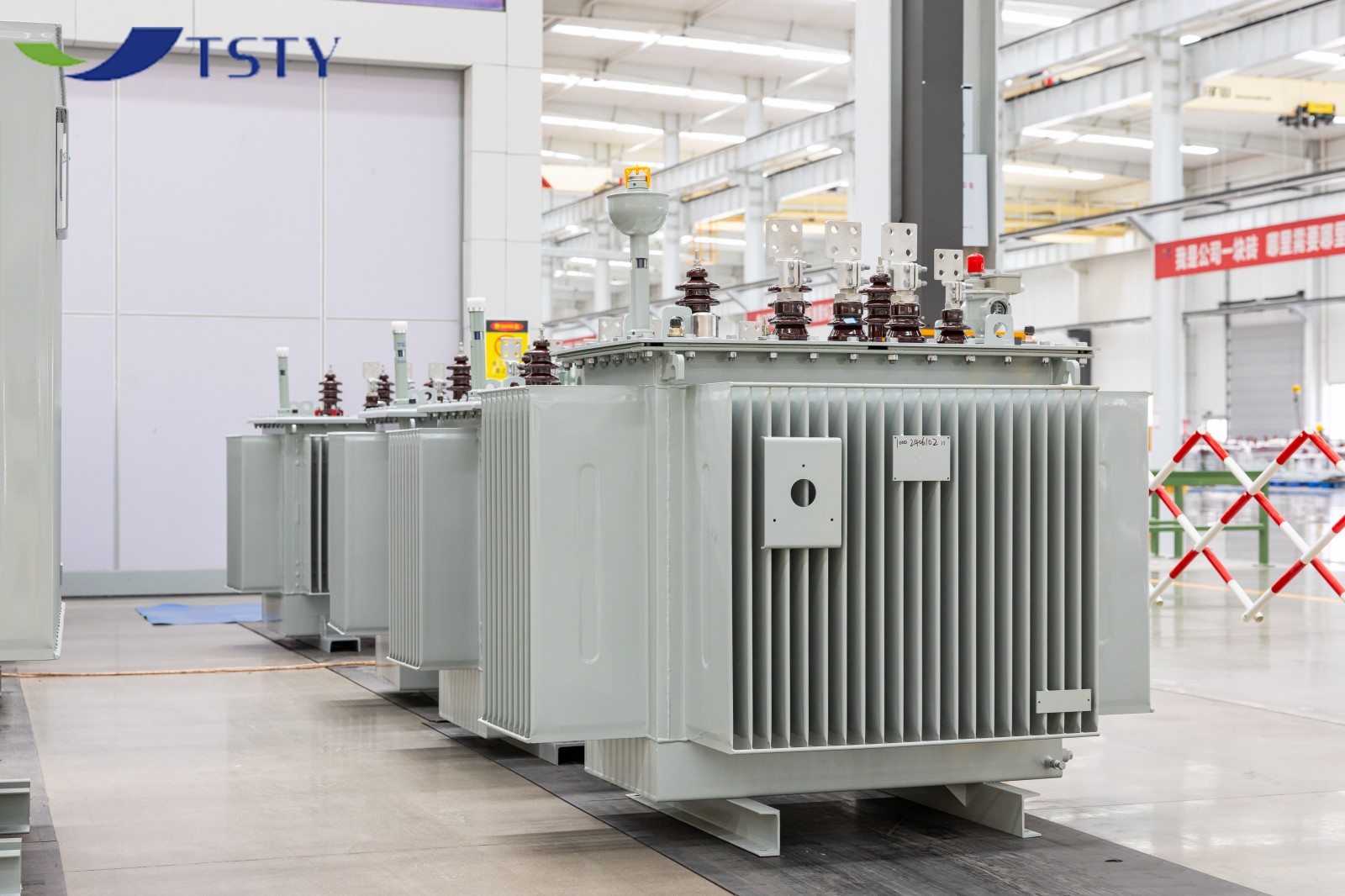
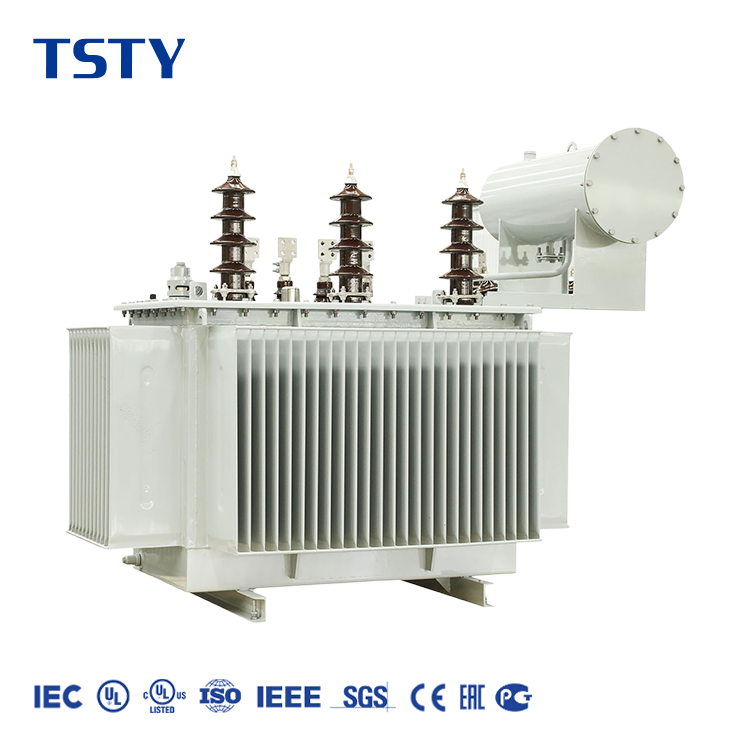
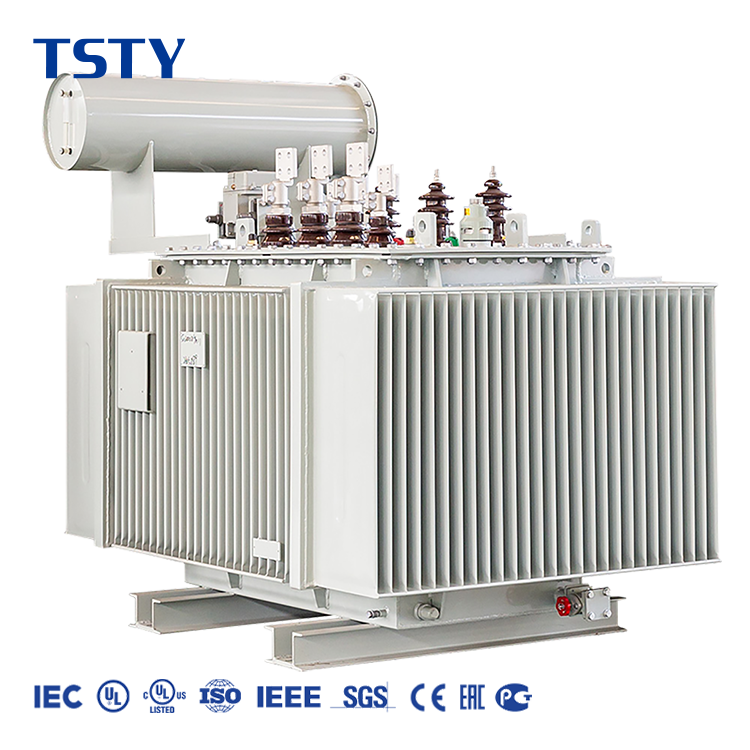
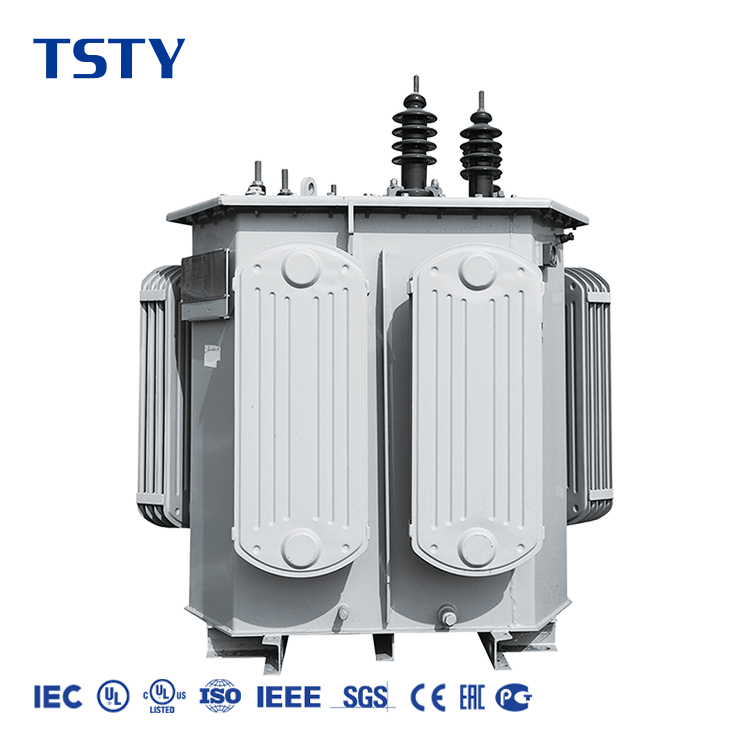
Electrical power transformers are essential components in modern energy infrastructure. They serve as the critical nodes that transfer electrical energy between different voltage levels, minimizing line losses during long-distance transmission and ensuring safe voltage limits for end-user distribution.
The selection of electrical power transformers requires careful evaluation of the electrical network's operating characteristics. Buyers must clearly define the rated power, primary and secondary voltages, short-circuit impedance, vector group, and the required cooling method. Industrial applications might require units that can handle fluctuating motor loads and harmonic content, while utility-scale electrical power transformers focus heavily on continuous base-load operation and strict grid code compliance.

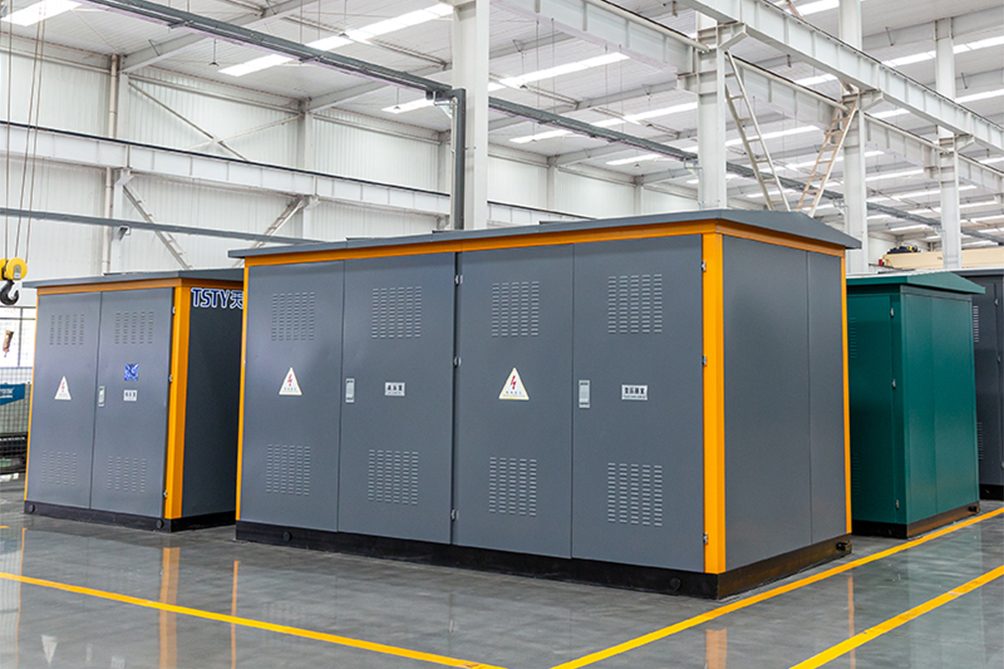
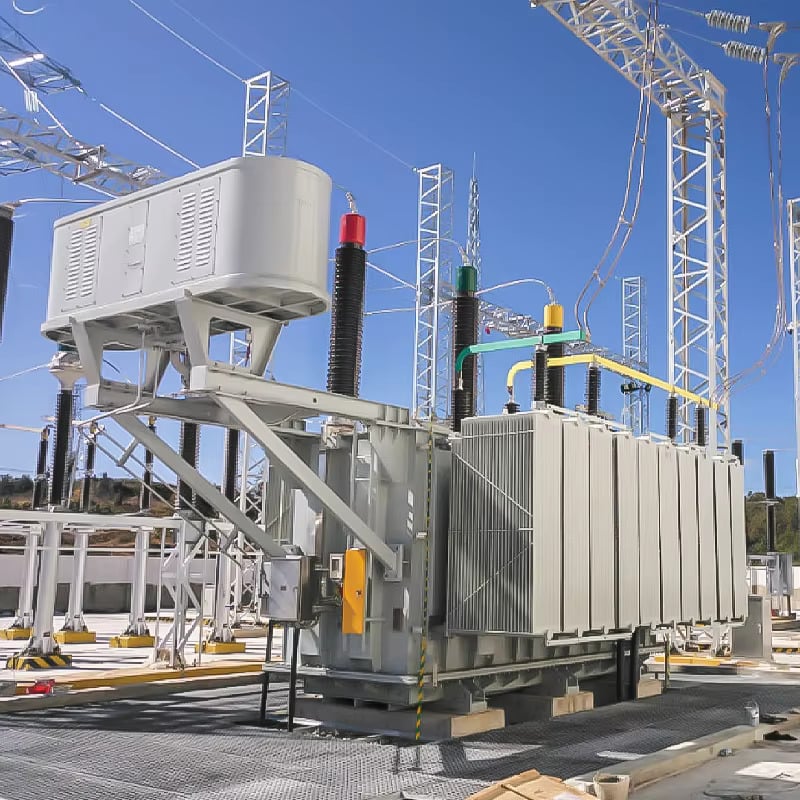
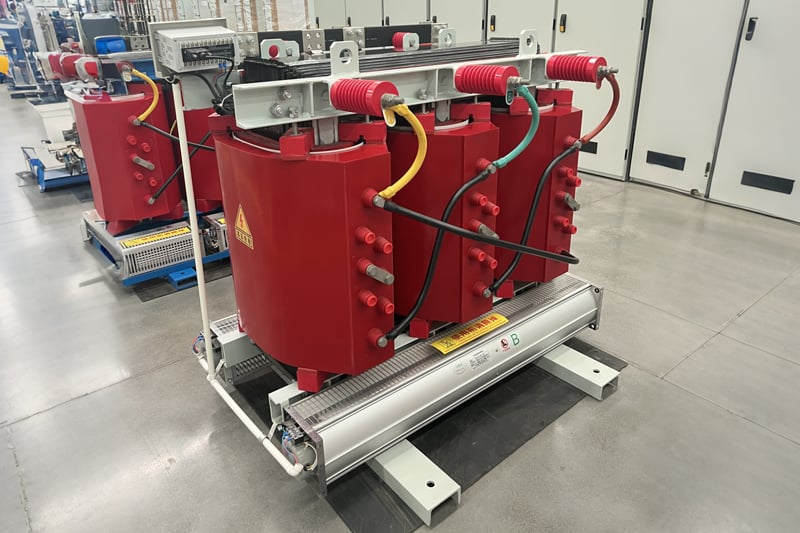
Environmental conditions heavily influence the physical design of electrical power transformers. For outdoor installations, factors such as altitude, ambient temperature variations, humidity, and coastal or industrial pollution dictate the external insulation requirements and anti-corrosion treatments of the transformer tank. Indoor installations, which often utilize dry-type electrical power transformers, require careful architectural planning regarding room ventilation, fire safety regulations, and cable routing space.
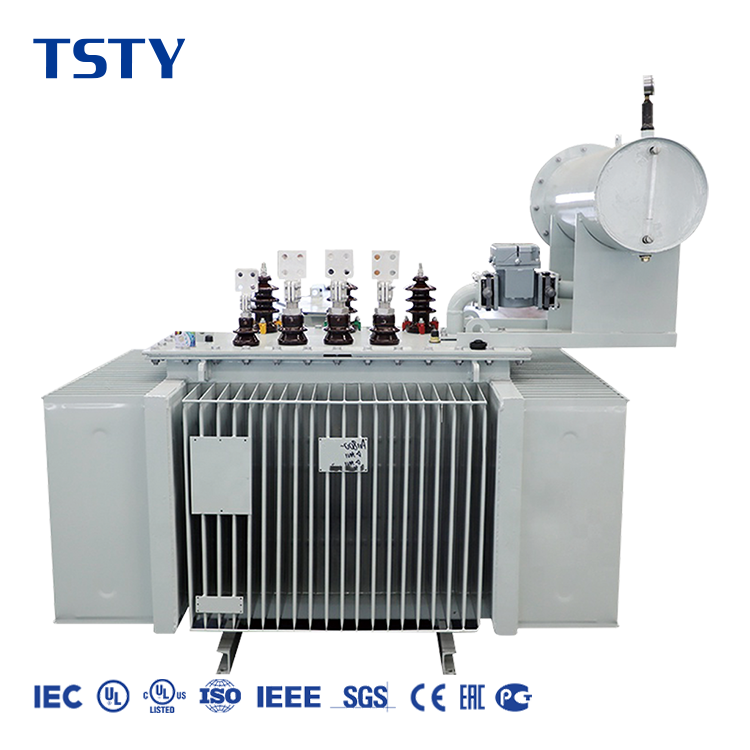
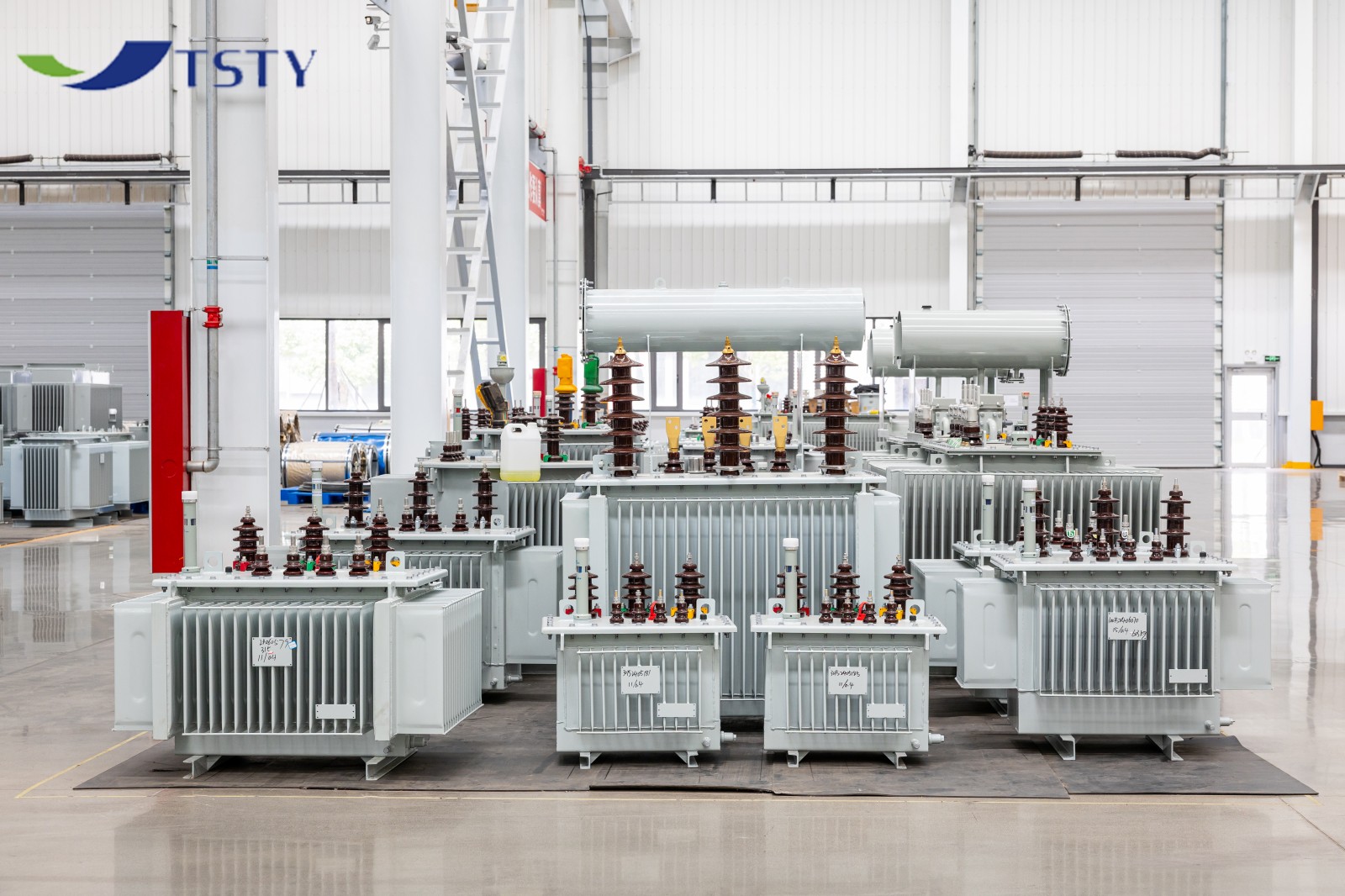
Accessories play a major role in the operational safety of electrical power transformers. Standard protection devices include oil level indicators, pressure relief valves, winding and oil temperature monitors, and gas relays. These accessories interface directly with the substation's control system, providing real-time operational data and triggering automatic breaker disconnections if abnormal thermal or internal fault conditions arise.
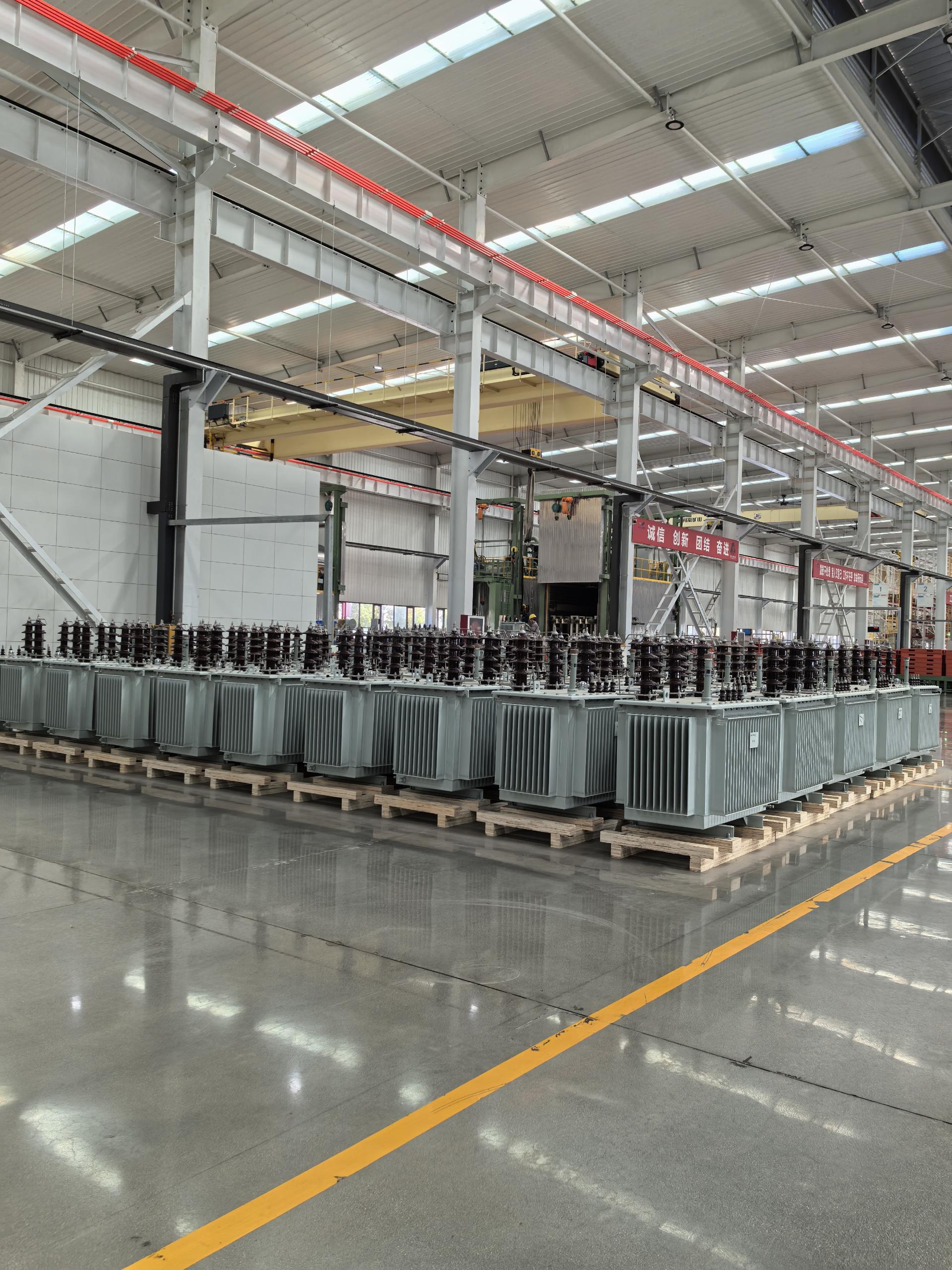
Logistics and site preparation are equally important stages in procurement. Large electrical power transformers involve complex transportation planning due to their substantial weight and physical dimensions. TSTY assists project engineering teams by providing accurate outline drawings, center of gravity data, and detailed packing lists. This technical support ensures that lifting, offloading, site placement, and final assembly proceed methodically without unexpected delays.