

 EN
The global transition toward renewable energy has placed wind power at the forefront of modern infrastructure development. Yet, for all the breathtaking engineering that goes into a 15-megawatt turbine's composite blades and massive generators, capturing kinetic energy is only the first step. The true bottleneck of any wind farm is successfully exporting that highly volatile power to the mainland grid. This is where the specialized wind transformer becomes the absolute linchpin of the entire operation.
Unlike traditional power generation, wind energy is inherently unpredictable. The electrical and environmental stresses placed on equipment inside a turbine nacelle or an offshore substation are extreme. Standard commercial transformers will quickly fail under these conditions. As a trusted partner among global medium voltage transformer manufacturers, we understand the rigorous engineering required to keep these multi-million-dollar assets spinning.
For EPC (Engineering, Procurement, and Construction) contractors and renewable energy developers, sourcing the right wind transformer is a critical risk-management decision. Here is an inside look at how these specialized units are engineered for maximum reliability in both onshore and offshore applications.
To understand why a wind transformer is built differently, one must look at the power profile of a wind turbine. A coal or nuclear plant provides a steady, baseload output. In contrast, wind speeds fluctuate constantly.
This volatility introduces severe cyclic loading. A wind transformer may idle at 10% capacity during a calm morning, and suddenly be slammed with a 100% peak load during an afternoon gale. This rapid thermal cycling expands and contracts the internal copper windings and insulation paper continuously. Standard electric grid transformers are not designed to endure this "breathing" effect and will suffer premature insulation degradation.
Furthermore, modern turbines utilize complex power electronics and inverters to convert variable-frequency AC (from the generator) to DC, and back to a stable 50Hz/60Hz AC for the grid. This process introduces heavy harmonic distortion. A purpose-built wind transformer features an electrostatic shield between the primary and secondary windings, alongside thicker, specialized core steel to prevent these harmonics from causing dangerous overheating.
Whether perched 100 meters in the air inside a nacelle or bolted to an offshore platform in the North Sea, the physical environment dictates the design of the wind transformer.
For onshore wind farms, the wind transformer is typically located either in the base of the tower or directly inside the nacelle behind the generator. Space is incredibly tight. The unit must feature a highly compact footprint while maintaining massive step-up capabilities. More importantly, a nacelle sways and vibrates constantly. Our engineering teams utilize heavy-duty core bracing, reinforced welding, and specialized anti-vibration damping pads to ensure the internal active parts of the wind transformer do not shake loose over a 25-year operational lifespan.
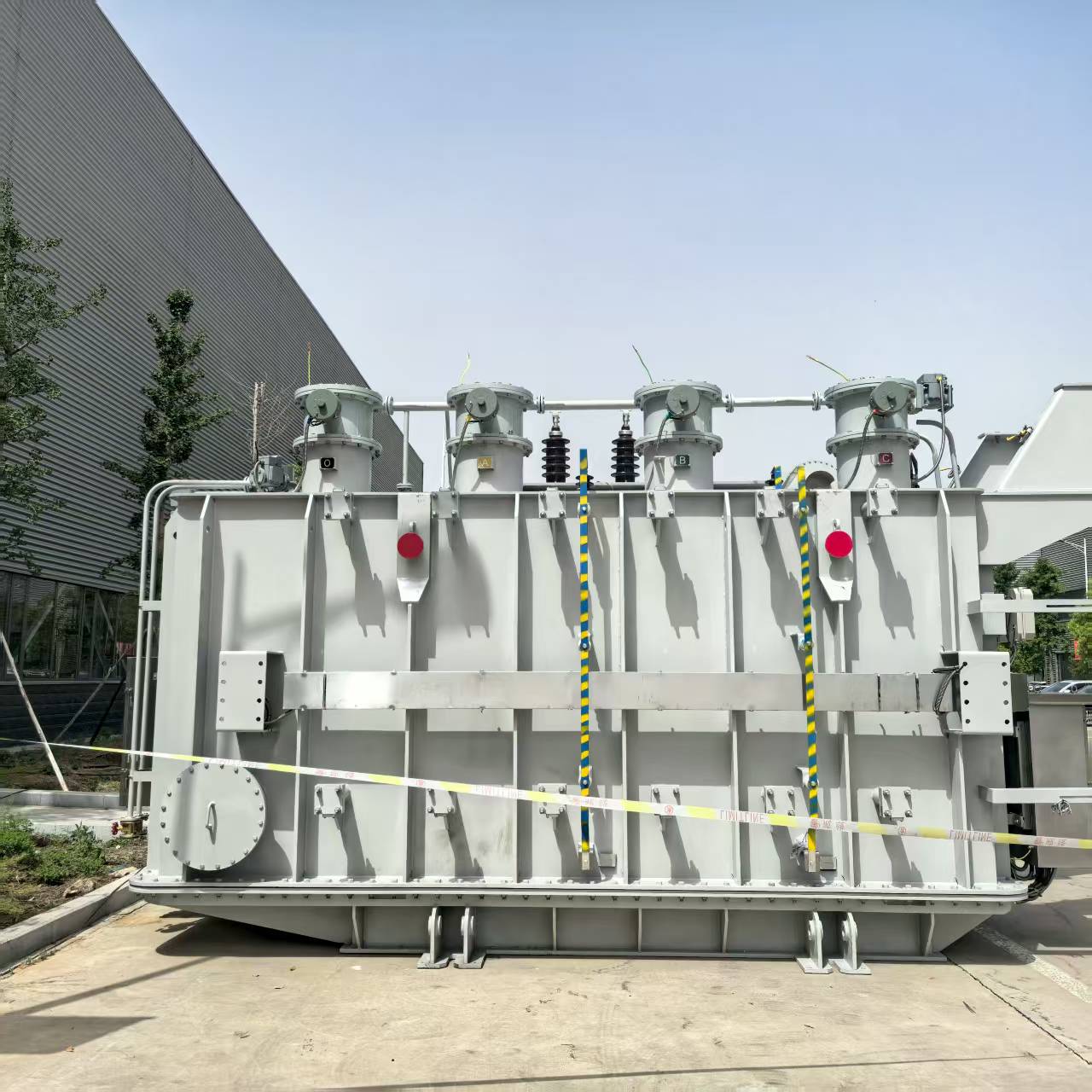
Offshore wind projects introduce an entirely new level of hostility. A wind transformer located on an offshore platform is subjected to a relentless C5-M marine environment. High salinity and extreme humidity will aggressively corrode standard steel enclosures. For offshore deployment, the wind transformer undergoes advanced surface treatments, including hot-dip galvanizing and multi-layer epoxy marine coatings. Additionally, because dispatching a crane vessel to replace a failed offshore transformer can cost millions of dollars, the reliability requirements are uncompromising. Offshore units often utilize hermetically sealed designs to completely isolate the dielectric fluid from the corrosive sea air.
When developers are pricing out a new farm, attempting to cut costs by using standard distribution equipment as a power plant step up transformer is a catastrophic miscalculation.
To help B2B buyers and procurement officers differentiate, we use the following evaluation matrix when comparing a commercial unit to a genuine wind transformer:
|
Engineering Component |
Standard Distribution Transformer |
Specialized Wind Transformer |
|
Load Profile |
Steady, predictable base loads |
Highly variable, severe thermal cycling |
|
Harmonic Tolerance |
Low |
High (Electrostatic shielding included) |
|
Vibration Resistance |
Minimal (Stationary ground mount) |
Extreme (Reinforced core and coil bracing) |
|
Dielectric Fluid |
Mineral Oil |
High-flashpoint, biodegradable Ester Fluids |
|
Dimensions |
Standard |
Custom-engineered for slim tower/nacelle doors |
One of the most significant advancements in renewable energy infrastructure is the transition away from traditional mineral oil. Today, nearly every premium wind transformer is filled with synthetic or natural ester fluids (such as Midel or FR3).
From a supplier's perspective, ester fluids offer two massive advantages for wind applications: First, they have a vastly higher flashpoint (over 300°C compared to mineral oil's 150°C). If a catastrophic electrical fault occurs inside a nacelle, an ester-filled wind transformer is virtually fireproof, saving the entire turbine from burning down. Second, they are 100% biodegradable. If an offshore wind transformer leaks, the fluid poses no toxic threat to the marine ecosystem, ensuring strict compliance with international environmental regulations.
The role of the wind transformer inside the turbine is to step up the generator's low voltage (usually 690V) to a medium collection voltage (typically 33kV or 66kV).
However, the energy journey doesn't end there. This collected power is sent via subsea or underground cables to a central collection substation. Here, massive high voltage power transformers take the combined output of the entire wind farm and step it up to transmission levels (132kV, 220kV, or higher) for export to the mainland grid. As a comprehensive manufacturer, we ensure that the impedance and tap-changer profiles of the individual turbine wind transformer units are perfectly synchronized with the central substation equipment, preventing grid-feed bottlenecks.
The success of a renewable energy project rests on its ability to continuously, safely, and efficiently export power under the harshest conditions on Earth. The wind transformer is not a standard commodity; it is a highly specialized piece of electrical engineering designed specifically to handle volatile cyclic loading, severe harmonic distortion, and brutal environmental extremes.
For EPCs, developers, and utility operators, partnering with an experienced manufacturer is non-negotiable. Sourcing a robust, custom-engineered wind transformer is the ultimate insurance policy for your wind farm’s long-term profitability and grid reliability.
Are you specifying electrical infrastructure for an upcoming onshore or offshore wind project? Leverage our deep manufacturing expertise. Contact our technical sales team today to review single-line diagrams, explore ester fluid options, and secure the exact wind transformer specifications your project needs to succeed.