

 EN
Global energy demand is accelerating at an unprecedented rate. Between the rapid electrification of heavy industry, the boom in hyperscale data centers, and the integration of massive offshore renewable energy farms, existing regional power grids are being pushed past their thermal limits. To prevent catastrophic grid collapse, utility operators and EPC (Engineering, Procurement, and Construction) contractors are currently executing massive, generational grid expansion projects.
At the very heart of these infrastructure upgrades sits the 132/33kV substation.
Unlike localized medium-voltage distribution boxes, a 132/33kV substation acts as the critical heavy-duty bridge between the high-voltage national transmission backbone and the regional distribution networks. The engineering tolerances at 132,000 volts are unforgiving. A single design flaw at this tier does not just shut down a factory; it plunges an entire city into darkness.
As a tier-one manufacturer of utility-scale electrical equipment, we consult on transmission mega-projects worldwide. If you are drafting the blueprint for a new 132/33kV substation, here are the critical spatial, redundancy, and automation considerations your engineering team must address to ensure decades of grid stability.
Historically, securing land for a 132/33kV substation on the outskirts of a city was relatively cheap and easy. Engineers naturally defaulted to Air-Insulated Switchgear (AIS) topologies. However, because ambient air is a poor dielectric medium, the phase-to-phase and phase-to-ground safety clearances required at 132kV are massive. An AIS-based 132/33kV substation typically requires several acres of fenced-in land, sprawling steel gantries, and extensive copper grounding grids.
Today, expanding grids often must penetrate dense peri-urban or industrial areas where land is scarce and prohibitively expensive. The modern solution is migrating your 132/33kV substation design to high voltage gas insulated switchgear (GIS).
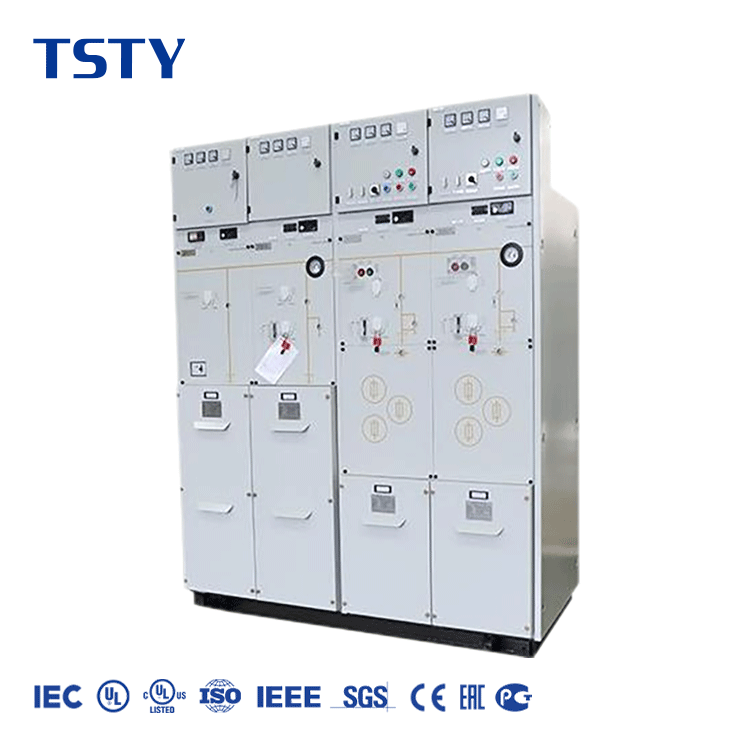
By housing the busbars, circuit breakers, and disconnectors inside grounded aluminum pipes filled with pressurized SF6 gas (or modern eco-friendly gas alternatives), the dielectric clearance shrinks from meters to mere millimeters.
|
Topology Feature |
Traditional AIS 132/33kV Substation |
Modern GIS 132/33kV Substation |
|
Land Footprint Required |
4 to 6 Acres |
0.5 to 1 Acre (Up to 80% smaller) |
|
Maintenance Lifecycle |
High (Exposed to pollution, salt, birds). |
Extremely Low (Sealed, indoor ecosystem). |
|
Environmental Resilience |
Vulnerable to extreme weather and lightning. |
100% immune to external atmospheric conditions. |
While the initial hardware CAPEX for a GIS-based 132/33kV substation is higher, the massive savings in civil earthworks, land acquisition, and long-term OPEX make it the financially superior choice for modern grid expansions.
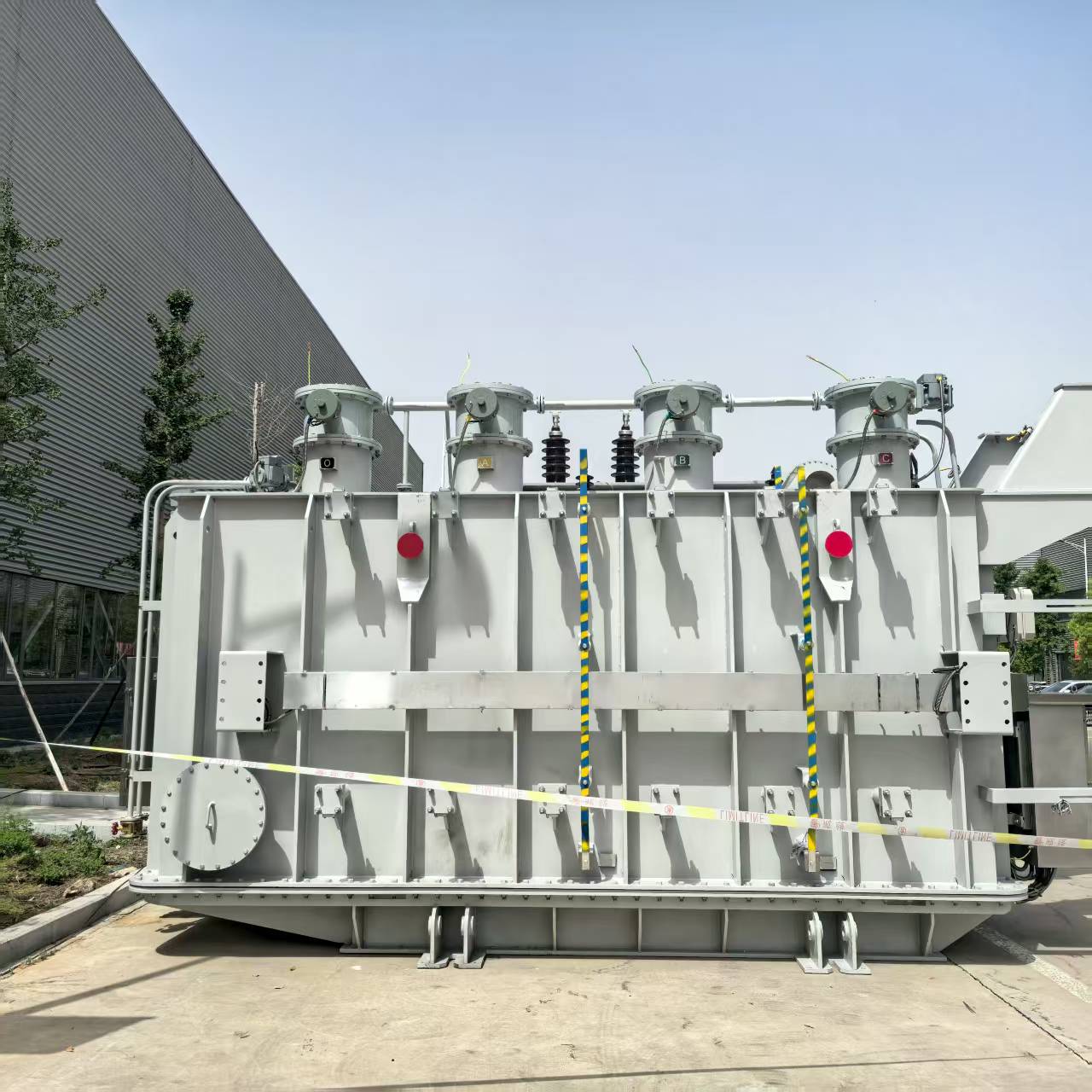
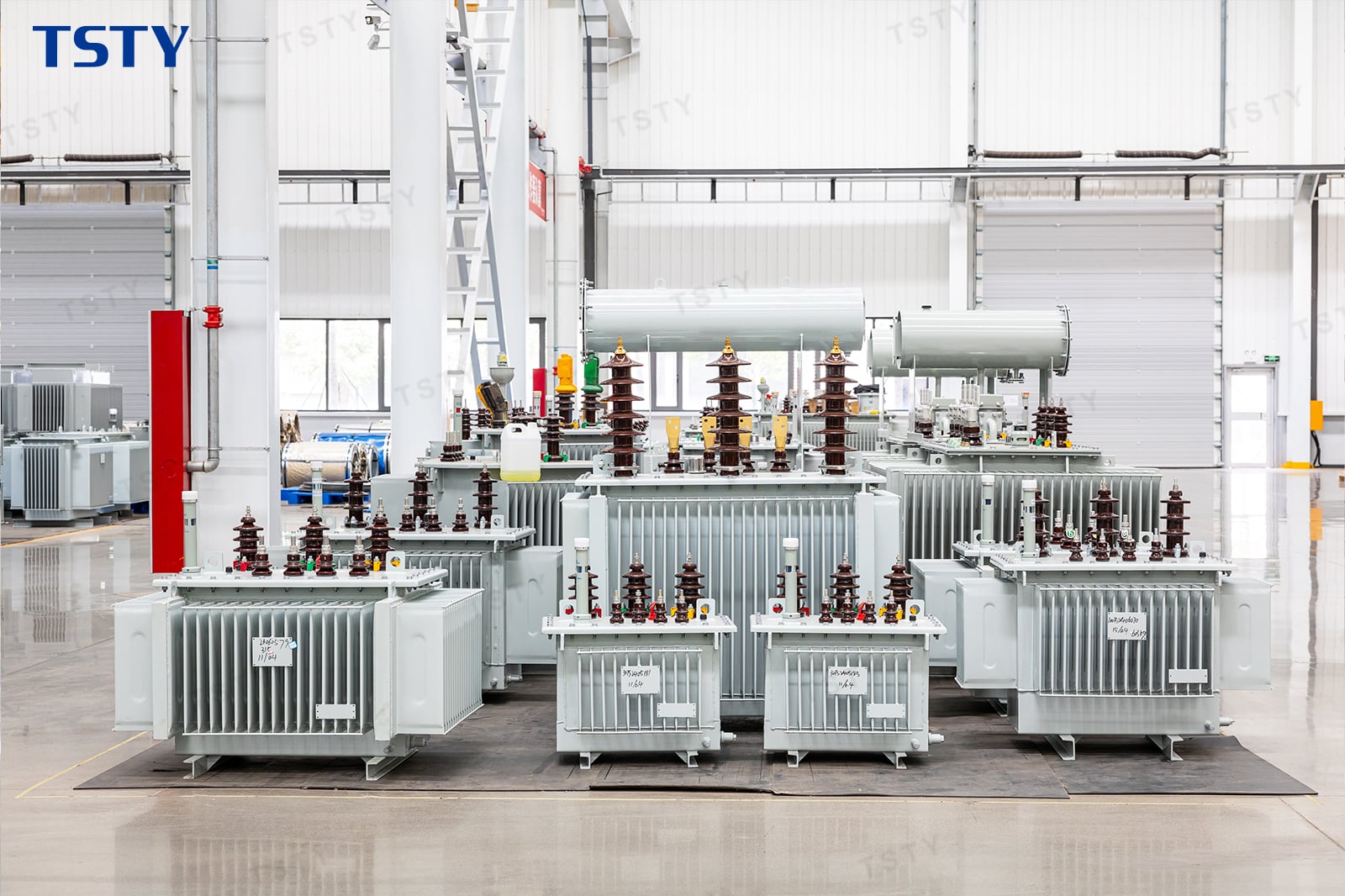
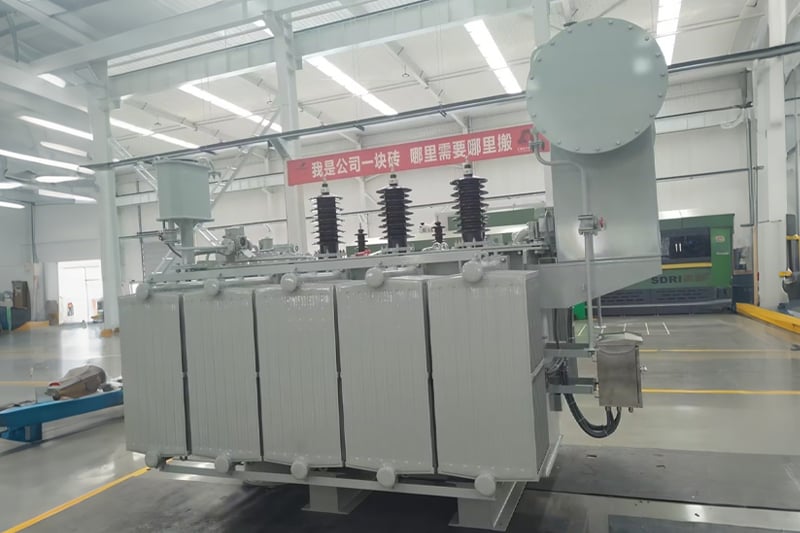
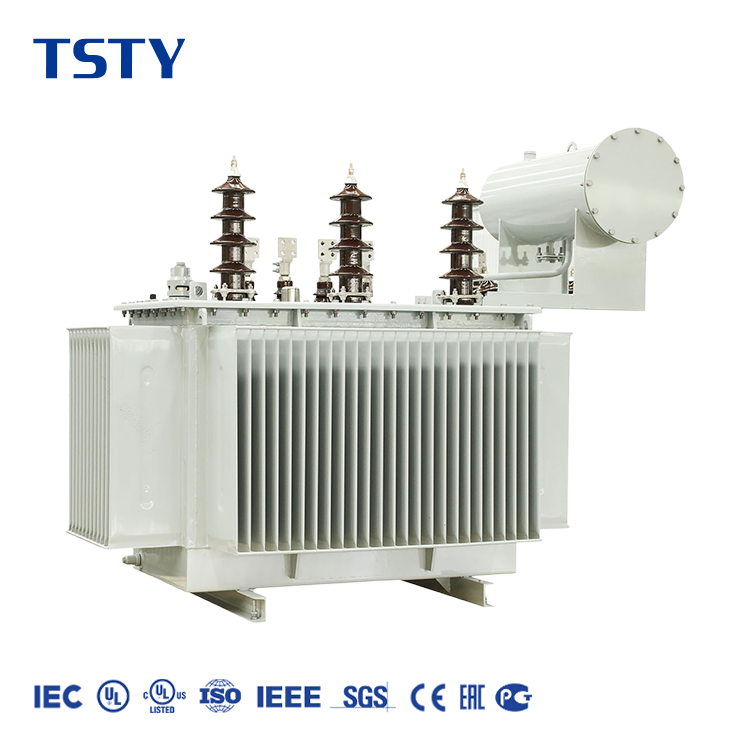
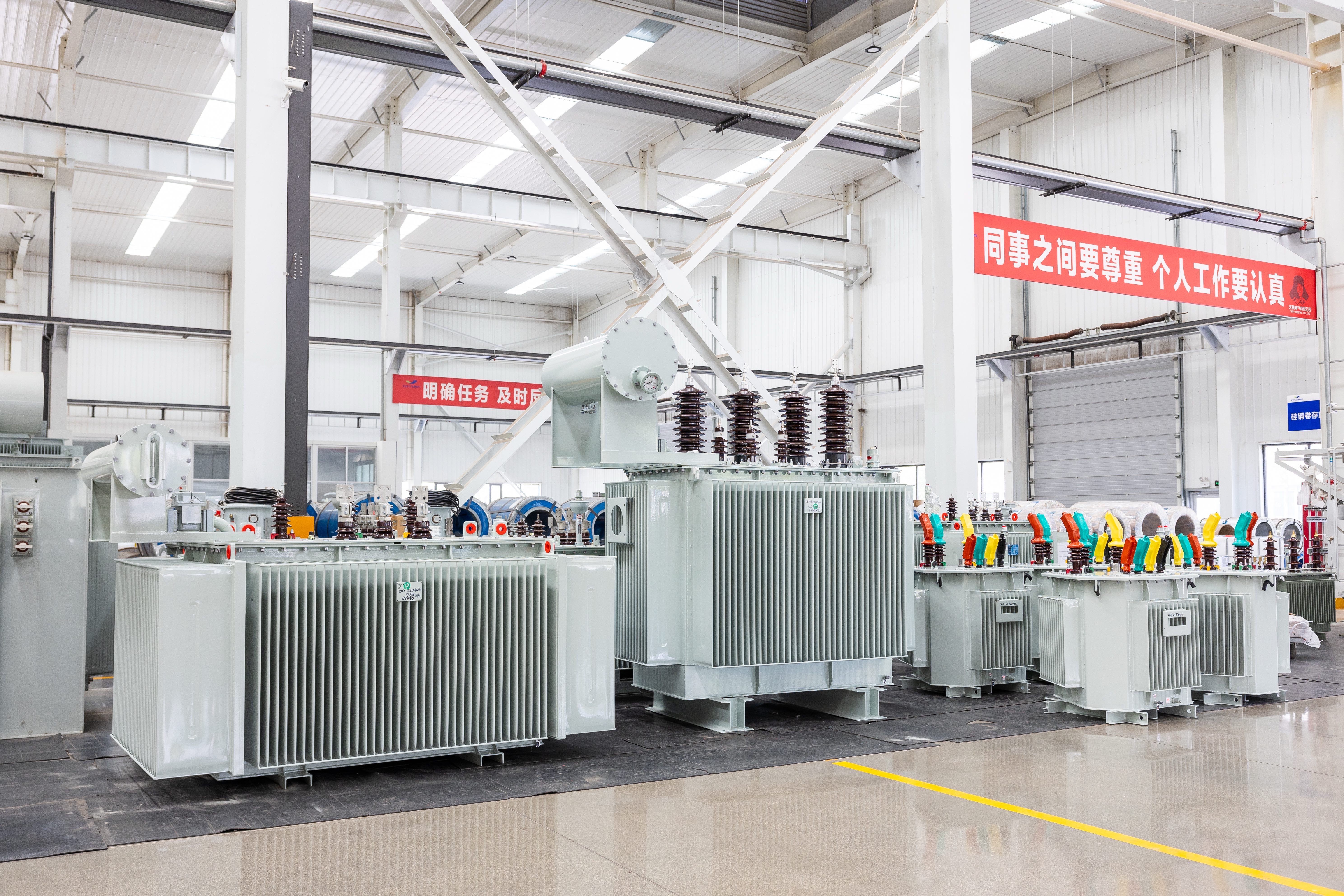
The most expensive and vital asset inside this facility is the transformer. Because we are dealing with national grid tiers, these are not standard commercial units; they are highly customized large power transformers weighing upwards of 80 to 120 tons.
When determining the total capacity of a new 132/33kV substation, grid planners cannot simply match the current peak load of the region. They must rigorously apply the "N-1 Contingency Criterion."
The N-1 rule dictates that a 132/33kV substation must be able to handle the absolute peak regional load even if its largest single component unexpectedly fails. Therefore, a properly designed 132/33kV substation will rarely rely on a single, massive transformer. Instead, planners will deploy two or three units operating in parallel.
For example, if a developing industrial zone requires a peak of 100 MVA, the 132/33kV substation should ideally be designed with two 100 MVA units (or three 50 MVA units). If one power transmission transformer suffers an internal fault or is taken offline for routine oil filtration, the remaining units instantly shoulder the load without a split-second of interrupted service to the regional grid.
Grid expansion projects often involve pulling power across vast geographical distances. By the time electricity travels hundreds of kilometers from a distant hydroelectric dam or wind farm to your 132/33kV substation, it has likely suffered significant voltage drop due to transmission line resistance.
Your 132/33kV substation must correct this degradation before passing the power down to the 33kV network.
To achieve this, the large power transformers within the substation must be specified with heavy-duty On-Load Tap Changers (OLTC). The OLTC acts essentially as a mechanical gearbox for the transformer, physically adding or subtracting active coil windings to adjust the voltage ratio in real-time—without interrupting the power flow. As regional power demand spikes during evening hours and transmission line voltage sags, the automated OLTC inside the 132/33kV substation engages, ensuring the outgoing power remains perfectly stable at exactly 33,000 volts.
At 132kV, short-circuit currents are violently destructive. If a fault occurs on the grid—such as a lightning strike or a fallen transmission tower—the protective relays inside the 132/33kV substation have mere milliseconds to identify the location of the fault and trip the specific circuit breakers to isolate it.
Legacy substations relied on slow, maintenance-heavy electromechanical relays. A modern, expansion-ready 132/33kV substation must be built as a fully digital node complying with the IEC 61850 standard.
By digitizing the 132/33kV substation, Intelligent Electronic Devices (IEDs) communicate via high-speed fiber-optic cables rather than massive, vulnerable bundles of copper wire. This allows the central SCADA (Supervisory Control and Data Acquisition) system to monitor the real-time health, oil temperatures, gas pressures, and breaker statuses of the entire 132/33kV substation from a national grid control room hundreds of miles away.
Designing and procuring equipment for a high-voltage grid node is one of the most complex logistical undertakings in the heavy infrastructure sector. A 132/33kV substation is a 40-year investment that literally dictates the economic growth potential of entire geographic regions.
You cannot afford integration mismatches between your high-voltage switchgear and your transformers. To eliminate procurement risk and accelerate project timelines, grid planners should partner directly with a vertically integrated, tier-one equipment manufacturer. By sourcing your GIS architecture, protective relays, and high-capacity transformers from a single, proven entity, you guarantee that your newly commissioned 132/33kV substation will deliver unparalleled grid stability, ultimate N-1 redundancy, and decades of seamless power transmission.