

 EN
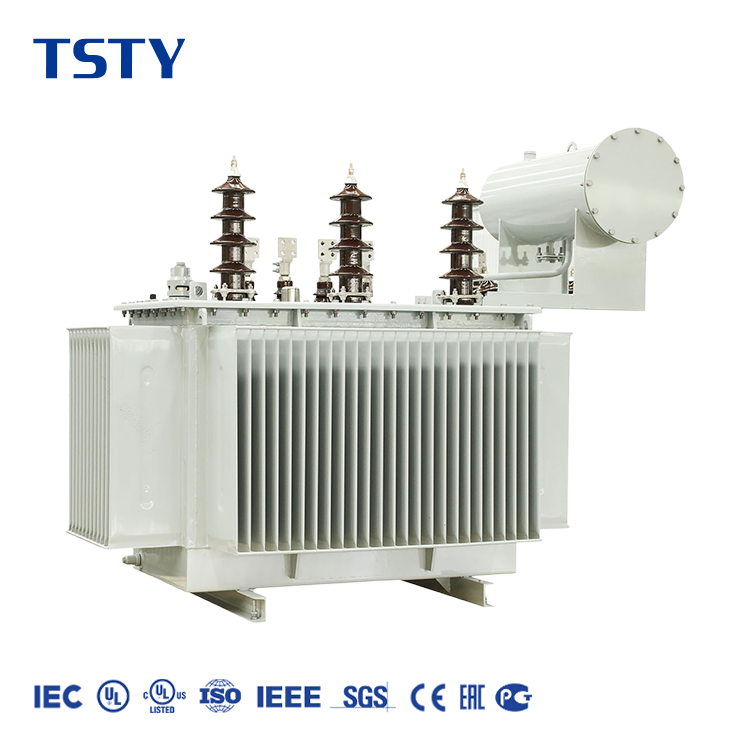
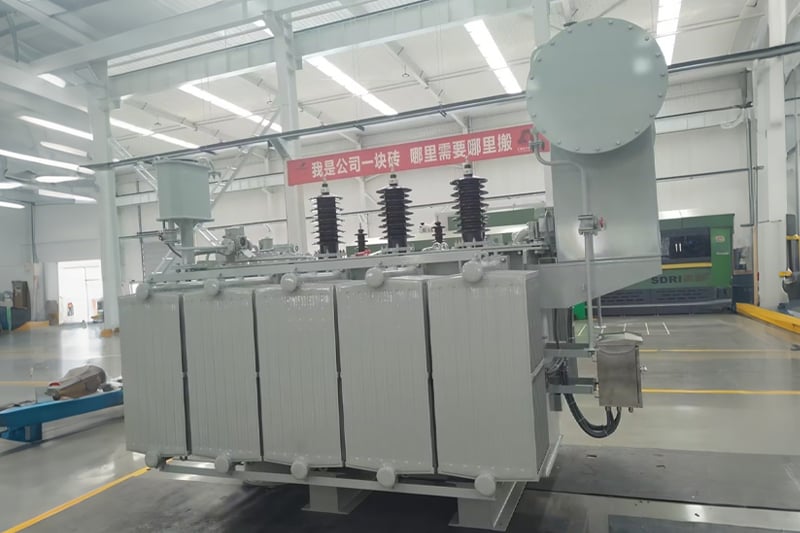
The global push toward gigawatt-scale solar energy has exposed a critical vulnerability in many renewable engineering blueprints: the misapplication of standard electrical equipment. When EPC contractors attempt to use conventional distribution units to handle the erratic, high-frequency output of solar arrays, the results are predictable: localized overheating, harmonic failure, and massive revenue loss. To guarantee plant reliability, utility developers require a purpose-built pv inverter transformer.
A pv inverter transformer acts as the crucial bridge between a solar array's direct current (DC) inverters and the alternating current (AC) high-voltage grid. Because this environment is electrically violent and thermally extreme, comparing supplier specifications is a complex task.
As a leading global manufacturer exporting to over 100 countries, TSTY has engineered specialized infrastructure for some of the world's most demanding solar environments. For B2B procurement teams evaluating a pv inverter transformer, this guide breaks down the essential performance metrics and structural designs you must compare before awarding an EPC contract.
The primary technical challenge in solar generation is the inverter itself. As massive solid-state inverters chop and convert DC into AC, they inject severe high-frequency harmonics and DC voltage offset into the electrical system.
If these non-linear loads enter a standard grid transformer, they cause rapid overheating in the core and windings. A premium pv inverter transformer is explicitly designed to neutralize this threat. When comparing technical proposals, buyers should look for:
Solar energy generation follows a brutal, daily thermal curve. Power output surges from zero at dawn to absolute maximum capacity at solar noon, before dropping back to zero at dusk.
This continuous cycle means a pv inverter transformer is subjected to rapid, extreme temperature fluctuations every 24 hours. Over time, this intense thermal expansion and contraction can grind away the insulating paper on the copper windings, ultimately leading to a short circuit.
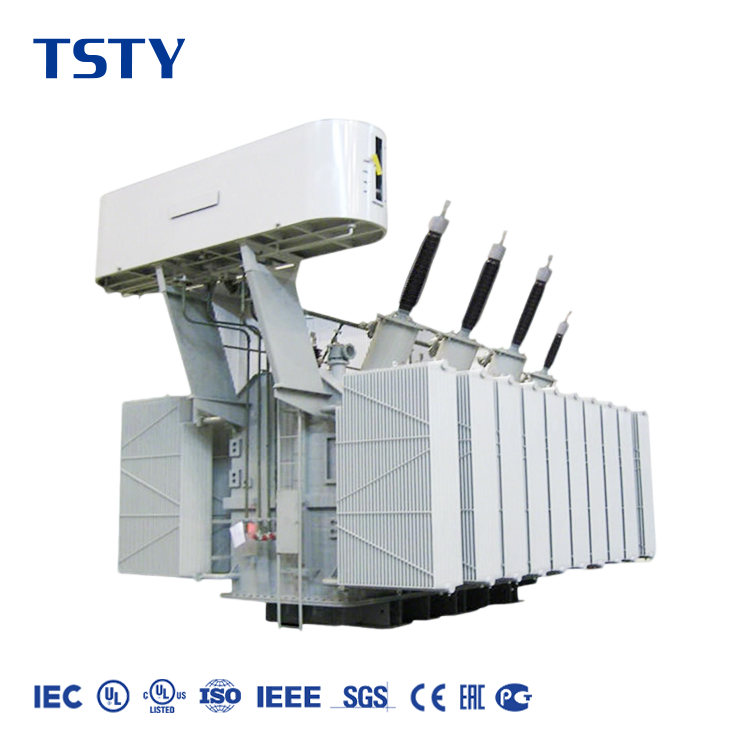
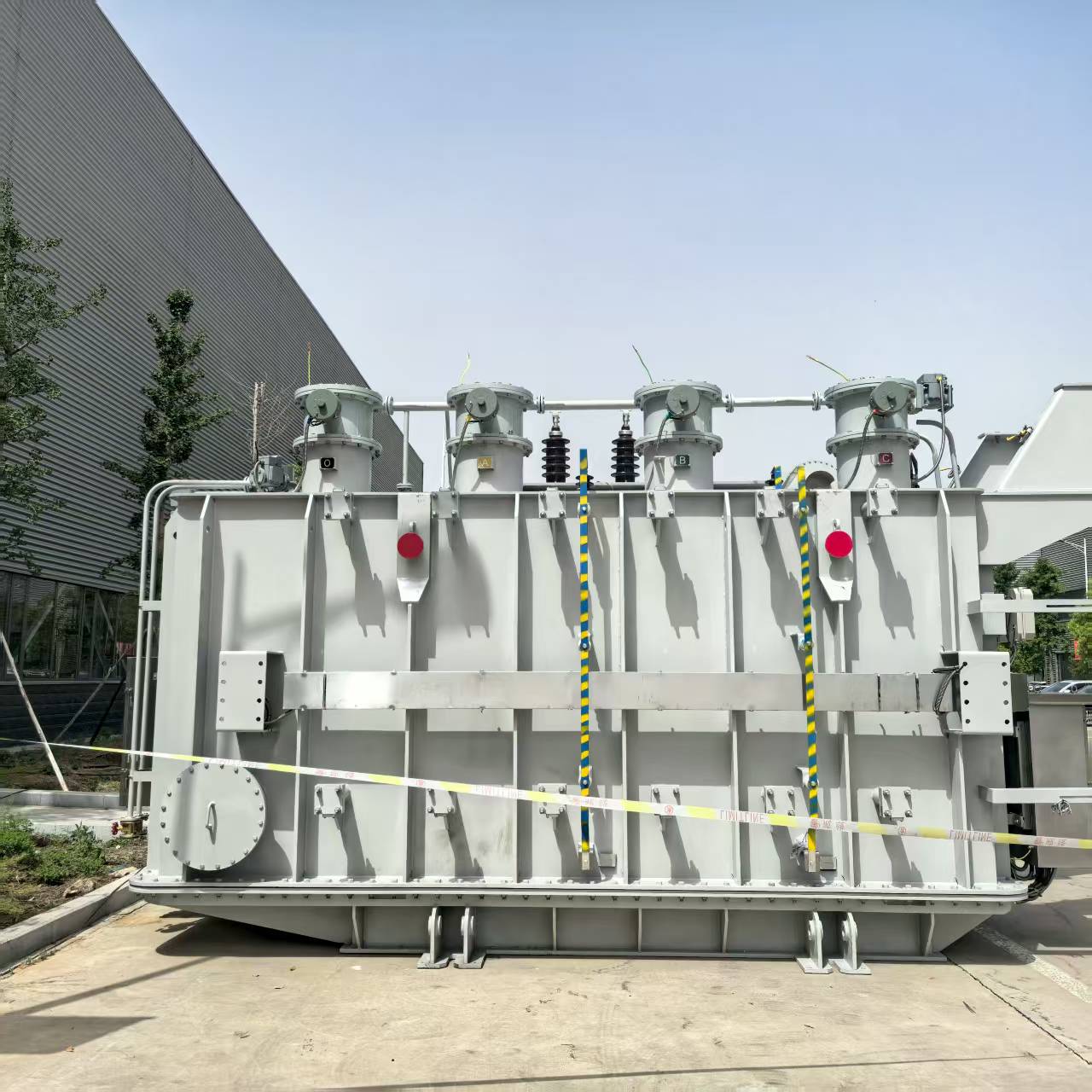
To counteract this, a heavy-duty pv inverter transformer employs advanced mechanical bracing. At TSTY, our internal active parts undergo a stringent Vacuum Pressure Impregnation (VPI) and axial compression process. This solidifies the internal structure, ensuring the windings of the pv inverter transformer remain completely immobilized under the stress of daily thermal cycling. Furthermore, we equip every pv inverter transformer with oversized corrugated cooling fins and high-dielectric mineral oils, ensuring the unit never exceeds critical hot-spot temperatures during peak midday generation.
Utility-scale solar farms rarely use a simple 1:1 electrical connection. To optimize physical space and reduce costly low-voltage cabling, EPCs often connect multiple string or central inverters to a single pv inverter transformer.
This requires highly complex, multi-winding architectures. A standard solar inverter transformer might feature a three-winding (one primary, two secondary) or even a four-winding setup (one primary, three secondary).
When sourcing your equipment, verify that the manufacturer has proven, documented experience in winding these complex phase-shifting configurations with absolute precision.
Modern solar plants are increasingly hybrid, coupling PV generation with a bess battery energy storage system to stabilize grid output after the sun sets.
When battery storage is introduced, the electrical dynamics shift significantly. The transformer must now support continuous bidirectional power flow. During the day, it acts as a standard step up transformer for solar power plant generation. At night, it must step grid voltage down to charge the battery banks.
A pv inverter transformer integrated with a bess battery energy storage system requires specialized On-Load Tap Changers (OLTC) capable of managing dynamic, bidirectional voltage regulation seamlessly and without mechanical fatigue.
When reviewing supplier bids, use this baseline comparison matrix to ensure you are purchasing a true pv inverter transformer rather than a disguised standard unit:
|
Design Parameter |
Standard Distribution Transformer |
Premium PV Inverter Transformer |
|
Load Profile |
Continuous, predictable steady baseload |
Severe daily thermal cycling (0% to 100%) |
|
Harmonic Protection |
None required |
Grounded Electrostatic (Faraday) Shield |
|
Winding Design |
Typically 2 windings (1 Primary, 1 Sec) |
Often 3 or 4 windings for multi-inverter input |
|
Magnetic Core |
Standard flux density |
Derated flux density to handle inverter DC offset |
|
Anti-Corrosion |
Standard outdoor paint |
80–120μm marine-grade coating for remote solar parks |
The financial success of a solar project hinges entirely on the 25-year reliability of its electrical backbone. A single failure in a pv inverter transformer instantly bottlenecks megawatt-scale, revenue-generating power.
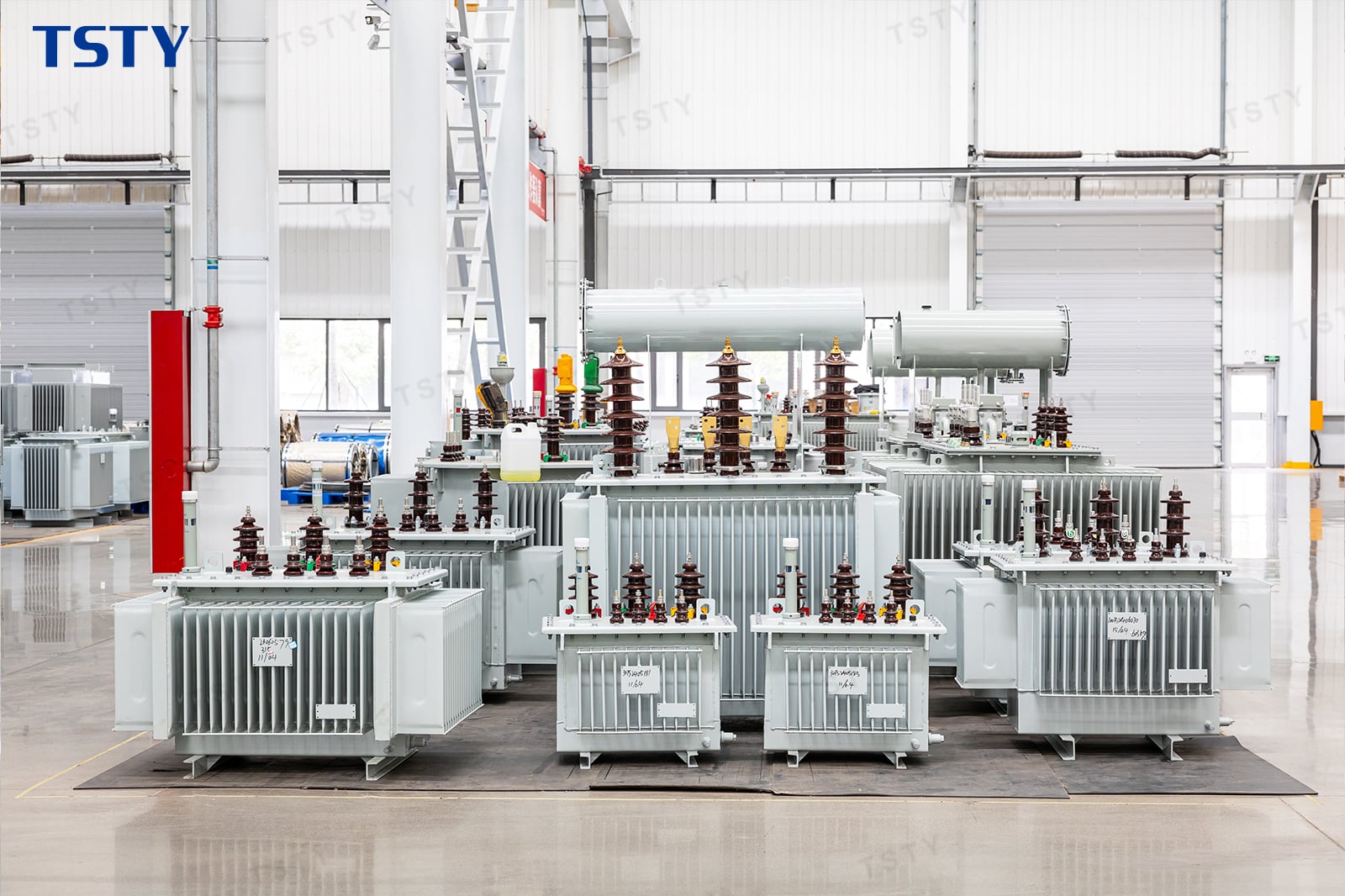
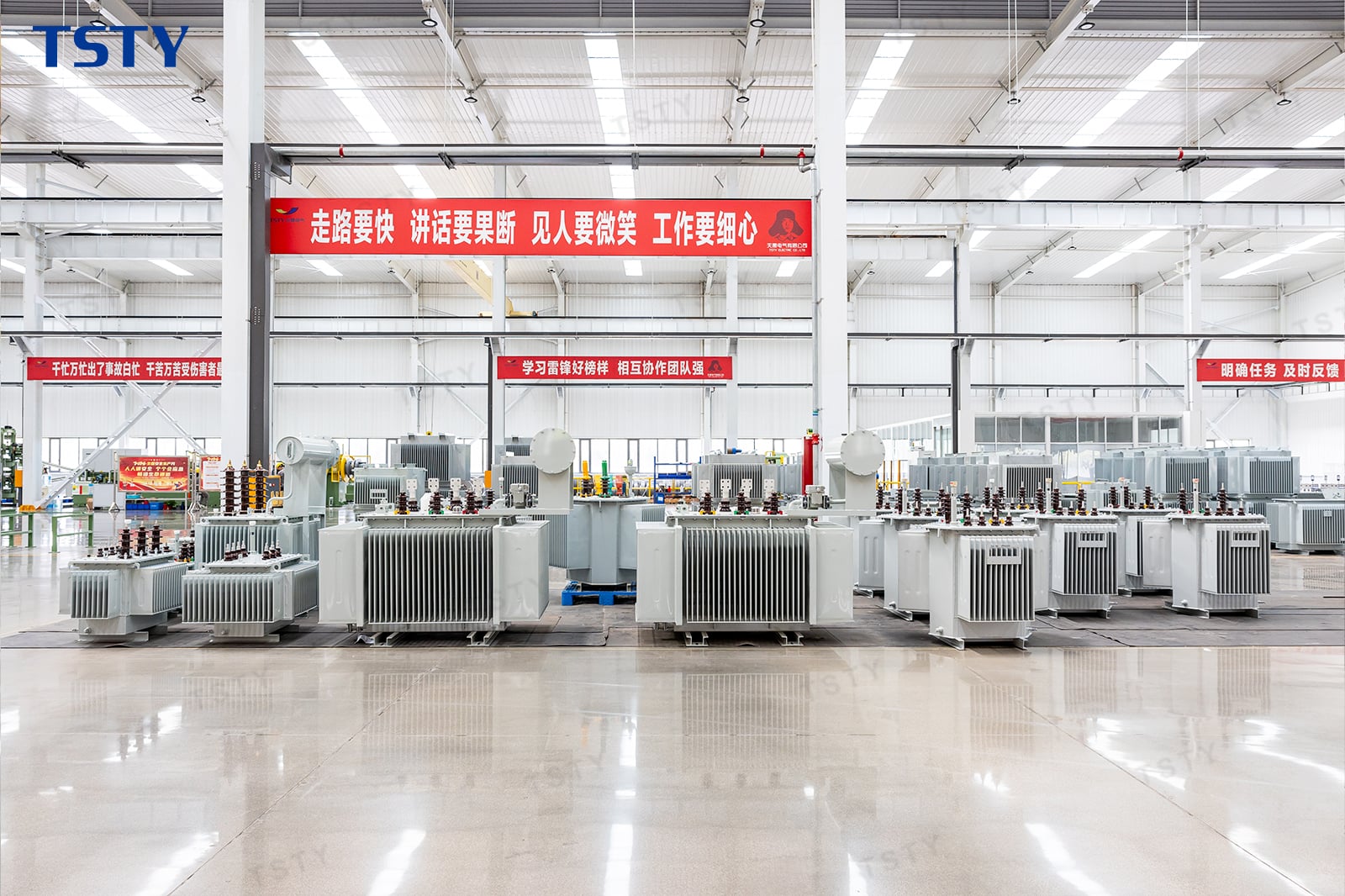
At TSTY’s 250,000㎡ 5G-enabled smart factory, we build reliability into the molecular level of our equipment. We exclusively utilize high-grade Baosteel or WISCO grain-oriented silicon steel to minimize no-load losses. Before any pv inverter transformer is authorized for global export, it undergoes rigorous Factory Acceptance Testing (FAT) in our CNAS-accredited national laboratory. We simulate full-load heat runs, lightning impulses, and severe harmonic distortion to guarantee that your pv inverter transformer complies strictly with CE, IEC, and UL safety standards.
Procuring a pv inverter transformer requires looking far beyond basic capacity and voltage ratings. By prioritizing robust harmonic shielding, complex multi-winding expertise, and superior thermal engineering, utility developers can eliminate equipment failures and maximize their solar plant's operational ROI.
Are you finalizing the electrical specifications for a utility-scale solar project? Contact TSTY’s global engineering team today for custom multi-winding designs, precise impedance calculations, and competitive B2B volume pricing for your next pv inverter transformer deployment.