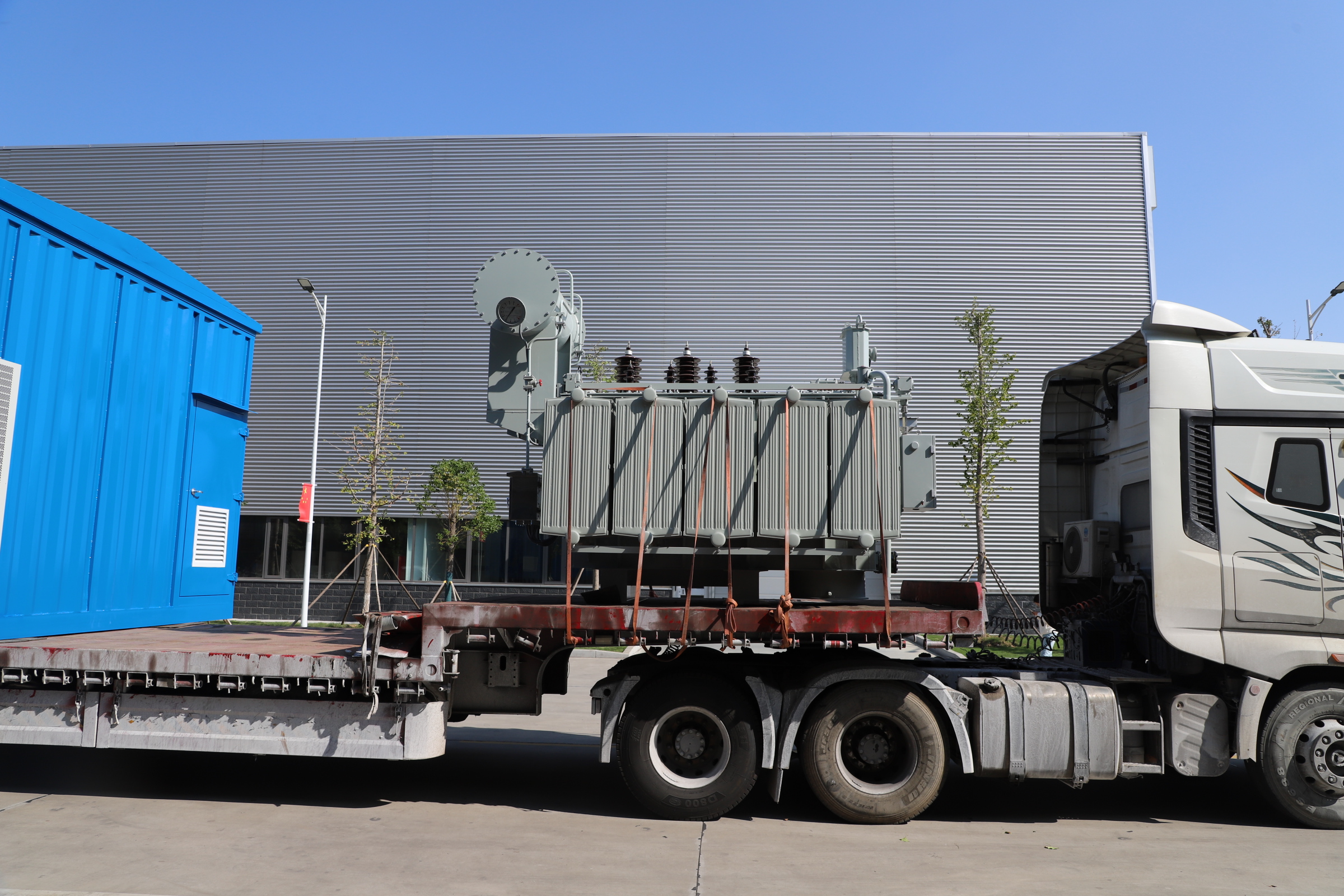
Power Plant Transformer for Generation Facilities

Get a Free Quote

Our representative will contact you soon.
Select your project goal
Email
Name
Company Name
Phone
Project Details
0/1000
Power Plant Transformer Solutions for Generation Facilities

Power Plant Transformer Solutions for Generation Facilities

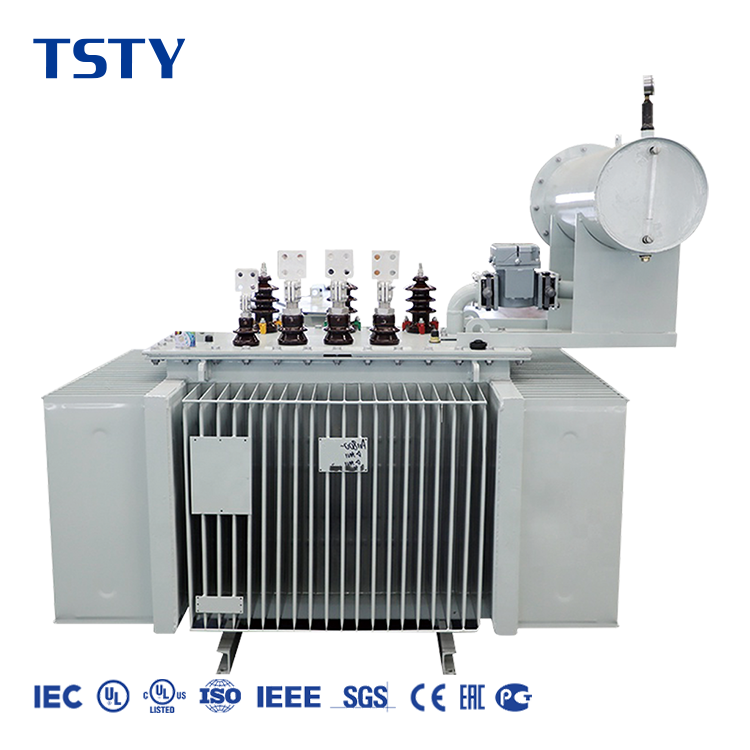
TSTY provides power plant transformer equipment for thermal, hydro, nuclear, and renewable electricity generation facilities. Within a generating station, a power plant transformer plays different roles, including generator step-up, unit auxiliary supply, and station service distribution. We engineer these transformers to handle high continuous load demands, frequent heavy motor starts, and strict protection coordination. Buyers can select oil-immersed or dry-type configurations based on installation zones, such as the outdoor switchyard or the indoor turbine hall. By supplying a coordinated power plant transformer package, TSTY helps EPC contractors and facility operators ensure that both the main grid export system and the internal auxiliary power networks function stably throughout the plant's operational lifecycle.
Get A Quote


Advantages of TSTY Power Plant Transformer Equipment

Engineered for Continuous Generation and Station Auxiliary Loads

Application-Specific Designs

We categorize the power plant transformer into generator step-up, auxiliary, and station service units to match the exact functional requirements of the facility.

Generator Voltage Matching

The primary windings and connection methods are designed to align seamlessly with the generator output voltage, handling high continuous currents safely.

Internal Load Support

Our auxiliary power plant transformer units supply stable power to critical plant machinery like cooling pumps, boiler fans, and fuel handling systems.

Comprehensive Factory Testing

Each unit undergoes rigorous routine tests to verify temperature rise limits, loss levels, and insulation performance under heavy operating duties.

Power Plant Transformer and Station Auxiliary Equipment

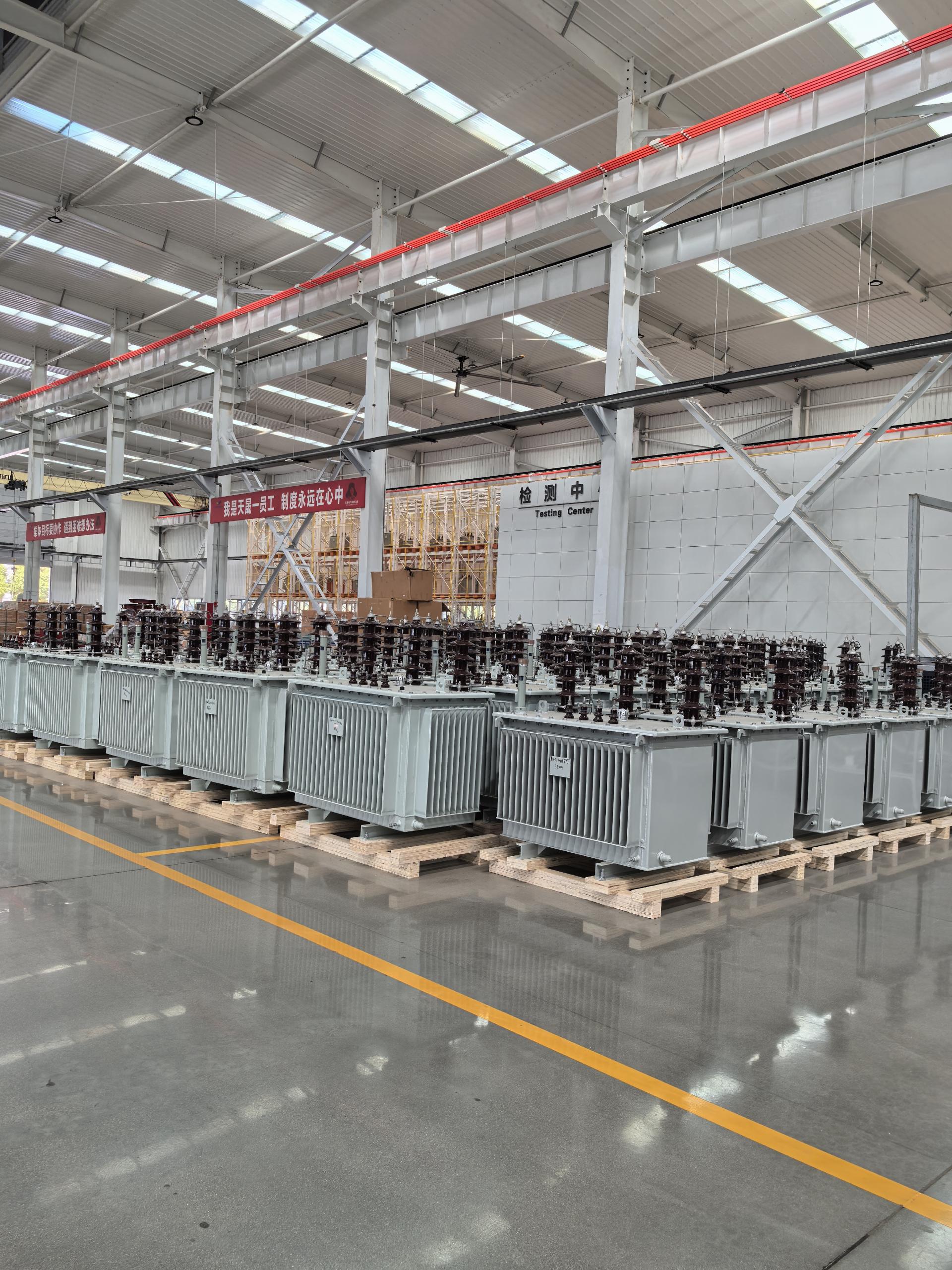
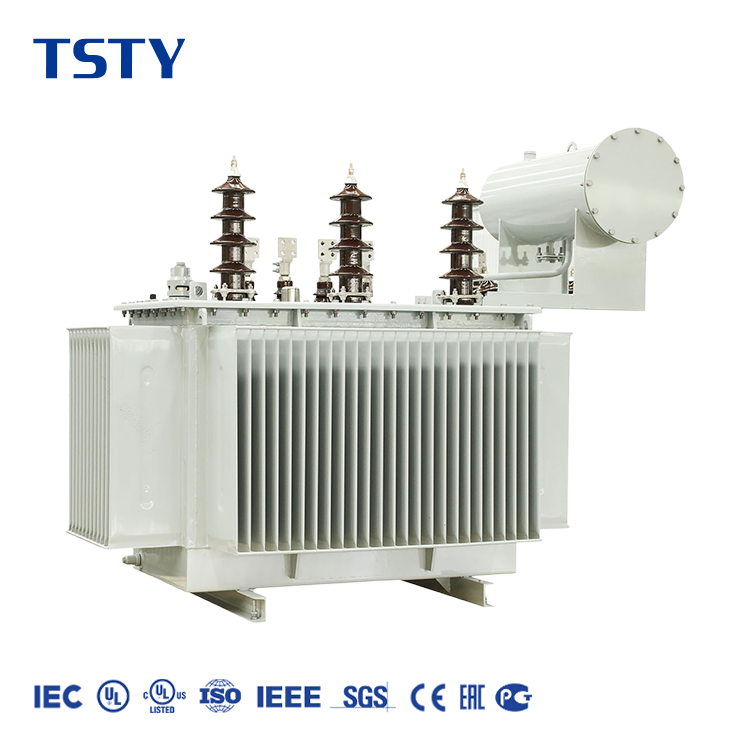
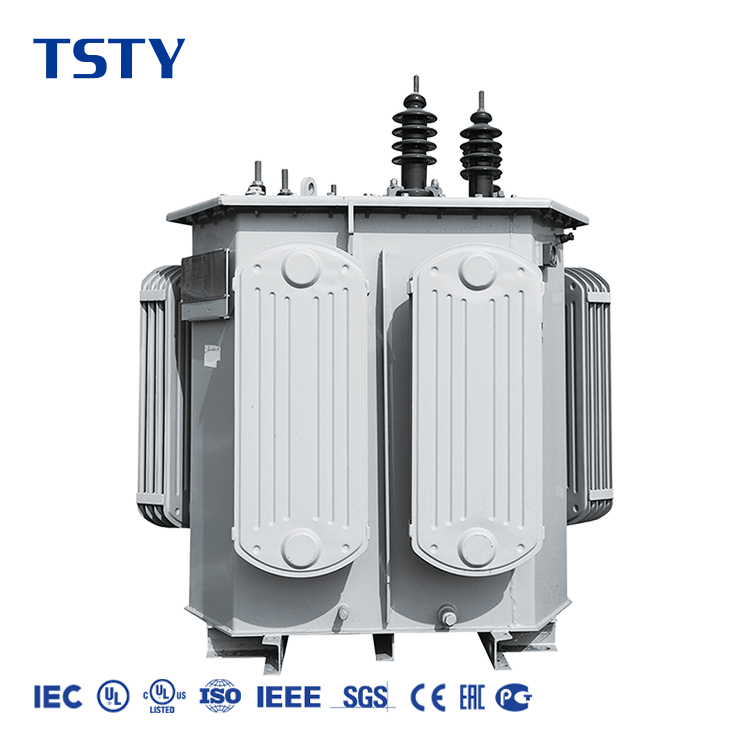
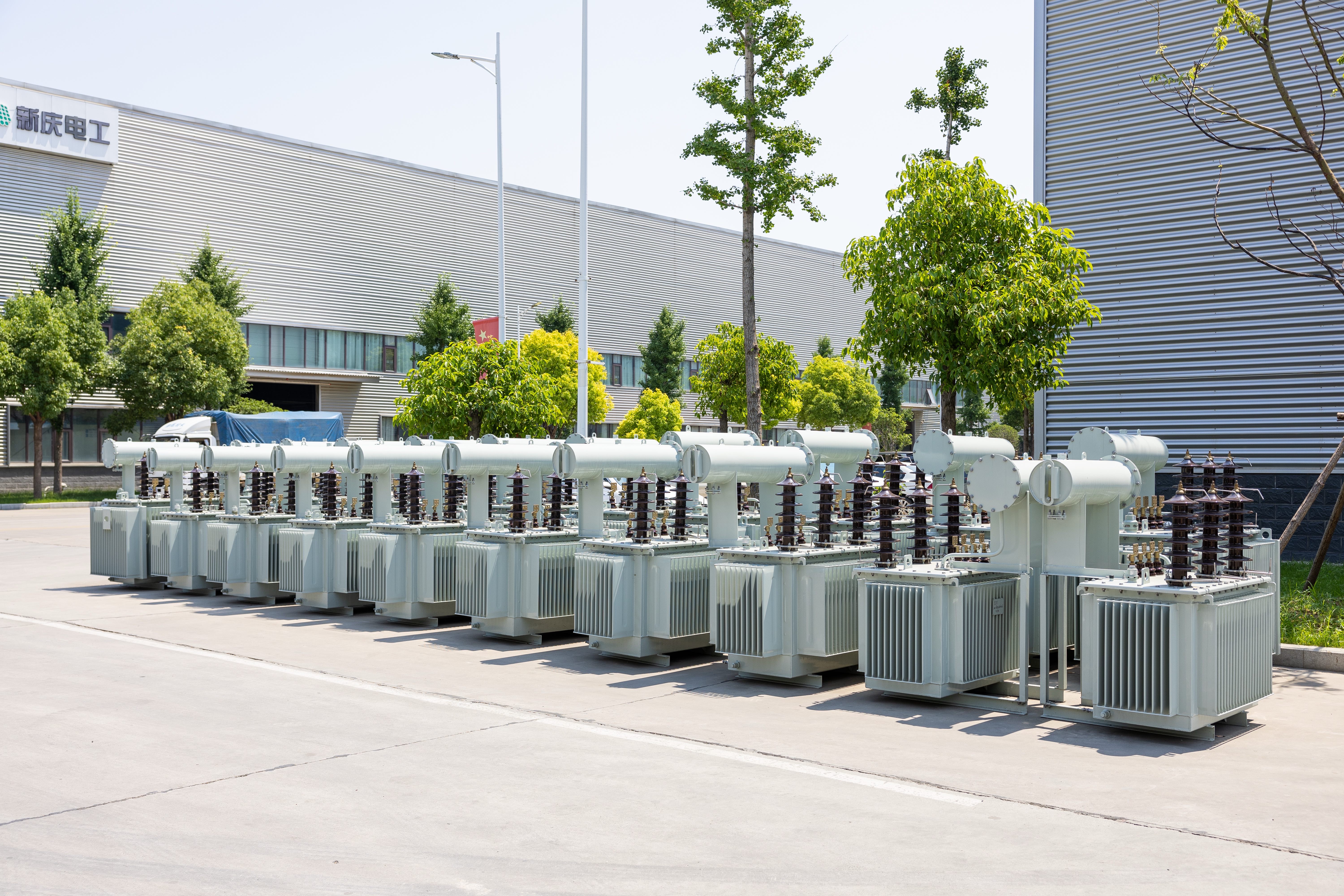
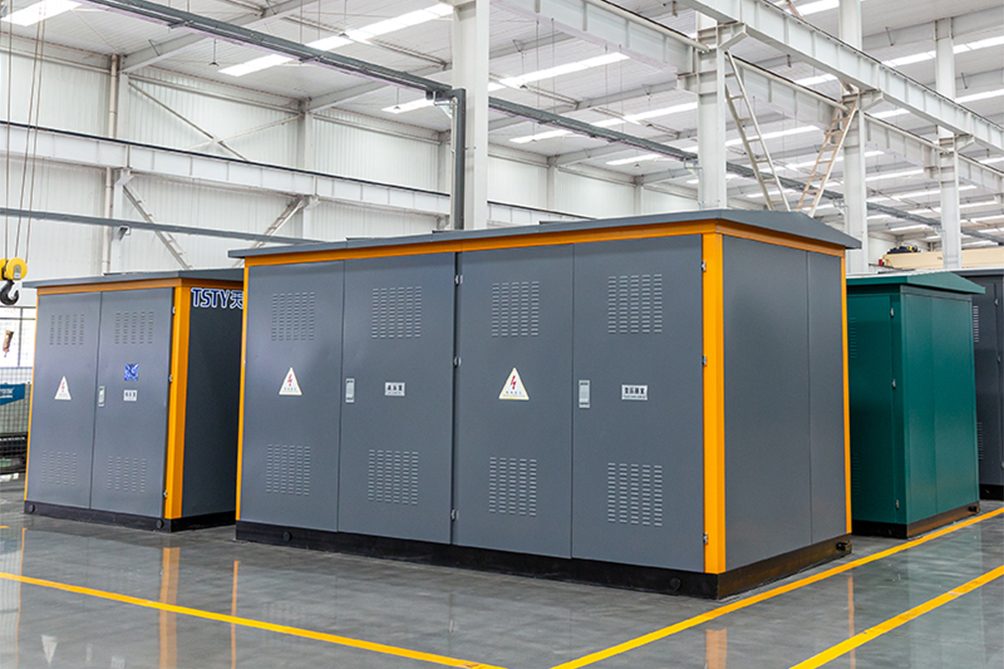
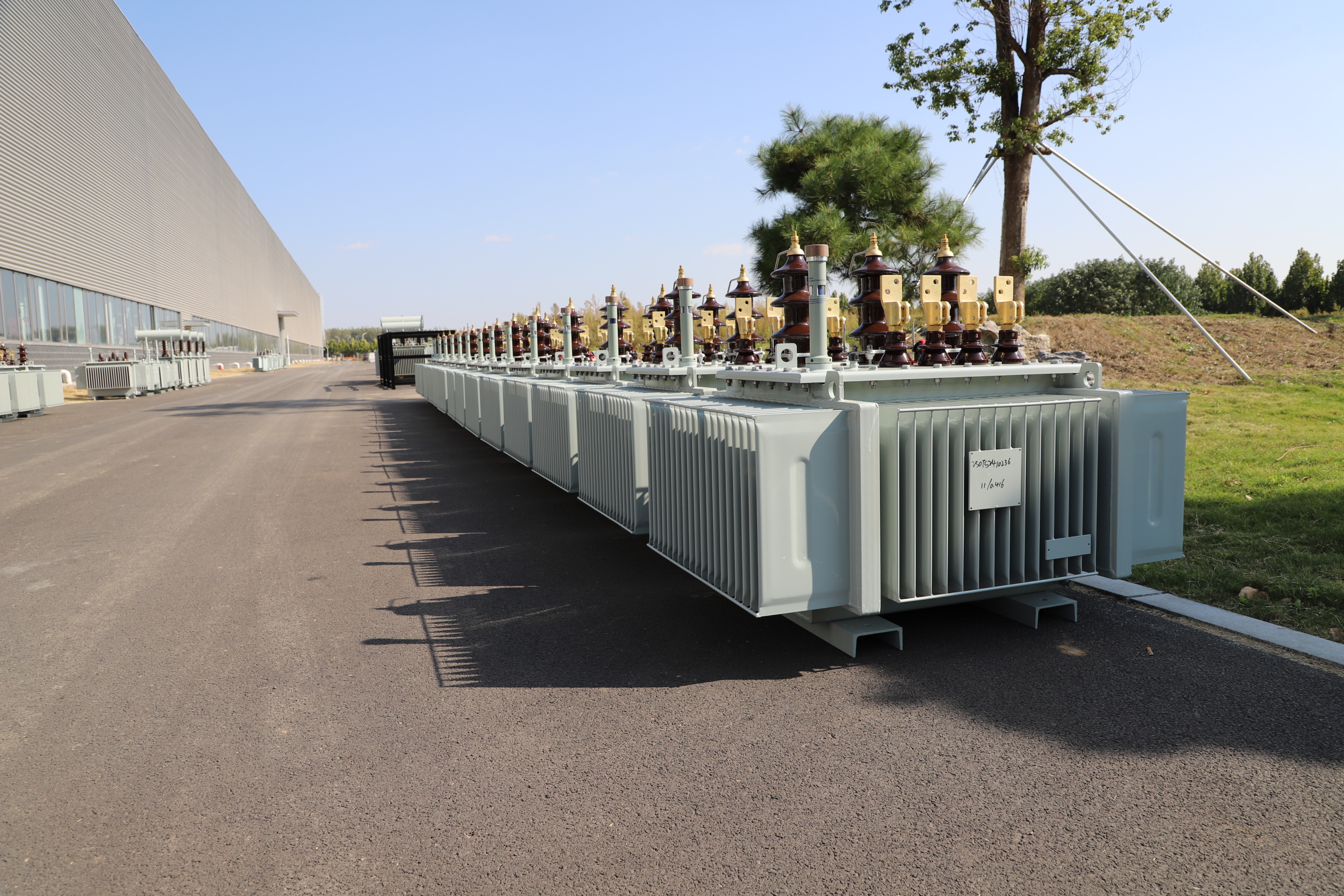
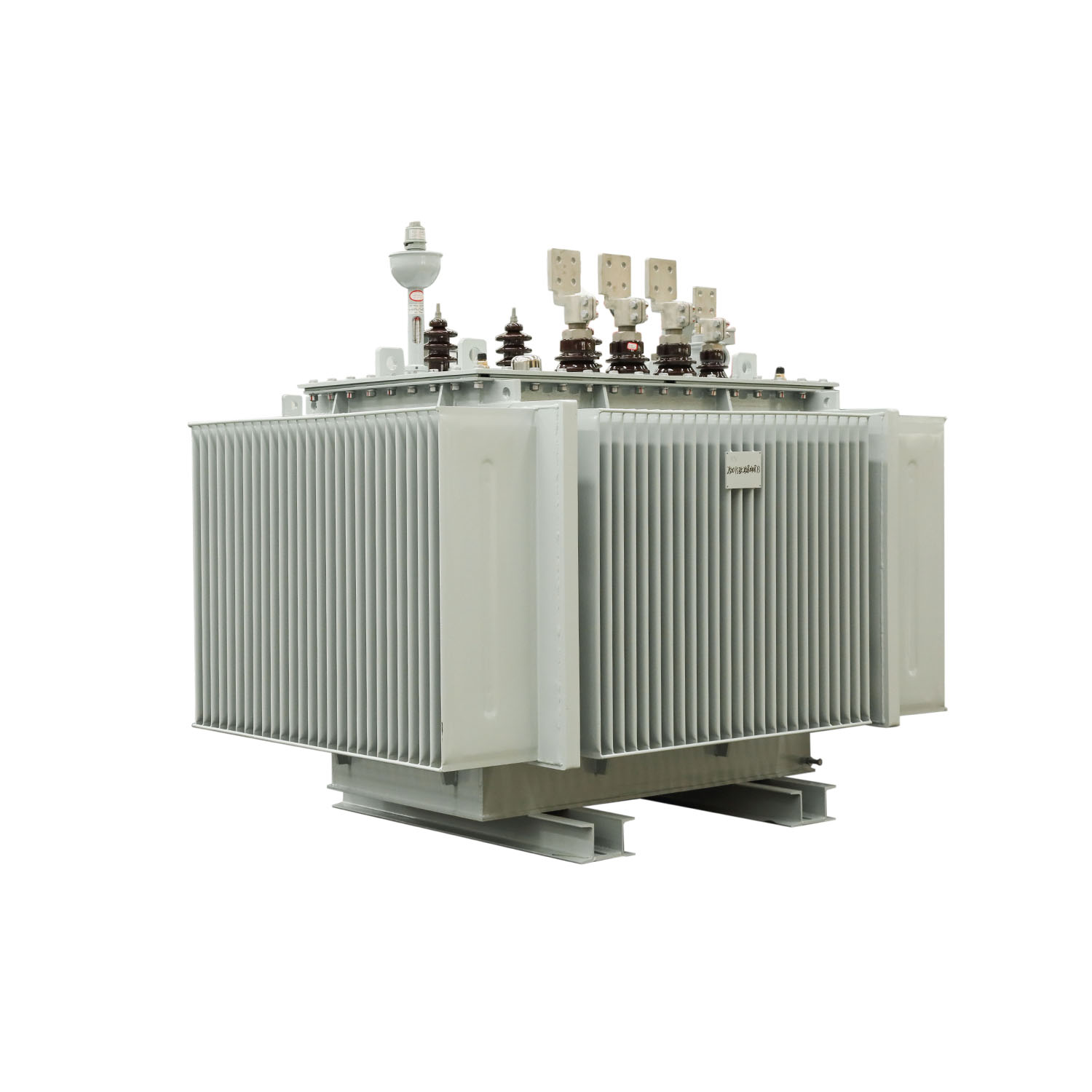
TSTY manufactures a complete range of power plant transformer products for the power generation sector. Our portfolio covers Generator Step-Up (GSU) transformers, Unit Auxiliary Transformers (UAT), Station Service Transformers (SST), and excitation transformers. A power plant transformer used for GSU applications is typically a large oil-immersed unit designed to export bulk power to the transmission grid. For indoor auxiliary loads, we offer cast-resin dry-type transformers to meet strict fire safety codes inside the turbine or boiler building. Each power plant transformer is specified by capacity, voltage ratio, short-circuit withstand capability, and cooling method. We also provide integrated medium-voltage switchgear, protection panels, and busduct connections to complete the electrical distribution layout of the generating station.

A power plant transformer is the backbone of any electricity generation facility, ensuring that power is efficiently exported to the grid and safely distributed to internal machinery. Unlike standard distribution networks, a power generating station operates with distinct electrical zones. Therefore, the term power plant transformer covers several specific equipment types, primarily the generator step-up transformer, the unit auxiliary transformer, and the station service transformer.
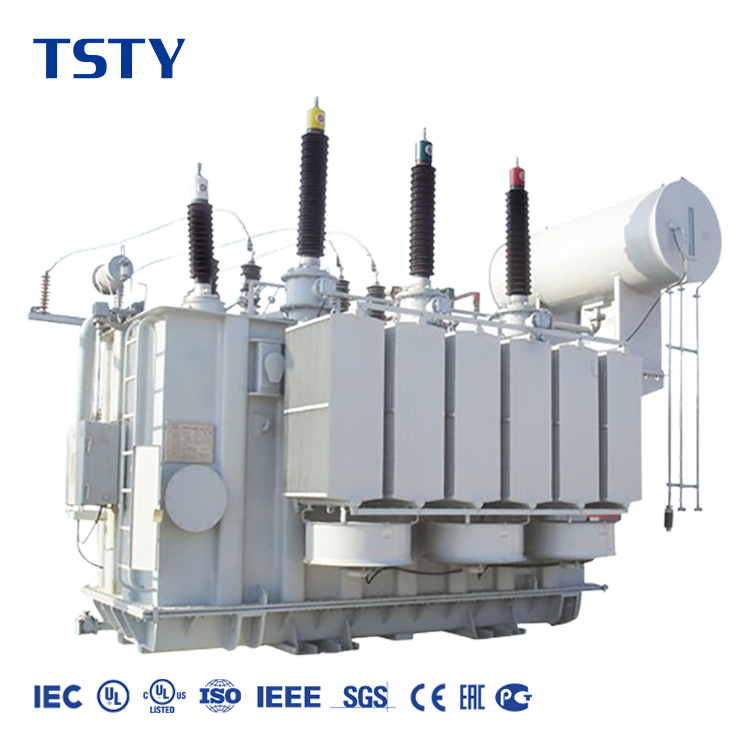
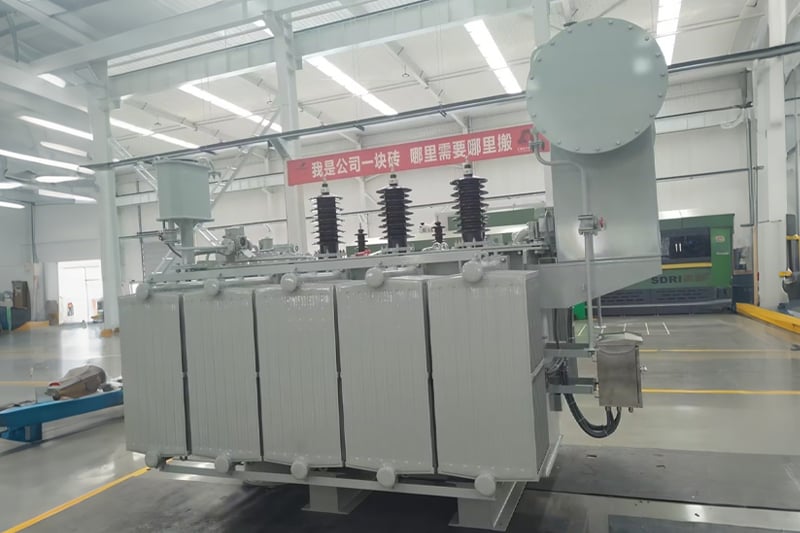
The generator step-up transformer is the largest power plant transformer on site. It connects directly to the generator terminals, raising the generation voltage to the high voltage required for the transmission network. This unit must handle massive continuous loads and endure the thermal stresses of base-load generation. Because of its critical role, it is usually installed outdoors in the switchyard and equipped with advanced cooling systems, such as ONAF or ODAF, along with comprehensive oil and gas monitoring devices.

0314压缩(c2511bb698).JPG
Conversely, a generation facility needs significant power to run its own equipment. This is where the unit auxiliary power plant transformer comes in. Connected to the generator output, it steps the voltage down to supply large internal motors, such as boiler feed pumps, induced draft fans, and cooling water circulation systems. Because these loads involve frequent starts and large inrush currents, the auxiliary power plant transformer is designed with high short-circuit withstand capabilities and specific impedance values to limit voltage dips.
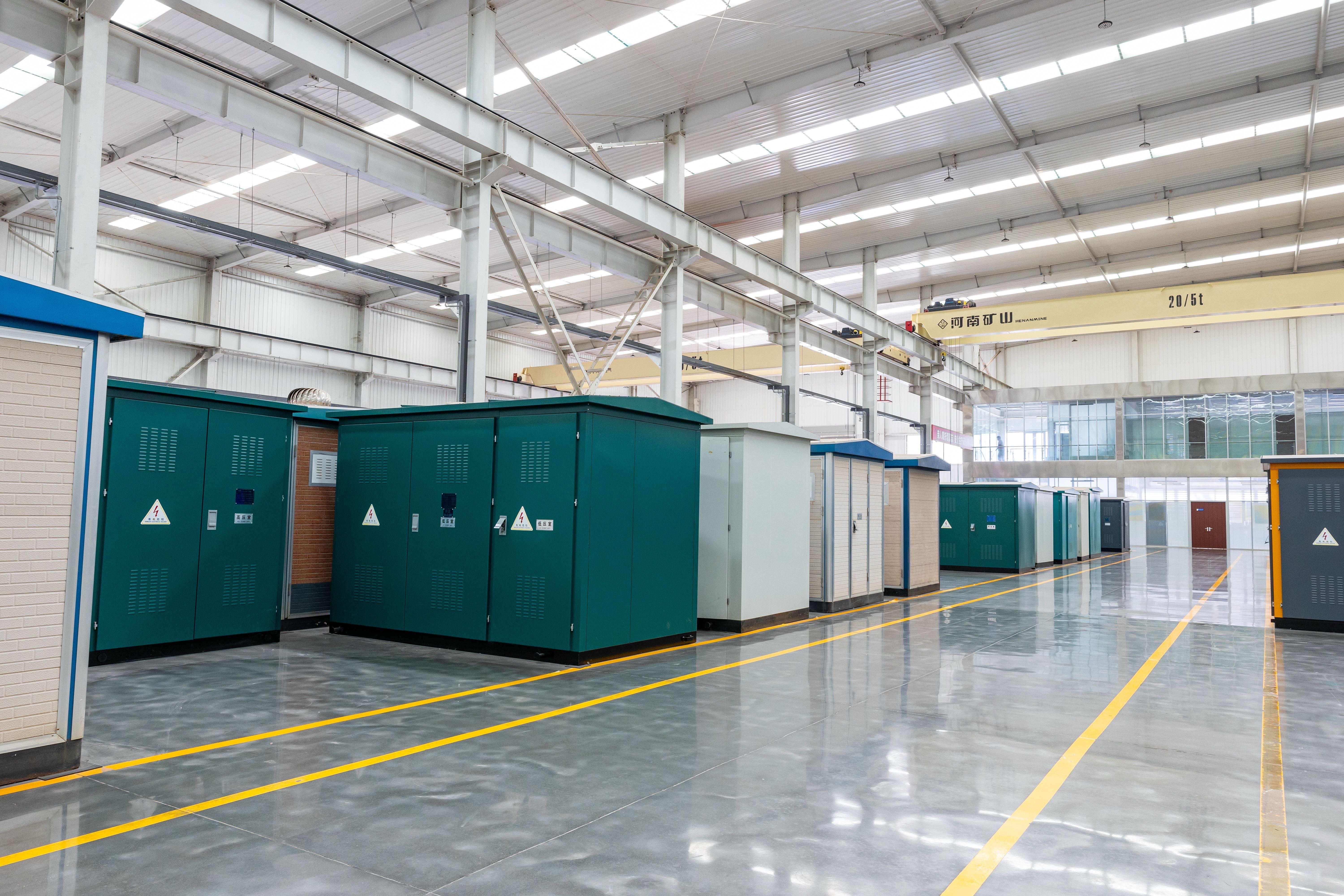
Station service transformers are another type of power plant transformer used to power general facility infrastructure, including lighting, HVAC, control rooms, and battery chargers. These are often dry-type transformers located indoors near the load centers, selected for their fire-resistant properties and low maintenance requirements.
Procuring a power plant transformer requires careful coordination between the turbine manufacturer, electrical designer, and civil engineer. Buyers must specify rated capacity, voltage vector groups, tap changer types, and impedance. Physical interfaces, such as isolated phase busduct (IPB) connections on the primary side, must be detailed in the outline drawings. TSTY supports project owners by providing clear engineering data, ensuring the equipment fits the station layout and operates reliably under strict generation duties.

Frequently Asked Questions About Power Plant Transformer Applications

Technical considerations for generator matching and internal station power supply.

What are the main types of a power plant transformer?

They generally include Generator Step-Up (GSU) transformers, Unit Auxiliary Transformers (UAT), and Station Service Transformers (SST).
It steps down generator voltage to power internal station loads, such as large cooling water pumps, boiler fans, and coal handling machinery.
Dry-type power plant transformer units are used indoors for station service loads because they eliminate oil leak risks and comply with strict indoor fire safety codes.
The primary side often connects to the generator using an Isolated Phase Busduct (IPB) or non-segregated busduct to safely handle very high continuous currents.
Capacity, generator output voltage, grid or auxiliary voltage, impedance, short-circuit withstand, cooling method, and physical termination layouts are essential.
Yes, TSTY conducts rigorous routine testing on every power plant transformer and provides complete test documentation for project approval and commissioning.

Related Articles

33kV to 11kV Substation Design: Key Equipment Choices for Utility and Industrial Projects

21

Sep

33kV to 11kV Substation Design: Key Equipment Choices for Utility and Industrial Projects

Optimize your utility or industrial project with a reliable 33kV to 11kV substation. Discover key equipment choices, international compliance, and fast ROI.
View More
Distribution Transformer Substation Planning for Utilities, Industrial Parks, and Renewable Projects

21

Sep

Distribution Transformer Substation Planning for Utilities, Industrial Parks, and Renewable Projects

Master sector-specific planning for a distribution transformer substation. A B2B guide for utility grids, industrial parks, solar, and BESS integration.
View More
Compact Substation Transformers for Urban Grids, Solar Farms, and Industrial Loads

20

Oct

Compact Substation Transformers for Urban Grids, Solar Farms, and Industrial Loads

Discover how a compact substation transformer adapts to urban grids, solar farms, and heavy industry. A B2B guide to modular LV/MV switchgear integration.
View More
5000kVA Transformer Applications in Industrial Plants, Data Centers, and Distribution Substations

22

Sep

5000kVA Transformer Applications in Industrial Plants, Data Centers, and Distribution Substations

Discover how a 5000 kva transformer ensures reliable power for data centers, industrial plants, and substations. Learn B2B specs and global compliance.
View More

Client Feedback on Generation Projects

Experiences from EPC contractors and station operators regarding technical coordination.
Thomas van der Berg
Lead Electrical Engineer

"The interface between the power plant transformer and our isolated phase busduct was designed accurately. TSTY's drawings matched our turbine hall layout perfectly."

Sophia Lin
Power Generation Project Manager

"We needed reliable auxiliary transformers for our boiler feed pumps. The short-circuit withstand data provided gave us confidence in the equipment's durability."

Dmitri Volkov
Commissioning Supervisor

"The factory test reports for the generator step-up power plant transformer were highly detailed, which streamlined our final grid compliance checks and energization."

Get a Free Quote

Our representative will contact you soon.
Select your project goal
Email
Name
Company Name
Phone
Project Details
0/1000
Internal Auxiliary Load Management

Internal Auxiliary Load Management

A modern generation facility consumes a significant portion of its own electricity to operate heavy machinery. To support this, a power plant transformer functioning as a unit auxiliary transformer must be highly robust. It supplies critical internal loads such as boiler feed pumps, forced draft fans, cooling tower systems, and coal handling conveyors. These large industrial motors draw massive starting currents, which can cause severe voltage drops and mechanical stress on the transformer windings. Therefore, this specific power plant transformer is designed with tailored short-circuit impedance and reinforced internal clamping structures. TSTY works closely with electrical designers to analyze the motor starting profiles and load duty cycles. By configuring the correct capacity and thermal limits, the auxiliary transformer ensures that the power plant's internal operations remain stable during generator startup, normal running, and emergency shutdown sequences.
Busduct Connection and Physical Interfaces

Busduct Connection and Physical Interfaces

The physical connection between the generator and the main power plant transformer involves specialized engineering. Because the generator outputs very high continuous current at a relatively low voltage, standard cables are often insufficient. Instead, an Isolated Phase Busduct (IPB) or non-segregated busduct is used to link the generator terminals to the transformer's primary bushings. When manufacturing this type of power plant transformer, TSTY pays close attention to the bushing arrangement, phase spacing, and flange dimensions to ensure a precise mechanical match with the busduct system. Additionally, the layout must accommodate the cooling radiators, conservator tank, and fire protection systems like water deluge rings. By providing exact 3D models and outline drawings during the design phase, we help EPC contractors align the transformer footprint with the civil foundation and busduct supports, avoiding costly structural modifications on site.
Indoor Dry-Type Solutions for Station Service

Indoor Dry-Type Solutions for Station Service

Within the main turbine building or control center, fire safety and environmental compliance are strict priorities. For these indoor zones, using an oil-filled power plant transformer is often restricted due to the risk of oil leaks and fire hazards. TSTY addresses this by supplying cast-resin dry-type transformers for station service applications. These units step down voltage to power essential low-voltage infrastructure, including control room panels, battery chargers, plant lighting, and HVAC systems. A dry-type power plant transformer utilizes self-extinguishing epoxy resin insulation, requiring no liquid coolant, which significantly reduces maintenance work and insurance requirements. During the technical review, our engineers coordinate the enclosure protection class (such as IP20 or IP31) and forced cooling fan setups to match the ambient conditions of the electrical room, ensuring safe and continuous power for the facility's control systems.