

 EN
One of the most critical decisions an EPC (Engineering, Procurement, and Construction) contractor faces during the design phase of a new facility is sizing the electrical infrastructure. Specify a transformer that is too small, and you risk nuisance tripping and overheating during peak operations. Specify one that is too large, and you waste thousands of dollars in unnecessary capital expenditure (CAPEX) and ongoing no-load iron losses.
For decades, the 500kva substation has been considered the "Goldilocks" size of medium-voltage power distribution. It is large enough to power substantial commercial and light industrial loads, yet compact enough to avoid the massive civil engineering costs associated with multi-megawatt grid stations.
But how do you know if a 500kva substation is the exact right fit for your specific project? Let’s put aside the sales brochures and look at the actual engineering math, load profiles, and installation environments that make this equipment the optimal choice.
The biggest mistake junior procurement managers make is assuming that a 500kva substation provides 500 kilowatts (kW) of usable power. In the alternating current (AC) world, we must account for the Power Factor (PF)—the ratio of working power to apparent power.
In a typical commercial or light industrial facility filled with HVAC motors, LED lighting drivers, and conveyor belts, the power factor usually hovers around 0.8 to 0.85.
Furthermore, electrical codes dictate that a distribution transformer substation should ideally operate at 70% to 80% of its maximum capacity to maintain peak cooling efficiency and leave headroom for future expansion.
Therefore, a 500kva substation is the perfect choice when your facility’s calculated maximum simultaneous demand is roughly 300 kW to 350 kW. This load profile perfectly aligns with:
In most urban and suburban power grids, the utility company distributes medium voltage at 11kV. To make this power usable for standard facility equipment, it must be stepped down to low voltage.
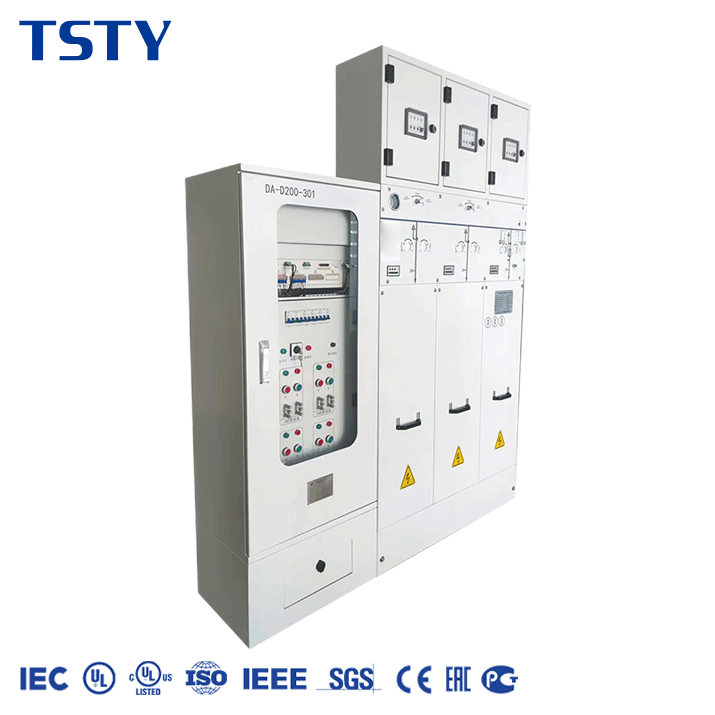
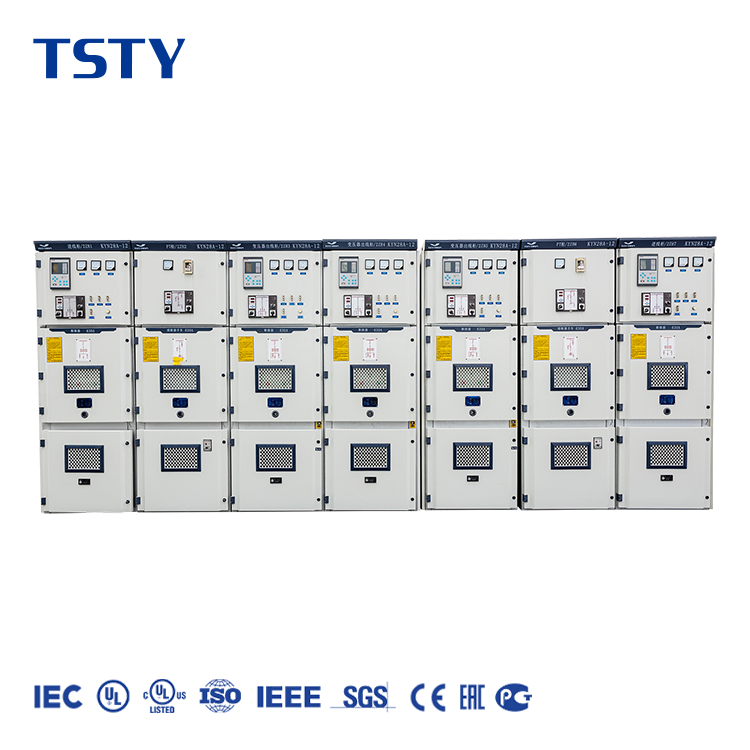
In this scenario, a 500kva substation is almost universally configured as an 11kv 400v substation. The medium voltage (11kV) enters the Ring Main Unit (RMU), passes through the transformer core to be stepped down, and exits into the Low Voltage (LV) distribution panel at 400V (three-phase) / 230V (single-phase).
Because the 11kv 400v substation is such a globally standardized ratio, choosing a 500kva substation in this configuration drastically reduces your lead times. Manufacturers keep these specific coil windings and switchgear ratings in continuous production, meaning you aren't paying custom-engineering fees to get your site powered up.
When assessing a project, you must look beyond the electrical specs and consider civil engineering costs. Large transformers require poured concrete bunkers, extensive trenching, and complex fire-suppression systems.
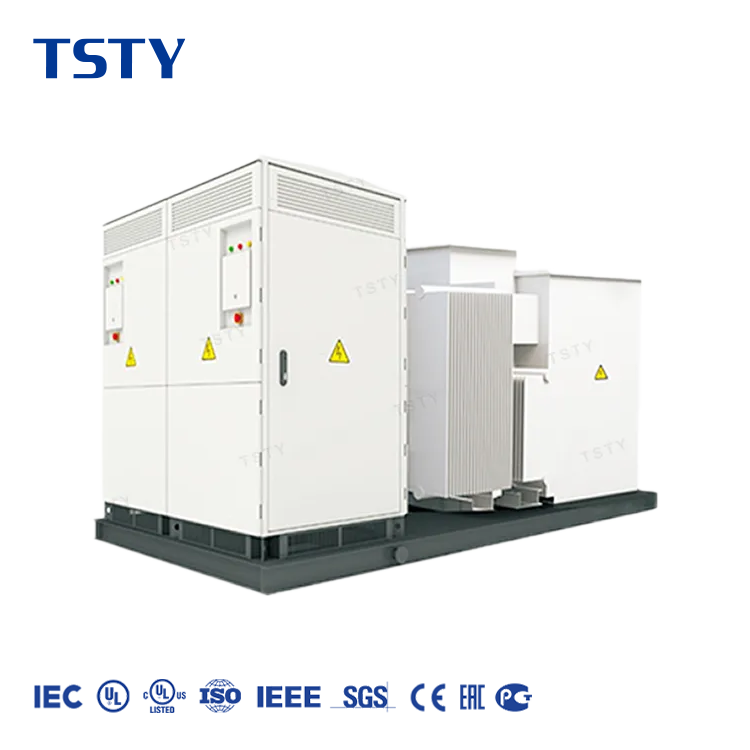
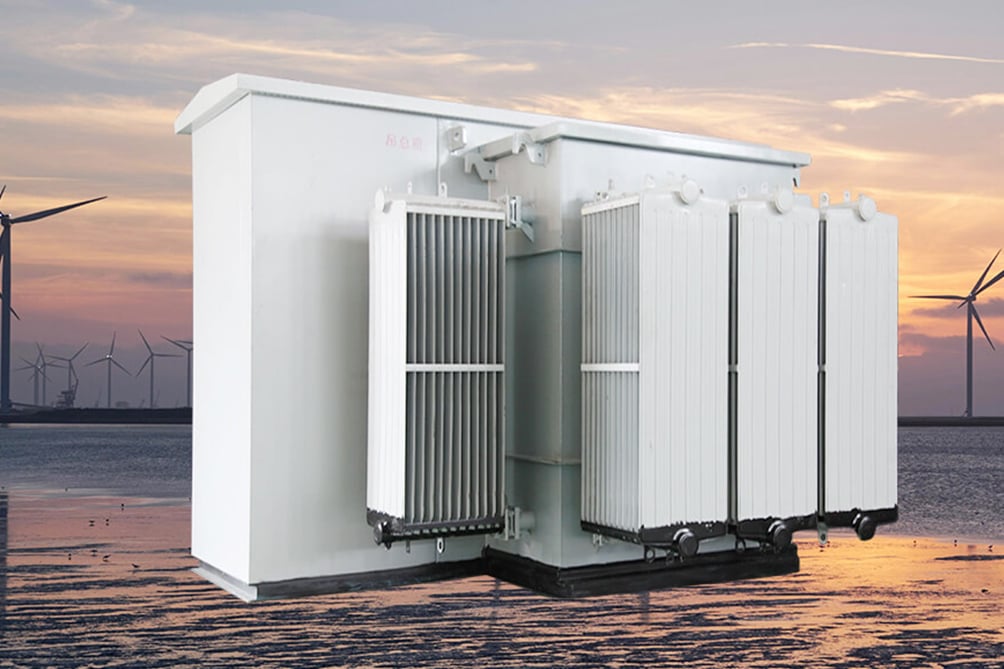
Conversely, a 500kva substation is highly modular. For outdoor applications, you can deploy a complete pad mount substation. In this setup, the MV switchgear, the 500kva pad mount transformer, and the LV distribution board are all housed within a single, weather-proof, tamper-resistant metal enclosure.
|
Feature |
Large Custom Substation (1500kVA+) |
Compact 500kVA Substation |
|
Civil Works Required |
Extensive (Deep foundations, blast walls) |
Minimal (Standard flat concrete plinth) |
|
Deployment Time |
3 to 6 Months |
1 to 2 Weeks |
|
Space Required |
Large dedicated outdoor yard |
Fits discreetly in a parking lot corner |
Because the footprint is so contained, a 500kva substation is often the only viable choice for urban infill projects or site expansions where real estate is at a premium.
Let’s look at a strategic facility design choice. Imagine you are building a sprawling warehouse logistics park. The total calculated load for the entire park is 1,200 kW.
Traditionally, a designer might specify a single, massive 1500kVA transformer at the edge of the property. However, this creates a problem: running low-voltage (400V) copper cables across a massive site results in severe voltage drop and astronomical cable costs.
Modern electrical design favors decentralization. Instead of one massive unit, elite engineering firms will strategically place three separate 500kva substation units directly adjacent to the heaviest load centers across the site.
Running medium voltage (11kV) cables across the site to feed each 500kva substation is significantly cheaper and more efficient than dragging thick, low-voltage cables. If one 500kva substation requires maintenance, the other two zones remain fully operational, drastically improving the site's overall redundancy and uptime.
"Let's just buy a 1000kVA unit to be safe." I have heard procurement managers say this countless times, and it is a costly mistake.
Transformers experience two types of losses: copper losses (which vary with the load) and iron/core losses (which are constant 24/7, as long as the unit is energized). If you install a massive transformer but only run a 300kW load, you are paying the utility company every single hour for the massive core losses of an oversized machine.
By right-sizing your network with a 500kva substation, you ensure the transformer operates close to its maximum efficiency curve (usually around 60-75% load). Over a 20-year lifespan, a properly sized 500kva substation will save a facility tens of thousands of dollars in wasted electricity compared to an arbitrarily oversized unit.
Selecting medium-voltage equipment is a delicate balance of electrical theory, spatial awareness, and financial planning.
The 500kva substation remains the undisputed workhorse of the industry for a reason. It perfectly bridges the gap between small utility pole transformers and heavy-industry grid stations. Whether you are ordering a sleek indoor unit or a rugged outdoor pad mount substation, understanding your exact continuous load is the key to a successful deployment.
Before issuing your next RFQ, review your facility's simultaneous demand factor. If your load sits in that 300kW to 350kW sweet spot, specifying a high-efficiency 500kva substation is the smartest engineering and financial decision your procurement team can make.