

 EN
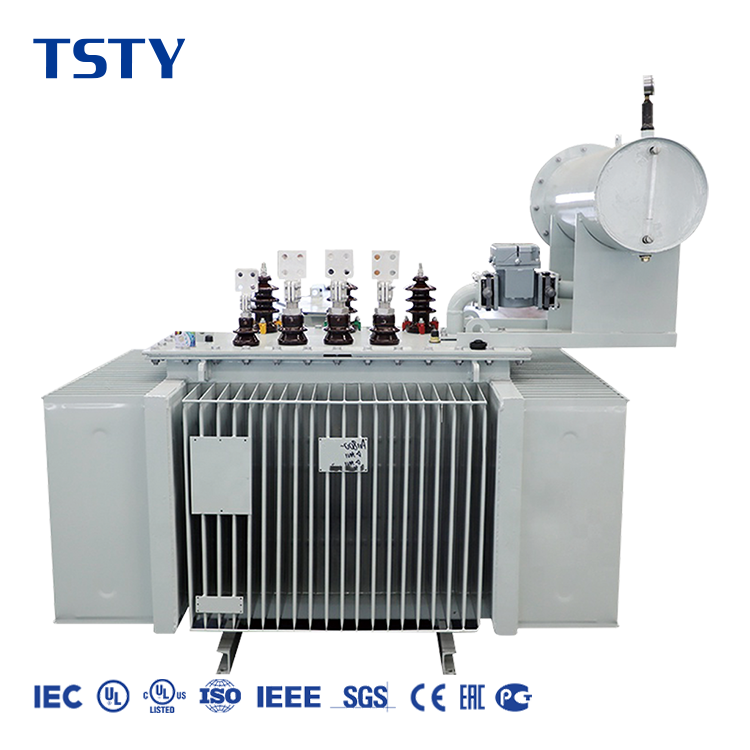
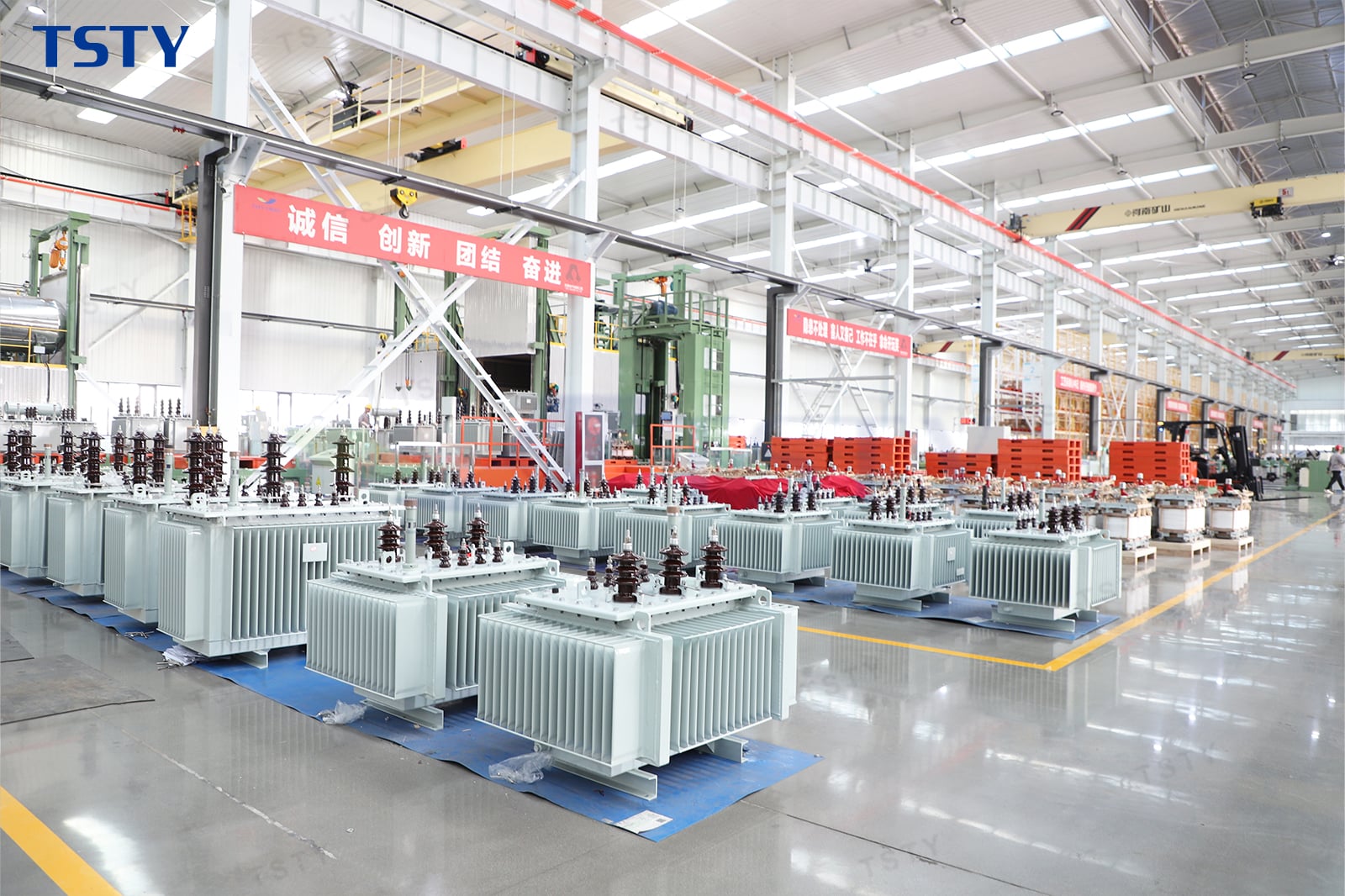
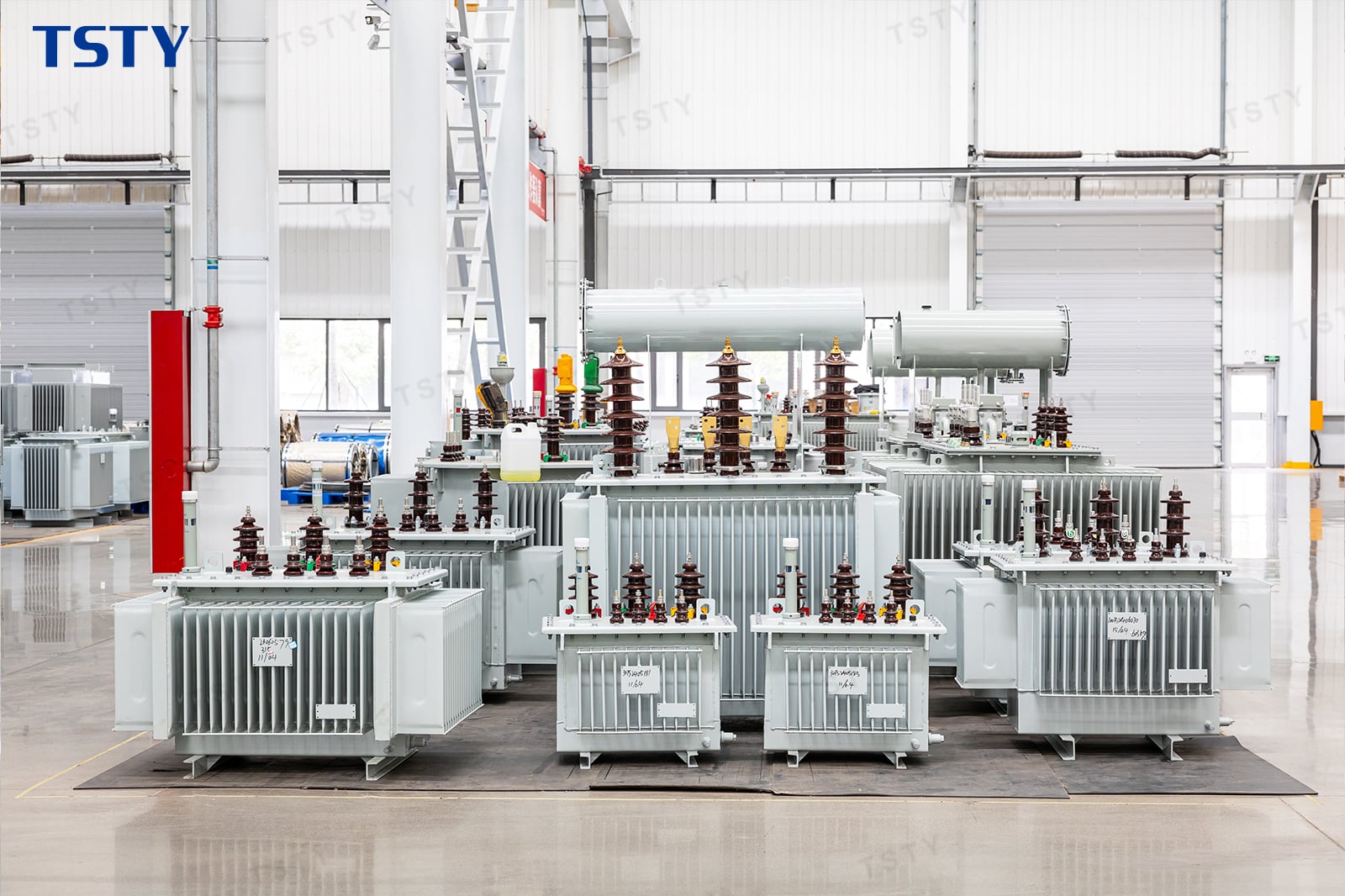
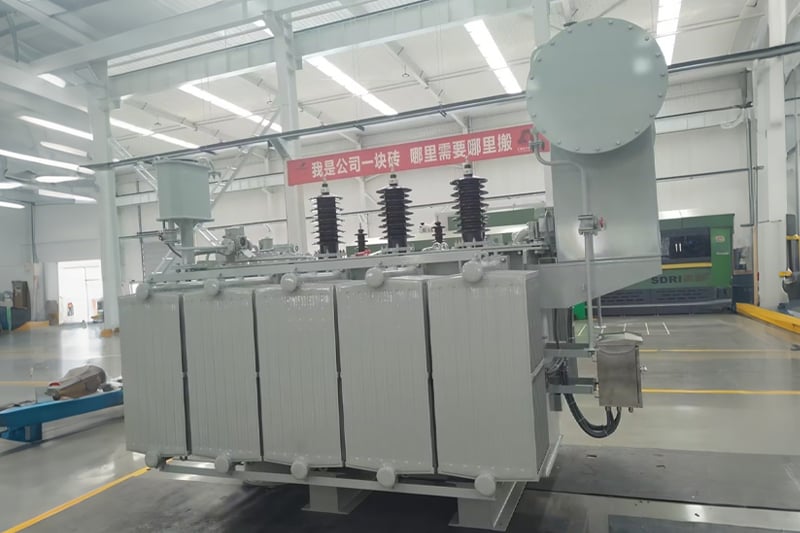
In recent years, the electrical equipment market has seen a surge in marketing for dry-type and cast-resin transformers. Yet, when you look at the backbone of global medium-voltage (MV) infrastructure—from expansive outdoor substations to heavy industrial manufacturing plants—one technology continues to dominate. The three phase oil immersed transformer remains the undisputed heavyweight champion of reliable electrical distribution.
For B2B procurement officers, EPC contractors, and utility engineers, specifying an electrical distribution transformer is a critical calculation of upfront capital expenditure (CAPEX), long-term operational expenditure (OPEX), and absolute grid reliability.
Drawing from our deep engineering expertise as one of the industry's premier medium voltage transformer manufacturers, we will break down exactly why the three phase oil immersed transformer continues to be the preferred choice for demanding medium-voltage applications, and what you should look for when sourcing these vital assets.
Heat is the natural enemy of any electrical system. As voltages step down from 33kV or 11kV to usable industrial levels, the core and copper windings generate substantial thermal energy.
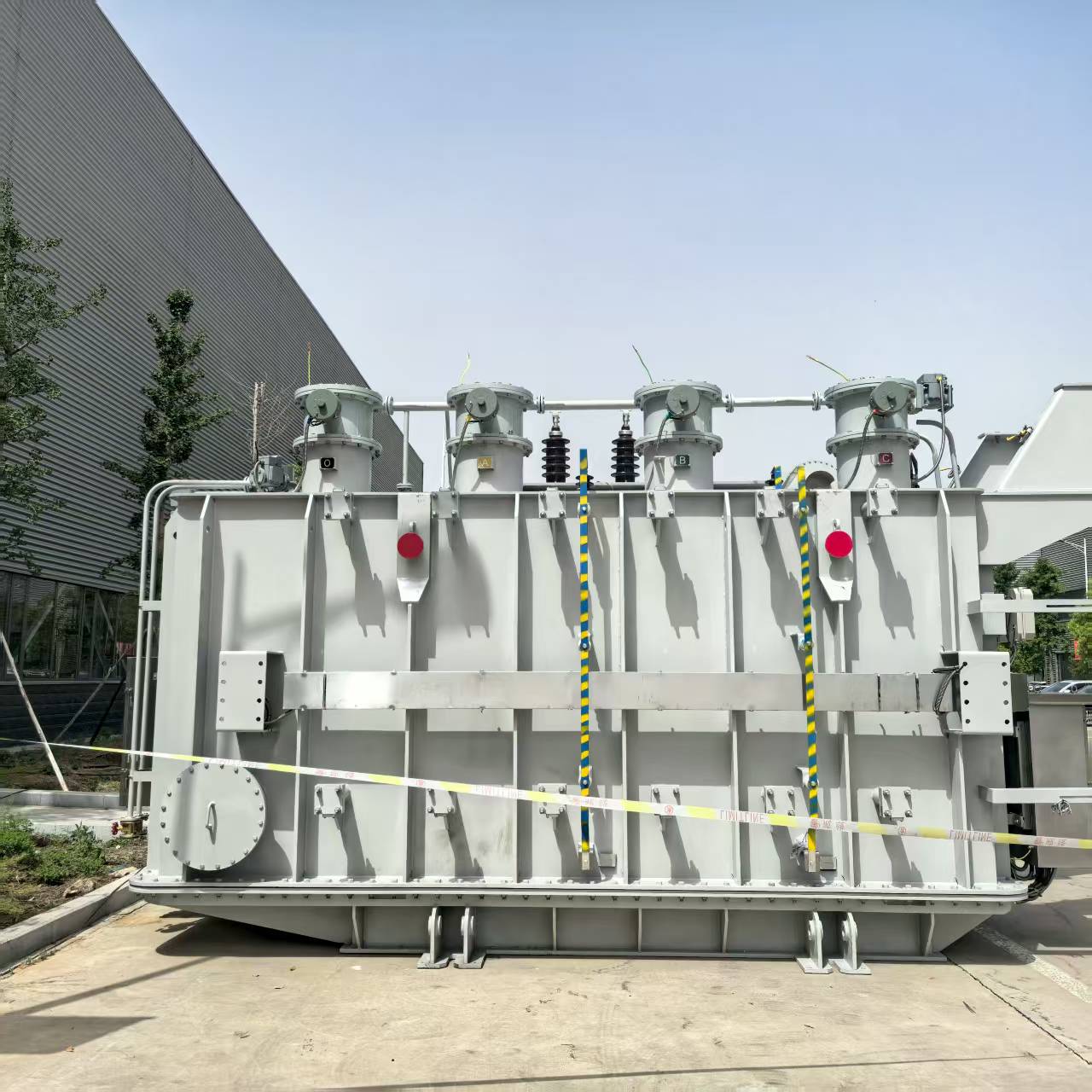
This is where the three phase oil immersed transformer drastically outperforms its dry-type counterparts. Liquid cooling is inherently more efficient than air cooling. The insulating oil inside the tank acts as a highly effective thermal conductor. As the core heats up, the oil absorbs this heat and naturally rises, flowing into the external cooling fins or corrugated radiators. As it cools against the ambient outdoor air, it sinks back to the bottom of the tank, creating a continuous, passive convection loop (known as ONAN - Oil Natural Air Natural cooling).
Because of this superior thermodynamic efficiency, a three phase oil immersed transformer can handle severe, temporary overloads without degrading the paper insulation around the windings. If a manufacturing plant experiences a sudden spike in motor-starting currents, a three phase oil immersed transformer can absorb that thermal shock far better than a resin-cast unit.
Beyond cooling, the oil serves a second, equally critical purpose: electrical insulation. Mineral oil (or modern synthetic ester fluid) possesses a significantly higher dielectric strength than air.
When dealing with medium-voltage distribution, the risk of electrical arcing or partial discharge is severe. By entirely submerging the active part of the three phase oil immersed transformer in purified, degassed oil, manufacturers can place the internal high-voltage and low-voltage windings much closer together.
This results in a highly compact oil immersed power transformer design. Even at capacities exceeding 2500 kVA, a three phase oil immersed transformer maintains a relatively small footprint compared to the bulky clearances required for air-insulated units of the same rating.
The longevity of a three phase oil immersed transformer—which routinely exceeds 25 to 30 years in the field—is directly tied to the manufacturing process. As a supplier, we know that moisture is the primary catalyst for transformer failure.
To guarantee the reliability of every three phase oil immersed transformer that leaves our facility, we employ a rigorous vacuum vapor drying process. Before the tank is filled, the core and coil assembly is placed in a vacuum chamber to extract every microscopic drop of moisture from the cellulose insulation. The tank is then filled with oil under a deep vacuum.
This stringent process ensures that an oil immersed distribution transformer is completely free of air bubbles, preventing localized partial discharges that could otherwise cause catastrophic short circuits down the line.
Why do facility directors consistently approve purchase orders for the three phase oil immersed transformer? The answer lies in the compelling Total Cost of Ownership (TCO).
To assist your procurement teams, here is a baseline comparison matrix evaluating a three phase oil immersed transformer against a standard dry-type alternative for outdoor medium-voltage supply:
|
Evaluation Metric |
Three Phase Oil Immersed Transformer |
Cast Resin Dry-Type Transformer |
|
Initial Purchase Cost (CAPEX) |
Highly Cost-Effective (Often 20-30% lower) |
Expensive |
|
Outdoor Suitability |
Excellent (Hermetically sealed against weather/dust) |
Poor (Requires expensive IP-rated enclosures) |
|
Overload Capacity |
High (Thermal mass of oil absorbs heat spikes) |
Low (Prone to rapid thermal degradation) |
|
Operating Noise Level |
Very Low (Oil dampens core vibration noise) |
Higher (Air does not dampen acoustic hum) |
|
Maintenance Profile |
Requires periodic oil sampling/DGA testing |
Visual inspection, vacuuming of dust/debris |
For outdoor substations, mining operations, or agricultural grids, the three phase oil immersed transformer is practically the only logical choice. Exposing a dry-type unit to extreme humidity, salty coastal air, or heavy industrial dust is a recipe for premature failure. The hermetically sealed tank of a three phase oil immersed transformer completely isolates the active components from environmental contamination.
Historically, the only hesitation some urban planners had regarding the three phase oil immersed transformer was the use of mineral oil, due to fire risks and soil contamination concerns in the event of a rupture.
However, modern manufacturing has evolved. Today, a premium three phase oil immersed transformer can be factory-filled with biodegradable synthetic or natural ester fluids (such as FR3). These fluids have a vastly higher flash point (exceeding 300°C), making the three phase oil immersed transformer virtually fire-proof and entirely safe for deployment in densely populated commercial zones, green-energy solar farms, and environmentally sensitive areas.
Despite the emergence of alternative technologies, the three phase oil immersed transformer remains the cornerstone of medium-voltage power distribution. Its unparalleled ability to dissipate heat, withstand severe electrical overloads, and survive in the harshest outdoor environments makes it an invaluable asset for heavy distribution loads.
For B2B buyers and EPC contractors, specifying a three phase oil immersed transformer guarantees a robust, long-lasting power supply with an exceptional return on investment.
Are you sourcing equipment for an upcoming substation or industrial expansion? Partner with a manufacturing team that brings decades of engineering excellence to the table. Contact our technical sales department today to request detailed specifications, explore ester-fluid options, and secure a custom-engineered three phase oil immersed transformer for your next major project.