Custom Generator Transformers for Power Plants

Get a Free Quote

Our representative will contact you soon.
Select your project goal
Email
Name
Company Name
Phone
Project Details
0/1000
Reliable Generator Transformers for Power Plant Export

Reliable Generator Transformers for Power Plant Export

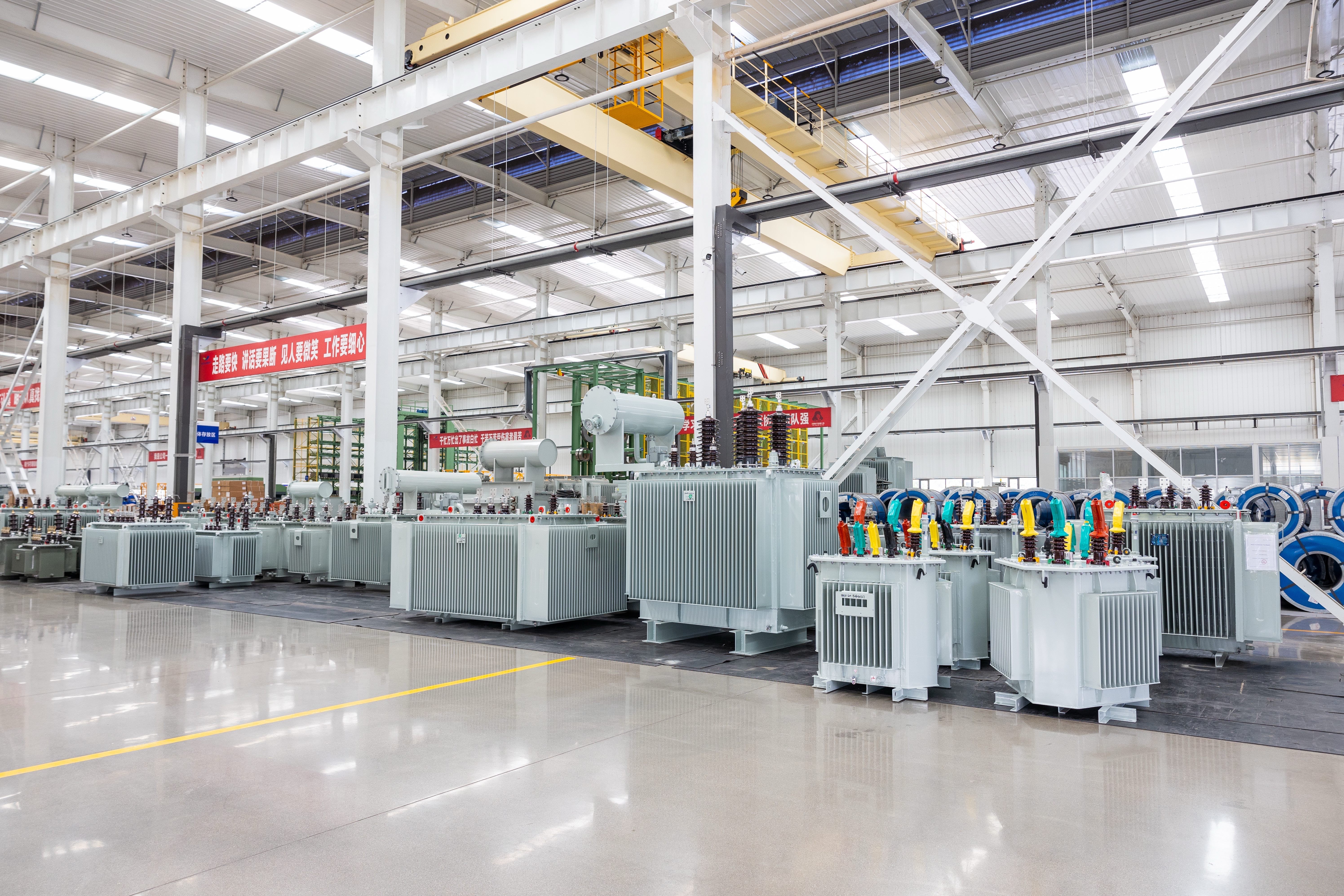
As a vital component in power generation facilities, generator transformers are engineered to step up the low output voltage of a generator to the high voltage required for transmission grids. TSTY supplies robust generator transformers for thermal, hydro, nuclear, and large-scale renewable energy plants. These units, commonly known as Generator Step-Up (GSU) transformers, operate under constant base-load conditions and must handle massive continuous currents safely. Our generator transformers feature optimized core designs, specialized cooling systems, and highly secure physical interfaces for isolated phase busduct (IPB) connections. By providing accurate technical drawings, comprehensive thermal performance testing, and expert logistics coordination, we assist project owners and EPC contractors in bridging the gap between electricity generation and long-distance high-voltage transmission securely.
Get A Quote


Advantages of Our Generator Transformers

Engineered for Continuous Base-Load Operation and Grid Export

High Continuous Load Capacity

Designed to operate at maximum capacity continuously, generator transformers effectively manage the constant heavy thermal and electrical stresses of active power generation.

Customized Busduct Interfaces

The low-voltage side of our generator transformers is mechanically adapted to align seamlessly with the isolated phase busduct (IPB) coming directly from the power plant turbine.

Robust Fault Withstand Capability

Engineered with reinforced core clamping and advanced winding techniques to withstand sudden short-circuit forces from the transmission grid without sustaining internal damage.

Advanced Cooling Management

Equipped with high-efficiency cooling arrays such as ONAF or ODAF to maintain strict temperature rise limits during peak electricity export cycles.

Generator Transformers and Plant Export Solutions

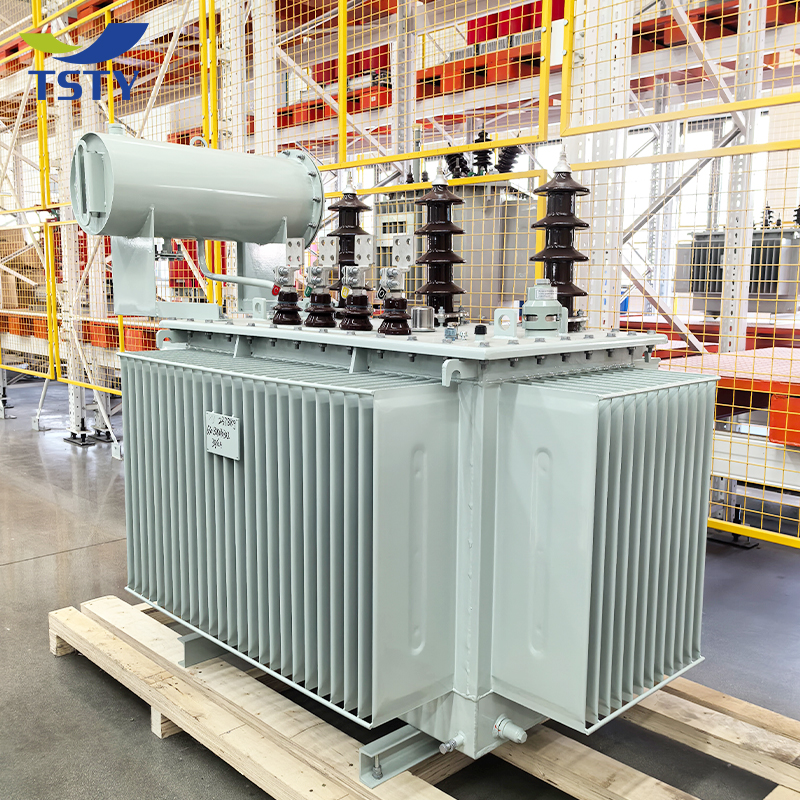
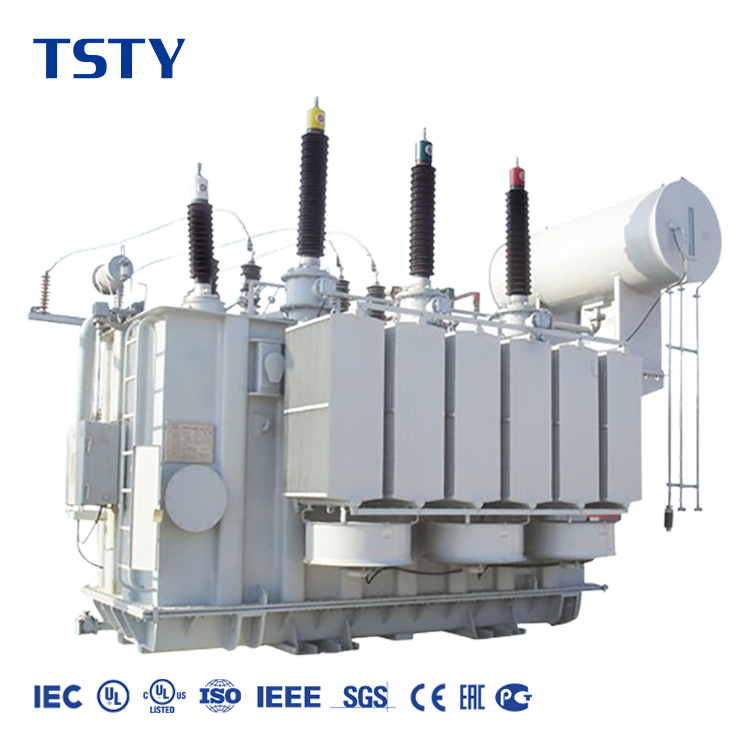
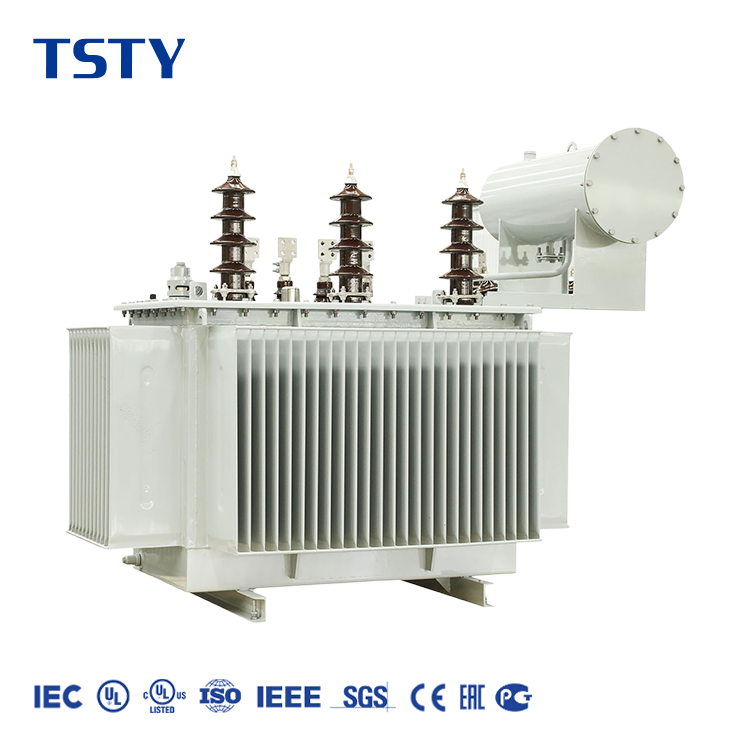
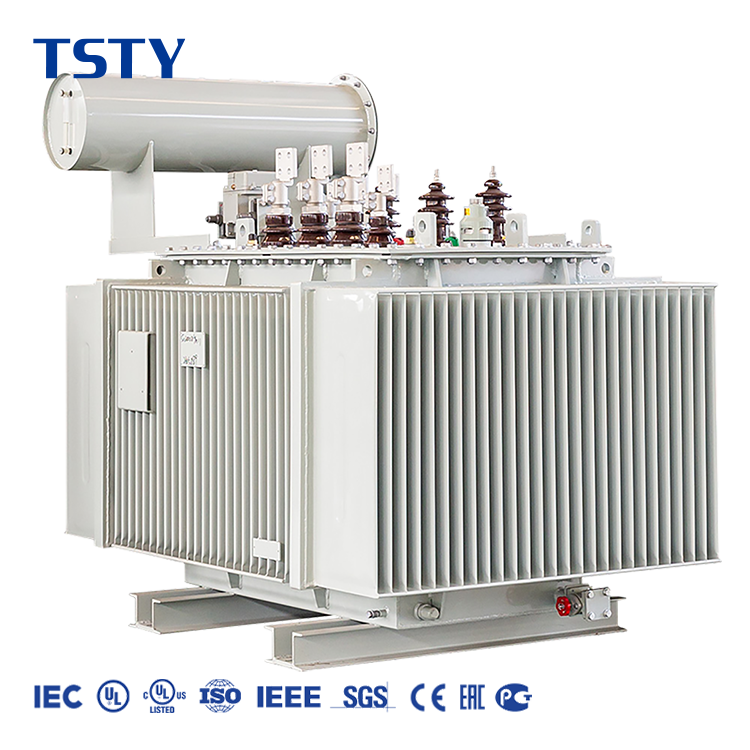
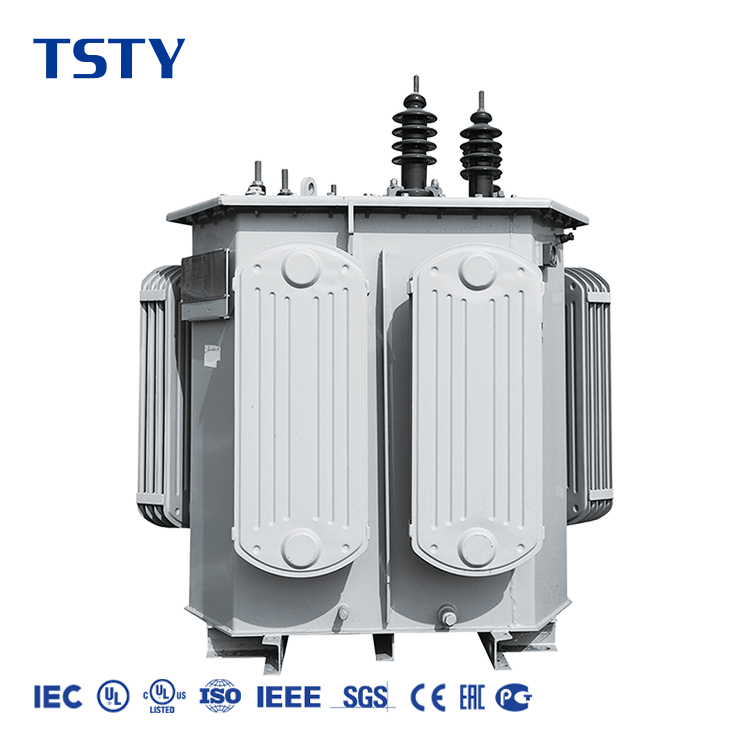
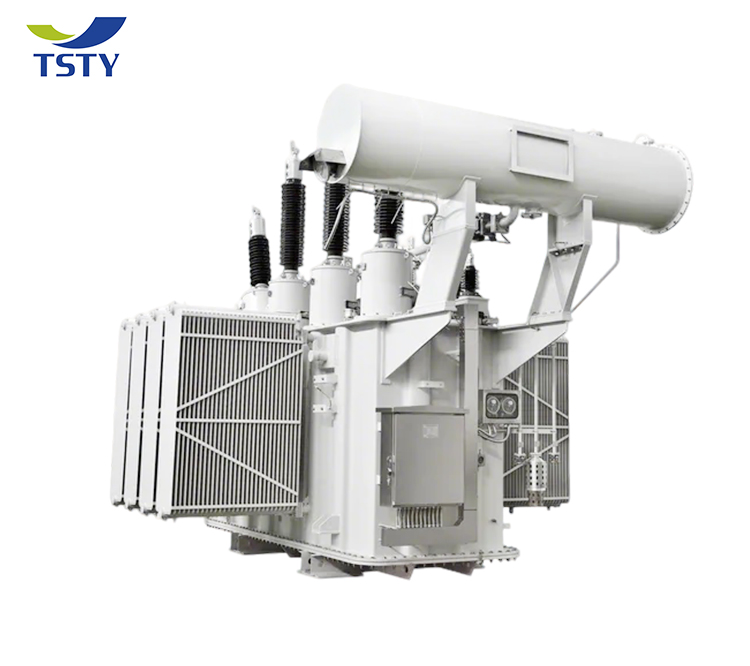
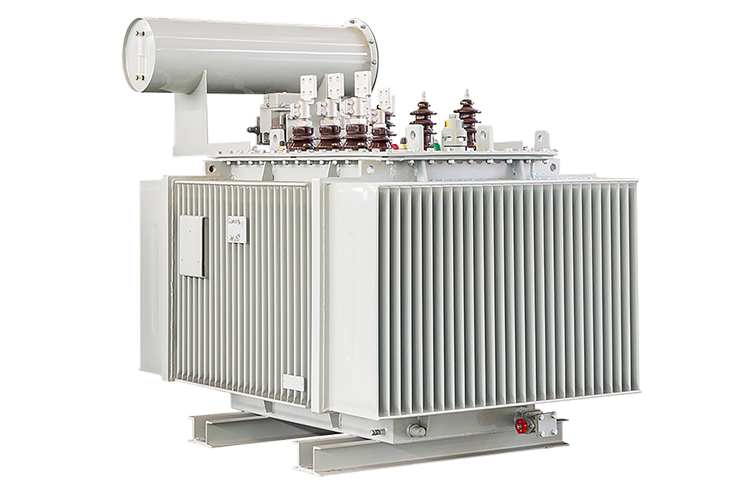
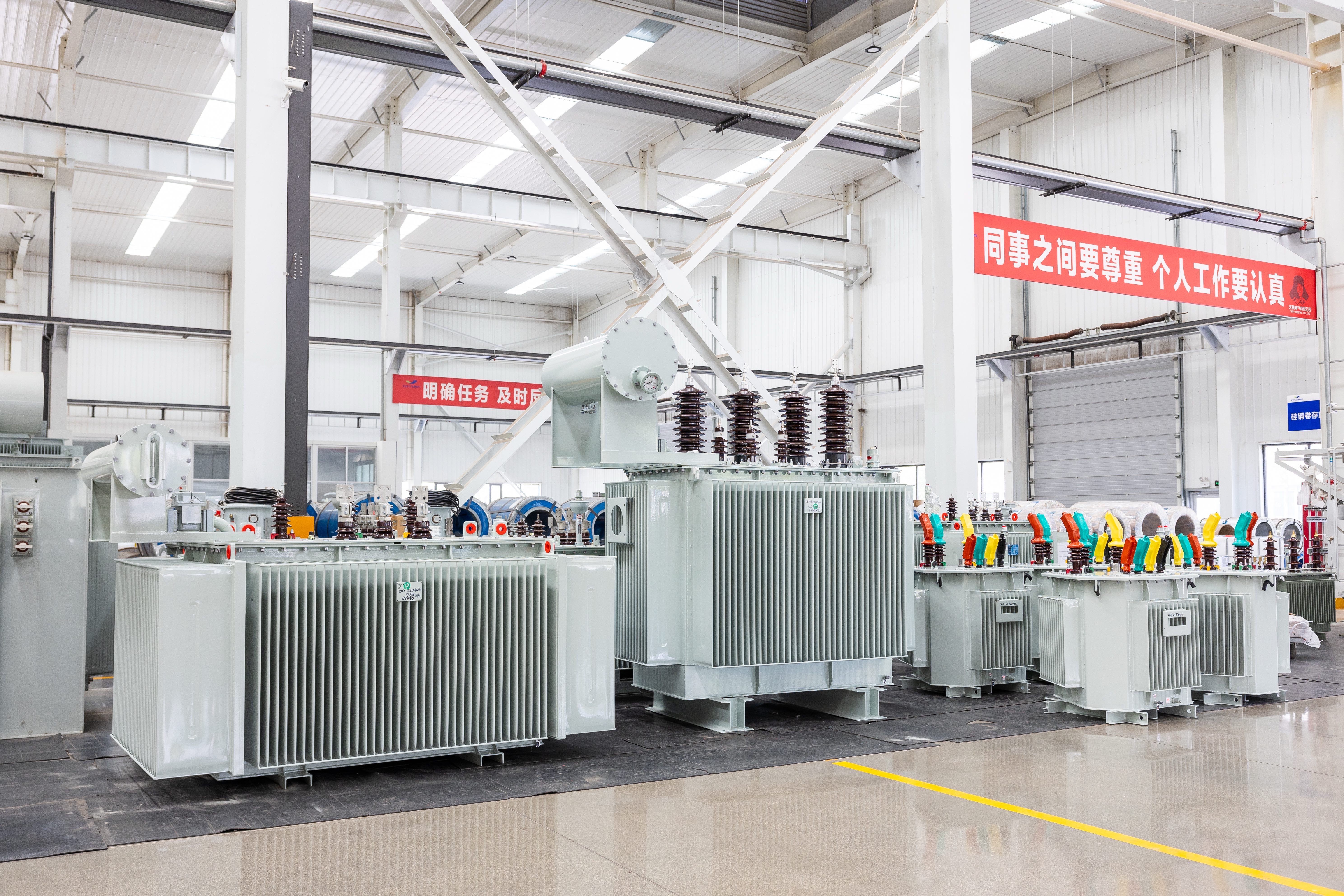
TSTY manufactures a dedicated range of generator transformers tailored for electricity export in various power generation facilities. A standard set of generator transformers serves as the critical link between the turbine generator and the main switchyard. These units are typically large-scale oil-immersed transformers equipped with customized off-circuit tap changers (OCTC) or on-load tap changers (OLTC) depending on grid voltage regulation rules. The low-voltage side is precisely engineered for high-current busduct connections, while the high-voltage side features extended creepage bushings for outdoor substation environments. Alongside the main generator transformers, we provide essential protective accessories, including dissolved gas monitors, digital temperature indicators, and pressure relief valves, ensuring safe integration into the power plant's main control system.

Generator transformers, also widely recognized as Generator Step-Up (GSU) transformers, are the primary power export vehicles in any electricity generating station. Their sole function is to take the high-current, medium-voltage output produced by the turbine generator and step it up to the high-voltage levels required for long-distance transmission. Without reliable generator transformers, sending bulk electricity from a power plant to regional distribution hubs would be impossible due to severe line losses.
Unlike standard distribution units that experience fluctuating daily load curves, generator transformers operate near or at their full rated capacity continuously. This base-load operation generates a constant and massive amount of internal heat. Therefore, the thermal design is a critical engineering focus. Engineers must calculate precise temperature rise limits for both the oil and the internal windings. To dissipate this heat, generator transformers are usually equipped with forced cooling systems, using high-capacity external fans and directed oil pumps to ensure the insulation system does not degrade prematurely.

transformer (3)(1ec7715ee3).jpg
The physical connection points on generator transformers require specialized mechanical coordination. The low-voltage side must handle extreme continuous currents. Standard cable connections are inadequate, so power plants use an Isolated Phase Busduct (IPB) to link the generator directly to the transformer. The physical layout, phase spacing, and flange dimensions on the transformer's low-voltage bushings must be designed to match the IPB structure perfectly.
Safety and condition monitoring are deeply integrated into the design of generator transformers. Because a failure in a GSU transformer results in a total halt of power export for the entire plant, these units are equipped with multiple layers of protection. Standard setups include sudden pressure relays, advanced Buchholz relays, and online dissolved gas analysis (DGA) monitors that alert the central control room at the earliest sign of internal thermal or electrical faults.
Procuring generator transformers involves careful logistical planning. Due to their massive MVA ratings, these units are exceptionally heavy. The core and coil assembly alone can weigh hundreds of tons. To facilitate safe transport from the factory to the power plant site, the main tank is shipped devoid of oil and filled with a dry gas. By providing accurate dimension drawings, shipping weights, and center of gravity models early in the project timeline, manufacturers help EPC teams secure the necessary heavy-lift cranes and specialized multi-axle trailers.

Frequently Asked Questions About Generator Transformers

Procurement and technical inquiries regarding power plant step-up equipment.

What is the specific function of generator transformers?

Generator transformers step up the medium-voltage output from a power plant generator to high-voltage levels for efficient, long-distance transmission across the utility grid.
The low-voltage side carries extremely high continuous currents from the generator, requiring a direct and mechanically precise connection via an Isolated Phase Busduct (IPB).
Typically, no. They are designed for base-load operation, meaning they run constantly at or near their maximum rated capacity, requiring highly robust thermal cooling systems.
Many use an off-circuit tap changer (OCTC) because generator voltage is usually stable, but some utility grids require an on-load tap changer (OLTC) for dynamic regulation.
Due to their heavy weight, generator transformers are shipped without oil and radiators. The tank is pressurized with dry nitrogen, and the unit is assembled on-site.
They feature comprehensive protection, including online dissolved gas monitors, winding temperature indicators, and rapid pressure relief devices linked to the plant's control room.

Related Articles

33kV to 11kV Substation Design: Key Equipment Choices for Utility and Industrial Projects

21

Sep

33kV to 11kV Substation Design: Key Equipment Choices for Utility and Industrial Projects

Optimize your utility or industrial project with a reliable 33kV to 11kV substation. Discover key equipment choices, international compliance, and fast ROI.
View More
11kV/400V Substations for Industrial Facilities: Layout, Transformer, and Switchgear Basics

21

Sep

11kV/400V Substations for Industrial Facilities: Layout, Transformer, and Switchgear Basics

Master your industrial power layout. A B2B guide to configuring the 11kV/400V substation, MV switchgear, and step-down transformers for heavy-duty loads.
View More
Distribution Transformer Substation Planning for Utilities, Industrial Parks, and Renewable Projects

21

Sep

Distribution Transformer Substation Planning for Utilities, Industrial Parks, and Renewable Projects

Master sector-specific planning for a distribution transformer substation. A B2B guide for utility grids, industrial parks, solar, and BESS integration.
View More
Compact Substation Transformers for Urban Grids, Solar Farms, and Industrial Loads

20

Oct

Compact Substation Transformers for Urban Grids, Solar Farms, and Industrial Loads

Discover how a compact substation transformer adapts to urban grids, solar farms, and heavy industry. A B2B guide to modular LV/MV switchgear integration.
View More

Client Feedback on Generator Transformers

Insights from power plant operators and electrical EPC contractors.
Arthur Pendelton
Thermal Plant Project Director

"The interface engineering for the generator transformers was flawless. The low-voltage bushings aligned with our isolated phase busduct perfectly, saving us days of installation time."

Sita Ramachandran
Hydroelectric Grid Coordinator

"Operating at base load requires reliable thermal management. The cooling arrays on the supplied generator transformers maintain optimal oil temperatures even during peak summer generation."

Leonid Ivanov
Heavy Lifting & Logistics Manager

"The center of gravity data and transport dimensions provided for the generator transformers were highly accurate, which is crucial when moving heavy power equipment across rural roads."

Get a Free Quote

Our representative will contact you soon.
Select your project goal
Email
Name
Company Name
Phone
Project Details
0/1000
Adapting to Renewable Energy Load Fluctuations

Adapting to Renewable Energy Load Fluctuations

Integrating renewable energy into the grid presents operational challenges that generator transformers must address. Unlike traditional thermal plants operating at a steady base load, wind and solar farms generate electricity intermittently. This fluctuating output subjects the electrical equipment to continuous thermal cycling, accelerating the aging of internal insulation materials if not properly managed. To counter this, our engineers design the active parts of these transformers with reinforced winding structures and specialized insulating pressboards capable of expanding and contracting safely. Additionally, power from solar inverters often contains high-frequency harmonic distortions. We utilize specialized core steel and customized electromagnetic shielding to minimize stray losses and prevent localized overheating. By addressing these variable loads early, we ensure consistent performance and maximize revenue.
Grid Synchronization and Vector Group Selection

Grid Synchronization and Vector Group Selection

When an independent generation facility prepares to export electricity, the power must be perfectly synchronized with the receiving utility grid. This crucial synchronization process relies heavily on the correct specification of the generator transformers. The phase angle displacement between the primary and secondary windings, defined by the vector group, must strictly match the local transmission network's requirements. If there is a phase mismatch, connecting the turbine to the grid can cause catastrophic fault currents and immediate protective relay tripping. We work closely with project developers to verify the exact vector group, such as YNd11 or Dyn1, before manufacturing begins. Furthermore, the short-circuit impedance of the unit is precisely calculated to restrict potential fault currents from the grid while allowing efficient power flow. This meticulous coordination ensures a smooth and stable grid connection.
Environmental Protection for Remote Installations

Environmental Protection for Remote Installations

Many modern power generation facilities, particularly renewable energy projects and mining captive power plants, are located in remote or highly challenging environments. Therefore, the physical durability of generator transformers is just as important as their electrical performance. Units installed in coastal wind farms face constant exposure to salt spray, while those in desert solar parks must endure extreme ambient temperatures, high ultraviolet radiation, and abrasive sandstorms. To ensure long-term reliability, we implement strict environmental protection measures during manufacturing. The main transformer tanks undergo comprehensive abrasive blasting followed by the application of multi-layer, marine-grade anti-corrosion paint systems. For external connections, the high-voltage composite bushings are engineered with extended creepage distances to prevent surface flashovers in areas with heavy industrial or saline pollution.