Specialized Solar Power Transformer for Photovoltaic Plants
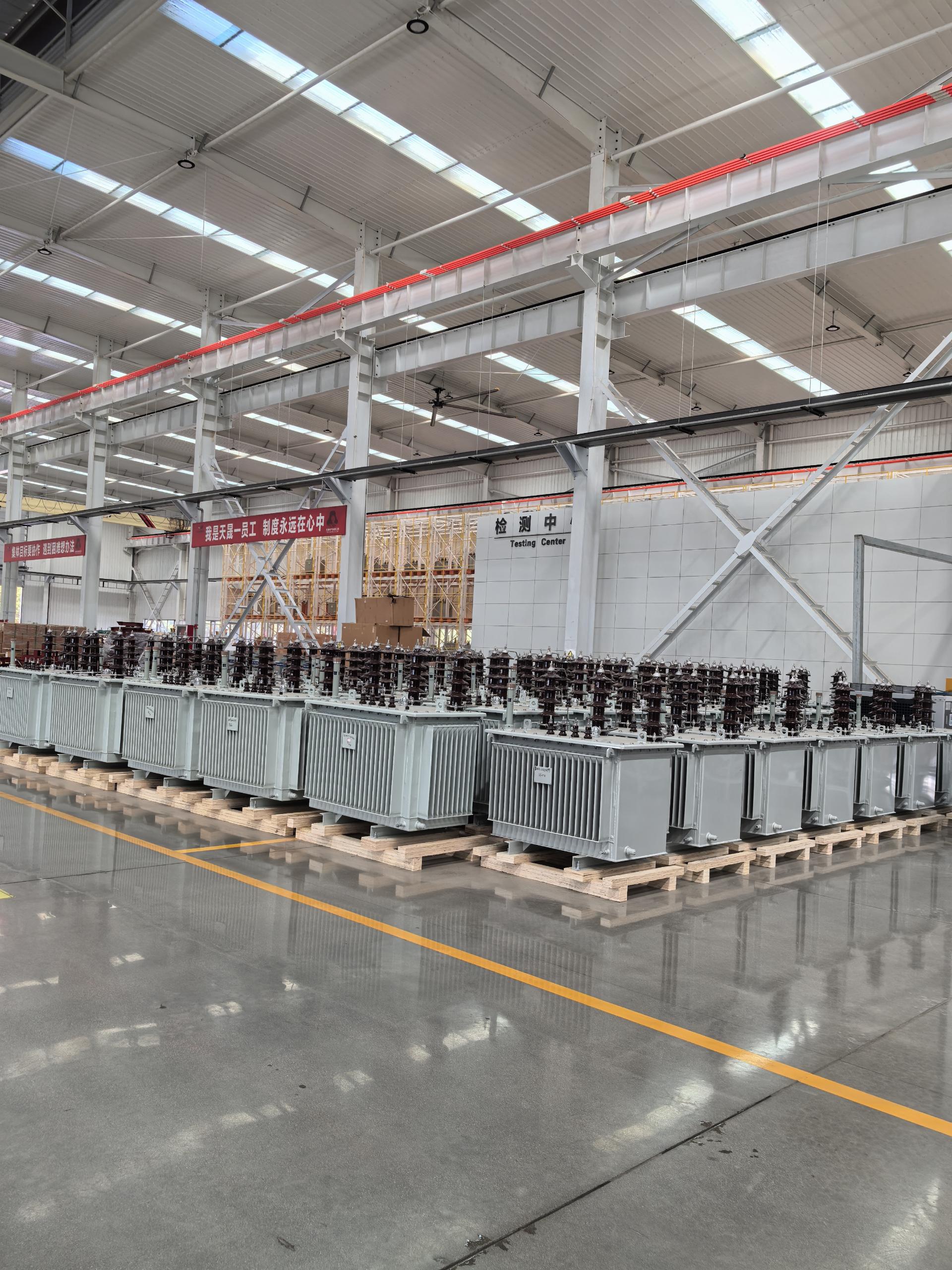
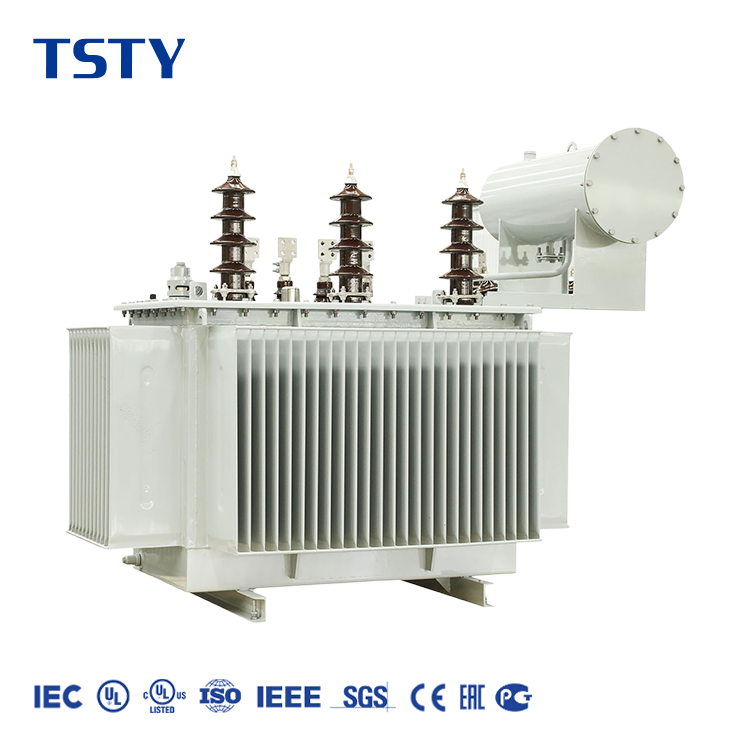
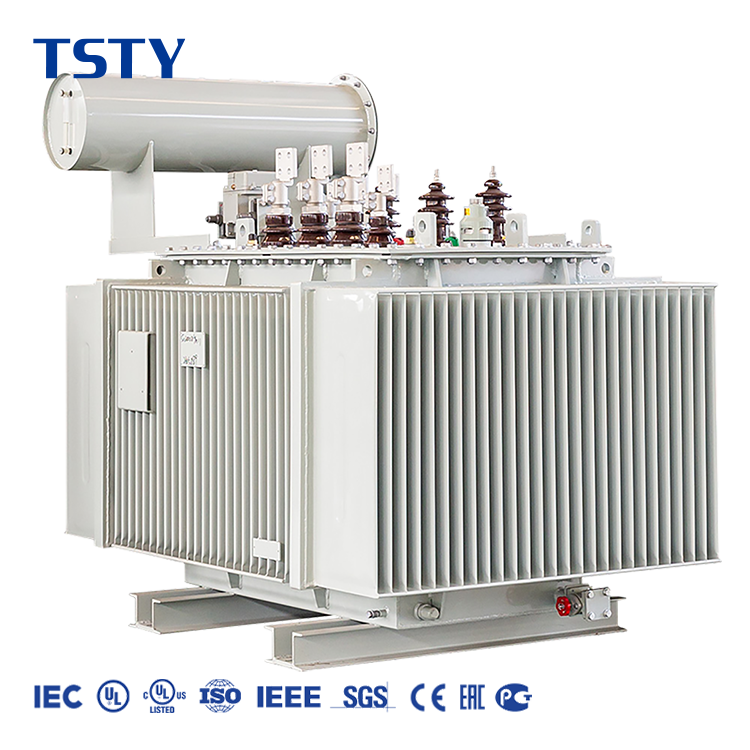
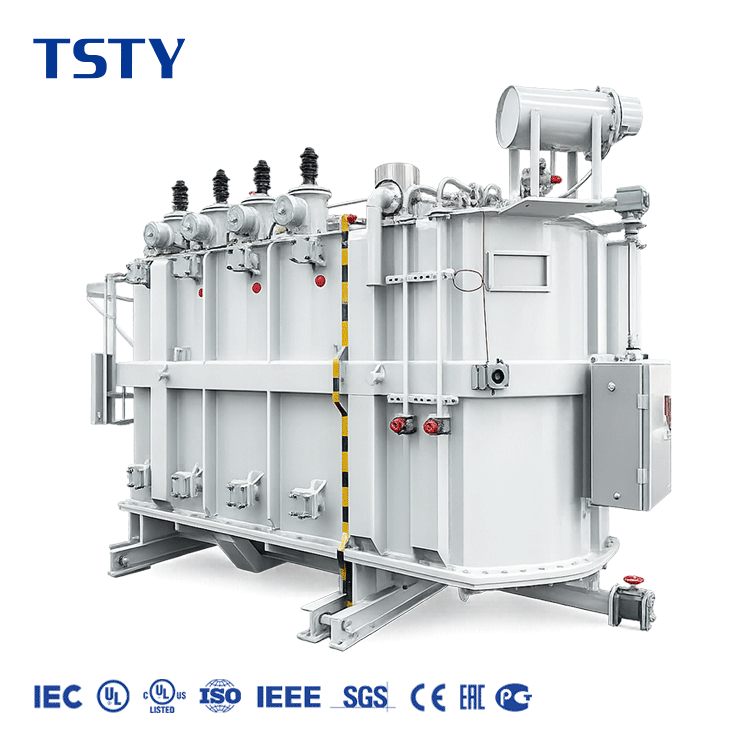
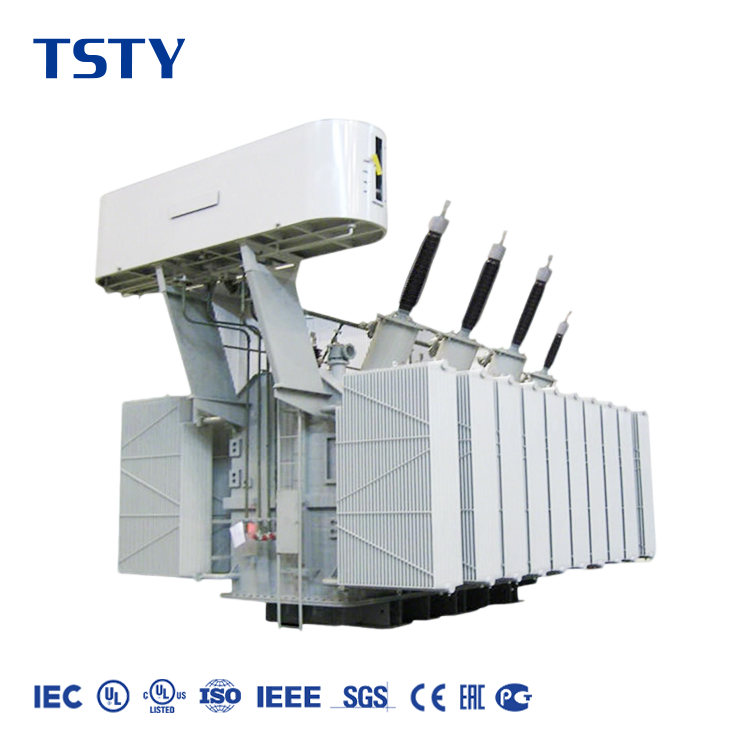
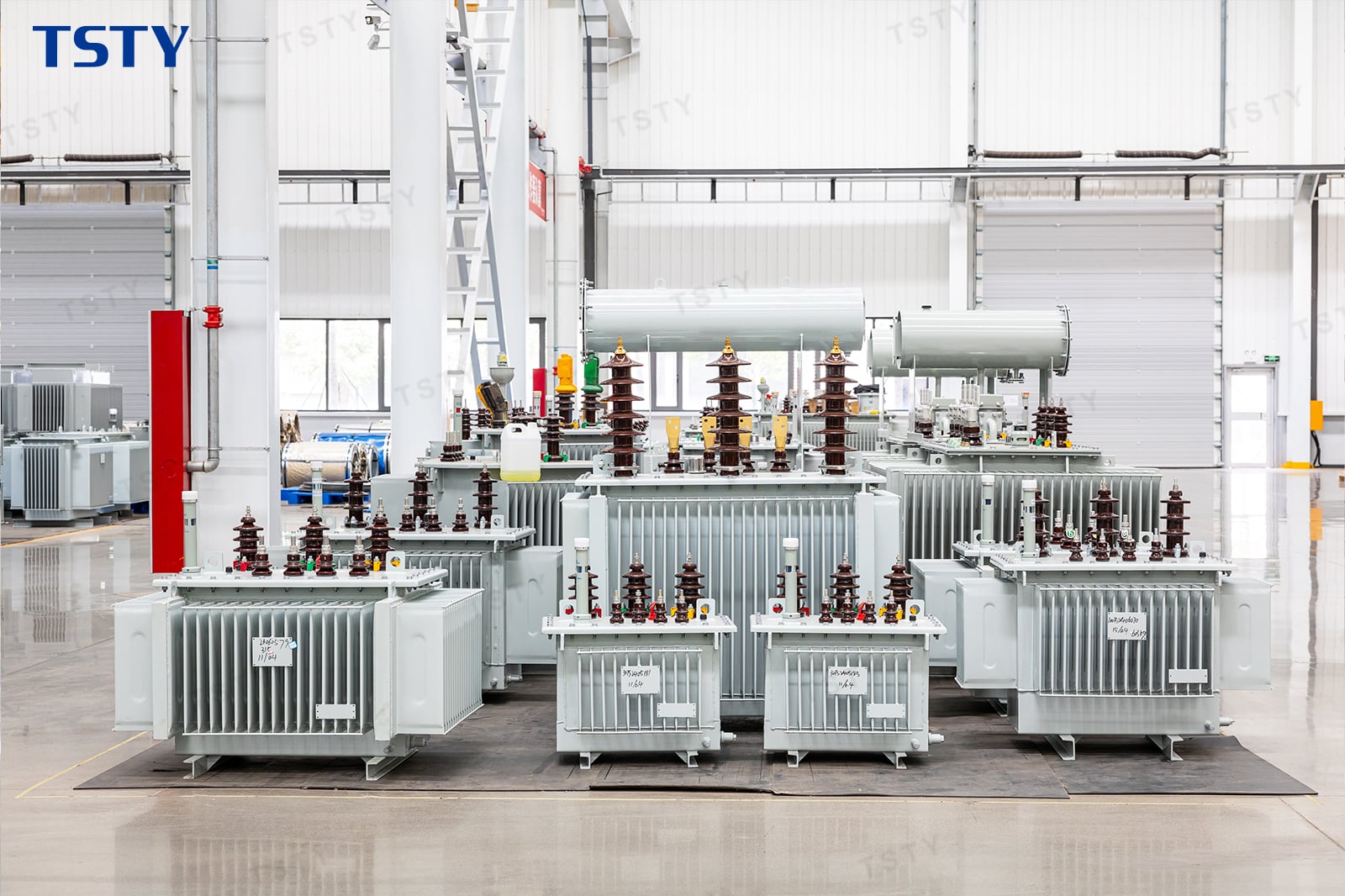
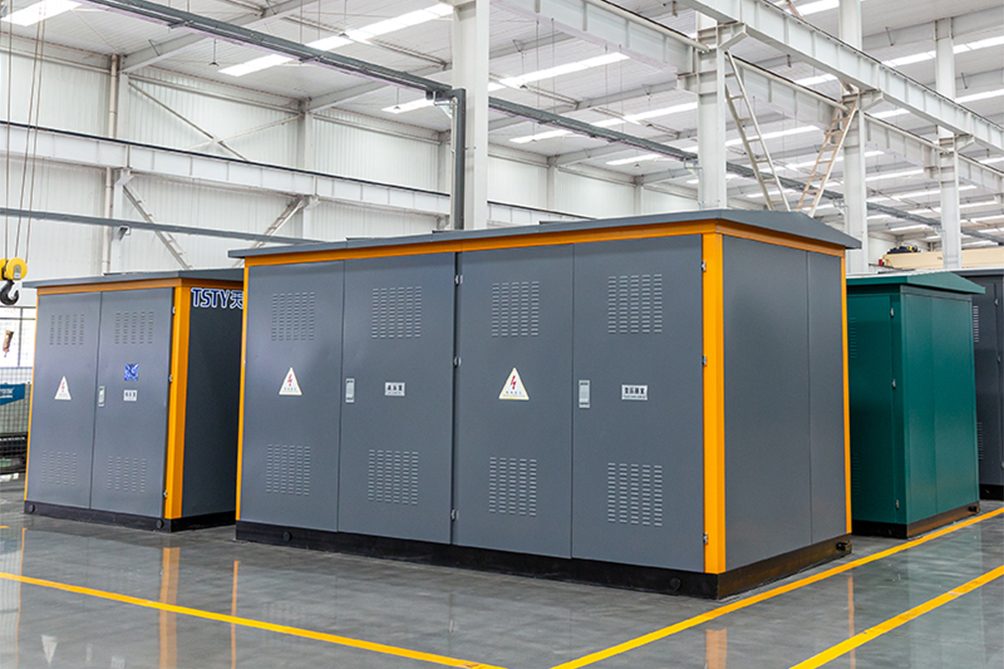
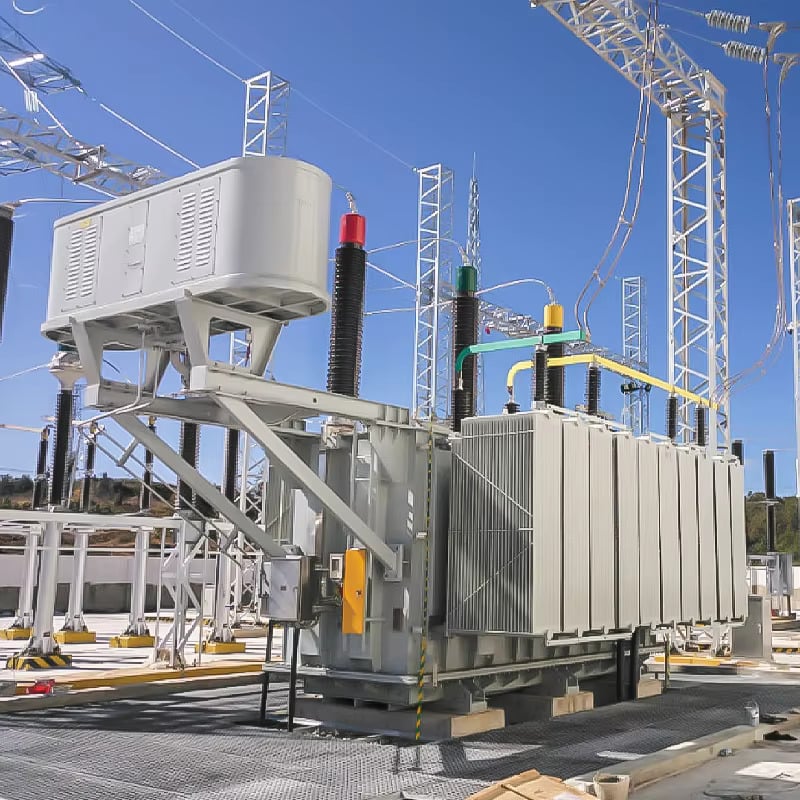
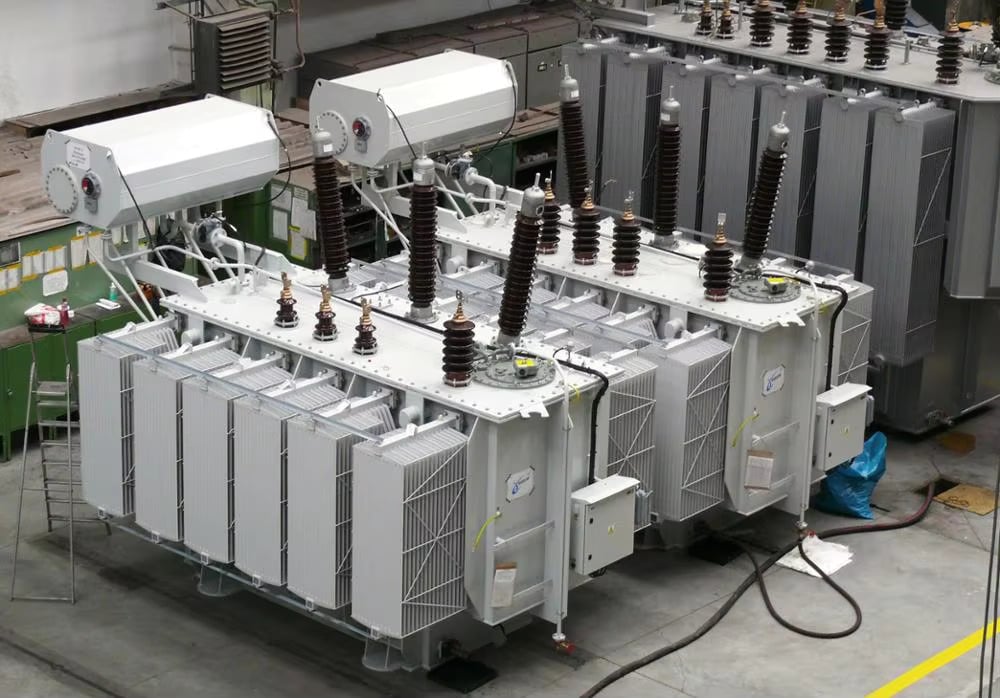
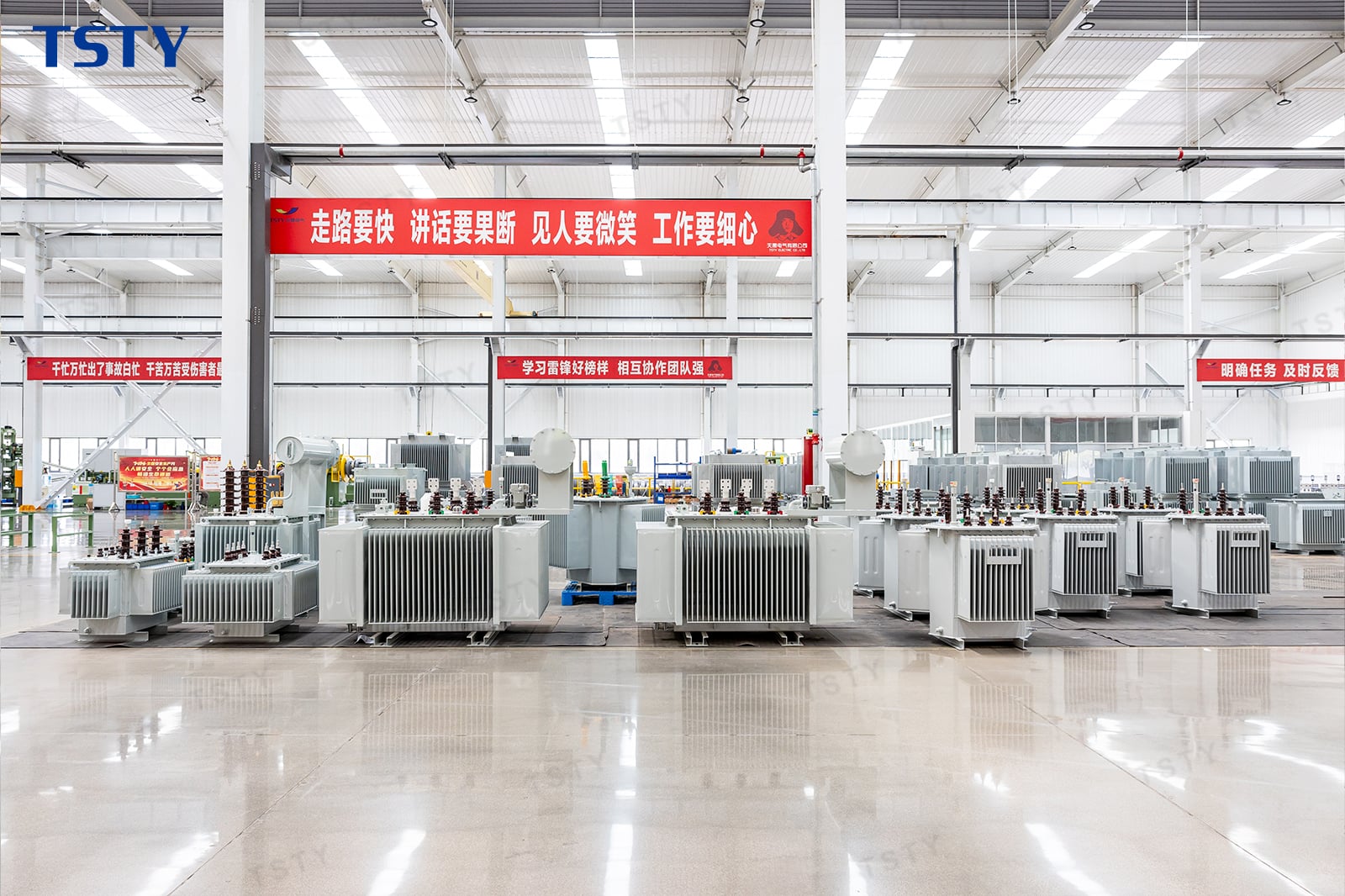
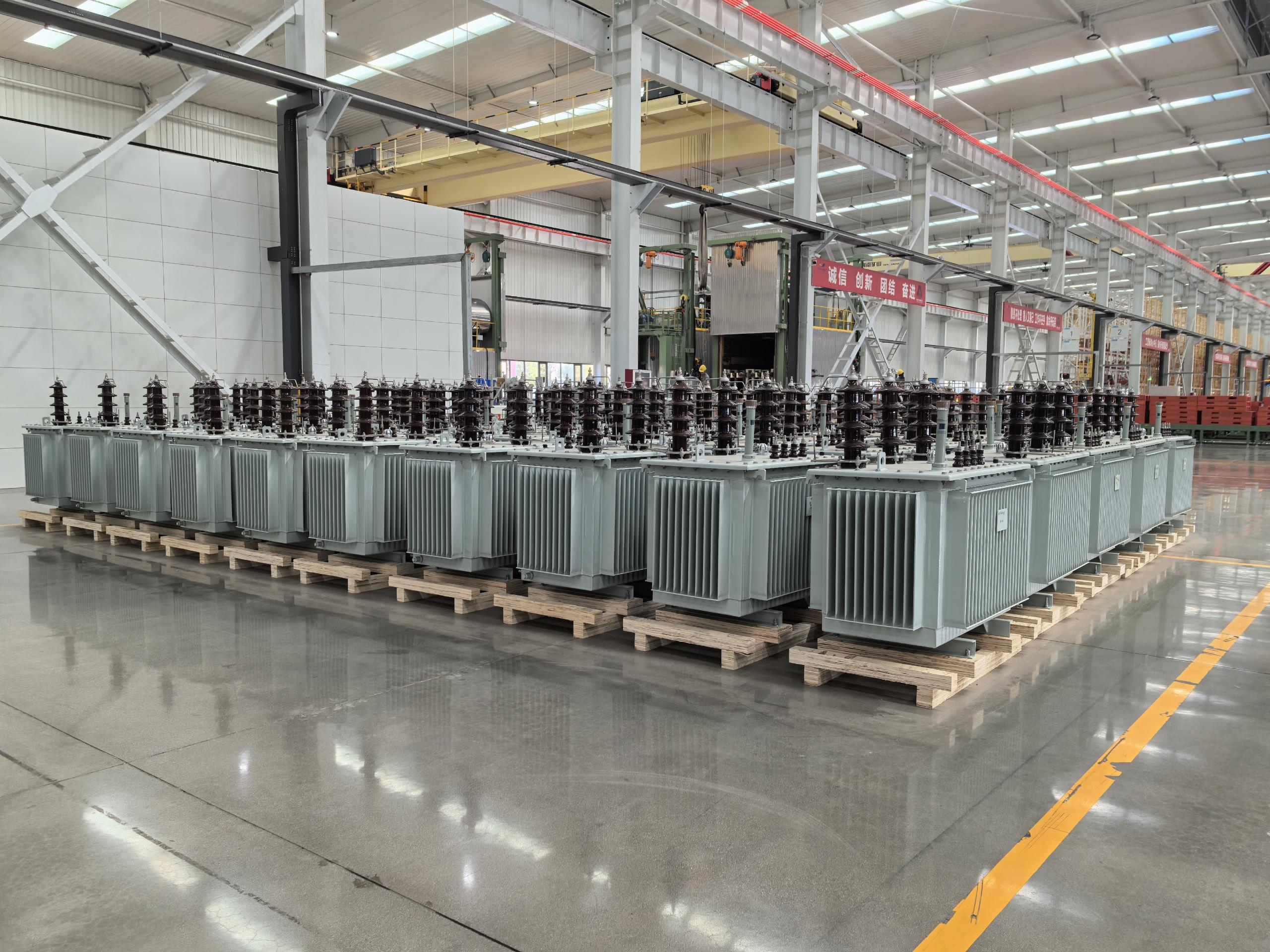
A solar power transformer is engineered specifically for photovoltaic (PV) generation systems, stepping up the low voltage from solar inverters to the medium or high voltage required by the utility grid. Unlike standard distribution units, a solar power transformer must endure unique operational challenges, including frequent load fluctuations caused by shifting weather conditions and harmonic distortions generated by solid-state inverters. We design and manufacture robust PV step-up equipment tailored for utility-scale solar farms and commercial rooftop installations. Our units feature specialized electrostatic shielding, customized multi-winding configurations to accommodate multiple inverter inputs, and enhanced thermal capacity. By providing tailored engineering, we ensure your solar facility maintains stable grid synchronization and maximizes daily energy export efficiently.
Get A Quote




 EN