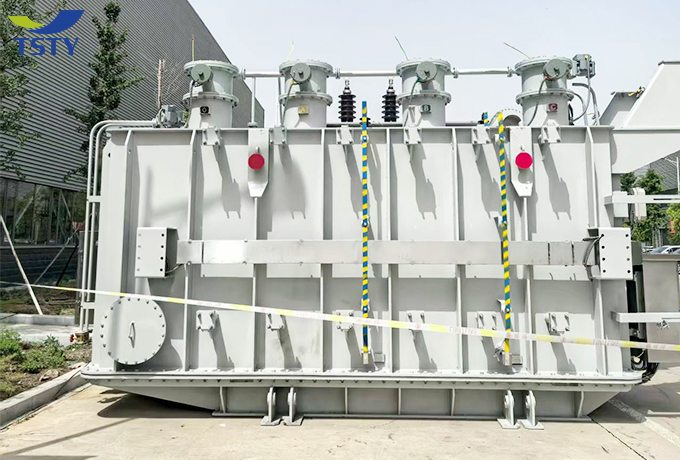
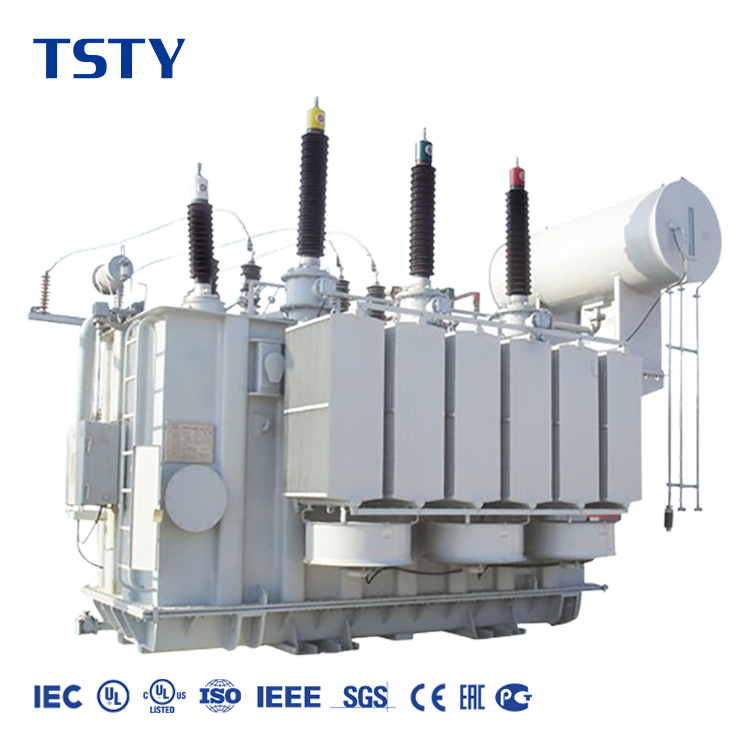
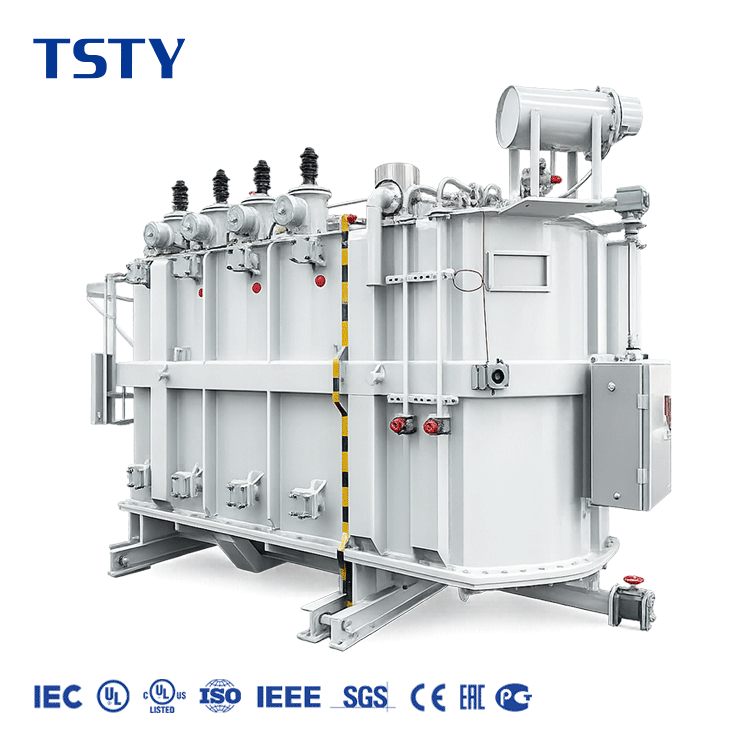
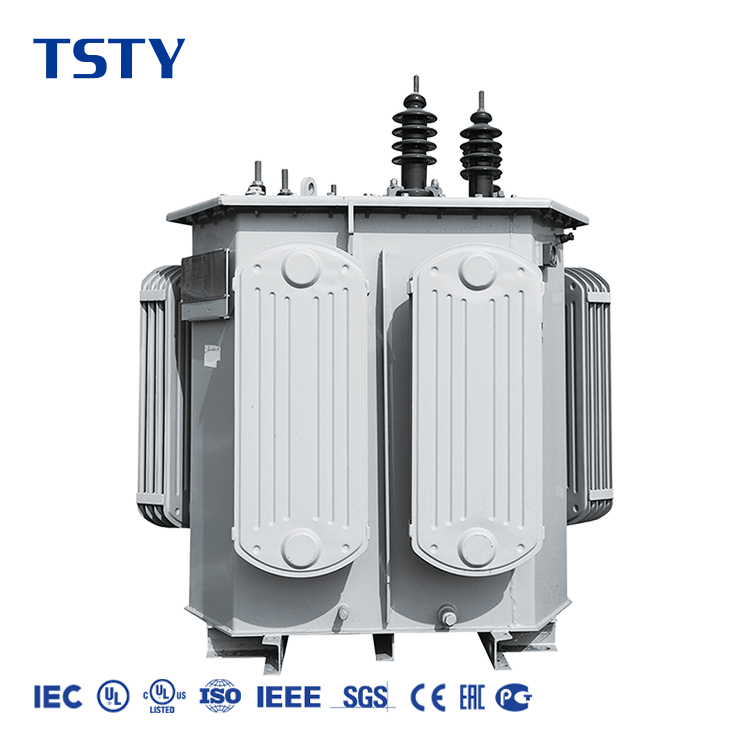
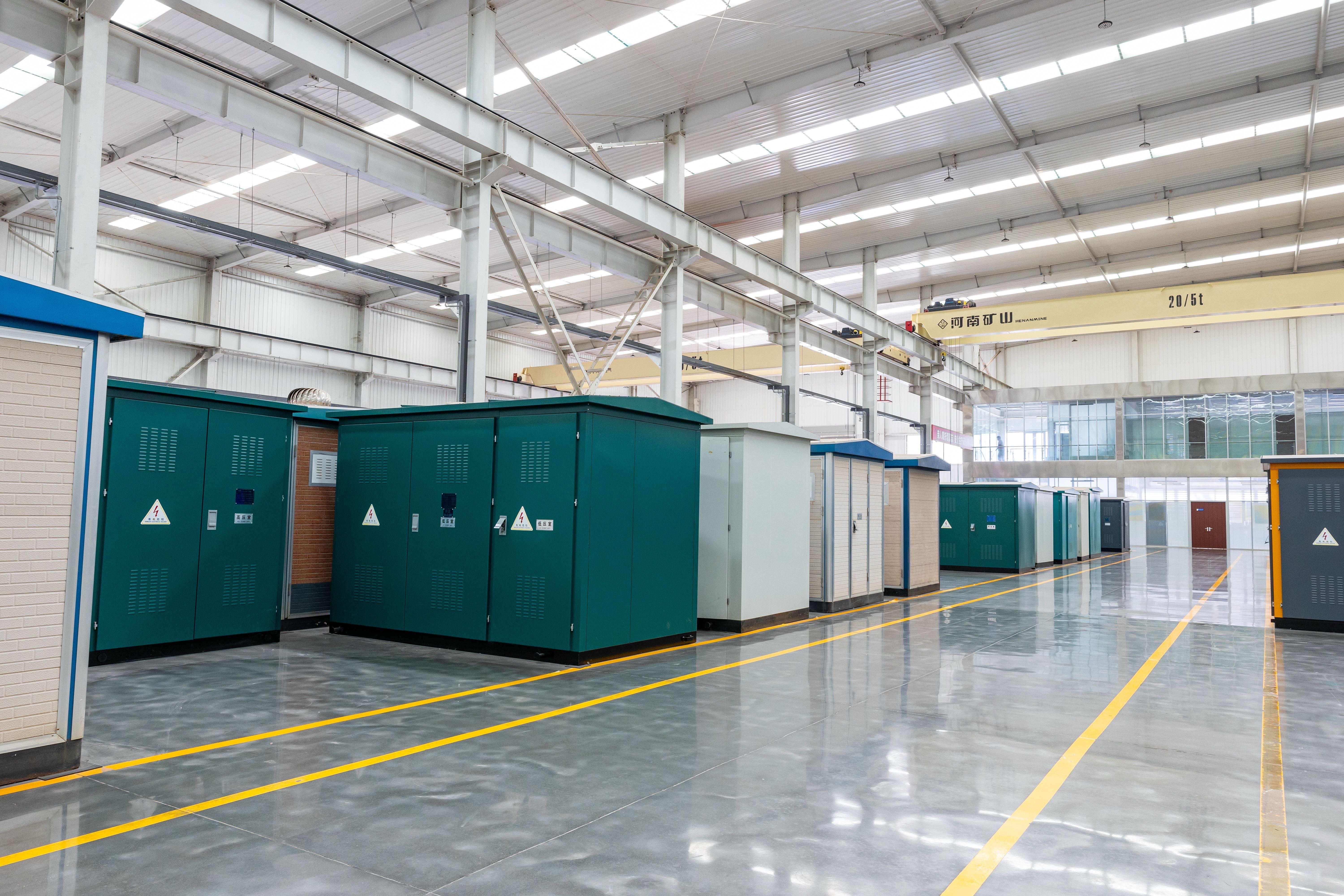
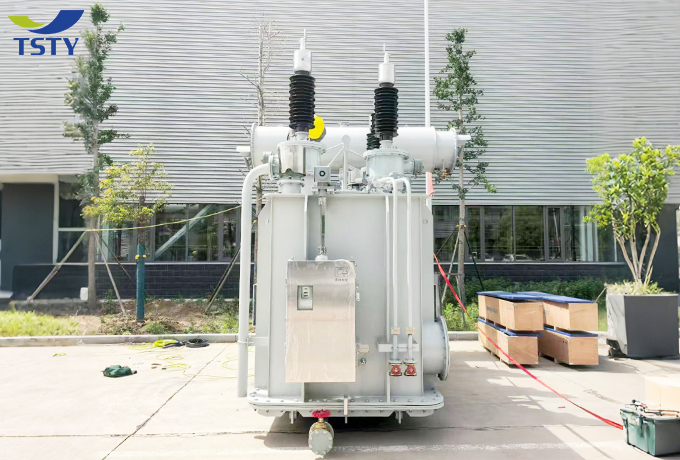
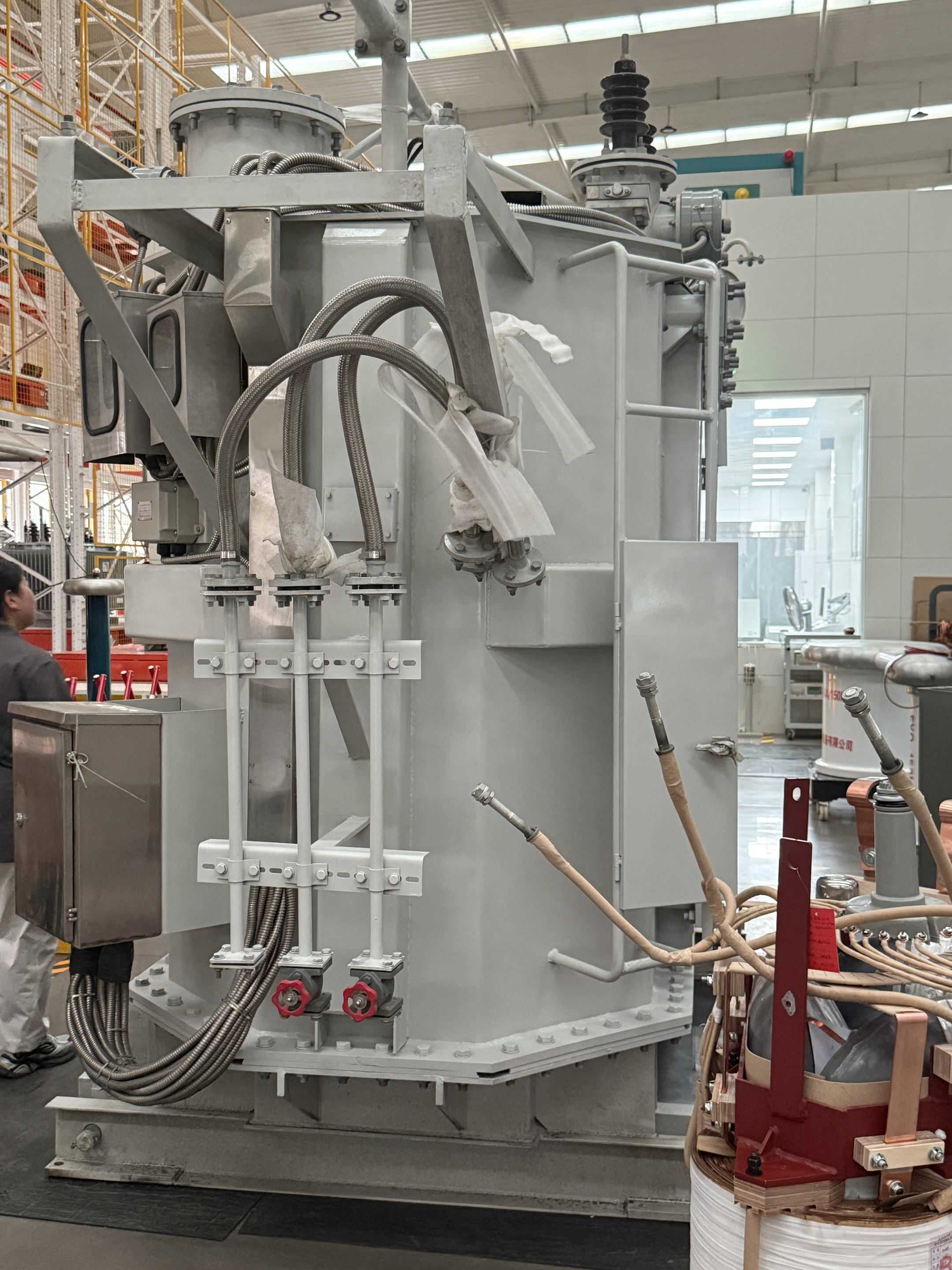
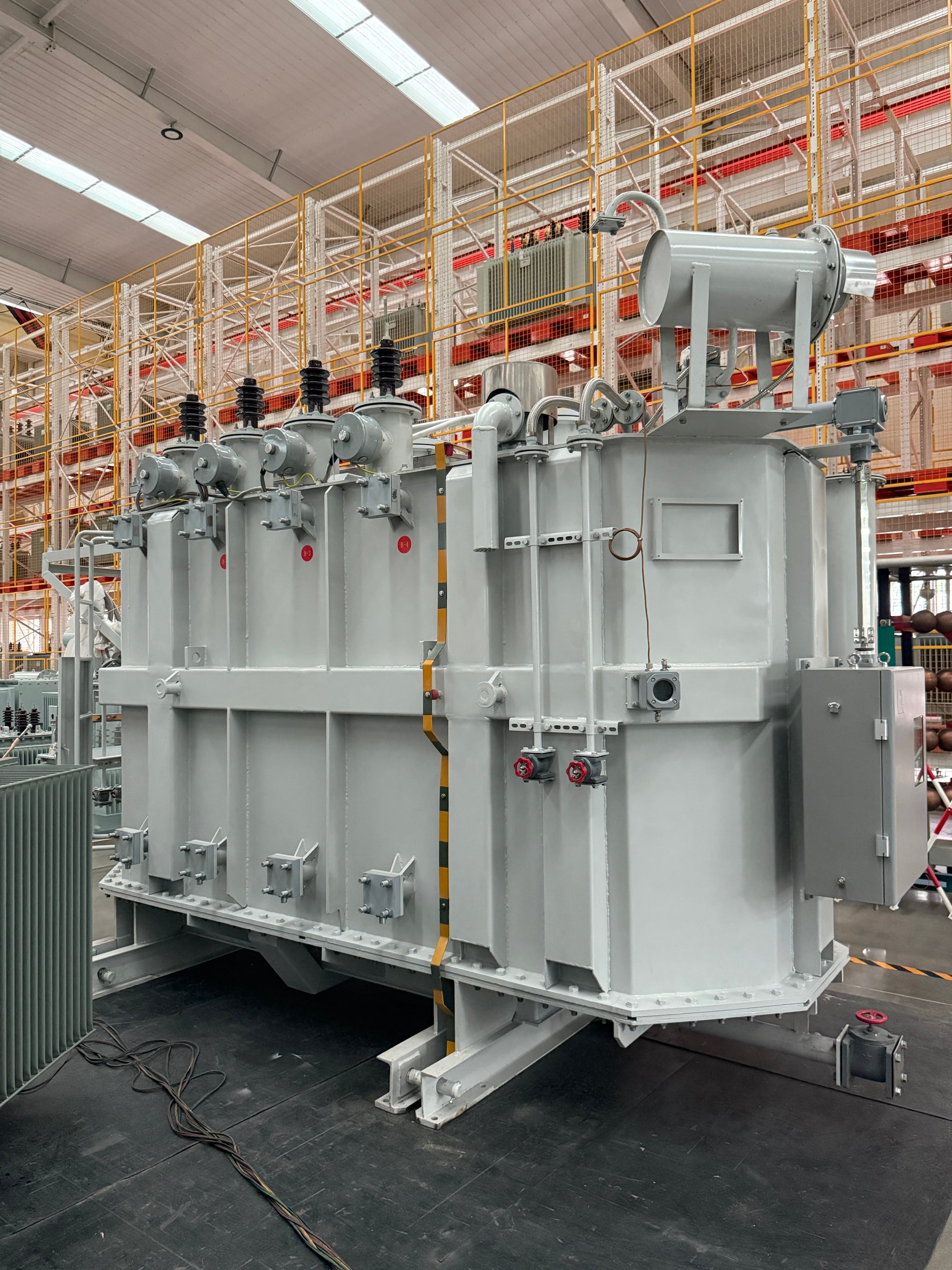
A power transmission transformer is electrical equipment used to convert voltage levels in transmission and substation systems. In practical power networks, electricity is often generated at one voltage, transmitted at a higher voltage to reduce line losses, and then stepped down for distribution or industrial use. The power transmission transformer plays an important role in this voltage conversion process.
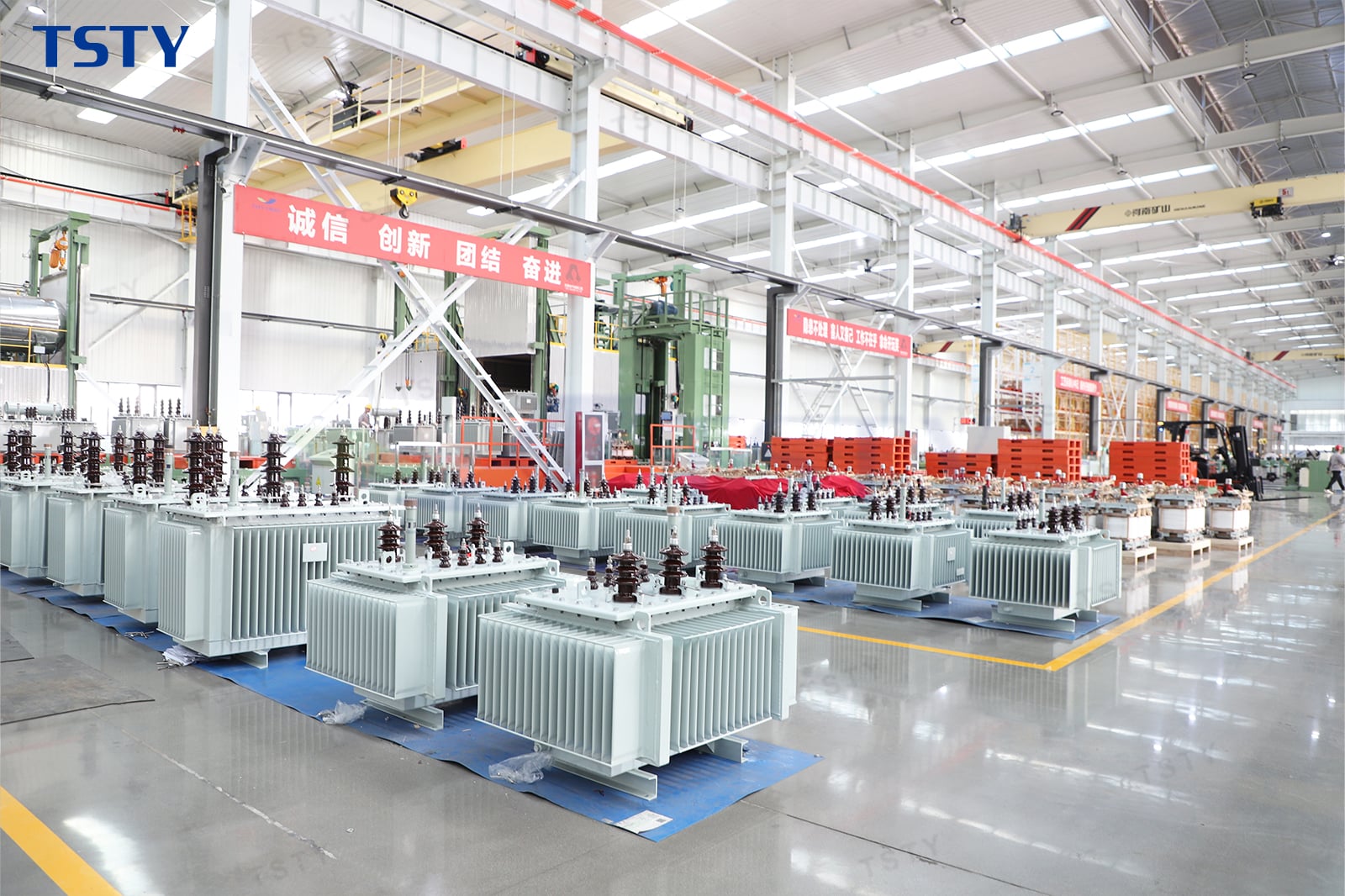
TSTY supplies power transmission transformer solutions for power plants, utility substations, industrial facilities, renewable energy projects, mining power systems, data infrastructure, and regional grid construction. Depending on the project, the transformer may be used as a step-up transformer at a generation site, a step-down transformer at a receiving substation, or an interconnection transformer between different voltage levels.
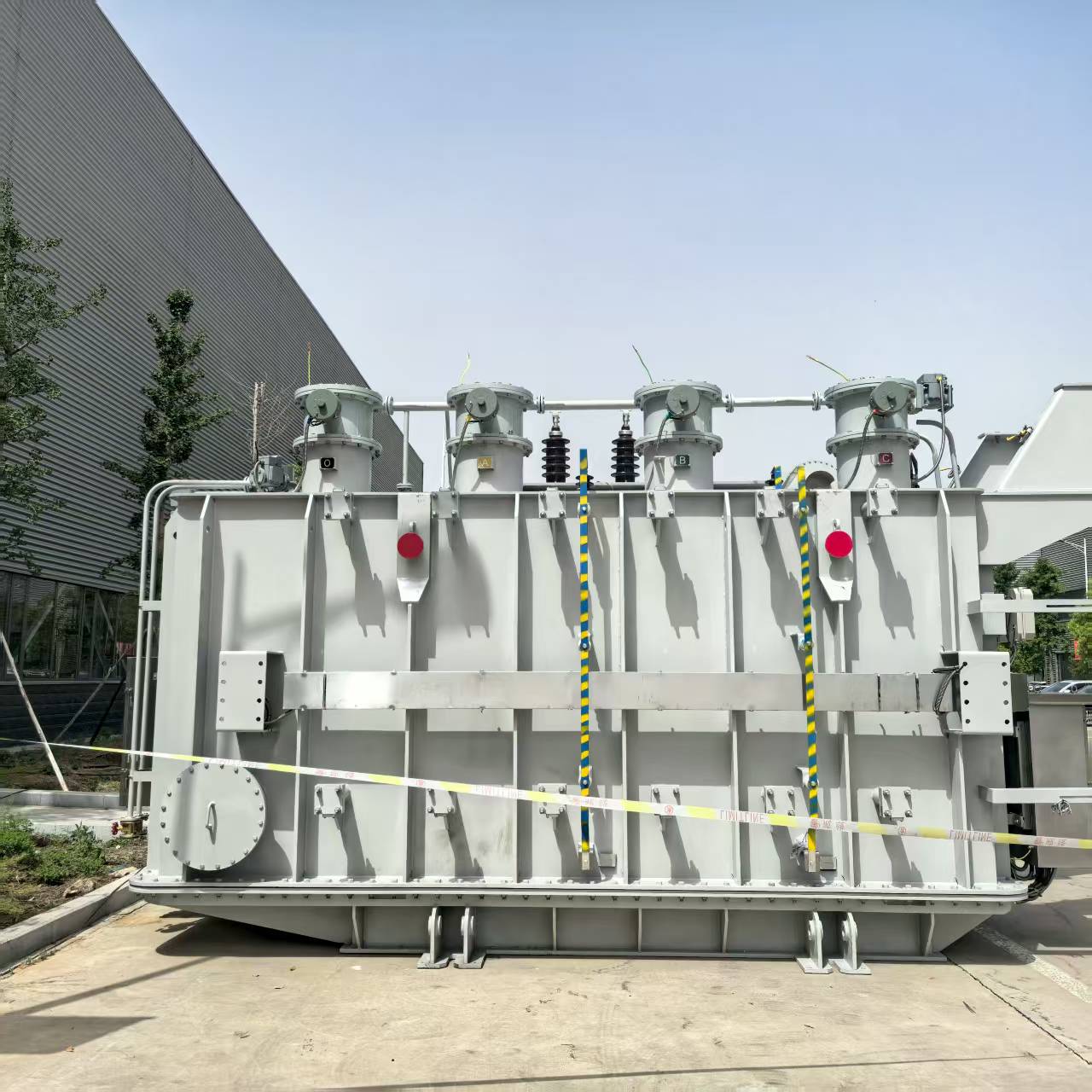
Compared with small distribution transformers, a power transmission transformer usually requires more detailed engineering review. Buyers need to confirm rated capacity, voltage ratio, insulation level, short-circuit impedance, cooling method, vector group, winding connection, tap changer type, noise requirement, loss level, installation altitude, ambient temperature, and system protection design. These parameters affect electrical performance, installation layout, and long-term operation.
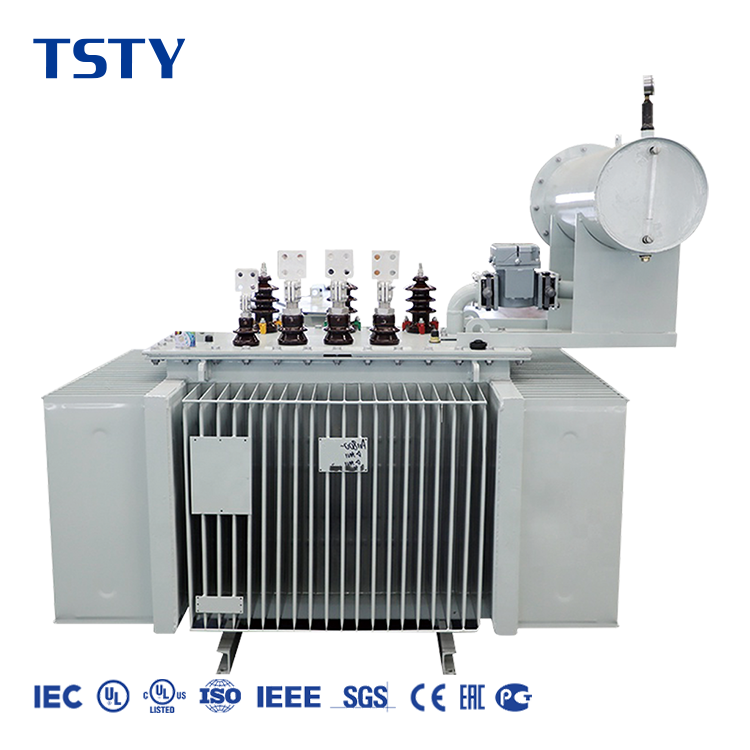
A typical power transmission transformer can be configured with oil conservator, radiators, high voltage and low voltage bushings, tap changer, pressure relief device, oil level indicator, temperature indicator, gas relay where applicable, grounding terminals, lifting lugs, rollers, control box, and monitoring accessories. The final accessory list depends on transformer type, standard, voltage level, and project specification.
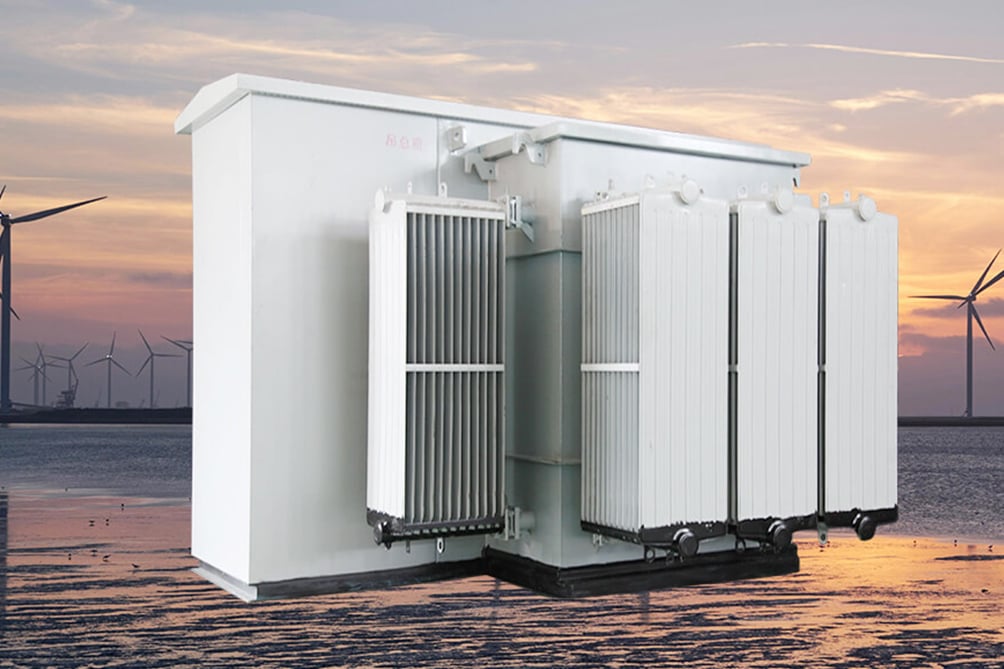
For renewable energy projects, a power transmission transformer is often used to step up the voltage from solar, wind, or energy storage systems before grid connection. In a solar plant, several inverter stations may collect power and send it to a step-up transformer system. In a wind project, the transformer helps connect collection circuits to the grid voltage level. For these applications, transformer capacity, overload condition, harmonic influence, cooling arrangement, and grid code requirements should be reviewed.
For utility substations, the power transmission transformer must match the grid connection scheme. This includes primary and secondary voltage, neutral grounding method, protection relay coordination, bushing arrangement, cable or busbar connection, oil containment design, fire separation distance, and transportation route. Early confirmation of these details helps reduce changes during manufacturing and site installation.
TSTY can support buyers with technical communication before quotation. Required inquiry information usually includes rated capacity, voltage ratio, frequency, phase number, vector group, impedance, tap range, cooling method, installation environment, applicable standard, accessories, test requirements, and required documents. For export projects, packing size, transport limitation, lifting plan, destination port, and spare parts requirements should also be discussed.
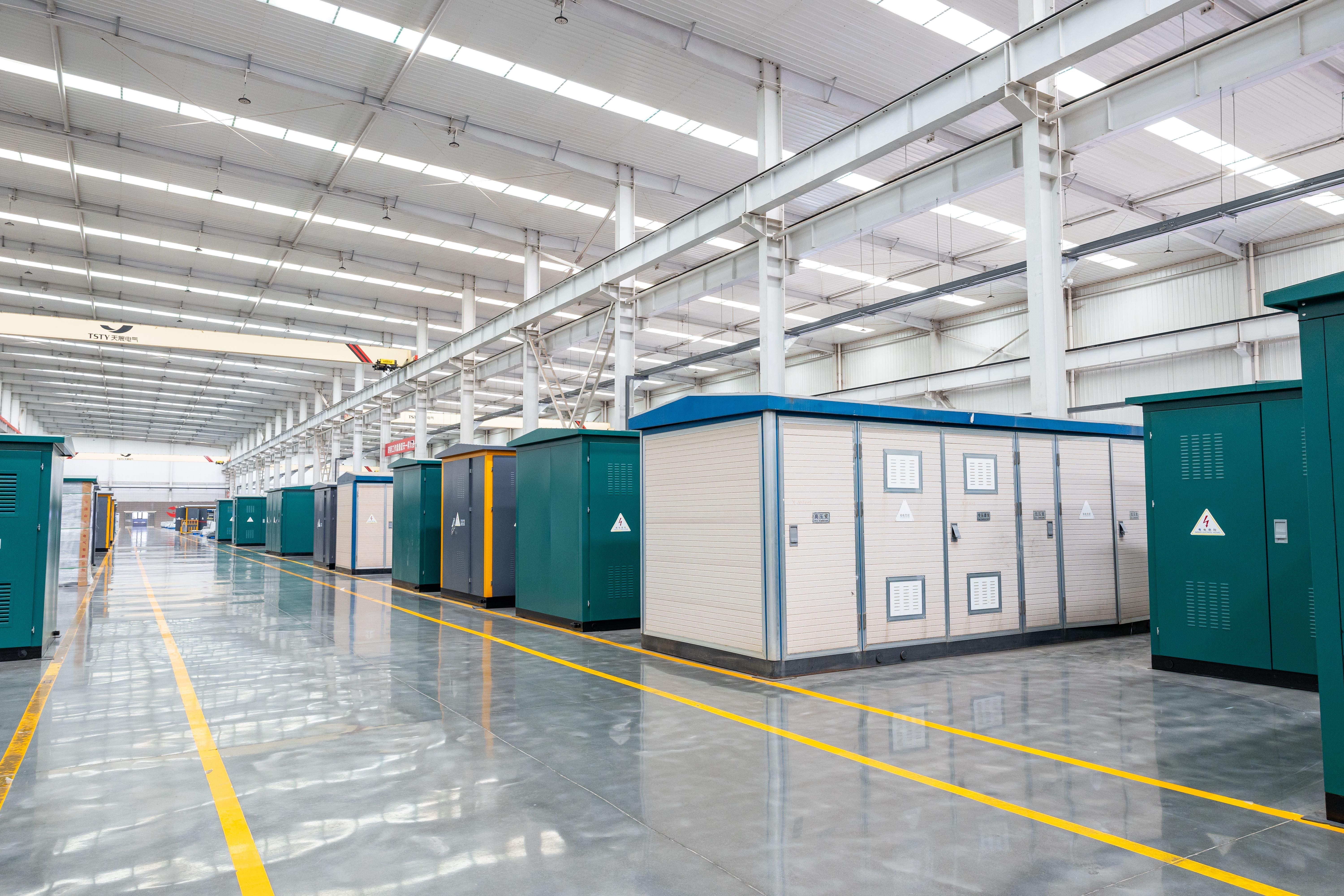
A power transmission transformer is not selected only by capacity. The transformer must be suitable for the electrical network, environmental conditions, transportation route, civil foundation, protection system, and operation practice. TSTY can coordinate transformer design with substation switchgear, protection panels, control systems, and auxiliary equipment when a project requires a more complete supply scope.




 EN