Power Transmission Transformer for Grid Substations

Get a Free Quote

Our representative will contact you soon.
Select your project goal
Email
Name
Company Name
Phone
Project Details
0/1000
Power Transmission Transformer for Grid and Substation Projects

Power Transmission Transformer for Grid and Substation Projects

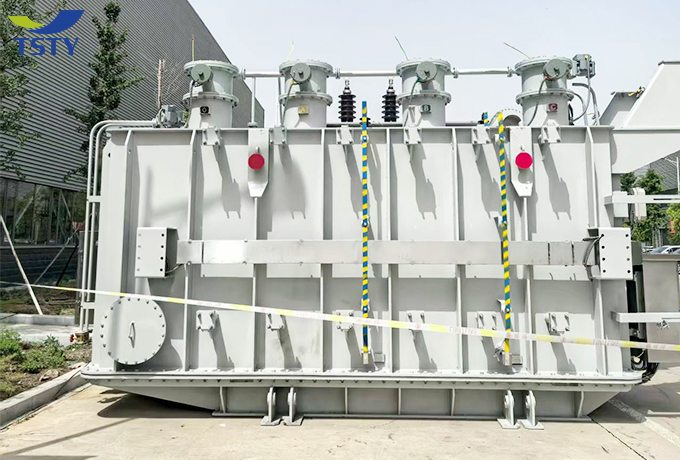
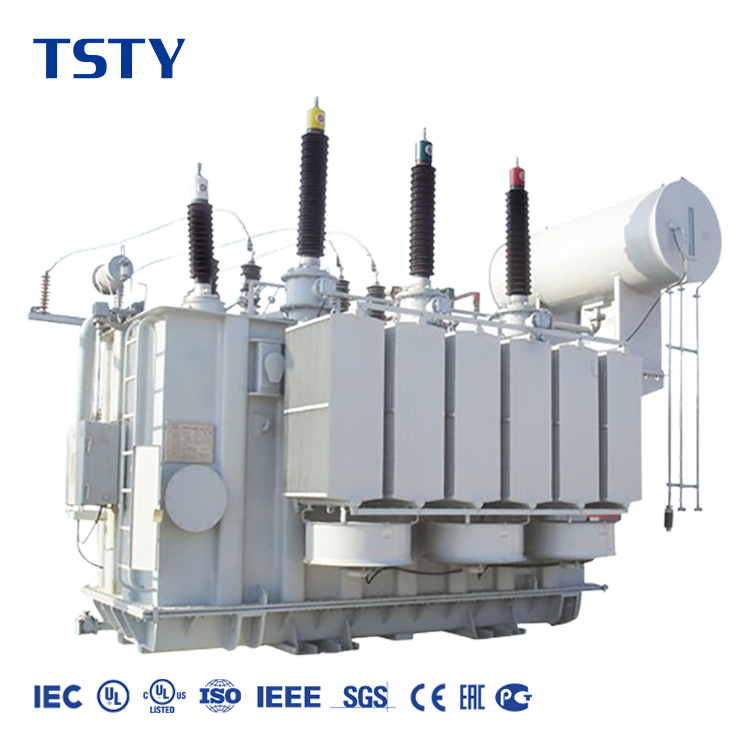
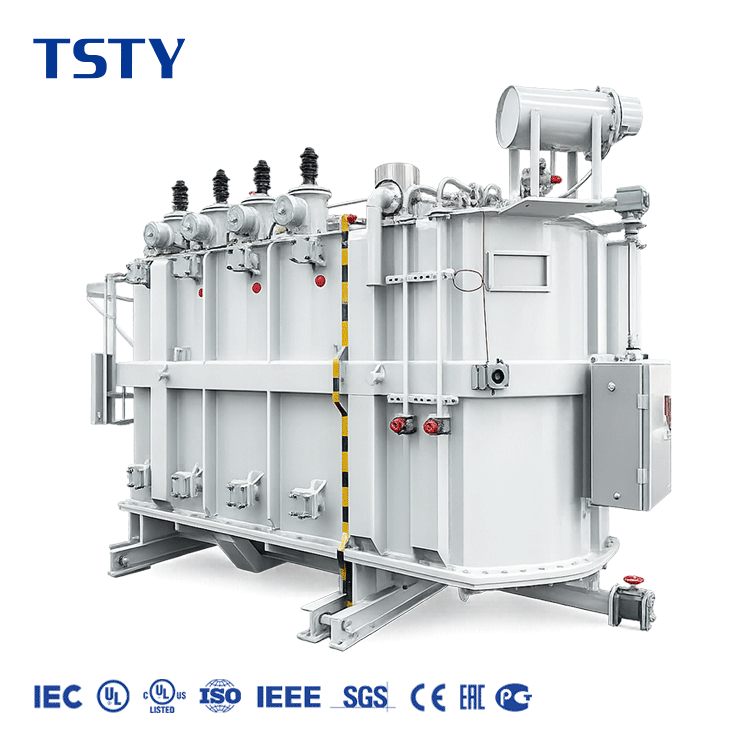
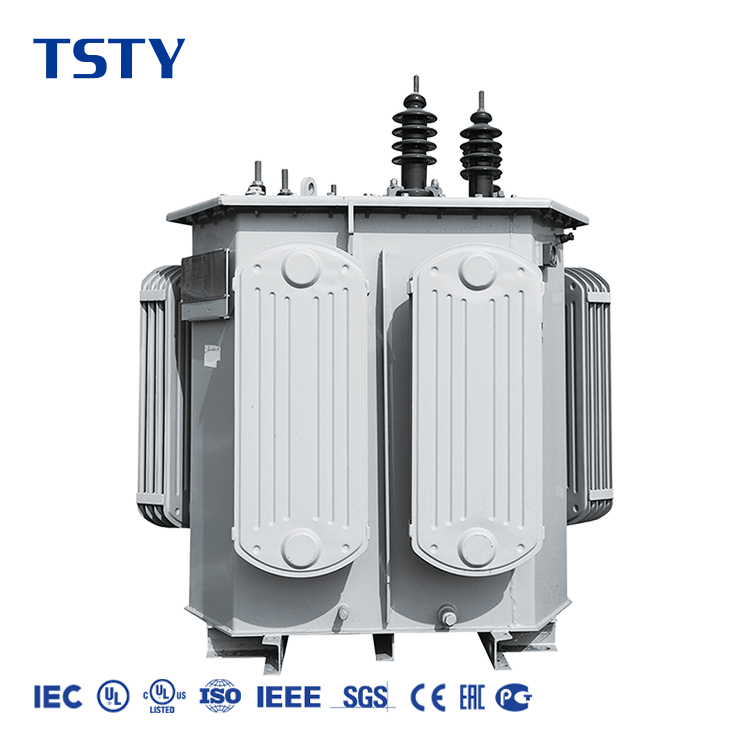
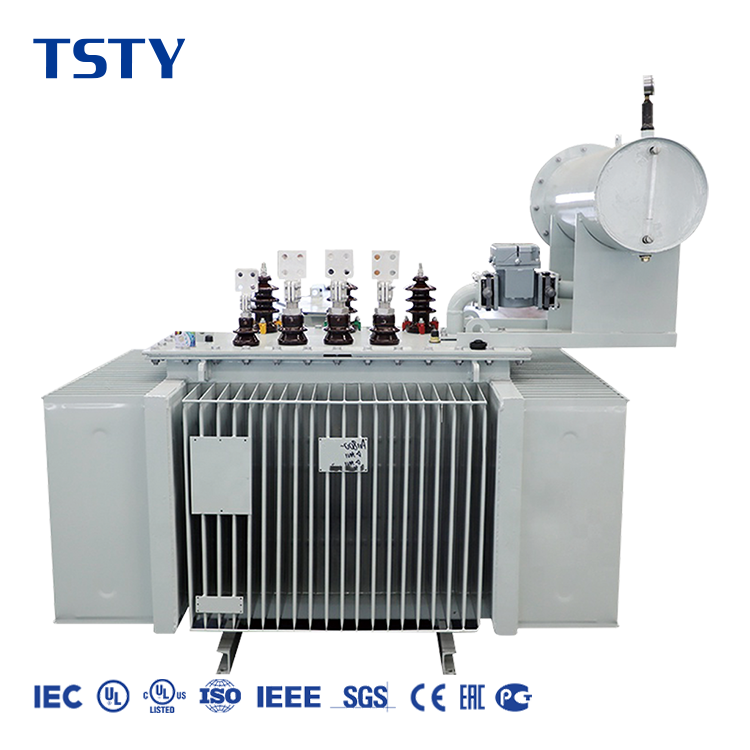
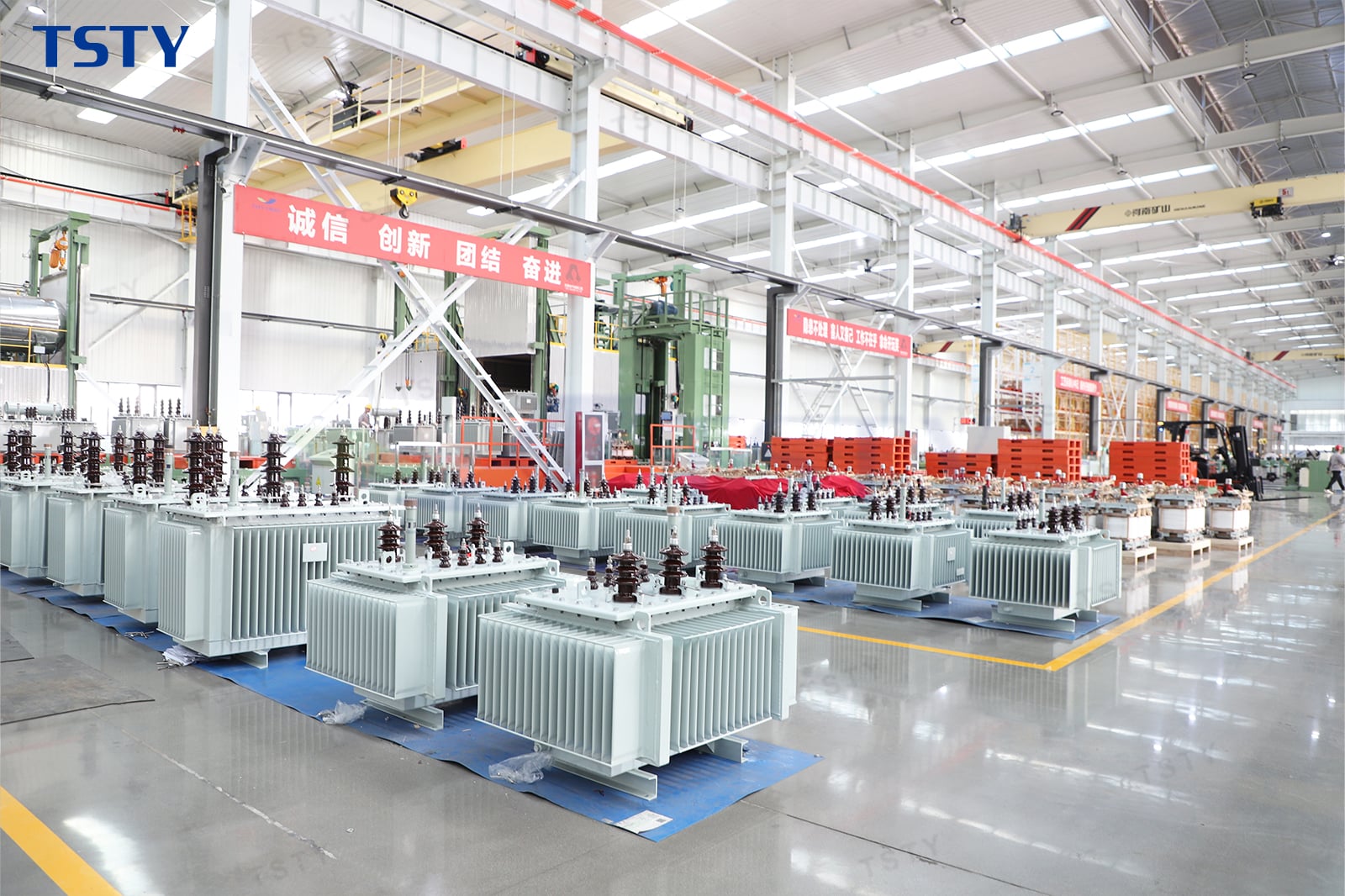
TSTY supplies power transmission transformer solutions for grid substations, power plants, renewable energy stations, industrial power systems, and utility transmission networks. A power transmission transformer is used to step up or step down voltage between generation, transmission, and distribution stages, helping electrical energy move across long-distance power systems with suitable voltage levels. TSTY can provide oil-immersed power transformers, high voltage transformers, step-up transformers, step-down transformers, substation transformers, and project-matched transformer equipment according to rated capacity, voltage ratio, impedance, cooling method, vector group, tap changer type, installation environment, and applicable standards. Buyers can request technical datasheets, outline drawings, test reports, packing details, and export documents based on project requirements.
Get A Quote

Advantages of TSTY Power Transmission Transformer Solutions

Transformer Equipment for Grid Connection, Substation, and Energy Projects

Voltage Conversion for Transmission Networks

A TSTY power transmission transformer supports voltage step-up and step-down functions in power plants, grid substations, industrial substations, and renewable energy transmission systems.

Project-Based Electrical Parameter Design

Each power transmission transformer can be selected according to capacity, primary and secondary voltage, frequency, impedance, vector group, insulation level, tap range, and system grounding method.

Options for Different Substation Layouts

TSTY supports oil-immersed transformer designs, outdoor substation transformer arrangements, step-up transformer systems, step-down transformer systems, and auxiliary transformer configurations.

Documentation for Engineering Review

For power transmission transformer procurement, TSTY can provide datasheets, general arrangement drawings, wiring references, routine test reports, packing information, and nameplate details according to the agreed scope.

Power Transmission Transformer and Substation Transformer Products

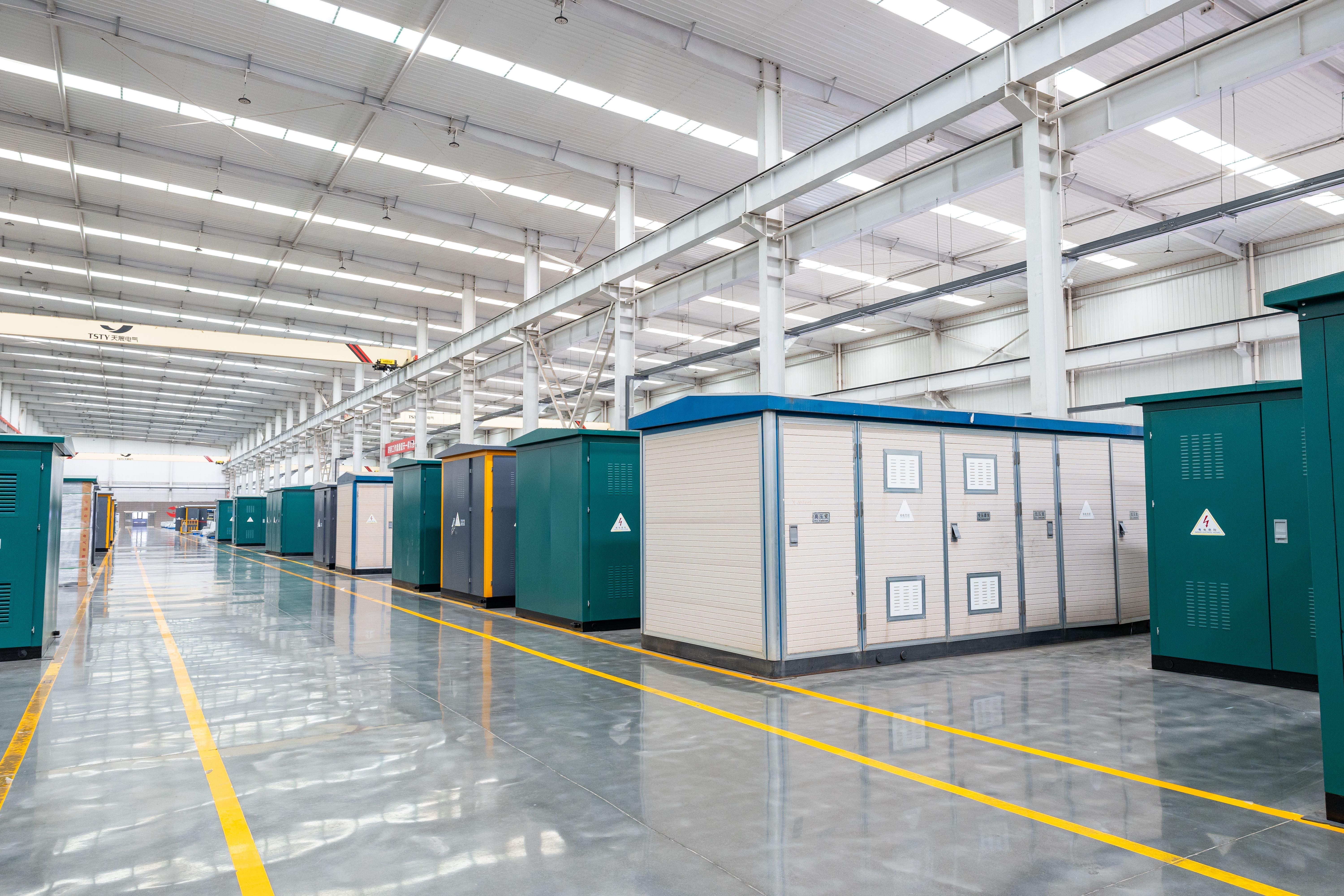
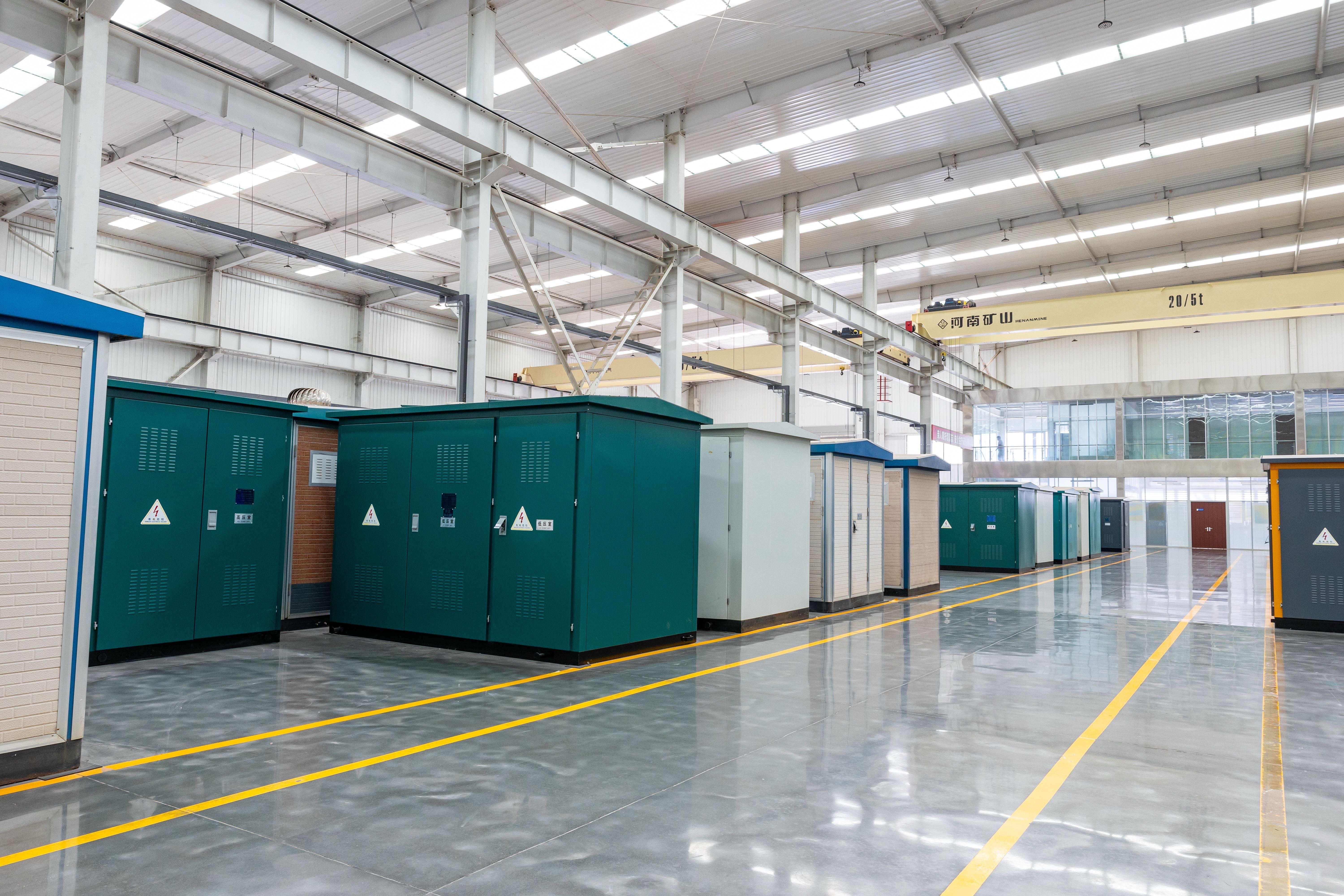
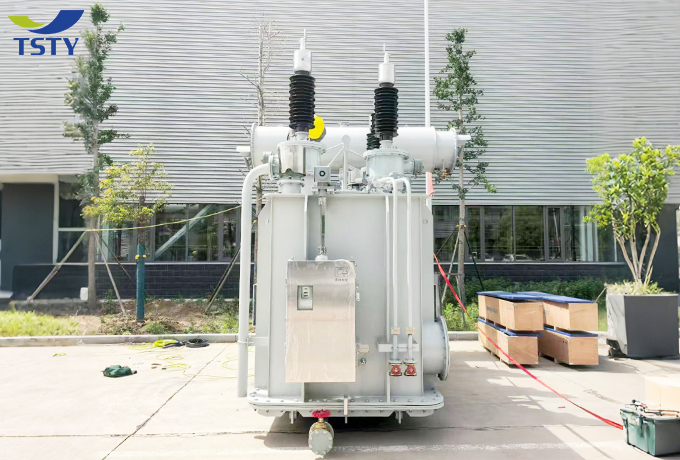
TSTY supplies power transmission transformer equipment and related transformer products for grid, generation, industrial, and renewable energy applications. Product options include oil-immersed power transformers, high voltage transformers, substation transformers, step-up transformers, step-down transformers, power plant transformers, renewable energy step-up transformers, and distribution transformers for downstream power systems. A power transmission transformer can be customized by rated capacity, voltage ratio, number of phases, frequency, cooling method, winding material, insulation class, vector group, impedance, on-load or off-circuit tap changer, bushing type, radiator arrangement, protection accessories, and installation environment. It can also be coordinated with switchgear, compact substations, control cabinets, and grid connection equipment for complete power transmission projects.

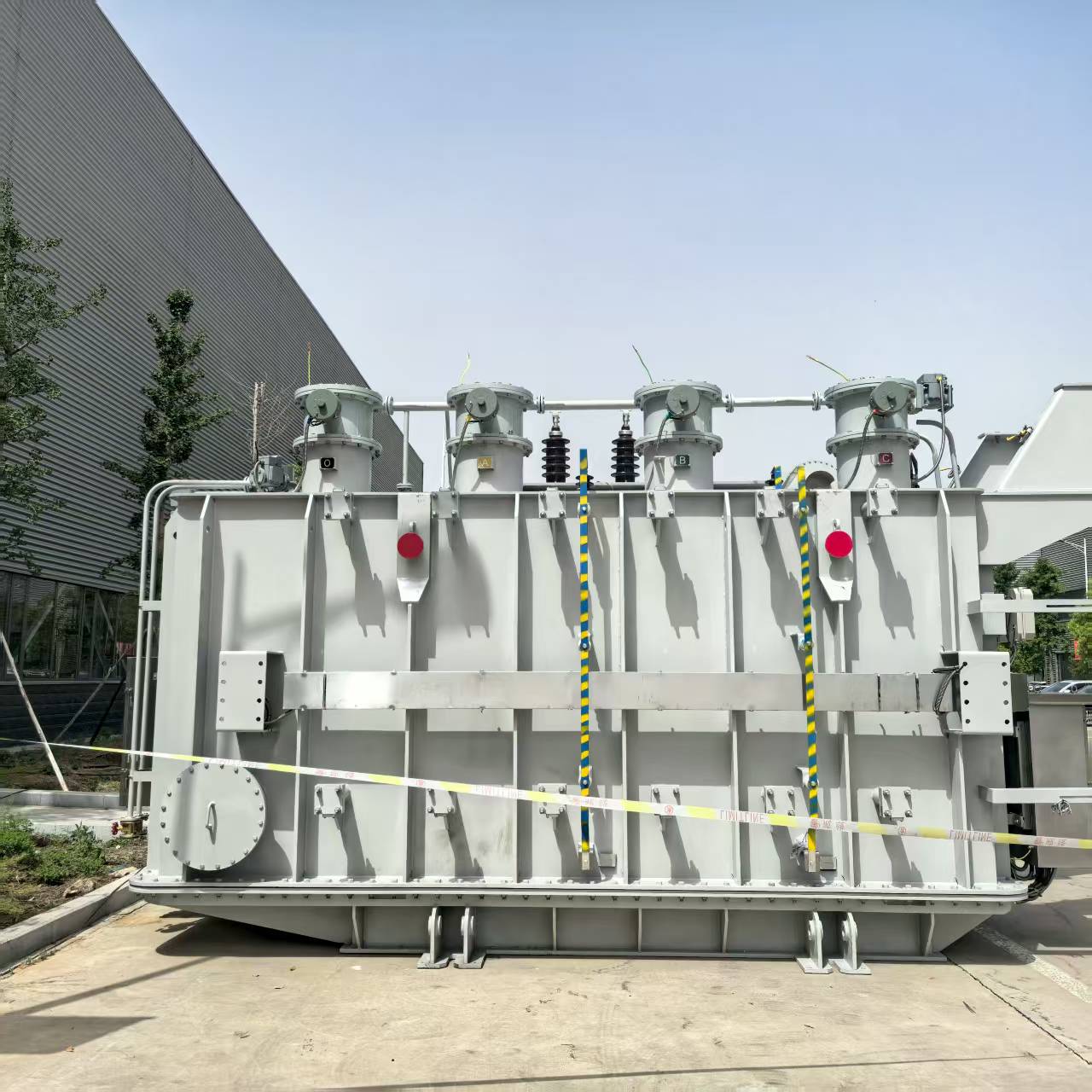
A power transmission transformer is electrical equipment used to convert voltage levels in transmission and substation systems. In practical power networks, electricity is often generated at one voltage, transmitted at a higher voltage to reduce line losses, and then stepped down for distribution or industrial use. The power transmission transformer plays an important role in this voltage conversion process.
TSTY supplies power transmission transformer solutions for power plants, utility substations, industrial facilities, renewable energy projects, mining power systems, data infrastructure, and regional grid construction. Depending on the project, the transformer may be used as a step-up transformer at a generation site, a step-down transformer at a receiving substation, or an interconnection transformer between different voltage levels.
2MVA变压器B.jpg
Compared with small distribution transformers, a power transmission transformer usually requires more detailed engineering review. Buyers need to confirm rated capacity, voltage ratio, insulation level, short-circuit impedance, cooling method, vector group, winding connection, tap changer type, noise requirement, loss level, installation altitude, ambient temperature, and system protection design. These parameters affect electrical performance, installation layout, and long-term operation.
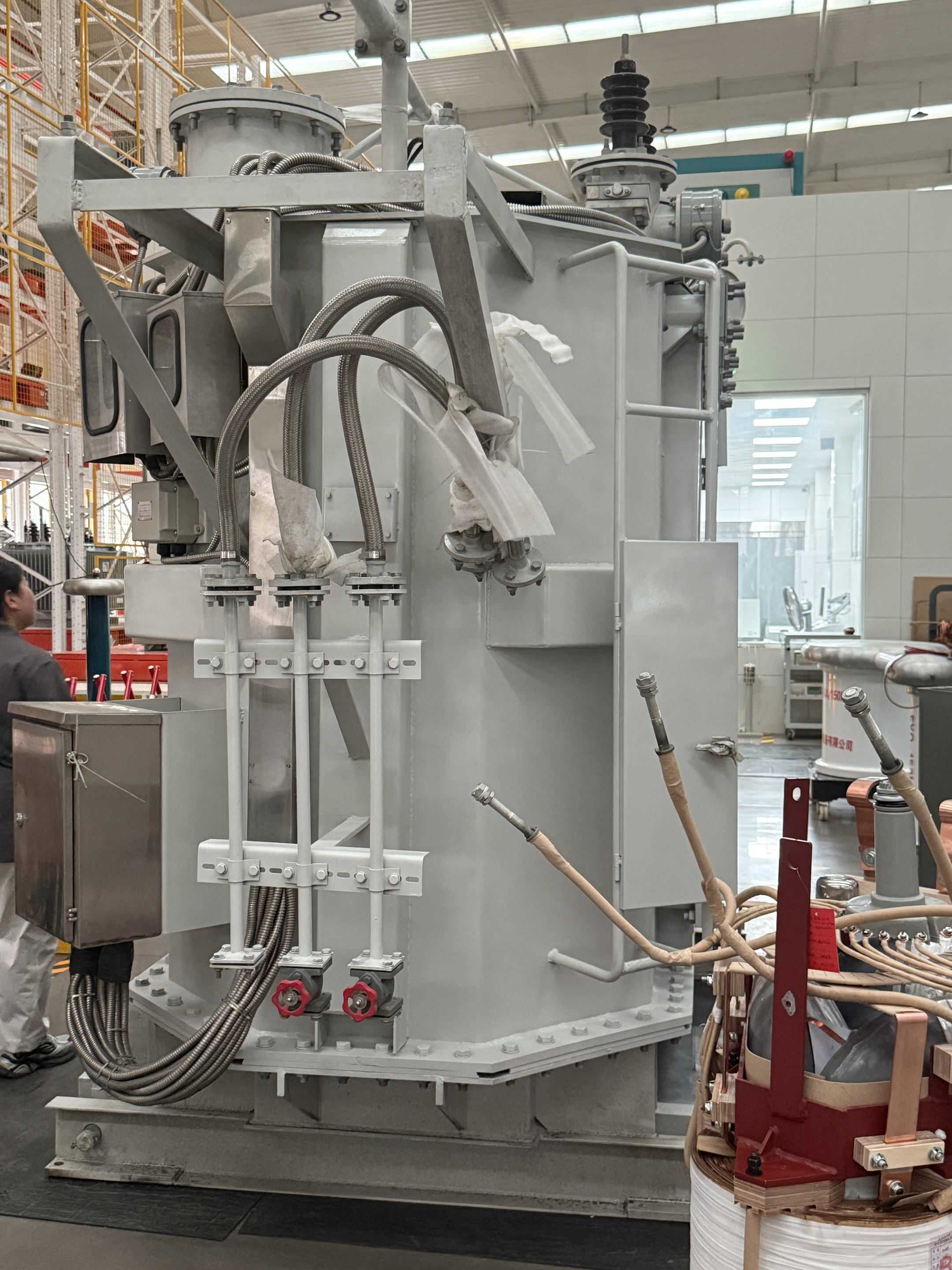
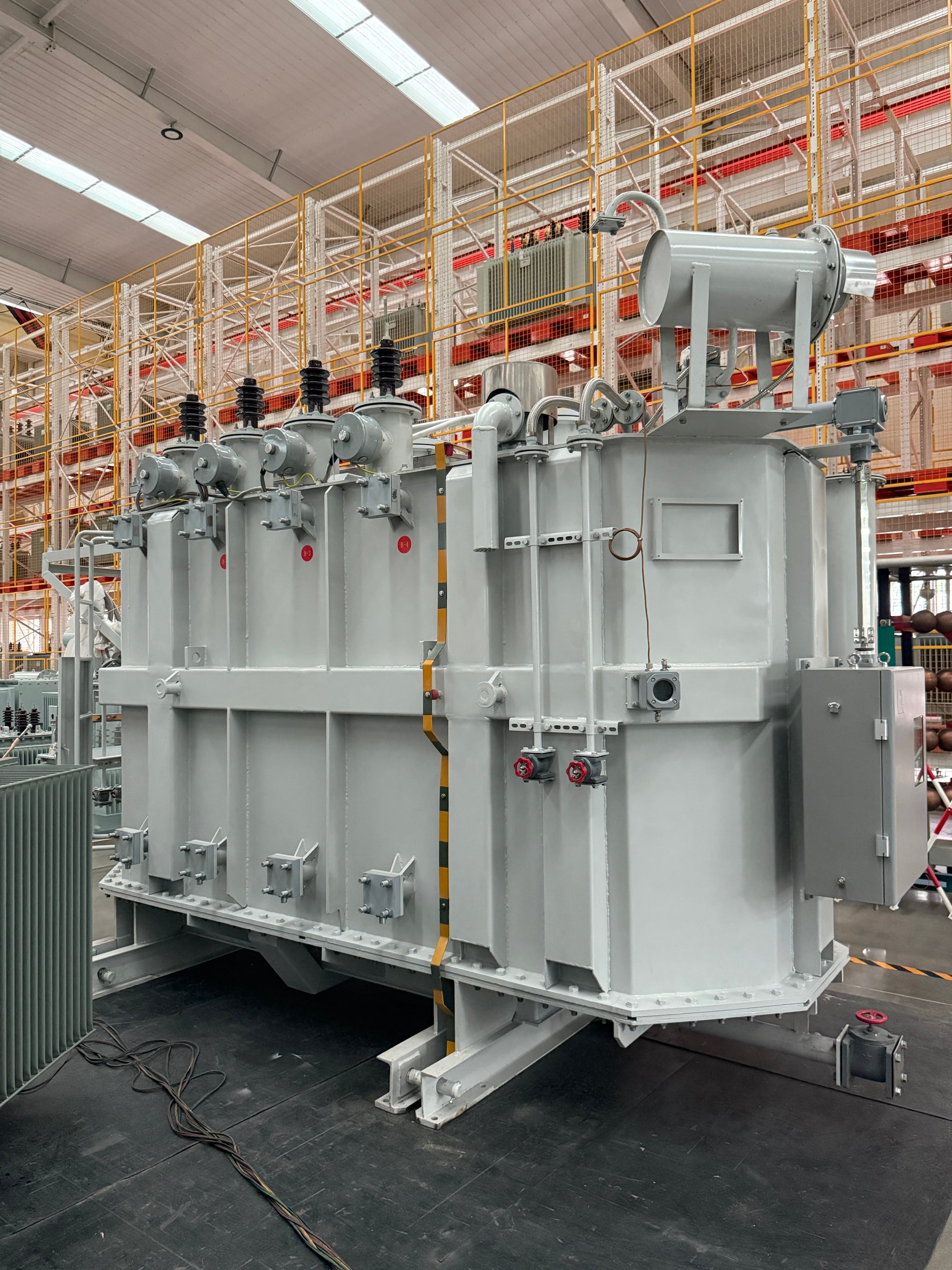
A typical power transmission transformer can be configured with oil conservator, radiators, high voltage and low voltage bushings, tap changer, pressure relief device, oil level indicator, temperature indicator, gas relay where applicable, grounding terminals, lifting lugs, rollers, control box, and monitoring accessories. The final accessory list depends on transformer type, standard, voltage level, and project specification.
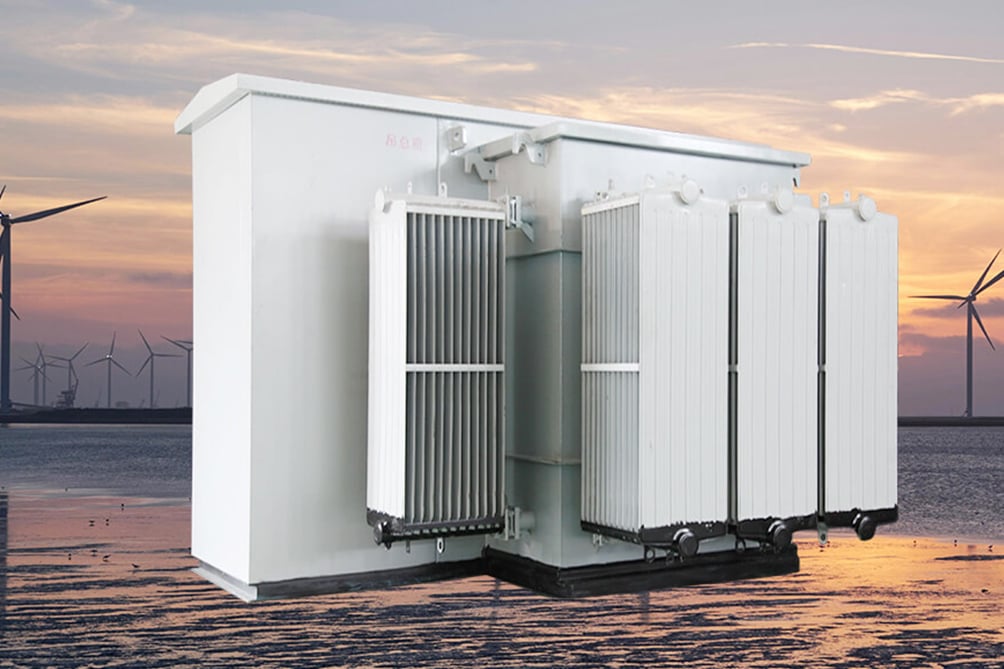
For renewable energy projects, a power transmission transformer is often used to step up the voltage from solar, wind, or energy storage systems before grid connection. In a solar plant, several inverter stations may collect power and send it to a step-up transformer system. In a wind project, the transformer helps connect collection circuits to the grid voltage level. For these applications, transformer capacity, overload condition, harmonic influence, cooling arrangement, and grid code requirements should be reviewed.
For utility substations, the power transmission transformer must match the grid connection scheme. This includes primary and secondary voltage, neutral grounding method, protection relay coordination, bushing arrangement, cable or busbar connection, oil containment design, fire separation distance, and transportation route. Early confirmation of these details helps reduce changes during manufacturing and site installation.
TSTY can support buyers with technical communication before quotation. Required inquiry information usually includes rated capacity, voltage ratio, frequency, phase number, vector group, impedance, tap range, cooling method, installation environment, applicable standard, accessories, test requirements, and required documents. For export projects, packing size, transport limitation, lifting plan, destination port, and spare parts requirements should also be discussed.
A power transmission transformer is not selected only by capacity. The transformer must be suitable for the electrical network, environmental conditions, transportation route, civil foundation, protection system, and operation practice. TSTY can coordinate transformer design with substation switchgear, protection panels, control systems, and auxiliary equipment when a project requires a more complete supply scope.


Frequently Asked Questions About Power Transmission Transformer Selection

The following questions help buyers prepare technical information for power transmission transformer procurement, substation design, grid connection, and project review.

What is a power transmission transformer used for?

A power transmission transformer is used to step up or step down voltage in transmission networks, substations, power plants, industrial systems, and renewable energy grid connection projects.
A power transmission transformer is usually applied at higher voltage levels and larger capacities, while a distribution transformer is mainly used to supply lower-voltage loads in local distribution networks.
Buyers should provide rated capacity, voltage ratio, frequency, phase number, vector group, impedance, tap changer type, cooling method, installation environment, accessories, standards, and test requirements.
Yes. A power transmission transformer can be used in solar plants, wind farms, energy storage stations, and hybrid power systems for voltage step-up and grid connection.
Common cooling methods for a power transmission transformer include oil natural air natural, oil natural air forced, oil forced air forced, and other project-based cooling arrangements depending on capacity and site conditions.
TSTY can provide datasheets, outline drawings, nameplate information, routine test reports, packing details, accessory lists, and other agreed technical documents for power transmission transformer projects.

Related Articles

33kV to 11kV Substation Design: Key Equipment Choices for Utility and Industrial Projects

21

Sep

33kV to 11kV Substation Design: Key Equipment Choices for Utility and Industrial Projects

Optimize your utility or industrial project with a reliable 33kV to 11kV substation. Discover key equipment choices, international compliance, and fast ROI.
View More
When Is a 500kVA Substation the Right Choice for Medium-Voltage Power Distribution?

21

Sep

When Is a 500kVA Substation the Right Choice for Medium-Voltage Power Distribution?

Discover when to specify a 500kVA substation for medium-voltage power. A B2B guide on load sizing, 11kV to 400V step-down, and pad mount configurations.
View More
11kV/400V Substations for Industrial Facilities: Layout, Transformer, and Switchgear Basics

21

Sep

11kV/400V Substations for Industrial Facilities: Layout, Transformer, and Switchgear Basics

Master your industrial power layout. A B2B guide to configuring the 11kV/400V substation, MV switchgear, and step-down transformers for heavy-duty loads.
View More
Distribution Transformer Substation Planning for Utilities, Industrial Parks, and Renewable Projects

21

Sep

Distribution Transformer Substation Planning for Utilities, Industrial Parks, and Renewable Projects

Master sector-specific planning for a distribution transformer substation. A B2B guide for utility grids, industrial parks, solar, and BESS integration.
View More

Sample Buyer Feedback Scenarios

The following sample-style comments reflect common project concerns when evaluating power transmission transformer equipment for substations and grid projects.
Chen Wei
Substation Project Engineer

“Our project needed a transformer matched with the grid voltage ratio and protection scheme. The technical review helped us confirm capacity, impedance, and bushing arrangement.”

Olivia Hart
Renewable Energy Procurement Manager

“The power transmission transformer inquiry required clear data on step-up voltage, cooling method, and transport limits. The document package helped our internal review.”

Nabil Mensah
Utility Maintenance Supervisor

“We focused on accessories, oil monitoring, and site installation conditions. Having the outline drawing and test information made the approval process more organized.”

Get a Free Quote

Our representative will contact you soon.
Select your project goal
Email
Name
Company Name
Phone
Project Details
0/1000
Voltage Step-Up and Step-Down Planning for Grid Projects

Voltage Step-Up and Step-Down Planning for Grid Projects

A power transmission transformer should be selected according to the role it will play in the power system. At a generation site, it may work as a step-up transformer to raise voltage for long-distance transmission. At a receiving substation, it may work as a step-down transformer to supply regional networks or industrial loads. TSTY can support transformer selection based on rated capacity, voltage ratio, frequency, vector group, impedance, insulation level, tap range, and cooling method. Buyers should also confirm whether the transformer will connect to overhead lines, cables, busbars, switchgear, or GIS equipment, because the connection method affects bushing arrangement and substation layout. For grid projects, the power transmission transformer must also coordinate with protection relays, neutral grounding, surge protection, oil containment, and civil foundation design. Reviewing these details early helps make the transformer specification clearer before manufacturing.
Transformer Design Details for Substation Installation

Transformer Design Details for Substation Installation

A power transmission transformer must match the substation layout, transport route, installation method, and operation access. Before confirming the design, buyers should review overall dimensions, oil weight, transport weight, radiator layout, conservator position, bushing direction, tap changer access, control box location, grounding terminals, lifting points, and roller direction. TSTY can provide outline drawings and technical data for comparison with the civil foundation, fire wall, oil pit, cable trench, and switchgear position. For outdoor substations, inquiry details should include ambient temperature, altitude, humidity, pollution level, wind condition, and corrosion environment. According to project requirements, the power transmission transformer may also include oil temperature indicators, winding temperature indicators, pressure relief devices, oil level indicators, gas relays, valves, and monitoring terminals.
Application in Renewable Energy and Industrial Power Systems

Application in Renewable Energy and Industrial Power Systems

A power transmission transformer is used in renewable energy and industrial projects where voltage must match the grid or plant distribution system. In solar farms, wind stations, and energy storage plants, it may step up medium voltage power for grid connection. In mining sites, petrochemical plants, manufacturing bases, and large industrial facilities, it may step down incoming transmission voltage for internal power supply. TSTY can help buyers review capacity, voltage ratio, impedance, tap changer range, cooling method, harmonic conditions, load profile, and protection coordination. Renewable energy sites should consider intermittent generation and outdoor installation, while industrial users should review load fluctuation, starting current, maintenance access, and spare parts planning. A suitable power transmission transformer specification helps align electrical performance, installation space, and operating needs.