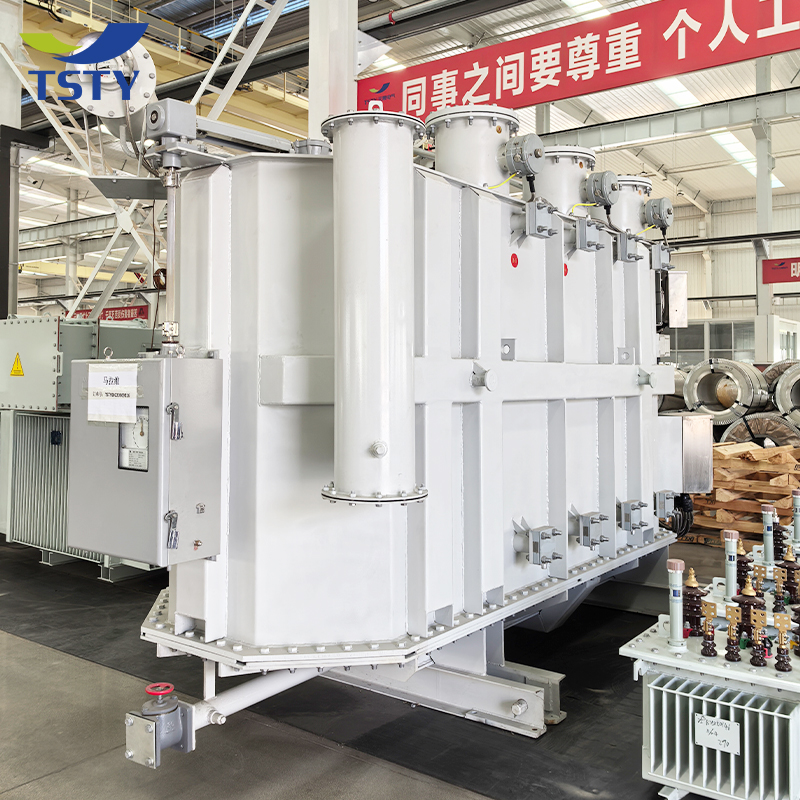
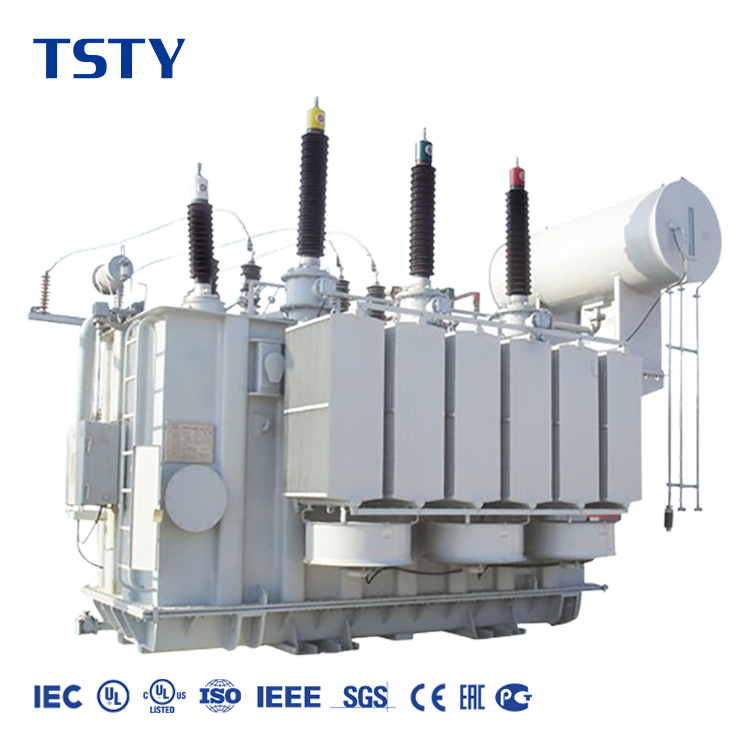
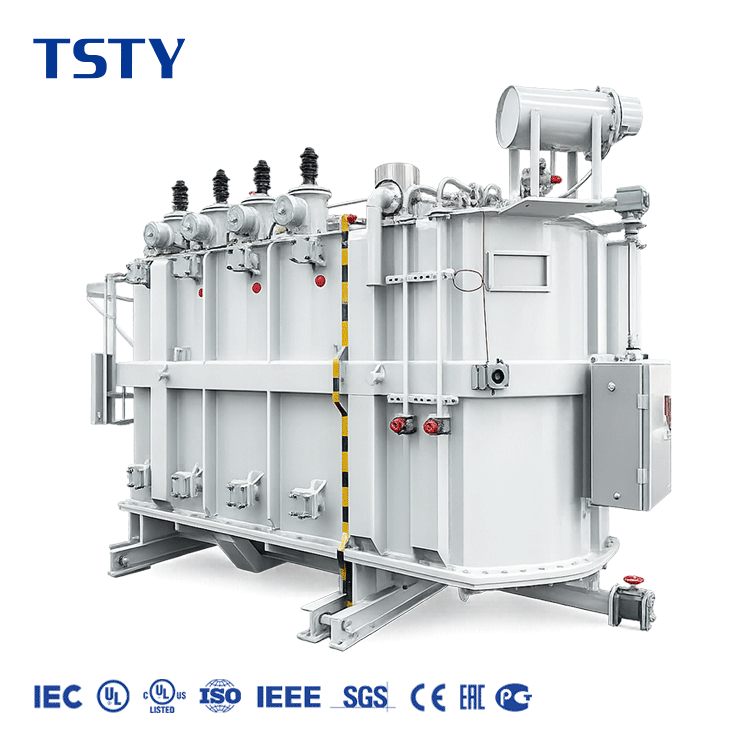
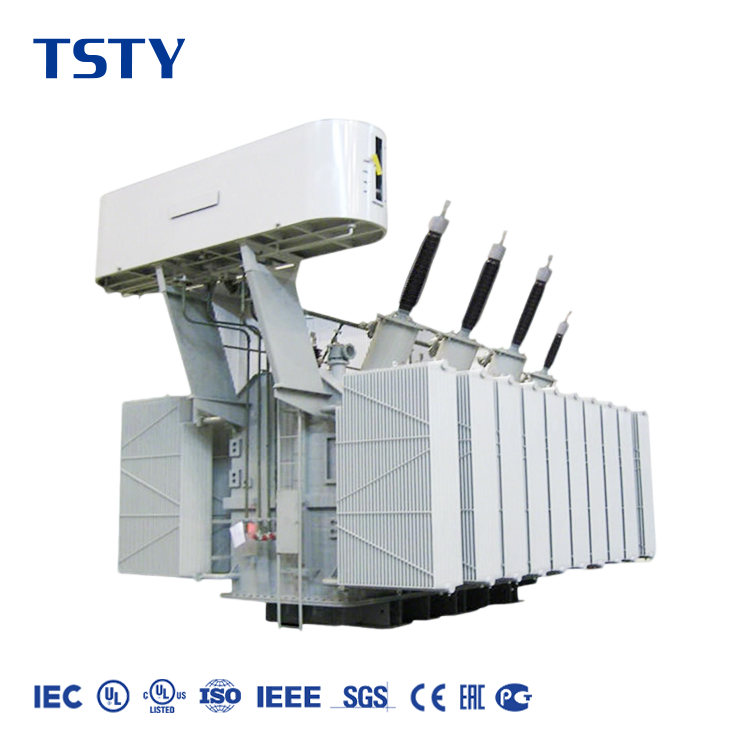
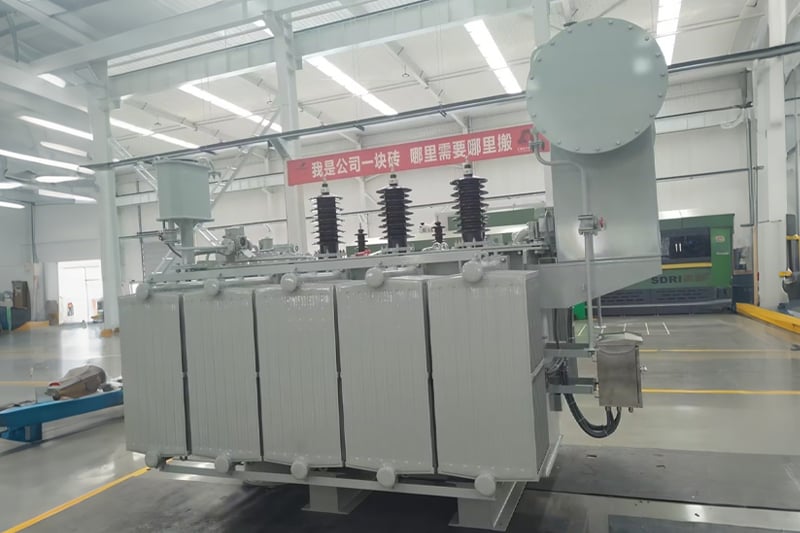
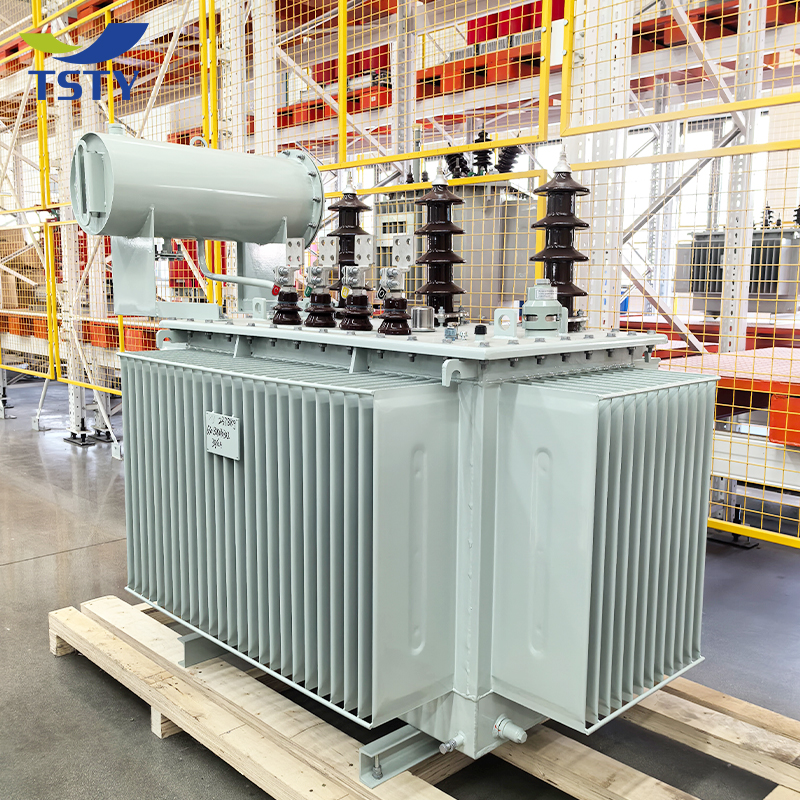
A power plant step up transformer is used to raise the voltage generated by a power plant to a higher transmission voltage level. Generators usually produce electricity at medium voltage or another designed output voltage, while the transmission grid often requires a higher voltage for efficient power delivery. The power plant step up transformer provides this voltage conversion between the generation side and the grid side.
TSTY supplies power plant step up transformer solutions for conventional and renewable generation projects. In a thermal power plant, the transformer may connect the generator terminal to a high voltage switchyard. In a hydropower station, it may step up generator output for transmission through overhead lines. In solar and wind projects, it may collect medium voltage power from inverter stations or wind turbine transformers and raise it to the grid connection voltage.
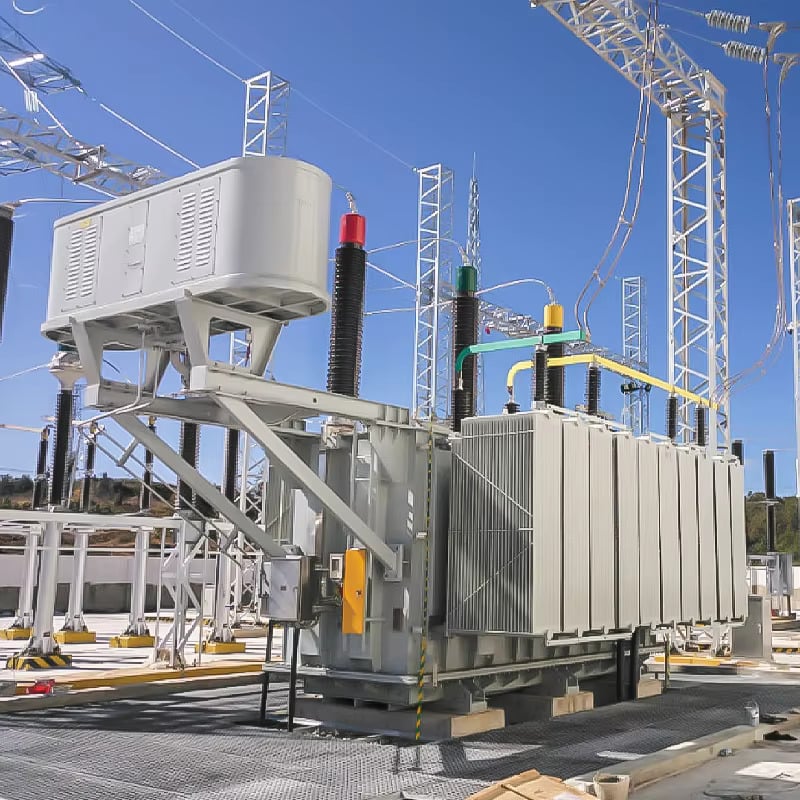
A power plant step up transformer is different from a general distribution transformer because it is closely related to generator output, grid code requirements, protection coordination, and continuous power delivery. Buyers should confirm rated capacity, generator voltage, grid voltage, frequency, vector group, impedance, short-circuit withstand capability, insulation level, cooling method, tap range, and grounding method before technical selection.
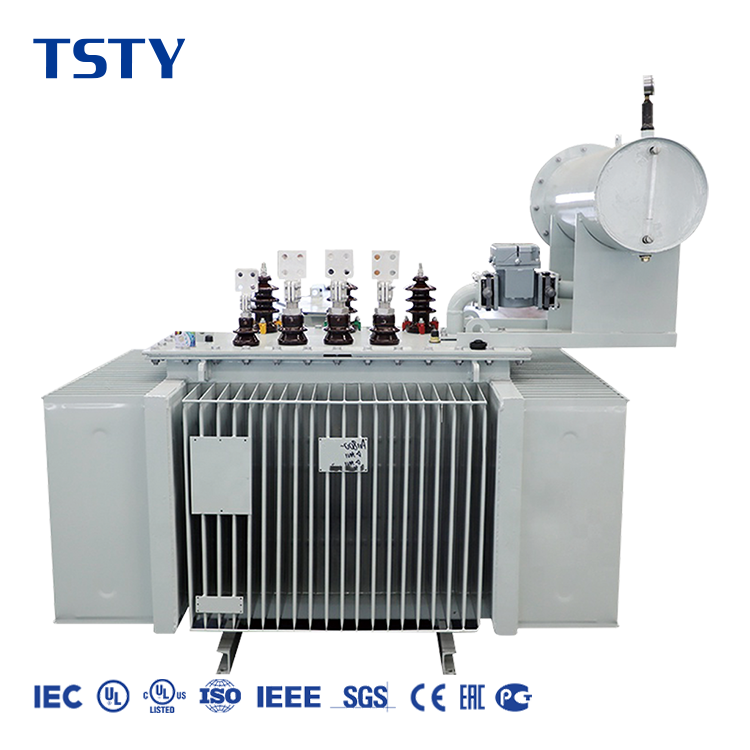
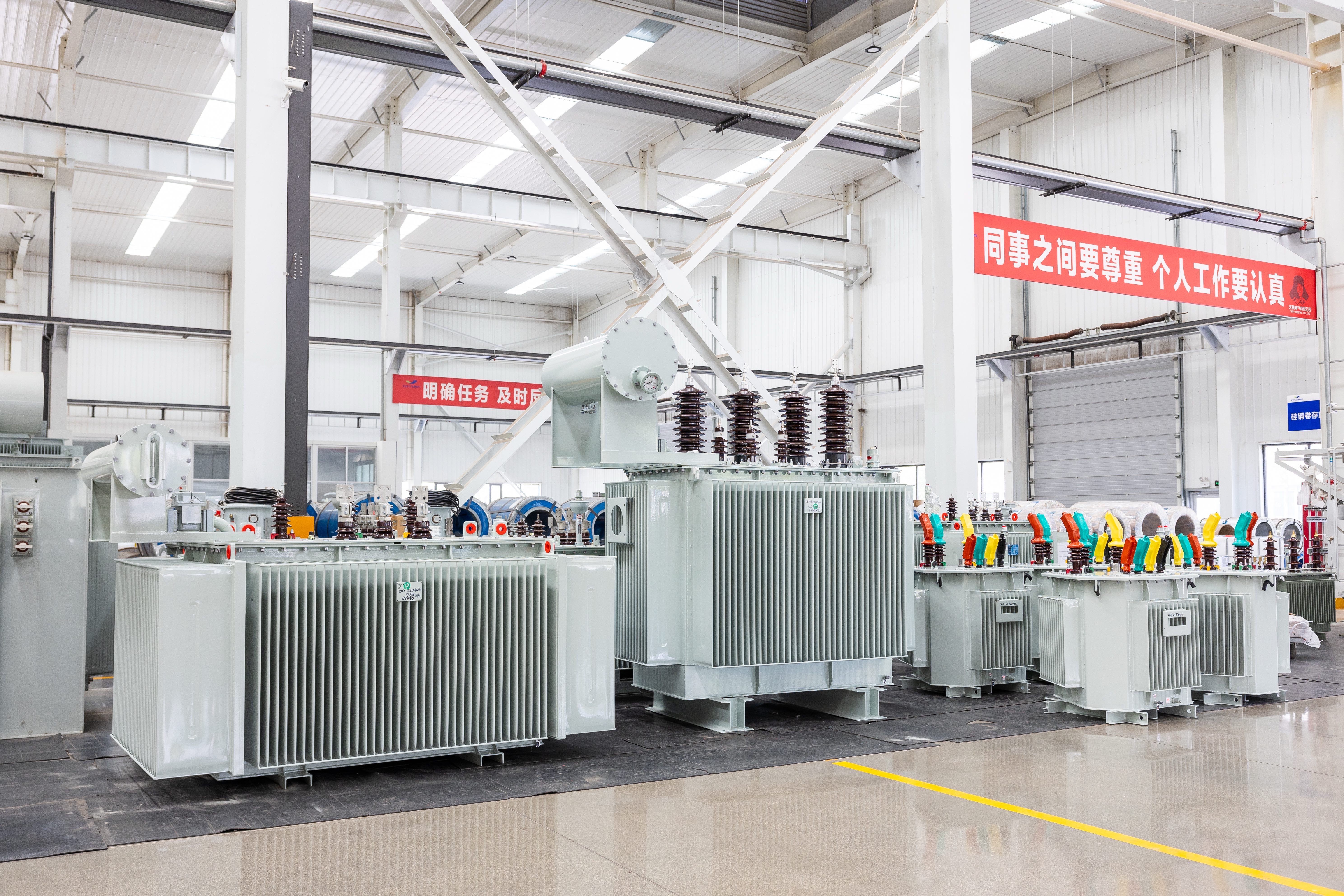
TSTY can provide oil-immersed power plant step up transformer designs with conservator, radiators, bushings, tap changer, oil temperature indicator, winding temperature indicator, pressure relief device, oil level indicator, gas relay where applicable, valves, grounding terminals, lifting points, control box, and other agreed accessories. The final accessory list depends on the transformer capacity, voltage level, site requirements, and applicable standards.
For renewable energy plants, the power plant step up transformer may need to consider load variation, inverter output characteristics, harmonic influence, grid connection voltage, outdoor installation, and site accessibility. For thermal or hydropower plants, the transformer design may focus more on generator matching, high operating duty, protection relay interface, cooling arrangement, and switchyard connection.
The installation layout of a power plant step up transformer should be reviewed with the plant substation design. Important interface details include foundation size, oil containment pit, fire wall distance, bushing orientation, cable or busbar connection, radiator clearance, transport route, lifting method, grounding grid position, and maintenance access. These civil and electrical details should be confirmed before production drawings are finalized.
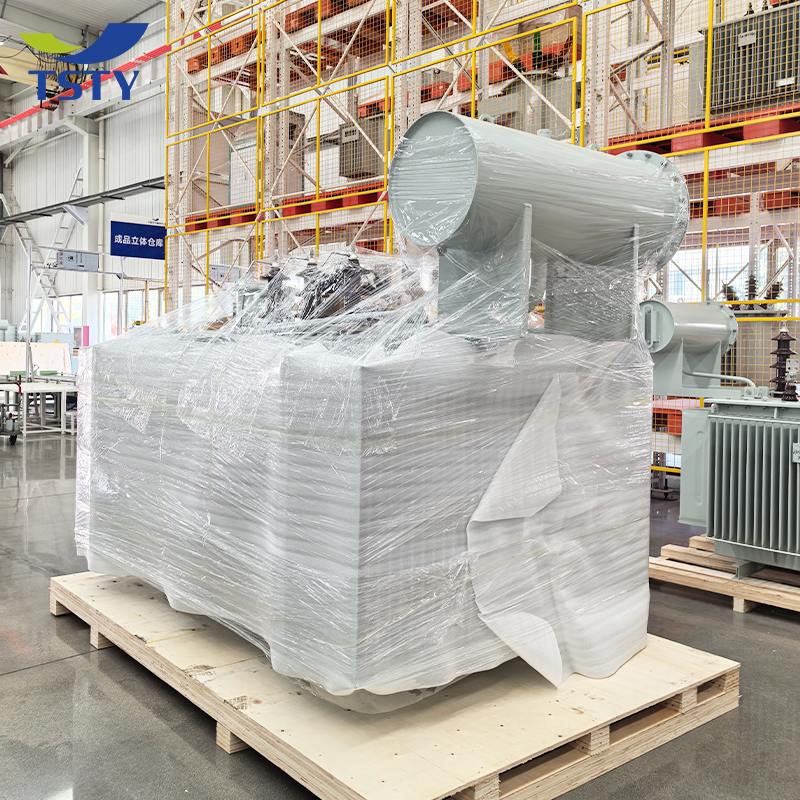
Before requesting a quotation, buyers should provide generator capacity, rated transformer capacity, primary and secondary voltage, frequency, phase number, impedance requirement, vector group, cooling method, tap changer type, installation altitude, ambient temperature, connection method, protection requirements, applicable standards, and documentation needs. For export projects, transport dimensions, packing method, destination conditions, and spare parts requirements should also be discussed.
A power plant step up transformer should be selected as part of the whole generation and grid connection system, not as an isolated device. TSTY can support technical communication for transformer parameters, substation interface, grid connection requirements, and project document preparation.




 EN