Power Plant Step Up Transformer for Grid Connection

Get a Free Quote

Our representative will contact you soon.
Select your project goal
Email
Name
Company Name
Phone
Project Details
0/1000
Power Plant Step Up Transformer for Grid Connection Projects

Power Plant Step Up Transformer for Grid Connection Projects

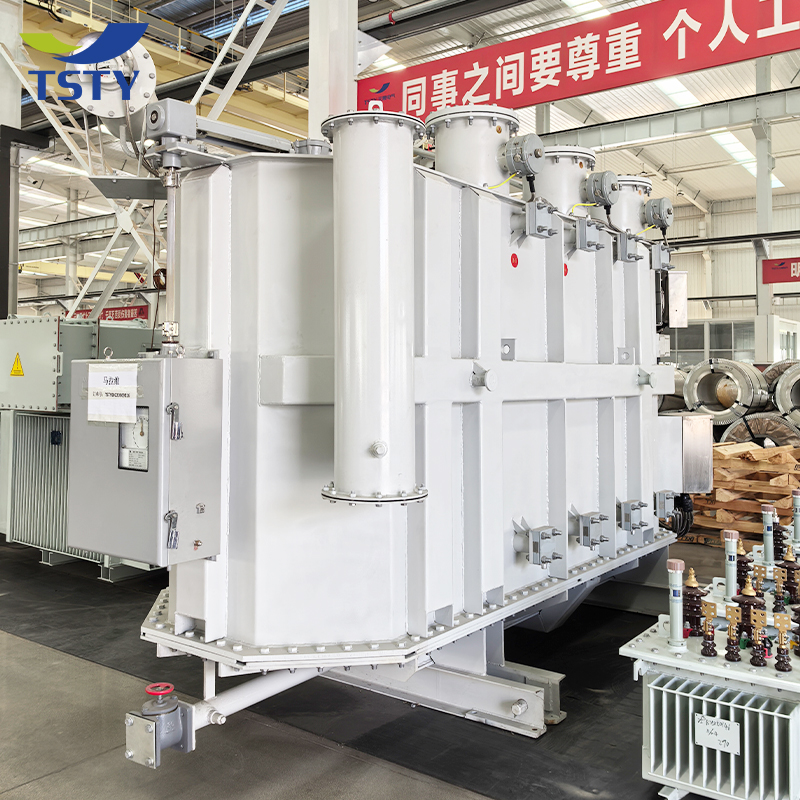
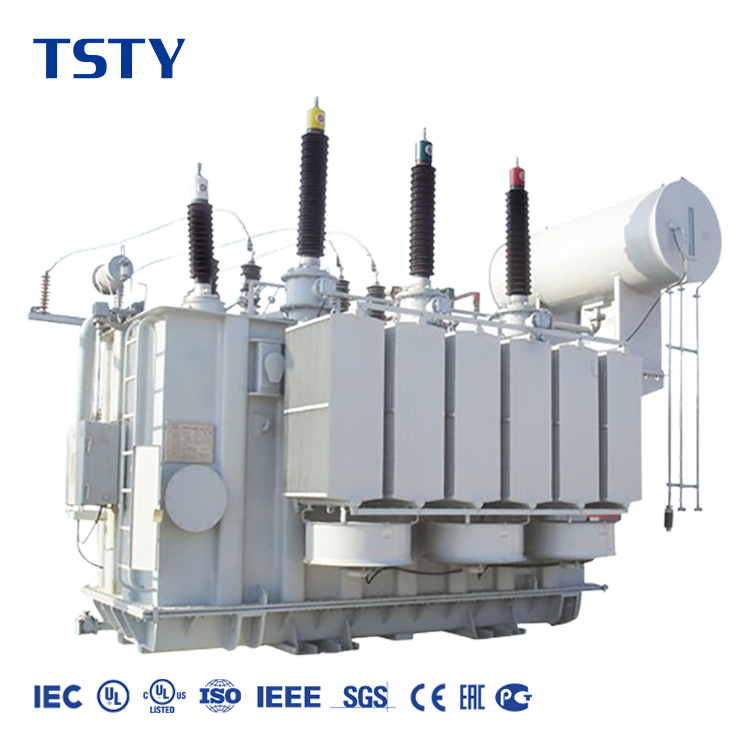
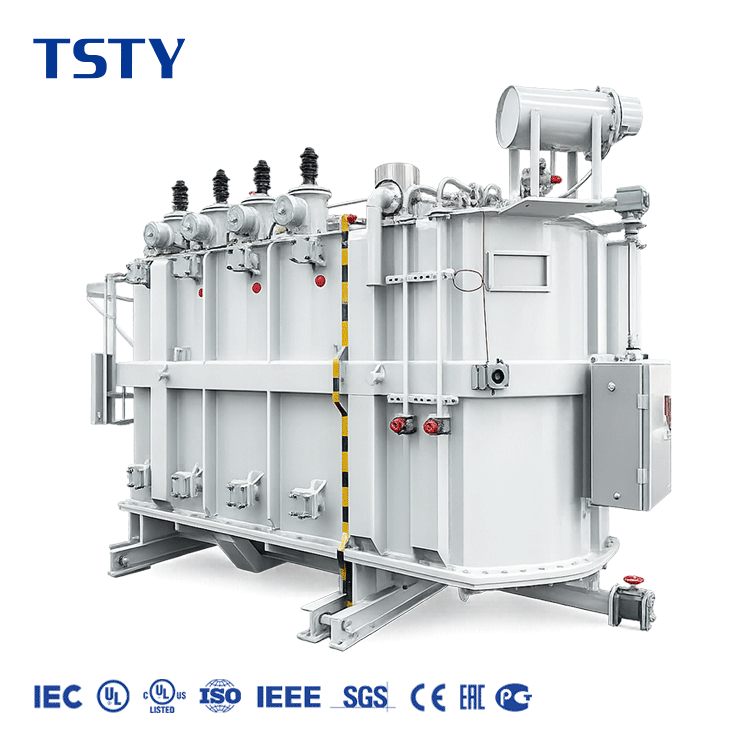
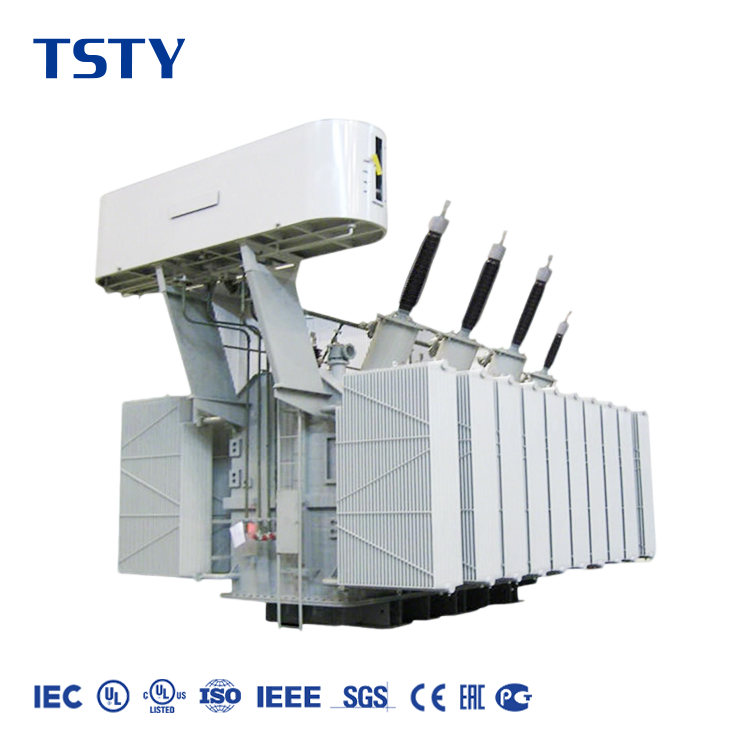
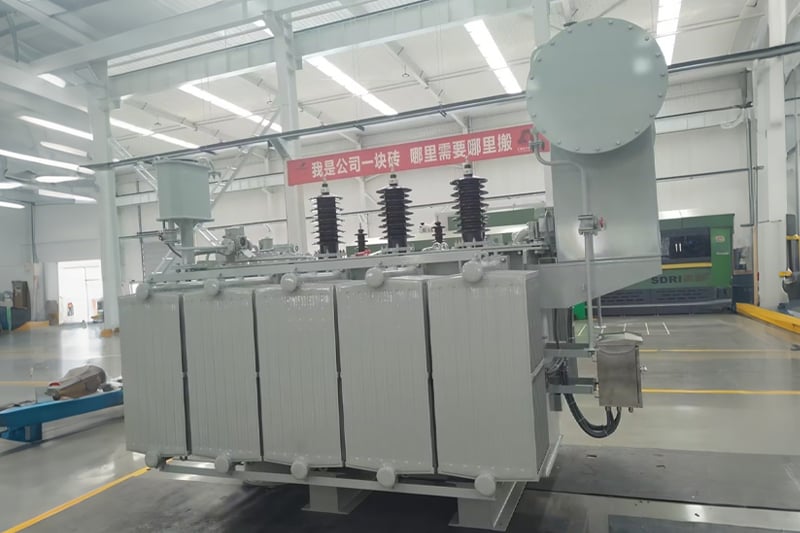
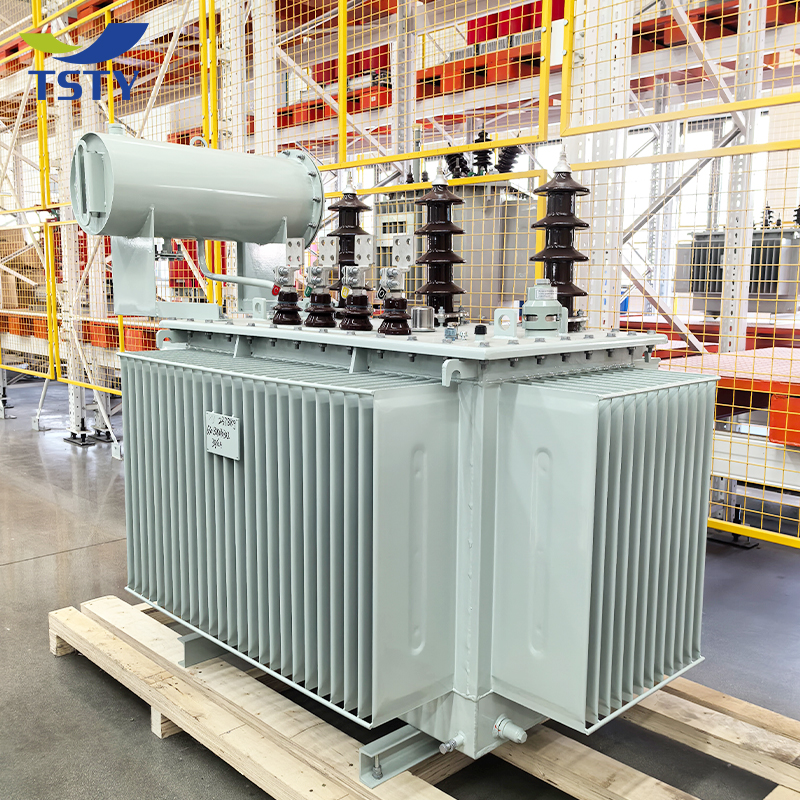
TSTY supplies power plant step up transformer solutions for thermal power plants, hydropower stations, solar farms, wind power plants, biomass power stations, energy storage plants, and utility grid connection projects. A power plant step up transformer raises generator or collection system voltage to a suitable transmission voltage level, helping generated power connect to substations and grid networks. TSTY can provide oil-immersed step up transformers, generator step up transformers, substation transformers, high voltage power transformers, and renewable energy step up transformer solutions. Each transformer can be designed according to capacity, voltage ratio, frequency, impedance, vector group, cooling method, tap changer type, bushing arrangement, installation environment, and applicable project standards.
Get A Quote

Advantages of TSTY Power Plant Step Up Transformer Solutions

Transformer Design for Generation, Voltage Step-Up, and Grid Interface Applications

Matched with Generator and Grid Voltage

TSTY power plant step up transformer solutions are selected according to generator output voltage, grid connection voltage, rated capacity, frequency, vector group, and system grounding requirements.

Suitable for Different Power Generation Sites

A power plant step up transformer can be used in thermal power plants, hydropower stations, solar plants, wind farms, biomass power plants, and energy storage grid connection systems.

Oil-Immersed Transformer Design Options

TSTY supports oil-immersed power transformer structures with radiator cooling, conservator arrangement, bushing selection, tap changer configuration, and protection accessories based on project needs.

Engineering Documents for Project Review

For power plant step up transformer procurement, TSTY can provide technical datasheets, outline drawings, nameplate details, routine test reports, packing information, and agreed export documents.

Power Plant Step Up Transformer and Generation Transformer Products

TSTY supplies power plant step up transformer equipment and related power transformer products for generation and grid connection systems. Product options include generator step up transformer, GSU transformer, oil-immersed power transformer, renewable energy step up transformer, substation transformer, high voltage transformer, and auxiliary transformer for power plant systems. A power plant step up transformer can be specified by rated capacity, voltage ratio, phase number, frequency, impedance, insulation level, vector group, winding material, cooling method, tap changer type, bushing position, radiator layout, neutral grounding arrangement, protection accessories, and site installation conditions. It can also be coordinated with MV switchgear, HV switchgear, control panels, compact substations, and grid connection equipment.

A power plant step up transformer is used to raise the voltage generated by a power plant to a higher transmission voltage level. Generators usually produce electricity at medium voltage or another designed output voltage, while the transmission grid often requires a higher voltage for efficient power delivery. The power plant step up transformer provides this voltage conversion between the generation side and the grid side.
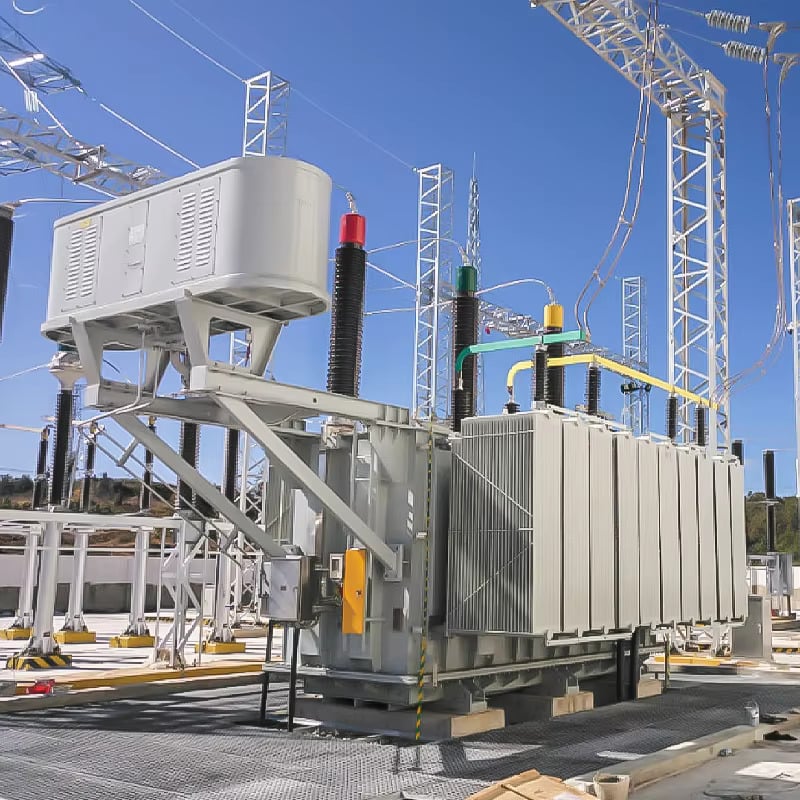
TSTY supplies power plant step up transformer solutions for conventional and renewable generation projects. In a thermal power plant, the transformer may connect the generator terminal to a high voltage switchyard. In a hydropower station, it may step up generator output for transmission through overhead lines. In solar and wind projects, it may collect medium voltage power from inverter stations or wind turbine transformers and raise it to the grid connection voltage.
Hddbcfbaaef664adc85bd813e92d71186E.jpg
A power plant step up transformer is different from a general distribution transformer because it is closely related to generator output, grid code requirements, protection coordination, and continuous power delivery. Buyers should confirm rated capacity, generator voltage, grid voltage, frequency, vector group, impedance, short-circuit withstand capability, insulation level, cooling method, tap range, and grounding method before technical selection.
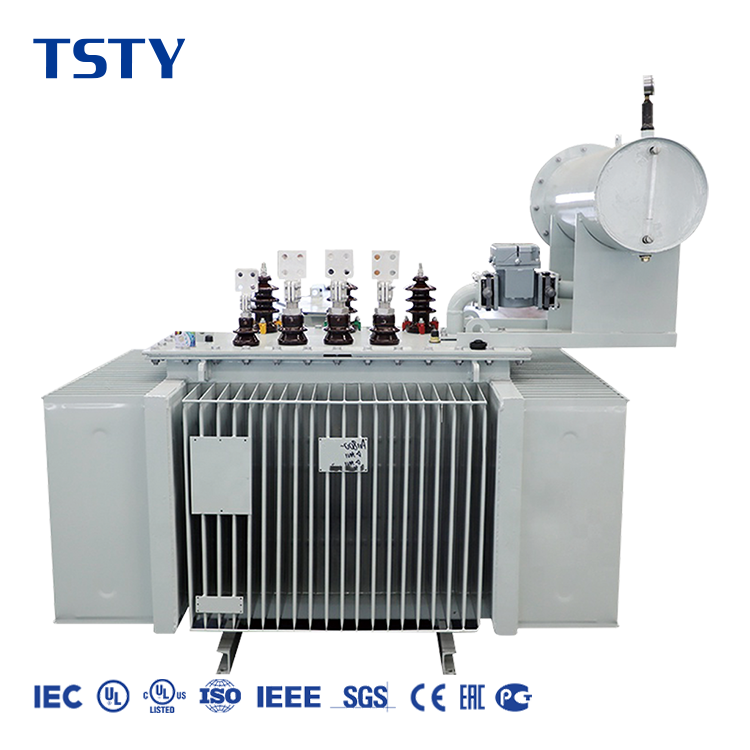
TSTY can provide oil-immersed power plant step up transformer designs with conservator, radiators, bushings, tap changer, oil temperature indicator, winding temperature indicator, pressure relief device, oil level indicator, gas relay where applicable, valves, grounding terminals, lifting points, control box, and other agreed accessories. The final accessory list depends on the transformer capacity, voltage level, site requirements, and applicable standards.
For renewable energy plants, the power plant step up transformer may need to consider load variation, inverter output characteristics, harmonic influence, grid connection voltage, outdoor installation, and site accessibility. For thermal or hydropower plants, the transformer design may focus more on generator matching, high operating duty, protection relay interface, cooling arrangement, and switchyard connection.
The installation layout of a power plant step up transformer should be reviewed with the plant substation design. Important interface details include foundation size, oil containment pit, fire wall distance, bushing orientation, cable or busbar connection, radiator clearance, transport route, lifting method, grounding grid position, and maintenance access. These civil and electrical details should be confirmed before production drawings are finalized.
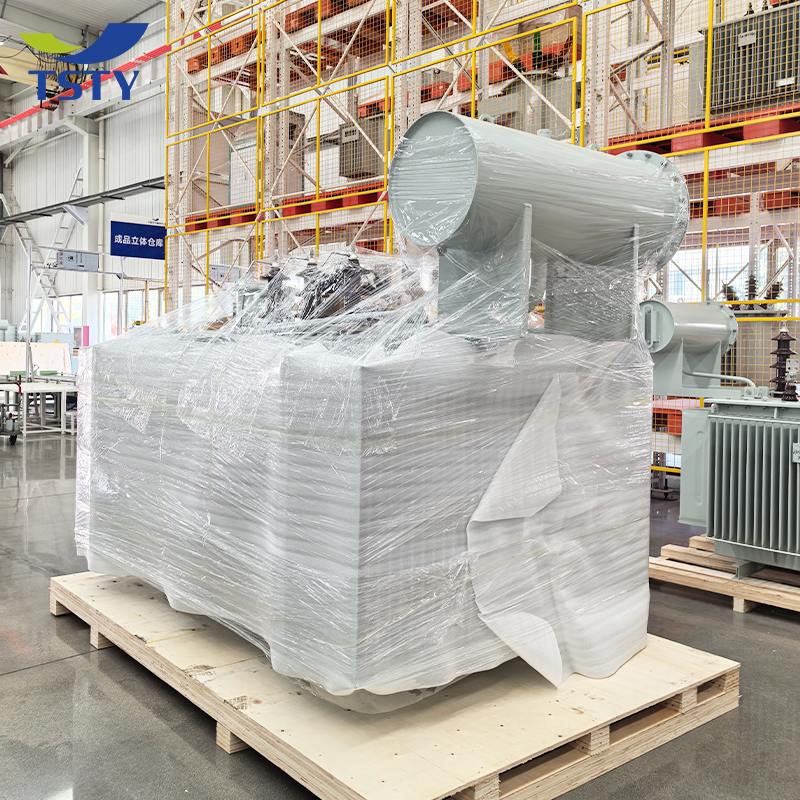
Before requesting a quotation, buyers should provide generator capacity, rated transformer capacity, primary and secondary voltage, frequency, phase number, impedance requirement, vector group, cooling method, tap changer type, installation altitude, ambient temperature, connection method, protection requirements, applicable standards, and documentation needs. For export projects, transport dimensions, packing method, destination conditions, and spare parts requirements should also be discussed.
A power plant step up transformer should be selected as part of the whole generation and grid connection system, not as an isolated device. TSTY can support technical communication for transformer parameters, substation interface, grid connection requirements, and project document preparation.


Frequently Asked Questions About Power Plant Step Up Transformer Selection

The following questions help buyers understand power plant step up transformer functions, technical parameters, application conditions, and procurement preparation.

What is a power plant step up transformer used for?

A power plant step up transformer raises generator or collection system voltage to a higher grid or transmission voltage level, allowing generated electricity to be delivered to the power network.
It can be installed in thermal power plants, hydropower stations, solar farms, wind power plants, biomass plants, energy storage plants, and grid connection substations.
Buyers should provide rated capacity, generator voltage, grid voltage, frequency, impedance, vector group, cooling method, tap changer type, installation environment, connection method, standards, and test requirements.
In many projects, a generator step up transformer is a type of power plant step up transformer connected between the generator output and the high voltage grid or switchyard.
Yes. A power plant step up transformer can be used in solar, wind, energy storage, and hybrid power plants to raise collection voltage for grid connection.
TSTY can provide datasheets, outline drawings, accessory lists, nameplate information, routine test reports, packing details, and other agreed technical documents for project review.

Related Articles

11kV/400V Substations for Industrial Facilities: Layout, Transformer, and Switchgear Basics

21

Sep

11kV/400V Substations for Industrial Facilities: Layout, Transformer, and Switchgear Basics

Master your industrial power layout. A B2B guide to configuring the 11kV/400V substation, MV switchgear, and step-down transformers for heavy-duty loads.
View More
33/11kV Transformer Buying Guide: Capacity, Cooling Method, Losses, and Protection

21

Sep

33/11kV Transformer Buying Guide: Capacity, Cooling Method, Losses, and Protection

Sourcing a 33 11kv transformer? Discover expert B2B tips on sizing capacity, ONAN/ONAF cooling, core losses, and essential protection relays.
View More
Key Design Considerations for 132/33kV Substations in Grid Expansion Projects

21

Sep

Key Design Considerations for 132/33kV Substations in Grid Expansion Projects

Planning a grid expansion? Learn key design considerations for a 132/33kV substation, including GIS layouts, N-1 redundancy, and transformer sizing.
View More
5000kVA Transformer Applications in Industrial Plants, Data Centers, and Distribution Substations

22

Sep

5000kVA Transformer Applications in Industrial Plants, Data Centers, and Distribution Substations

Discover how a 5000 kva transformer ensures reliable power for data centers, industrial plants, and substations. Learn B2B specs and global compliance.
View More

Sample Buyer Feedback Scenarios

The following sample-style comments reflect common technical concerns when selecting power plant step up transformer equipment for generation projects.
Daniel Kovac
Power Plant Electrical Engineer

“Our project required close matching between generator voltage, transformer impedance, and switchyard connection. The technical drawing review helped us confirm the layout.”

Priya Nambiar
Renewable Energy Project Manager

“The power plant step up transformer selection needed attention to grid voltage, cooling method, and outdoor installation. The document package supported our approval process.”

Marco Benedetti
Substation Commissioning Supervisor

“We focused on bushing direction, protection accessories, and transport limits. Clear transformer data helped our site team prepare foundation and installation work.”

Get a Free Quote

Our representative will contact you soon.
Select your project goal
Email
Name
Company Name
Phone
Project Details
0/1000
Generator-to-Grid Voltage Matching

Generator-to-Grid Voltage Matching

A power plant step up transformer should be selected according to the generator output voltage and the required grid connection voltage. In power plants, the generator side voltage is usually not suitable for long-distance transmission, so the transformer raises it to the required high voltage level before power enters the switchyard or transmission line. TSTY can help buyers review rated capacity, generator voltage, grid voltage, frequency, impedance, vector group, insulation level, tap range, and grounding method during the inquiry stage. For projects with several generating units, each unit may use an individual transformer, or the plant may collect power first and then step up voltage. The power plant step up transformer should also coordinate with generator protection, surge arresters, neutral grounding devices, circuit breakers, and grid code requirements to reduce mismatch between generation equipment and grid interface design.
Installation Interface with Power Plant Substations

Installation Interface with Power Plant Substations

A power plant step up transformer is closely related to the power plant substation layout, so civil, mechanical, and electrical interfaces should be reviewed before production. Buyers need to confirm foundation dimensions, oil pit design, fire separation distance, bushing direction, radiator clearance, cable or busbar connection, control box position, grounding terminals, lifting points, and transport access. TSTY can provide outline drawings and technical data for comparison with switchyard drawings, civil foundations, cable trenches, and protection panels. For outdoor installation, the inquiry should include altitude, ambient temperature, humidity, pollution level, wind condition, and corrosion environment. According to project requirements, the power plant step up transformer may also include oil temperature indicators, winding temperature indicators, pressure relief devices, gas relays, oil level indicators, valves, and monitoring terminals.
Use in Renewable and Conventional Power Plants

Use in Renewable and Conventional Power Plants

A power plant step up transformer can be used in both conventional power stations and renewable energy projects, but the operating conditions should be reviewed separately. Thermal and hydropower plants usually focus on generator matching, switchyard protection, cooling duty, and continuous operation requirements. Solar farms, wind power stations, and energy storage plants may require attention to changing load profiles, inverter output characteristics, harmonic conditions, outdoor installation, and grid connection voltage. TSTY can support transformer selection by reviewing capacity, voltage ratio, impedance, tap changer range, cooling method, protection accessories, transport limits, and maintenance space. For EPC contractors and project owners, the power plant step up transformer should be considered together with MV collection systems, HV switchgear, grounding systems, control panels, and substation communication equipment.