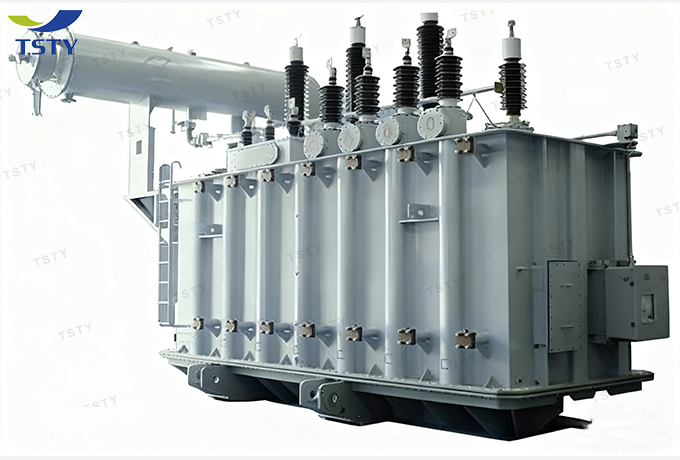
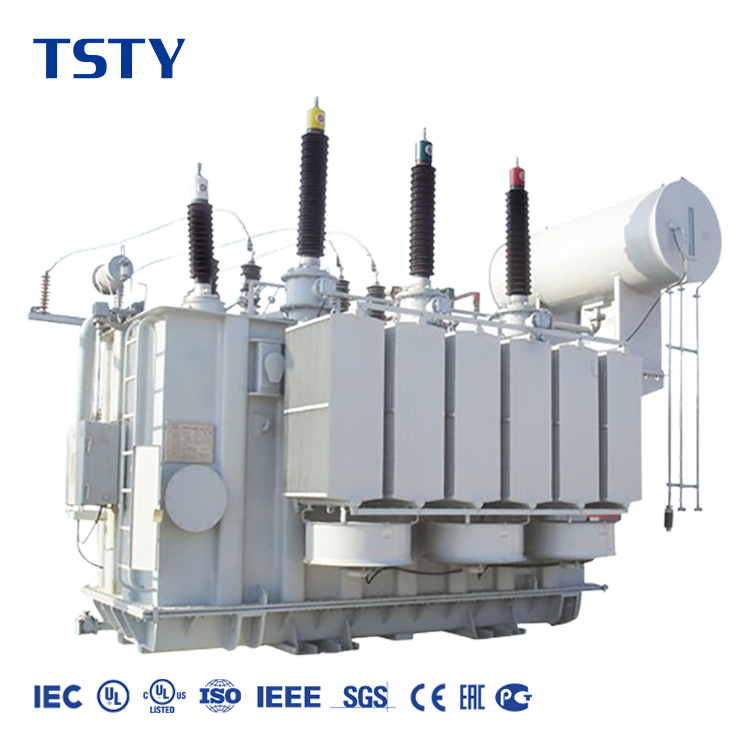
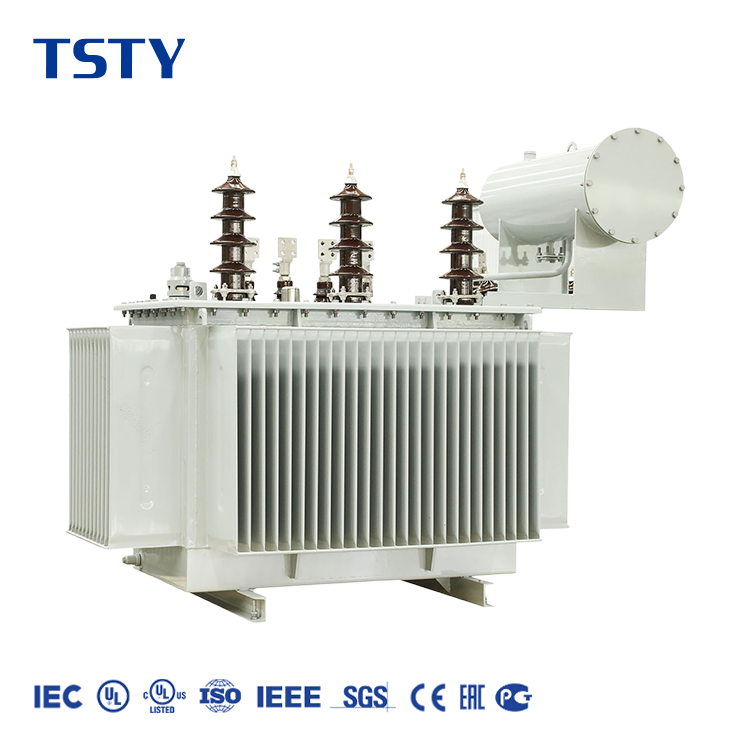
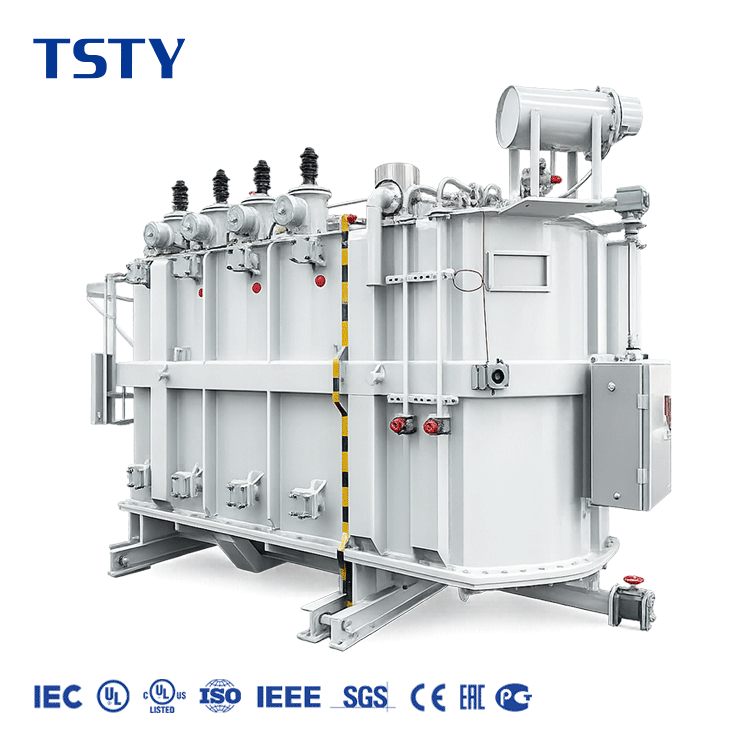
Three Phase Distribution Transformer for Power Supply

Get a Free Quote

Our representative will contact you soon.
Select your project goal
Email
Name
Company Name
Phone
Project Details
0/1000
Three Phase Distribution Transformer for Power Networks

Three Phase Distribution Transformer for Power Networks

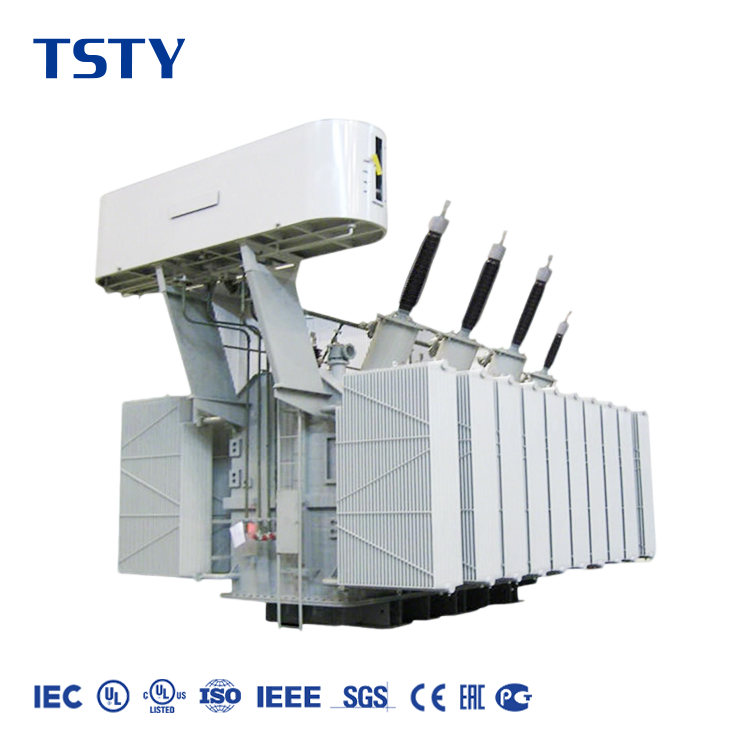
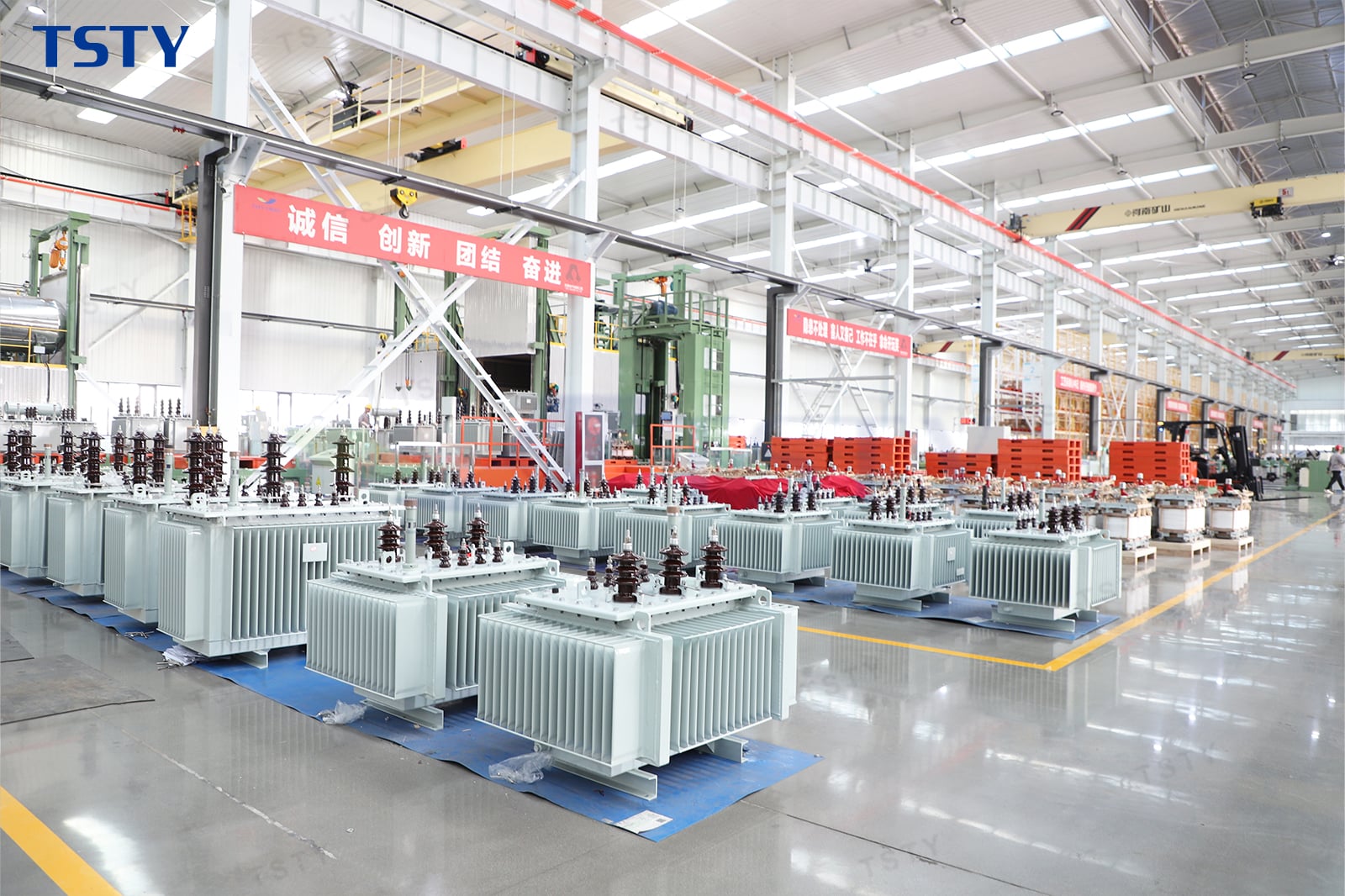
TSTY supplies three phase distribution transformer solutions for utilities, industrial plants, commercial buildings, residential communities, infrastructure projects, and compact substations. A three phase distribution transformer is used to step down medium voltage power to low voltage power for three-phase loads and balanced distribution systems. It is commonly applied where motors, pumps, HVAC systems, production lines, building services, and public power networks require stable three-phase supply. TSTY can provide oil-immersed transformers, dry-type transformers, pad-mounted transformers, pole-mounted transformers, and compact substation transformer options. Each three phase distribution transformer can be selected according to capacity, voltage ratio, frequency, vector group, impedance, tap range, cooling method, installation site, enclosure requirement, and project standards.
Get A Quote

Advantages of TSTY Three Phase Distribution Transformer Solutions

Transformer Equipment for Three-Phase Medium-to-Low Voltage Distribution

Suitable for Three-Phase Load Supply

A TSTY three phase distribution transformer supports low voltage power supply for motors, pumps, building systems, industrial equipment, and general three-phase distribution networks.

Oil-Immersed and Dry-Type Options

TSTY can provide oil-immersed three phase distribution transformer units for outdoor applications and dry-type transformers for indoor power rooms or building installations.

Flexible Installation Arrangements

The transformer can be configured for ground installation, pole mounting, pad-mounted systems, compact substations, industrial transformer rooms, and utility distribution points.

Parameter Selection for Project Matching

Each three phase distribution transformer can be reviewed by rated capacity, voltage ratio, winding connection, impedance, tap range, cooling method, accessories, and site environment.

Three Phase Distribution Transformer and MV/LV Power Equipment

TSTY provides three phase distribution transformer products for local power supply and medium-to-low voltage distribution systems. Product options include oil-immersed three phase transformer, dry-type three phase transformer, pad-mounted transformer, pole-mounted transformer, compact substation transformer, amorphous alloy transformer, and customized distribution transformer solutions. A three phase distribution transformer can be specified by rated power, primary voltage, secondary voltage, phase number, frequency, vector group, impedance, winding material, insulation level, tap changer type, cooling method, enclosure protection, terminal arrangement, and accessory requirements. It can also be supplied with RMU switchgear, MV switchgear, LV distribution cabinet, cable accessories, protection devices, and compact substation systems.

A three phase distribution transformer is a transformer used to convert medium voltage electricity into low voltage electricity for three-phase distribution systems. It is widely used in local power networks because most industrial facilities, commercial buildings, public infrastructure, and utility distribution systems rely on three-phase power for efficient load supply.
The main purpose of a three phase distribution transformer is voltage step-down. Power from a medium voltage feeder, switchgear cabinet, overhead line, or ring main unit enters the transformer at the primary side and is converted to a lower voltage at the secondary side. The low voltage output can then supply motors, lighting circuits, HVAC systems, pumps, elevators, chargers, production equipment, and other electrical loads.
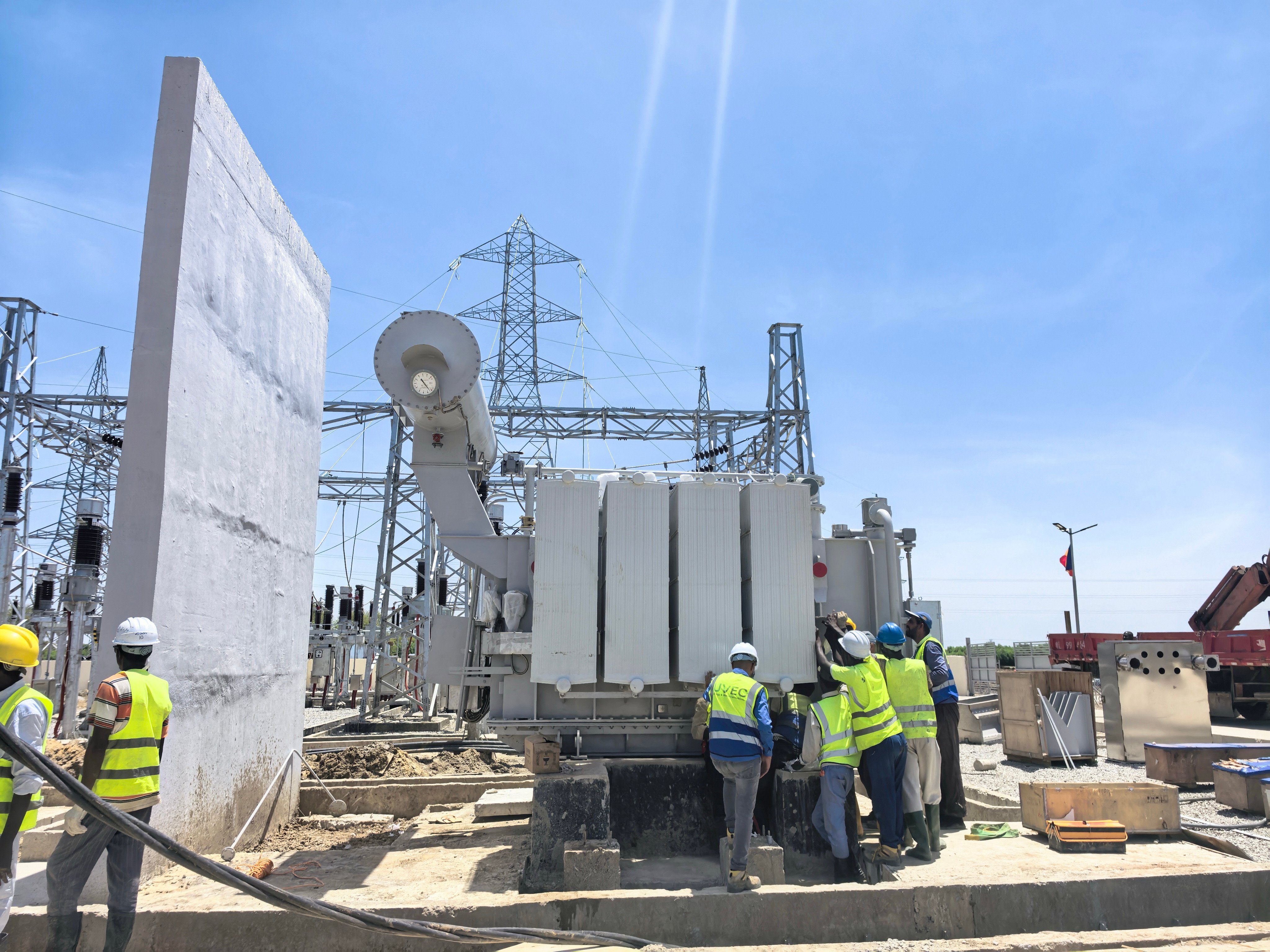
6743压缩.JPG
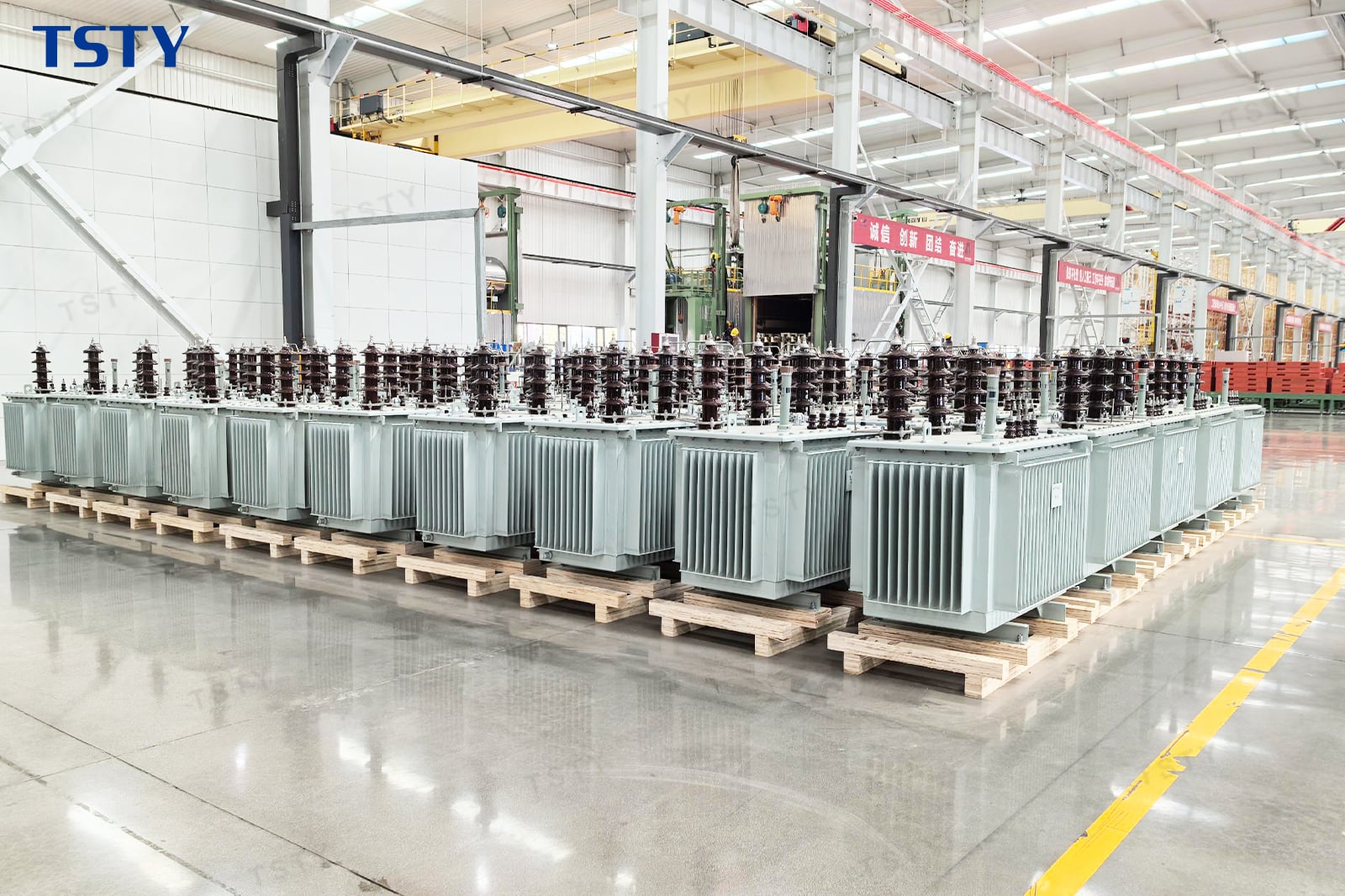
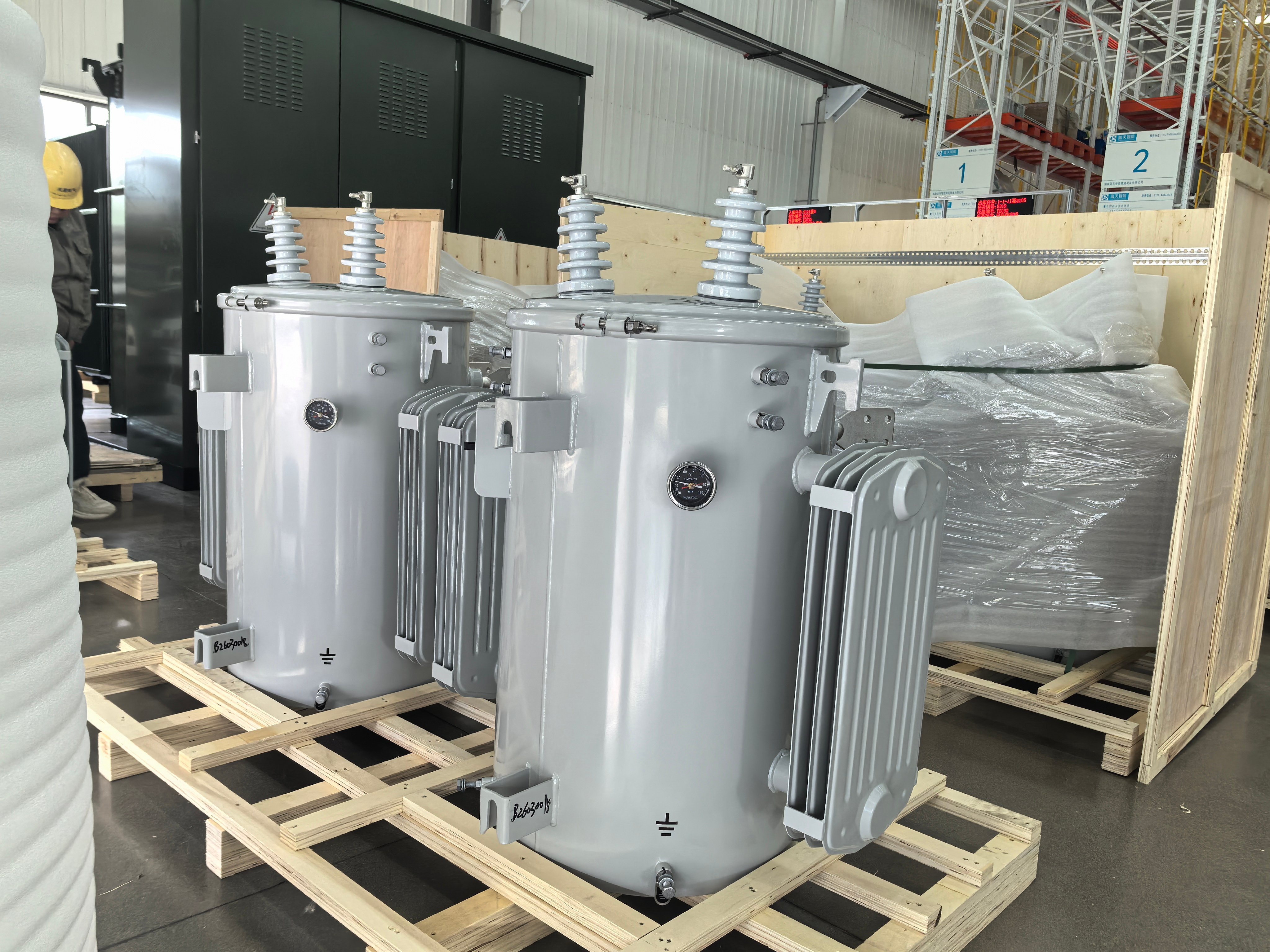
TSTY supplies three phase distribution transformer solutions in different structures. Oil-immersed transformers are often used in outdoor substations, utility networks, industrial yards, rural feeders, and compact substations. Dry-type transformers are commonly selected for indoor electrical rooms, commercial buildings, hospitals, schools, data centers, and areas where oil-free installation is preferred. Pad-mounted and pole-mounted transformers can also be selected according to installation conditions.
The technical selection of a three phase distribution transformer should include rated capacity, primary voltage, secondary voltage, frequency, vector group, impedance, tap range, insulation level, winding material, cooling method, noise requirement, loss level, and short-circuit withstand requirement. Site conditions such as altitude, ambient temperature, humidity, dust, ventilation, corrosion exposure, and indoor or outdoor installation should also be confirmed before quotation.
A three phase distribution transformer must also match the load type. For motor-heavy industrial systems, starting current and load fluctuation should be reviewed. For commercial buildings, transformer sizing should consider HVAC operation, elevators, lighting, office equipment, and future load expansion. For utility distribution, overload practice, line voltage drop, grounding method, protection fuses, and transformer placement are important.
TSTY can help buyers coordinate the three phase distribution transformer with upstream and downstream equipment. On the medium voltage side, the transformer may connect with RMU switchgear, MV circuit breaker panels, load break switches, fuses, or overhead line protection. On the low voltage side, it may connect with LV switchboards, busbar trunking, metering panels, capacitor banks, and distribution feeders.
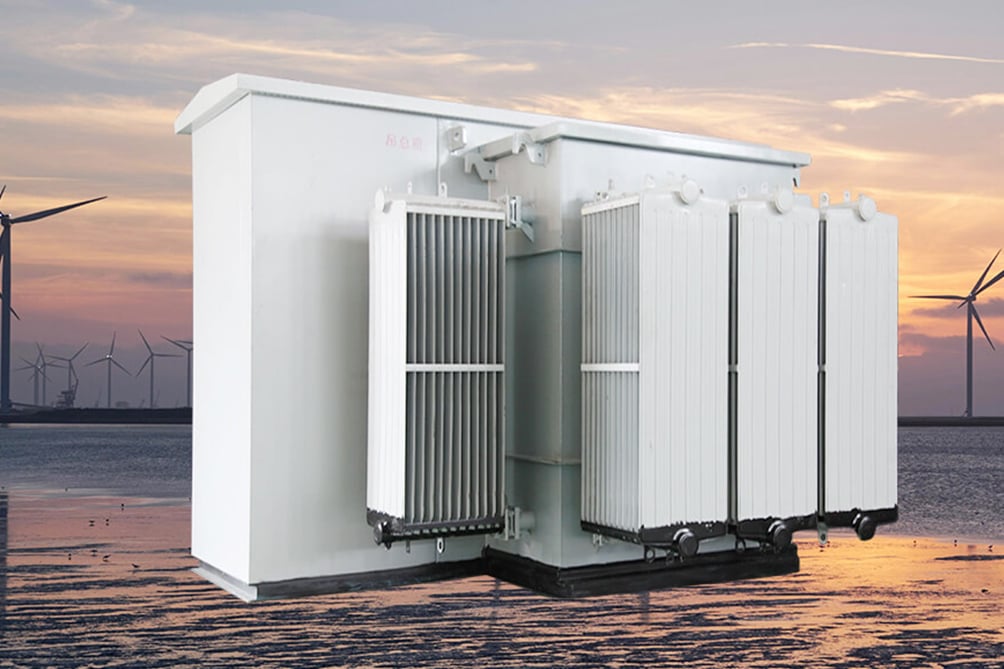
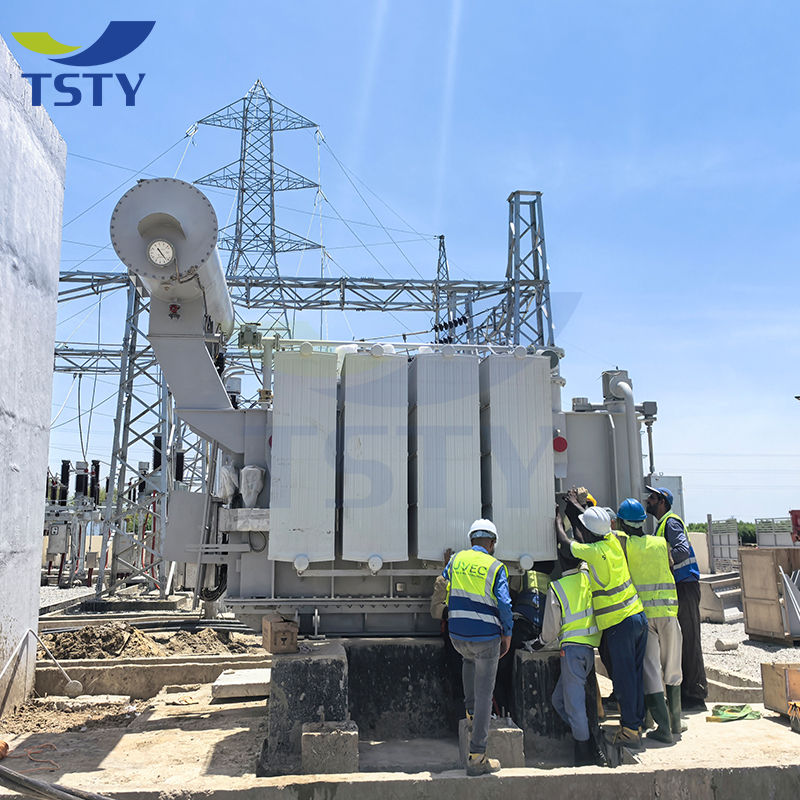
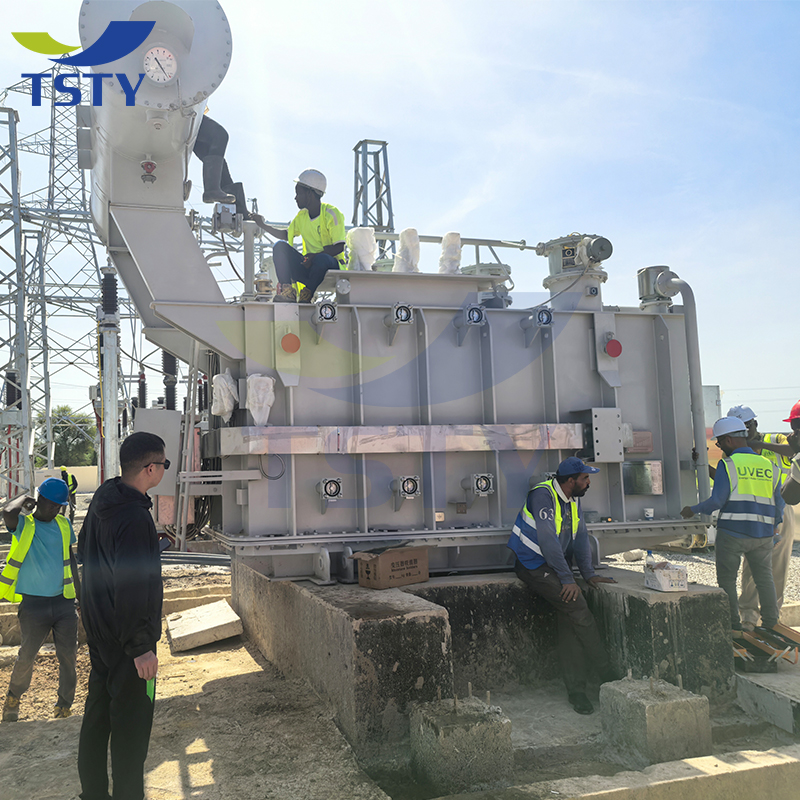
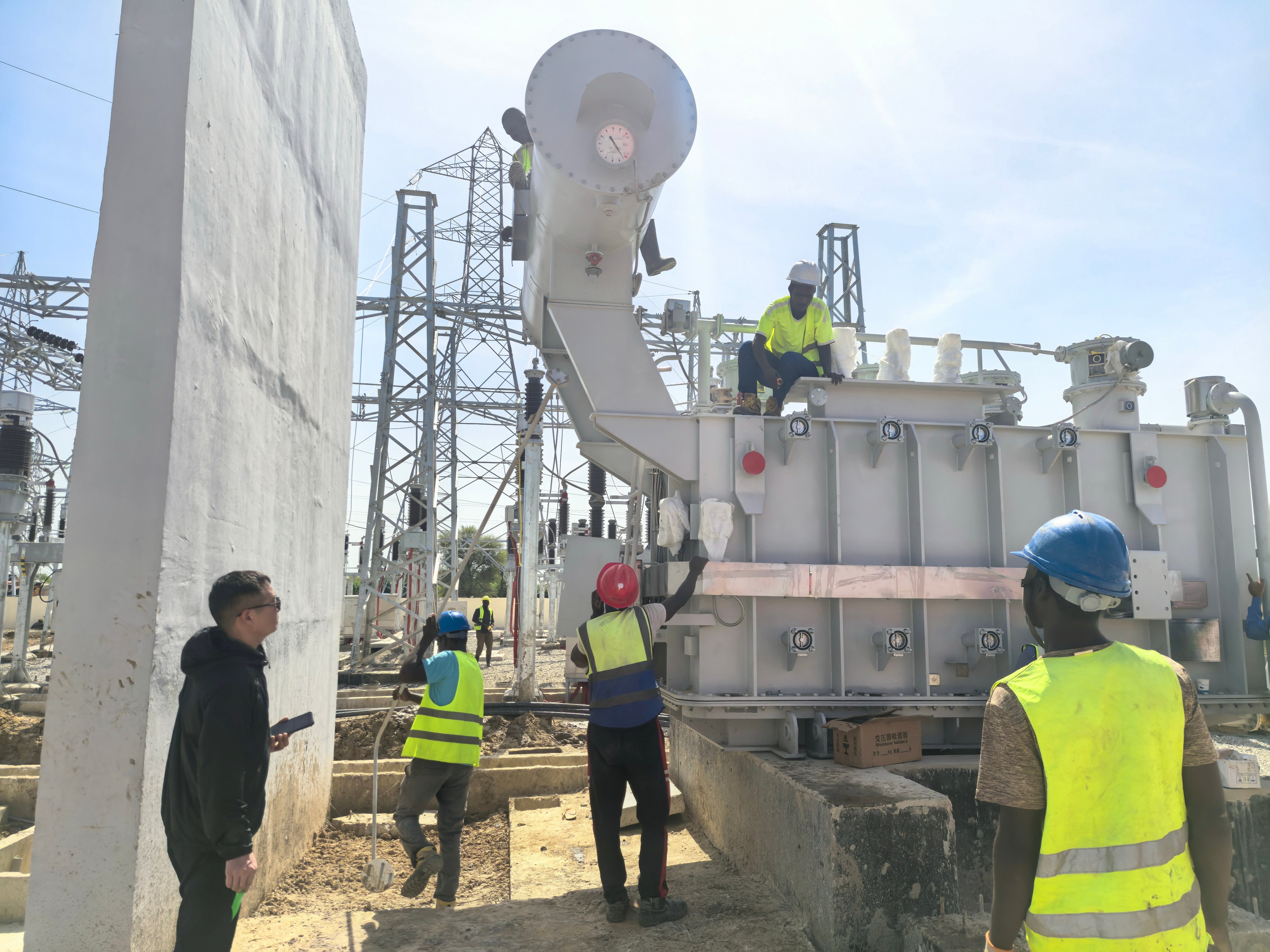
For compact substation projects, the three phase distribution transformer is usually arranged between the MV switchgear compartment and the LV distribution compartment. In this case, enclosure dimensions, ventilation openings, transformer access, cable routing, grounding layout, and maintenance clearance should be reviewed as one system. For outdoor pad-mounted installation, foundation design, cable trench position, protection level, and operation access should be confirmed.
Before ordering a three phase distribution transformer, buyers should provide rated power, voltage ratio, frequency, connection group, impedance requirement, tap changer type, cooling method, installation method, enclosure requirement, accessory list, applicable standards, and required documents. If the transformer is used for export projects, packing method, transport limits, nameplate language, test reports, and destination climate should also be discussed.
TSTY can provide datasheets, outline drawings, routine test reports, accessory details, packing information, and nameplate information according to the agreed supply scope. A suitable three phase distribution transformer helps the project team connect medium voltage supply, transformer performance, low voltage distribution, and site installation requirements in a practical way.


Frequently Asked Questions About Three Phase Distribution Transformer Selection

The following questions help buyers understand three phase distribution transformer applications, technical parameters, installation options, and quotation preparation.

What is a three phase distribution transformer used for?

A three phase distribution transformer steps down medium voltage power to low voltage three-phase power for factories, buildings, utilities, communities, infrastructure systems, and local distribution networks.
Common types include oil-immersed transformer, dry-type transformer, pad-mounted transformer, pole-mounted transformer, compact substation transformer, and amorphous alloy transformer.
Capacity should be selected according to total connected load, actual demand, load growth, motor starting current, operating duty, power factor, and project design margin.
Yes. Dry-type transformers are often used indoors, while oil-immersed transformers may also be installed in suitable transformer rooms if local rules, ventilation, fire safety, and oil containment are addressed.
Please provide rated capacity, voltage ratio, frequency, vector group, impedance, tap range, cooling method, installation environment, enclosure requirement, accessories, standards, and test requirements.
Yes. A three phase distribution transformer can be integrated with MV switchgear, LV cabinet, enclosure, ventilation system, grounding system, and protection devices in a compact substation.

Related Articles

When Is a 500kVA Substation the Right Choice for Medium-Voltage Power Distribution?

21

Sep

When Is a 500kVA Substation the Right Choice for Medium-Voltage Power Distribution?

Discover when to specify a 500kVA substation for medium-voltage power. A B2B guide on load sizing, 11kV to 400V step-down, and pad mount configurations.
View More
33/11kV Transformer Buying Guide: Capacity, Cooling Method, Losses, and Protection

21

Sep

33/11kV Transformer Buying Guide: Capacity, Cooling Method, Losses, and Protection

Sourcing a 33 11kv transformer? Discover expert B2B tips on sizing capacity, ONAN/ONAF cooling, core losses, and essential protection relays.
View More
Single Phase and Three Phase Transformer Comparison for Distribution Network Planning

22

Sep

Single Phase and Three Phase Transformer Comparison for Distribution Network Planning

Compare single phase and three phase transformer options for distribution networks. Discover B2B procurement strategies, CAPEX analysis, and grid applications.
View More
Why Three Phase Oil Immersed Transformers Remain Popular for Reliable Medium-Voltage Supply

28

Sep

Why Three Phase Oil Immersed Transformers Remain Popular for Reliable Medium-Voltage Supply

Discover why the three phase oil immersed transformer remains the top choice for medium-voltage grids. We explore cooling tech, ROI, and B2B procurement.
View More

Sample Buyer Feedback Scenarios

The following sample-style comments reflect practical concerns when selecting three phase distribution transformer equipment for distribution projects.
Liam Fischer
Building Services Electrical Designer

“The three phase distribution transformer data helped us check room layout, ventilation space, and LV cabinet connection before finalizing the building electrical design.”

Mei Tanaka
Utility Planning Engineer

“We needed transformer options for a feeder extension project. The voltage ratio, capacity range, and installation details made the selection process more organized.”

Carlos Ribeiro
Industrial Maintenance Coordinator

“Our site has several motor loads, so we reviewed impedance, capacity, and cable direction carefully. The transformer drawing supported our installation planning.”

Get a Free Quote

Our representative will contact you soon.
Select your project goal
Email
Name
Company Name
Phone
Project Details
0/1000
Load-Based Selection for Three-Phase Systems

Load-Based Selection for Three-Phase Systems

A three phase distribution transformer should be selected according to the actual load structure of the project, not only the total installed capacity. In industrial plants, the transformer may supply motors, compressors, pumps, conveyors, welding machines, or production lines with different starting and operating patterns. In commercial buildings, it may supply HVAC systems, elevators, lighting, office equipment, and emergency power circuits. TSTY can help buyers review load demand, diversity factor, power factor, future expansion, motor starting current, and phase balance before confirming transformer capacity. Technical parameters such as voltage ratio, frequency, vector group, impedance, tap range, cooling method, loss level, and temperature rise should also be checked. A suitable three phase distribution transformer helps reduce voltage drop issues, supports protection coordination, and keeps the low voltage distribution design closer to actual operating needs.
Transformer Type Matching with Installation Environment

Transformer Type Matching with Installation Environment

The installation environment is an important factor when choosing a three phase distribution transformer. Oil-immersed transformers are often used outdoors, in utility distribution points, industrial yards, pole-mounted installations, pad-mounted systems, and compact substations. Dry-type transformers are commonly used indoors in buildings, hospitals, schools, commercial centers, and electrical rooms where ventilation, noise, fire safety, and maintenance access must be considered. TSTY can review site conditions including altitude, ambient temperature, humidity, dust level, corrosion exposure, ventilation path, cable entry direction, foundation size, and lifting route. For outdoor projects, enclosure protection, grounding, drainage, and anti-corrosion requirements should also be confirmed. Matching the three phase distribution transformer structure with the site condition helps the project team avoid layout changes and prepare installation work more clearly.
Coordination with MV and LV Distribution Equipment

Coordination with MV and LV Distribution Equipment

A three phase distribution transformer normally works between upstream medium voltage equipment and downstream low voltage distribution systems, so interface coordination is important. On the MV side, it may connect with ring main units, load break switches, vacuum circuit breakers, fuses, overhead lines, or cable feeders. On the LV side, it may connect with distribution cabinets, busbar trunking, metering panels, capacitor compensation cabinets, and outgoing feeders. TSTY can support review of transformer terminal arrangement, cable termination space, protection method, grounding position, neutral connection, enclosure layout, ventilation clearance, and maintenance route. In compact substations, the three phase distribution transformer, MV switchgear, LV cabinet, and enclosure should be considered together. Early interface checking helps align electrical drawings, civil foundation, cable routing, and commissioning preparation.